12 Nebraska Small Towns With Main Streets That Still Feel Wonderfully Classic
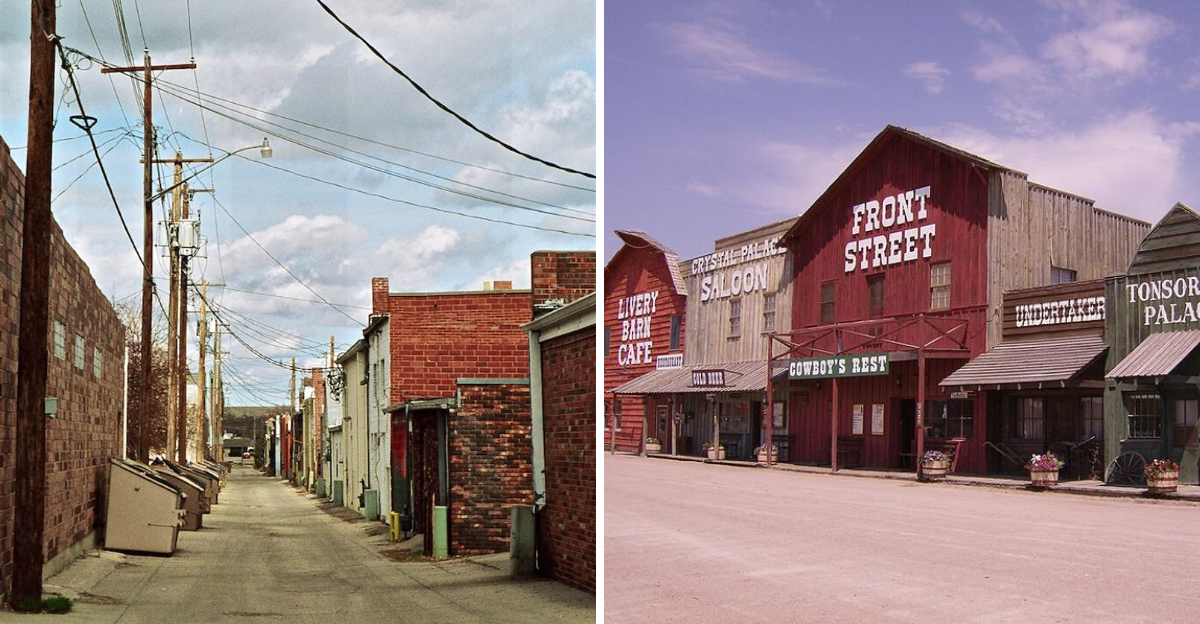
Main streets like these do not rush to impress anyone.
They simply keep showing up with the kind of steady charm that makes a town feel rooted, warm, and wonderfully easy to love.
Nebraska still has places where old storefronts and a slower daily rhythm turn a simple walk into something quietly satisfying.
You can feel the history without it being dressed up too much. You can feel the pride too.
A classic main street does more than hold a few businesses together. It gives the whole town a heartbeat, and in these Nebraska spots, that heartbeat still feels reassuringly strong.
1. Plattsmouth
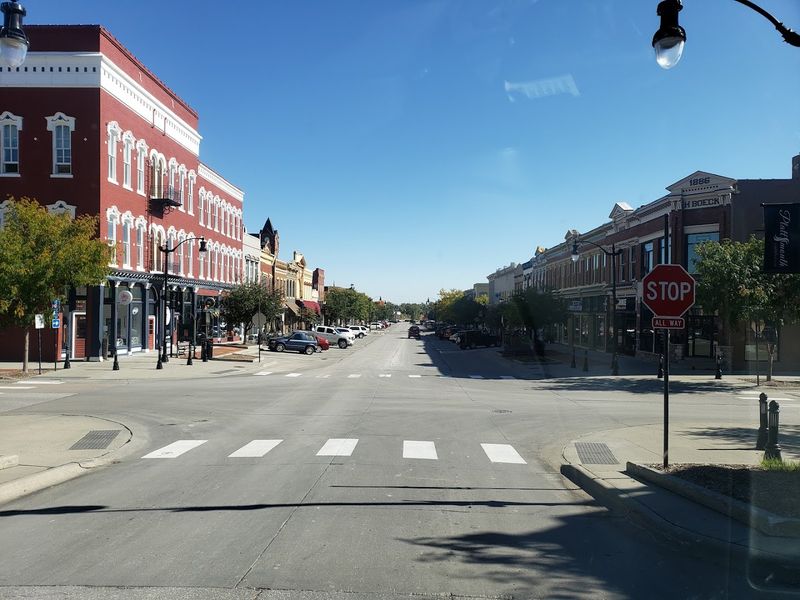
Sitting right along the Missouri River, Plattsmouth carries a kind of quiet pride that shows up in every weathered brick storefront downtown.
The historic commercial district feels rooted in another era without trying too hard to look preserved. Old buildings line the main corridor with solid architecture that speaks to the town’s 19th-century trading roots.
Visitors who enjoy slow walks tend to appreciate the texture here, from painted window lettering to cast-iron details on building facades.
The river setting adds a natural backdrop that few Nebraska towns can match. There is a sense of layered history in Plattsmouth that goes beyond just old buildings.
Cass County’s courthouse anchors the area with civic weight, and the surrounding blocks reward anyone willing to look up at the upper floors of older commercial structures.
Weekend visits tend to feel more lively, though the downtown retains its character on quieter weekday mornings too. Plattsmouth is the kind of town that grows on visitors the longer they stay.
2. Brownville
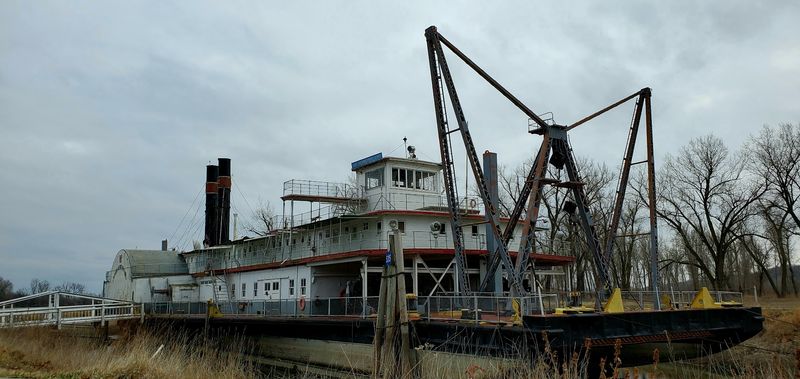
Tucked into the Missouri River bluffs, Brownville feels like a town that time decided to leave mostly alone, and that is genuinely part of its appeal. The streets are narrow and shaded, lined with buildings that date back to the mid-1800s when this was a busy river port.
That old-town energy is still present in the architecture, the layout, and the overall atmosphere.
Bookstores and galleries have found a natural home here, giving the town a creative character that pairs well with its historical bones. The Brownville Village Theatre adds a performing arts dimension that surprises many first-time visitors.
Stopping in during warmer months tends to offer the fullest experience since some venues operate seasonally.
The Missouri River is visible from several points around town, and the natural scenery complements the preserved streetscape nicely. Walking the whole town takes less than an hour, but most visitors find themselves lingering longer than planned.
Few places in Nebraska offer this specific combination of history, art, and river scenery in such a compact setting.
3. Red Cloud
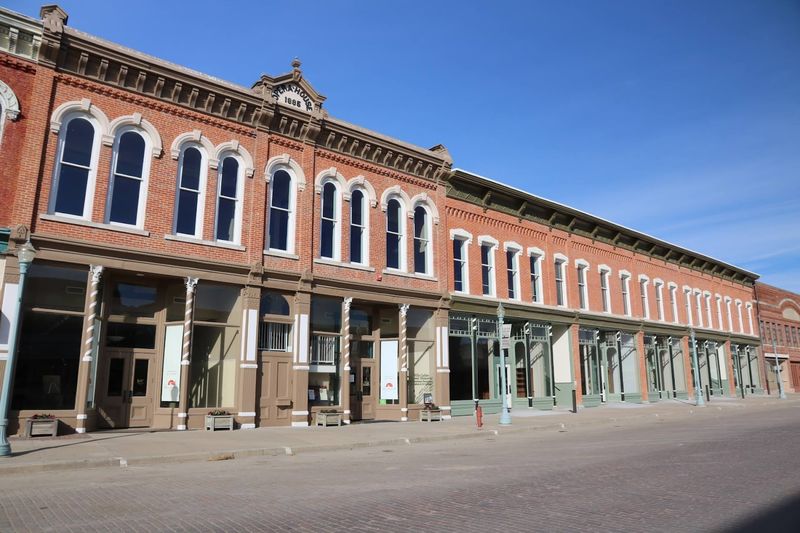
Red Cloud holds a literary legacy that sets it apart from nearly every other small town in the Great Plains.
As the hometown of author Willa Cather, the downtown district carries a cultural weight that draws readers, historians, and curious travelers from across the country. The streets feel genuinely preserved rather than artificially restored.
The Red Cloud Opera House is one of the most recognizable landmarks in the downtown area, and its presence gives the Main Street a dignified, almost theatrical quality.
Many of the buildings connected to Cather’s life and work are maintained by the Willa Cather Foundation and are open for tours.
Visitors can walk between multiple historic sites within a short distance, making the town very walkable.
Webster County’s landscape surrounding Red Cloud adds a sweeping prairie backdrop that mirrors the settings found in Cather’s novels.
The downtown commercial strip retains its classic proportions with low-rise brick buildings and wide sidewalks.
Red Cloud is the kind of place where history feels personal rather than distant, and that intimacy is a big part of its charm.
4. Minden
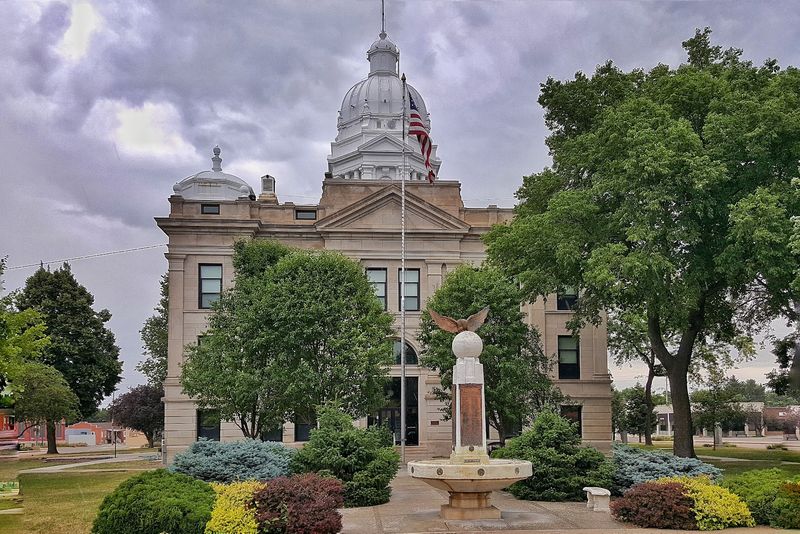
Built around a classic courthouse square, Minden has the kind of downtown layout that feels almost archetypal for small-town America.
The Kearney County Courthouse sits at the center of town, and the surrounding commercial blocks radiate outward with brick storefronts that have been part of the community for well over a century. Everything feels proportional and grounded here.
Minden earned the nickname “Christmas City of the Plains” thanks to its long-running holiday light tradition, which draws visitors from across the region each winter.
Outside of the holiday season, the downtown still carries a warm, neighborly character that makes it easy to spend an afternoon browsing local shops. The pace is relaxed and the scale is human-sized.
Harold Warp Pioneer Village, located just outside the downtown core, adds a significant heritage attraction to any visit.
The museum complex covers a remarkable range of American history and is one of the more underrated stops in south-central Nebraska.
Together, the courthouse square and the pioneer village make Minden a destination with more depth than its modest size might suggest.
5. Ashland
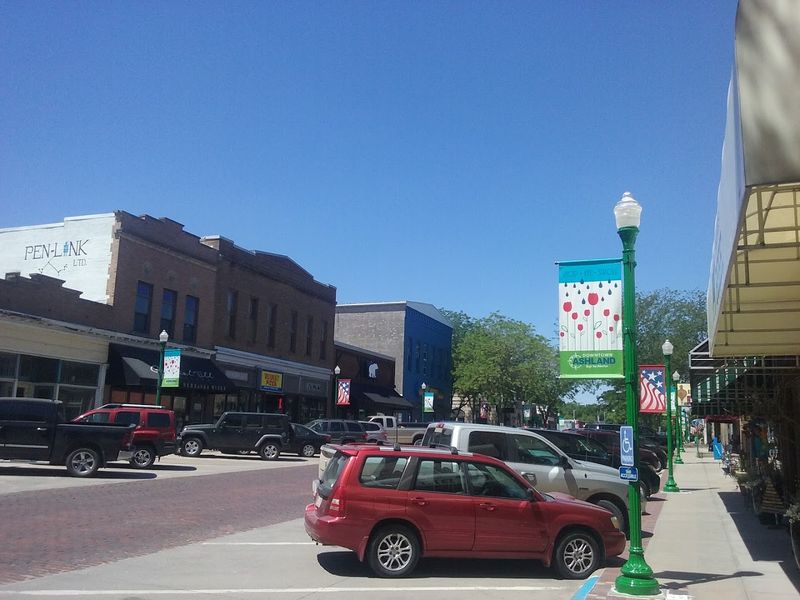
Silver Street in Ashland has the kind of easy walkability that makes a downtown feel alive rather than just preserved.
The storefronts along the main commercial strip are well-maintained, with a mix of local shops and casual eateries that give the street genuine daily activity.
There is nothing forced or overly curated about the experience here.
Ashland sits conveniently between Lincoln and Omaha, which means it gets a steady flow of visitors without feeling overrun.
The Strategic Air Command and Aerospace Museum is located just outside of town and pulls in a different crowd than the downtown does, giving Ashland a broad appeal across interest types.
Both parts of a visit can fit comfortably into a single day.
The tree-lined residential streets near downtown add to the overall sense of a town that takes care of itself.
Local cafes along Silver Street tend to have a relaxed, unhurried atmosphere that suits the pace of the town well.
Ashland is the kind of place that rewards a slower visit, where the goal is simply to walk, look around, and settle in for a bit.
6. Sidney
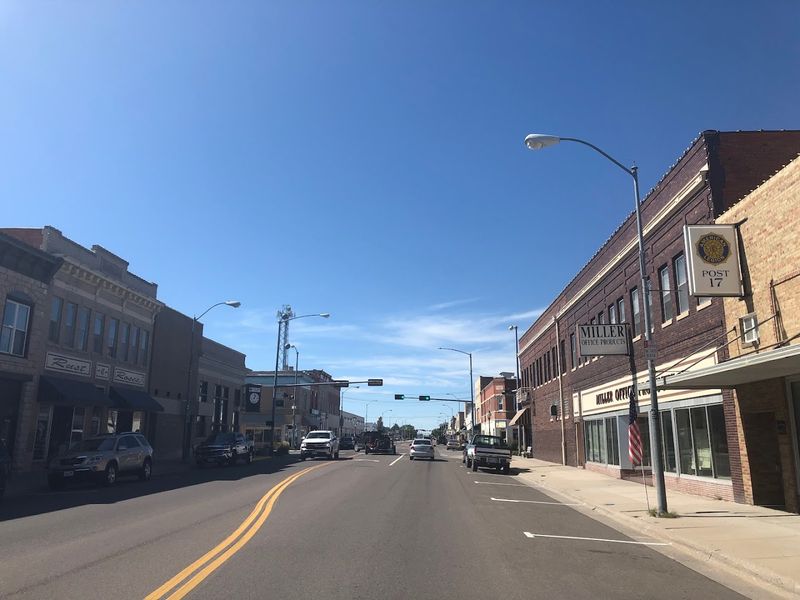
Sidney’s historic Main Street district carries the sturdy, no-nonsense character of a town built during the railroad era of the late 1800s.
The architecture along the main commercial strip reflects the practical ambitions of a community that grew quickly and built to last.
Stone and brick facades line the blocks with a confident solidity that still reads clearly today.
The town sits in the Nebraska Panhandle, which gives it a geographic identity separate from the more densely settled eastern part of the state.
That regional distinctiveness shows up in the downtown’s character, which feels more frontier-influenced than the courthouse-square towns farther east. Sidney has a rugged, plains-edge quality that is genuinely its own.
Cabela’s original headquarters was located in Sidney for many years, and while the retail landscape has shifted, the town retains a strong connection to outdoor culture and western Nebraska identity.
The surrounding Cheyenne County countryside is wide and open, making Sidney a logical base for exploring the Panhandle region.
Downtown Sidney rewards a slow walk and a willingness to look at the details built into its older commercial buildings.
7. Chadron
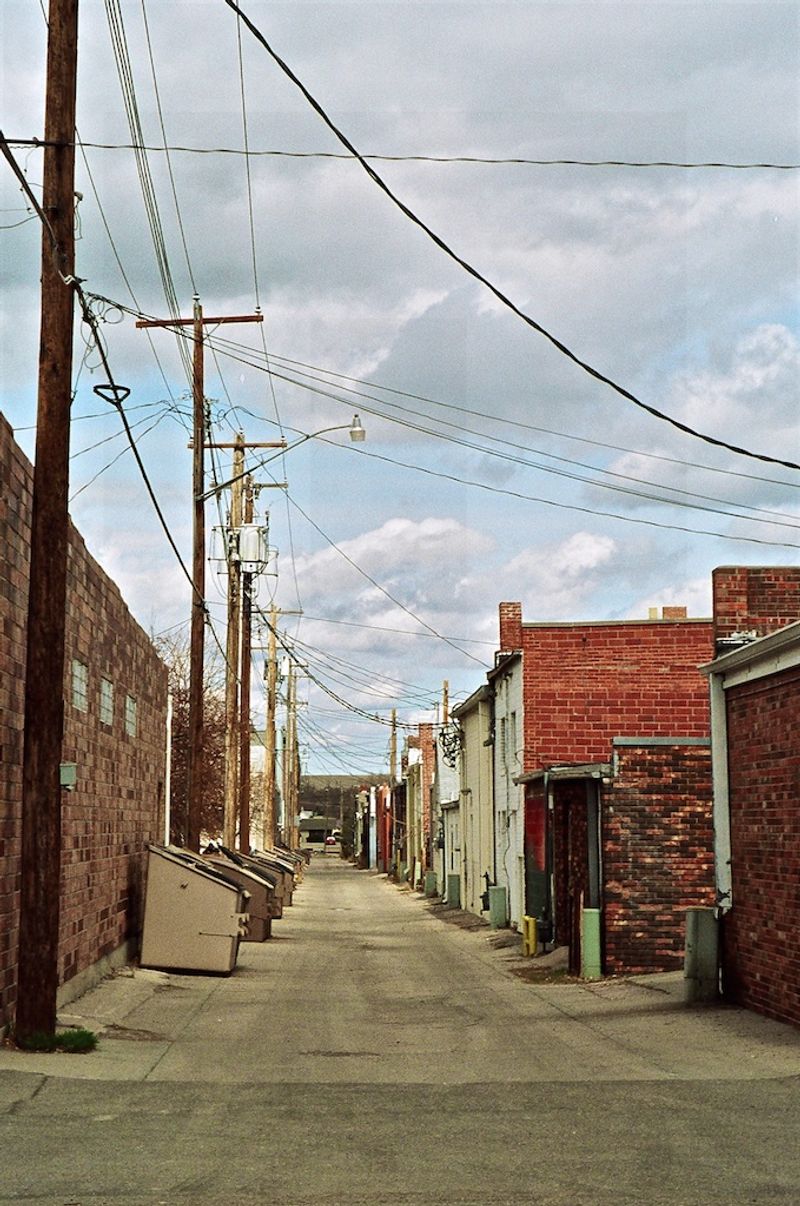
Chadron’s downtown commercial district has a walking-tour quality that makes it easy to spend a couple of hours simply moving through the blocks and taking in the architecture.
The district is listed on the National Register of Historic Places, and the buildings along the main corridor reflect the late 19th and early 20th century commercial style of the northern Panhandle.
There is a solidity to the streetscape that feels earned rather than manufactured.
Chadron State College gives the town an ongoing cultural energy that keeps the downtown from feeling static.
Students, faculty, and local residents all move through the same commercial spaces, which helps the area feel active on a regular basis. That mix of academic and hometown character is part of what gives Chadron its particular texture.
The nearby Pine Ridge region adds a dramatic natural backdrop to any visit, and the Museum of the Fur
Trade located in Chadron is one of the more specialized and genuinely fascinating museums in the state.
Together, the historic downtown and the surrounding attractions make Chadron a well-rounded stop for anyone traveling through northwestern Nebraska. The town rewards curiosity.
8. Alliance
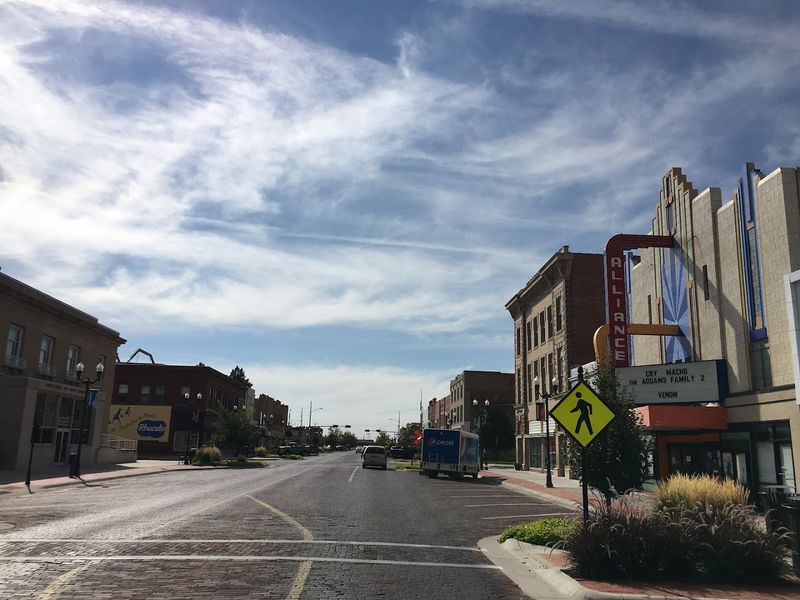
Box Butte Avenue in Alliance has the kind of wide, brick-lined presence that makes a Main Street feel genuinely monumental.
The downtown district is listed on the National Register of Historic Places and has an active Main Street program that works to keep the commercial corridor engaged and relevant. The result is a downtown that feels both historic and functional.
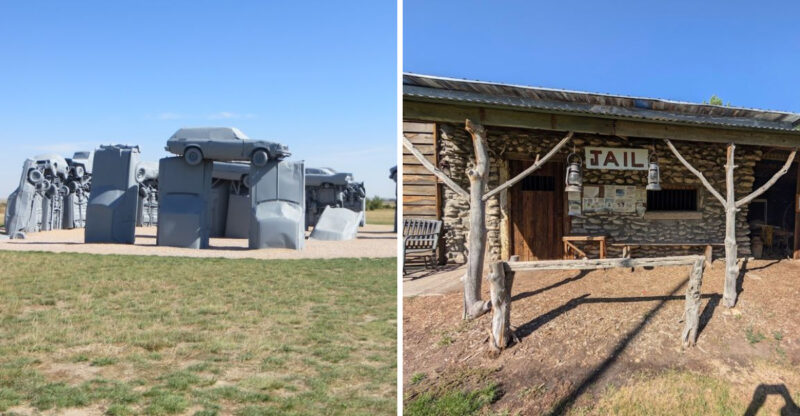
Alliance is perhaps best known outside of Nebraska for Carhenge, the quirky roadside attraction just north of town that draws visitors from surprisingly far away.
That creative spirit carries into the downtown, where local businesses and community events give the district a personality that goes beyond just old buildings.
The combination of heritage architecture and local energy makes Alliance feel more dynamic than its size might suggest.
Box Butte County’s wide-open landscape surrounds the town with the kind of uninterrupted sky that defines the western Nebraska experience.
Visiting on a weekday tends to offer a quieter, more intimate look at the downtown, while weekend events can bring the streets to life in a different way.
Alliance is a Panhandle town with real Main Street pride and the brick pavement to back it up.
9. Tecumseh
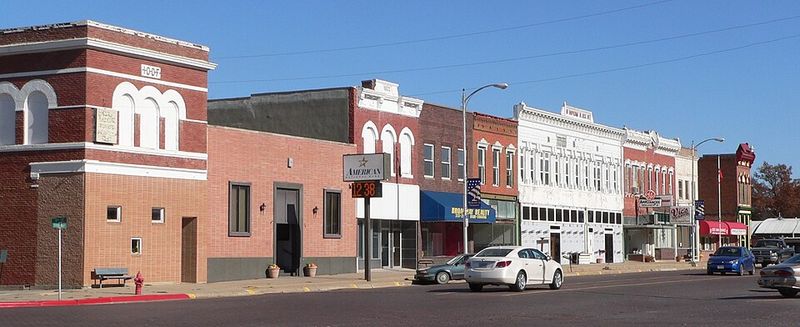
Organized around a courthouse square, Tecumseh has the kind of downtown geometry that encourages wandering.
Johnson County’s courthouse sits at the center of the layout, and the surrounding commercial blocks create a frame around it that has stayed largely consistent for decades. The scale is intimate and the architecture is unpretentious.
Brick storefronts line the square with the kind of honest commercial character that comes from buildings being used continuously rather than restored for appearances.
There is a working quality to Tecumseh’s downtown that some visitors find more genuine than more polished historic districts. The town does not seem to be performing its history, it is simply living alongside it.
Southeast Nebraska has a rolling, wooded character that differs from the flat prairie image many people associate with the state, and Tecumseh fits naturally into that quieter regional identity.
The downtown is small enough to cover on foot in a single visit but layered enough to reward a second look.
Stopping here between larger destinations along Highway 50 tends to be a pleasant surprise for travelers who were not expecting much from such a small county seat.
10. Aurora
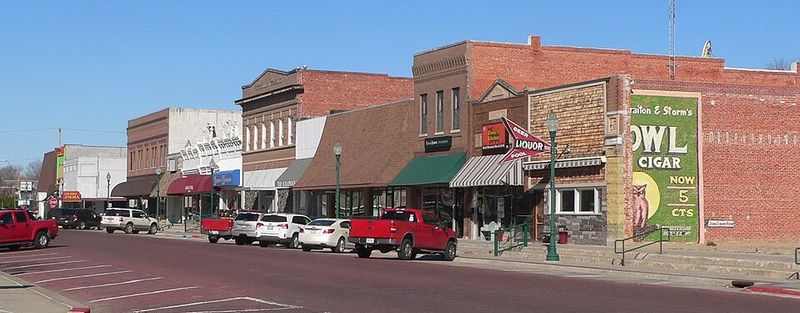
Aurora has the kind of tidy, well-kept downtown that reflects a community actively invested in its own appearance.
Hamilton County’s main commercial strip retains its classic proportions with brick storefronts and a street-level energy that feels genuinely local.
The town is not trying to be a tourist destination so much as simply taking care of what it has.
Plainsman Museum, located in Aurora, is one of the more thoughtfully organized regional history museums in central Nebraska and adds real substance to any visit.
The collections inside cover Hamilton County history with a depth that rewards unhurried browsing. Pairing the museum with a walk through the downtown makes for a satisfying half-day itinerary.
Aurora sits along Highway 34 in central Nebraska, making it accessible without being overrun by through traffic.
The surrounding farmland gives the town a grounded agricultural identity that shows up in the character of the downtown businesses.
There is a steady, dependable quality to Aurora that feels reassuring in the best possible way, like a town that has figured out what it is and stays true to it without making a big announcement about it.
11. Ogallala
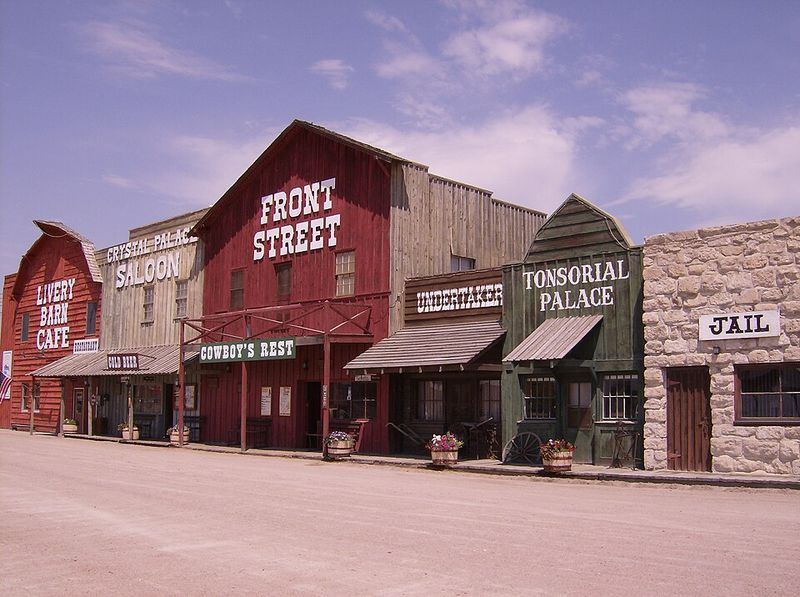
Carrying a genuine Old West flavor is not just a marketing angle but an actual reflection of the town’s cattle-drive history.
The downtown district has a frontier-era energy baked into its bones, with buildings and street layouts that recall the town’s role as a major cattle shipping point in the late 1800s.
That history gives the commercial corridor a distinctive identity.
Front Street, which served as Ogallala’s original main commercial strip, still anchors the historic character of the downtown area.
The proportions of the older buildings and the wide street layout give the district a cinematic quality that feels earned rather than staged. Walking through it on a quiet morning can feel like moving through a living set piece.
Lake McConaughy sits just north of town and draws a significant seasonal crowd, which means Ogallala sees a mix of local regulars and summer visitors moving through the downtown.
That seasonal rhythm gives the town a lively quality during warmer months while remaining more settled in the off-season.
Keith County’s wide skies and the lake’s shimmering presence make Ogallala one of the more scenically complete small-town stops in western Nebraska.
12. Beatrice
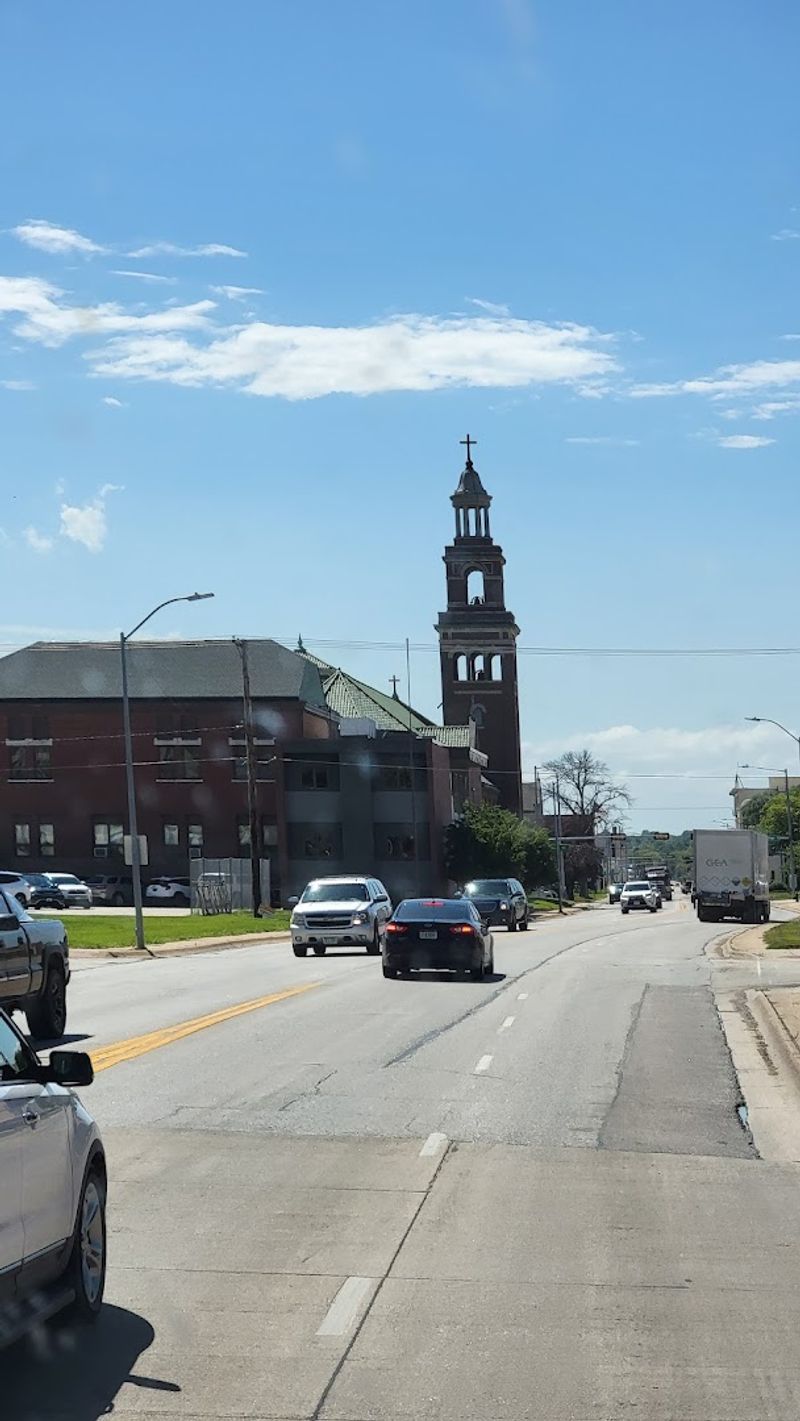
Beatrice has a downtown that feels genuinely alive, with murals adding color and storytelling to building exteriors throughout the commercial district.
The brick architecture along the main streets reflects a prosperous late-19th-century town that built with ambition, and much of that original construction still stands in solid condition.
There is a visual richness to Beatrice’s downtown that rewards slow walking.
Gage County’s seat has a more substantial commercial footprint than many of the smaller towns on this list, which means the downtown offers a wider range of shops and services alongside its historic character.
The mix of everyday businesses and heritage buildings gives Beatrice a functional vitality that some purely preserved districts lack. People come here to shop and eat, not just to look at old buildings.
Homestead National Historical Park is located just outside of Beatrice and draws visitors interested in the history of the 1862 Homestead Act and its impact on the American West.
Combining a visit to the park with time in the downtown makes for a full and satisfying day in Gage County.
Beatrice is one of those towns where the history and the present feel genuinely connected rather than separated by a velvet rope.