14 California Cities Where Locals Say The Real California Food Still Lives On
California’s food scene goes way beyond fancy restaurants and celebrity chefs. Across the Golden State, certain cities hold onto authentic flavors that tell stories of immigrant communities, agricultural traditions, and generations-old recipes passed down through families.
I’m taking you on a culinary road trip to places where locals insist the real California food culture thrives, from smoky tri-tip barbecue pits to bustling Chinatowns and farm-fresh markets that define what eating in California truly means.
1. Santa Maria

Smoky red oak wood fills the air with an unforgettable aroma that locals have cherished for generations.
This Central Coast city perfected a barbecue style that’s become legendary throughout California.
Tri-tip steak gets seasoned simply with salt, pepper, and garlic before hitting the grill over glowing red oak coals.
The meat comes out tender and flavorful, served alongside pinquito beans that grow locally in the valley.
Fresh salsa and garlic bread complete the traditional plate.
You’ll find this style at backyard gatherings, community fundraisers, and dedicated barbecue spots throughout town.
The technique dates back to mid-1800s ranching traditions when vaqueros cooked beef over open flames.
Families guard their seasoning secrets and grilling methods like treasured heirlooms.
2. Stockton
Agricultural abundance defines everything about eating in this Central Valley hub.
Asparagus grows so abundantly here that the city earned the title ‘Asparagus Capital of America.’
Every spring, the Stockton Asparagus Festival celebrates this green vegetable with creative dishes you won’t find anywhere else.
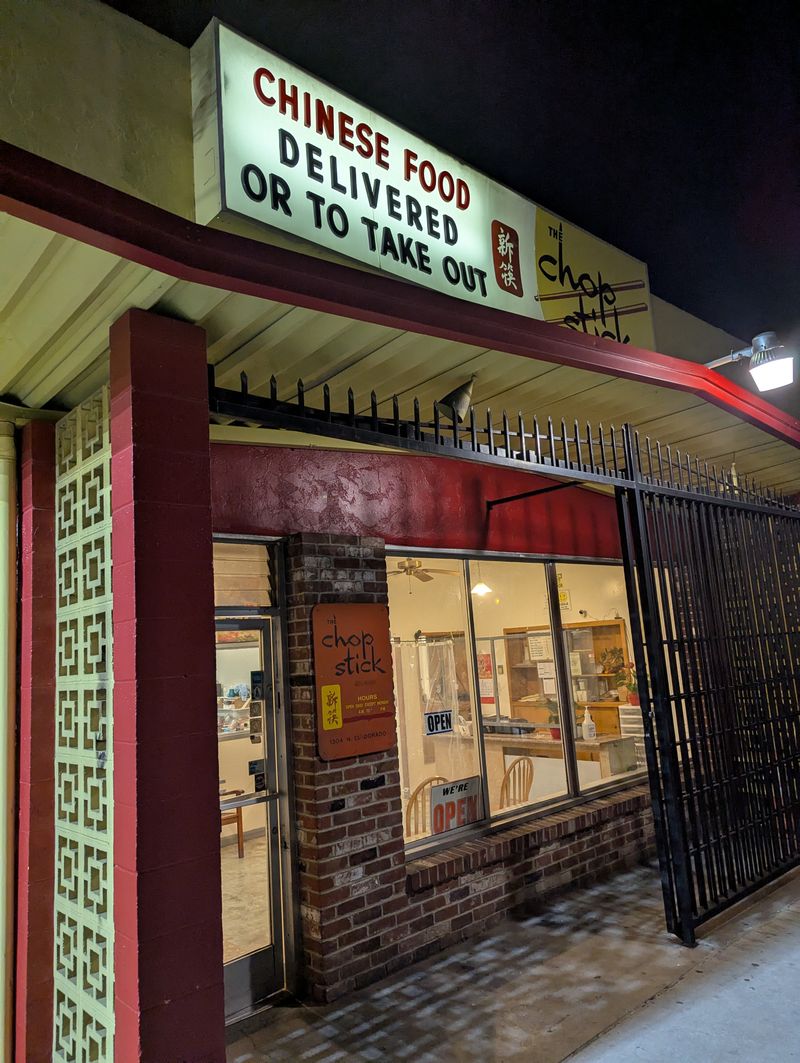
The historic Chinatown neighborhood adds another layer to the food story.
Generations of Chinese immigrants built a community here, and their descendants run authentic eateries serving dim sum, hand-pulled noodles, and regional specialties.
You’ll taste Cantonese flavors alongside fresh produce pulled straight from surrounding farmland.
The combination of agricultural richness and immigrant traditions creates something uniquely Californian.
Local families know exactly which stalls and restaurants serve the most authentic dishes.
3. Long Beach
Outside Southeast Asia, you won’t find a larger Cambodian community than the one thriving here.
Cambodia Town represents the heart of Khmer culture in America.
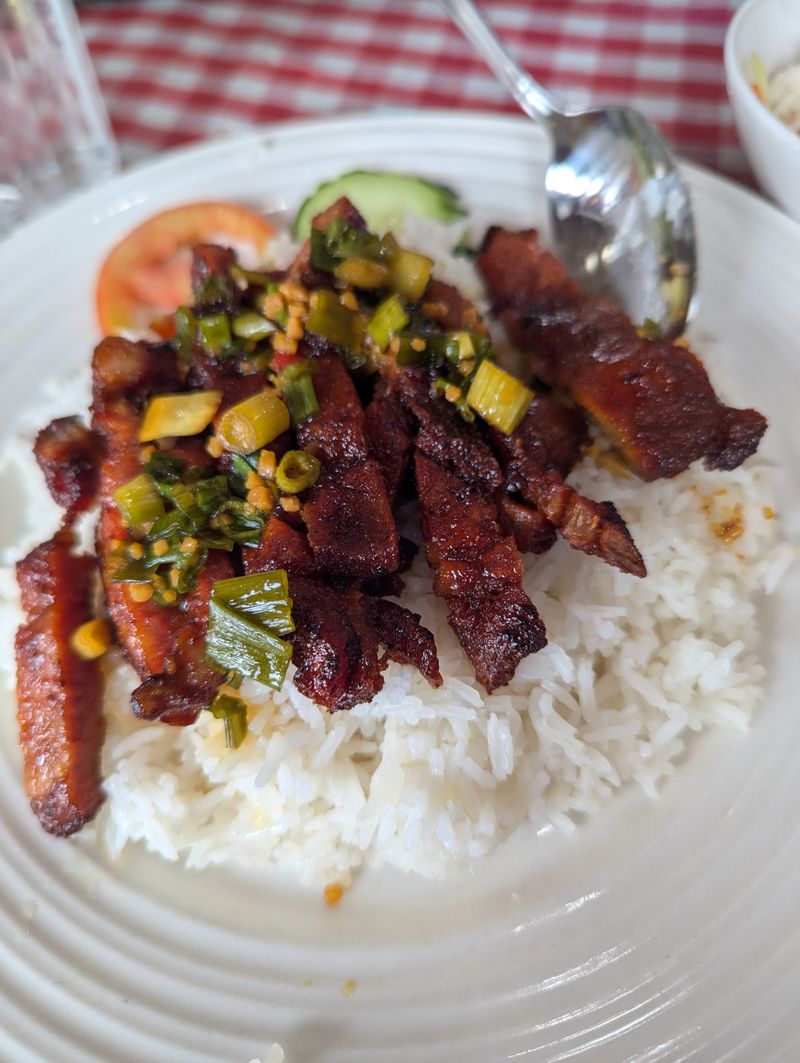
Restaurants line the streets serving num banh chok (Khmer noodles), fish amok, and beef lok lak prepared exactly as families remember from their homeland.
Markets overflow with Southeast Asian ingredients like lemongrass, galangal, and fresh herbs.
Cultural centers and temples anchor the neighborhood, making it more than just a place to eat.
I recommend trying the morning markets where vendors sell freshly made Cambodian desserts and snacks.
The flavors tell stories of resilience and community building.
Locals treat these restaurants as gathering places where language, traditions, and recipes connect generations.
4. San Francisco
Innovation meets tradition in a city that’s been shaping California cuisine for over a century.
Sourdough bread made with century-old starter cultures represents just one piece of the food puzzle here.
Fisherman’s Wharf brings in fresh Dungeness crab and seafood that’s been feeding locals since Gold Rush days.
Modern Mexican cuisine at places like Californios pushes boundaries while honoring cultural roots.
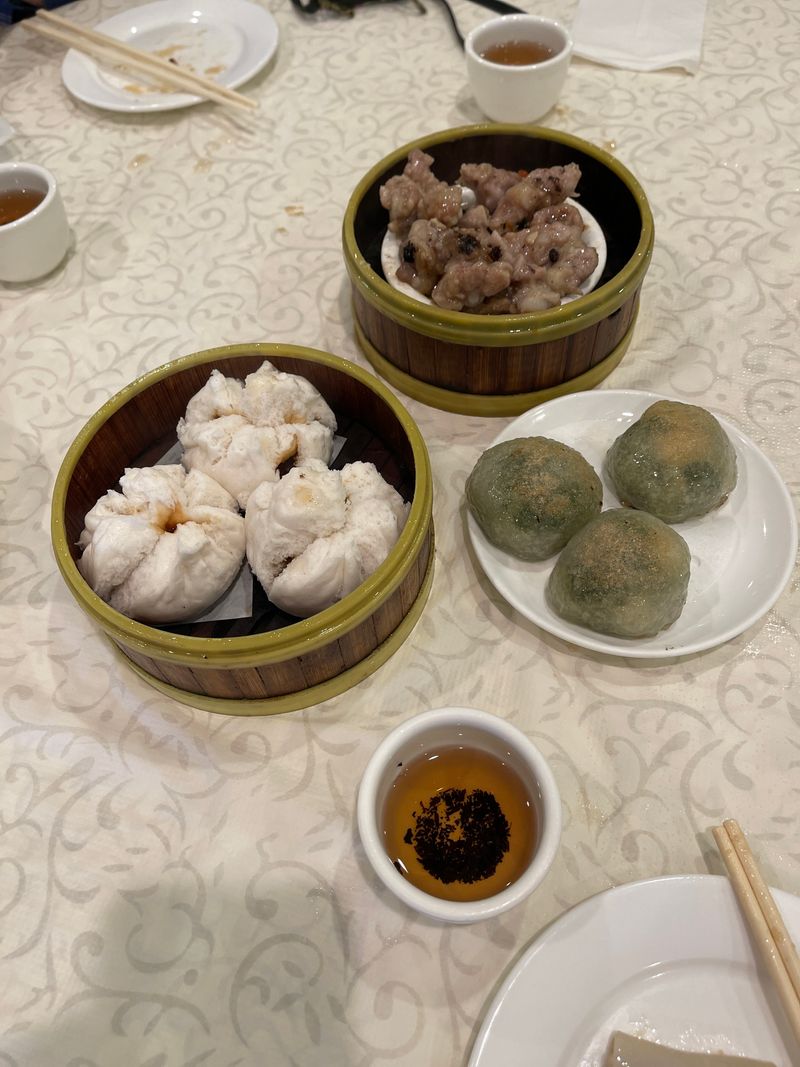
The city’s Chinatown, oldest in North America, serves dim sum and Cantonese dishes perfected over generations.
Mission-style burritos were born here, creating a California staple now copied worldwide.
Italian, Japanese, Thai, and Ethiopian neighborhoods each contribute authentic flavors.
The diversity reflects wave after wave of immigration, each group adding their culinary traditions to the mix.
5. Los Angeles

More than any other California city, this sprawling metropolis contains entire worlds of authentic ethnic cuisine.
Koreatown serves Korean BBQ and soon dubu jjigae that rivals anything in Seoul.
East LA’s taco trucks and family restaurants dish out birria, carnitas, and handmade tortillas that taste like home to Mexican families.
Thai Town offers boat noodles and papaya salad made by Thai immigrants.
Little Armenia, Little Ethiopia, and Persian neighborhoods each preserve their culinary heritage.
You could eat at a different authentic restaurant every day for years and never repeat.
The city’s immigrant communities maintain food traditions as a way of preserving identity.
Locals know which strip mall houses the best pho or where grandmothers still hand-roll dumplings daily.
6. San Diego

Coastal location and proximity to Mexico create a food culture that tastes like sun, surf, and cross-border traditions.
Fish tacos were perfected here, with battered or grilled fish tucked into corn tortillas and topped with cabbage and creamy sauce.
The style comes straight from Baja California fishing villages.
Carne asada fries pile seasoned beef, cheese, guacamole, and sour cream onto crispy fries for a San Diego original.
Craft breweries pair perfectly with Mexican food, creating a local dining ritual.
Seafood restaurants serve catches pulled from Pacific waters that morning.
The laid-back beach vibe extends to casual eateries where flip-flops are standard dress code.
Locals debate endlessly about which taco shop serves the best California burrito stuffed with fries.
7. Fresno
Agricultural heartland meets immigrant traditions in a city where food connects directly to the surrounding farmland.
Fresno sits in the middle of the most productive agricultural region in America.
Raisins, figs, almonds, and stone fruits grow in orchards that stretch to the horizon.
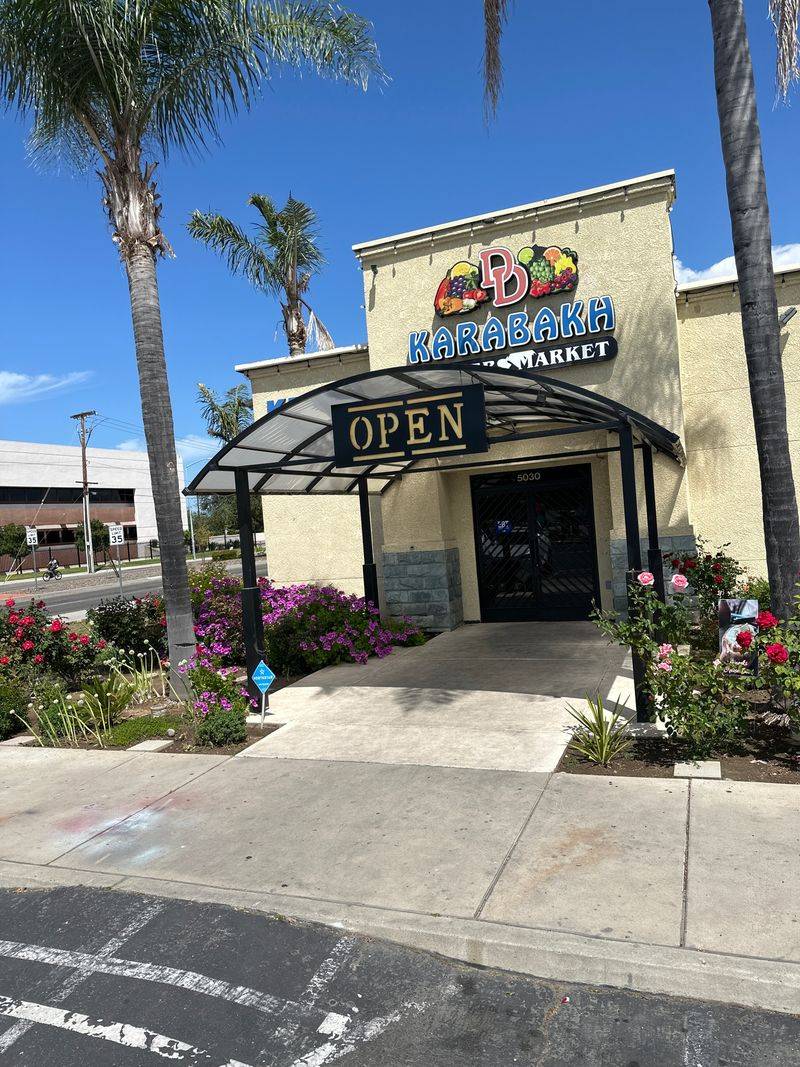
Armenian immigrants brought their food culture here generations ago, and restaurants still serve lavash, dolma, and kebabs made from family recipes.
Hmong farmers transformed the local food scene by introducing Asian vegetables and herbs to markets.
Mexican restaurants reflect the region’s agricultural workforce, serving authentic dishes from various Mexican states.
You’ll find Basque restaurants too, a reminder of sheepherders who settled here.
The diversity comes from people who worked the land and brought their culinary heritage with them.
8. Monterey
Fishing heritage runs through every waterfront restaurant in this coastal gem.
Cannery Row once processed millions of sardines, and while the canneries closed decades ago, the fishing tradition continues.
Italian fishing families who settled here in the 1800s still influence the local food scene.
Calamari, cioppino, and fresh rock cod appear on menus at restaurants where families have cooked the same recipes for generations.
Abalone, once abundant here, remains a prized delicacy when available.
Farmers markets showcase artichokes from nearby Castroville, the ‘Artichoke Capital of the World.’
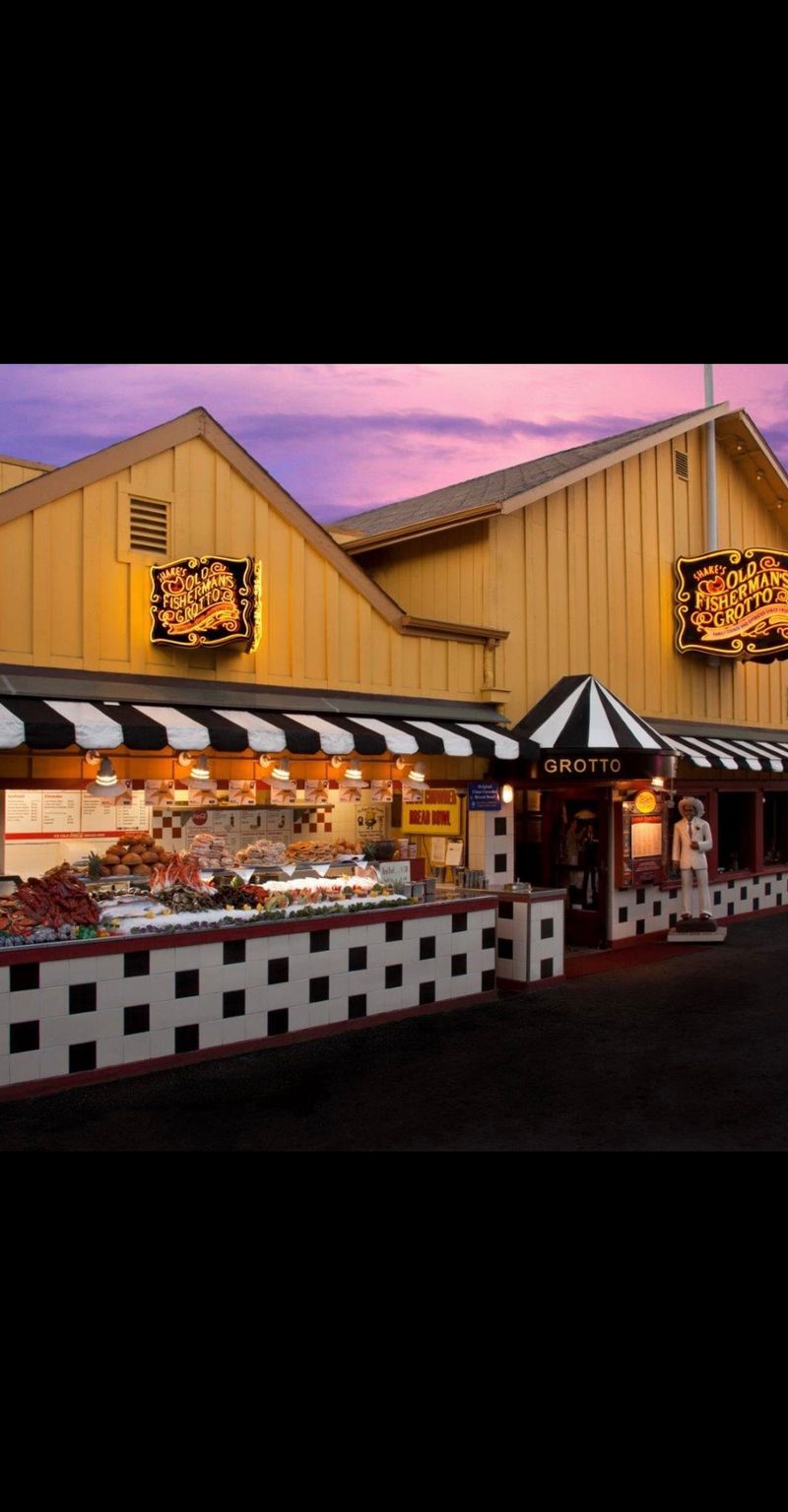
Clam chowder served in sourdough bread bowls became a Monterey signature.
The connection between ocean and table feels immediate when you watch fishing boats unload their morning catch at the wharf.
9. Oxnard
Strawberry fields and coastal agriculture define the food culture in this often-overlooked Ventura County city.
Oxnard produces more strawberries than almost anywhere else in California.
During harvest season, the sweet smell of ripe berries fills the air around town.
The California Strawberry Festival celebrates this agricultural treasure each spring with berry shortcakes, smoothies, and creative dishes.
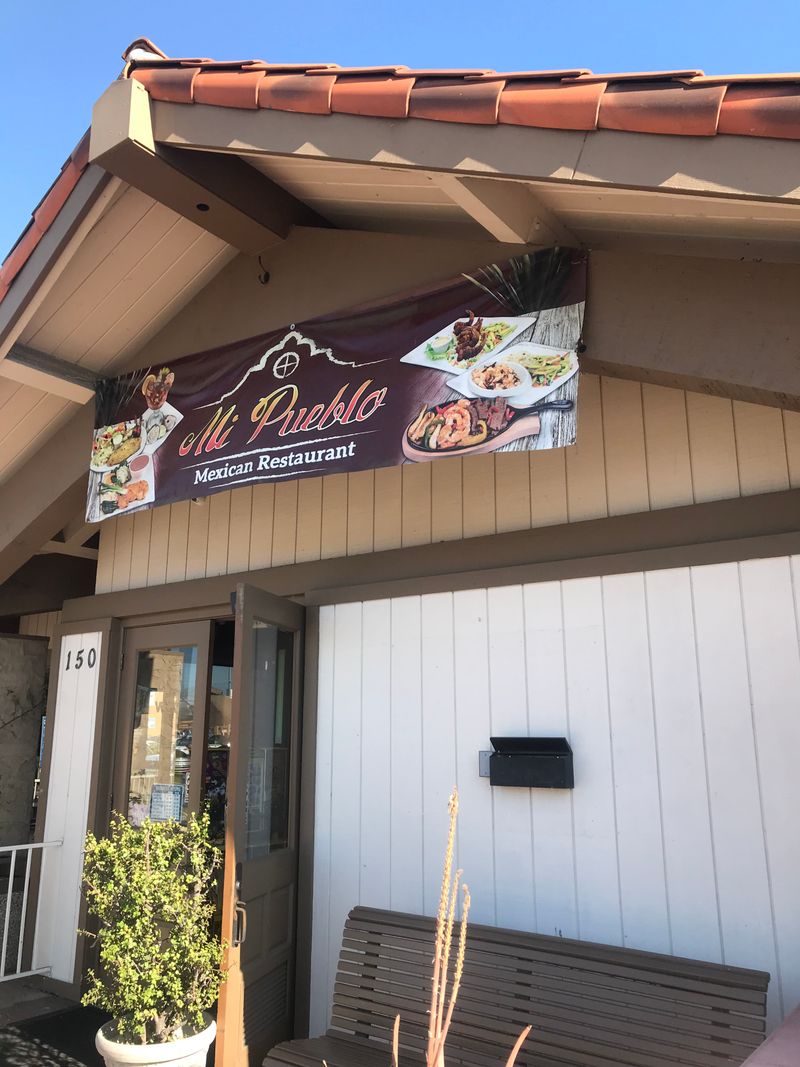
Mexican restaurants reflect the community’s demographics, serving authentic regional dishes from Michoacán, Jalisco, and Oaxaca.
Seafood restaurants take advantage of the nearby Channel Islands Harbor, offering fresh catches in casual settings.
The agricultural workforce brought food traditions that now define local dining.
You’ll find family-run taquerias and produce stands that connect farm labor to authentic flavors most visitors never discover.
10. Santa Barbara
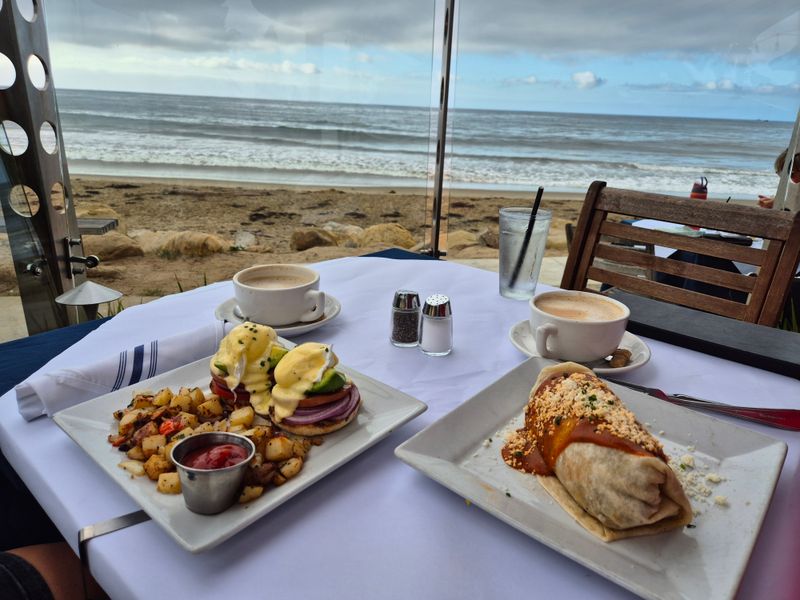
Spanish colonial history blends with modern California coastal cuisine in this elegant seaside city.
Sea urchin harvested from local waters appears on menus at restaurants that understand this delicacy’s sweet, briny flavor.
The fishing community maintains traditions passed down through generations of commercial fishermen.
Spanish influence shows up in local dishes, a reminder of the missions and ranchos that once dominated the region.
Wine country surrounds the city, and restaurants pair local vintages with fresh ingredients.
The State Street farmers market brings growers and eaters together twice weekly, strengthening community food connections.
Avocados from nearby groves taste nothing like grocery store versions.
Locals treasure restaurants where chefs shop the morning market and build menus around what looked best that day.
11. Gilroy

One ingredient dominates the food identity of this agricultural town south of San Jose.
Garlic grows in fields surrounding Gilroy, earning it the title ‘Garlic Capital of the World.’
The annual Gilroy Garlic Festival draws crowds who come for garlic ice cream, garlic fries, and dishes where the pungent bulb stars.
Beyond the festival gimmicks, local restaurants understand how to use fresh garlic to enhance rather than overwhelm dishes.
Portuguese and Italian immigrants who settled here brought food traditions that naturally featured garlic.
Dehydration plants process tons of garlic into powder and flakes shipped worldwide.
The smell of roasting garlic drifts through town during processing season.
Locals grow up with garlic in everything, developing sophisticated palates for this essential California ingredient.
12. Salinas

John Steinbeck wrote about this valley, and the agricultural abundance he described still feeds much of America.
Salinas Valley produces lettuce, broccoli, and vegetables that end up in supermarkets nationwide.
The region’s nickname ‘America’s Salad Bowl’ isn’t an exaggeration when you see endless fields of green.
Mexican restaurants here reflect the agricultural workforce, serving authentic dishes from regions across Mexico.
You’ll find food traditions from Michoacán, Guanajuato, and Zacatecas represented.
Roadside stands sell vegetables picked hours earlier, offering flavors and freshness impossible to find elsewhere.
Filipino restaurants serve lumpia and adobo, another community connected to agricultural work.
The food culture here comes from people who work the land and brought their culinary heritage to California’s most productive valley.
13. Modesto
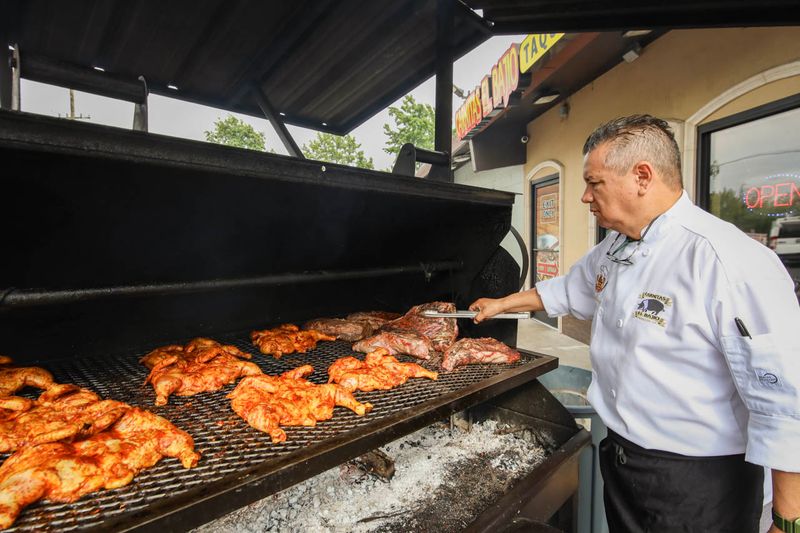
Central Valley agriculture and working-class food traditions create an authentic dining scene often overlooked by food tourists.
Modesto sits in prime agricultural land where almonds, walnuts, peaches, and dairy products come from surrounding farms.
The farmers market showcases this abundance with produce that tastes like it should.
Mexican restaurants serve the community’s large Latino population with authentic regional dishes and handmade tortillas.
Portuguese families who settled here decades ago run restaurants serving linguica, sweet bread, and traditional comfort foods.
Sikh immigrants brought Punjabi cuisine, and you’ll find restaurants serving saag paneer, tandoori chicken, and fresh naan.
The diversity reflects waves of immigration tied to agricultural work.
Locals know these unpretentious restaurants serve food made with pride and traditional techniques.
14. Bakersfield
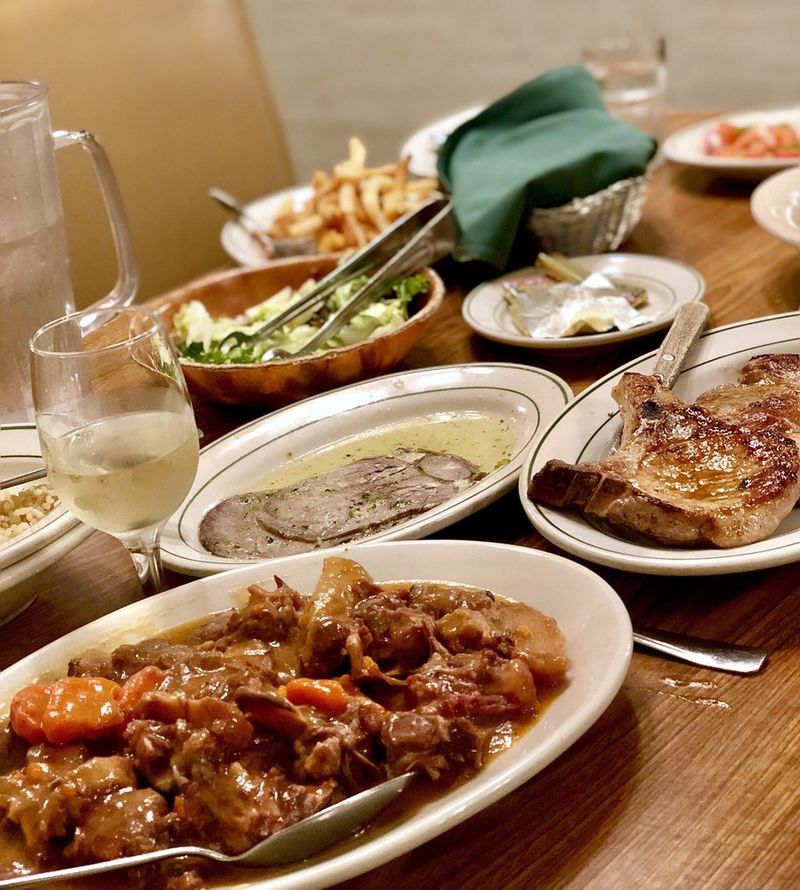
Oil fields and Basque sheepherders created an unexpected food culture in this southern Central Valley city.
Basque restaurants serve family-style meals where strangers sit together at long tables and pass platters of oxtail stew, tongue, and lamb.
The tradition comes from Basque boardinghouses that fed sheepherders who worked surrounding ranches.
These restaurants maintain old-world hospitality where meals include multiple courses, pickled tongue, beans, salad, and dessert for one price.
Mexican food here reflects the agricultural and oil field workforce, with authentic taquerias and bakeries throughout town.
The hot climate and working-class culture create a food scene focused on hearty portions and honest flavors.
Locals defend their favorite Basque restaurant with fierce loyalty.
You’ll leave these meals stuffed and understanding why food traditions survive generations.