18 Little-Known Facts About Living Near The California Coast (That Locals Never Mention)
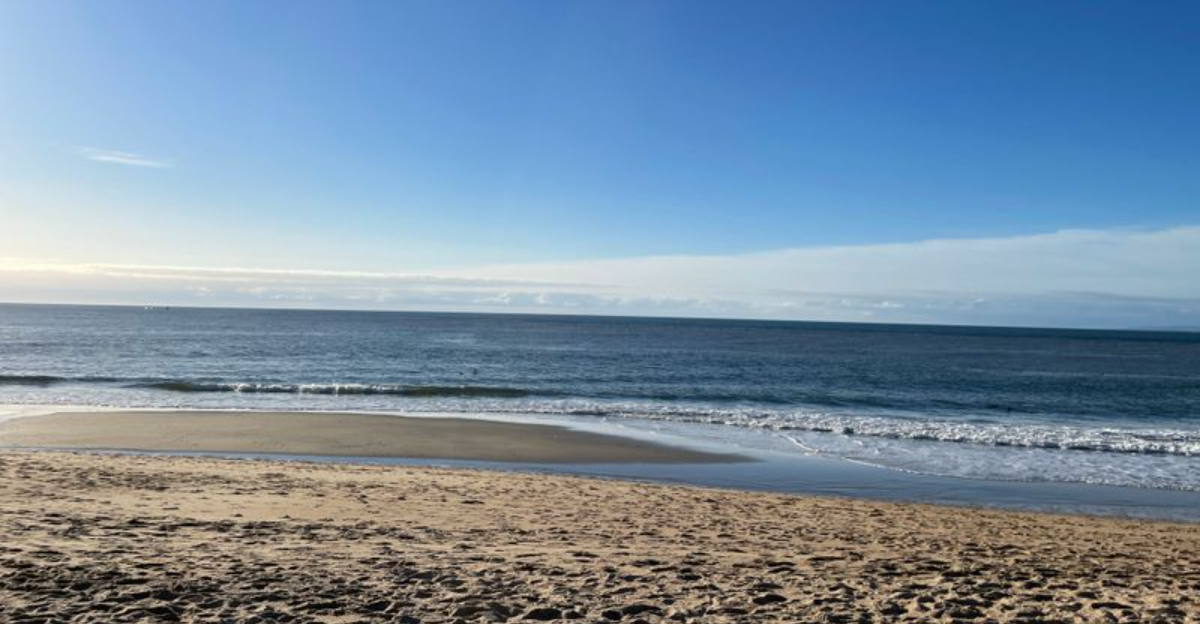
Living by the coast is often painted as a picture-perfect lifestyle – endless sunshine, salty air, and the sound of waves crashing just steps away.
But those who call the California coastline home know it’s not all postcard scenes.
Beneath the beauty lies a unique rhythm to daily life, filled with quirks and challenges that visitors rarely see.
From the ever-present fog to the constant battle against rust, coastal living comes with its own set of surprises.
California’s coast offers much more than just stunning views; it’s a place where nature, weather, and the constant ebb of the ocean create a life that’s as unpredictable as it is beautiful.
1. Coastal Fog Becomes Your Daily Companion
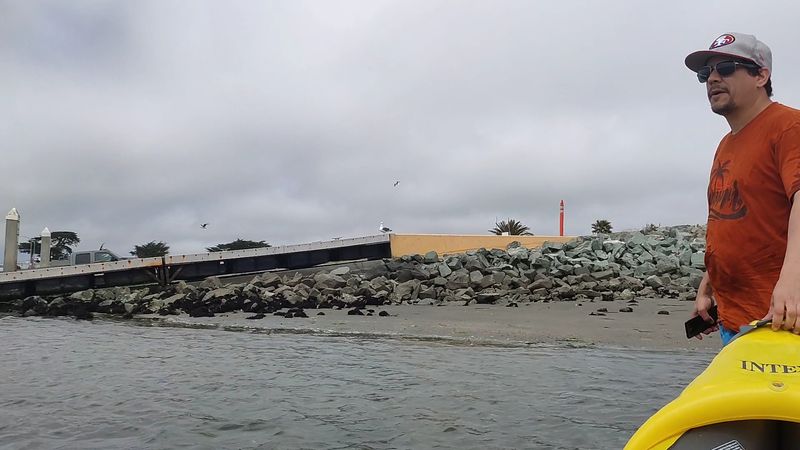
Morning fog rolls in thick and heavy along much of the California coastline, especially during summer months.
Locals call it “June Gloom” or “May Gray,” and it can linger well into the afternoon, blocking out the sun completely.
While inland areas bake in triple-digit heat, coastal towns stay wrapped in a cool, damp blanket that rarely burns off before noon.
The fog affects everything from what clothes hang in closets to how often mildew needs scrubbing from outdoor furniture.
Newcomers often feel surprised and a bit disappointed when their beach vacation involves more sweaters than swimsuits.
Longtime residents learn to embrace the moody, mysterious atmosphere the fog creates, though they might not mention how much they miss reliable sunshine.
2. Salt Air Destroys Everything Metal

Ocean air carries salt particles that corrode metal surfaces faster than most people realize.
Car door hinges, outdoor light fixtures, bicycles, and patio furniture all develop rust spots within months of coastal living.
Even brand-new vehicles parked near the beach start showing rust underneath within a year or two.
Mailboxes need replacing regularly, and anything with screws or bolts requires constant maintenance to prevent total deterioration.
Coastal residents spend surprising amounts on rust-resistant materials and protective coatings.
Hardware stores near the beach stock special marine-grade products because regular metal just doesn’t survive the salty environment.
The constant battle against corrosion becomes an accepted part of maintaining a coastal home that visitors never witness during short stays.
3. Your Heating Bills Might Surprise You

People assume California coastal weather stays warm year-round, but coastal homes actually get quite chilly.
The ocean keeps temperatures moderate, which means cool rather than hot during summer and cold rather than mild during winter.
Many older coastal homes lack central heating because builders assumed the climate wouldn’t require it.
Residents end up relying on space heaters, fireplaces, and lots of layers during evening hours when temperatures drop significantly.
Heating costs can rival those in much colder climates because the damp ocean air makes everything feel colder than the actual temperature.
Locals bundle up indoors more than visitors expect, and cozy blankets become essential household items even in supposedly sunny California.
4. Parking Becomes An Olympic Sport
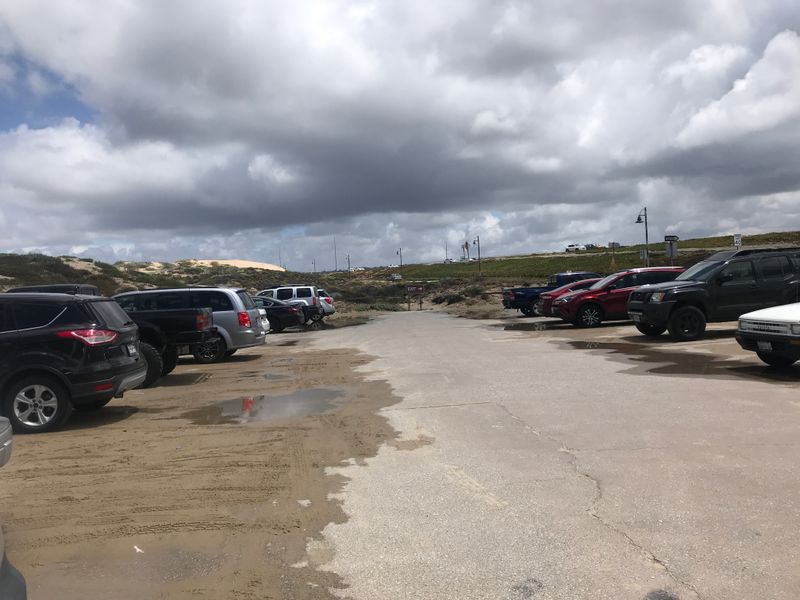
Coastal California towns draw massive crowds of tourists, especially during summer weekends and holidays.
Finding parking near the beach or in popular coastal neighborhoods turns into an exhausting, time-consuming challenge that tests patience daily.
Residents often circle their own neighborhoods for thirty minutes or more just to find a spot near their homes.
Some coastal communities require residential parking permits, but even those don’t guarantee a space when visitors flood the area.
Locals develop strategies like leaving for errands during off-peak hours or avoiding certain areas entirely on weekends.
The parking struggle affects where people shop, which restaurants they visit, and how they plan their daily routines in ways that tourists never have to consider.
5. Marine Layer Means Mildew Management

Constant moisture from ocean fog creates perfect conditions for mildew and mold growth.
Bathroom tiles, window frames, outdoor cushions, and even shoes stored in closets develop that telltale musty smell and black spots faster than in drier climates.
Coastal residents scrub surfaces regularly with mildew-fighting products and run dehumidifiers year-round to combat the dampness.
Towels take forever to dry, and anything left outside overnight gets covered in a fine layer of moisture by morning.
The battle against mildew never really ends in coastal homes.
Locals know to store leather goods with special care, avoid certain fabrics for outdoor use, and check hidden corners frequently for unwelcome growth that thrives in the perpetually humid environment.
6. Wildlife Visitors Aren’t Always Welcome
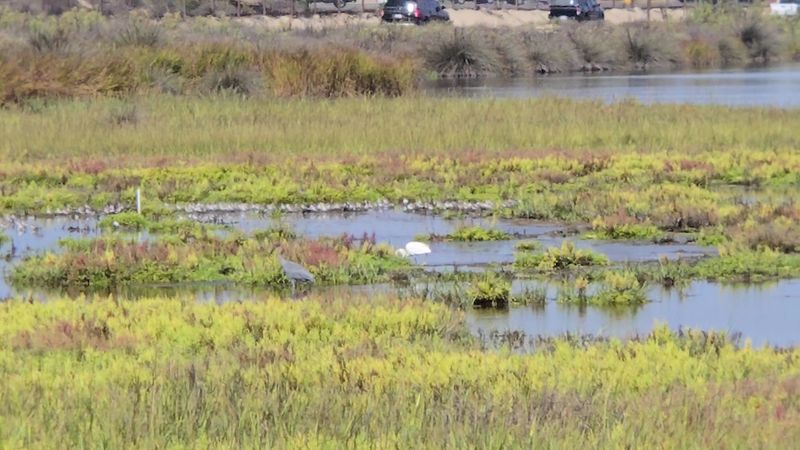
Seagulls, raccoons, sea lions, and even coyotes treat coastal neighborhoods like their personal territory.
Seagulls steal food right off outdoor dining tables and create messes on cars, patios, and walkways with impressive consistency.
Raccoons raid garbage cans nightly unless secured with special locks, and they’re bold enough to approach people without much fear.
Sea lions bark loudly from nearby docks and piers at all hours, their noise carrying surprisingly far through coastal communities.
Coyotes wander through yards looking for small pets, making outdoor cat ownership risky and requiring constant supervision of small dogs.
Living alongside wildlife sounds charming until dealing with the reality of animals that view human spaces as part of their habitat.
7. Sand Gets Absolutely Everywhere
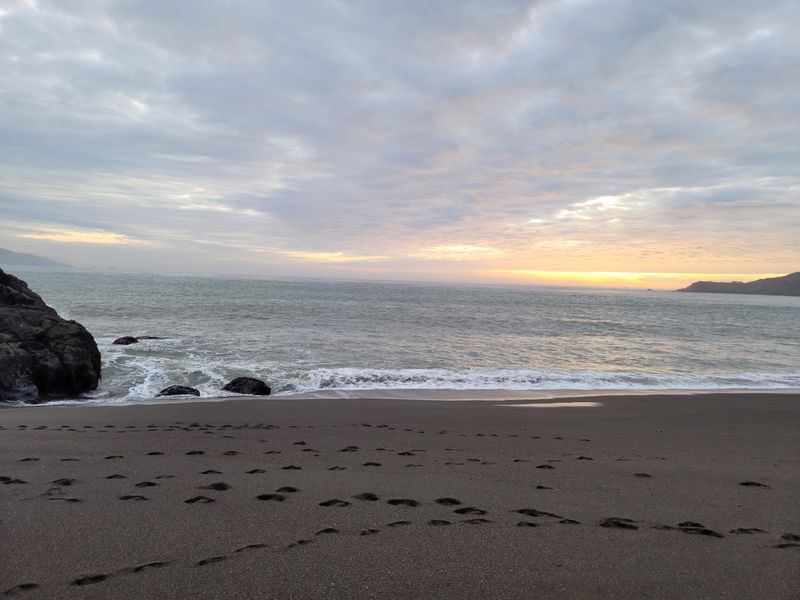
Beach sand tracks into homes, cars, and businesses no matter how careful residents try to be.
It accumulates in carpet fibers, kitchen floors, bed sheets, and even kitchen drawers despite best efforts to keep it outside.
Cars require constant vacuuming because sand works its way into every crevice and under floor mats.
Doormats only help so much when wind carries fine sand particles through the air and into open windows or doors.
Coastal residents develop elaborate systems to minimize sand infiltration, like designated shoe areas, outdoor showers, and special mats.
Still, crunchy floors become an accepted part of daily life that visitors might find charming but locals find endlessly frustrating to manage.
8. Housing Costs Reach Astronomical Levels
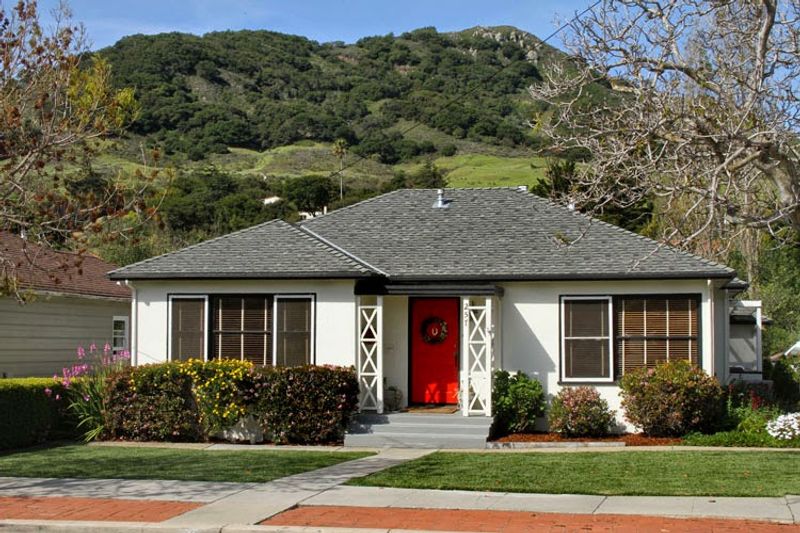
California coastal real estate ranks among the most expensive in the entire country.
Even modest homes in less-famous beach towns cost well over a million dollars, making homeownership nearly impossible for average-income families.
Rental prices aren’t much better, with small apartments often costing three thousand dollars or more per month.
Many coastal workers commute from inland areas because they simply cannot afford to live near where they work.
The high cost of housing forces difficult choices about priorities and lifestyle.
Some people sacrifice space, comfort, or savings to maintain a coastal address, while others eventually accept that beach proximity isn’t financially realistic.
Locals rarely discuss these financial pressures openly, but they shape nearly every aspect of coastal community demographics.
9. Tourists Change Everything During Peak Season
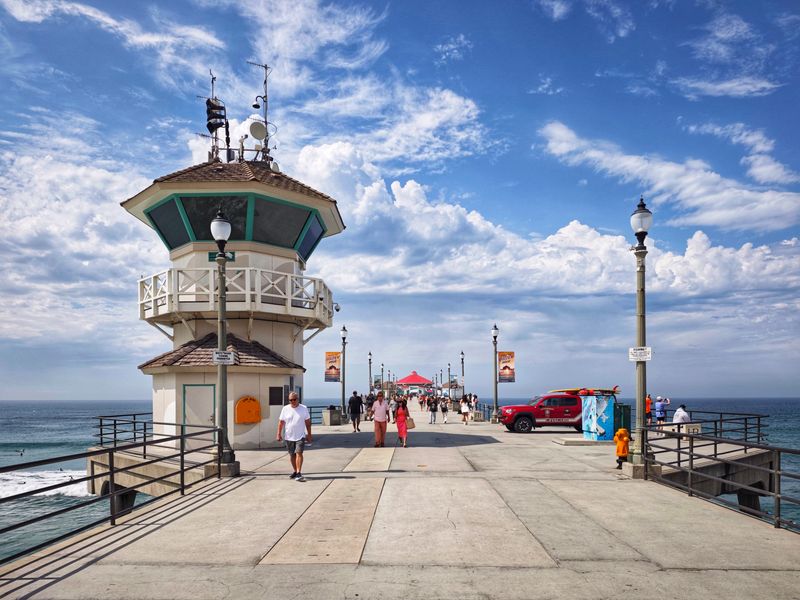
Summer transforms quiet coastal towns into crowded, traffic-jammed tourist destinations.
Restaurants that locals frequent become impossible to access without long waits, and grocery stores run low on supplies as visitor numbers swell dramatically.
Traffic increases tenfold on coastal highways and through town centers, turning simple errands into hour-long adventures.
Beach access points overflow with unfamiliar faces, and the peaceful atmosphere that attracts residents disappears under the weight of vacation crowds.
Many locals adjust their routines entirely during tourist season, shopping early in the morning or avoiding certain areas completely until fall arrives.
The seasonal population surge brings economic benefits but tests the patience of year-round residents who sometimes feel like strangers in their own neighborhoods.
10. Your Garden Will Have Strong Opinions
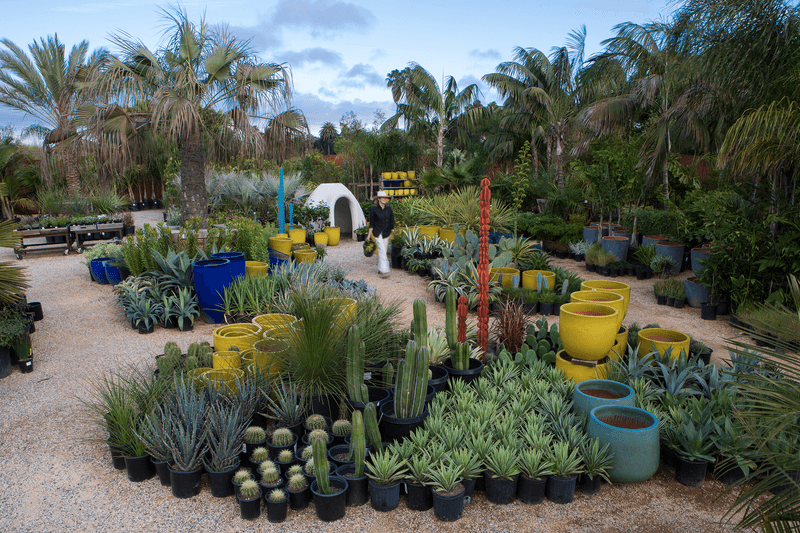
Coastal gardening comes with unique challenges that frustrate people expecting California’s famous agricultural abundance.
Salt spray damages many common plants, and constant wind requires strategic placement and sturdy stakes for anything that grows upward.
Soil near the coast often contains high salt content that limits what vegetables and flowers will thrive.
Certain plants absolutely refuse to grow no matter how much care they receive, while others like succulents and native species flourish effortlessly.
Successful coastal gardeners learn through trial and error which plants tolerate the harsh conditions.
The learning curve involves watching beloved plants wither and die before accepting that coastal gardening requires working with the environment rather than against it, choosing hardy species over delicate favorites.
11. Earthquake Preparedness Isn’t Optional

California sits on major fault lines, and coastal residents live with constant earthquake awareness.
Homes need earthquake insurance, emergency kits, and secured furniture to prevent injuries when the inevitable shaking occurs.
Small tremors happen regularly enough that longtime residents barely react to minor quakes.
However, the possibility of a major earthquake always lurks in the background, influencing building codes, insurance rates, and general preparedness planning.
Coastal communities face additional tsunami risks following offshore earthquakes, requiring evacuation route knowledge and emergency plans.
The combination of seismic activity and ocean proximity creates unique safety considerations that residents must take seriously, even though many choose not to dwell on these risks during daily life.
12. Marine Protected Areas Limit Fishing And Recreation
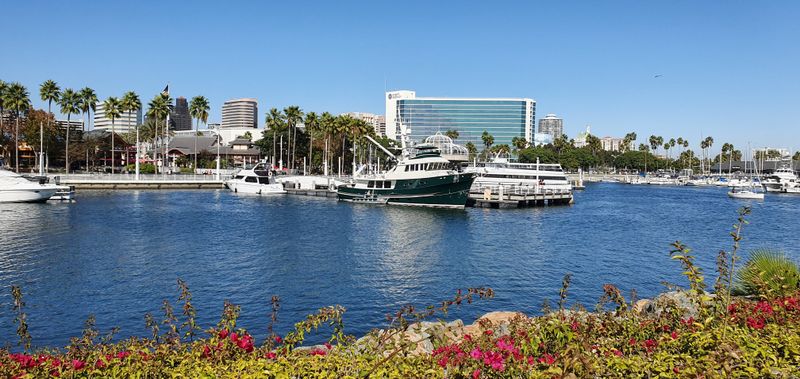
California established numerous Marine Protected Areas along the coast to preserve ocean ecosystems.
These zones restrict or prohibit fishing, shellfish harvesting, and certain recreational activities that were previously allowed freely.
Locals who enjoyed fishing from familiar spots or collecting mussels at low tide suddenly found their traditional activities illegal in many areas.
The regulations aim to restore marine populations but frustrate residents who view these restrictions as government overreach limiting their coastal access.
Understanding which areas allow what activities requires research and attention to posted signs.
Violating Marine Protected Area rules brings hefty fines, so coastal residents must stay informed about changing regulations that affect how they interact with the ocean environment they call home.
13. Coastal Erosion Threatens Property Values

Rising sea levels and powerful winter storms gradually eat away at California’s coastline.
Homes once safely distant from cliff edges now teeter dangerously close as erosion accelerates, threatening both property and safety.
Some coastal communities lose several feet of beach and bluff annually, making beachfront property ownership increasingly risky.
Insurance companies raise rates or refuse coverage entirely for homes in high-erosion zones, and property values fluctuate based on erosion projections.
Residents watch helplessly as their yards shrink and cliffs crumble during storm seasons.
Expensive mitigation efforts like seawalls provide temporary protection but remain controversial and don’t always work long-term.
The reality of losing land to the ocean creates constant anxiety for coastal homeowners that visitors never consider.
14. Whale Watching Happens From Your Window
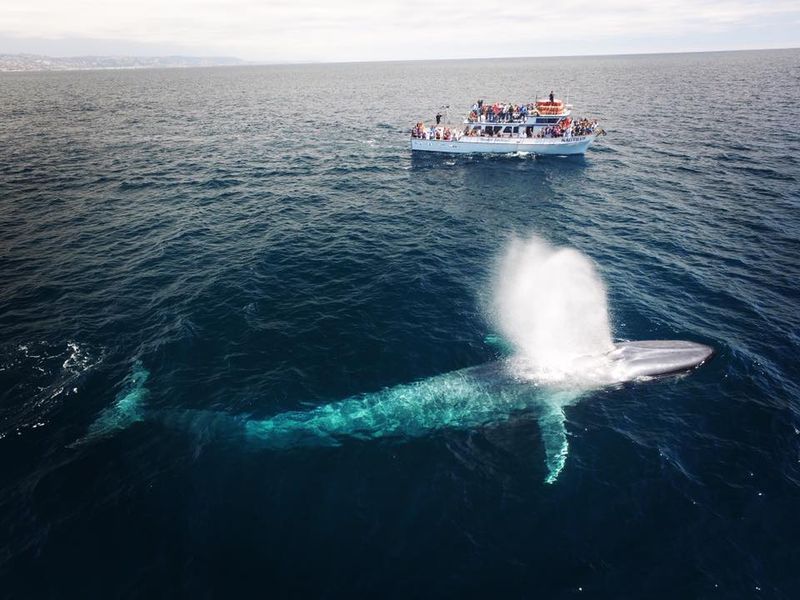
Gray whales migrate along the California coast twice yearly, passing close enough to shore that residents can spot them from coastal homes and overlooks.
Watching these magnificent creatures breach and spout becomes a regular seasonal occurrence rather than a special excursion.
Between December and April, whales travel south toward breeding grounds in Mexico, then return north with their calves through spring.
Dolphins also frequent coastal waters year-round, often playing in the waves visible from shore.
This access to marine wildlife creates magical moments that never get old, even for longtime residents.
Spotting a whale spout during morning coffee or watching dolphins surf becomes part of the coastal lifestyle that locals treasure, even if they rarely mention this incredible perk to outsiders.
15. Your Car’s Paint Job Won’t Last

Salty ocean air combined with intense UV radiation from reflected sunlight off water creates brutal conditions for vehicle paint.
Cars parked near the coast develop fading, oxidation, and clear coat damage much faster than vehicles in inland areas.
Even garage-kept cars suffer when driven regularly in coastal conditions.
The combination of salt, moisture, and sun exposure requires frequent washing, waxing, and protective treatments to maintain any semblance of the original finish.
Locals often accept that their vehicles will look weathered and aged prematurely compared to cars in other regions.
Resale values drop because of visible wear that buyers recognize as coastal damage.
The harsh environment takes its toll on everything, and automobiles prove particularly vulnerable to the relentless assault.
16. Desalination And Water Restrictions Apply

Despite living next to the Pacific Ocean, coastal California communities face water shortages and strict conservation rules.
Drought conditions persist frequently, leading to restrictions on lawn watering, car washing, and other water uses that residents in wetter climates take for granted.
Some coastal areas invest in expensive desalination plants to convert seawater into drinking water, but the process remains costly and energy-intensive.
Water bills in coastal communities often run higher than in other regions because of infrastructure costs and conservation programs.
Maintaining green lawns becomes difficult or impossible under water restrictions, pushing residents toward drought-tolerant landscaping.
The irony of water scarcity while living beside an ocean isn’t lost on locals, who adapt to conservation measures that feel counterintuitive given their waterfront location.
17. Bixby Bridge Attracts Constant Photography Crowds
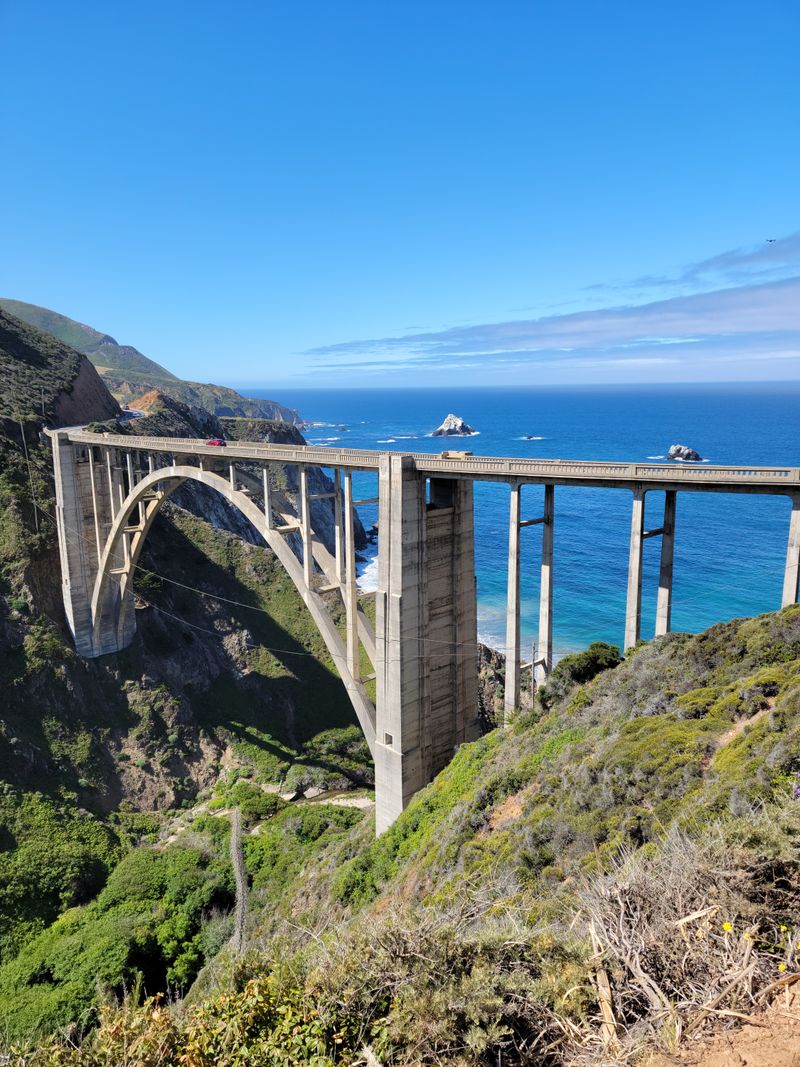
The iconic Bixby Creek Bridge stands 280 feet high along Highway 1 in Big Sur, creating one of California’s most photographed landmarks.
This architectural marvel draws photographers and tourists who clog the narrow pullouts at all hours.
Locals trying to simply drive along the coast get stuck behind cars stopping suddenly for photos or crawling along to admire views.
The bridge’s fame creates traffic nightmares on a road that’s already challenging to navigate.
Built in 1932, the bridge spans 714 feet and represents impressive engineering, but its popularity makes it frustrating for residents who need to travel the route regularly.
The constant stream of visitors turning a functional bridge into a tourist attraction exemplifies how California’s coastal beauty creates complications for everyday life.
18. Monterey Bay’s Submarine Canyon Affects Local Weather
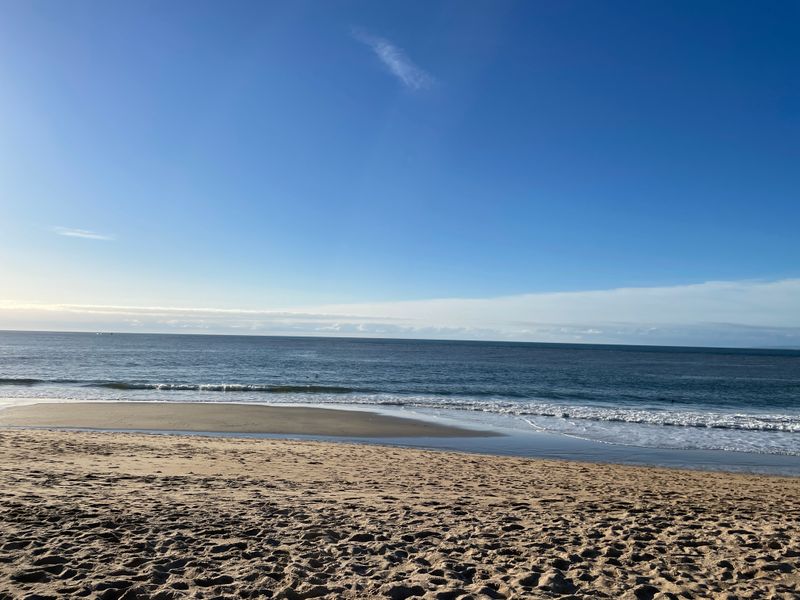
The Monterey Bay National Marine Sanctuary protects waters containing a submarine canyon deeper than the Grand Canyon, plunging over 10,000 feet below the surface.
This massive underwater feature influences local weather patterns, ocean currents, and marine life in ways that directly affect coastal residents.
The canyon’s depth allows cold, nutrient-rich water to upwell near shore, keeping coastal temperatures cool and feeding the productive ecosystem.
This same upwelling intensifies fog formation and contributes to the chilly conditions that surprise visitors expecting warm beach weather.
The canyon also attracts diverse marine species, from deep-sea creatures to whales and sharks that follow food sources.
Living near such a significant geological feature means experiencing weather and ocean conditions that differ from other coastal areas in sometimes unpredictable ways.