The Secret Maryland Lake Locals Try To Keep Off Social Media
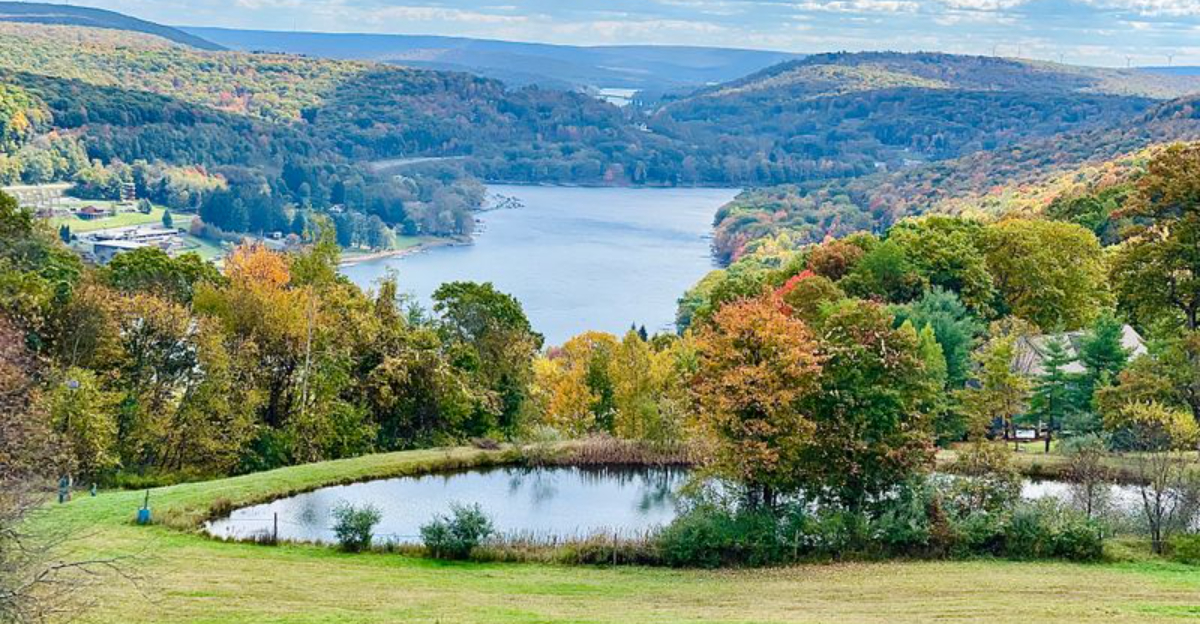
A quiet pocket of mountain beauty has a way of surprising anyone who stumbles upon it.
Maryland’s Deep Creek Lake in Garrett County slips into view slowly, revealing calm water that mirrors the peaks surrounding it and a pace of life that feels instantly grounding.
Season after season, the area draws people back with its mix of crisp air, welcoming locals, and scenery that shifts just enough to make each visit feel new.
Small towns nearby add warmth to the experience, offering cozy stops and familiar faces that round out days spent on the water or along wooded trails.
The result is a place that stays with visitors long after they leave, creating the kind of connection that locals quietly appreciate and newcomers quickly understand.
Built Originally For Hydroelectric Power, Not Recreation
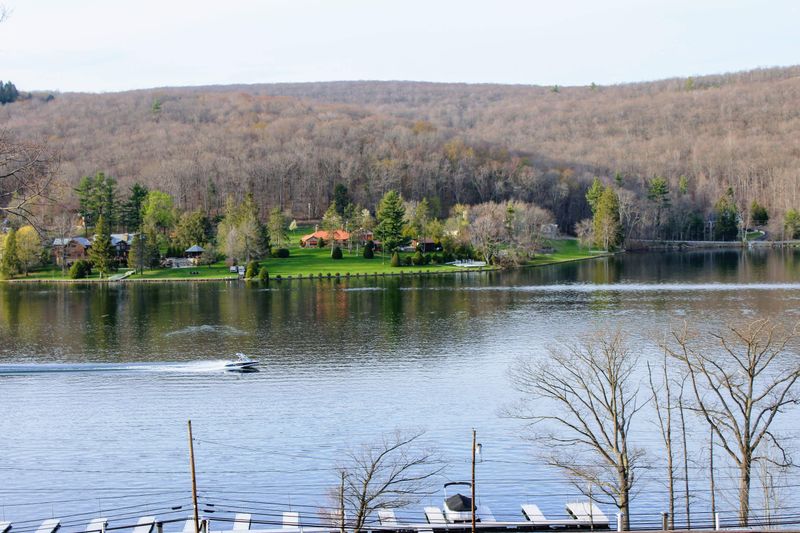
Deep Creek Lake wasn’t always the recreational paradise visitors see today.
The Youghiogheny Hydroelectric Company constructed this massive reservoir during the 1920s with one primary goal: generating electricity for the growing region.
The dam reached completion in 1925, and the hydroelectric plant fired up its turbines on May 26 of that same year.
What started as an industrial project gradually transformed into something much more meaningful for the community.
Families began building cabins along the shoreline, and word spread about the beautiful mountain lake perfect for fishing and boating.
The power generation still continues today, but recreation has become equally important to the lake’s identity.
Understanding this history helps explain why locals feel such strong stewardship over the water.
Their grandparents watched the valley flood to create this lake, and that connection runs deep through generations of Garrett County families.
The Lake Stretches Across Nearly 4,000 Acres With 65 Miles Of Shoreline
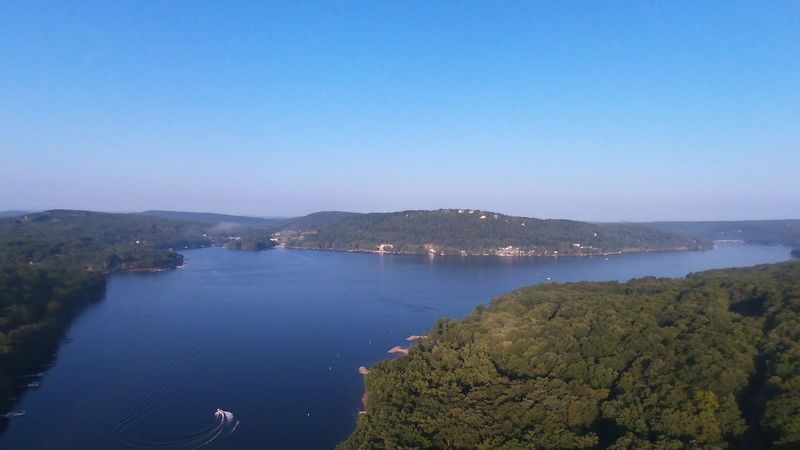
Numbers rarely tell the whole story, but Deep Creek Lake’s dimensions genuinely impress even seasoned travelers.
The reservoir spans approximately 3,900 acres, creating Maryland’s largest freshwater lake.
That massive surface area connects to roughly 65 miles of shoreline that winds through coves, peninsulas, and hidden inlets perfect for exploration.
The lake’s depth varies considerably depending on location and season.
Maximum depth reaches an impressive 75 feet in certain spots, while the average depth hovers around 25 feet throughout most areas.
These varying depths create diverse habitats for fish and contribute to the lake’s remarkably clear water quality.
Boaters particularly appreciate the lake’s size because it never feels crowded, even during peak summer weekends.
Kayakers can paddle for hours discovering new coves, while pontoon cruisers enjoy leisurely tours that showcase the lake’s natural beauty from every angle possible.
Home To An Incredible Variety Of Fish Species
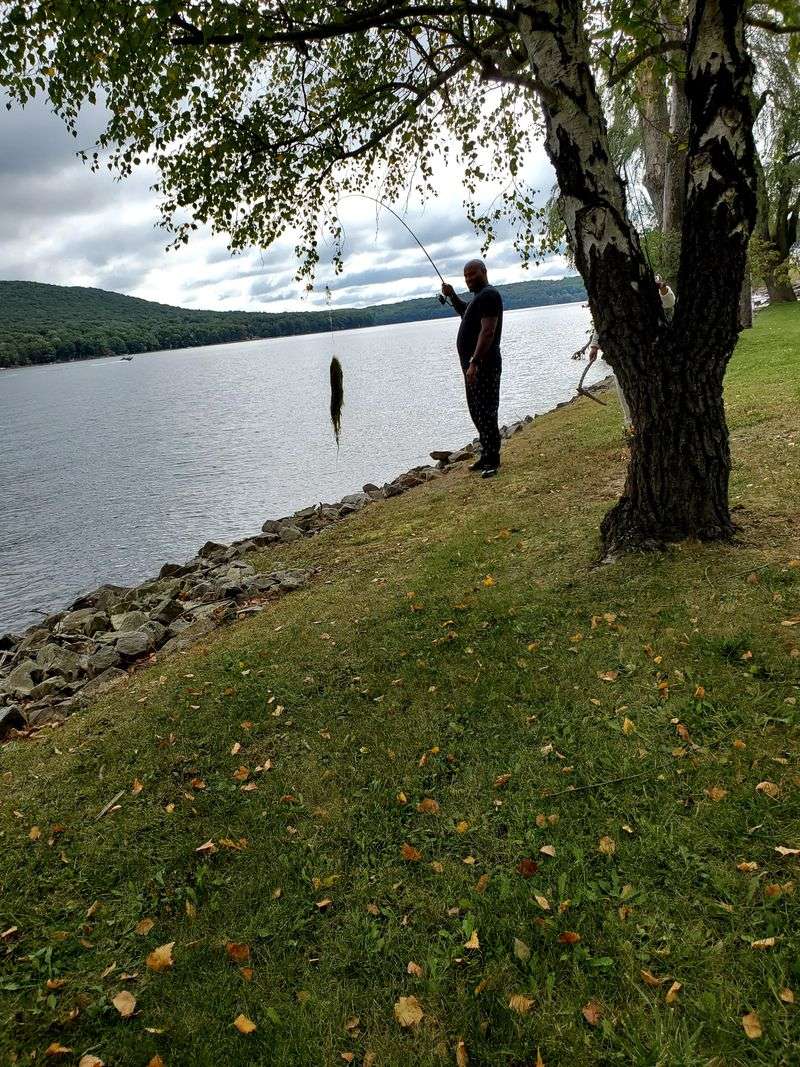
Anglers guard Deep Creek Lake’s fishing secrets more carefully than almost any other detail about this destination.
The lake supports an unusual mix of both warm-water and cool-water fish species, creating opportunities that serious fishermen dream about.
Largemouth bass, smallmouth bass, walleye, yellow perch, bluegill, northern pike, and various trout species all thrive in these waters.
This diversity exists because the lake’s varying depths and temperatures create multiple ecological zones within one body of water.
Shallow, warmer areas near shore attract bass and bluegill during summer months.
Deeper, cooler sections provide perfect habitat for walleye and trout that prefer lower temperatures year-round.
The Maryland Department of Natural Resources actively manages fish populations through careful stocking programs and habitat improvement projects.
Tournament anglers travel from surrounding states hoping to land trophy-sized catches, though many leave without discovering the truly productive spots that locals know by heart.
Deep Creek Lake State Park Offers Over 1,100 Protected Acres
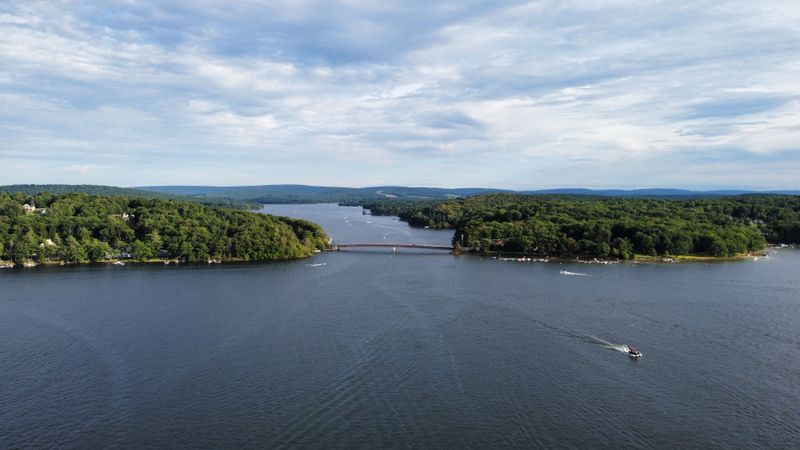
Nature lovers find their sanctuary at Deep Creek Lake State Park, which protects more than 1,100 acres along the lake’s northeastern shore.
The park is located at 898 State Park Road, Swanton, MD 21561, providing easy access for day visitors and campers alike.
Swimming beaches, hiking trails, mountain biking paths, and a full-service campground give families countless ways to enjoy the outdoors.
The Deep Creek Lake Discovery Center stands as one of the park’s most valuable resources for understanding the area’s ecology and history.
Educational exhibits explain how the lake formed, what wildlife calls this region home, and why conservation efforts matter so much to the community.
Rangers lead nature programs during summer months that teach children about local plants, animals, and environmental stewardship.
Scales & Tales Aviary houses non-releasable birds of prey including turkey vultures and great horned owls.
These magnificent birds serve as ambassadors for their wild cousins, helping visitors appreciate the important role raptors play in maintaining healthy ecosystems.
Year-Round Recreation Draws Visitors Through All Four Seasons
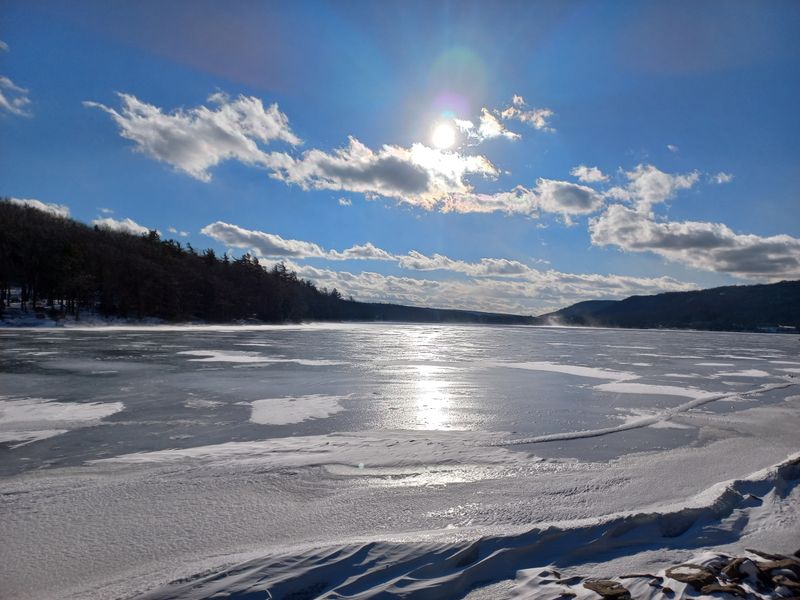
Most lakes attract crowds during summer and sit quiet the rest of the year, but Deep Creek Lake breaks that pattern completely.
Summer brings the expected boating, swimming, kayaking, and paddleboarding activities that take full advantage of warm weather and calm waters.
Families rent pontoons for lazy afternoon cruises, while thrill-seekers zip across the surface on jet skis and wakeboards.
Fall transforms the surrounding mountains into a spectacular display of orange, red, and gold foliage that photographers travel hundreds of miles to capture.
Hiking trails become especially popular during October when temperatures cool and the scenery reaches peak beauty.
Winter opens up entirely different recreational opportunities that surprise first-time visitors.
Ice fishing becomes a serious pursuit when the lake freezes solid, and snowmobiling trails crisscross the surrounding state forest lands.
Nearby Wisp Resort offers downhill skiing and snowboarding, making Deep Creek Lake a true four-season destination that locals enjoy without fighting summer tourist crowds.
Adventure Sports Center International Provides Olympic-Level Whitewater
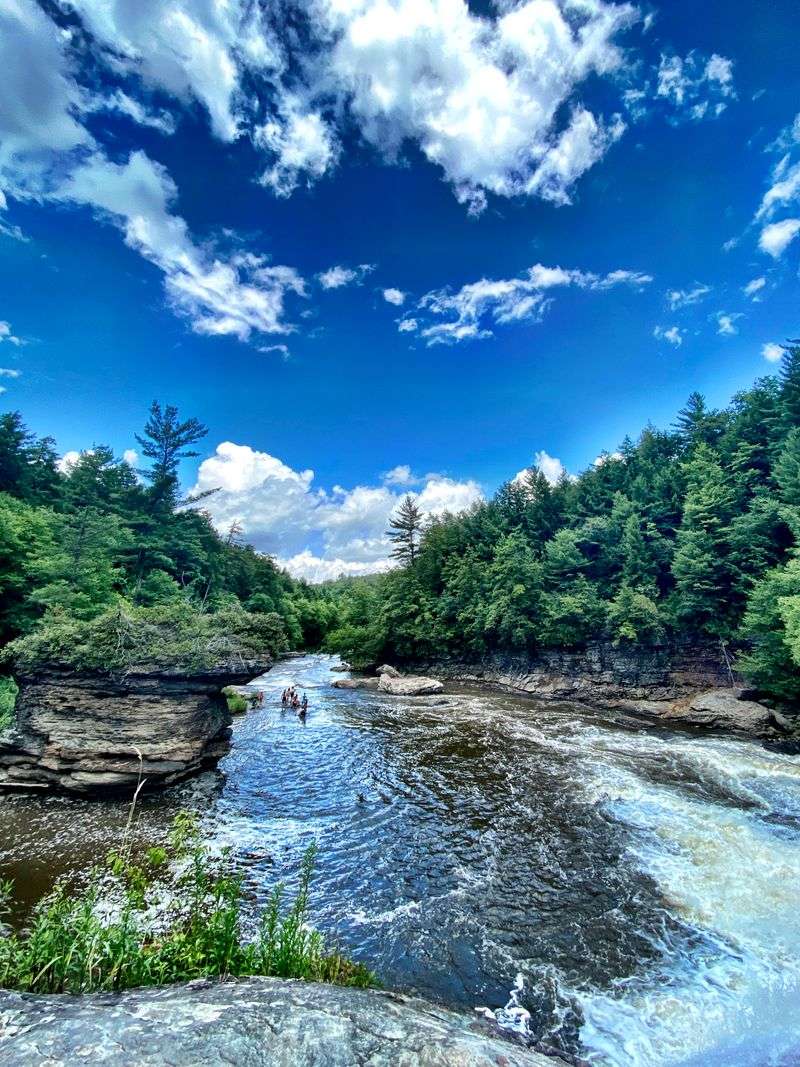
Adrenaline junkies discover something truly special perched above Wisp Resort in the mountains surrounding Deep Creek Lake.
Adventure Sports Center International operates an Olympic-standard whitewater rafting and canoe slalom center at 250 Adventure Sports Way, McHenry, MD 21541, serving both elite athletes and recreational adventurers.
This facility functions as an official training venue for competitive paddlers while remaining open to the public for guided experiences.
The center’s engineered whitewater course pumps thousands of gallons through a challenging series of rapids, drops, and technical gates.
Guided raft trips accommodate beginners who want to experience whitewater thrills without extensive training.
Inflatable kayak rentals and riverboard options provide alternatives for visitors seeking more independent adventures.
Watching skilled kayakers navigate the slalom gates demonstrates the incredible precision required for competitive whitewater sports.
The center has helped train numerous athletes who went on to compete in national and international championships, though most visitors simply enjoy the rush of riding through churning rapids.
Strict Environmental Management Protects Water Quality
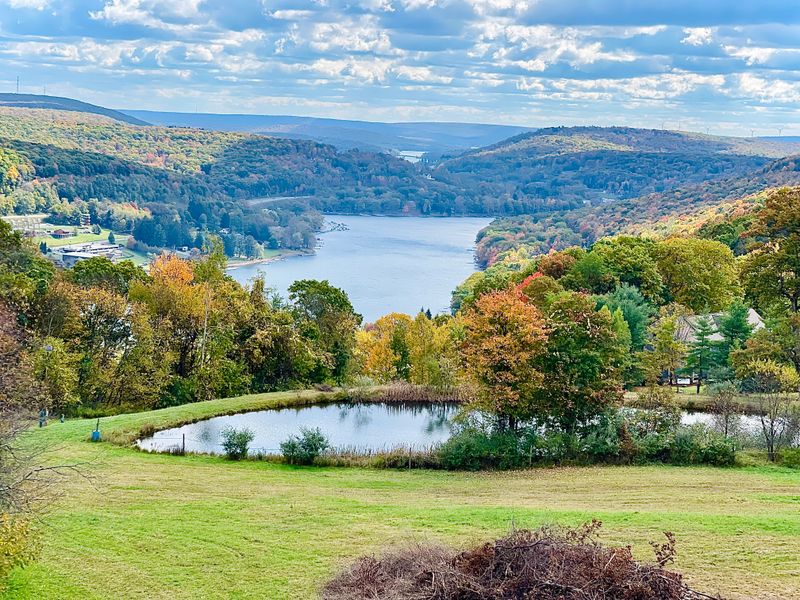
Locals understand that protecting Deep Creek Lake requires constant vigilance and scientific management.
The Maryland Department of Natural Resources oversees the lake and surrounding buffer zones, carefully balancing public recreation with environmental preservation.
Regular water quality monitoring tracks parameters including temperature, pH levels, dissolved oxygen, and nutrient concentrations that indicate overall ecosystem health.
These strict regulations exist for good reasons that become obvious when comparing Deep Creek Lake to other recreational waters.
The lake maintains remarkably clear water that allows boaters to see many feet below the surface.
Algae blooms and pollution problems that plague other popular lakes rarely occur here because management practices prevent excessive nutrient runoff.
Property owners around the lake must follow specific rules about septic systems, landscaping practices, and shoreline development.
Some visitors complain about restrictions, but locals appreciate how these rules preserve the natural beauty and water quality that make Deep Creek Lake special.
Future generations will benefit from today’s conservation efforts.
Tourism Hub That Powers Garrett County’s Economy

Deep Creek Lake functions as the economic engine driving much of Garrett County’s prosperity and employment.
Tourism dollars flow through the region year-round, supporting restaurants, rental companies, retail shops, and service businesses that might not survive in such a rural mountain location otherwise.
Local families have built multi-generational businesses catering to visitors who return summer after summer.
Accommodations range from rustic cabins to luxury lakefront homes available for weekly rentals during peak season.
Dining options include everything from casual pizza joints to upscale restaurants serving locally sourced ingredients.
Cultural events throughout the year bring communities together while attracting additional visitors who might not have discovered the area otherwise.
This economic dependence on tourism explains why locals work so hard to maintain the lake’s pristine condition and welcoming atmosphere.
They understand that one environmental disaster or reputation problem could devastate businesses and property values that took decades to build.
Sustainable tourism practices help ensure Deep Creek Lake remains viable for future generations.
Wildlife Habitat Supporting Diverse Mountain Species
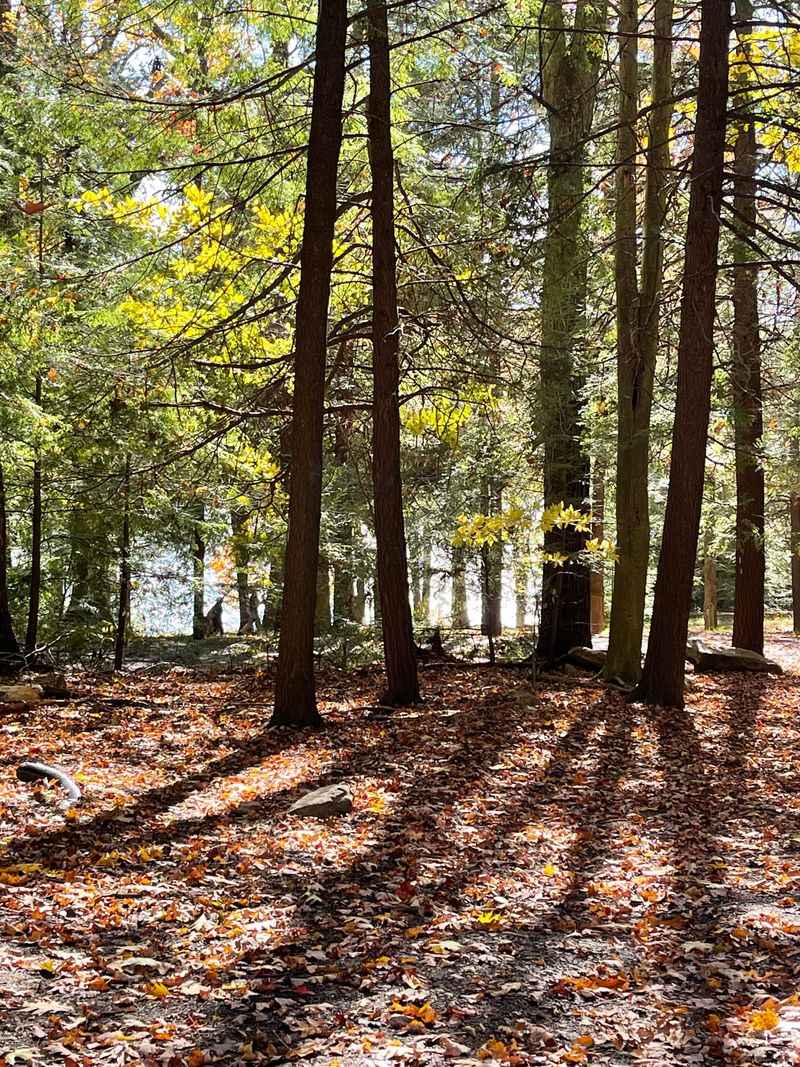
Beyond the fish swimming beneath the surface, Deep Creek Lake and surrounding forests provide critical habitat for numerous wildlife species.
Birds of prey including great horned owls, red-tailed hawks, and turkey vultures soar above the lake hunting for meals.
Bald eagles have been spotted increasingly often in recent years, suggesting improving environmental conditions that support these sensitive raptors.
Mammals such as white-tailed deer, black bears, and wild turkeys inhabit the forested hillsides surrounding the lake.
Early morning visitors sometimes spot deer drinking at the water’s edge or bears foraging for berries during late summer.
These wildlife encounters remind people that Deep Creek Lake exists within a much larger ecosystem that extends throughout the Appalachian Mountains.
The Scales & Tales Aviary at Deep Creek Lake State Park helps visitors appreciate these wild neighbors through up-close encounters with non-releasable birds.
Educational programs teach children and adults about the important ecological roles that predators play in maintaining balanced, healthy natural communities throughout the region.
Pristine Water Quality That Rivals Natural Mountain Lakes
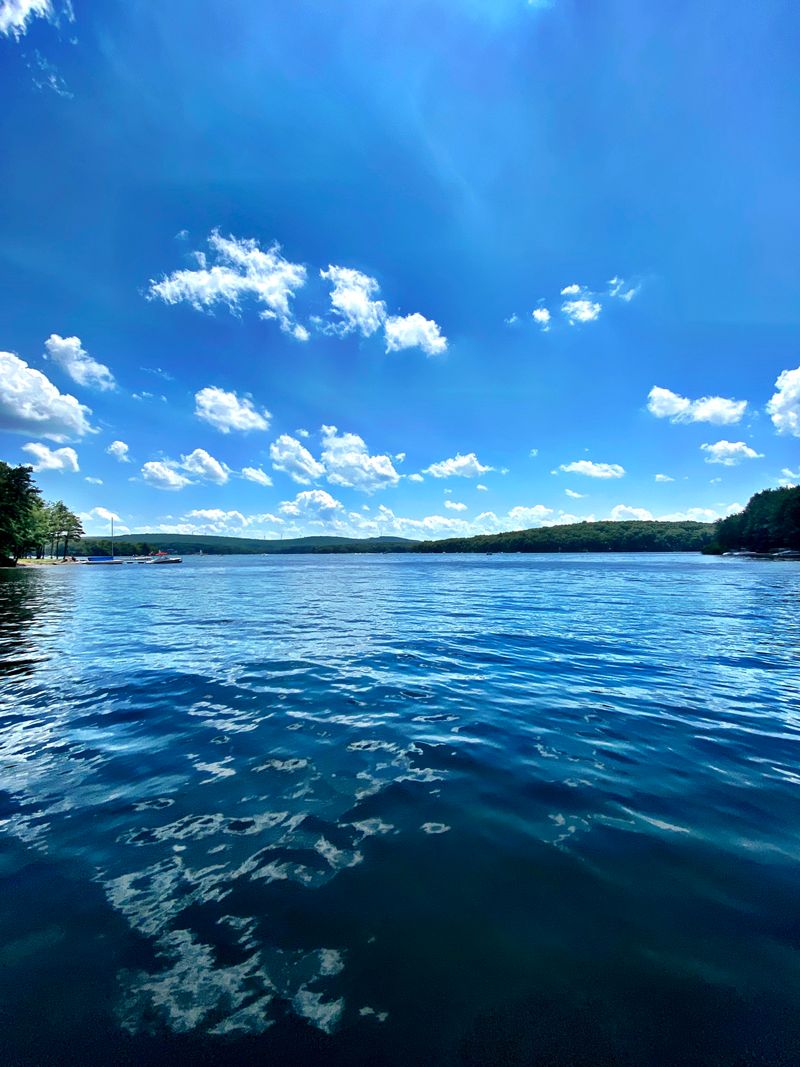
Perhaps the most impressive secret about Deep Creek Lake involves something visitors notice immediately upon arrival: the water’s remarkable clarity and cleanliness.
Despite being a man-made reservoir that attracts thousands of boaters annually, the lake maintains water quality that rivals pristine natural mountain lakes.
Swimmers can see their feet clearly even in deeper water, and trash floating on the surface remains extremely rare.
This exceptional cleanliness results from multiple factors working together.
The surrounding forest buffers filter runoff before it reaches the lake, while strict regulations prevent excessive development along the shoreline.
Regular monitoring catches potential problems early, and the local community takes genuine pride in keeping their lake clean through volunteer cleanup efforts.
Visitors often comment that they’ve never seen such clear water at a recreational lake that permits motorboats and personal watercraft.
Locals smile at these compliments while quietly hoping that social media posts won’t attract so many new visitors that the lake’s character changes forever.
Balancing tourism with preservation remains an ongoing challenge.