10 Indiana Collectibles Surging In Value Right Now
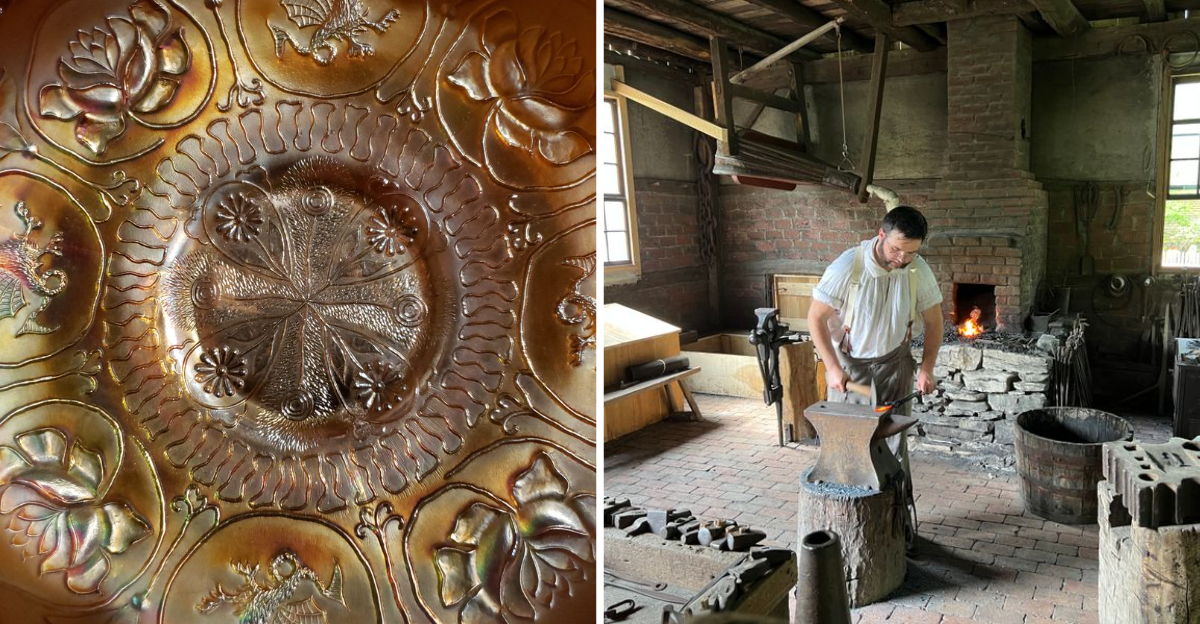
Forgotten cupboards, dusty attics, and old garages are turning into hunting grounds for serious collectors.
In Indiana, pieces once bought for everyday use now shimmer with new value as interest in the state’s industrial past surges.
From Hoosier cabinets and maple furniture to carnival glass and mason jars, Indiana-made treasures are being reappraised as pieces of design and history, not just household leftovers.
Some items climb quietly at auctions, others spark bidding wars the moment a rare mark or pattern is spotted.
For anyone curious about Indiana’s legacy of craftsmanship, these rising collectibles offer a chance to hold a little slice of that story in their hands.
1. Vintage Hoosier Cabinets
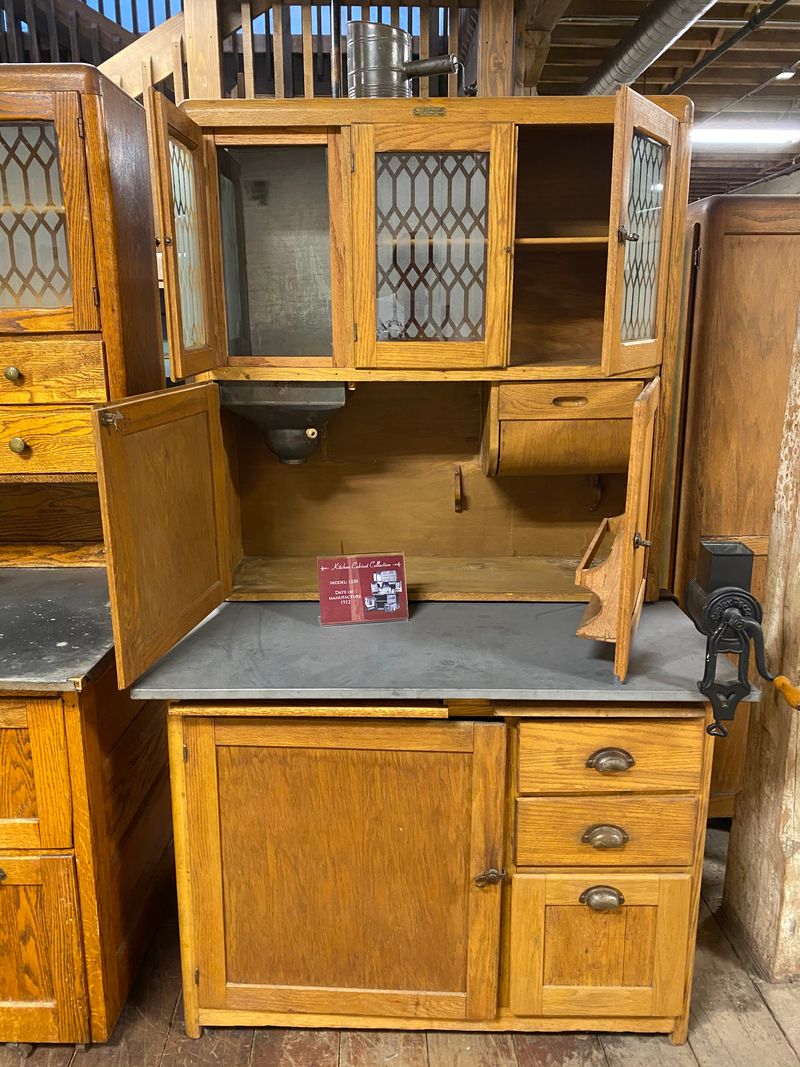
Kitchens in the early 1900s relied on these ingenious storage solutions that combined workspace, pantry, and prep station all in one piece of furniture.
Hoosier cabinets, named after the Indiana company that popularized them, featured built-in flour sifters, pull-out cutting boards, spice racks, and metal work surfaces that made meal prep easier before modern kitchen design existed.
Families treasured these cabinets for their efficiency and charm.
Collectors now pay premium prices for authentic Hoosier cabinets in good condition, with prices ranging from $1,200 to $2,500 depending on original hardware, finish quality, and completeness of features.
Models with original porcelain work surfaces, intact labels, and all moving parts command the highest values.
Restoration can be costly, so cabinets with minimal damage or sympathetic repairs tend to sell fastest.
Finding one at an estate sale or antique shop requires quick action since demand has surged among vintage kitchen enthusiasts and farmhouse décor lovers alike.
2. Duncan Glassware Pressed Patterns
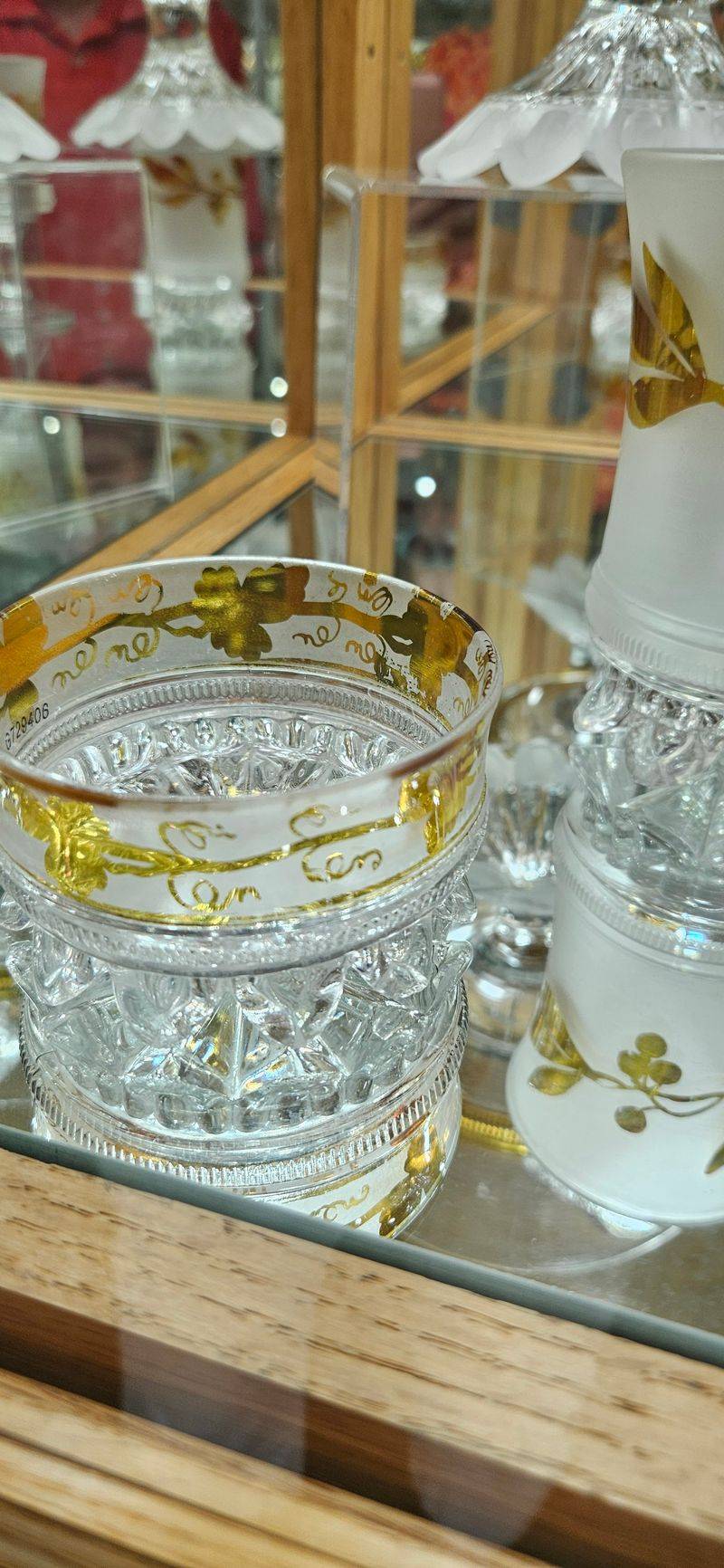
Washington, Indiana became home to Duncan Glass Company, which created some of the most intricate pressed glass patterns during the 1920s through the 1940s.
Their Teardrop pattern, with its distinctive droplet shapes, and Floral designs featuring delicate flower motifs became instant classics that graced dining tables across America.
Each piece required skilled craftsmanship to achieve the sharp detail and brilliant clarity that made Duncan glass stand out from competitors.
What once sold for a dollar at five-and-dime stores now commands $75 to $150 per piece depending on rarity and condition.
Complete sets of stemware, serving pieces, or matching table settings bring even higher prices at auction.
Collectors appreciate the weight, clarity, and precision of Duncan glass, which often surpasses mass-produced modern glassware in quality.
Hunting for Duncan pieces at estate sales and antique shops can yield remarkable finds, especially in smaller Indiana towns where families kept these treasures for generations.
3. Antique Ball Mason Jars
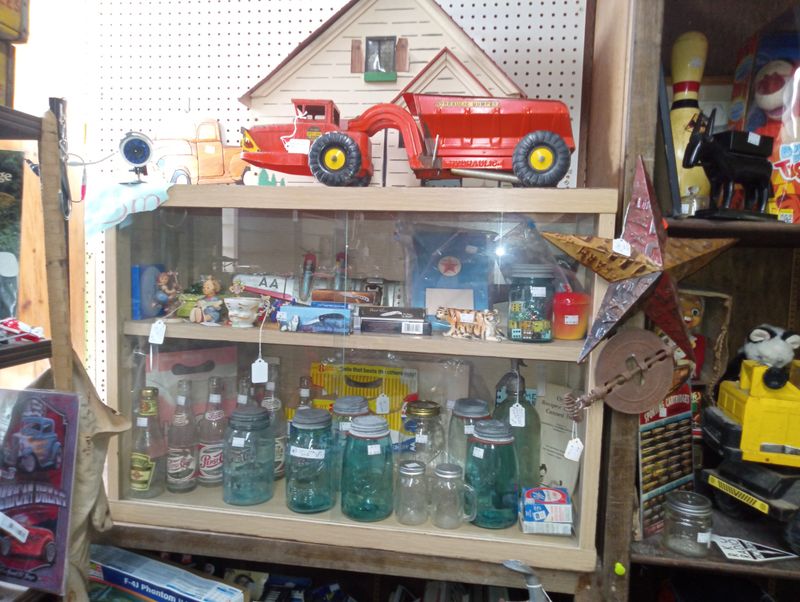
Muncie, Indiana became synonymous with home canning when the Ball Brothers Glass Manufacturing Company started producing mason jars in the late 1800s.
While clear glass jars served practical purposes in kitchens nationwide, the company also produced limited runs in unusual colors that have become collector gold.
Amber, deep olive green, and rare cobalt blue jars now command attention at auctions and antique shows across the country.
Rare colored jars can fetch $300 to $500, while limited edition jars with unique features, embossing errors, or unusual sizes can sell for over $1,000 to serious collectors.
Age indicators like the logo style, mold seams, and closure type help determine authenticity and value.
Condition matters tremendously – chips, cracks, or cloudiness dramatically reduce worth, so pristine examples bring top dollar.
Beyond their monetary value, these jars represent Indiana’s industrial heritage and the American tradition of food preservation that sustained families through difficult times.
4. Notre Dame Football Memorabilia
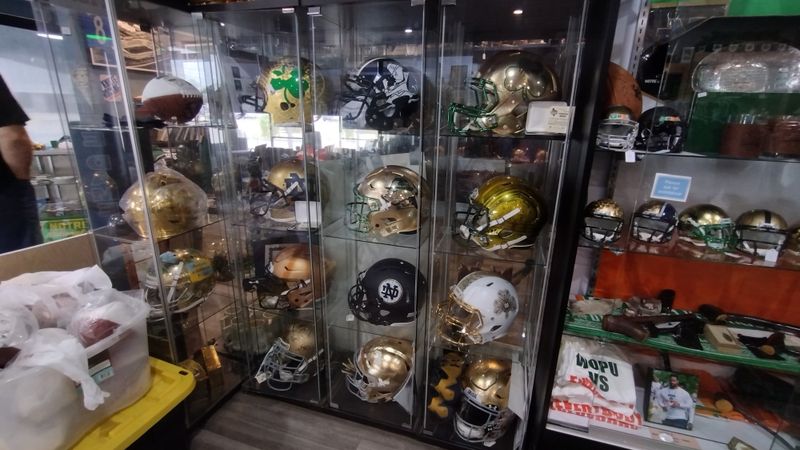
Few college football programs inspire the passionate collecting that Notre Dame does, with vintage memorabilia from South Bend commanding impressive prices at auctions and sports memorabilia shows.
Game-worn jerseys, signed helmets, vintage programs, and championship rings from legendary seasons create a robust market that extends far beyond Indiana borders.
Items connected to coaching legends like Knute Rockne, Ara Parseghian, and Lou Holtz or players who became NFL stars bring particularly strong prices.
Authenticated autographs and game-used equipment have seen values surge as baby boomer collectors seek connections to their youth and new generations discover Notre Dame’s storied history.
A signed Knute Rockne item can fetch thousands, while vintage programs from historic games sell for $50 to $200 depending on condition and significance.
Provenance and authentication are essential – undocumented items sell for fractions of authenticated pieces.
South Bend area estate sales and auctions occasionally yield remarkable finds when families part with collections assembled over decades of loyal fandom.
5. Indianapolis 500 Racing Collectibles
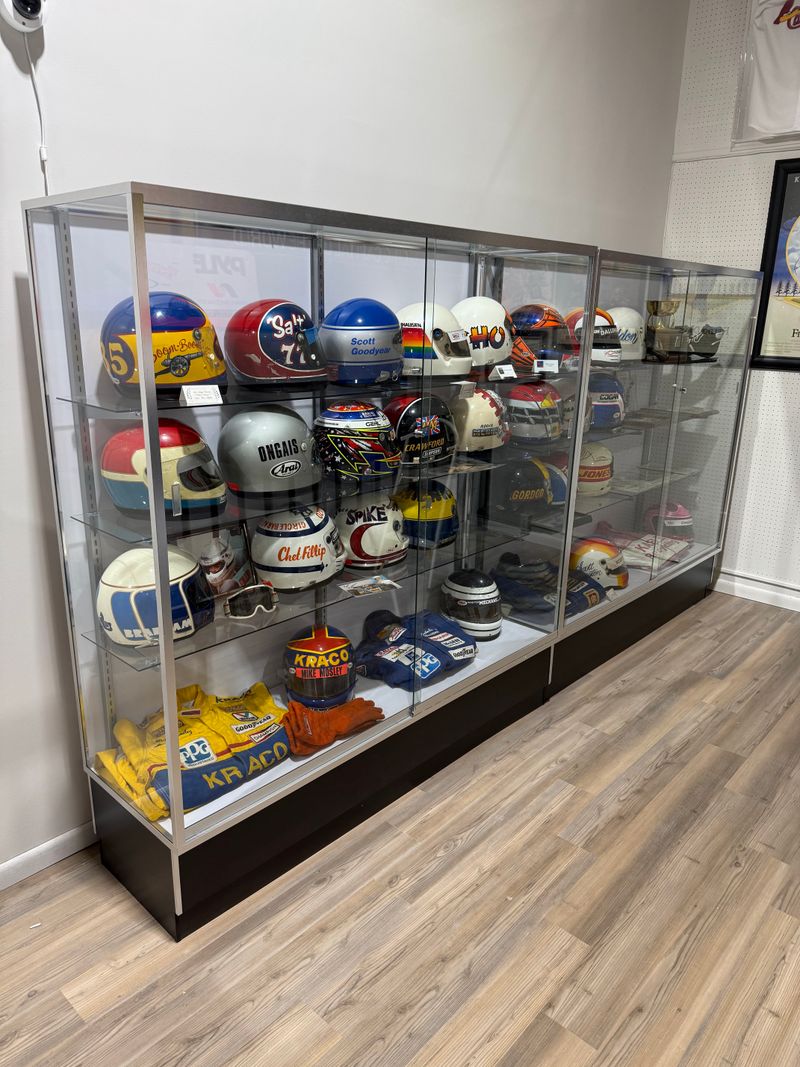
The greatest spectacle in racing has generated over a century of collectible memorabilia that captures the speed, danger, and glory of the Indianapolis 500.
Vintage race programs, especially from milestone years and tragic races, command strong prices among motorsports enthusiasts.
Pit badges, signed driver photos, race-worn gear, and vintage model cars transport collectors to Memorial Day weekends past when legends like A.J. Foyt, Mario Andretti, and Rick Mears battled for the Borg-Warner Trophy.
Programs from the 1950s through 1970s typically sell for $30 to $150 depending on condition and historical significance, while items connected to famous drivers or dramatic races bring higher prices.
Authenticated autographs from deceased legends have appreciated significantly, with some signatures fetching hundreds of dollars.
Original race posters and advertising materials also attract collectors seeking vintage graphics and design.
Indianapolis area antique shops and memorabilia dealers maintain steady inventory, but the best finds often come from families with racing connections who preserved items as family history rather than investment pieces.
6. Studebaker Automobile Memorabilia
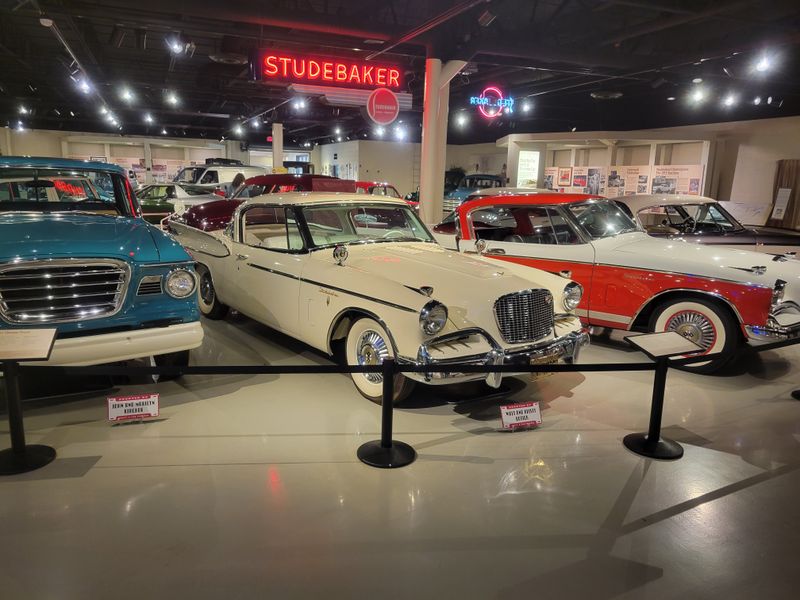
Though headquartered in South Bend, Indiana, Studebaker’s influence extended throughout the state and beyond, creating a robust market for memorabilia connected to this iconic American automaker.
Dealership signs, vintage sales brochures, owner’s manuals, and advertising materials capture the style and innovation that made Studebaker vehicles distinctive from the 1920s through the company’s closure in 1966.
The dramatic styling of models like the Avanti and the sleek postwar coupes continues to captivate automotive enthusiasts.
Original dealership signs and neon advertising can fetch $500 to $2,000 depending on size, condition, and graphics.
Sales literature typically sells for $20 to $100 per piece.
Items connected to rare models or the company’s final years attract particular interest from collectors documenting the end of independent American automakers.
Parts catalogs, service manuals, and technical literature also have dedicated collector followings.
Studebaker memorabilia represents a bittersweet chapter in Indiana manufacturing history, making these items emotionally resonant for collectors who remember when American cities produced world-class automobiles.
7. Indiana Limestone Architectural Samples
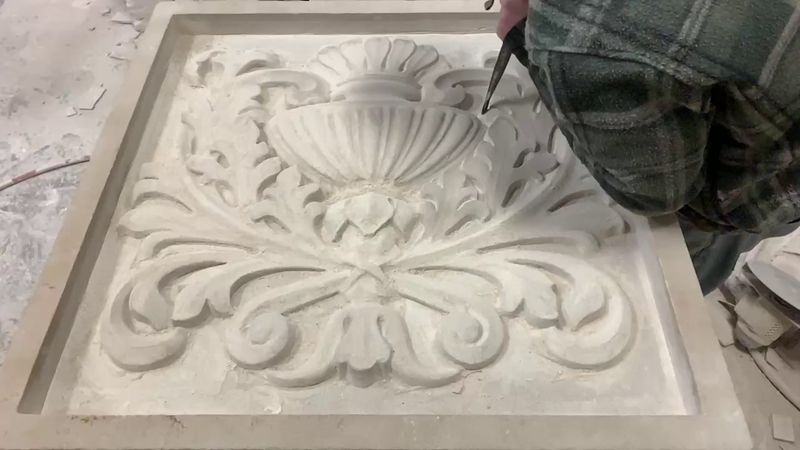
Indiana limestone built some of America’s most iconic structures, from the Empire State Building to the Pentagon.
Architectural samples from quarries and stone yards have become unexpected collectibles.
These samples showcase different finishes, from smooth honed surfaces to rough-cut textures, and sometimes feature carved details that demonstrate the stone’s workability and beauty.
Builders, architects, and stone workers used these samples to show clients options before committing to large orders.
Carved pieces with dates, company names, or decorative elements command the strongest prices, typically $50 to $300 depending on size, intricacy, and historical significance.
Samples from closed quarries or defunct stone companies have additional historical value for collectors documenting Indiana’s limestone industry.
The warm buff color and fine grain that made Indiana limestone famous for building also make these samples attractive display pieces.
Architectural salvage yards and estate sales near limestone quarry regions occasionally offer these samples when old stone yards close or families disperse collections.
The pieces serve as tangible reminders of Indiana’s contribution to American architecture and the skilled craftspeople who shaped the stone.
8. Conner Prairie Living History Items
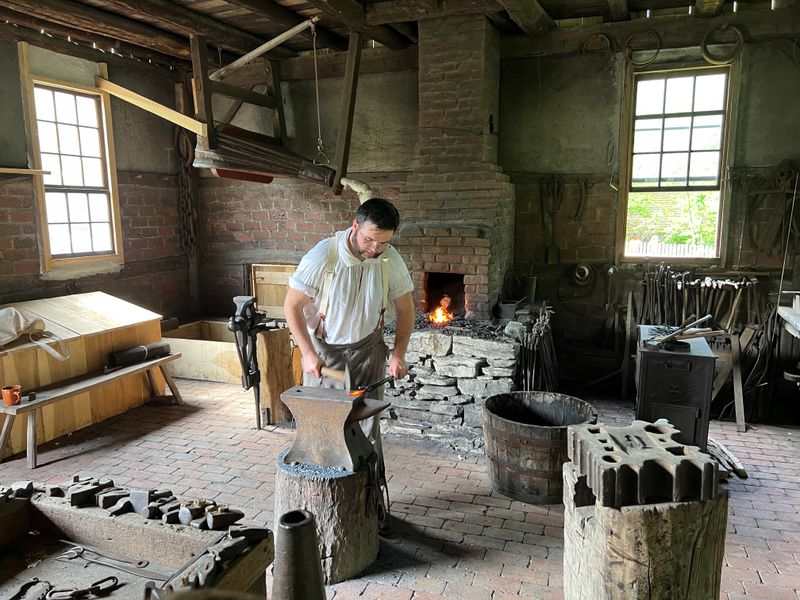
Located at 13400 Allisonville Road in Fishers, the museum has created a market for historical reproductions and authentic period items connected to Indiana’s pioneer and Civil War eras.
The museum’s gift shop and special events have sold handcrafted items, reproduction pottery, textiles, and educational materials that some collectors now seek as documentation of the museum’s history and Indiana’s heritage interpretation movement.
Items from discontinued product lines or special anniversary events have particular appeal.
While not as valuable as true antiques, these items represent quality craftsmanship and historical accuracy that mass-produced souvenirs lack.
Handmade pottery, blown glass, and woven textiles from museum artisan programs typically sell for $25 to $150 depending on age, maker, and complexity.
Items signed by specific craftspeople or connected to notable museum events add interest for collectors who appreciate living history museums.
The museum’s evolution from a simple historic site to a nationally recognized institution makes its older merchandise and promotional materials increasingly collectible as documentation of Indiana’s public history development.
9. Fort Wayne TinCaps Baseball Memorabilia
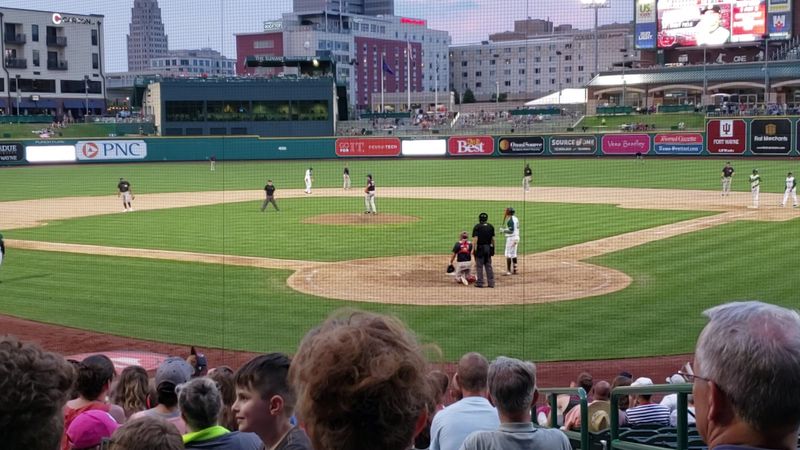
Minor league baseball collectibles have gained serious collector attention, and the Fort Wayne TinCaps have produced memorable items since the team’s 2009 founding at Parkview Field, located at 1301 Ewing Street in Fort Wayne.
The team’s distinctive Johnny Appleseed-inspired branding and creative promotional giveaways have generated bobbleheads, jerseys, and specialty items that resonate with both baseball fans and Hoosier pride.
Limited edition items from championship seasons or special events command particular interest.
Game-worn jerseys from players who reached the major leagues have appreciated significantly, sometimes selling for $200 to $500 depending on the player’s subsequent success.
Bobbleheads from early seasons or featuring unusual designs typically fetch $30 to $75 among collectors who focus on minor league promotional items.
Opening season merchandise and items from the team’s first year have additional historical significance as documentation of the franchise’s establishment.
Fort Wayne area sports memorabilia shops and online auction sites regularly feature TinCaps items.
The best selection often comes directly from the team’s periodic memorabilia sales and special events at Parkview Field.
10. Carnival Glass
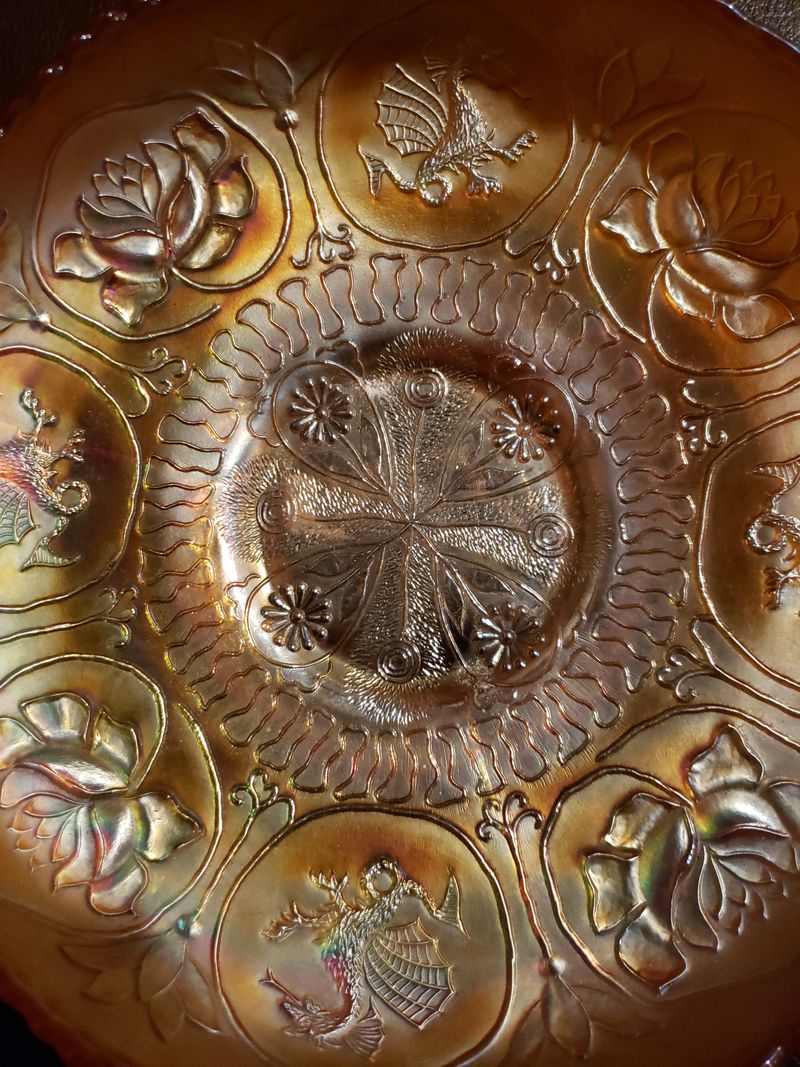
Carnival glass earned its nickname because it was given away as prizes at fairs and carnivals during the early 20th century, making it accessible to everyday families.
Indiana Glass Company produced stunning pieces with iridescent finishes that shimmer with rainbow colors when light hits the surface.
Patterns like Harvest Grape, Diamond Point, and Heisey Rose became signature designs that collectors now hunt for at auctions and antique markets.
Values have tripled over the past decade, with cobalt blue pieces leading the charge – a single candy dish in this color can fetch upwards of $200.
Rarer patterns and unusual shapes like compotes, punch bowls, and vases sell for even more when condition is excellent.
Chips, cracks, or fading of the iridescent finish significantly reduce value, so careful inspection is essential before purchasing.
Indiana carnival glass represents affordable elegance from a bygone era, and its popularity shows no signs of slowing down among both new and seasoned collectors.