17 Sofa Tones Virginia Homeowners Are Replacing As New Trends Take Over
Virginia homeowners are on a mission to modernize their living spaces.
They’re moving away from certain sofa colors that just don’t fit the current aesthetic.
Let’s explore 17 tones that are being left behind as new trends emerge.
1. Dark Chocolate Brown
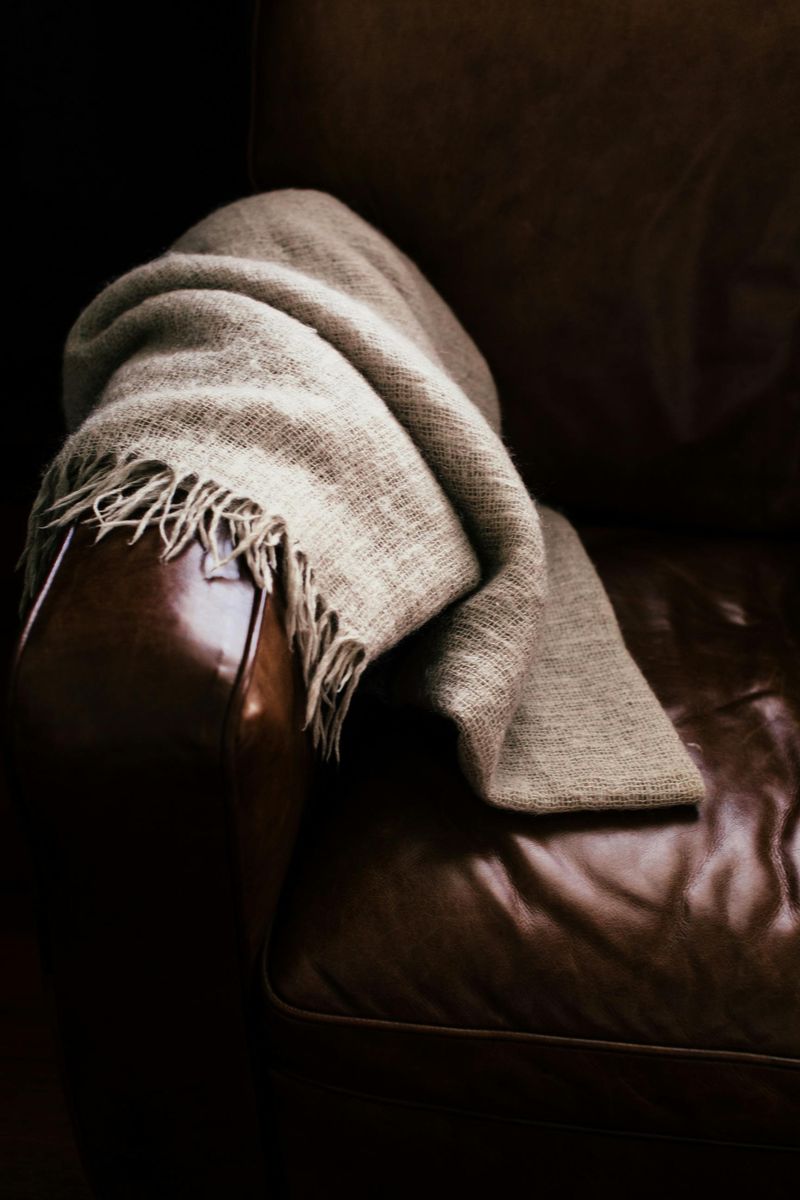
Once the epitome of luxury, dark chocolate brown sofas have lost their charm.
Their formerly rich and inviting presence now feels imposing and heavy.
This shift has left many homeowners seeking lighter, more airy alternatives.
The deep tone, once synonymous with elegance, clashes with today’s preference for brighter interiors.
It can make living rooms feel smaller and less inviting.
Many are turning to softer browns or neutral beiges to create a more open and modern atmosphere.
This change reflects a broader trend towards minimalism and simplicity in home design.
2. Rust Orange
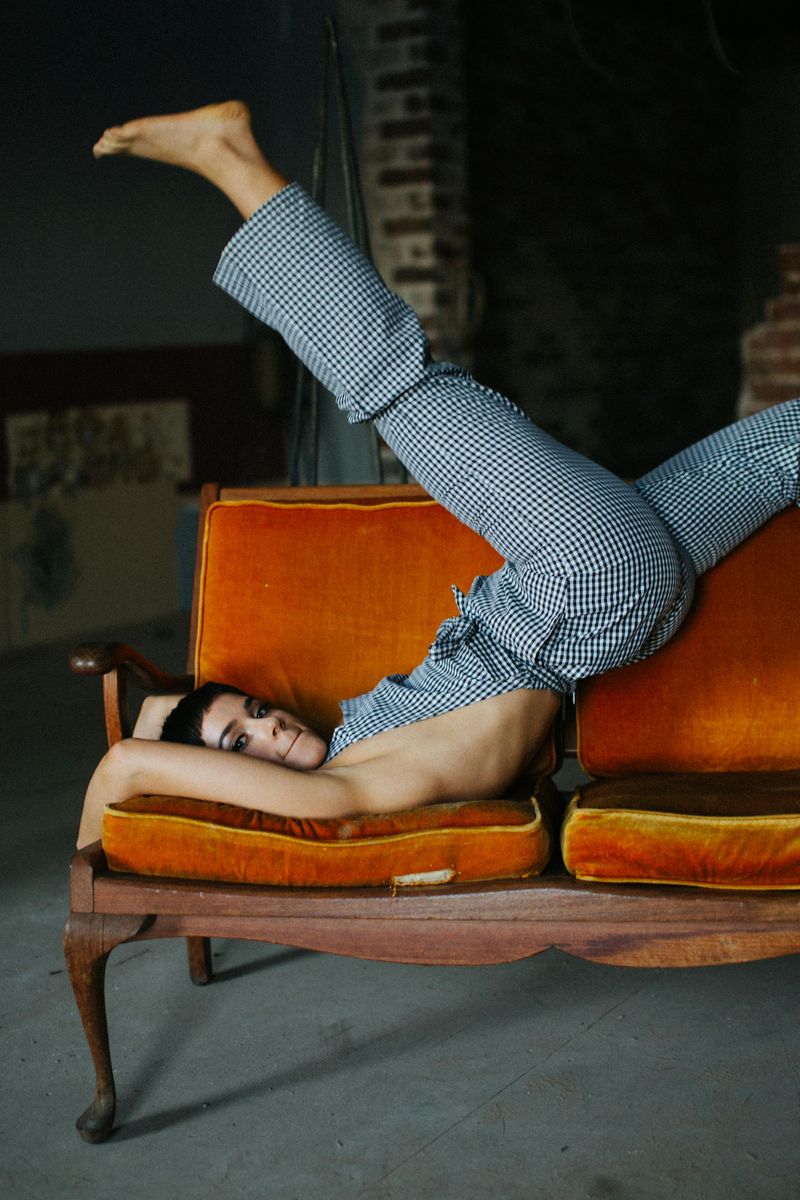
Rust orange was a staple during the mid-century revival, but it’s fading fast.
This color, once considered edgy and unique, now seems outdated.
It evokes a sense of nostalgia rather than modernity.
The hue struggles to blend with contemporary trends.
Its boldness can overwhelm a space, making it hard to pair with other elements.
Homeowners are veering towards more versatile shades like terracotta or soft coral to maintain warmth without feeling stuck in the past.
3. Mustard Yellow
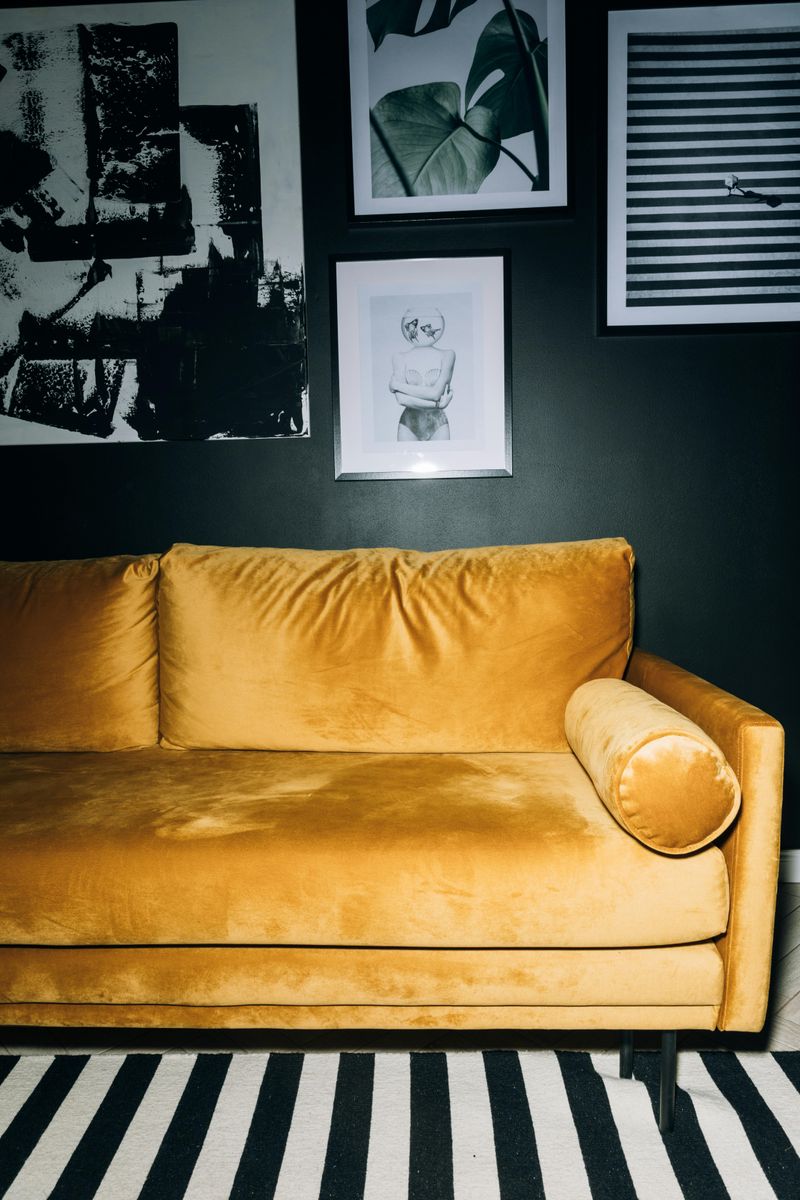
Mustard yellow was once the daring choice for trendsetters. Now, it’s become a color many regret. Its boldness limits flexibility in decorating.
Homeowners find themselves needing a complete overhaul to match its intensity.
This hue dominates the space, making it challenging to integrate with other colors.
It doesn’t adapt well to changing styles.
More subdued yellows or even pastel shades provide the warmth without the commitment, allowing for a more versatile approach to home decor.
4. Plum Purple
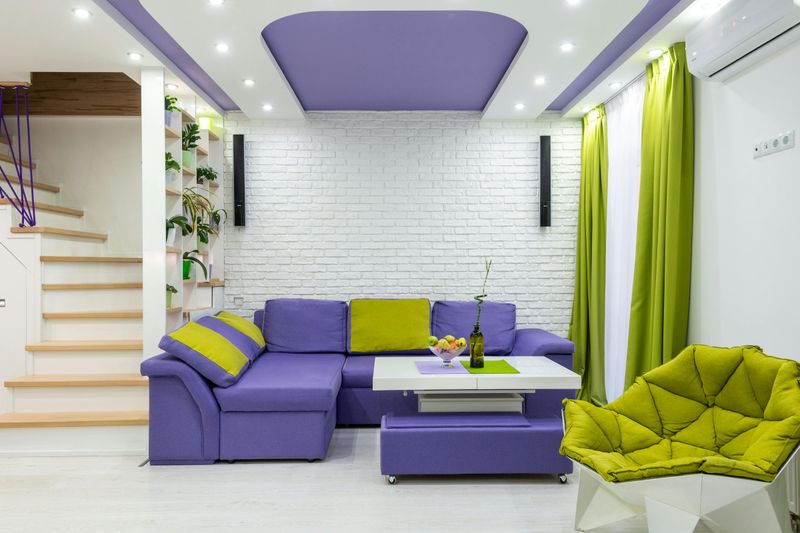
Plum purple sofas once embraced the jewel-tone trend.
However, the deep, regal hue now feels overly formal. Today’s interiors lean towards casual and light.
This color can create a somber atmosphere, overshadowing more playful or airy decor elements.
It’s been replaced by softer purples or lilacs that offer a hint of color without overpowering the room.
These lighter shades blend seamlessly with the trend towards bright, open spaces that evoke a sense of calm and relaxation.
5. Hunter Green
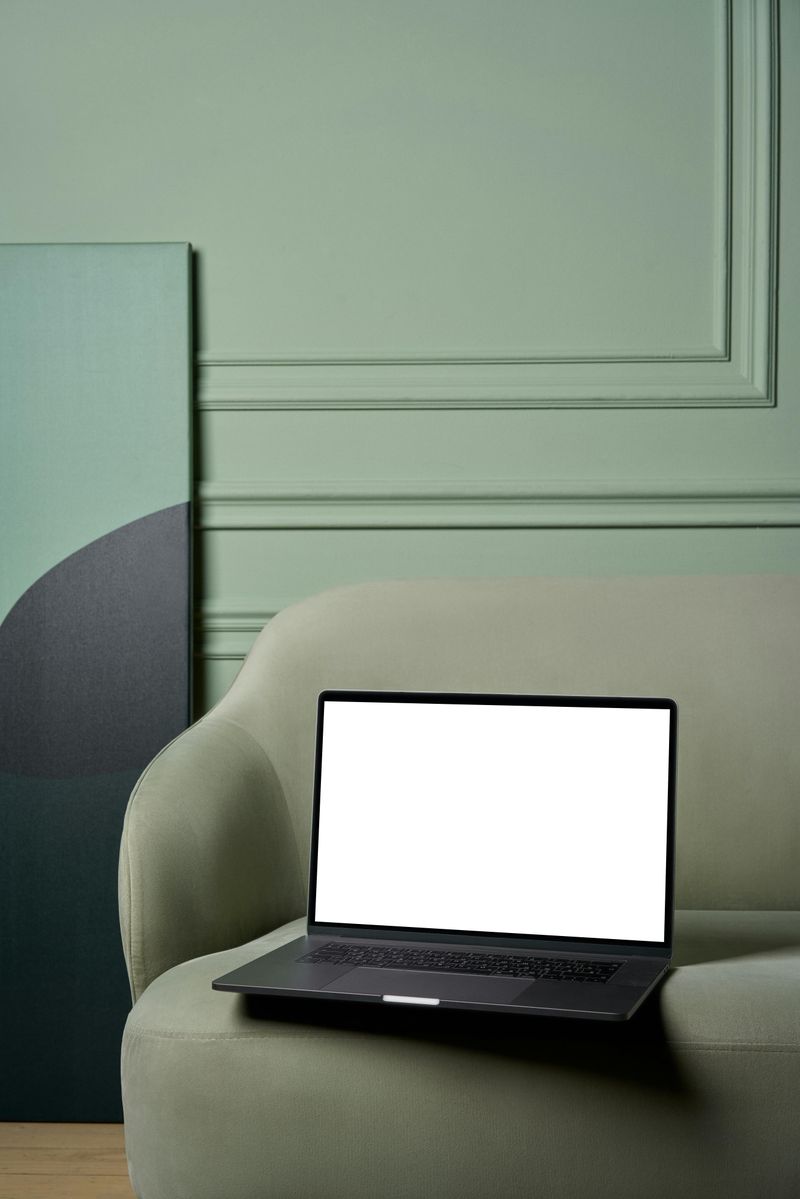
Hunter green was a hallmark of classic interiors. It represented tradition and stability.
Today, it feels like an artifact in a world moving towards contemporary design.
This deep shade can feel too rooted in the past, making spaces appear darker and dated.
Homeowners are opting for lighter greens, such as sage or olive.
These alternatives offer a nod to nature without the heavy, historical connotations, allowing for a fresher, more inviting atmosphere.
6. Burgundy Red
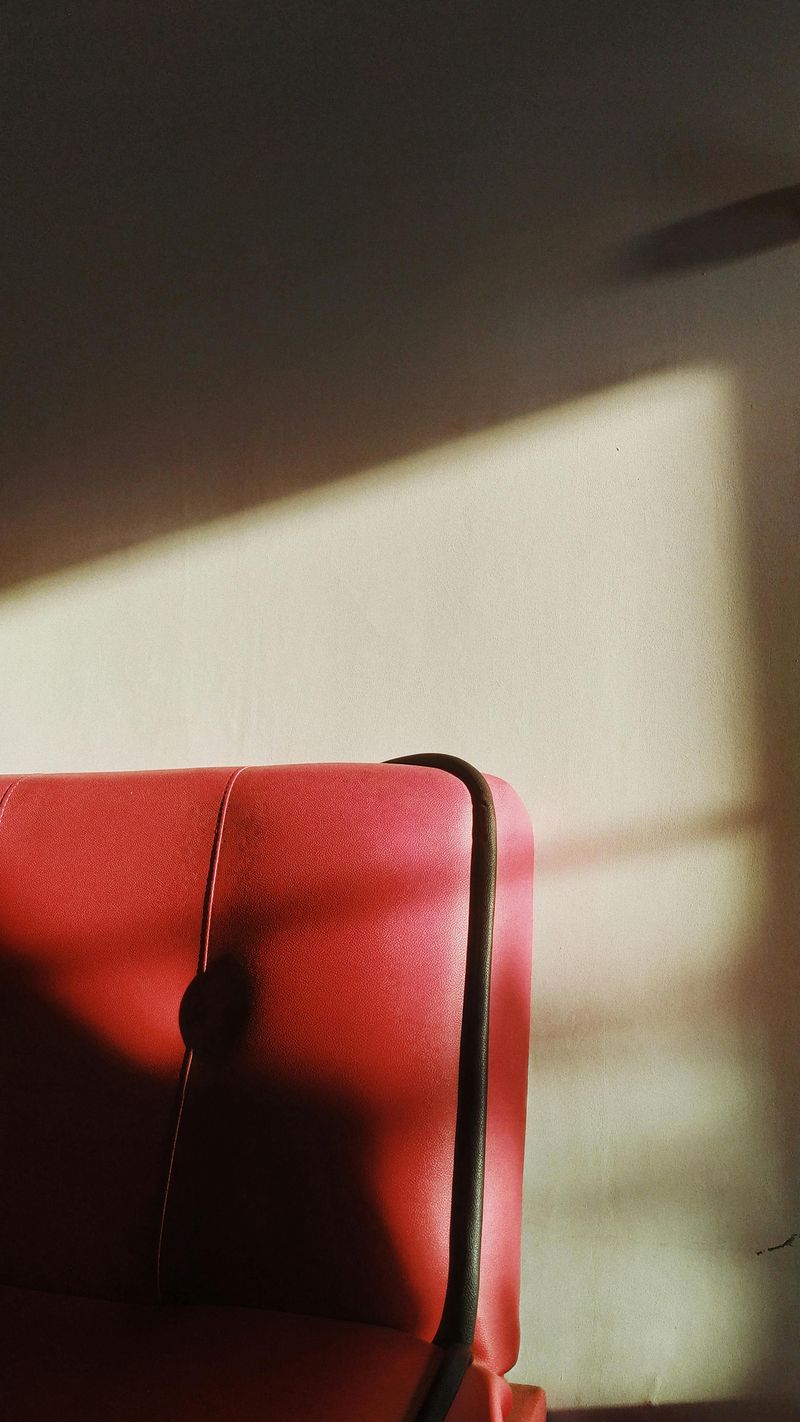
Burgundy red once symbolized wealth and opulence. Its rich hue was synonymous with formal living rooms.
Today, this intensity clashes with contemporary aesthetics.
The color creates a heavy, almost somber tone that can overpower a room.
As decor trends shift towards minimalism, lighter reds or soft pinks are taking its place.
These tones harmonize more easily with other colors, creating a space that feels open yet still vibrant.
7. Navy Blue

Navy blue was once a staple for adding depth and drama.
Its deep shade is now less favored in favor of airy, bright environments.
While the color is classic, it can make a room feel dark and confined.
Homeowners are moving towards lighter blues or even greys, which maintain elegance without the darkness.
These alternatives allow for versatility and a sense of spaciousness, aligning with today’s design preferences.
8. Charcoal Gray
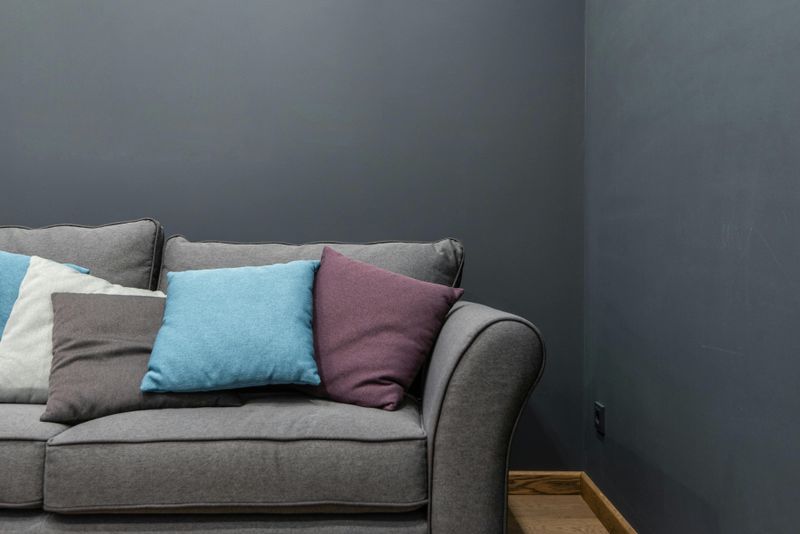
Charcoal gray was once a go-to for modern minimalism.
Its deep tone, however, now tends to create an overly serious and somber atmosphere.
As trends shift towards lighter, brighter living spaces, this shade can feel too heavy.
Light grays or greiges are becoming more popular.
These tones maintain a neutral palette, offering flexibility while contributing to a more open and inviting space.
9. Maroon
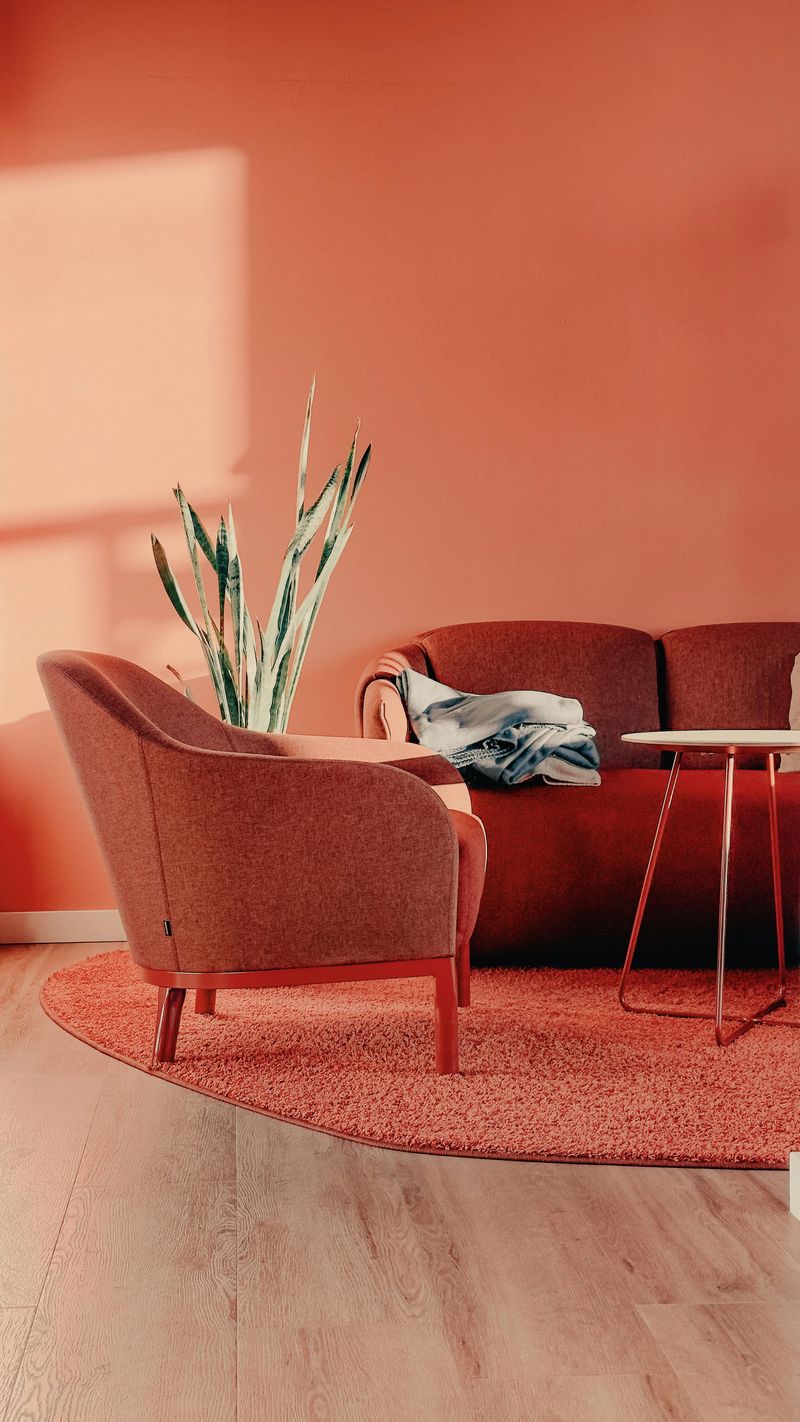
Maroon was cherished for its rich, warm appeal.
It was a favorite in elegant settings.
But today, it feels out of step with lighter, modern trends.
The color carries a weight that can make a room feel stifling.
Many are transitioning to softer reds or even burgundy alternatives that provide warmth without the heaviness.
These options allow for an inviting environment, aligning with the current preference for lightness and ease in interior design.
10. Eggplant
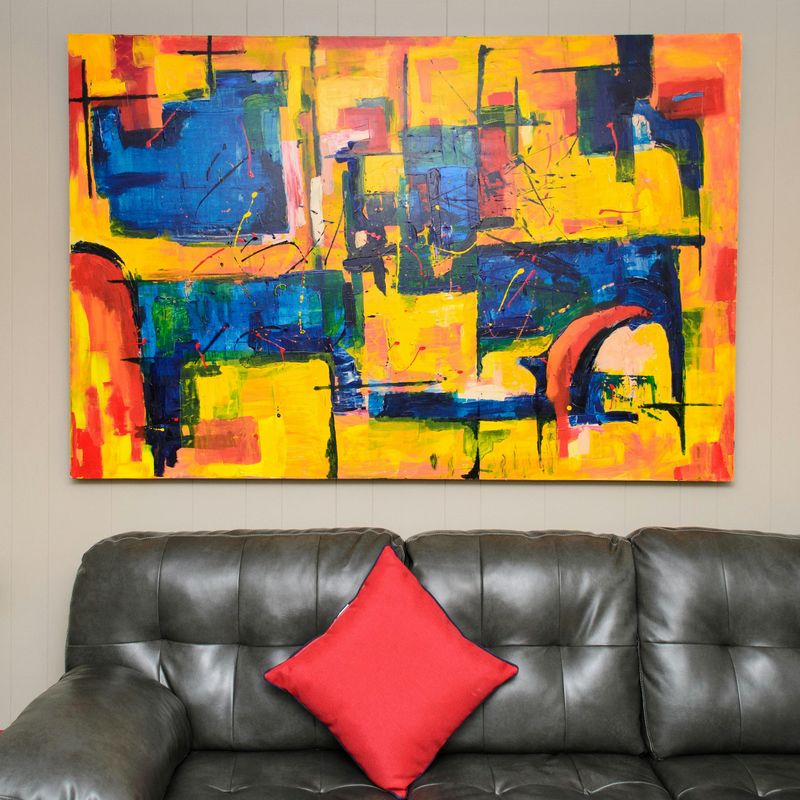
Eggplant sofas were once the height of sophistication.
This deep, regal shade now feels too formal and heavy for contemporary tastes.
Its rich tone can dominate a space, making it difficult to create a balanced, harmonious environment.
Homeowners are shifting towards softer purples or muted shades.
These alternatives offer a touch of color that integrates seamlessly with the brighter, more casual designs favored today.
11. Burnt Sienna
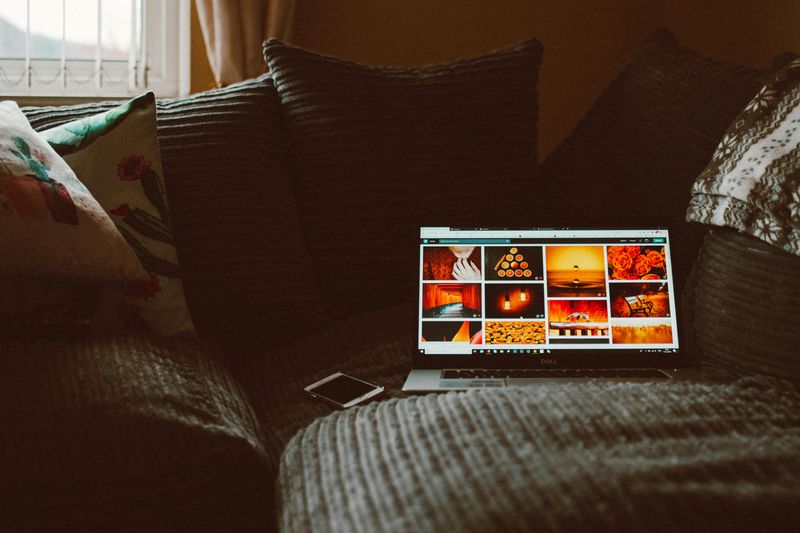
Burnt sienna was popular for its warm, earthy feel.
But now, it seems more retro than relevant.
This shade can appear dated in modern interiors.
Its boldness doesn’t always blend well with the light, airy aesthetic that’s in vogue.
More subdued earth tones or soft browns are being chosen instead.
These colors provide a grounded feel without the overpowering presence, creating a harmonious, inviting space.
12. Midnight Black
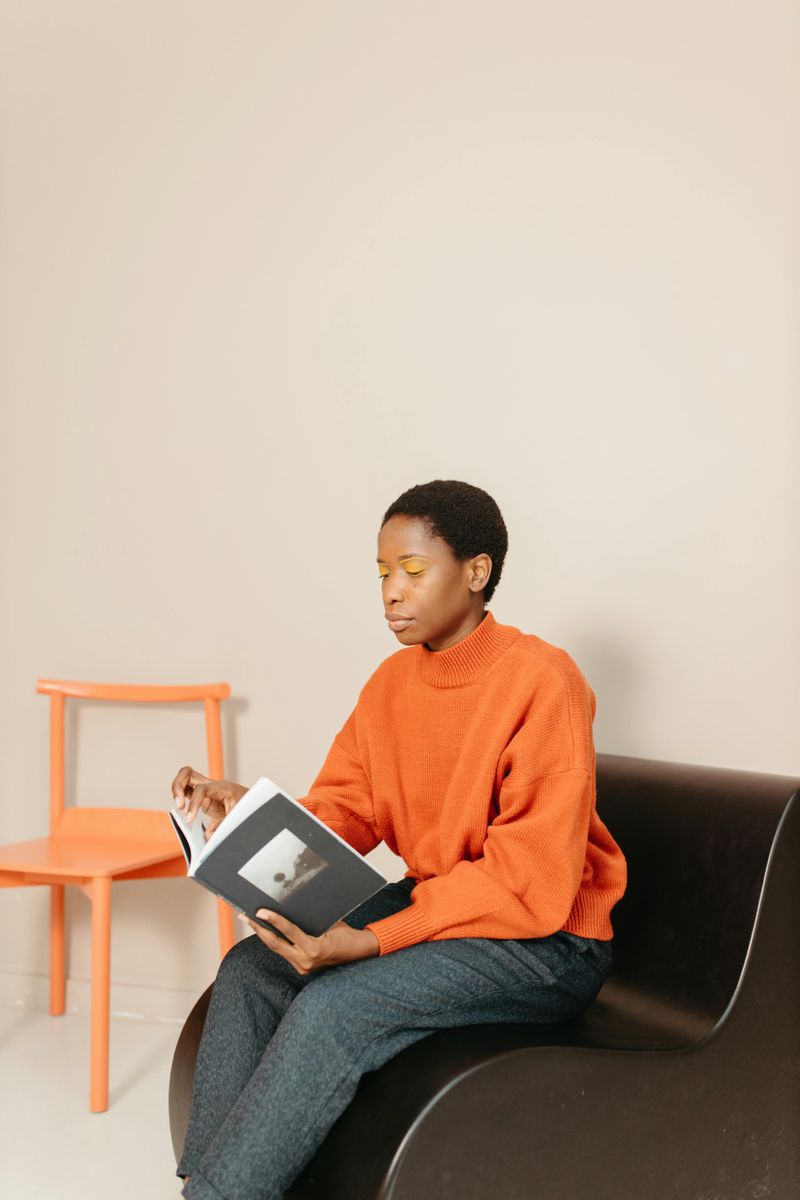
Midnight black was once heralded for its sleek and modern appeal.
This dramatic color can make a space feel closed and unwelcoming.
While black is timeless, in large pieces like sofas, it can dominate too much.
Homeowners are opting for softer blacks or charcoal shades.
These alternatives offer the same sleekness but with a touch more warmth, aligning with the trend towards inviting and open living spaces.
13. Olive Green
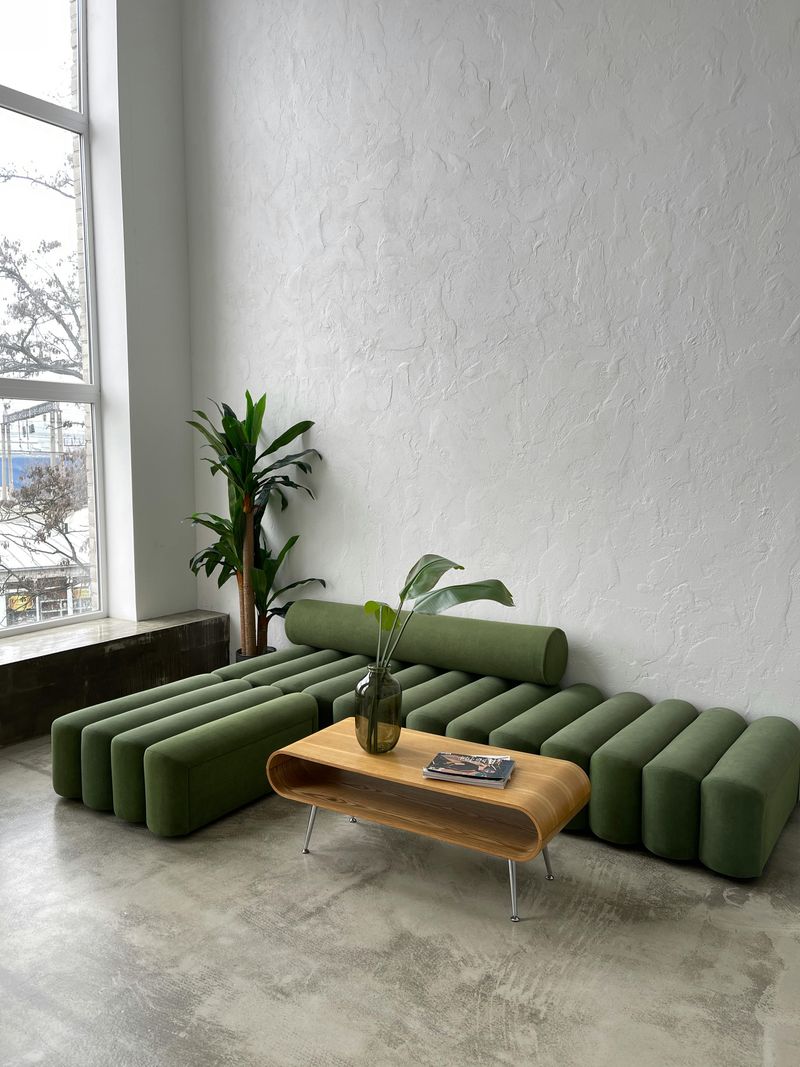
Olive green once brought a touch of nature indoors. It’s now seen as too reminiscent of past decades.
This shade can feel murky and stale.
Modern spaces favor more vibrant or lighter hues that reflect natural light.
Many are switching to soft greens or sage tones.
These provide a fresh, clean look that integrates well with the light and uncluttered decor popular today.
14. Sunset Red
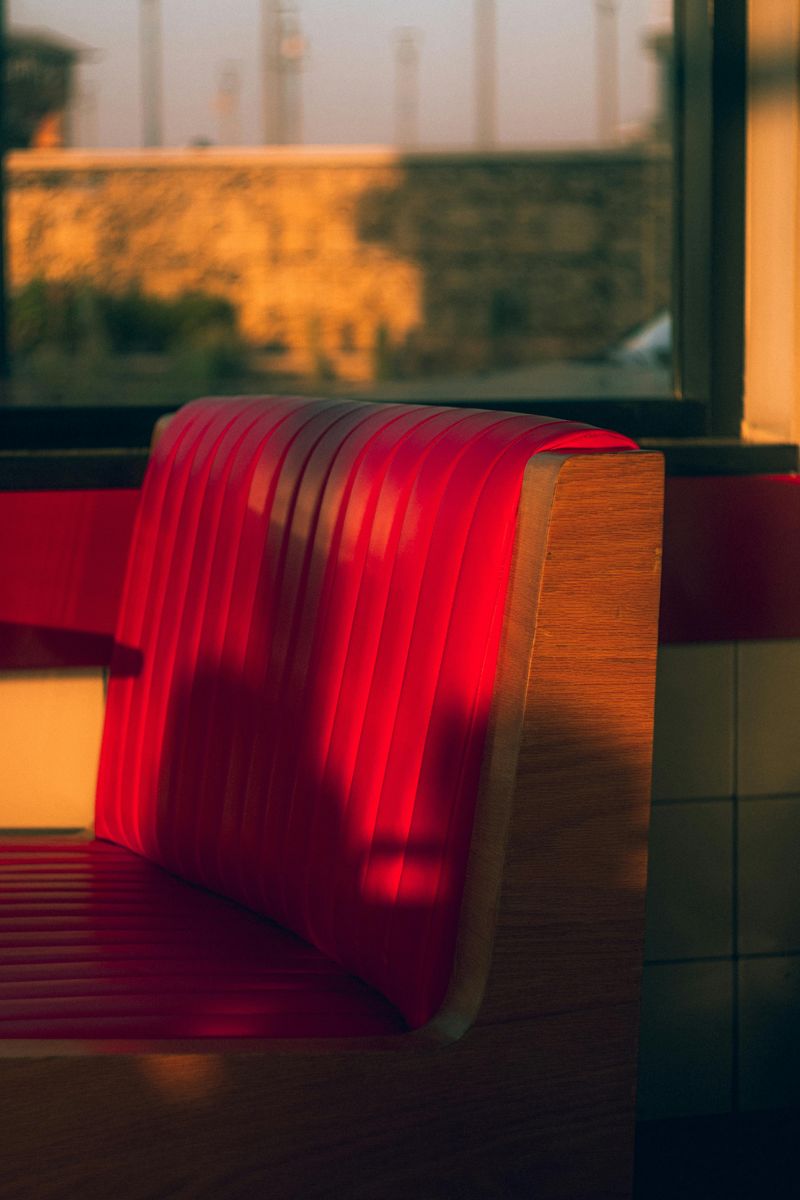
Sunset red was a bold choice for those looking to make a statement.
Today, it can feel too intense and overwhelming in a room.
The color doesn’t lend itself to easy pairing with other elements, often clashing with more subtle tones.
Homeowners are leaning towards gentler reds or blush tones.
These options provide a hint of color without overtaking the space, keeping the focus on a balanced and harmonious interior.
15. Teal Blue

Teal blue had its moment as a trendy standout.
Its vibrancy now feels misaligned with current design preferences.
The color struggles to blend with neutral tones.
This can create a disjointed feel in the home.
Many are transitioning to lighter blues or aquas.
These shades offer a cool, calming presence that complements the serene, cohesive environments sought after today.
16. Forest Green
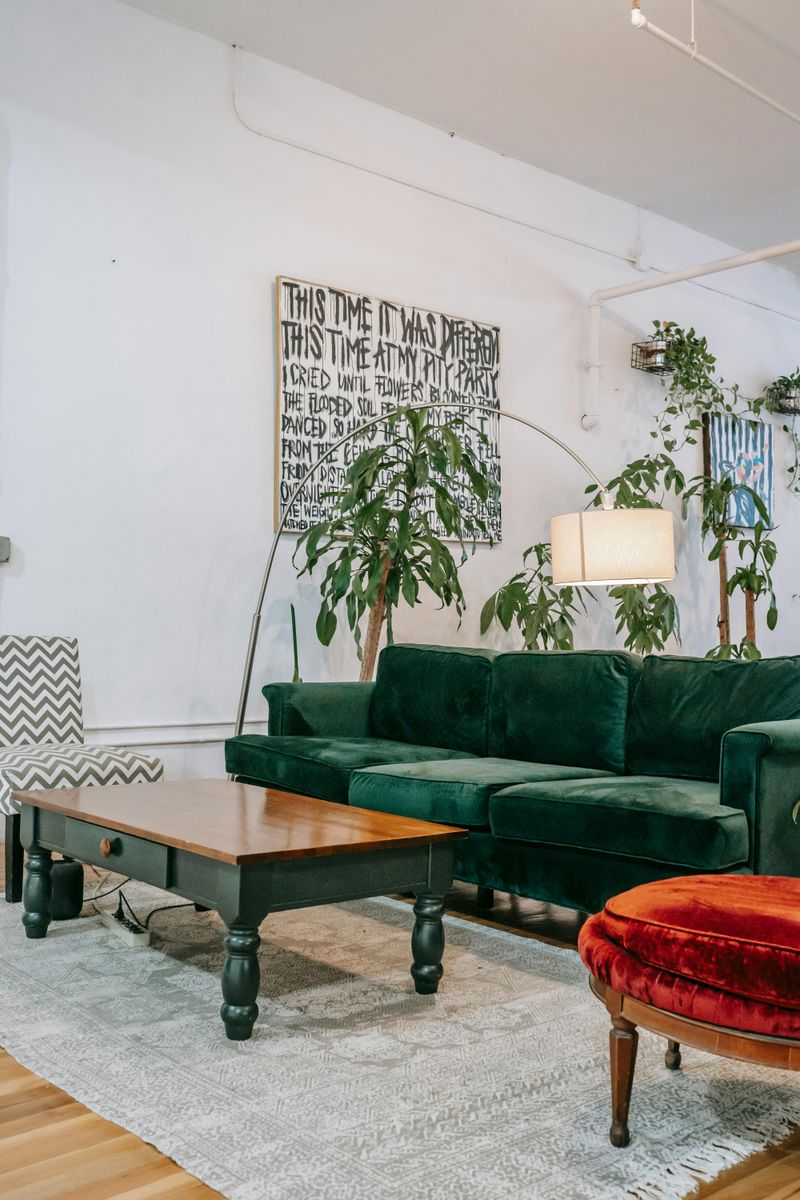
Forest green was beloved for its depth and connection to nature.
It now feels a bit too dense and dark.
This shade can close off a space, contrary to the current airy design trends.
Homeowners are moving towards lighter greens or even emeralds.
These options retain a natural feel while brightening the living area, aligning well with the trend towards open, inviting spaces.
17. Cobalt Blue
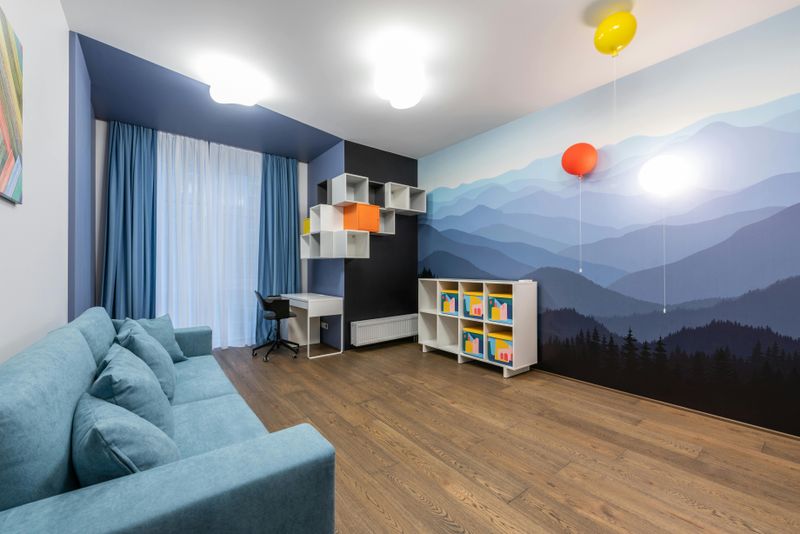
Cobalt blue once offered a vibrant splash in home decor. Its strong presence, however, can be overwhelming.
In an era favoring subtlety, it’s falling out of favor.
The color can overtake a room, making it hard to create a peaceful, balanced environment.
Softer blues or pastel tones are becoming more prevalent.
These provide a gentle pop of color without overshadowing other elements, maintaining harmony and openness in the space.