Wisconsin Collectibles Poised For Major Value Growth At The Beginning Of 2026

Wisconsin has a rich history that lives on through its collectibles, and smart collectors are paying attention right now.
As 2026 begins, certain items from the Badger State are catching the eyes of experts who predict major value increases.
From vintage coins to handcrafted treasures, these collectibles represent more than just old stuff, they’re pieces of Wisconsin’s story that could become valuable investments.
Wisconsin Territorial Centennial Half Dollar Coins

Minted back in 1936, these silver half dollars celebrated Wisconsin’s 100th anniversary as a territory.
Only 25,015 of these coins were ever made, which makes them pretty rare in the collecting world.
The coins feature a badger on one side and a territorial seal on the other, both designed with incredible detail.
Over at 239 Whitney St in Columbus, the Columbus Antique Mall sometimes has coins like these tucked away in display cases.
Collectors love them because they combine Wisconsin history with precious metal content.
Specimens in mint condition have sold for thousands of dollars at auctions recently.
As more people discover their historical significance, values keep climbing steadily.
The 2026 market shows strong interest in regional commemorative coins, especially those with low mintage numbers.
Experts suggest that pristine examples could see 15-20% appreciation this year alone.
If you inherit one or find it in an old collection, get it professionally graded immediately.
Native American Beadwork And Textiles
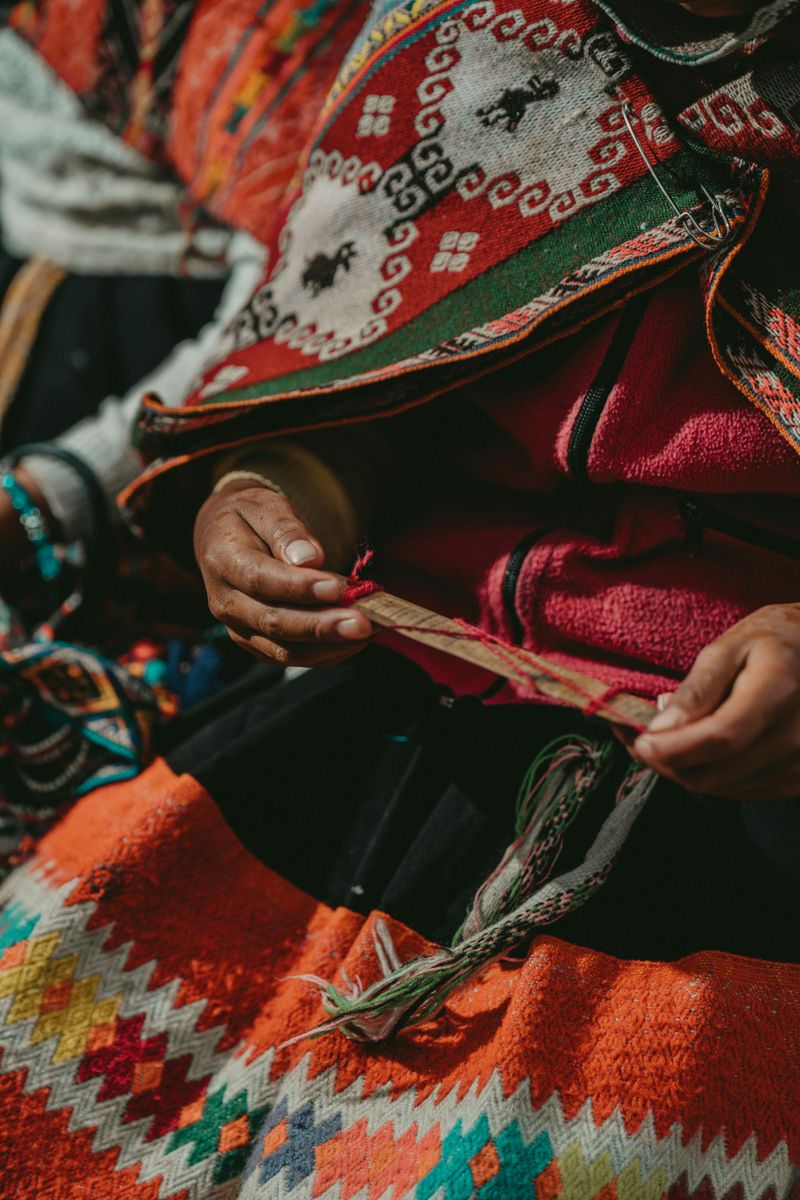
Wisconsin’s indigenous tribes created stunning beadwork and woven textiles that tell stories through patterns and colors.
Ojibwe, Menominee, and Ho-Chunk artisans passed down techniques for generations, making each piece unique.
These aren’t just decorative items—they’re cultural artifacts that preserve tribal heritage and artistic traditions.
Authentic pieces feature intricate geometric designs, natural dyes, and hand-stitched craftsmanship that modern machines can’t replicate.
Museums and serious collectors compete for genuine historical examples, driving prices upward consistently.
The cultural awareness movement has increased appreciation for Native American art significantly in recent years.
Ethical collecting requires proper documentation showing the item was acquired respectfully and legally.
Pieces from the 1800s and early 1900s command premium prices, especially those with known tribal origins.
As younger generations learn about indigenous history, demand continues growing steadily.
Expect values to jump as educational institutions seek authentic teaching materials for their programs.
Green Bay Packers Vintage Memorabilia
Few teams inspire loyalty like the Green Bay Packers, and their early memorabilia reflects decades of football passion.
Programs from championship games, signed photographs, and vintage jerseys from legendary players become more valuable each season.
Items connected to Vince Lombardi’s coaching era or the Ice Bowl game are particularly sought after.
Original ticket stubs, pennants, and even old stadium seats have found eager buyers at surprisingly high prices.
The Packers’ unique community ownership structure makes their history feel personal to Wisconsin residents and collectors.
As older fans downsize their collections, younger enthusiasts snap up these treasures before they disappear forever.
Authentication matters tremendously in this market, so certificates and provenance documentation are essential.
The team’s continued success keeps interest high, unlike franchises that fade from public memory over time.
Super Bowl-related items from the 1960s are especially hot right now among serious collectors.
Investment potential looks strong as baby boomers seek nostalgic connections to their youth.
Historic Advertising And Signage
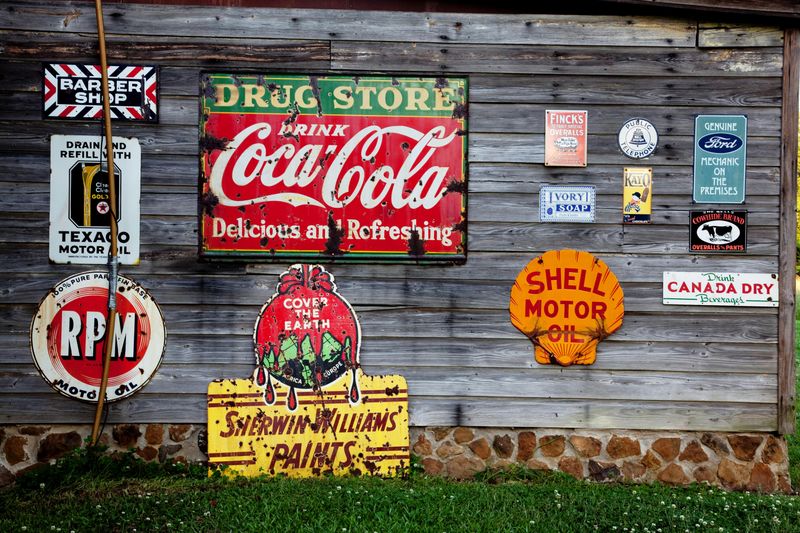
Before prohibition changed everything, Wisconsin boasted hundreds of local breweries that defined community identity across the state.
Tin signs, wooden crates, bottles, and promotional materials from these lost breweries carry nostalgic appeal and historical significance.
Names like Schlitz, Pabst, and smaller regional operations created advertising art that modern designers still admire.
The lithography techniques used in early 1900s signs produced vibrant colors that remain eye-catching even today.
Collectors appreciate both the artistic merit and the glimpse into Wisconsin’s brewing heritage these pieces provide.
Original signs in good condition are becoming harder to find as more people recognize their decorative value.
Restaurants and bars often display reproduction versions, but authentic pieces command much higher prices at auctions.
The craft brewing renaissance has sparked renewed interest in historical brewing artifacts throughout the Midwest region.
Experts predict 20-25% value increases for rare brewery signs and advertising materials during 2026.
Condition matters greatly, so protected storage is crucial for maintaining investment value.
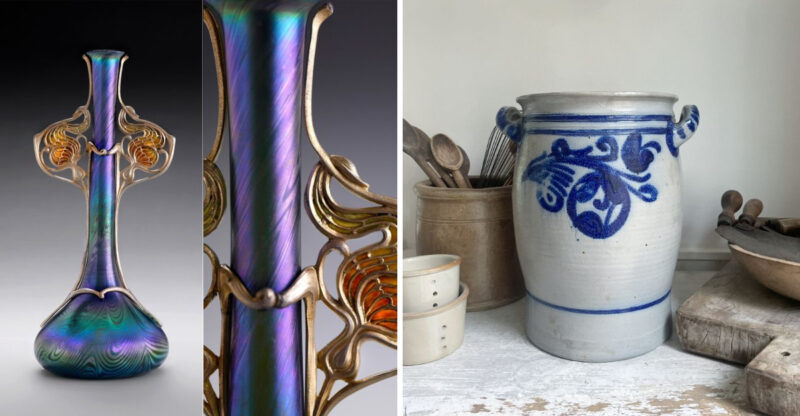
Wisconsin-Made Pottery And Stoneware
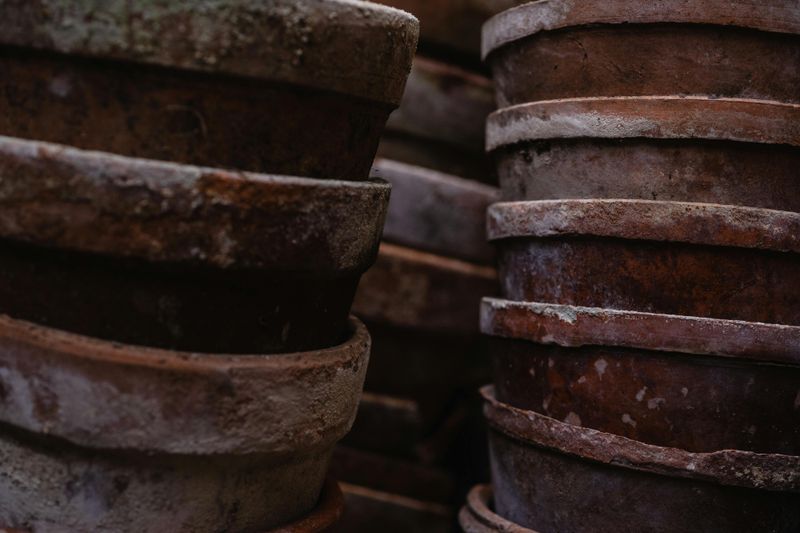
Sturdy crocks and jugs produced by Wisconsin potteries served practical purposes while showcasing regional artistic styles beautifully.
Companies like Red Wing (which had Wisconsin operations) and smaller local potters created functional pieces with distinctive decorations.
The cobalt blue designs on salt-glazed stoneware are particularly recognizable and highly collectible among enthusiasts.
Each pottery had unique maker’s marks, helping collectors identify origin and approximate age with reasonable accuracy today.
These pieces survived because they were built to last, unlike delicate porcelain that often broke easily.
Farmhouse decor trends have increased demand for authentic stoneware that adds rustic charm to modern kitchens.
Larger pieces like five-gallon crocks and specialized forms like butter churns fetch premium prices currently.
Chips and cracks reduce value significantly, so condition inspection is critical before purchasing any stoneware collectible.
The 2026 market favors pieces with unusual decorations or rare maker’s marks from short-lived potteries.
Investment-grade examples should have clear markings and minimal damage throughout.
Vintage Wisconsin Tourism Postcards And Ephemera

Before smartphones captured every moment, postcards documented Wisconsin vacations and shared scenic beauty with folks back home.
Hand-tinted photographs and colorful linen-finish cards from the 1930s through 1960s show Wisconsin Dells, Door County, and countless lakeside resorts.
These small paper treasures offer windows into how tourism marketing evolved and how destinations looked decades ago.
Collectors organize them by region, era, or artistic style, building comprehensive collections that tell visual stories.
Unused cards with original vibrant colors are more valuable than mailed ones, though postmarks add historical context.
Ephemera like brochures, maps, and hotel matchbooks complement postcard collections and fill out historical narratives beautifully.
The nostalgia market drives steady price increases as people seek connections to simpler vacation times.
Complete sets from specific resorts or attractions command higher prices than random individual cards at antique shows.
Digital scanning technology lets collectors preserve and share images while keeping originals safely stored away.
Expect continued appreciation as fewer survive in good condition.
Antique Wisconsin Farm Tools And Equipment
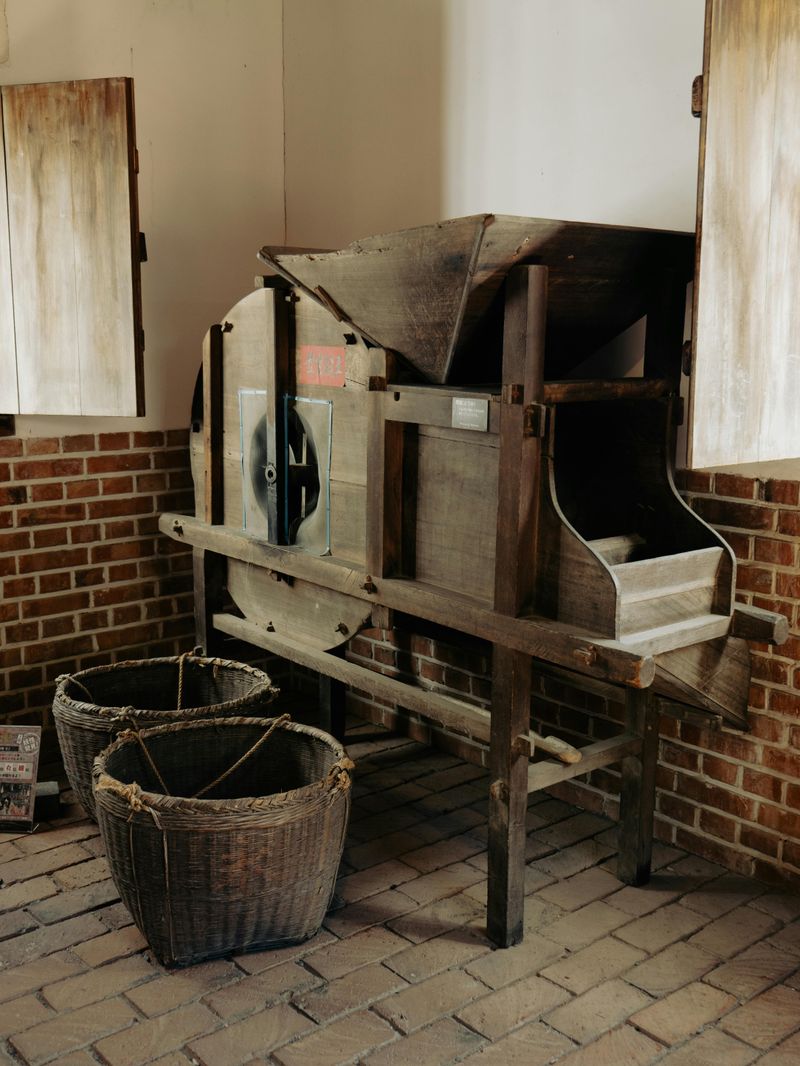
Agriculture shaped Wisconsin’s identity, and the tools farmers used tell stories of hard work and ingenious problem-solving.
Hand-forged implements, wooden butter molds, cream separators, and specialized dairy equipment reflect the state’s agricultural heritage.
Many pieces feature beautiful craftsmanship that modern mass production simply cannot match or replicate at all.
Collectors appreciate both the functional design and the connection to Wisconsin’s farming traditions that these tools represent clearly.
Items with maker’s marks from Wisconsin blacksmiths or equipment manufacturers are especially desirable among serious enthusiasts.
Decorators use these pieces to add authentic rustic character to homes, restaurants, and commercial spaces effectively.
The industrial-chic design trend has made old farm equipment surprisingly fashionable in unexpected urban settings.
Smaller tools like corn shellers and apple peelers are more affordable entry points for beginning collectors today.
Large equipment, like horse-drawn plows, require significant display space but create a dramatic visual impact when shown properly.
Values should rise as fewer working farms maintain traditional equipment collections.
Wisconsin-Made Vintage Musical Instruments
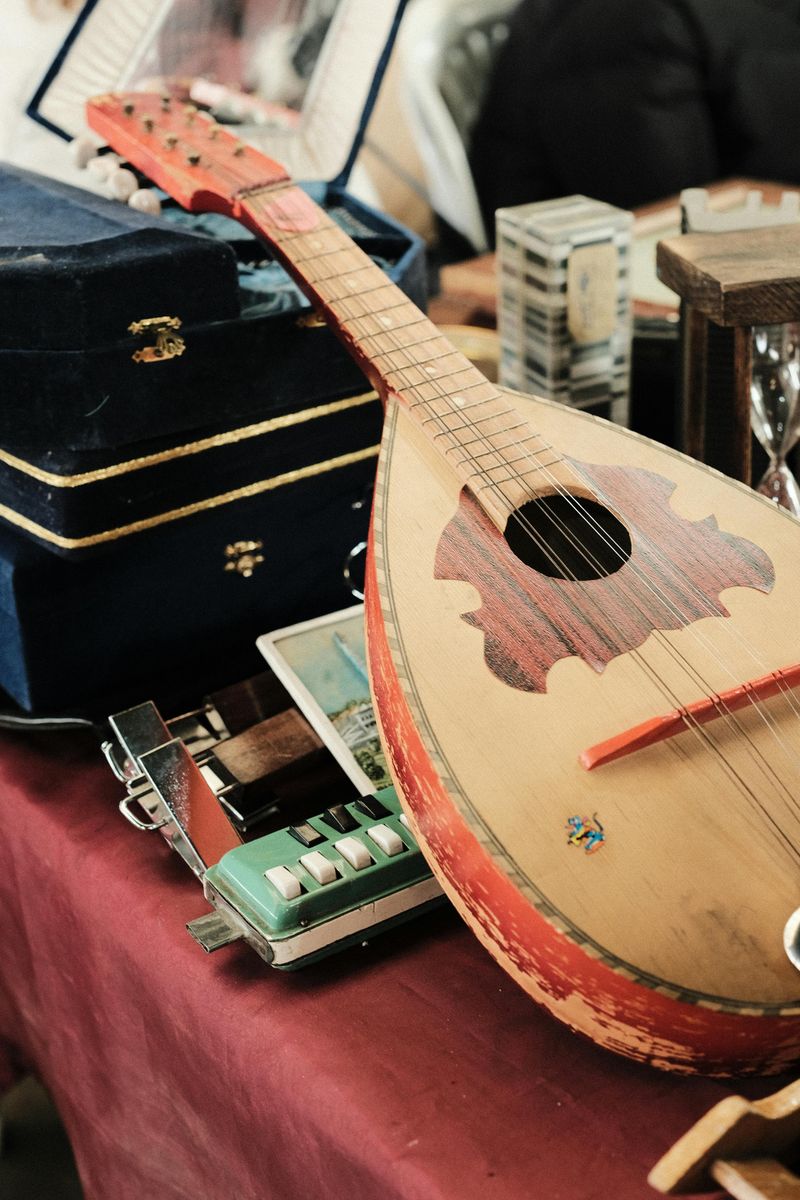
Wisconsin’s strong German and Polish immigrant communities brought musical traditions that sparked local instrument manufacturing businesses.
Accordions, concertinas, and other folk instruments made in Milwaukee and smaller towns carry both musical and cultural value.
Companies like Dallape and other regional makers produced instruments that remain playable and beautiful after many decades.
Musicians and collectors both seek these pieces, creating a dual demand that supports steady price appreciation year after year.
Original cases, instruction booklets, and documentation of provenance significantly increase an instrument’s collectible value and appeal.
The polka revival and folk music interest among younger generations has renewed appreciation for traditional instruments recently.
Restoration specialists can return neglected pieces to playing condition, though original untouched examples are more valuable generally.
Ornate inlay work and decorative details make some instruments true works of functional art worth displaying.
As fewer players from older generations remain active, their instruments enter the collectibles market regularly.
Investment potential is strong for well-maintained examples with clear Wisconsin manufacturing origins.
Historical Wisconsin Documents And Maps

Paper documents might seem fragile, but they preserve Wisconsin history in ways nothing else can match effectively.
Land deeds, territorial-era maps, early business records, and personal letters offer glimpses into daily life generations ago.
Cartographers created beautiful hand-colored maps showing Wisconsin’s evolving boundaries, towns, and geographical understanding through different eras.
Genealogists, historians, and collectors all compete for documents connected to specific families, places, or historical events.
Items signed by notable Wisconsin figures like governors or business leaders carry premium values in today’s market.
Proper preservation requires acid-free storage and controlled environments to prevent further deterioration of fragile paper materials.
Documents related to significant events like statehood, the Civil War, or early settlement are particularly sought after.
The rise of online genealogy research has increased awareness of historical documents’ value for family history projects.
Original maps from the 1800s showing county formations and early settlements are especially hot among collectors currently.
Expect strong appreciation as archives and museums compete with private collectors for important pieces.