Indiana Architectural Styles Experts Say Might Not Survive The Next Decade
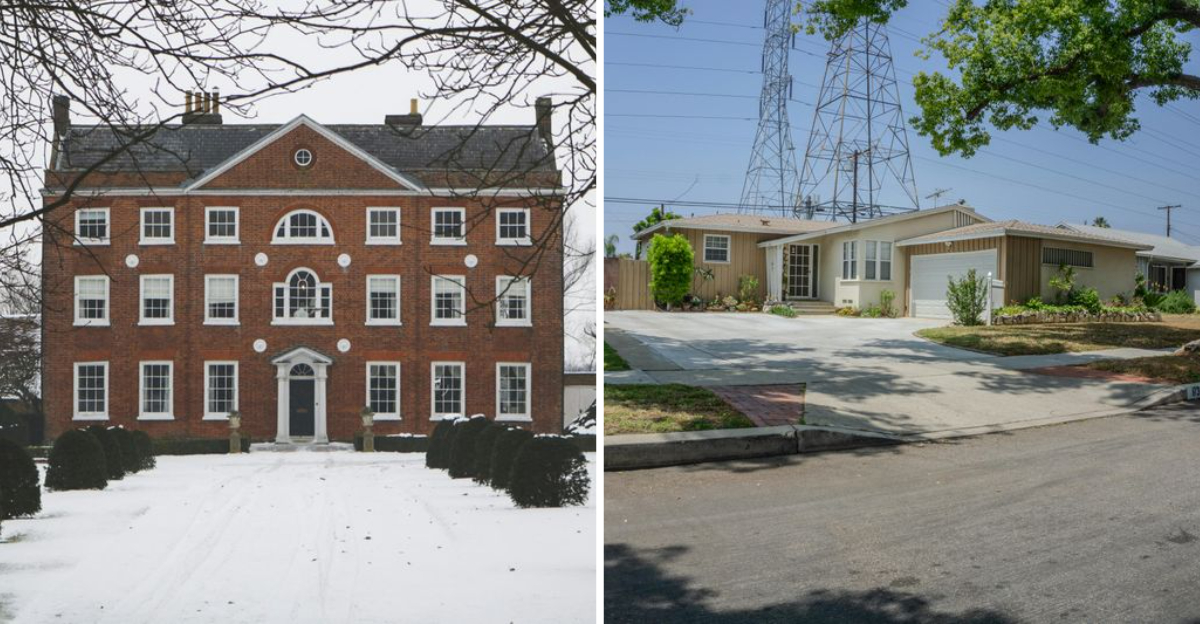
Indiana’s neighborhoods showcase incredible buildings from different time periods, each telling a story about how people once lived.
Sadly, many of these beautiful architectural styles face serious threats that could make them disappear forever within the next ten years.
I want to share with you the thirteen architectural styles that experts believe might not survive much longer in our state.
1. Victorian-Era Homes
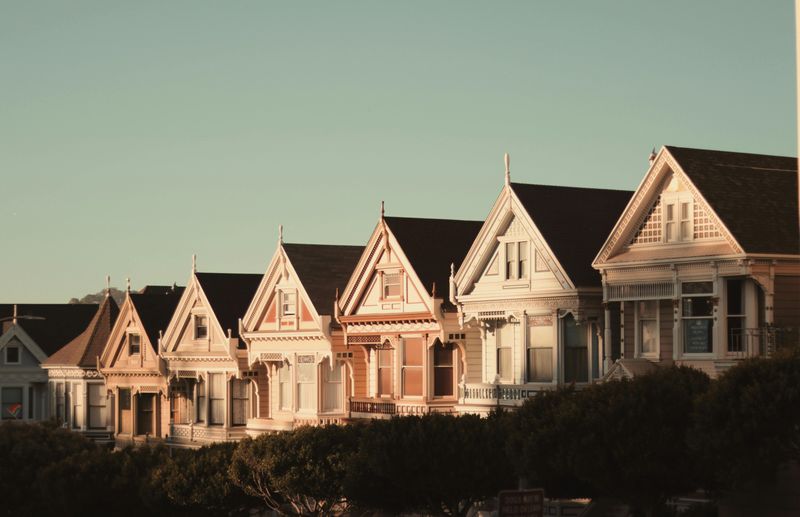
Fancy towers and detailed woodwork make these homes look like something from a fairy tale.
Queen Anne and Italianate styles require constant upkeep that many owners simply can’t afford anymore.
Their complicated roofs leak easily, and fixing those decorative details costs a fortune.
Landlords who convert them into apartments often rip out original features without thinking twice.
Developers frequently tear down these grand old ladies to build modern houses or parking lots instead.
I’ve seen entire blocks of these beautiful structures vanish in just a few years.
Their ornate trim and colorful paint schemes once defined whole neighborhoods across Indiana.
Without stronger protection laws and financial help for owners, we’ll lose these architectural treasures forever.
2. Arts & Crafts Cottages
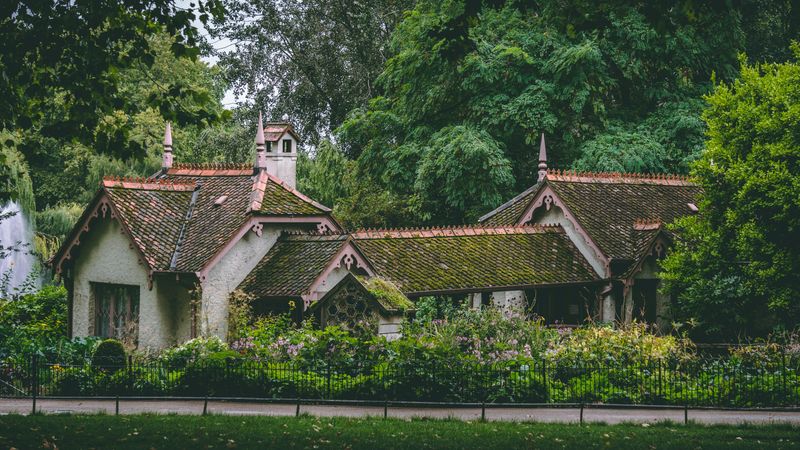
Handmade touches and natural materials give these cozy cottages a warmth you can actually feel.
Families today want giant closets and open floor plans, which these smaller homes just don’t provide.
Built-in cabinets and window seats seem old-fashioned to buyers shopping for modern conveniences.
Their modest size sits on land that developers see as perfect for building much bigger houses.
Entire Arts & Crafts neighborhoods have disappeared as bulldozers clear lots for McMansions.
I find it heartbreaking because craftspeople spent months creating the custom woodwork in each home.
Their low-pitched roofs and wide porches represented a whole philosophy about simple, honest living.
Communities are losing these thoughtful designs faster than preservationists can document them.
3. Streamline Moderne Buildings
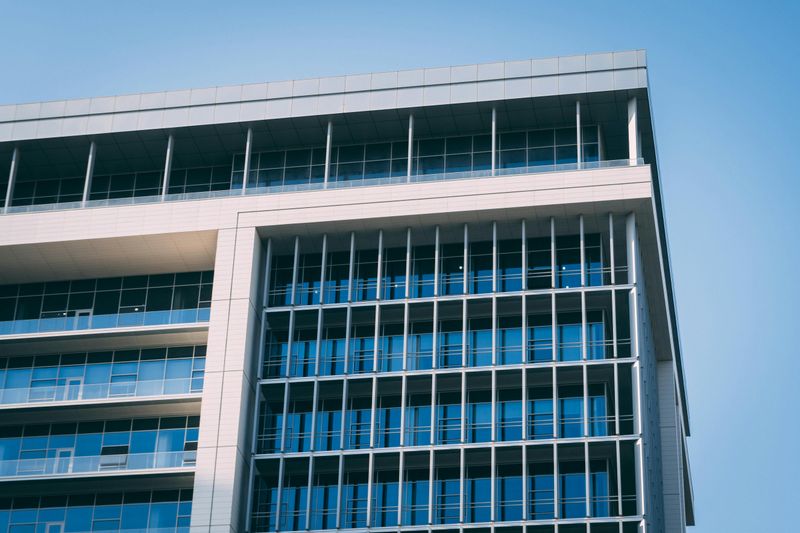
Curved corners and horizontal lines make these buildings look like they’re moving even when standing still.
Born from the excitement about speed and progress in the 1930s and 1940s, these structures celebrated a hopeful future.
Their special materials like glass blocks and chrome trim need experts who understand how to work with them properly.
Most people walk right past without recognizing their historical importance or unique beauty.
Turning them into something new proves difficult because their designs were so specific to their original purpose.
I’ve watched several get demolished because owners couldn’t figure out how to adapt the spaces.
Their smooth stucco walls and porthole windows captured America’s fascination with airplanes and ocean liners.
We’re losing an entire era of optimistic design as these buildings crumble or face wrecking balls.
4. Beaux-Arts Mansions
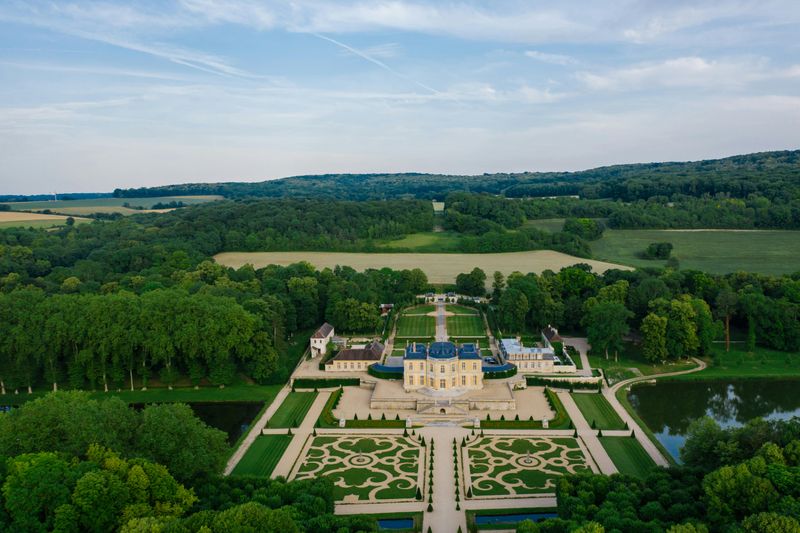
Massive columns and fancy sculptures make these mansions look like palaces dropped into Indiana neighborhoods.
Built for wealthy families who employed servants, their formal layouts don’t match how we live today.
Heating bills alone can bankrupt owners trying to warm up all those enormous rooms with high ceilings.
Property taxes on these giant homes have climbed so high that families simply abandon them.
Their ballrooms and servants’ quarters sit empty because nobody knows what to do with such specialized spaces.
I’ve toured several that are literally falling apart because maintenance costs tens of thousands every year.
Inspired by French architecture, they represented the peak of American wealth and ambition.
Without creative solutions for reusing these grand structures, they’ll continue disappearing from our communities.
5. Spanish Mission Revival Homes
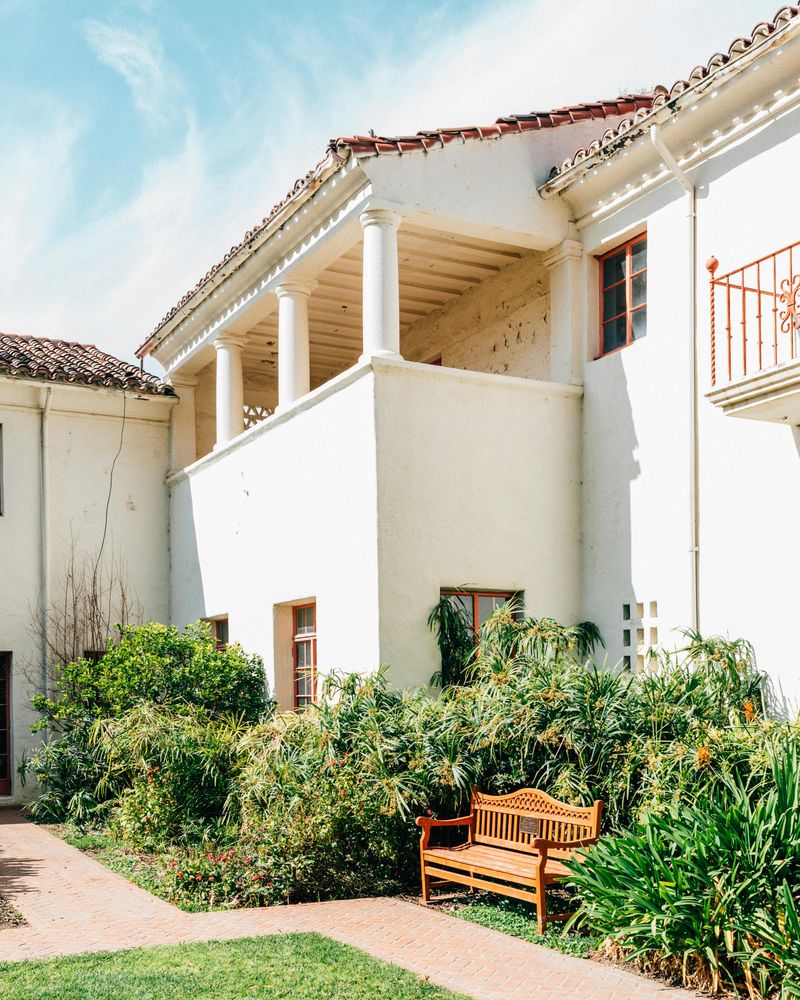
Red tile roofs and smooth stucco walls bring a taste of California sunshine to Indiana streets.
Our harsh winters with freezing temperatures and heavy snow weren’t what these homes were designed to handle.
Water seeps under those beautiful tiles and causes expensive damage that regular roofers don’t know how to fix properly.
Finding craftspeople who understand the traditional techniques for maintaining stucco and decorative ironwork gets harder every year.
Their arched doorways and courtyard designs feel out of place to buyers looking for typical Midwestern houses.
I worry that people don’t appreciate the cultural connections these buildings represent in our architectural history.
Built during the 1920s when Spanish styles were fashionable nationwide, they added Mediterranean flair to neighborhoods.
Their gradual disappearance means losing this colorful chapter of Indiana’s design story.
6. Neoclassical Estates
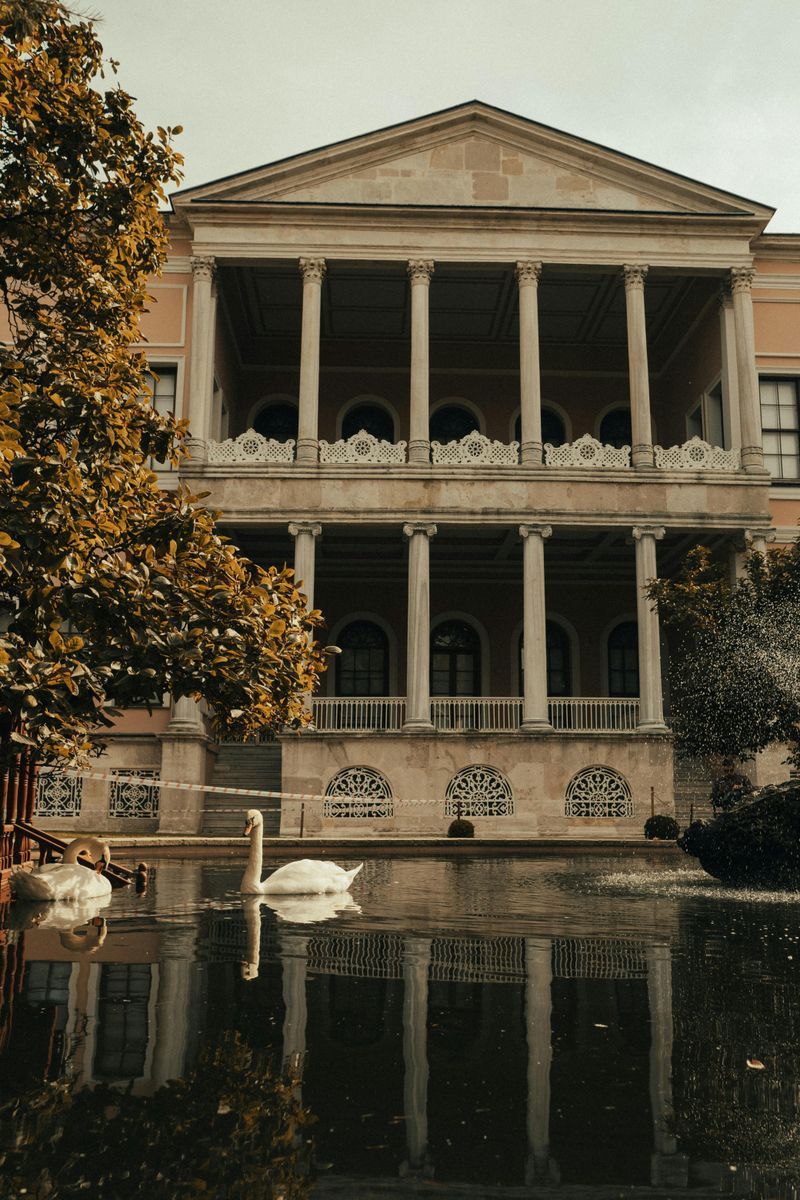
Tall columns supporting triangular pediments make these estates look like Greek temples transported to Indiana.
Designed for elaborate parties with household staff, their formal rooms feel ridiculously impractical for modern families.
Energy costs to heat and cool such massive spaces have become absolutely outrageous in recent years. Banks, libraries, and clubs built in this style are downsizing or moving to cheaper locations entirely.
Their monumental staircases and grand entrance halls waste valuable square footage that contemporary uses demand.
I’ve seen several converted into office buildings that destroy their architectural character with dropped ceilings and cubicles.
Inspired by ancient Roman and Greek architecture, they symbolized power, culture, and permanence.
Without smart adaptation plans that respect their design, these impressive structures will gradually vanish from our landscape.
7. International Harvester Engineering Building
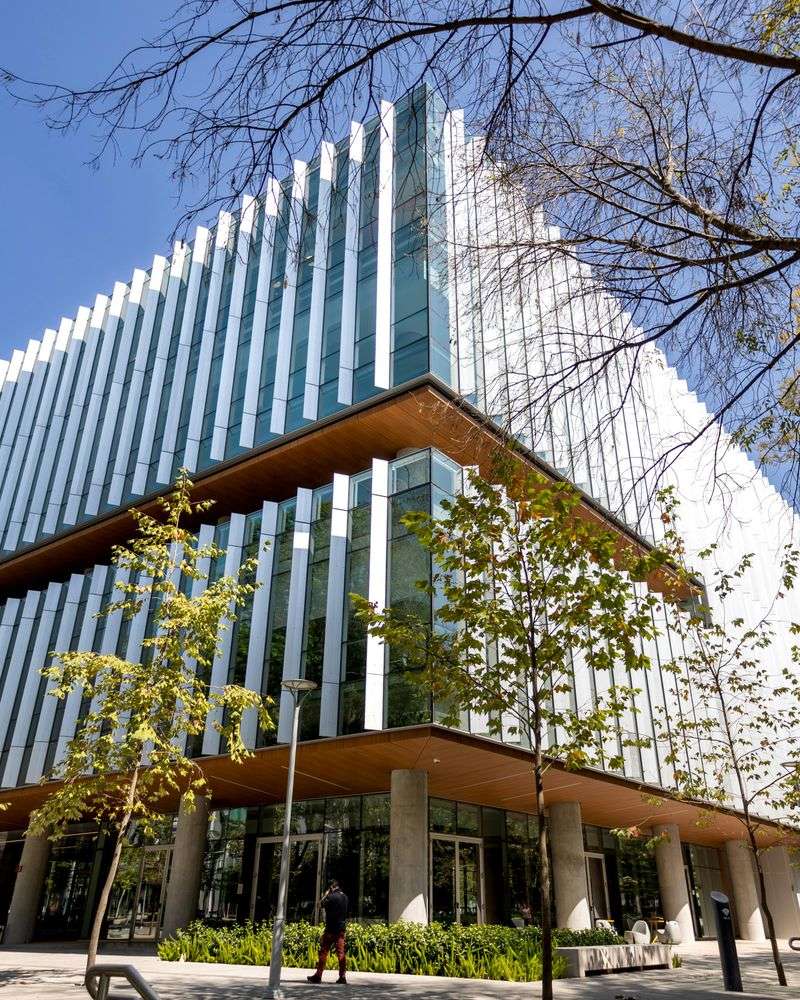
Sleek lines and industrial materials showcase engineering excellence in this Fort Wayne landmark.
This architect-designed factory building represents an era when companies invested in beautiful workplaces for their employees.
Located in Fort Wayne, it faces threats from neglect and the constant pressure to redevelop valuable land.
Its specialized design for manufacturing makes converting it to other uses particularly challenging and expensive.
Large open floor plans and heavy-duty infrastructure don’t easily transform into apartments or retail spaces.
I’ve watched similar industrial buildings across Indiana get demolished simply because owners couldn’t envision alternatives.
Its unique architectural features tell important stories about American manufacturing and innovation.
Without intervention from preservationists and creative developers, this significant structure might not survive much longer.
8. Birdsell Mansion
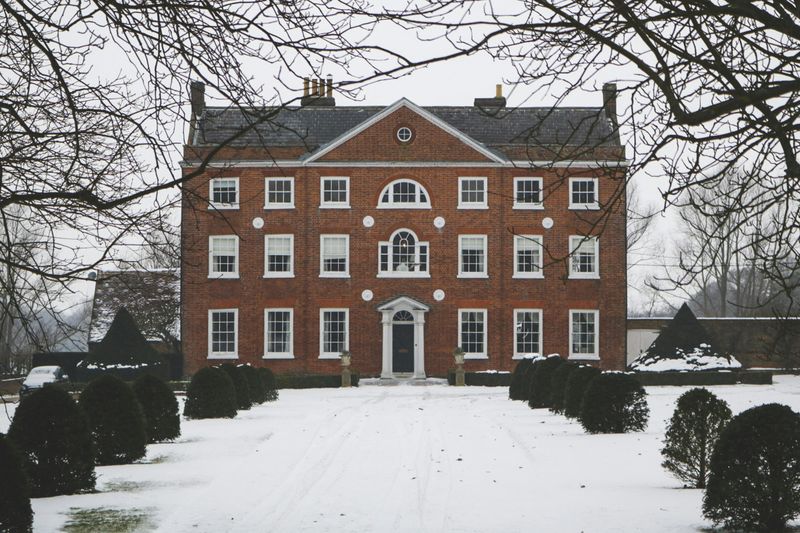
Empty for more than a decade, this 1898 mansion slowly crumbles at its South Bend location.
Missing windows let rain and snow pour inside, causing water damage that threatens the entire structure.
Built for a wealthy manufacturing family, its grand rooms and elaborate details once represented South Bend’s industrial prosperity.
Restoring it now would cost millions because neglect has allowed problems to multiply exponentially.
Its deteriorating condition shows exactly what happens when historic buildings sit vacant without proper care. I find it tragic that such a beautiful piece of architecture is literally rotting away.
Located in South Bend, it stands as a warning about what we lose when preservation isn’t prioritized.
Without immediate intervention and significant funding, this mansion will collapse into a pile of rubble.
9. Mid-Century Ranch Houses
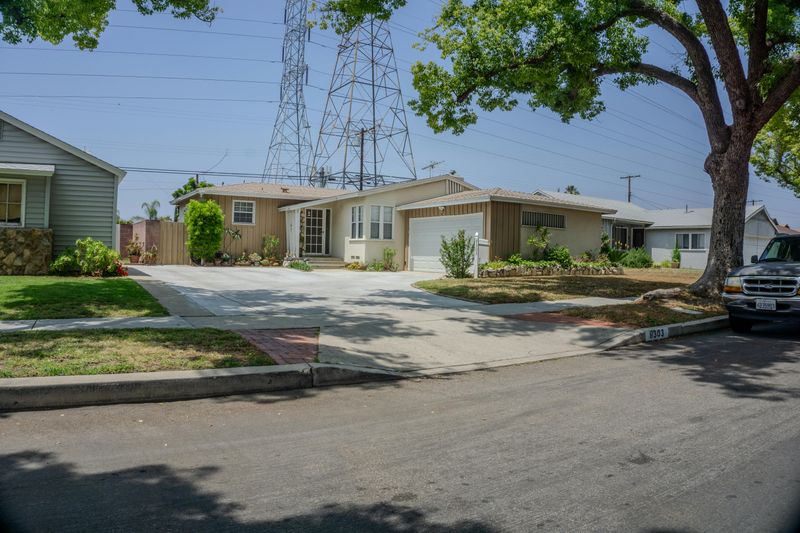
Long, low rooflines and big picture windows defined suburban living for Indiana families in the 1950s and 1960s.
These modest homes with attached garages represented the American Dream for middle-class families after World War II.
Their open floor plans and connection to backyard spaces felt revolutionary compared to earlier closed-off room designs.
Unfortunately, many homeowners gut the original features during renovations, destroying their architectural integrity completely.
Dated kitchens and bathrooms get ripped out without preserving the period details that made them special.
I’ve noticed that people don’t recognize these as historic yet because they seem too recent and ordinary.
Their horizontal emphasis and integration with the landscape reflected new ideas about casual, modern living. We’re losing these examples of postwar optimism before anyone realizes they’re worth saving.
10. Art Deco Commercial Buildings
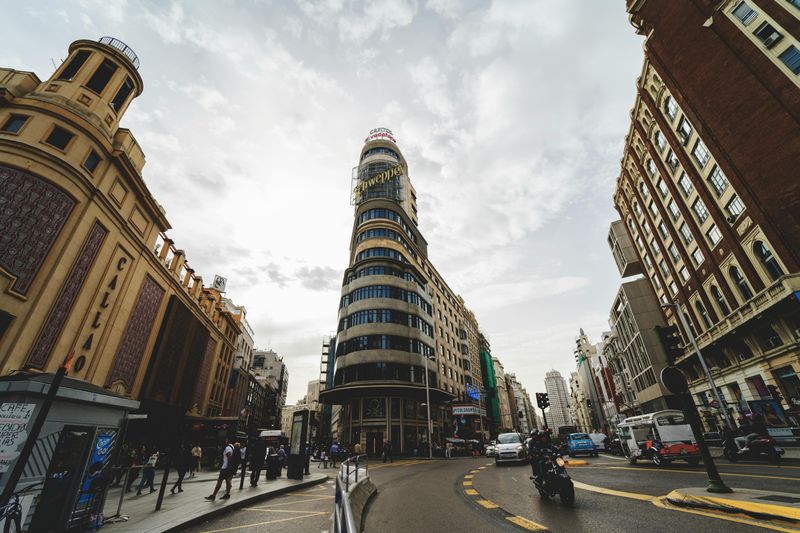
Zigzag patterns and geometric designs make these downtown buildings look like they belong in a glamorous movie.
Built during the 1920s and 1930s, they brought modern style and excitement to Indiana’s main streets.
Their decorative metalwork, colorful tiles, and stylized ornaments required skilled craftspeople who barely exist anymore.
Many have been covered with ugly metal siding or cheap renovations that hide their beautiful original facades.
Ground-floor storefronts often get altered beyond recognition, destroying the unified design that made them special.
I love discovering hidden Art Deco details above modern shop signs in older downtown areas.
Their vertical lines and machine-age imagery celebrated progress and the future during challenging economic times.
Without awareness campaigns and incentives for sensitive restoration, these jazzy buildings will continue disappearing from our cities.