Kentucky’s House Designs That Are Fading Into History
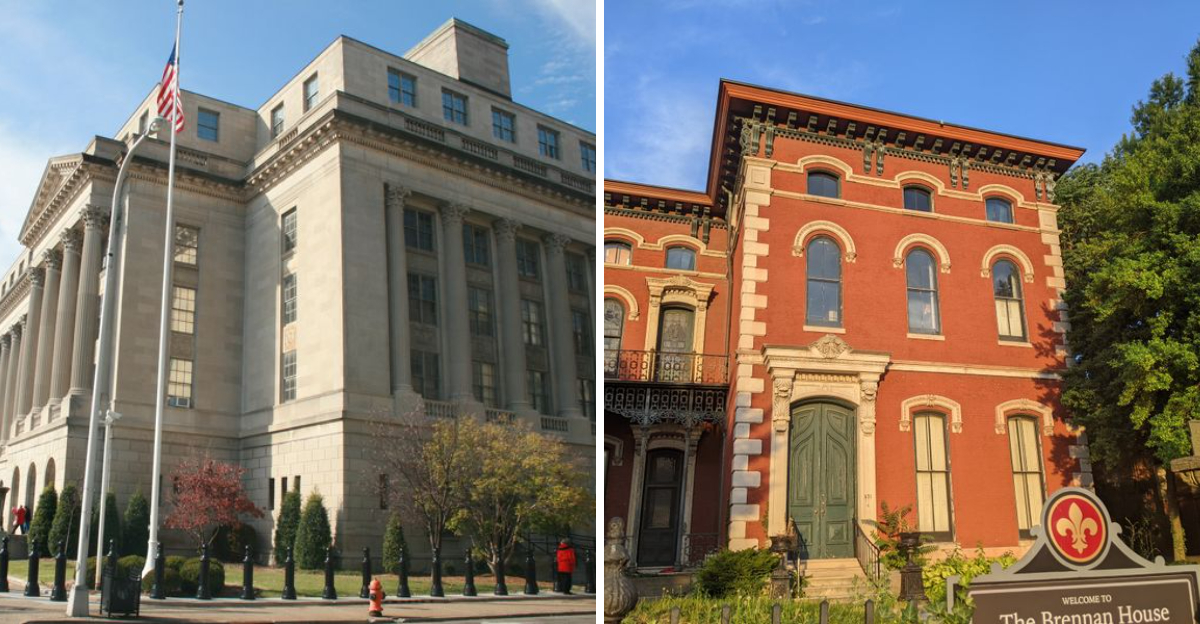
Kentucky’s countryside holds secrets in the form of forgotten house designs that once defined the state’s landscape.
From humble log cabins to grand Victorian mansions, these architectural treasures tell stories of settlers, families, and changing times.
Many of these styles are disappearing as modern construction replaces old traditions.
Exploring these fading designs offers a glimpse into Kentucky’s rich past and the craftsmanship that shaped communities across the Bluegrass State.
Dogtrot Cabin
Imagine walking through the middle of a house and feeling the breeze on your face.
That’s exactly what a dogtrot cabin offered frontier families in Kentucky.
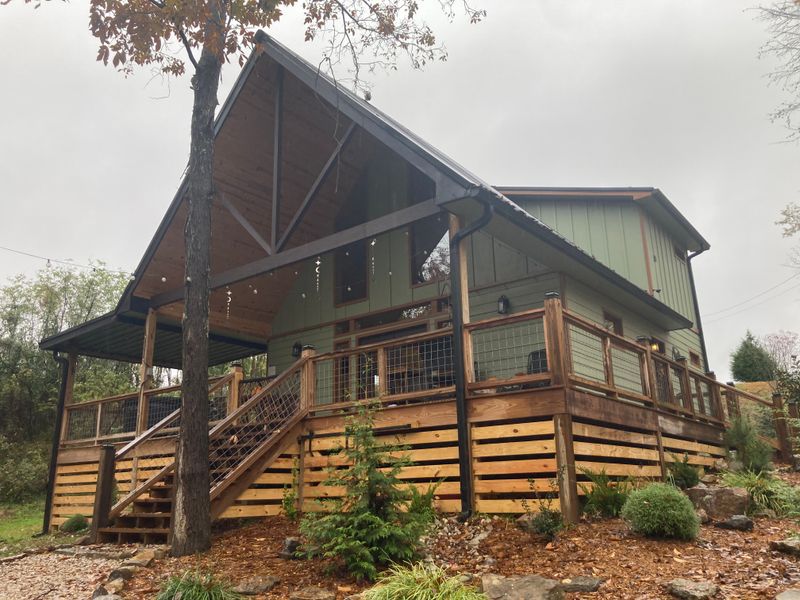
This clever design featured two separate log structures connected by an open-air hallway, or “dogtrot,” running right down the center.
Settlers built these cabins starting in the late 1700s when Kentucky was still wild territory.
The open passage provided natural air conditioning during sweltering summers, making life bearable without modern conveniences.
Families used one side for sleeping and the other for cooking and daily activities.
Dogs loved lounging in that shaded middle area, which likely inspired the quirky name.
Construction required only basic tools and local timber, making it perfect for pioneers with limited resources.
Today, finding an authentic dogtrot cabin is like discovering a time capsule.
Weather, neglect, and development have claimed most of these practical dwellings.
Preservation groups work hard to save remaining examples scattered across rural Kentucky counties.
I-House
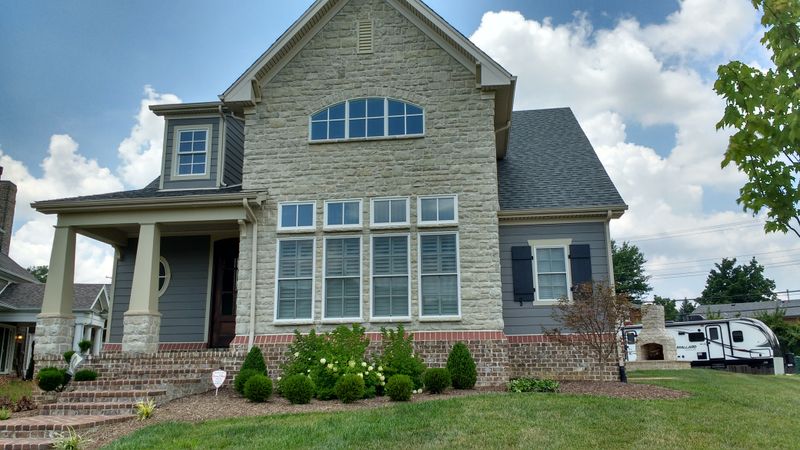
Picture a house standing tall and narrow, shaped almost like the letter “I” when viewed from above.
The I-House became Kentucky’s farmhouse of choice throughout the 1800s.
This design stretched two stories high but only one room deep, creating an efficient rectangular footprint.
Farmers appreciated how the style maximized living space without requiring excessive land.
Most featured a central hallway with rooms flanking each side, promoting excellent cross-ventilation.
Chimneys anchored both ends, providing warmth to every room during harsh winters.
The symmetrical facade with evenly spaced windows gave these homes a dignified, balanced appearance.
Builders could construct them quickly using readily available materials like wood or brick.
Families often added porches or rear extensions as their needs grew over generations.
These practical houses dotted the countryside, representing prosperity and stability for agricultural communities.
Modern ranch homes and split-levels have largely replaced this vertical design.
Kentucky’s remaining I-Houses stand as reminders of simpler architectural priorities focused on function over flash.
Shotgun House
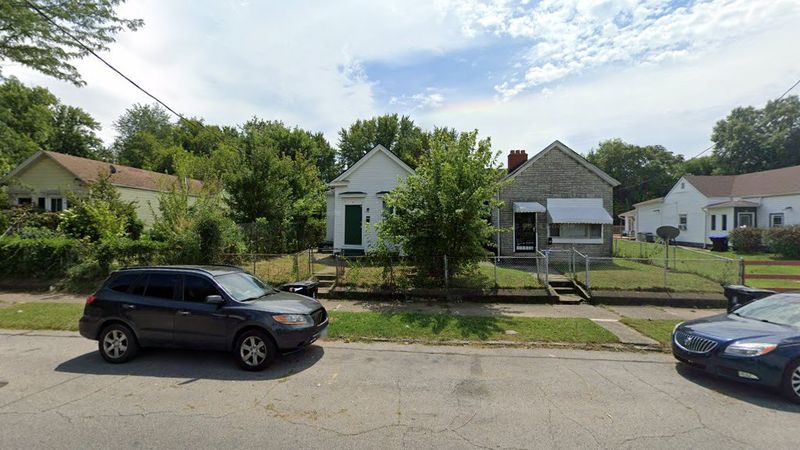
Legend says you could fire a shotgun through the front door and the bullet would exit the back without hitting anything.
Shotgun houses earned their memorable name from this straight-line floor plan.
These narrow, rectangular dwellings appeared in Kentucky cities during the late 1800s, especially in Louisville and Lexington.
Working-class families embraced this affordable housing option that maximized limited urban lots.
Rooms lined up one behind another without hallways, creating an efficient use of space.
Most measured only 12 to 15 feet wide but stretched back 40 feet or more.
High ceilings and windows at both ends encouraged air circulation through every room.
Front porches provided outdoor living space and neighborhood gathering spots on summer evenings.
Builders could construct them quickly and cheaply, making homeownership accessible to laborers and immigrants.
The style reflected African and Caribbean architectural influences brought north during migration periods.
Gentrification and urban renewal have demolished countless shotgun houses across Kentucky cities.
Preservationists now recognize these humble homes as important cultural landmarks worth protecting and restoring.
Queen Anne Victorian
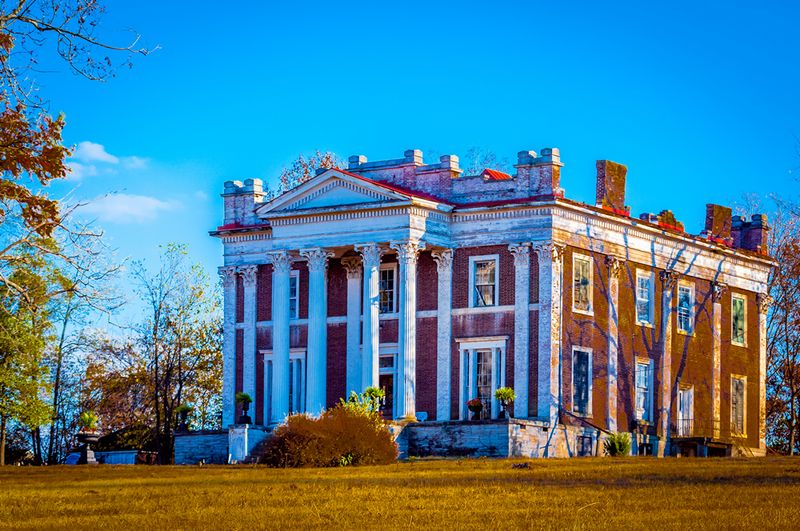
Turrets spiral toward the sky while gingerbread trim drips from every eave like frosting on a cake.
Queen Anne Victorian houses represented the height of late 19th-century fashion in Kentucky towns.
Wealthy merchants and professionals built these elaborate homes to showcase their success and refined taste.
No two looked exactly alike, as variety and asymmetry defined the style’s core philosophy.
Wraparound porches invited neighbors to socialize while displaying the family’s hospitality and status.
Multiple roof angles, bay windows, and decorative shingles created visual interest from every direction.
Bright paint colors in contrasting shades emphasized the intricate woodwork and architectural details.
Interiors featured high ceilings, ornate mantels, and hardwood floors that impressed visitors immediately.
These houses required constant maintenance to preserve their delicate exterior ornamentation.
Many Kentucky Victorians fell into disrepair during the mid-1900s when simpler styles became fashionable.
Demolition claimed numerous examples, particularly in downtown areas targeted for redevelopment.
Today’s preservation efforts focus on saving and restoring these architectural masterpieces before they vanish completely from Kentucky’s streetscapes.
Colonial Revival
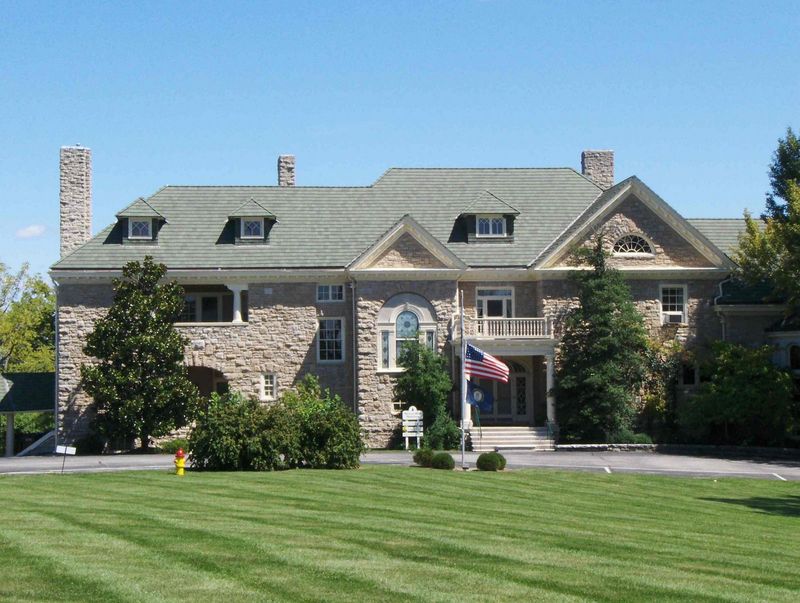
Columns frame the front door while symmetrical windows create perfect balance on either side.
Colonial Revival houses looked backward to America’s founding era for architectural inspiration.
This style swept Kentucky during the early 1900s as patriotic sentiment influenced building trends.
Designers borrowed elements from Georgian and Federal architecture, adapting them for modern living.
Centered entrances with decorative pediments or porticos created formal, welcoming facades.
Brick exteriors or white painted wood siding reinforced connections to historical precedents.
Interior layouts emphasized symmetry and proportion, with central hallways dividing spaces evenly.
These houses appealed to families seeking traditional values expressed through architectural choices.
The style remained popular through the 1950s, proving its lasting appeal across generations.
Unlike earlier revivals, these homes incorporated modern conveniences like electricity and indoor plumbing.
Kentucky’s landscape still features many Colonial Revival houses, though newer construction often favors different styles.
Original examples face threats from insensitive additions that compromise their classical proportions.
Preservation-minded owners work to maintain authentic details while updating systems for contemporary life.
Craftsman Bungalow
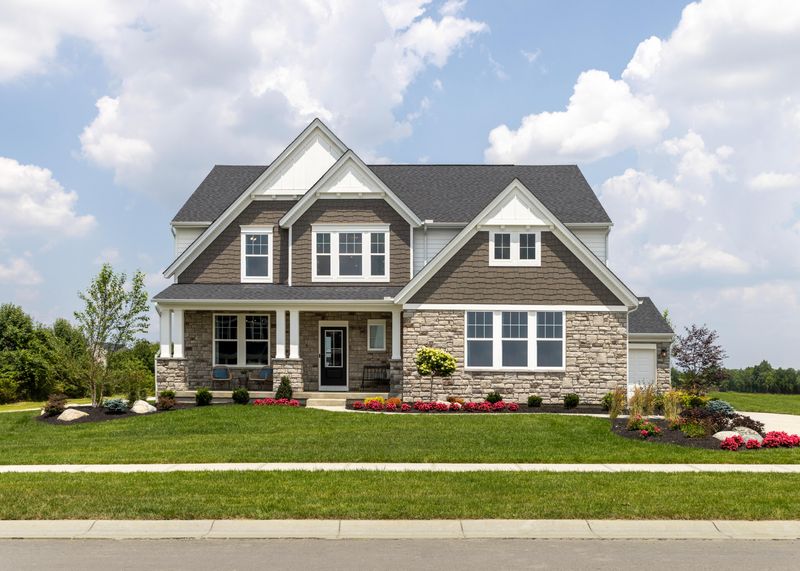
Exposed beams and natural materials celebrate honest construction methods over artificial decoration.
Craftsman bungalows brought Arts and Crafts philosophy to Kentucky neighborhoods between 1905 and 1930.
These one or one-and-a-half story homes emphasized quality craftsmanship and connection to nature.
Wide front porches with thick, tapered columns invited outdoor living and community interaction.
Low-pitched roofs with deep overhangs and exposed rafter tails showcased structural elements proudly.
Natural materials like stone, brick, and wood appeared throughout exteriors and interiors.
Built-in furniture, window seats, and extensive woodwork demonstrated artisan skills.
Open floor plans contrasted sharply with the compartmentalized rooms of Victorian houses.
Large windows and glass doors blurred boundaries between indoor and outdoor spaces.
Middle-class families embraced this style as an affordable yet artistic housing option.
The movement rejected mass production in favor of handcrafted quality and individual expression.
Many Kentucky Craftsman bungalows have survived due to their solid construction and enduring appeal.
However, inappropriate renovations sometimes compromise original details that defined the style’s character and integrity.
Greek Revival

Massive white columns rise like those on ancient temples, supporting triangular pediments overhead.
Greek Revival architecture swept Kentucky from the 1820s through the 1850s as the dominant style for important buildings.
Wealthy landowners and civic leaders chose this design to project power, education, and cultural sophistication.
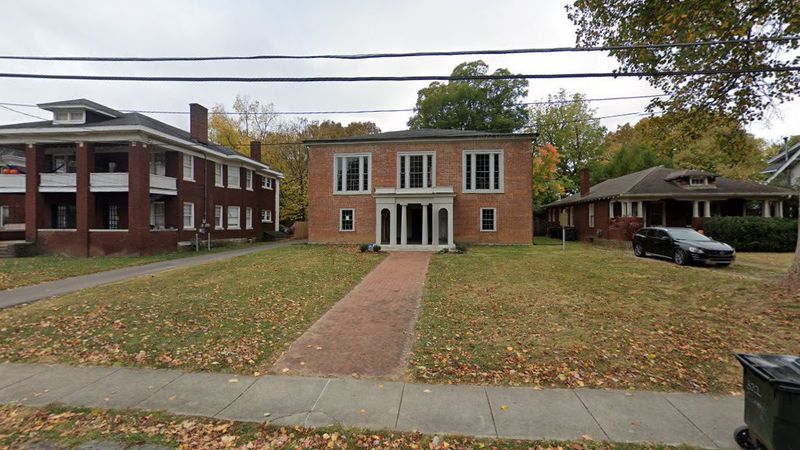
The Judge Joseph Crockett House in Hopkinsville, built between 1834 and 1836, exemplifies this temple-form design perfectly.
Located on South Virginia Street in Hopkinsville, this seven-bay brick mansion features a full-height pedimented portico.
Architect Minard Lafever created one of only three documented Temple Form Greek Revival houses in the area.
Symmetrical facades with carefully proportioned windows and doors reflected classical ideals of harmony.
Interiors often featured high ceilings, elaborate plasterwork, and grand staircases befitting the exterior grandeur.
This style connected Kentucky to broader cultural movements sweeping the young American nation.
The Civil War’s end marked declining popularity as tastes shifted toward Victorian exuberance.
Many Greek Revival mansions deteriorated or faced demolition during the 20th century.
Surviving examples now serve as museums, preserving Kentucky’s antebellum architectural heritage for future generations.
Gothic Revival Cottage
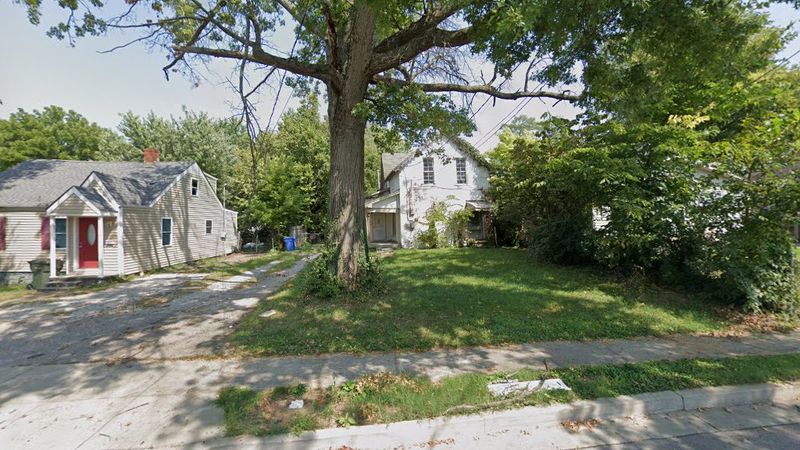
Pointed arches and decorative trim transform a simple cottage into something resembling a fairytale illustration.
Gothic Revival cottages appeared in Kentucky during the mid-1800s as romantic alternatives to classical styles.
Steep gabled roofs with elaborate bargeboard trim created dramatic vertical emphasis.
Pointed arch windows and doors referenced medieval European cathedrals in miniature form.
Board-and-batten siding reinforced the vertical lines that defined the style’s character.
The Bates Log House in Lexington, constructed around 1800, showcases Gothic elements alongside Greek Revival features.
This unique three-section structure demonstrates how builders blended architectural influences creatively.
Gothic Revival appealed to those seeking picturesque, romantic aesthetics rather than formal classical symmetry.
Authors and tastemakers promoted this style as suitable for rural settings and natural landscapes.
Kentuckians built smaller Gothic cottages as charming residences or decorative garden buildings.
The style never achieved the widespread popularity of Greek Revival but created memorable individual examples.
Time has claimed many Gothic Revival cottages due to their often-delicate construction and ornamentation.
Remaining specimens require careful maintenance to preserve intricate woodwork and distinctive architectural details.
Federal Style House
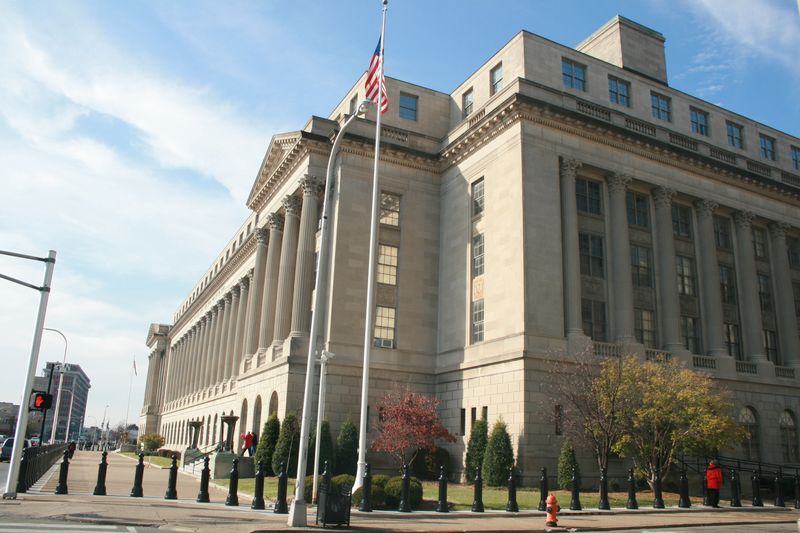
Elegant simplicity defines every line, from the refined doorway to the perfectly balanced windows.
Federal style houses represented Kentucky’s first embrace of sophisticated architectural design after frontier settlement.
This refined approach dominated from the 1780s through the 1820s among prosperous families.
Symmetrical brick facades with carefully proportioned windows created understated elegance.
Decorative fanlights and sidelights surrounding front doors provided the primary ornamentation.
Rocky Point Manor in Harrodsburg, dating to 1810, exemplifies early Federal architecture’s three-story brick construction.
This mansion served as a Civil War field hospital, adding historical significance to architectural importance.
Builders emphasized horizontal lines and rectangular forms rather than vertical drama.
Interiors featured delicate moldings, mantels, and woodwork showing exceptional craftsmanship.
The style reflected post-Revolutionary optimism and connections to European design trends.
Federal houses projected success and education without the ostentatious display of later Victorian styles.
Many Kentucky Federal houses have survived due to their solid brick construction.
However, later additions and alterations sometimes obscure original proportions and details that defined this elegant style.
Tudor Revival
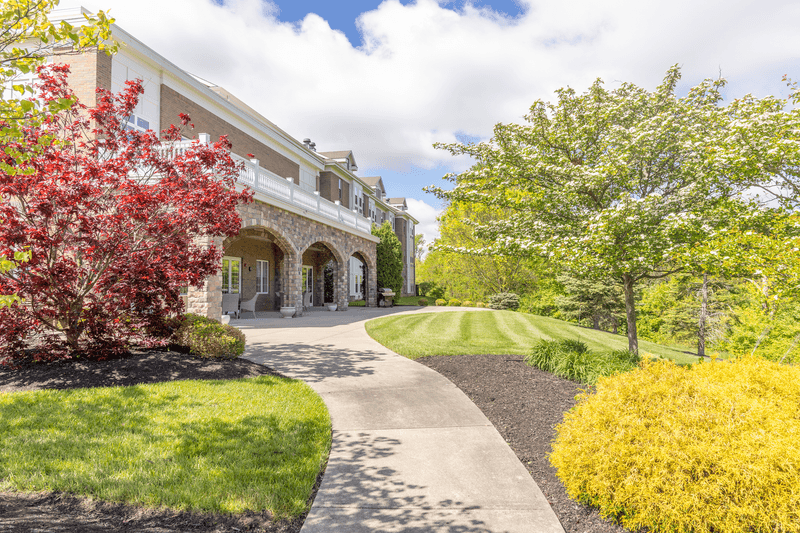
Dark wooden beams crisscross white stucco walls, creating patterns that evoke medieval English villages.
Tudor Revival houses brought romantic European fantasy to Kentucky neighborhoods during the 1920s and 1930s.
Steeply pitched roofs with cross gables dominated the skyline, suggesting fairy tale cottages.
Decorative half-timbering, whether structural or purely ornamental, provided the style’s most recognizable feature.
Tall, narrow windows with multiple panes reinforced the historical references.
Massive chimneys, often with decorative brickwork, anchored compositions and suggested cozy interiors.
Arched doorways and entries added medieval character to primary facades.
Builders mixed materials freely, combining brick, stone, stucco, and wood for picturesque effects.
Wealthy clients embraced this style as sophisticated and cultured, connecting them to English heritage.
Interiors often featured exposed beams, plaster walls, and leaded glass windows.
The Great Depression and World War II ended Tudor Revival’s popularity as tastes shifted toward simpler designs.
Kentucky’s Tudor Revival houses face challenges from maintenance costs associated with complex rooflines and mixed materials.
Preservation requires understanding the style’s decorative intent while maintaining structural integrity and weatherproofing.
Italianate Villa
A square tower rises above the roofline, offering views across the Kentucky countryside like an Italian campanile.
Italianate villas brought Mediterranean romance to Kentucky during the 1850s through 1880s.
This style represented fashionable sophistication for successful merchants, industrialists, and plantation owners.
Low-pitched roofs with wide overhanging eaves supported by ornate brackets created distinctive silhouettes.
Tall, narrow windows, often arched or paired, emphasized vertical proportions.
Square towers or cupolas provided dramatic focal points and elevated viewpoints.
Ornamental details included decorative window hoods, quoins at corners, and elaborate porches.
The asymmetrical massing contrasted with earlier Greek Revival symmetry, embracing picturesque principles.
Wealthy Kentuckians built these villas in both urban and rural settings.
The style adapted well to various scales, from modest cottages to grand mansions.
Italianate architecture communicated worldliness and cultural awareness to communities.
Many Kentucky Italianate villas deteriorated during the 20th century as maintenance costs overwhelmed owners.
Surviving examples require significant investment to preserve ornate exterior details and distinctive architectural features that define this romantic style.
Victorian Gothic Mansion
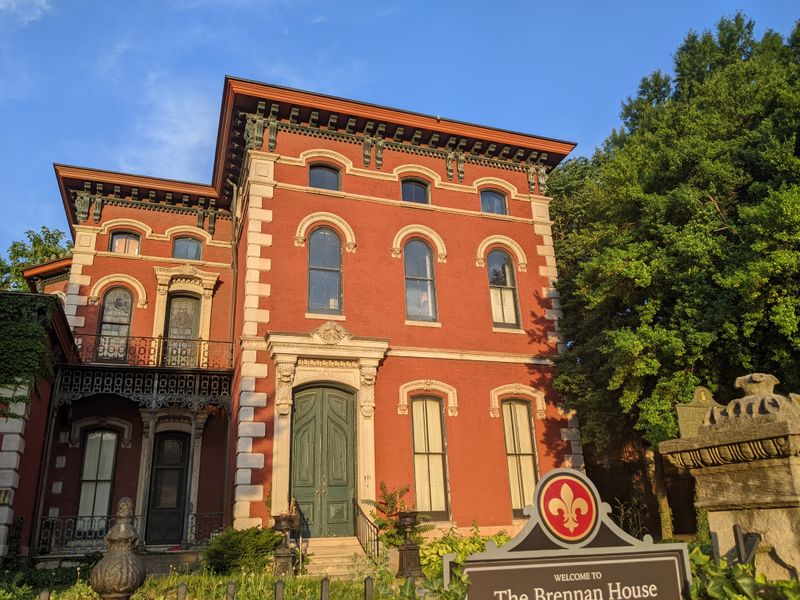
Towers pierce the sky while pointed gables and intricate trim create an almost haunting silhouette.
Victorian Gothic mansions combined medieval architectural elements with 19th-century grandeur across Kentucky.
Wealthy families built these dramatic homes during the 1860s through 1890s to showcase status.
Steeply pitched roofs with elaborate bargeboards created vertical emphasis and Gothic character.
Bay windows, turrets, and towers added complexity to exterior massing.
Pointed arch windows and doors referenced medieval cathedrals in residential scale.
Decorative ironwork, often featuring Gothic motifs, adorned porches and balconies.
Dark, rich paint colors emphasized the romantic, somewhat mysterious aesthetic.
Interiors featured high ceilings, ornate woodwork, and dramatic staircases befitting the exterior grandeur.
These mansions required armies of servants to maintain and operate properly.
The style fell from favor after 1900 as tastes shifted toward Colonial Revival simplicity.
Maintenance costs and changing lifestyles made these massive homes impractical for most families.
Many Kentucky Victorian Gothic mansions faced demolition or extreme neglect throughout the 20th century.
Remaining examples now represent rare survivors of an extravagant architectural era.
Log Cabin Revival
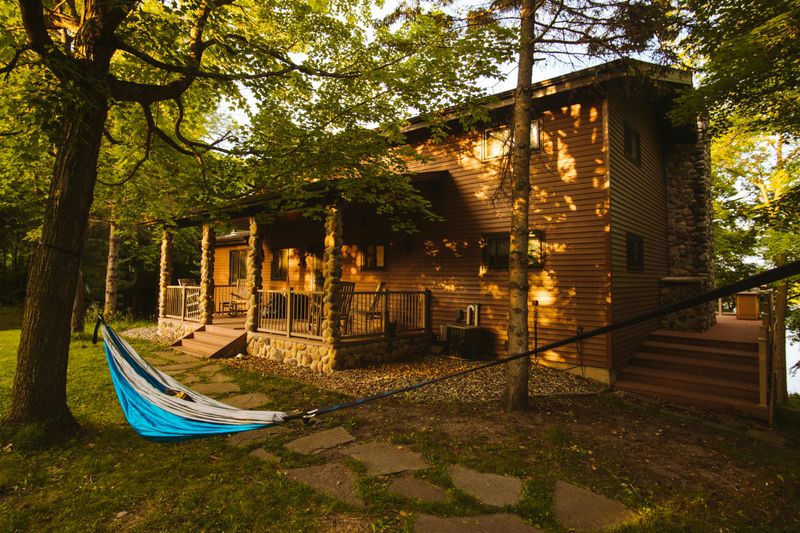
Hand-hewn logs stacked horizontally recall pioneer days, though built with 20th-century romantic nostalgia.
Log Cabin Revival architecture emerged during the early 1900s as Americans romanticized frontier heritage.
This movement celebrated rustic simplicity and connection to Kentucky’s pioneer past.
Unlike authentic frontier cabins, these revivals often featured modern conveniences and refined details.
Builders used larger, more uniform logs and incorporated decorative elements unknown to original settlers.
Stone chimneys, wide porches, and Arts and Crafts influences appeared in many examples.
The style appealed to wealthy individuals seeking vacation retreats or hunting lodges.
National parks and tourist destinations adopted log construction for visitor facilities.
Kentucky’s Appalachian regions saw renewed interest in traditional log building techniques.
These revival cabins looked backward while incorporating electricity, plumbing, and heating systems.
The Great Depression and World War II interrupted log cabin construction as resources grew scarce.
Post-war suburbanization favored modern materials over labor-intensive log work.
Today’s log home industry continues this revival tradition, though few examples from the original movement survive in Kentucky.