10 Massachusetts Home Types That Could Lose Value By 2026 – Here’s Why
As the housing market shifts, homeowners in Massachusetts should be prepared for changes that could impact property values in the near future.
With evolving buyer preferences, rising maintenance costs, and the push for more environmentally conscious standards, certain types of homes may face declining demand.
In Massachusetts, where the market is always in motion, understanding these trends can provide valuable insight for both buyers and sellers.
The decisions made today could shape the future, ensuring that investments are protected and opportunities are seized before the market fully adjusts.
1. Cookie-Cutter Suburban Developments
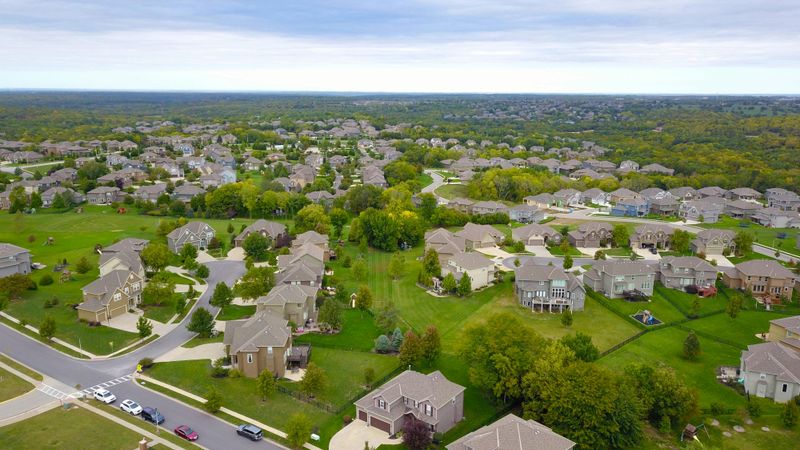
Buyers across Massachusetts are craving homes with personality and charm, not carbon copies lined up in neat rows.
Cookie-cutter suburban developments, with their identical floor plans and predictable exteriors, feel increasingly outdated to modern homeowners who want something that stands out.
Many of these properties also lack energy-efficient windows, insulation, or solar panel compatibility, which are now high on buyer wish lists.
Heating and cooling costs can run higher in these older builds, making them less appealing in a state pushing hard for greener living.
Younger buyers especially tend to value character over conformity, and they’re willing to pay more for homes that feel one-of-a-kind.
Without major updates or unique features, these developments may struggle to hold their value as competition from renovated or custom homes heats up.
Sellers might need to invest in upgrades or price adjustments to stay competitive in the shifting market.
2. Split-Level Homes From The 1970s
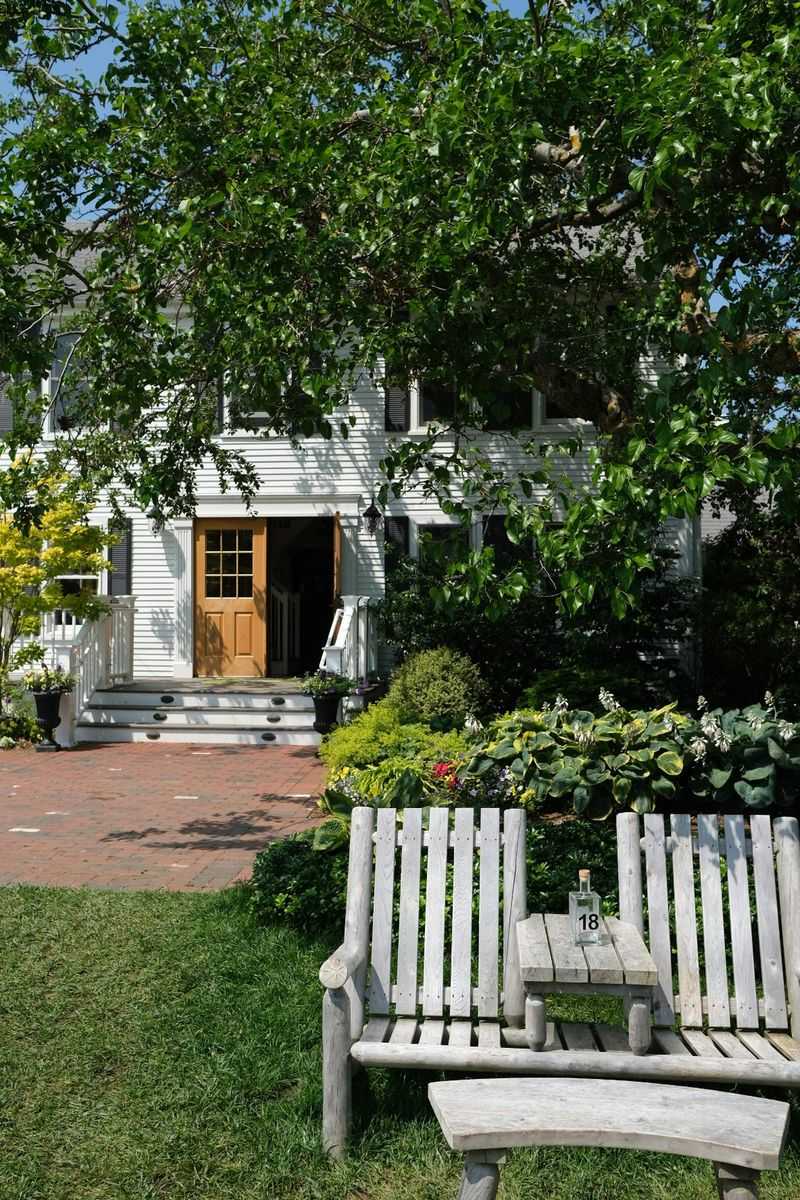
Split-level homes had their moment in the sun during the 1970s, but that era has long passed.
Compartmentalized rooms and multiple half-flights of stairs don’t fit with today’s open-concept living trend, where families want to see and interact across spaces.
Renovating these homes can become a costly headache because the structural layout doesn’t easily lend itself to modern updates.
Knocking down walls or reconfiguring levels often requires extensive work, which scares off buyers who prefer move-in-ready properties.
The awkward flow between levels can also feel tiring for families with young children or older residents who prefer single-level convenience.
Energy efficiency tends to be another weak point, with drafty windows and poor insulation common in homes from this decade.
Unless significant renovations have already been completed, these properties may see their values dip as buyers gravitate toward more flexible floor plans.
3. Homes Without Home Office Space
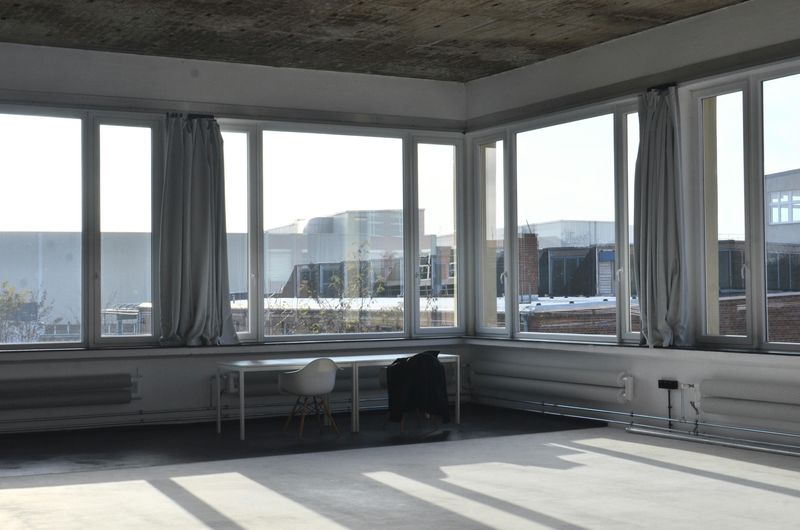
Remote work isn’t just a passing trend anymore – it’s become a permanent fixture for many Massachusetts professionals.
Homes lacking a dedicated office space now feel incomplete to buyers who need a quiet, functional area to work from home.
Trying to squeeze a desk into a bedroom corner or dining room doesn’t cut it when video calls and focused work require privacy and proper setup.
Properties with an extra bedroom, finished basement, or flex space that can serve as an office hold a clear advantage in today’s market.
Buyers are willing to pay more for homes that already offer this feature, rather than dealing with costly renovations or awkward room conversions.
Without this amenity, sellers may find their homes sitting longer on the market or attracting lower offers.
The shift toward hybrid and remote work models shows no signs of slowing, making office space a non-negotiable for many buyers moving forward.
4. Homes With Outdated Energy Systems

Oil heating systems and drafty insulation might have been the norm decades ago, but they’re becoming deal-breakers for today’s buyers.
Massachusetts has rolled out progressive energy policies that encourage electrification and renewable energy adoption, making outdated systems feel like relics.
Heating oil costs can fluctuate wildly, leaving homeowners vulnerable to unpredictable winter expenses that electric or gas systems help avoid.
Poor insulation means higher energy bills year-round, which doesn’t sit well with environmentally conscious buyers or those on tight budgets.
Many buyers now prioritize homes with heat pumps, solar panels, or at least modern HVAC systems that align with the state’s green initiatives.
Properties stuck with old energy infrastructure often require expensive upgrades before they can compete in the current market.
Without these improvements, sellers may face longer listing times and lower offers as buyers calculate the cost of necessary updates into their bids.
5. McMansions With Excessive Square Footage
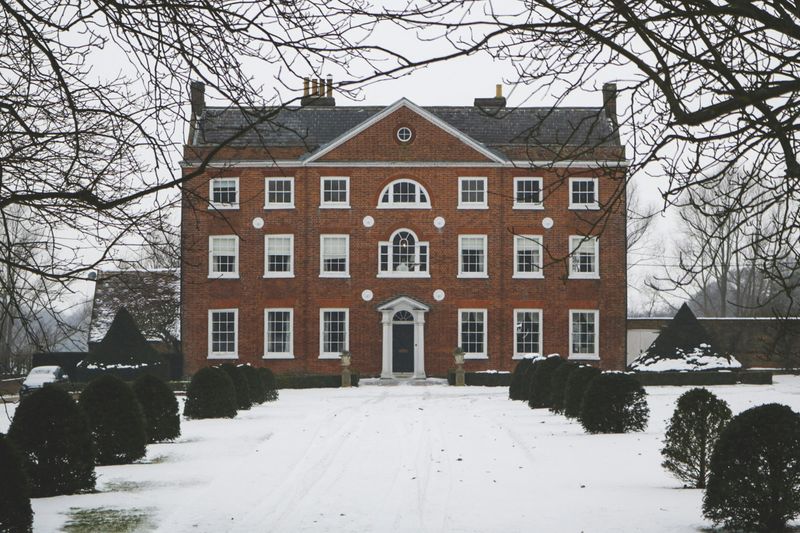
Bigger isn’t always better, especially when it comes to McMansions loaded with more square footage than most families need.
These oversized homes come with sky-high maintenance costs, from heating and cooling to landscaping and repairs that never seem to end.
Younger buyers, particularly millennials and Gen Z, tend to prefer smaller, more efficient homes that don’t drain their wallets or harm the environment.
The environmental impact of maintaining such large properties also clashes with growing awareness around sustainability and energy consumption.
Many McMansions were built quickly with lower-quality materials, leading to repair issues that pile up faster than expected.
Resale values can suffer as buyers recognize the long-term costs and headaches associated with these sprawling properties.
Unless located in ultra-premium neighborhoods, McMansions may struggle to attract buyers willing to take on the financial and environmental burden they represent in today’s market.
6. Cape Cod Styles Without Updates
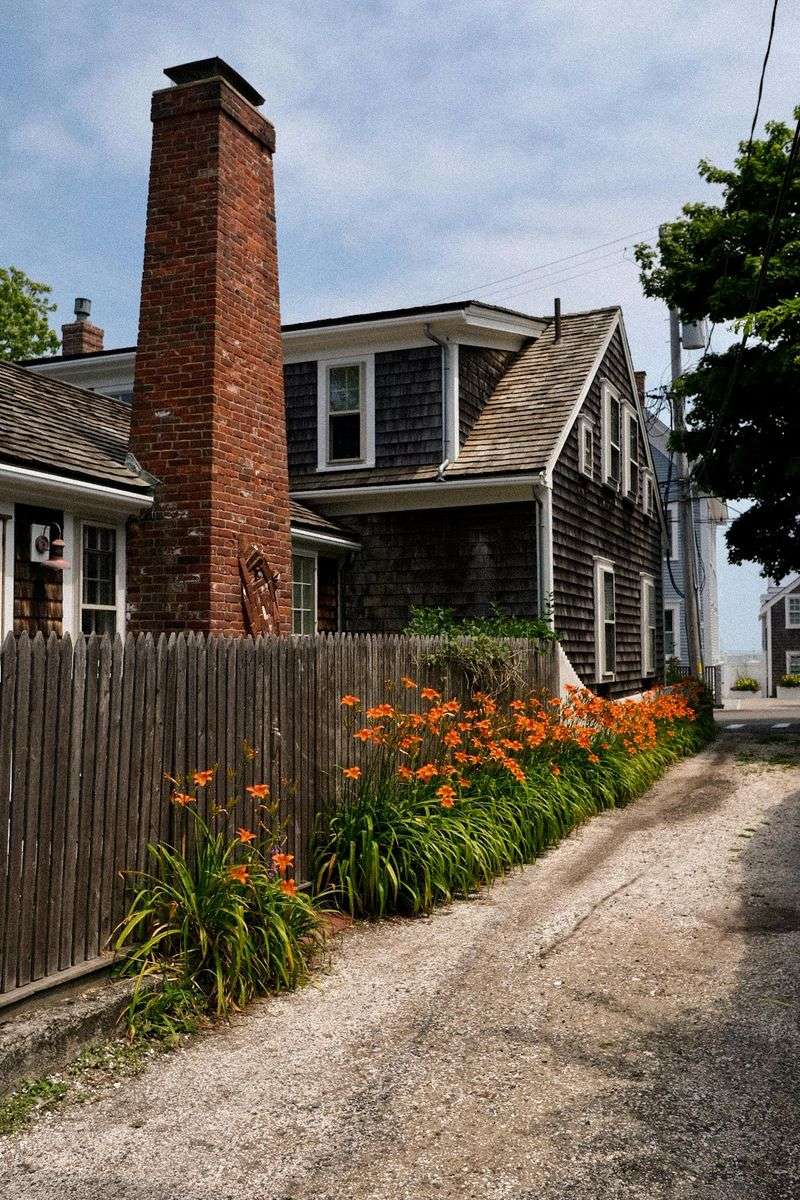
Cape Cod homes carry classic New England charm, but without updates, they can feel cramped and outdated to modern buyers.
Small rooms and low ceilings were standard when these homes were built, but today’s families want open, airy spaces with better flow.
Steep staircases leading to second-floor bedrooms with sloped ceilings can feel claustrophobic, especially for taller residents or those with mobility concerns.
Kitchens and bathrooms in original Cape Cod homes often lack the space and functionality that buyers now expect as standard.
Updating these properties can be tricky, as their traditional structure doesn’t always accommodate modern renovations without significant investment.
Homes that have been thoughtfully renovated to blend classic charm with contemporary convenience tend to hold their value much better.
Without those updates, Cape Cod styles may see their prices stagnate or decline as buyers opt for homes that don’t require immediate work.
7. Homes Far From Public Transportation

Traffic congestion around Boston and other Massachusetts cities has reached frustrating levels, making commute times a major factor in home buying decisions.
Properties located far from subway lines, commuter rail stations, or bus routes can feel isolating, especially for buyers who prefer car-free or car-light lifestyles.
Younger professionals and environmentally minded buyers increasingly value walkability and easy access to public transit over suburban seclusion.
Homes near transit hubs tend to appreciate faster, while those in remote areas may see their values stagnate or even drop.
Families with multiple drivers face higher costs for vehicle maintenance, insurance, and gas when public transportation isn’t an option.
The push toward sustainable living and reduced carbon footprints makes transit accessibility a key selling point in today’s market.
Sellers in remote locations may need to adjust pricing or highlight other amenities to compete with better-connected properties that offer easier commutes.
8. Ranch Houses On Valuable Land
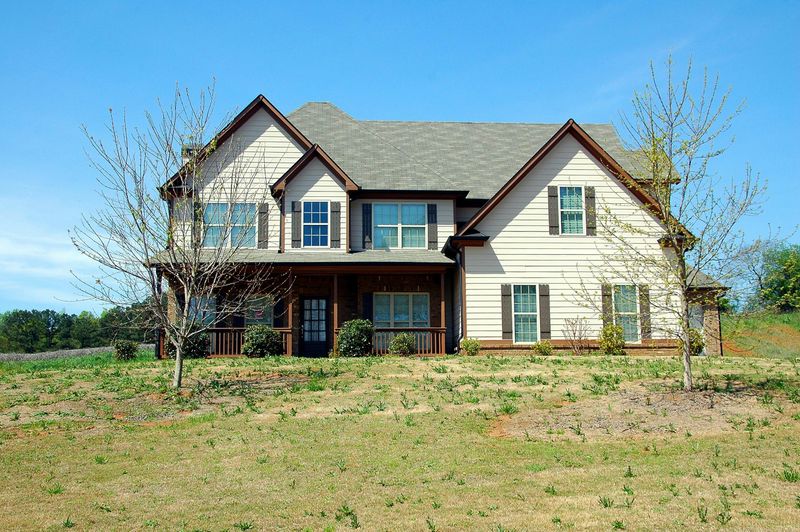
Ranch homes offer single-story convenience, but when they sit on prime real estate, developers start seeing dollar signs.
Single-story structures don’t maximize the potential of valuable lots, especially in desirable Massachusetts neighborhoods where land comes at a premium.
Builders and investors often target these properties for teardowns, planning to replace them with larger, multi-story homes that better utilize the space.
For current owners, this can mean the home itself holds little value compared to the land beneath it.
Buyers looking for a long-term residence may hesitate, knowing the property could eventually be demolished rather than enjoyed as-is.
In hot markets, this dynamic can actually drive up land prices while the home’s contribution to overall value shrinks.
Owners might benefit more from selling to developers than trying to market the house to traditional buyers who want to settle in and stay.
9. Homes With Small Or Awkward Kitchens
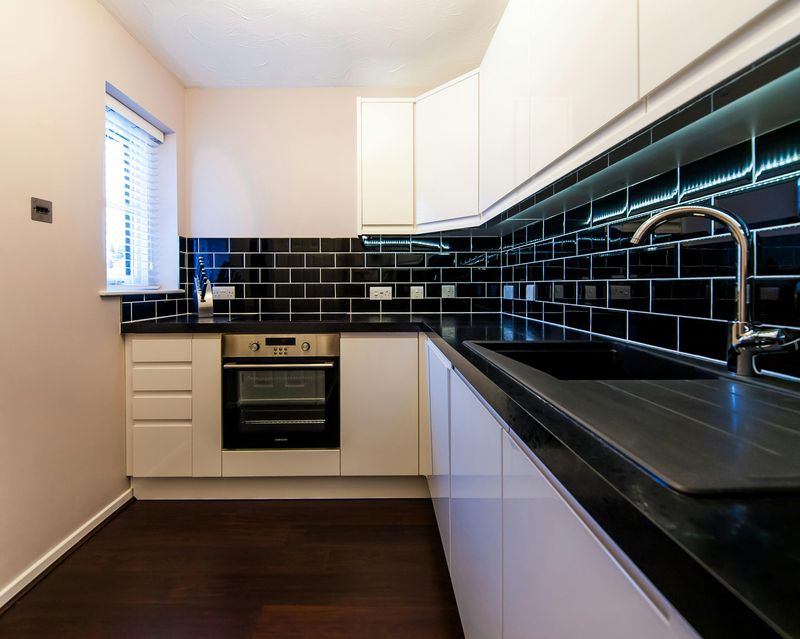
Kitchens have become the heart of the home, and buyers won’t settle for cramped, awkward spaces that make cooking feel like a chore.
Small kitchens with limited counter space, outdated appliances, and poor layouts don’t meet the needs of families who love to cook or entertain.
Open-concept kitchens that flow into dining and living areas are now the gold standard, while closed-off, boxy designs feel dated and isolating.
Renovating a kitchen can be expensive, which makes buyers hesitant to purchase homes that need major updates in this critical area.
Properties with modern, spacious kitchens tend to sell faster and command higher prices, leaving outdated kitchens at a disadvantage.
Even small improvements like better lighting, updated cabinets, or new countertops can make a big difference in buyer appeal.
Without these updates, homes with subpar kitchens may struggle to compete in a market where this space holds so much weight in buying decisions.
10. Homes Without Outdoor Living Space
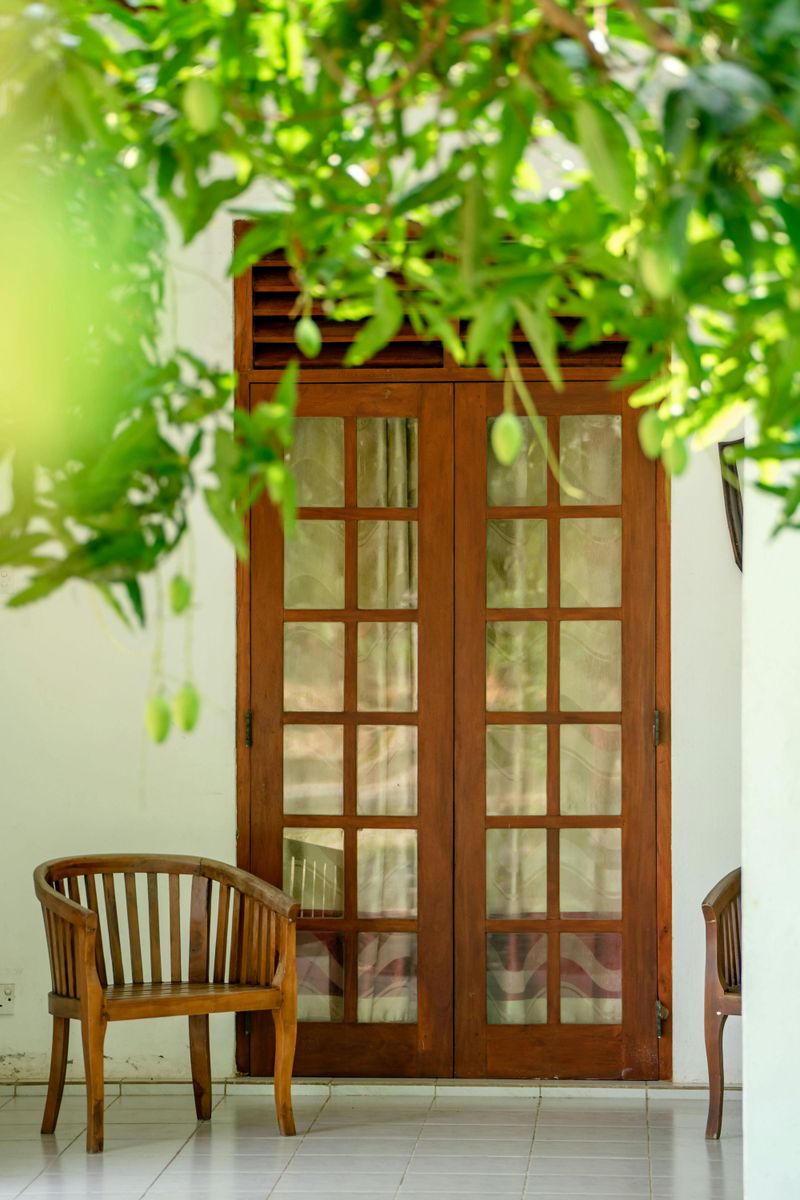
Private outdoor space has shifted from a nice-to-have to a must-have, especially after recent years when people spent more time at home.
Homes without patios, decks, or usable yards feel incomplete to buyers who want a place to relax, grill, or let kids and pets play safely.
Even small balconies or cozy backyard nooks can make a big difference in how buyers perceive a property’s livability and value.
Properties lacking outdoor space may struggle to compete with homes that offer these features, particularly in suburban and rural areas where land is available.
Urban condos without balconies or shared outdoor amenities can also feel confining, especially for families or pet owners.
Buyers are willing to pay a premium for outdoor living areas, knowing they add quality of life and versatility to daily routines.
Sellers without outdoor space may need to price competitively or highlight other unique features to attract interest in a market that values fresh air and private retreats.