16 Common Ohio Home Features That Might Be Illegal Under Current Building Codes
Homes across Ohio carry a lot of character, especially older properties built decades ago when building standards looked much different than they do today.
Many features that seemed perfectly acceptable back then could now pose serious safety concerns or violate modern building codes.
Understanding which home elements might not meet current regulations helps homeowners avoid fines, insurance complications, and potential hazards.
From unpermitted additions to outdated electrical setups, these common features deserve a closer look.
1. Unpermitted Decks Or Balconies

Adding a deck might seem like a straightforward weekend project, but skipping the permit process creates significant problems down the line.
Ohio building codes require permits for most deck construction to ensure structures meet load-bearing requirements, proper fastening standards, and safety railings.
Decks built without permits often lack crucial structural elements like adequate footings, proper ledger board attachment, or code-compliant railing heights.
When selling a home, unpermitted decks can derail transactions since inspectors flag them immediately.
Insurance companies may also deny claims for injuries or damage related to unpermitted structures.
Homeowners who discover unpermitted decks should contact their local building department about retroactive permits.
Sometimes bringing the structure up to code requires expensive modifications or even complete rebuilding.
The permit process exists to protect everyone who uses the deck from preventable accidents.
2. Improper Bathroom Ventilation
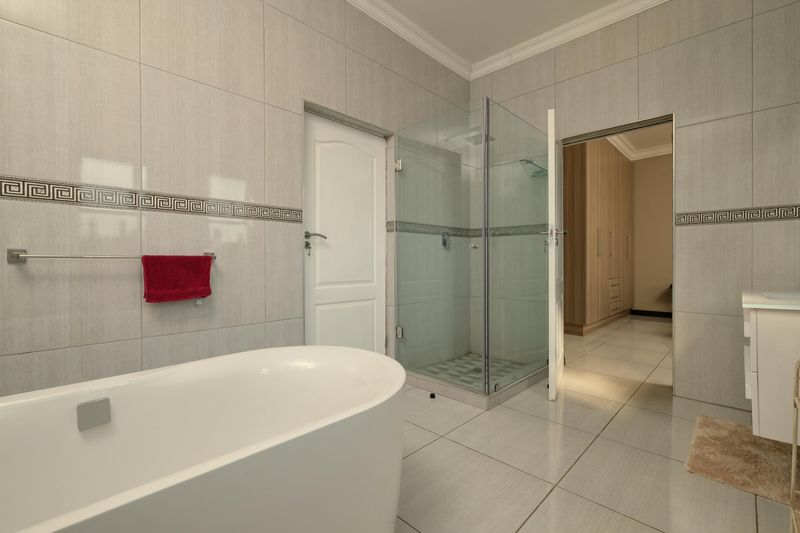
Moisture trapped in bathrooms creates the perfect breeding ground for mold, mildew, and structural damage that threatens both health and home integrity.
Current Ohio building codes mandate that bathrooms include either an operable window or a mechanical exhaust fan that vents directly to the outside.
Many older homes feature bathrooms with no ventilation at all, or fans that simply recirculate air without removing humidity.
Some homeowners discover their exhaust fans vent into attic spaces rather than outside, causing hidden moisture damage to insulation and framing.
Proper ventilation prevents paint from peeling, wallpaper from bubbling, and wood from rotting.
Installing a code-compliant exhaust fan typically costs between two hundred and five hundred dollars.
The investment protects against thousands in potential moisture-related repairs.
Bathroom ventilation might seem minor, but its impact on indoor air quality and structural longevity proves substantial.
3. Converting Garages Into Living Spaces
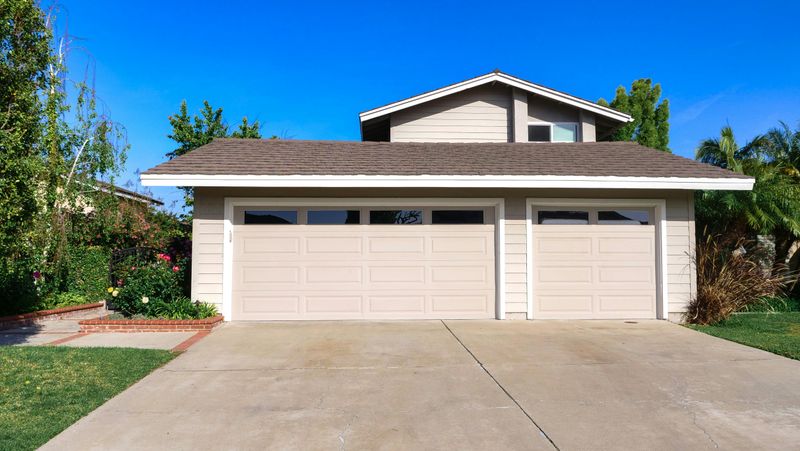
Transforming a garage into extra living space sounds like a practical way to gain square footage without building an addition.
However, garage conversions involve much more than throwing up some drywall and moving in furniture.
Ohio building codes require converted living spaces to meet standards for insulation, heating, electrical systems, and emergency egress.
The concrete slab foundation common in garages often lacks proper moisture barriers required for habitable spaces.
Converted garages used as bedrooms must include emergency escape windows meeting specific size and height requirements.
Many conversions also violate zoning ordinances about minimum parking requirements for properties.
Unpermitted conversions cause serious issues during home sales, with buyers either demanding corrections or walking away entirely.
Properly converting a garage with permits and inspections ensures the space is safe, legal, and adds genuine value to the property.
4. Blocking Bedroom Windows
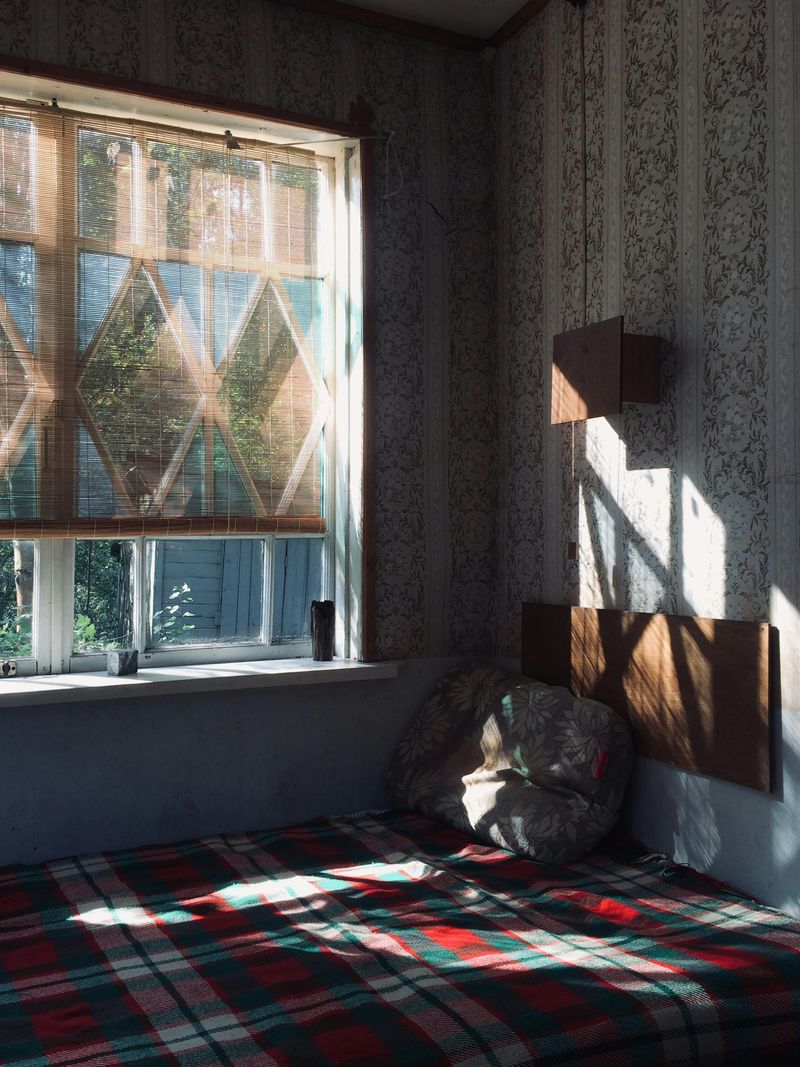
Bedroom windows serve a critical safety function beyond providing light and fresh air – they act as emergency escape routes during fires or other dangers.
Ohio building codes specify minimum sizes and maximum heights from the floor for bedroom windows to ensure occupants can escape quickly.
Homeowners sometimes block these windows with heavy furniture, built-in shelving, or decorative elements without realizing the safety implications.
Some renovations involve converting rooms with inadequate windows into bedrooms, creating code violations.
Windows must open easily without tools or special knowledge, and the opening must be large enough for firefighters wearing equipment to enter.
Blocking egress windows puts lives at risk and violates basic safety standards.
During home inspections, blocked or inadequate bedroom windows consistently raise red flags.
Ensuring clear access to properly sized windows in every bedroom represents a fundamental safety requirement that should never be compromised.
5. Using Extension Cords As Permanent Wiring

Extension cords offer convenient temporary solutions for powering devices, but they become serious fire hazards when used as permanent wiring.
Ohio electrical codes prohibit using extension cords for anything other than temporary applications lasting a few days at most.
Many older homes lack sufficient outlets for modern electronics, tempting residents to rely on extension cords indefinitely.
Running extension cords under carpets, through walls, or behind furniture creates heat buildup that can ignite fires.
The wiring in extension cords is not designed for continuous use and degrades over time, increasing resistance and fire risk.
Overloading extension cords by daisy-chaining multiple devices exceeds their rated capacity.
The proper solution involves hiring a licensed electrician to install additional outlets where needed.
While this costs more upfront than buying extension cords, it prevents devastating fires and ensures compliance with safety codes that protect families and property.
6. Installing Fire Pits Without Permits

Backyard fire pits create wonderful gathering spaces for cool Ohio evenings, but building them without proper permits invites both legal and safety problems.
Many municipalities throughout Ohio require permits for permanent fire pits and specify minimum distances from structures, property lines, and combustible materials.
Fire pits built too close to homes, fences, or overhanging trees pose obvious fire hazards.
Some areas restrict fire pit size, fuel types, or require specific construction materials.
Unpermitted fire pits can result in fines, mandatory removal, or liability issues if fires spread or cause injuries.
Homeowner’s insurance may deny claims related to unpermitted outdoor fire features.
Portable fire pits typically face fewer restrictions than permanent built-in structures.
Checking local ordinances before building any fire feature saves headaches and ensures safe distances from everything flammable.
A properly permitted fire pit provides years of enjoyment without legal worries or safety concerns.
7. Converting Basements Into Living Spaces Without Compliance
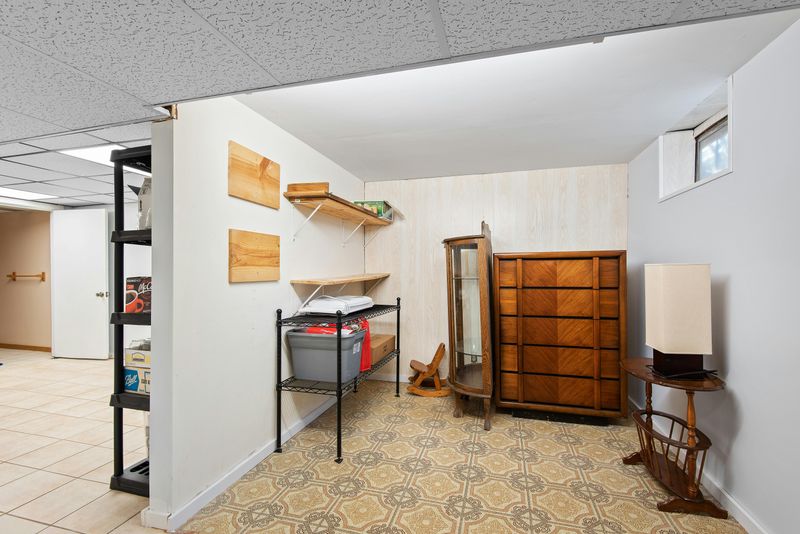
Basements offer tempting opportunities for additional living space, but converting them legally requires meeting strict safety and habitability standards.
Ohio building codes mandate specific ceiling heights, emergency egress windows, proper moisture barriers, adequate lighting, and heating for basement living spaces.
Many finished basements lack emergency escape windows large enough to meet egress requirements for bedrooms.
Moisture problems common in basements require proper waterproofing, vapor barriers, and drainage systems before finishing.
Electrical and plumbing work in basements must meet current codes and pass inspections.
Basements used as living areas without meeting these requirements pose safety risks and create legal complications during home sales.
Some homeowners discover their finished basements cannot be counted as living space for appraisal purposes due to code violations.
Working with licensed contractors and obtaining proper permits ensures basement conversions are safe, legal, and add genuine value to the property.
8. Improper Use Of Kitchens In Multi-Family Dwellings

Multi-family properties with shared kitchen facilities face specific regulations designed to ensure safety and sanitation for all residents.
Ohio building codes distinguish between individual unit kitchens and common-use facilities, with different requirements for each.
Shared kitchens may need commercial-grade equipment, enhanced ventilation systems, and specific fire suppression features.
Converting a single-family home into a multi-unit dwelling without properly addressing kitchen facilities violates both building and zoning codes.
Some landlords illegally create additional units without ensuring each has proper kitchen facilities or that shared facilities meet commercial standards.
Health departments may also have jurisdiction over shared kitchen facilities in multi-family buildings.
Improper kitchen setups in multi-family dwellings create fire hazards, sanitation issues, and legal liability.
Property owners considering multi-family conversions should consult local building departments early in the planning process.
Compliance with kitchen requirements protects both property owners and tenants from preventable problems.
9. Keeping Livestock In Dwellings

Urban farming trends have made backyard chickens increasingly popular, but housing livestock inside residential dwellings crosses clear legal and health boundaries.
Ohio zoning ordinances and building codes prohibit keeping animals like chickens, goats, or horses inside residential structures.
These regulations exist to prevent sanitation issues, structural damage, and health hazards associated with animal waste and odors.
Even in rural areas with more permissive agricultural zoning, housing livestock inside human dwellings typically violates health codes.
Animals belong in properly constructed outbuildings designed for their specific needs and waste management.
Some homeowners attempt to keep small flocks of chickens in garages or basements, creating ammonia buildup and disease risks.
Local health departments can issue citations and require removal of animals kept in violation of codes.
Proper outdoor coops and shelters designed for livestock keep animals healthier and happier while maintaining compliance with all regulations.
10. Erecting Temporary Dwellings Without Compliance
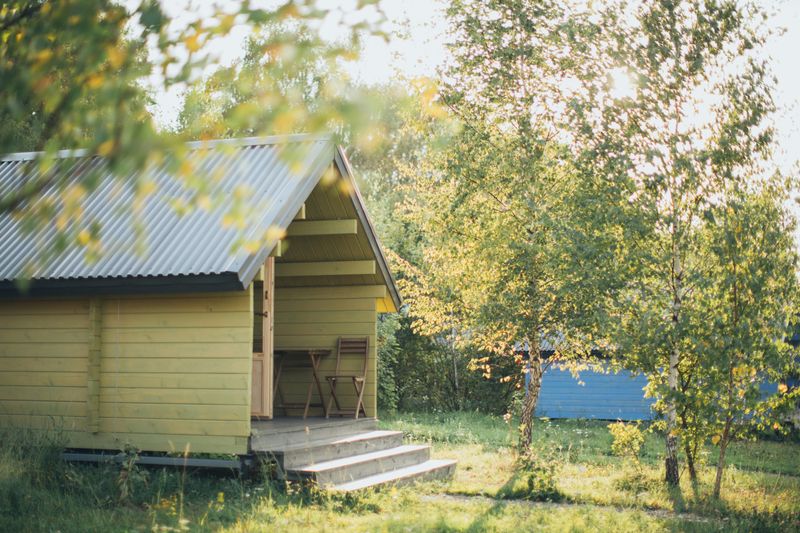
Temporary structures like sheds, RVs, or tiny houses sometimes get repurposed as living quarters without meeting the requirements for habitable dwellings.
Ohio building codes require all occupied dwellings to meet minimum standards for structural integrity, utilities, sanitation, and safety regardless of their temporary nature.
Property owners cannot simply park an RV or place a shed on their land and use it as living space without permits and inspections.
Temporary dwellings used as residences must have proper electrical service, plumbing, heating, and sewage disposal systems.
Zoning ordinances often restrict where and how long temporary structures can remain on properties.
Using temporary structures as permanent residences creates safety hazards and violates multiple codes.
Some municipalities allow temporary dwellings during home construction with specific permits and time limits.
Anyone considering alternative housing arrangements should thoroughly research local requirements before moving forward.
Compliance protects occupants and prevents costly legal complications.
11. Blocking Access To Public Streets
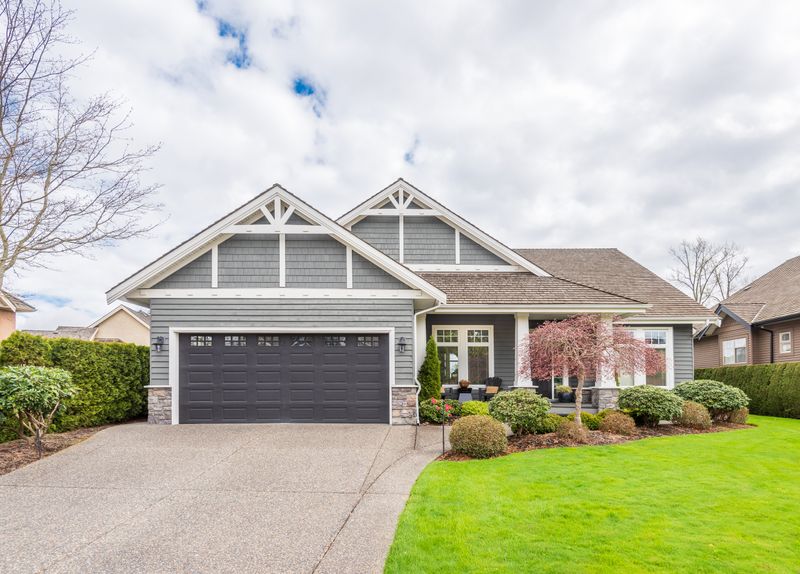
Every dwelling needs clear, legal access to public streets for emergency services, utilities, and daily living – yet some properties lack proper access entirely.
Ohio building codes require dwellings to have direct access to public streets or recorded easements providing such access.
Properties created through informal land divisions sometimes end up landlocked without legal access routes.
Driveways or access roads serving multiple properties need proper easements recorded with the county.
Without legal access, properties face serious problems obtaining permits, insurance, and financing.
Emergency vehicles must be able to reach homes quickly, making adequate access a critical safety requirement.
Some property owners discover access issues only when trying to sell or refinance.
Establishing legal access through easement agreements requires cooperation from neighboring property owners and proper legal documentation.
Properties lacking proper street access may be considered unbuildable or have significantly reduced value.
Verifying clear legal access before purchasing property prevents major complications.
12. Using Cellar Spaces As Habitable Rooms
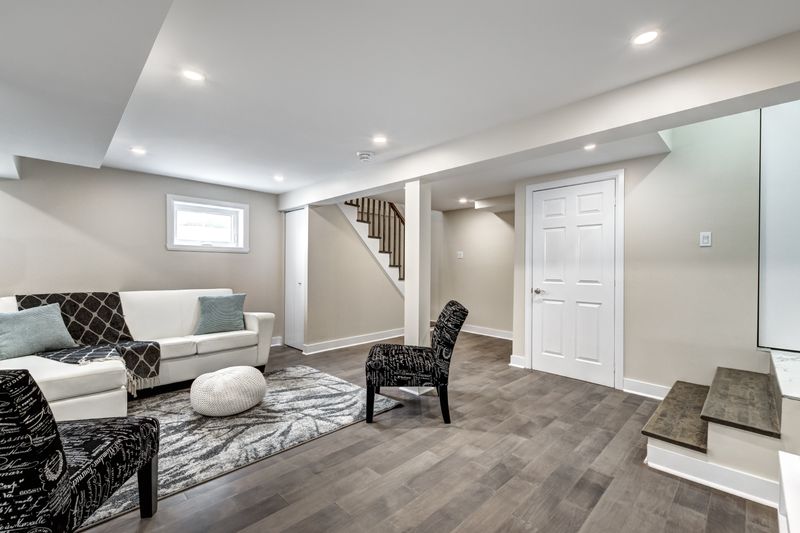
Cellars differ from basements in ways that make them unsuitable for living spaces under Ohio building codes.
Cellars typically have lower ceiling heights, inadequate natural light, poor ventilation, and earth floors or minimal concrete slabs.
Building codes prohibit using cellar spaces as habitable rooms because they fail to meet minimum standards for ceiling height, egress, light, and ventilation.
Some older homes have cellars that homeowners attempt to use as bedrooms, playrooms, or workshops without proper conversions.
Cellar spaces often have serious moisture issues and lack proper drainage systems.
Converting a cellar into habitable space requires extensive work including excavation, waterproofing, proper foundations, and egress windows.
The cost of properly converting a cellar often exceeds building a conventional addition.
Using cellar spaces for storage rather than living areas keeps homes compliant with codes.
Understanding the distinction between cellars and basements helps homeowners make informed decisions about below-grade spaces.
13. Installing Unapproved Additions
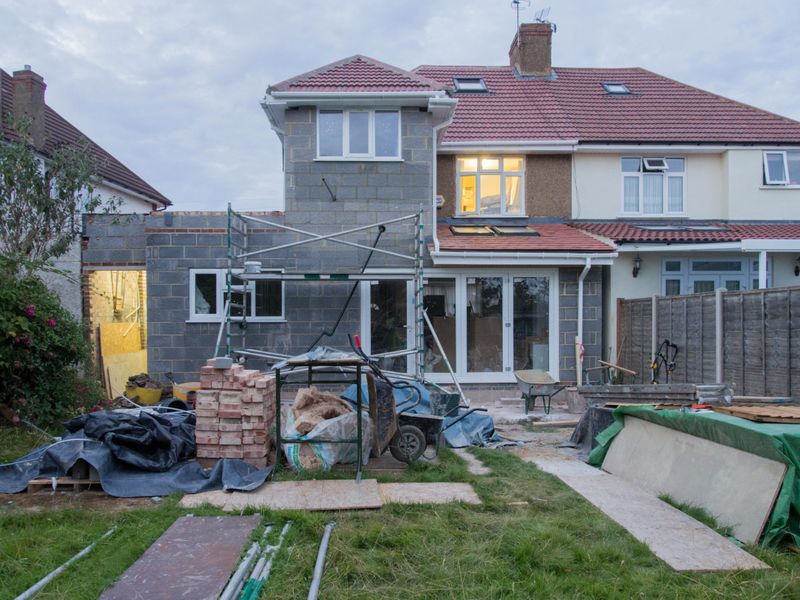
Adding square footage to homes without obtaining proper permits creates a cascade of problems that eventually catch up with property owners.
Ohio building codes require permits for most additions to ensure they meet structural, electrical, plumbing, and energy efficiency standards.
Unpermitted additions often lack proper foundations, adequate framing, or code-compliant construction methods.
Accessory dwelling units, garage additions, room expansions, and enclosed porches all typically require permits and inspections.
Home inspectors easily spot unpermitted additions through mismatched construction styles, tax record discrepancies, or obvious code violations.
Banks may refuse to finance homes with unpermitted additions, and insurance companies may deny coverage.
Bringing unpermitted work up to code often requires expensive modifications or even demolition.
Some municipalities offer amnesty programs allowing homeowners to permit existing work, though fees and required upgrades still apply.
Building additions properly from the start avoids these complications entirely.
14. Overloading Electrical Circuits With Extension Cords
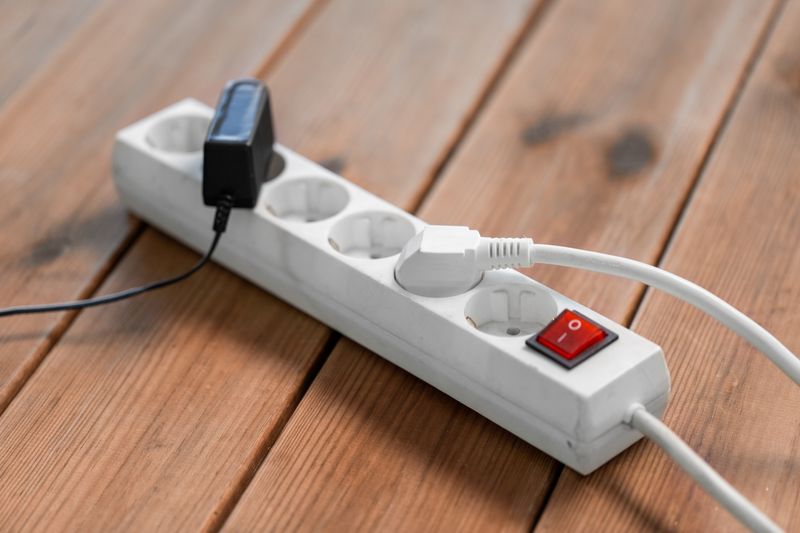
Daisy-chaining extension cords and power strips creates dangerous electrical overloads that cause fires in homes across Ohio every year.
Electrical circuits are designed to handle specific loads, and exceeding those limits generates heat that can ignite surrounding materials.
Ohio electrical codes prohibit connecting multiple extension cords together or plugging power strips into other power strips.
Each additional connection point increases electrical resistance and heat generation.
Homeowners facing outlet shortages should install additional circuits rather than overloading existing ones.
Signs of overloaded circuits include frequently tripping breakers, dimming lights when appliances run, or warm outlets and plugs.
Modern homes require significantly more electrical capacity than older homes were built to provide.
Licensed electricians can evaluate electrical systems and recommend safe upgrades to meet current needs.
The cost of upgrading electrical service is insignificant compared to losing a home to fire.
Respecting circuit capacity limits protects families and property from preventable electrical fires.
15. Outdoor Structures Built Without Permits

Sheds, detached garages, and other outbuildings might seem exempt from permit requirements, but most municipalities require permits for structures exceeding certain sizes.
Ohio building codes and local ordinances specify setback requirements dictating how close structures can be to property lines.
Unpermitted outbuildings built too close to property lines create disputes with neighbors and complications during property sales.
Structures exceeding certain square footage or height thresholds almost always require permits regardless of their purpose.
Some homeowners build substantial workshops or studios without permits, only to face removal orders or expensive retrofitting.
Permitted structures must meet foundation requirements, proper anchoring for wind resistance, and sometimes fire separation standards.
Checking local requirements before building any outdoor structure prevents costly mistakes.
Even small sheds may require permits in some jurisdictions, so assuming exemption without verifying proves risky.
Properly permitted outbuildings add value to properties rather than creating legal liabilities.
16. Inadequate Stair Railings And Handrails
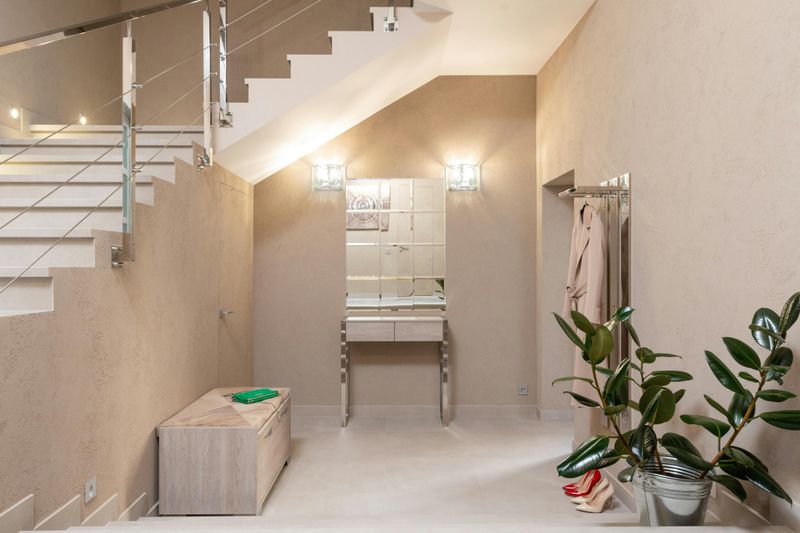
Stairs pose fall risks that increase dramatically when railings and handrails fail to meet current safety standards.
Ohio building codes specify exact requirements for railing heights, handrail dimensions, baluster spacing, and stair tread dimensions.
Many older homes have stairs with railings too low, balusters spaced too far apart, or no handrails at all.
Baluster spacing must prevent a four-inch sphere from passing through to protect young children from falls.
Handrails must be graspable with specific diameter requirements and continuous along the entire stair run.
Steep stairs with inadequate headroom or inconsistent riser heights also violate current codes.
Falls on stairs cause thousands of injuries annually, making proper railings a critical safety feature.
Upgrading stair railings to meet current codes protects everyone who uses them, especially children and elderly individuals.
Home inspections consistently flag inadequate stair railings as safety concerns requiring correction.
Investing in proper railings prevents injuries and ensures compliance with life-safety codes.