Dining Room Styling Secrets That Never Go Out Of Style In Georgia
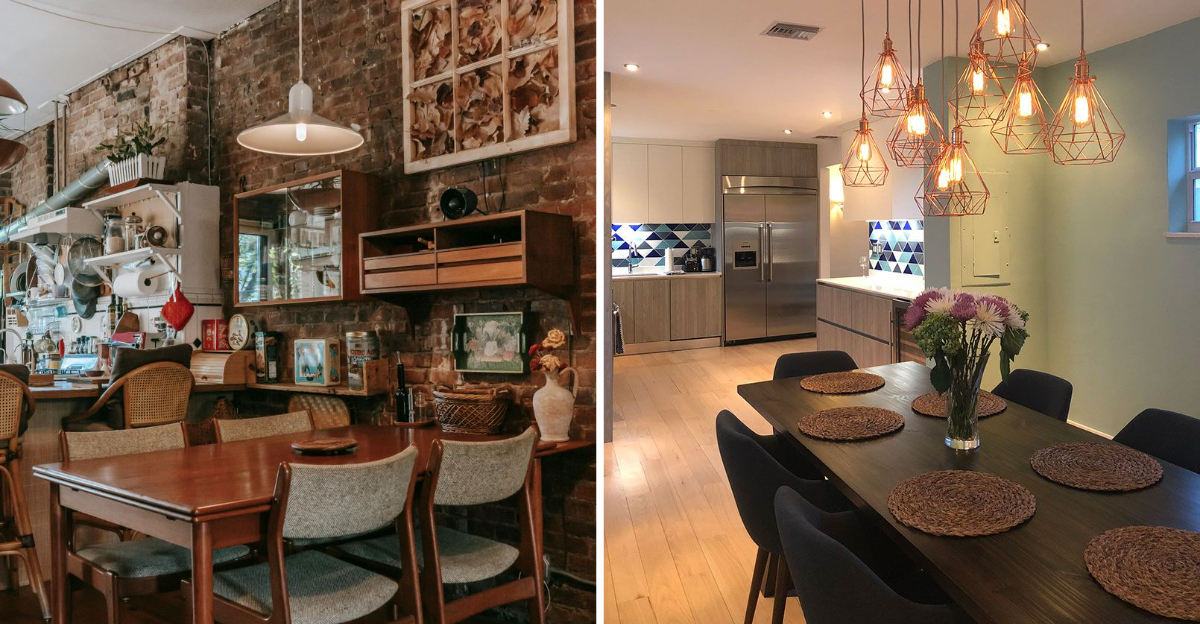
Your dining room is more than just a place to eat. It’s where families gather, friends celebrate, and memories are made around the table.
In Georgia, where Southern hospitality runs deep, creating a dining space that feels both timeless and welcoming is essential for every home.
1. Embrace Natural Wood Tables
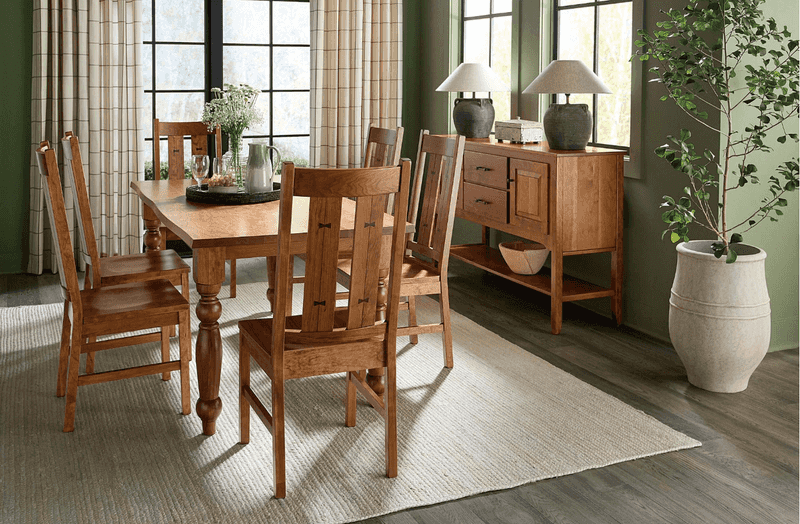
Nothing beats the warmth and character that a solid wood table brings to your dining space.
I’ve noticed that reclaimed wood pieces add history and soul that manufactured materials just can’t match.
The grain patterns tell stories, and each imperfection becomes a talking point during dinner parties.
Wood tables age beautifully over time, developing a rich patina that only gets better with use.
They work with almost any style, from farmhouse casual to sophisticated traditional.
Whether you choose oak, walnut, or pine, a quality wood table becomes the foundation of your entire dining room design.
Proper care means this investment will serve your family for generations.
2. Layer With Soft Linen Textiles
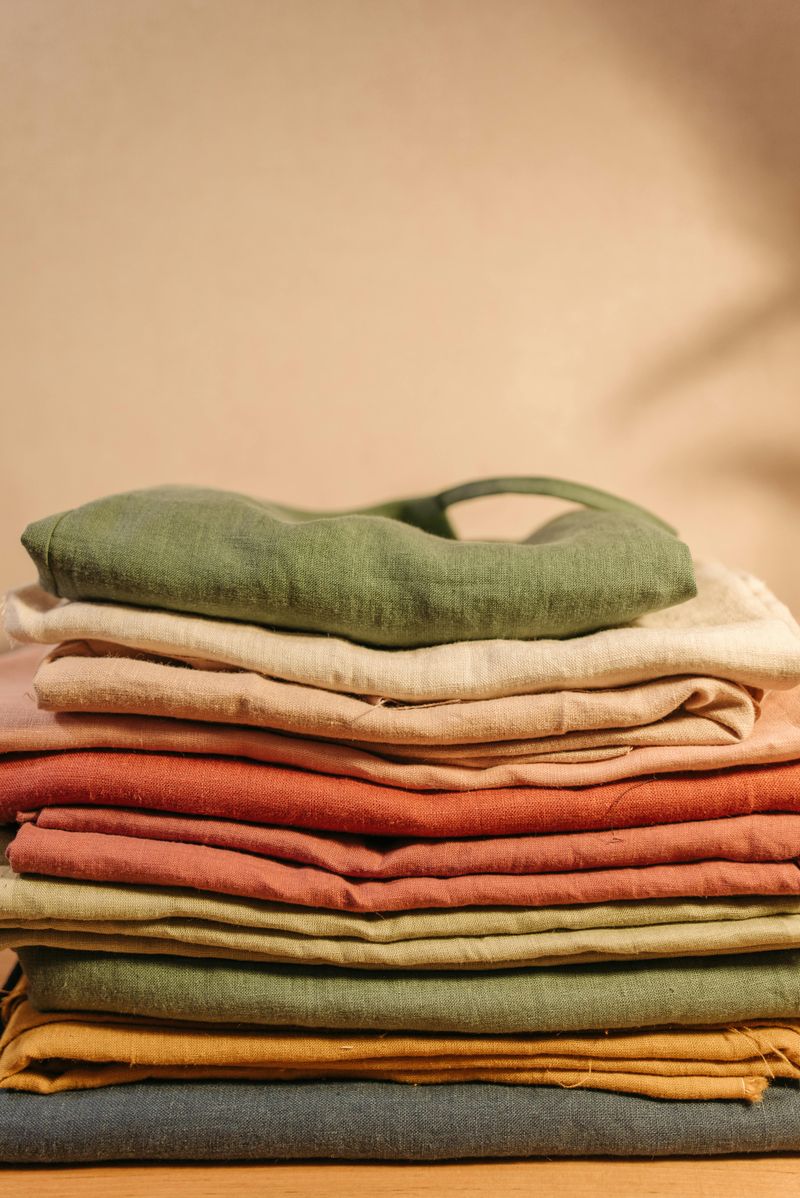
Linen brings an effortless elegance that never feels stuffy or overdone.
I love how this natural fabric softens the hard surfaces of tables and chairs while adding subtle texture.
The slightly rumpled look of linen actually adds to its charm rather than detracting from it.
Choose neutral shades like cream, soft gray, or warm beige for maximum versatility across seasons.
Linen tablecloths, napkins, and even chair cushions create layers of comfort that invite guests to linger longer.
This fabric is surprisingly durable and becomes softer with each wash.
The breathable quality makes it perfect for Georgia’s warm climate, keeping your dining experience comfortable year-round.
3. Install A Statement Chandelier
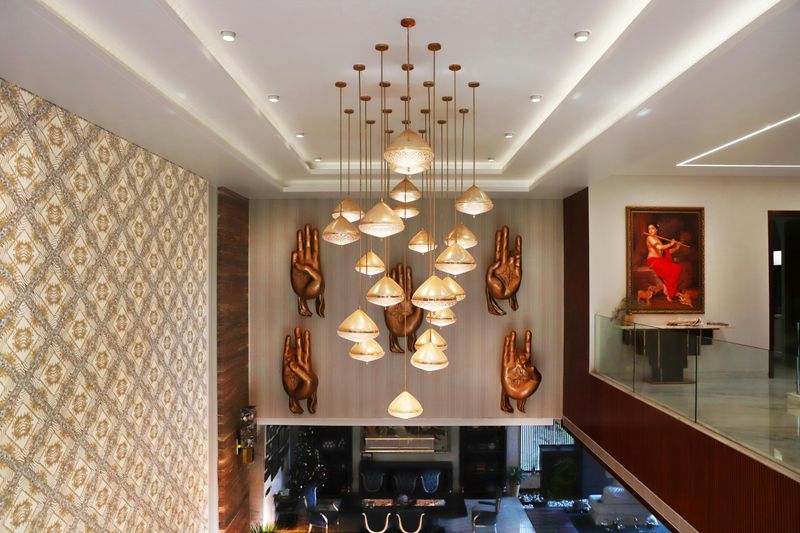
Lighting sets the mood for every meal, and a beautiful chandelier becomes the crown jewel of your dining room.
I find that hanging it about thirty to thirty-six inches above the table creates the perfect balance of illumination and style. A chandelier draws the eye upward and makes even modest rooms feel grander.
Classic materials like brass, bronze, or crystal withstand changing trends better than trendy finishes.
The right fixture provides both task lighting for dining and ambient glow for entertaining.
Consider adding a dimmer switch to adjust the brightness for different occasions.
Your chandelier should reflect your personal style while complementing the room’s overall aesthetic beautifully.
4. Add Fresh Greenery Daily
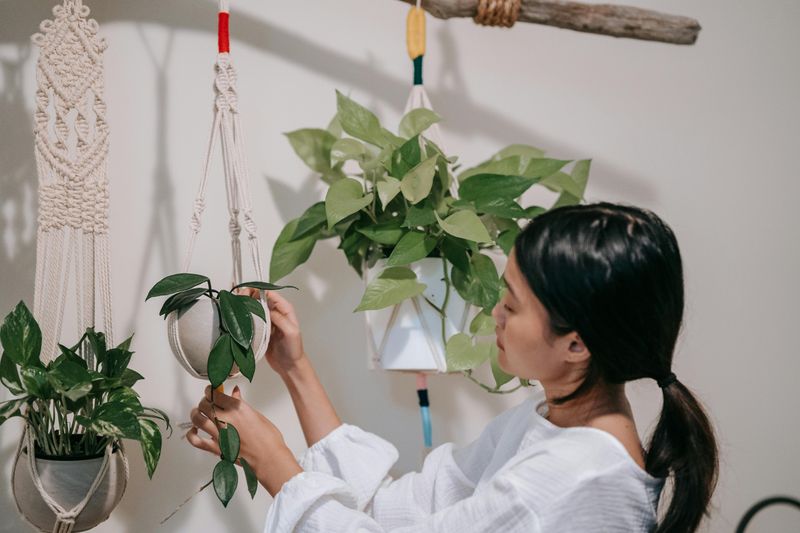
Plants breathe life into any dining space with their natural beauty and air-purifying qualities.
I keep a rotating collection of herbs on my dining table that look beautiful and serve double duty in the kitchen.
Basil, rosemary, and mint add fragrance and freshness that artificial decorations simply cannot provide.
Larger potted plants in corners soften hard edges and create a more relaxed atmosphere.
Greenery connects your indoor space to Georgia’s lush outdoor landscapes in a meaningful way.
Even low-maintenance options like pothos or snake plants thrive with minimal attention.
Fresh flowers or seasonal branches provide variety and mark the changing seasons throughout the year naturally.
5. Choose Neutral Wall Colors
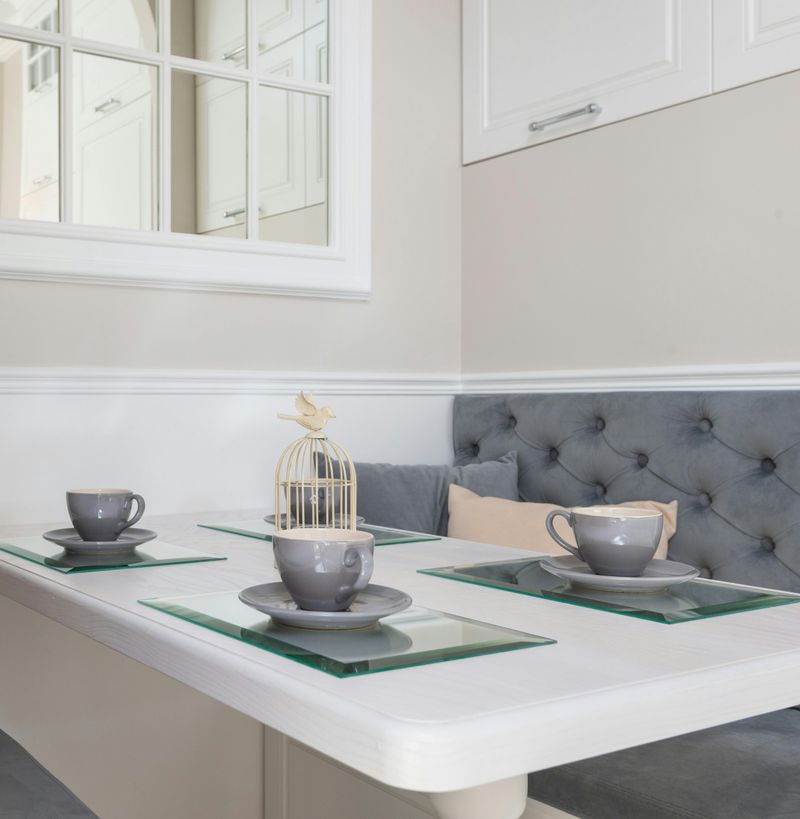
Walls painted in soft, neutral tones create a versatile canvas that adapts to your evolving taste.
I’ve learned that shades like warm white, greige, or soft taupe allow your furniture and artwork to shine.
Bold wall colors can date a room quickly, but neutrals remain fresh decade after decade.
These understated backgrounds make it easy to switch out accent pieces seasonally without repainting.
Neutral walls also make spaces feel larger and brighter, which is especially helpful in smaller dining areas.
The right neutral reflects natural light beautifully throughout the day.
You can always add pops of color through textiles, artwork, or tableware without committing to permanent changes.
6. Mix Chair Styles Thoughtfully
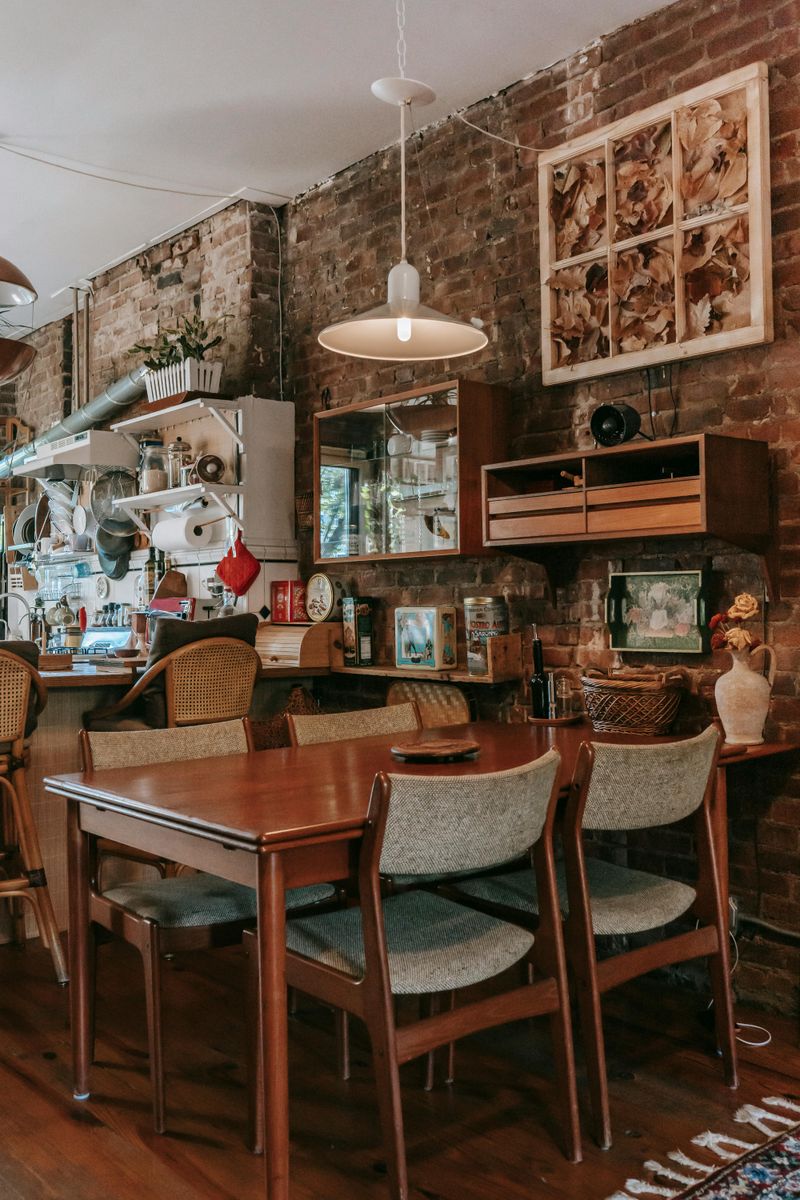
Matching dining sets can feel too formal and catalog-perfect for modern living.
I prefer mixing upholstered chairs at the table ends with simpler wooden ones along the sides for visual interest. This approach adds personality while maintaining a cohesive look through shared colors or materials.
Mixing styles prevents your dining room from looking like a furniture showroom display.
It creates a collected-over-time feel that suggests thoughtfulness rather than a one-day shopping spree.
Make sure chairs share at least one common element, whether that’s finish, height, or overall proportion.
This strategy also allows you to invest in quality pieces gradually rather than all at once affordably.
7. Display Meaningful Artwork

Art transforms blank walls into conversation starters and reflects your family’s unique story.
I recommend choosing pieces that genuinely move you rather than simply matching your color scheme.
Landscape paintings of Georgia scenes, family portraits, or abstract works all add depth and character to your dining space.
Hang artwork at eye level, typically about sixty inches from the floor to the center of the piece.
Large-scale art makes a bold statement, while gallery walls showcase collections and create visual interest.
Quality framing protects your investment and elevates even modest prints.
The right artwork adds soul to your dining room and gives guests something memorable to admire during meals.
8. Incorporate Antique Accents
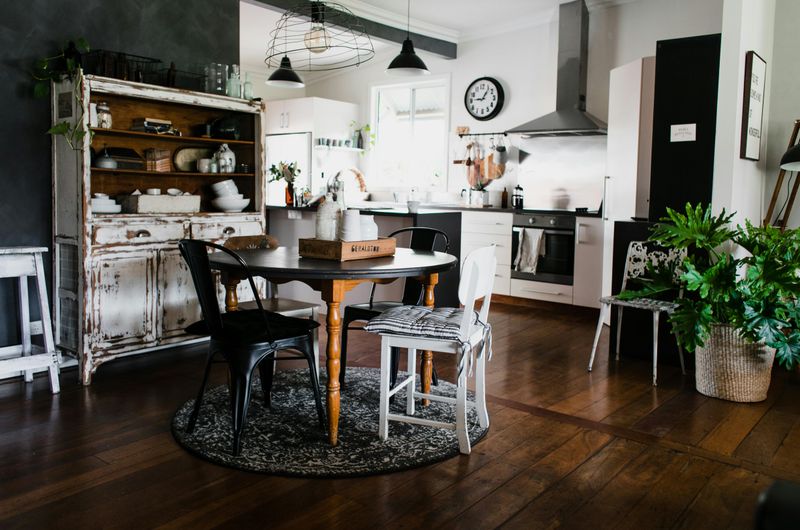
Antiques connect your modern home to Georgia’s rich history and add instant character.
I hunt for vintage sideboards, hutches, or serving pieces at local estate sales and antique shops.
These treasures bring craftsmanship and quality that new furniture often lacks at similar price points.
A single antique piece among contemporary furnishings creates an interesting juxtaposition.
Old wood tones and worn patinas add warmth that perfectly balances sleeker modern elements.
Antiques are also environmentally friendly choices that reduce waste and honor the past.
Each piece carries its own story, making your dining room feel collected and personal rather than decorated overnight quickly.
9. Add A Classic Area Rug
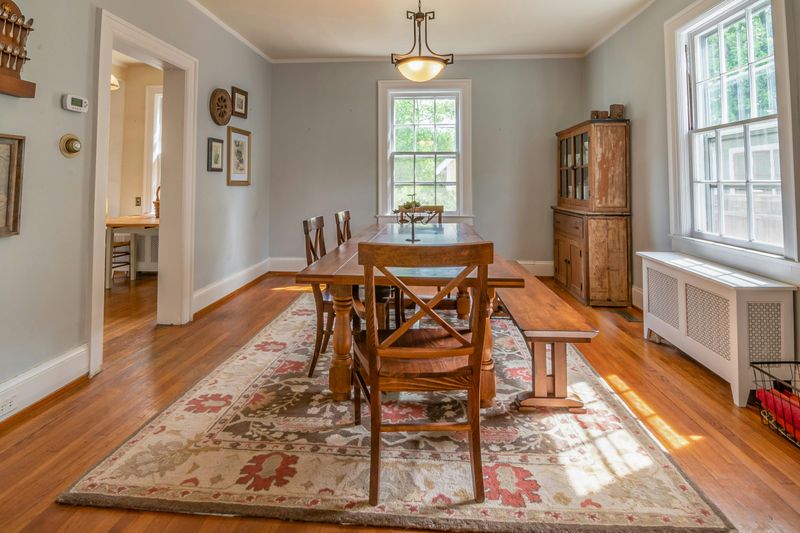
Rugs define your dining space and add softness underfoot that hardwood floors alone cannot provide.
I always choose rugs large enough to keep all chair legs on the rug even when pulled out.
This prevents wobbling and creates a cohesive look that anchors your furniture grouping.
Natural fiber rugs like jute or sisal are durable and hide spills better than lighter options.
Traditional patterns in neutral colors work with changing decor styles over the years.
Make sure your rug is easy to clean since dining areas see their share of dropped food.
A quality rug adds warmth, reduces noise, and makes your dining room feel finished and intentional throughout the year.
10. Use Quality Table Linens
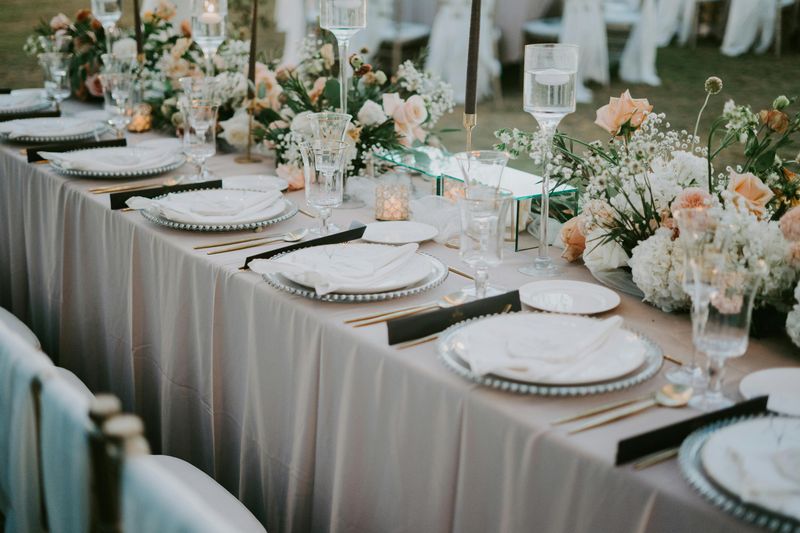
Beautiful table linens elevate everyday meals into special occasions worth savoring together.
I invest in a few sets of quality tablecloths and napkins rather than many cheap ones.
Well-made linens withstand countless washings and still look crisp and inviting year after year.
Classic white or ivory linens work for both casual and formal gatherings seamlessly.
They create a clean slate that highlights your food and dishware beautifully.
Proper table settings show respect for your guests and the effort put into meal preparation.
Even simple dinners feel more intentional when the table is thoughtfully dressed with quality linens that feel good to touch.
11. Balance The Room Layout
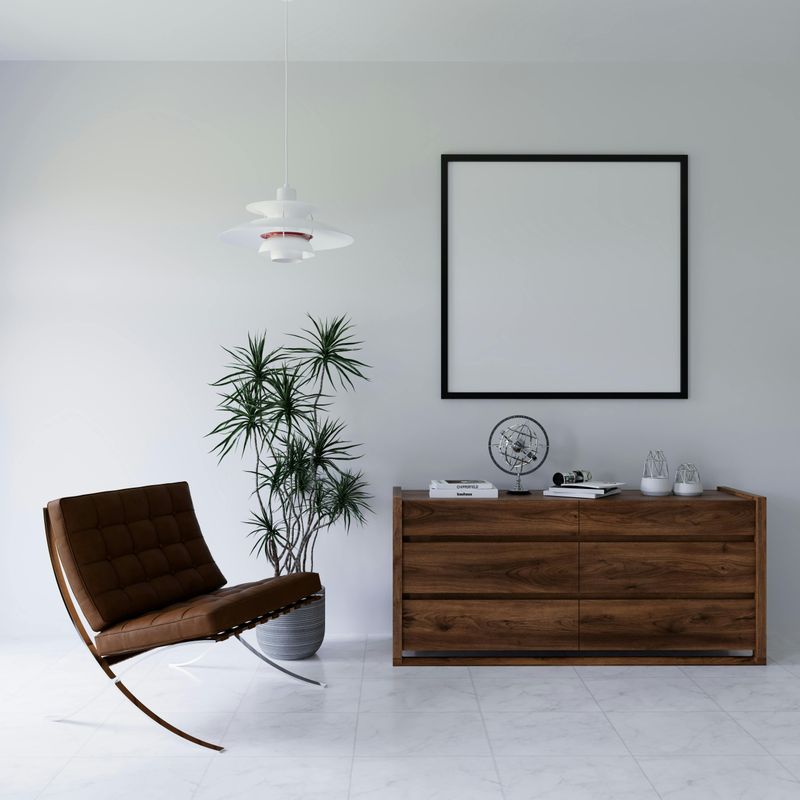
Proper furniture placement makes your dining room functional and visually pleasing.
I always center the table under the light fixture and allow at least thirty-six inches of walking space around it. This ensures guests can move comfortably without squeezing past chairs or bumping into walls.
Avoid pushing furniture too close to walls, which can make the room feel cramped.
Create breathing room that allows each piece to be appreciated individually.
A balanced layout encourages conversation by keeping everyone at comfortable distances.
The arrangement should feel natural and intuitive, not forced or awkward during gatherings with family and friends regularly throughout the year.
12. Invest In Solid Wood Chairs
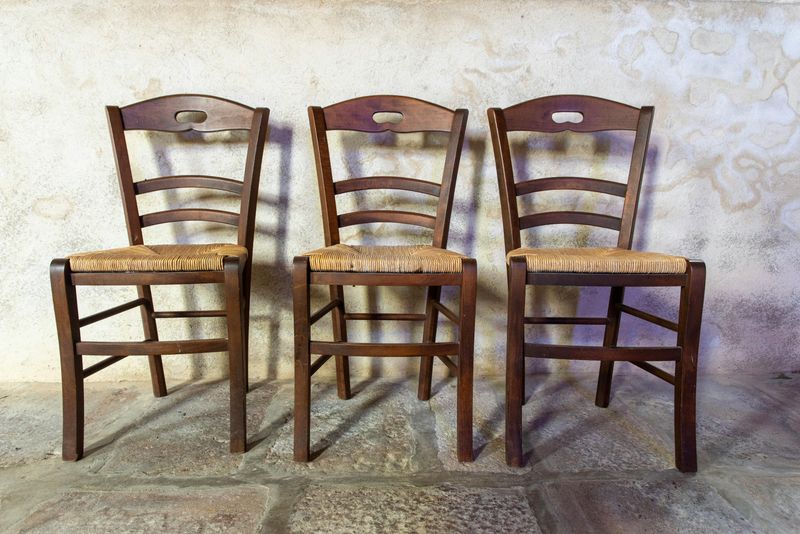
Quality chairs are worth the investment since they endure daily use and abuse.
I’ve learned that solid wood construction outlasts particleboard alternatives by decades.
Well-built chairs support weight properly, don’t wobble, and can be refinished rather than replaced when worn.
Classic designs like ladderback, Windsor, or simple slatback styles never go out of fashion.
They work across decorating styles from traditional to modern farmhouse with equal ease.
Comfortable seating encourages guests to linger over meals and conversation.
Check for proper seat height, back support, and sturdy joinery before purchasing to ensure lasting satisfaction with your important choice.
13. Bring In Natural Light
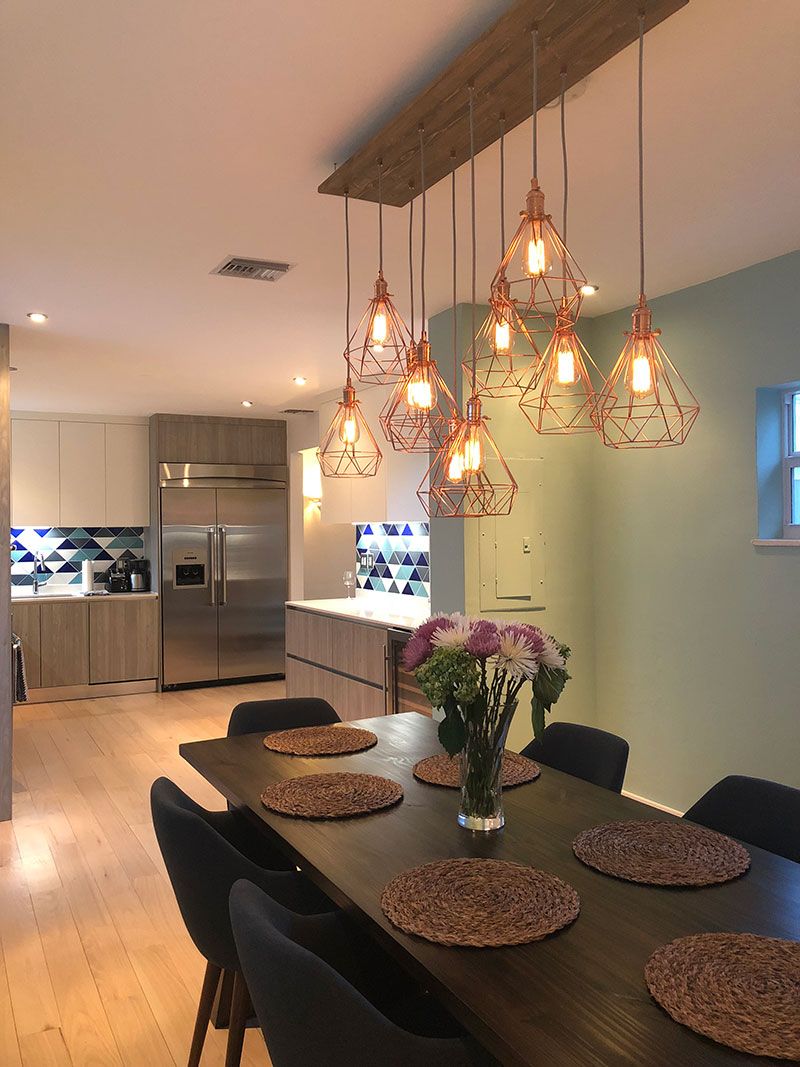
Sunlight transforms any dining room into a warm and welcoming gathering spot.
I keep window treatments simple and light to maximize natural light throughout the day.
Heavy drapes can make dining spaces feel dark and closed-in, especially during morning breakfast hours.
Natural light makes food look more appealing and creates an uplifting atmosphere.
It also reduces the need for artificial lighting during daytime meals, saving energy costs.
Consider sheer curtains or simple blinds that provide privacy without blocking precious sunlight.
If privacy isn’t a concern, leaving windows bare showcases views of Georgia’s beautiful landscapes and connects indoor dining to nature outside beautifully throughout all seasons.
14. Add Personal Family Touches

Your dining room should tell your family’s unique story through carefully chosen personal items.
I display inherited china, family photographs, or collections that spark memories and conversations.
These meaningful objects make your space feel genuinely yours rather than copied from a magazine.
Rotate seasonal items or children’s artwork to keep the space feeling fresh and current.
Personal touches create warmth that guests immediately sense when they enter.
Avoid overcrowding surfaces, but do include a few special pieces that represent your history.
These elements make your dining room a reflection of who you are and what you value most in life together.
15. Maintain Classic Proportions
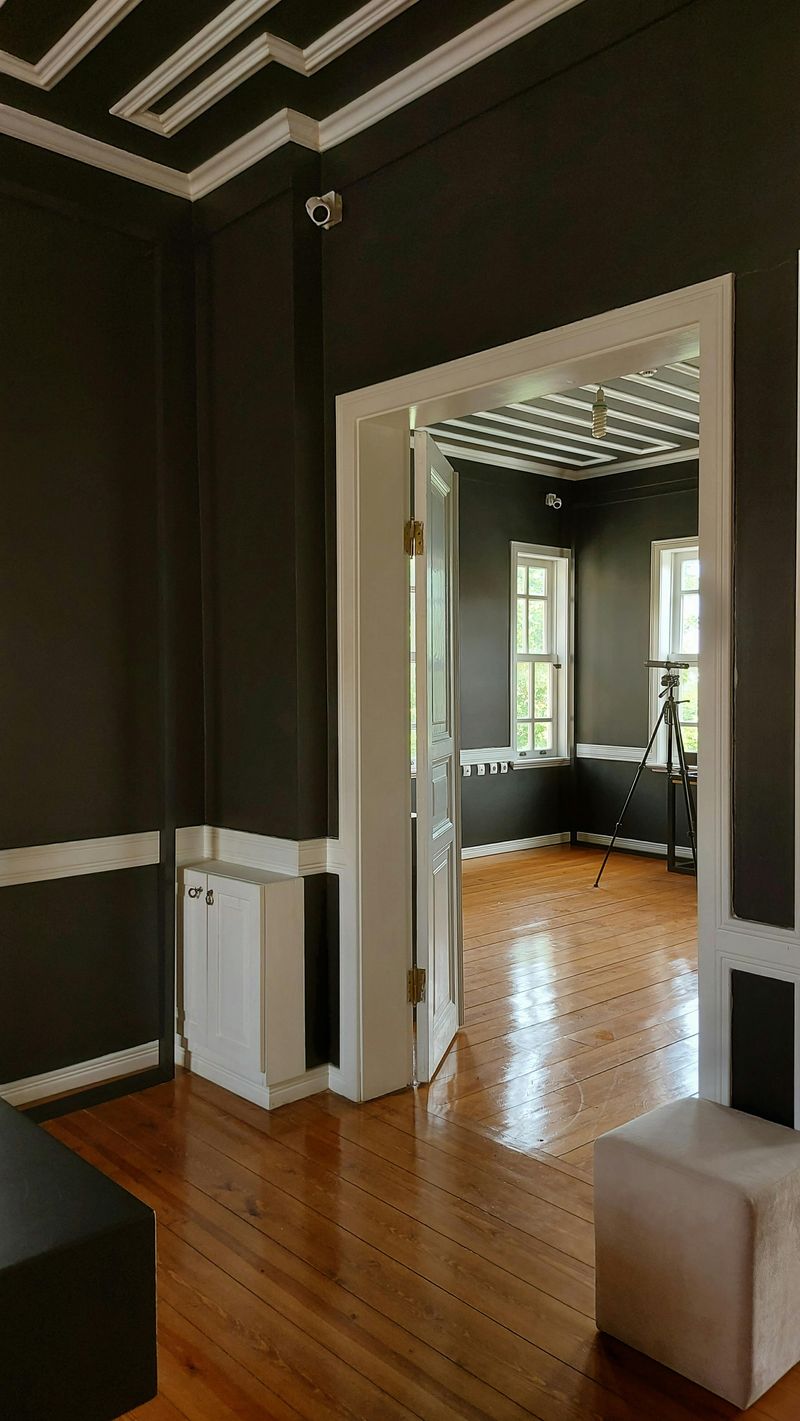
Proper scale and proportion prevent your dining room from feeling awkward or uncomfortable.
I measure carefully before buying furniture to ensure pieces fit the room appropriately.
A table too large overwhelms the space, while one too small looks lost and inadequate.
Your chandelier should be about half to two-thirds the width of your table.
Chair heights should allow comfortable seating with feet flat on the floor and arms clearing the table.
These classic proportions have stood the test of time for good reason.
They create visual harmony that feels right even if you can’t explain exactly why everything works together so perfectly and naturally.