14 Maryland Home Features That Could Be Illegal (Or Out Of Code)
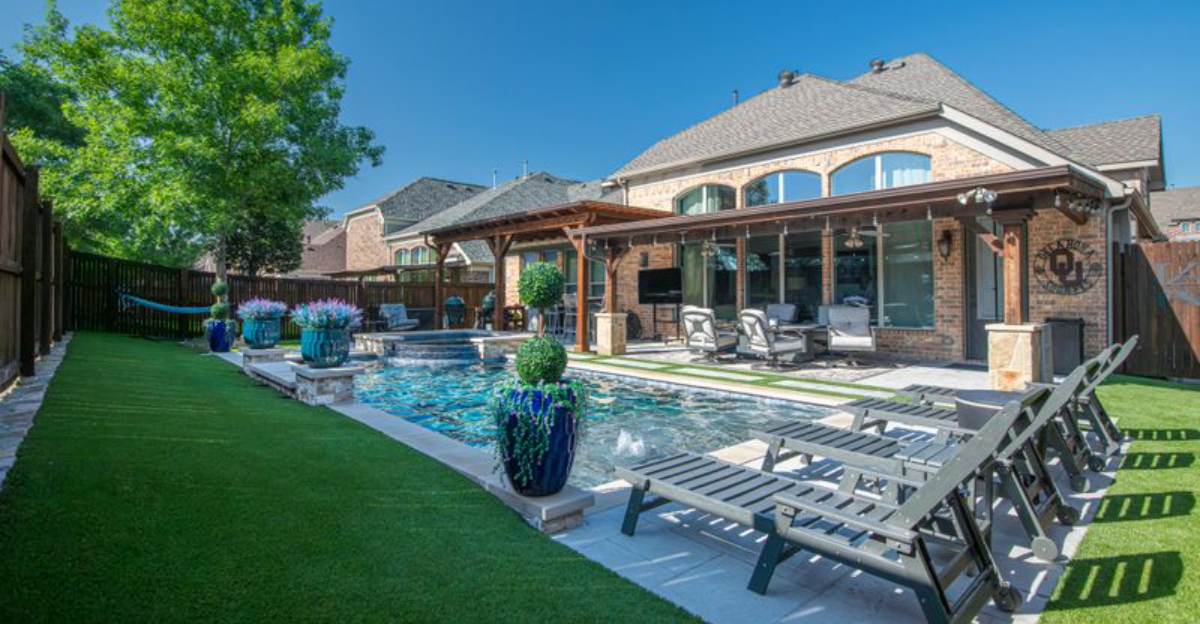
Owning a home in Maryland comes with responsibilities that go beyond mortgage payments and lawn care.
State and local building codes exist to protect homeowners, neighbors, and the environment, but many residents don’t realize their property might have features that violate these rules.
From basement bedrooms without proper escape routes to outdoor landscaping choices that harm the Chesapeake Bay, code violations can lead to fines, safety hazards, and even legal trouble when it’s time to sell.
1. Unpermitted Structural Modifications
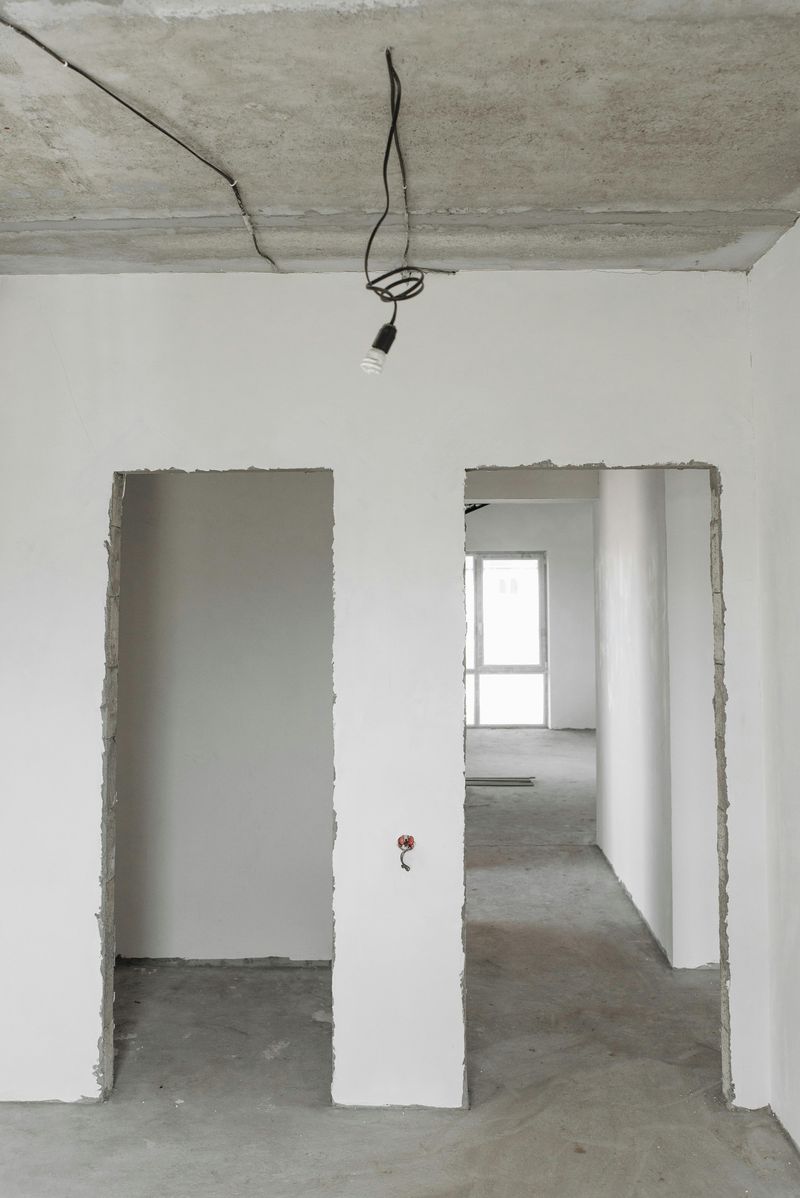
Knocking down a wall to create an open floor plan sounds like a weekend project, but in Maryland, it could land homeowners in serious trouble if done without permits.
Load-bearing walls support the weight of the structure above them, and removing or altering these without professional evaluation and proper permits can compromise the entire building’s integrity.
Local building departments require permits for structural changes to ensure the work meets safety standards and won’t cause the house to shift, crack, or worse.
Adding rooms, converting garages, or expanding living spaces also requires approval before construction begins.
Inspectors need to verify that electrical, plumbing, and HVAC systems can handle the additional load and that the new space meets code requirements for ceiling height, ventilation, and fire safety.
Unpermitted work can haunt homeowners during sales, as title companies and buyers often require proof that all modifications were done legally.
Fixing unpermitted work after the fact typically costs more than doing it right initially, since inspectors may require walls to be opened up for verification.
2. Improper Deck Installations

Backyard decks offer wonderful outdoor living space, but DIY installations often skip critical safety steps that Maryland building codes specifically address.
The connection between the deck and the house is the most common failure point, with many amateur builders neglecting proper ledger board attachment and flashing installation.
Without galvanized or stainless steel fasteners spaced correctly and flashing to direct water away from the house, decks can pull away from the structure or cause extensive water damage to the home’s framing.
Deck posts must extend deep enough below the frost line to prevent heaving during Maryland’s freeze-thaw cycles, and railings need to meet specific height and spacing requirements to prevent falls.
Balusters spaced too far apart pose risks for children, while railings shorter than 36 inches don’t provide adequate protection.
Building inspectors in Maryland counties have seen tragic deck collapses during gatherings, making them particularly vigilant about deck construction.
Homeowners should always obtain permits and schedule inspections at key construction phases rather than risk a dangerous structure.
3. Missing Egress Windows In Basement Bedrooms
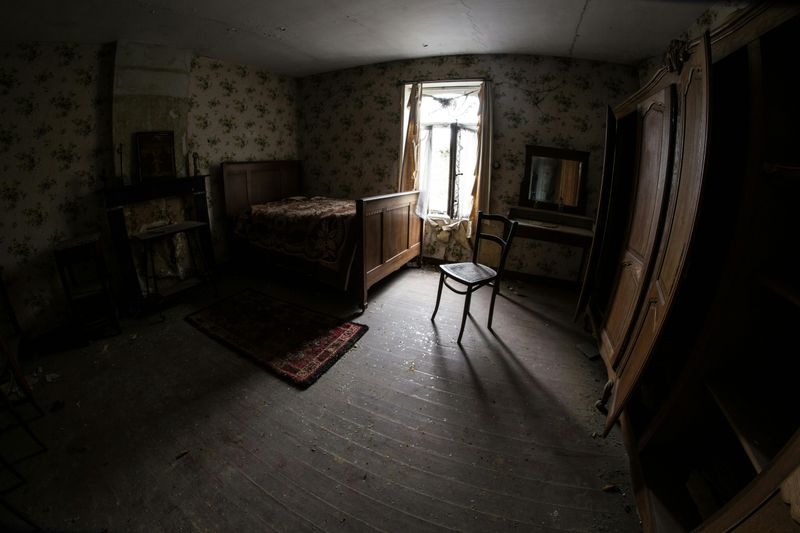
Finishing a basement to add bedroom space seems like a smart way to increase home value, but Maryland building codes have strict requirements about emergency escape routes.
Every bedroom, including those below grade, must have at least one egress window large enough for occupants to climb through during a fire or other emergency.
The window opening must measure at least 5.7 square feet, with a minimum width of 20 inches and height of 24 inches, and the sill can’t sit more than 44 inches above the floor.
Basement bedrooms with only small, high windows that require a ladder to reach don’t meet code and put occupants at serious risk if smoke blocks the interior stairway.
Window wells outside below-grade egress windows must be large enough to accommodate the window’s full opening and may require a permanent ladder if deeper than 44 inches.
Converting a basement room to a bedroom without adding proper egress is one of the most common violations found during home inspections in Maryland.
Sellers often face demands to either install compliant windows or stop marketing the space as a bedroom.
4. Improper Bathroom Venting

Bathroom exhaust fans serve a critical purpose beyond clearing mirror fog—they remove moisture that can destroy a home’s structure over time.
Maryland building codes require bathroom fans to vent directly to the exterior of the home, not into attic spaces, crawl spaces, or soffits.
When warm, moist air from showers and baths gets pumped into an attic, it condenses on cold surfaces, creating ideal conditions for mold growth and wood rot that can compromise roof framing.
Some builders and DIY renovators take shortcuts by terminating vent ducts in the attic, thinking the moisture will dissipate naturally, but Maryland’s humid climate makes this particularly problematic.
Attic moisture also reduces insulation effectiveness, leading to higher energy bills and potential ice dam formation in winter.
Proper installation requires ducting the fan through the roof or an exterior wall with appropriate flashing and a vent cap to prevent rain entry.
Inspectors checking attics during home sales frequently find this violation, which can cost thousands to remediate if moisture damage has occurred to framing or insulation.
5. Excessive Outdoor Lighting

Bright security lights might make homeowners feel safer, but Maryland counties have increasingly adopted dark sky ordinances that limit residential outdoor lighting.
These regulations address light pollution that disrupts wildlife, interferes with astronomical observation, and annoys neighbors trying to sleep.
Many Maryland jurisdictions now restrict the brightness, direction, and hours of operation for outdoor lighting, with particular focus on fixtures that shine upward or sideways rather than downward onto the property.
Decorative lighting that seemed charming when installed can violate codes if it’s too bright or poorly shielded, especially in residential neighborhoods near parks or rural areas.
Counties near the Chesapeake Bay have become especially vigilant about light pollution’s impact on migratory birds and nocturnal wildlife.
Homeowners facing complaints should consider motion-activated fixtures that only illuminate when needed and choose fully shielded fixtures that direct light downward.
Some jurisdictions require specific color temperatures for outdoor lighting to minimize blue light emission, which most affects wildlife and human circadian rhythms.
6. Overgrown Hedges

Privacy hedges offer natural screening between properties, but when they grow too tall or wide, they can create dangerous conditions that violate Maryland’s sight distance regulations.
Hedgerows blocking sightlines at intersections and driveway entrances prevent drivers from seeing oncoming traffic, pedestrians, or children playing.
Code enforcement officers across Maryland counties have become stricter about enforcing height restrictions, particularly at corner lots where visibility is critical for traffic safety.
Many jurisdictions limit hedge heights to 3–4 feet within sight triangles at intersections and require property owners to maintain clear zones that allow drivers adequate viewing distance.
Hedges along sidewalks must be trimmed back to prevent forcing pedestrians into the street to walk around overgrown branches.
Homeowners who let hedges grow unchecked may receive violation notices requiring immediate trimming, and repeated violations can result in fines or the municipality trimming the vegetation and billing the property owner.
Regular maintenance keeps hedges attractive and compliant while maintaining good neighbor relations and community safety standards that protect everyone.
7. Large Garden Sheds

Storage sheds solve clutter problems, but Maryland zoning departments have specific rules about accessory structure sizes that many homeowners don’t realize exist until they receive a violation notice.
Most jurisdictions limit shed size based on lot dimensions and require setbacks from property lines, with structures exceeding certain square footage requiring building permits.
What seems like a reasonable 12×16 storage building might violate zoning rules if the lot is small or if the property already has other accessory structures like detached garages.
Some Maryland counties have begun strictly enforcing rules that count all accessory structures together, meaning a shed, gazebo, and detached garage combined can’t exceed the total allowable coverage.
Setback violations are particularly common, with sheds placed too close to property lines or too near the main house.
Before purchasing or building a shed, homeowners should check local zoning ordinances and obtain necessary permits to avoid costly removal or relocation requirements.
Some areas also have design standards requiring sheds to match the main house’s materials or colors, particularly in planned communities or historic districts with architectural review boards.
8. Excessive Lawn Fertilizer Use

Lush green lawns have long been a suburban ideal, but Maryland’s position on the Chesapeake Bay has led to strict fertilizer regulations that many homeowners overlook.
Nitrogen and phosphorus from lawn fertilizers wash into storm drains during rain, eventually reaching streams and the bay where they fuel algae blooms that deplete oxygen and kill fish and underwater grasses.
Maryland law restricts when fertilizers can be applied, prohibiting application between November 15 and March 1 when plants aren’t actively growing and nutrients are most likely to run off.
Many Maryland jurisdictions also ban phosphorus in lawn fertilizers unless soil tests prove deficiency, and some limit the nitrogen content allowed in residential lawn products.
Homeowners must follow label directions carefully, as over-application violates state law even if done during permitted months.
Professional lawn care companies operating in Maryland must be certified and follow strict application protocols, but homeowners applying their own fertilizer are equally responsible for compliance.
Soil testing through University of Maryland Extension helps determine what nutrients lawns actually need, often revealing that fertilizer isn’t necessary at all.
9. Concrete And Impervious Surfaces
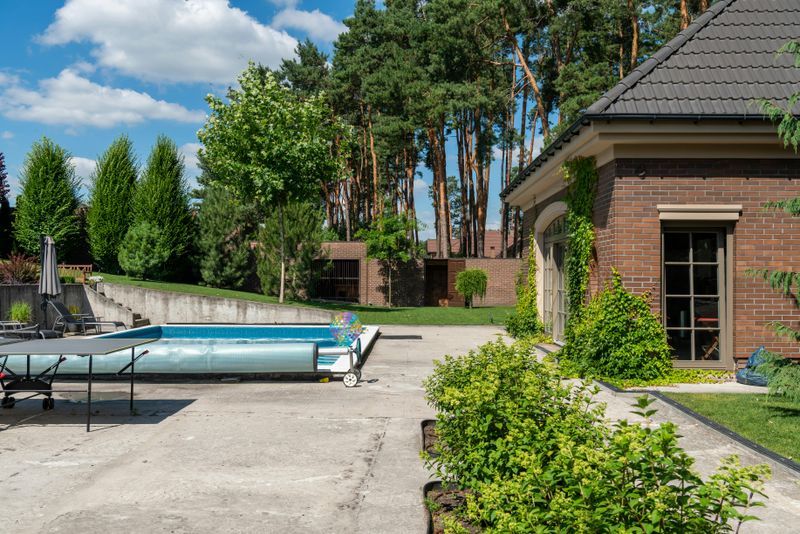
Paved patios, driveways, and walkways make outdoor spaces functional, but covering too much of a yard with impervious materials creates environmental problems that Maryland regulations increasingly address.
When rain can’t soak into the ground naturally, it rushes across pavement picking up oil, chemicals, and debris before flowing into storm systems that discharge directly into local waterways and eventually the Chesapeake Bay.
Maryland’s stormwater management laws limit how much of a residential lot can be covered with impervious surfaces, with percentages varying by jurisdiction.
Properties exceeding impervious coverage limits may face requirements to install rain gardens, permeable pavers, or other stormwater management features to compensate.
Some homeowners expanding driveways or adding large patio areas discover they need expensive permits and mitigation measures they hadn’t anticipated.
Permeable alternatives like porous pavers, gravel, or permeable concrete allow water to filter through while still providing usable surfaces for vehicles and outdoor living.
Before undertaking hardscaping projects, Maryland homeowners should check local impervious coverage limits and consider whether permits or stormwater management plans are required to stay compliant.
10. Artificial Turf Lawns
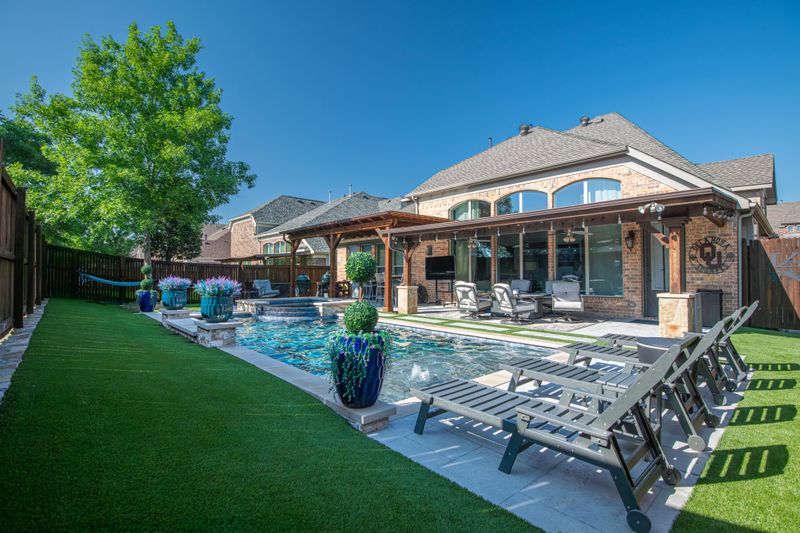
Synthetic grass promises a maintenance-free lawn that stays green year-round, but Maryland’s environmental priorities are putting artificial turf under increasing scrutiny.
The Chesapeake Bay’s health depends on natural landscapes that absorb rainwater and filter pollutants, while artificial turf creates impervious surfaces that increase runoff carrying contaminants directly into waterways.
Maryland has some of the nation’s strictest stormwater management requirements, and artificial turf conflicts with these environmental goals.
Heat islands created by synthetic grass can raise local temperatures significantly, making yards uncomfortable during Maryland’s humid summers and contributing to urban heat problems.
The plastic materials also break down over time, creating microplastic pollution that enters the bay ecosystem.
Several Maryland counties have begun restricting or banning artificial turf installation in residential yards, particularly in watersheds feeding the Chesapeake Bay.
Homeowners considering artificial turf should check local regulations first and consider alternatives like native ground covers or clover lawns that require less maintenance than traditional grass while supporting pollinators and natural water absorption.
11. Gas-Powered Leaf Blowers

Fall leaf cleanup is a Maryland tradition, but the roar of gas-powered leaf blowers has become controversial enough that some communities are moving toward bans.
These devices create significant air pollution, emitting as much hydrocarbon and nitrogen oxide in one hour of operation as driving a car several hundred miles.
The noise levels often exceed 70–75 decibels, disturbing neighbors and wildlife while creating workplace hazards for landscaping professionals who use them daily.
Several Maryland municipalities have already restricted gas-powered blower use to certain hours or days, while others are considering outright bans similar to those adopted in California and other environmentally conscious areas.
The restrictions typically affect both homeowners and professional landscapers, though some allow battery-powered alternatives that produce less noise and zero direct emissions.
Homeowners should check local ordinances before purchasing new equipment or hiring lawn services, as violations can result in fines.
Battery-powered blowers have improved dramatically in recent years, offering comparable power to gas models while meeting emerging restrictions and being kinder to neighbors and the environment.
12. Decorative Water Fountains

Backyard fountains add soothing sounds and visual interest, but Maryland regulations increasingly treat them as potential mosquito breeding sites and water waste concerns.
Standing water in fountain basins provides ideal breeding habitat for mosquitoes, including species that carry West Nile virus and other diseases.
Some Maryland jurisdictions now require permits for decorative water features exceeding certain sizes, with requirements for circulation systems that prevent stagnant water and regular maintenance to control larvae.
Water loss through evaporation can be significant during Maryland’s hot, humid summers, raising concerns about water conservation especially during drought conditions.
Fountains also require regular cleaning and chemical treatment or biological controls to prevent algae and mosquito problems, creating ongoing maintenance obligations some homeowners neglect.
Homeowners with existing fountains should ensure they operate circulating pumps continuously during warm months and consider adding mosquito dunks containing Bt bacteria that kills larvae without harming other wildlife.
New installations may require permits and approval from homeowners associations, particularly for larger features that could affect neighbors or violate community aesthetic standards governing water features.
13. Tall Privacy Fences

Privacy fences define property boundaries and create secluded outdoor spaces, but Maryland jurisdictions have specific height limits and setback requirements that many homeowners discover only after installation.
Most areas restrict front yard fences to 3–4 feet to maintain open sight lines and neighborhood character, while backyard fences typically can’t exceed 6–8 feet depending on local ordinances.
Fences taller than permitted limits require variance applications and often face neighbor opposition during public hearings.
Environmental concerns about wildlife corridors have added another dimension to fence regulations, with some Maryland areas restricting solid fences that block animal movement in favor of designs that allow passage underneath or between boards.
Aesthetic concerns in historic districts or planned communities often impose additional restrictions on fence materials, colors, and styles.
Corner lot fences face especially strict regulations due to sight triangle requirements that prevent blocking driver visibility at intersections.
Before installing fencing, homeowners should obtain permits, verify height limits and setback requirements, and check whether homeowners association approval is needed to avoid expensive removal or modification requirements.
14. Xeriscaping Gone Wrong

Planting cactuses and succulents works beautifully in arid climates, but Maryland’s humid environment with 40+ inches of annual rainfall makes drought-tolerant landscaping tricky to execute properly.
Rock gardens and gravel landscapes designed for water conservation can create heat islands that make yards uncomfortably hot while actually increasing runoff compared to planted areas.
Maryland’s frequent heavy rains can wash lightweight mulches and gravel into storm drains, creating maintenance headaches and potential drainage violations.
Poorly designed xeriscaping that replaces water-absorbing vegetation with rocks and minimal plantings conflicts with Maryland’s stormwater management goals and can violate regulations requiring natural infiltration.
Some homeowners attempting low-maintenance landscapes inadvertently create impervious or semi-impervious surfaces that require permits or mitigation measures.
Successful low-maintenance landscaping in Maryland should focus on native plants adapted to local rainfall patterns rather than importing desert-style designs inappropriate for the climate.
Rain gardens with native perennials, groundcovers instead of grass, and strategically placed trees offer easier maintenance than traditional lawns while supporting Maryland’s environmental goals and staying compliant with local regulations governing stormwater and vegetation coverage.