Make Every Trip Count With These 11 Eco-Conscious Travel Destinations To Explore In 2026 In California And Beyond
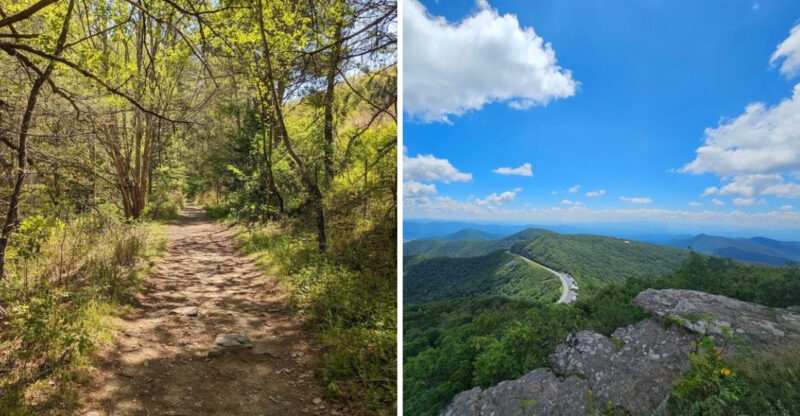
As we look ahead to 2026, it’s becoming more and more glaring that this is the perfect time to explore destinations that prioritize eco-conscious practices.
From hiking through lush forests to exploring charming, green cities, choosing greener means of travel now means ensuring that future generations will get to see these same spots, preferably intact!
The destinations that I have been handpicked for this guide have been recognized for their commitment to sustainability and their ability to connect you with nature.
You’ll find everything from off-the-grid sites to whole towns focused on going green while enhancing your travel experience.
So, whether you’re an outdoor enthusiast, cultural explorer, or simply looking for a relaxing escape, these spots are perfect for your next eco-friendly adventure!
1. Boulder, Colorado
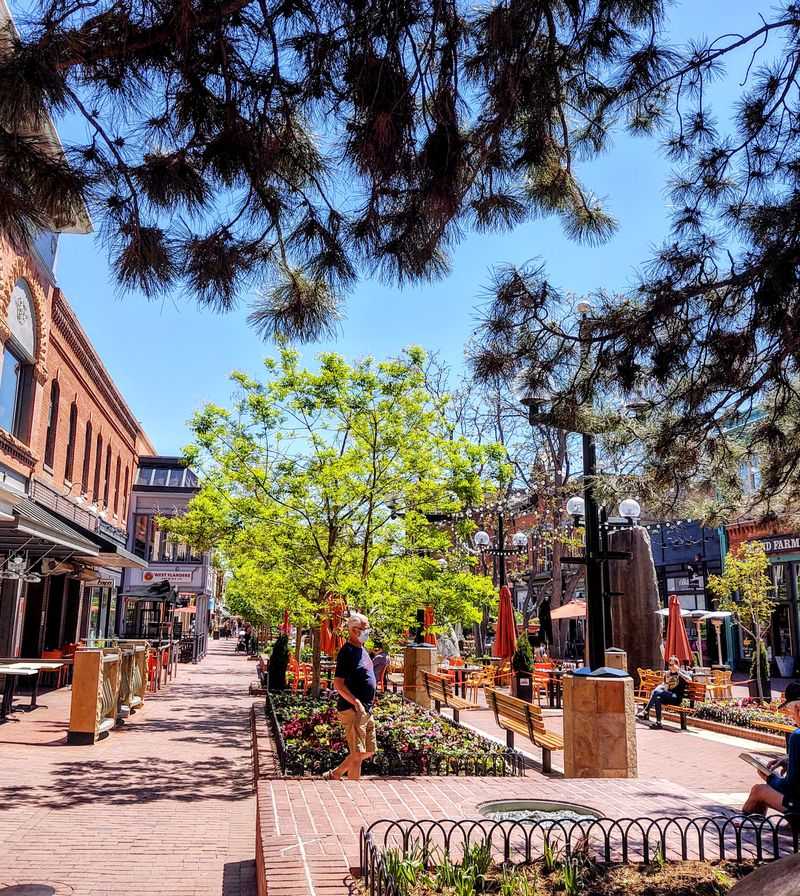
Boulder invites you to slow down and breathe in the foothills air while getting around on two wheels and your own two feet.
This is a city built for biking and green buses, with walkable neighborhoods that make light car trips easy.
You could start by renting a bike for the Boulder Creek Path, then dip into local shops that champion repair, refill, and reuse so your souvenirs do not come wrapped in waste.
Farmers markets and restaurants proudly highlight Colorado produce, and many kitchens run on composting programs that keep scraps out of landfills.
There are plenty of energy-mindful hotels using water saving fixtures and on-site solar!
Alternatively, you can choose a locally owned inn that supports trail maintenance funds.
With a strict focus on sustainability, the city has committed to going green with LED lit streets, efficient transit, and community gardens stitched through residential blocks.
Outdoors, open space trails are carefully managed to protect wildlife corridors, and signage nudges hikers to pack it in, pack it out.
Between the foothills and downtown, public art and pocket parks give you shaded rest stops without needing rideshares.
2. Asheville, North Carolina

Asheville wraps the Blue Ridge in a creative, green minded spirit that makes slowing down feel effortless.
Most importantly, it treats conservation like hospitality, and hospitality like a welcome home.
The city is tucked among forested ridge lines with river access that keeps paddling and pedaling at the center of your days.
Start your morning at a farmers market where growers sell seasonal produce and baked goods in reusable containers, then stroll to cafes favoring local grains and zero waste prep.
Eco lodges here use reclaimed wood, efficient heat pumps, and refill stations that eliminate single use plastics without sacrificing comfort.
The city network supports bike lanes, bus routes, and greenways following the French Broad.
This way, you can explore galleries and gardens while keeping emissions low.
Outfitters run guided hikes and calm water kayaking with Leave No Trace principles, helping you spot salamanders, rhododendron, and quiet coves without disturbing them.
Community initiatives fund river cleanups and tree plantings, and you will see native landscaping used to reduce irrigation needs.
Restaurant menus here celebrate Appalachian ingredients and heritage crops that protect biodiversity and shorten supply chains.
By night, you can go for venues that power efficient lighting and acoustic friendly spaces.
3. Portland, Oregon

Portland gives you options that make low impact choices the obvious ones.
Here, MAX light rail, streetcar lines, and dense bike networks tie neighborhoods together so you can skip the car without missing a beat.
Start with a transit pass and hop between food carts serving seasonal menus, then browse refill shops and repair cafes that keep gear in rotation.
Green roofs and bioswales guide rain back into the ground, while parks offer quiet corners beneath Douglas for a short ride from downtown.
Many hotels focus on renewable energy and linen reuse by default, while numerous kitchens compost, recycle, and source from nearby farms.
I suggest spending an afternoon at community gardens and riverside trails where salmon habitat restoration pairs with public access!
A number of cafes and bakeries embrace energy efficient processes and water savings, and plenty of spots pour house made sodas!
With clear signage, courteous bike culture, and an emphasis on inclusive public spaces, Portland truly shows how sustainability can be convenient, flavorful, and fun.
4. Hawaiʻi Volcanoes National Park

Hawai’i Volcanoes National Park invites careful footsteps across living geology where culture and conservation guide every route.
The place serves as a gateway to trails, lava fields, and native bird habitats managed to protect fragile ecosystems.
Ask visitor center staff and they’ll be happy to explain why staying on marked paths matters!
Tours here prioritize small groups and interpretation of volcanic processes, turning sightseeing into science that deepens guardianship.
Lodgings in the area are increasingly adopting energy efficiency, native landscaping, and dark sky friendly lighting that respects nocturnal wildlife!
At the park, you can choose hikes that connect rainforest to crater rims and watch how microclimates shift while you tread lightly.
But, take note!
By following guidance on closures, staying on boardwalks, and listening to the land, you help sustain a World Heritage landscape built on resilience, renewal, and reverence.
5. Moab, Utah

Moab teaches desert etiquette with scenery so grand you will gladly follow every Leave No Trace rule.
The city is a base for Arches and Canyonlands where land managers and outfitters coordinate to protect cryptobiotic soil and limit overcrowding.
Trails and roads in Moab are clearly marked, and early starts avoid midday heat while protecting both you and the landscape.
Bring refillable water jugs, and use shuttle services to trail-heads so parking pressure stays low.
Be careful to stay on rock, avoid the fragile crust, and pack all your trash.
Many lodgings here adopt water-wise fixtures, xeriscapes, and solar arrays that match the abundant sunshine.
Gear shops, on the other hand, offer rentals and repairs to keep equipment in use.
After sunset, dark sky initiatives dim unnecessary lighting so constellations blaze over sandstone fins.
With community support for stewardship projects and visitor education, Moab proves that desert travel can be thrilling, ethical, and refreshingly minimal.
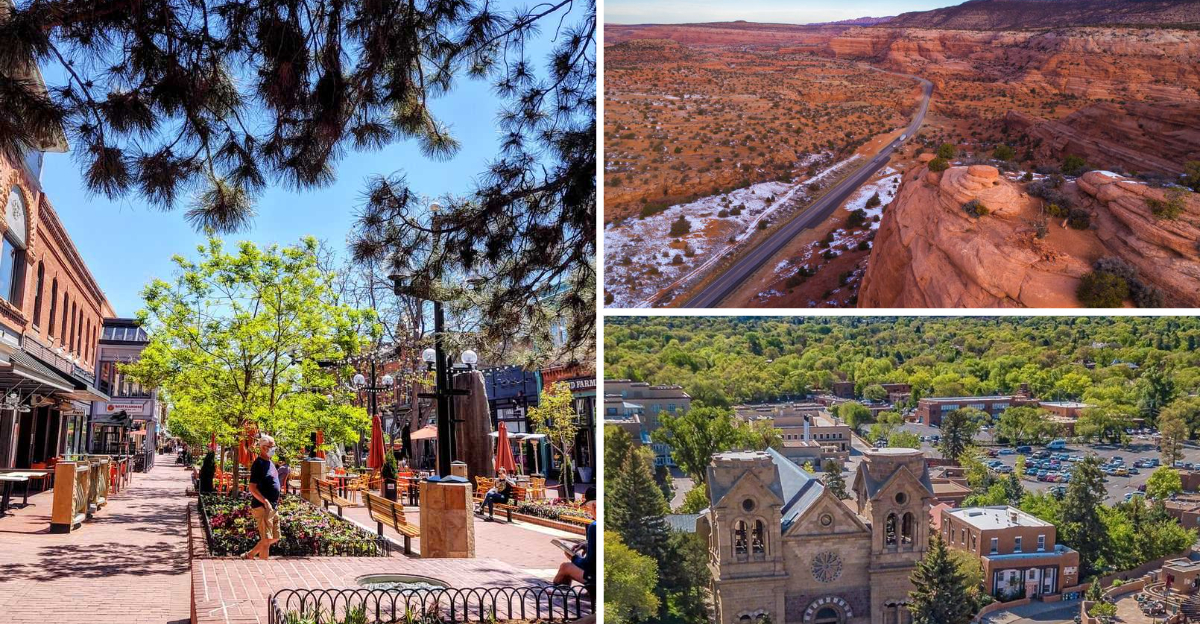
6. Santa Fe, New Mexico

Santa Fe blends artful adobe with forward looking sustainability that suits its high desert setting.
This is a city where a set of galleries, markets, and museums sit near neighborhoods using water wise landscaping and community solar.
You will also discover eco minded hotels employing energy management systems, refill stations, and linen reuse that actually feels seamless!
Menus celebrate chiles, blue corn, and regional beans, shortening supply chains while preserving culinary heritage.
The city invests in renewable energy, efficient transit connectors, and trail systems that thread arroyos with quiet walking routes.
Markets showcase local crafts made from responsibly sourced materials, turning gifts into keepsakes that support working artists.
Dry climate tips are posted widely, reminding visitors to conserve water, stick to marked paths, and respect wildlife corridors at dawn and dusk.
With clean air vistas and stargazing made better by smart lighting, evenings invite slow strolls and soft conversation.
Overall, Santa Fe proves sustainability can be elegant and time-honored, and that every choice can support culture, conservation, and comfort together!
7. Bar Harbor, Maine
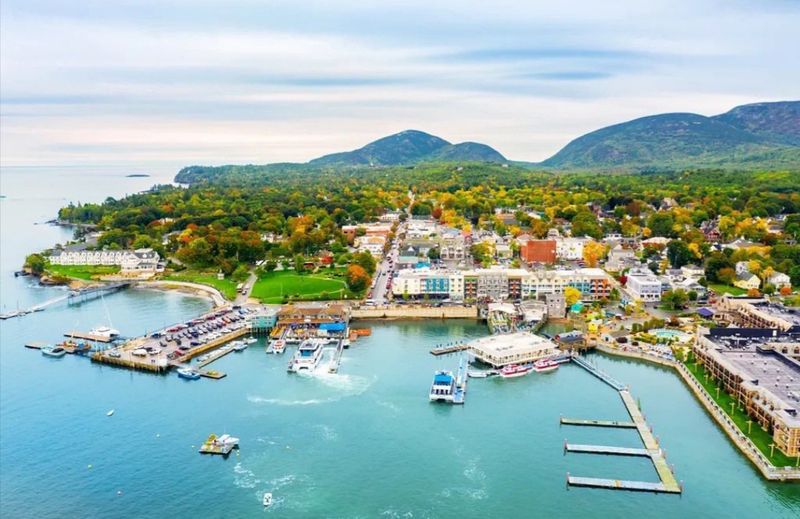
The Maine Coast gives you tide to table days wrapped in salt air and granite views.
Bar Harbor, Maine, for example is a lovely little gateway to Acadia National Park where carriage roads invite car free exploration under spruce and birch.
Start with a bike rental and glide past stone bridges, then step onto shoreline trails where signage reminds you to keep a respectful distance from nesting seabirds.
Park shuttles ease congestion, and water refill taps are common in town, making it simple to travel light.
Outfitters offer small group wildlife tours prioritizing slow speeds and protecting seals and porpoises while still delivering unforgettable sightings.
Shops carry regional crafts and woolens, steering clear of plastic trinkets that end up in landfills.
With conservation groups maintaining trails and educating visitors, every dollar spent here can flow toward healthier coasts and a thriving maritime culture.
8. Madison, Wisconsin

Madison sets a breezy pace where bikes outnumber car trips on sunny weekends and lake views frame every errand.
This is an isthmus city linking Lake Mendota and Lake Monona with trails, buses, and a beloved downtown market.
Here, you can grab a bike share and circle shoreline paths before browsing stalls full of organic produce, honey, and fresh flowers in reusable bags.
Parks and beaches are managed for water quality, and you will see bottle refill stations plus clear guidance on keeping lakes clean.
Many hotels integrate energy efficient systems and partner with local farms for breakfast spreads that taste like summer.
Community composting and recycling are widely adopted, reducing landfill waste without fuss.
Seasonal festivals prioritize transit and bike parking, and wayfinding signs keep navigation simple for first timers.
Paddleboards and kayaks are easy to rent, encouraging muscle powered fun that leaves the air clearer by sunset.
With green spaces stitched through neighborhoods, Madison turns sustainability into a daily rhythm that guests can join from the moment they arrive.
9. Napa, California
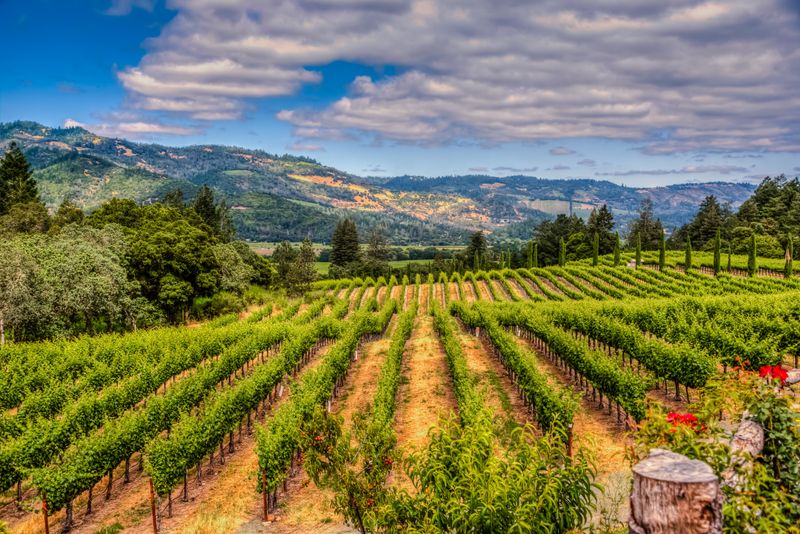
Napa Valley demonstrates how agriculture can honor the land while delivering unforgettable flavors and views.
The city of Napa is one of the places in the country where vineyards increasingly adopt organic practices, cover crops, and water smart irrigation to safeguard soils and streams.
You can tour estates that run solar arrays, mulch prunings, and prioritize habitat for owls and beneficial insects, reducing reliance on chemicals.
Many properties offer electric vehicle charging and shuttle services, cutting emissions between tastings and gardens.
Kitchens focus on local, seasonal produce, showcasing olive oils, orchard fruit, and vegetables from chef tended plots.
Trails and bike routes connect towns, encouraging picnics that skip disposables in favor of reusable kits.
Workshops on soil health and regenerative farming turn a scenic afternoon into a hands-on lesson in resilience.
By supporting growers who steward water and biodiversity, your visit helps ensure Napa remains a living landscape where good practices are part of the terroir.
10. Lake Tahoe, California/Nevada
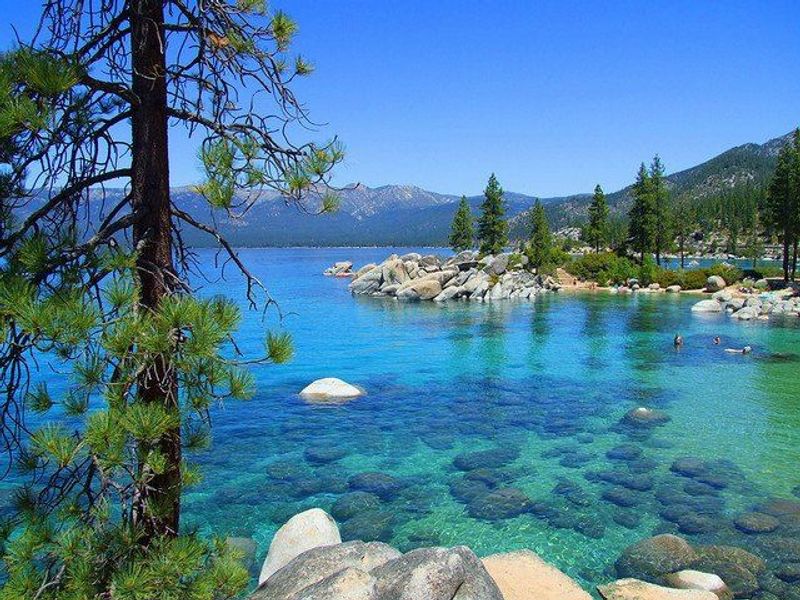
Lake Tahoe rewards thoughtful travelers with water so clear it feels like glass beneath the paddle.
The lake spans California and Nevada, featuring an array of restoration projects, invasive species checks, and transit programs all work to protect the basin.
Park once and use bike paths, water taxi options, and free shuttles that reduce traffic and shoreline dust.
Resorts here have been increasingly adopting clean energy, efficient snowmaking, and stormwater controls that keep runoff out of the lake.
In winter, ride lifts powered by greener grids and bundle up for car free après at fireplace lounges with house made hot cocoa.
Summer brings kayak coves, wildflower meadows, and sunrise hikes where quiet etiquette safeguards wildlife.
Tahoe shows that big beauty demands small daily choices, and those choices add up to a clearer, calmer shoreline.
11. Burlington, Vermont

Burlington pairs lake breezes with a deep commitment to local power and local produce.
In Burlington, the Island Line Trail hugs Lake Champlain and connects parks, beaches, and neighborhoods by bike.
Start your day on the waterfront path, then wander to farmers markets piled with apples, cheeses, and maple sweetened treats packaged with reusable or compostable materials.
Many businesses run on renewable energy and focus on waste reduction through bulk refills and durable goods.
Cafes and eateries highlight regional grains and vegetables, shrinking food miles while celebrating the state’s agricultural roots.
A number of hotels offer bike storage, water refill stations, and efficient heating that keeps rooms cozy without waste!
Public art and car free blocks make strolling delightful, and transit options help you skip parking stress.
In Burlington, sustainability feels like neighborly common sense.
You will leave with fresh ideas you can put to work back home.