Rug Styles You’ll See In Cozy Pennsylvania Living Rooms
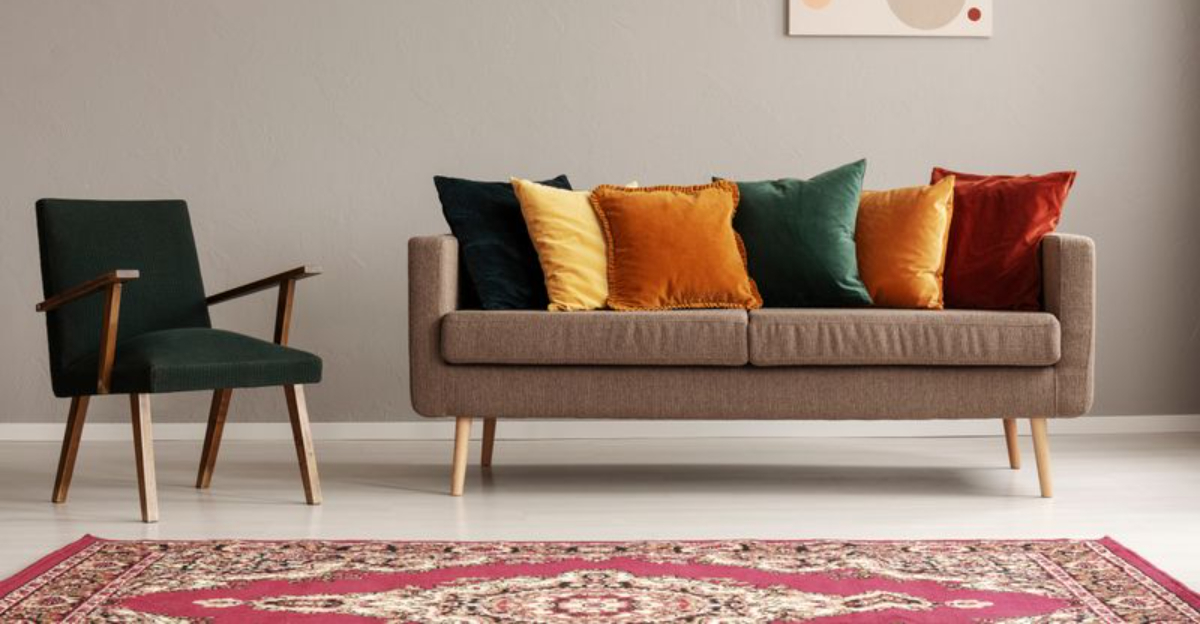
Pennsylvania homes carry a special warmth that comes from mixing history with everyday comfort.
Living rooms across the state often showcase rugs that balance traditional craftsmanship with modern living needs.
From farmhouse charm in Lancaster County to urban lofts in Philadelphia, the right rug can transform a space into a welcoming retreat where families gather and memories take root.
Persian Rugs
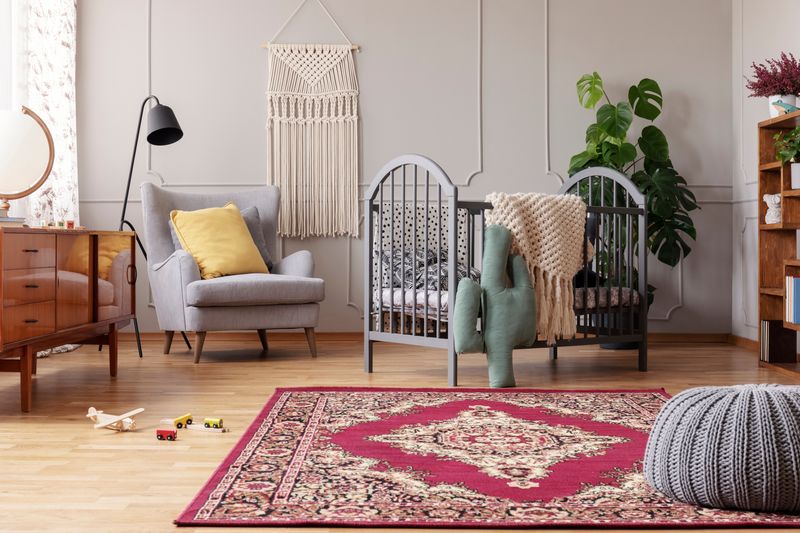
Hand-knotted Persian rugs bring centuries of artistry into Pennsylvania homes, where their detailed patterns create instant focal points.
Tabriz, Kashan, and Heriz varieties feature symmetrical designs and jewel-toned colors that complement both colonial-era architecture and contemporary spaces.
The dense weave and natural dyes in authentic Persian pieces mean they develop character over decades rather than showing wear.
Homeowners often pair these statement rugs with simpler furniture to let the intricate motifs shine without overwhelming the room.
Cleaning requires professional care every few years, but regular vacuuming keeps daily dirt at bay.
Many Pennsylvania families pass these heirlooms down through generations, adding stories and sentimental value to their already considerable beauty.
Moroccan Berber Rugs
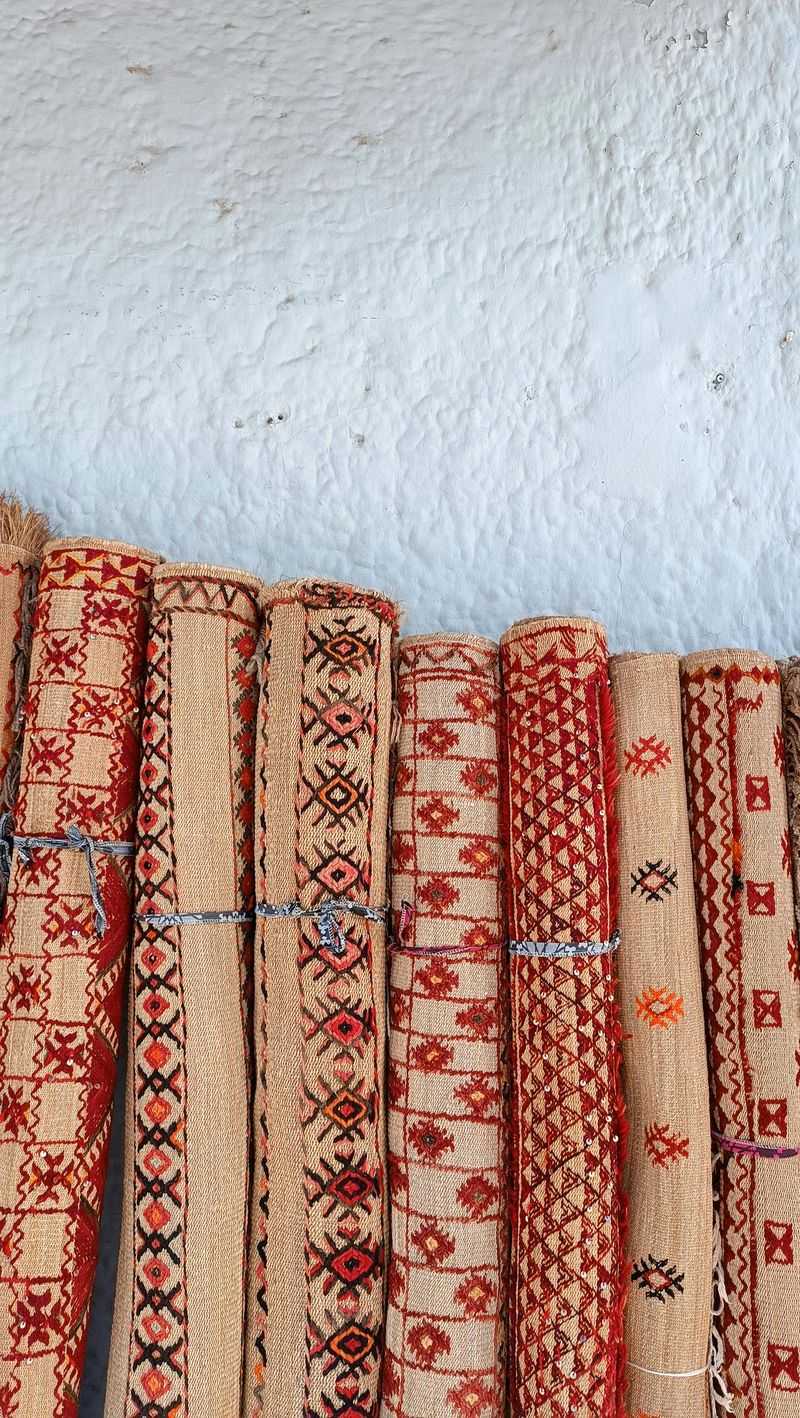
Berber rugs from Morocco have found a devoted following in Pennsylvania homes that value texture and cultural heritage.
The thick, plush pile feels wonderful underfoot during cold winter months, while geometric patterns in black and cream add visual interest without clashing with existing décor.
These rugs work equally well in rustic farmhouses and minimalist city apartments thanks to their versatile neutral palette.
Authentic Berber pieces are handwoven by artisan communities using techniques passed down through generations, making each rug subtly unique.
The natural wool fibers resist stains better than synthetic alternatives and regulate temperature year-round.
Placement under coffee tables or in reading nooks creates defined zones within open-concept spaces while maintaining a cohesive flow.
Braided Wool Rugs
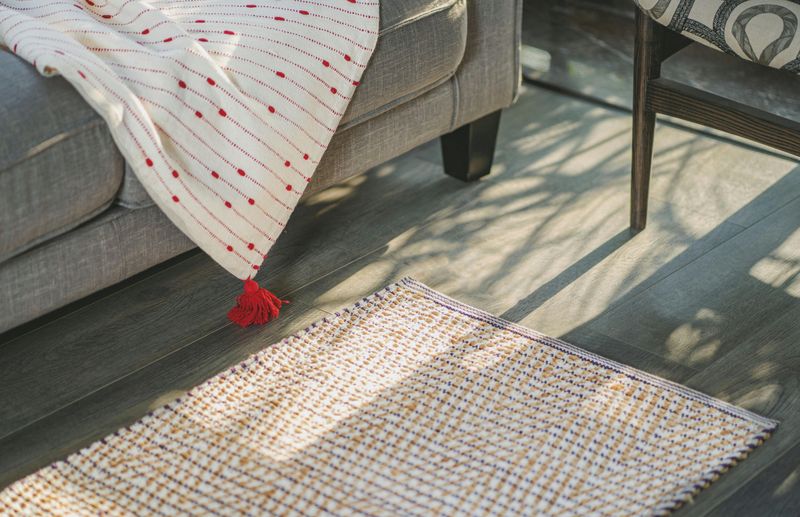
Braided wool rugs carry a distinctly American heritage that resonates with Pennsylvania’s colonial past.
The construction method – strips of wool fabric braided together and coiled into oval or round shapes – creates durable floor coverings that withstand heavy foot traffic.
Earth tones like burgundy, navy, and forest green blend seamlessly with wood furniture and exposed beams common in older Pennsylvania homes.
These rugs feel especially at home in farmhouse kitchens, mudrooms, and casual living spaces where practicality matters as much as appearance.
The reversible nature means you can flip them to extend their lifespan, and most can handle gentle machine washing when needed.
Local craft fairs sometimes feature artisans who still create these rugs by hand, offering custom color combinations.
Turkish Oushak Rugs
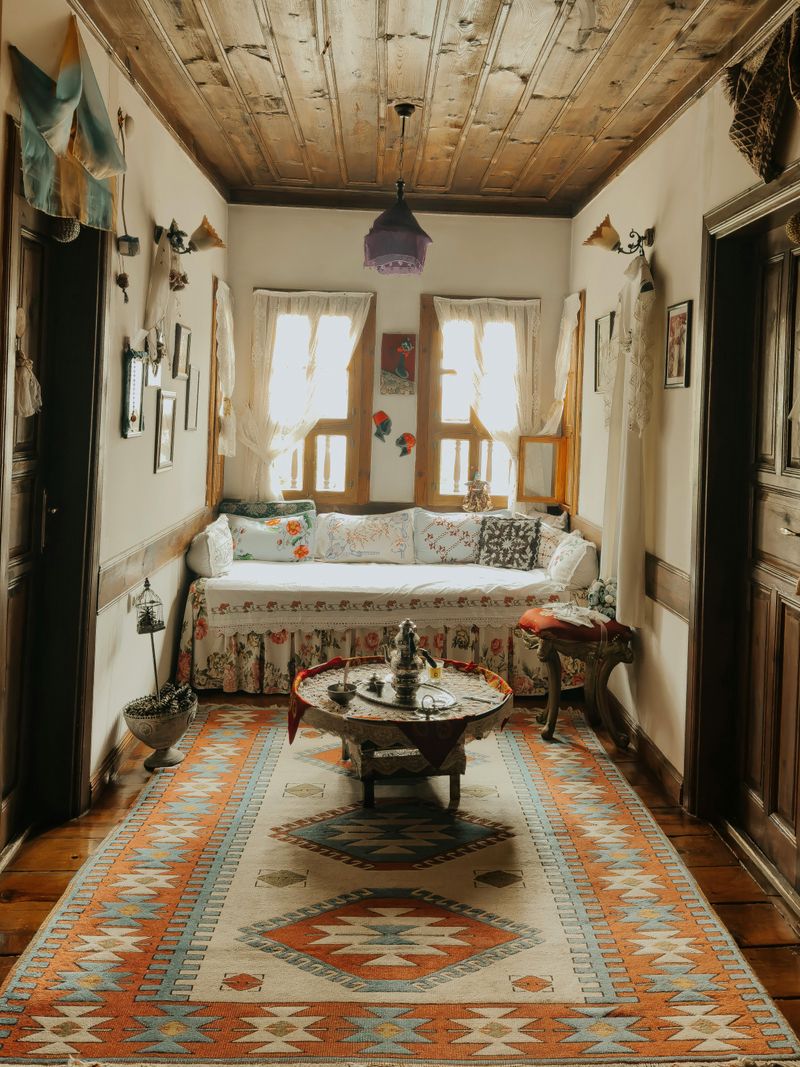
Oushak rugs from Turkey date back to the 15th century but feel surprisingly current in today’s Pennsylvania interiors.
Their muted color palettes – think soft corals, faded blues, and warm taupes – provide sophistication without the boldness of traditional Persian designs.
The low-pile construction and larger-scale patterns make rooms feel more spacious, which helps in Pennsylvania’s often compact historic homes.
These rugs bridge the gap between formal and casual, working beautifully in dining rooms where families eat weeknight dinners and host holiday gatherings.
The wool tends to be softer and more pliable than other vintage styles, which makes furniture placement easier and reduces buckling.
Antique Oushaks command high prices, but quality reproductions offer similar aesthetics at accessible price points for everyday living.
Plaid And Tartan Rugs
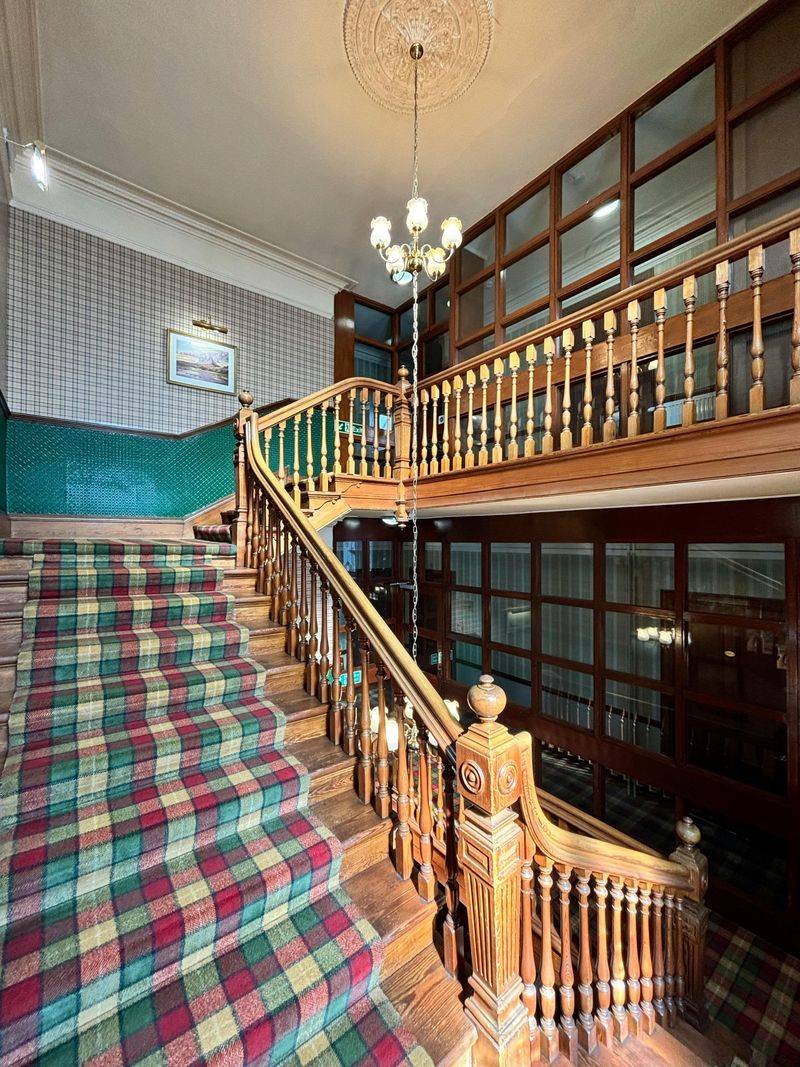
Plaid patterns evoke cabin retreats and mountain lodges, making them natural choices for Pennsylvania homes near the Poconos or Laurel Highlands.
The crisscross lines in reds, greens, and browns coordinate effortlessly with plaid throw blankets and buffalo-check pillows for a layered, cozy effect.
These rugs work particularly well in family rooms and basement rec spaces where comfort trumps formality.
Synthetic blends resist staining from spills and muddy boots, which matters in households with active kids and pets.
The pattern hides minor wear and dirt better than solid colors, keeping spaces looking fresh between deep cleanings.
Pairing tartan rugs with leather furniture and wood accents creates a classic lodge aesthetic that feels timeless rather than trendy.
Jute And Natural Fiber Rugs
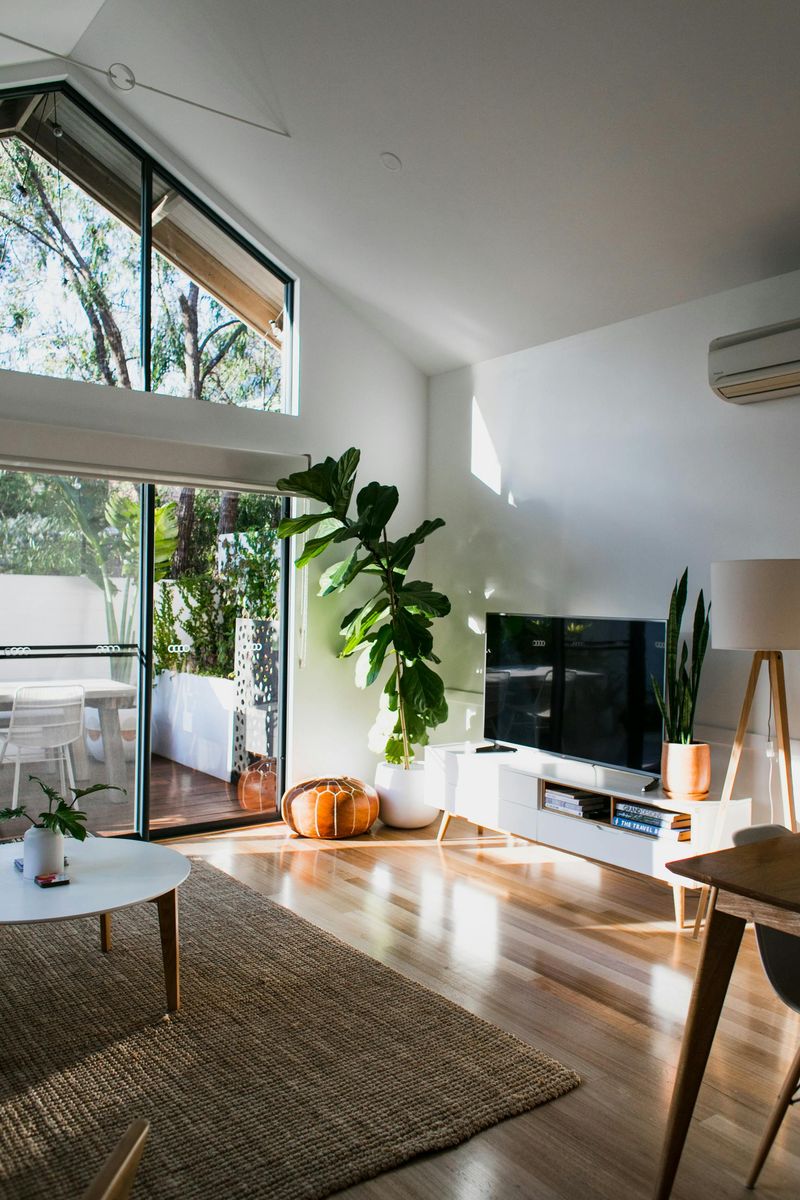
Jute rugs bring an organic, earthy quality to Pennsylvania living rooms that lean toward coastal or Scandinavian-inspired design.
The neutral tan color and chunky weave texture add warmth without competing with colorful furniture or artwork.
These eco-friendly options appeal to environmentally conscious homeowners since jute is biodegradable and sustainably harvested.
The flat weave makes them ideal for layering under smaller decorative rugs, creating depth and visual interest.
Jute works best in low-moisture areas since it can absorb water and develop mildew, so avoid placing it near entryways during slushy Pennsylvania winters.
Regular vacuuming keeps the fibers looking fresh, though spot-cleaning requires care to prevent water damage and discoloration over time.
Vintage Kilim Rugs
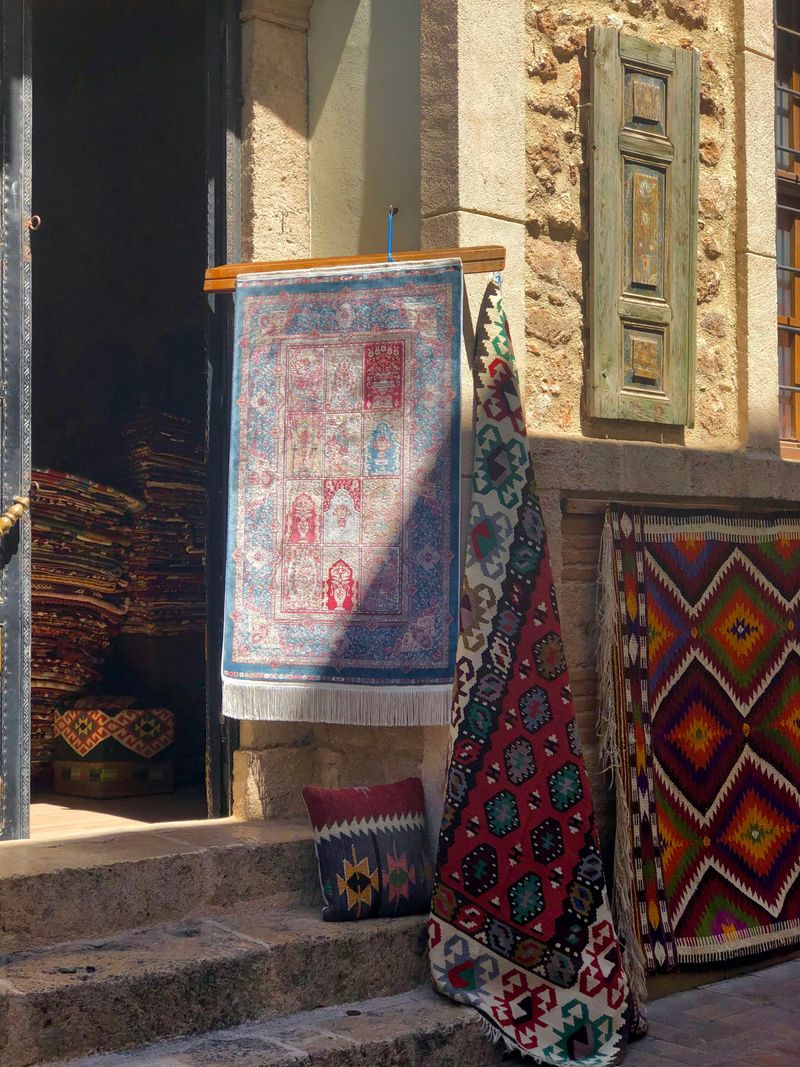
Flatwoven kilim rugs from Turkey, Iran, and Central Asia add global flair to Pennsylvania homes with eclectic or bohemian sensibilities.
The thin profile means they fit easily under doors and furniture, solving practical problems in older homes with uneven thresholds.
Vibrant geometric patterns in reds, oranges, and indigos inject energy into neutral spaces without requiring major décor overhauls.
Unlike pile rugs, kilims show less wear from foot traffic since there are no fibers to crush or mat down.
Many vintage pieces feature vegetable dyes that have softened beautifully over decades, creating one-of-a-kind color variations.
These rugs feel at home in creative spaces like home studios, reading nooks, and sunrooms where personality and individuality take center stage.
Shag Rugs
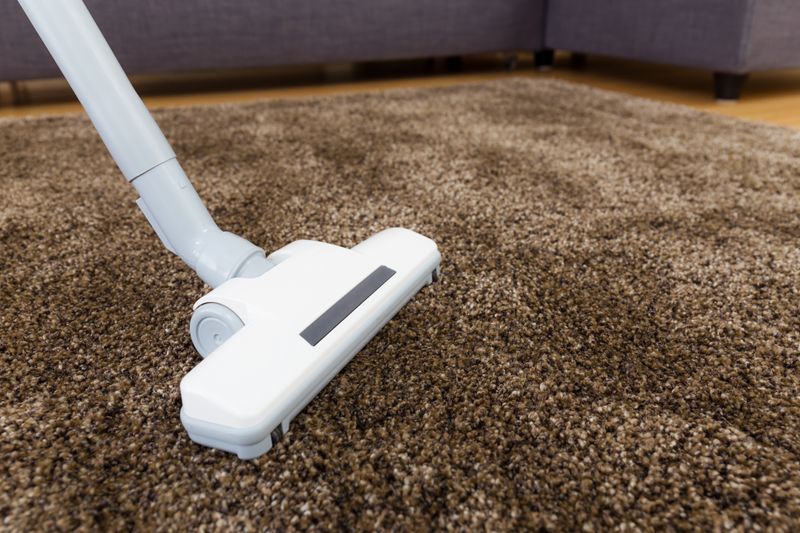
These rugs experienced a major comeback after decades of being dismissed as outdated, and Pennsylvania homeowners have embraced the trend wholeheartedly.
The deep pile provides unmatched softness underfoot, turning any living room into a barefoot-friendly zone during cold months.
Modern versions come in neutral tones like cream, gray, and taupe that feel sophisticated rather than retro.
These rugs work especially well in minimalist spaces where the texture adds warmth without introducing busy patterns.
Maintenance requires more effort than flatweaves – regular shaking and occasional deep cleaning prevent dirt from settling deep in the fibers.
Placement in low-traffic areas like conversation zones or under coffee tables helps preserve the lush appearance longer than high-traffic hallways would allow.
Dhurrie Rugs
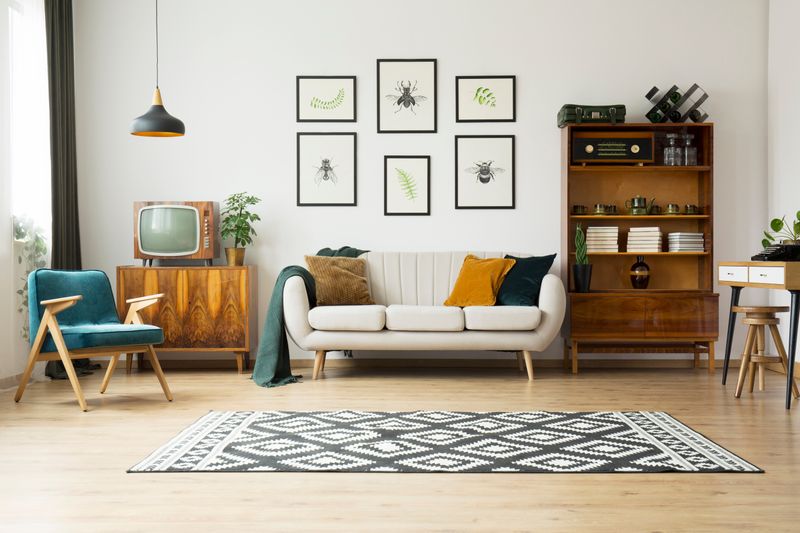
Cotton dhurrie rugs from India offer lightweight, affordable options for Pennsylvania renters and budget-conscious decorators.
The flatweave construction and reversible design mean you can flip them when one side shows wear, effectively doubling their lifespan.
Stripes, chevrons, and geometric patterns in soft pastels or bold primaries adapt to various decorating styles from traditional to contemporary.
These rugs are machine-washable in most cases, making them practical choices for homes with young children or messy pets.
The thin profile works well for layering over larger neutral rugs to add seasonal color changes without major investment.
During humid Pennsylvania summers, dhurries feel cooler underfoot than thick wool rugs, providing comfort without sacrificing style or floor protection.
Cowhide Rugs
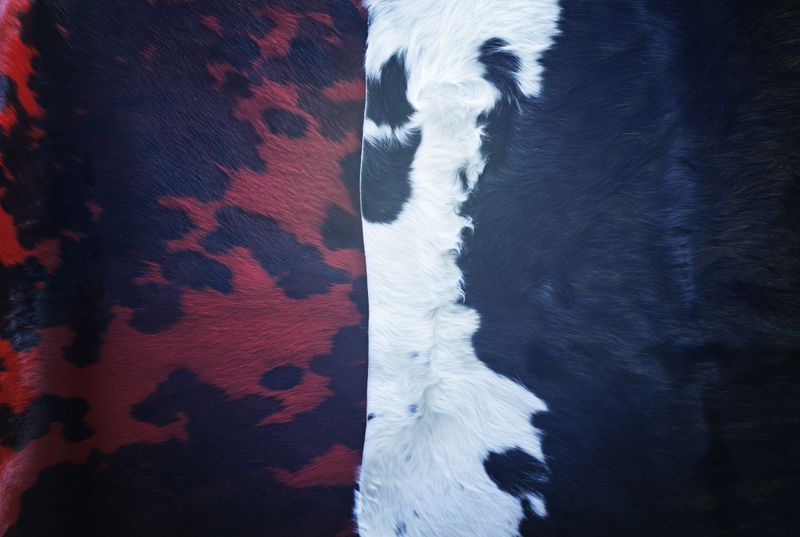
Cowhide rugs bring a touch of ranch style to Pennsylvania living rooms, especially those embracing rustic or Western-inspired design.
Each hide features unique natural patterns, ensuring no two rugs look identical – a quality that appeals to homeowners seeking distinctive décor.
The durable leather surface resists stains and spills better than fabric rugs, requiring only occasional shaking and spot-cleaning.
Cowhides work well in small doses as accent pieces rather than wall-to-wall coverage, adding texture without overwhelming the space.
The irregular organic shape contrasts nicely with angular furniture and straight architectural lines common in Pennsylvania row homes and modern builds.
Some people appreciate the natural origin, while others prefer faux alternatives that mimic the look without using animal products.
Sisal Rugs
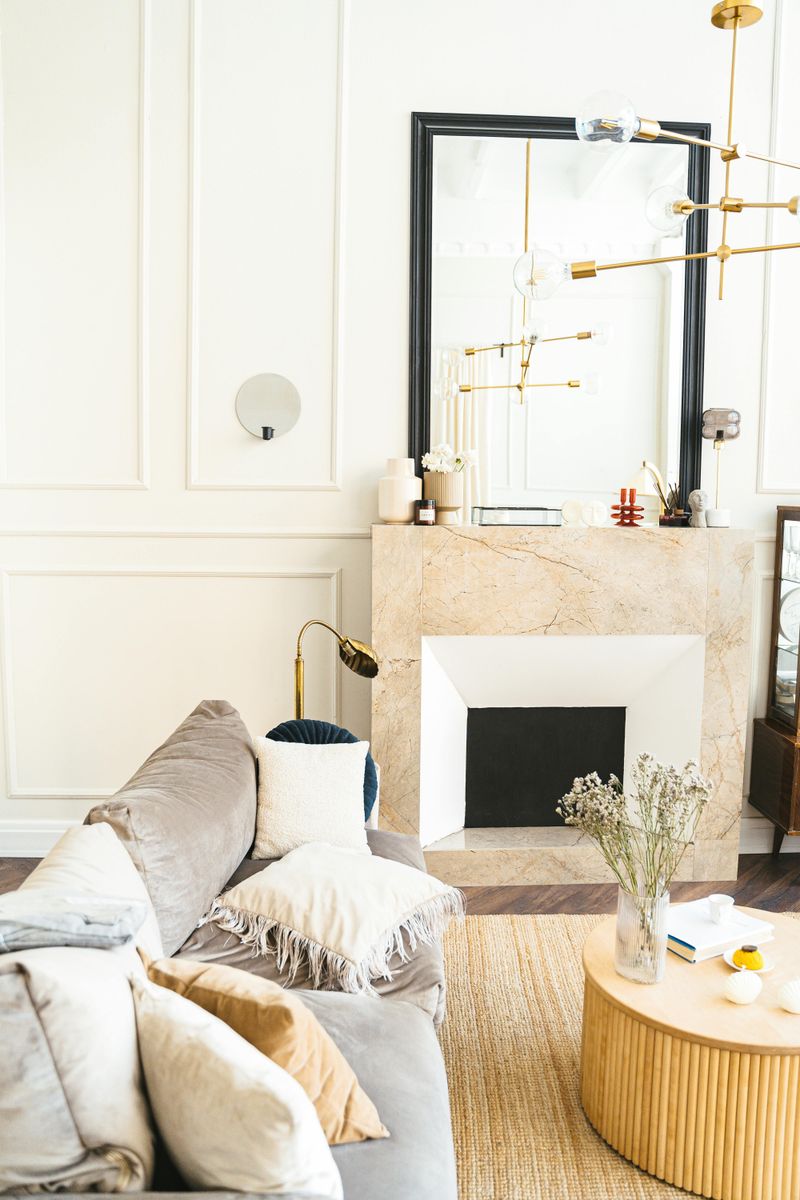
Sisal rugs appeal to Pennsylvania homeowners who want durable, low-maintenance floor coverings that maintain a polished appearance.
The tight weave from agave plant fibers creates a smooth surface that feels slightly coarse but not uncomfortable underfoot.
Natural beige and tan tones provide a neutral foundation that allows furniture and artwork to remain the visual focus.
These rugs excel in high-traffic areas like family rooms and hallways where softer materials would quickly show wear.
The moisture-resistant properties make sisal more forgiving than jute, though prolonged wetness should still be avoided.
Binding the edges with cotton or leather tape adds a finished custom look and prevents fraying, extending the rug’s functional life considerably.
Hooked Rugs
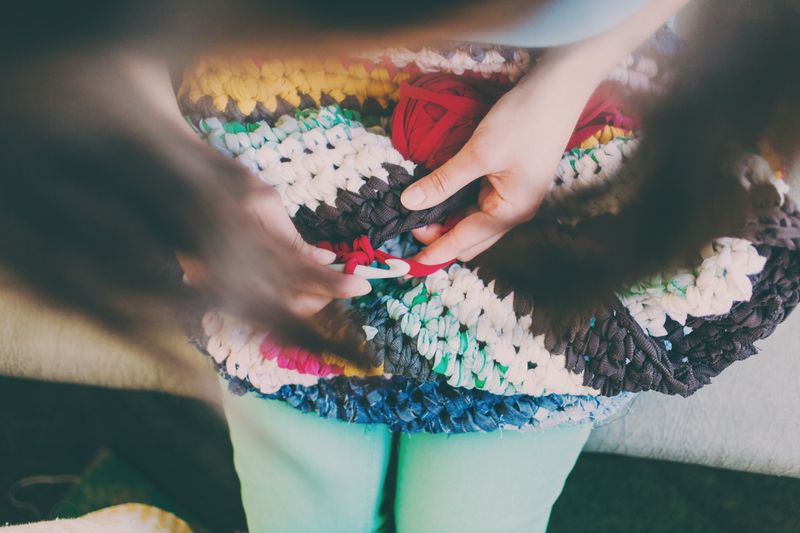
Hand-hooked rugs carry strong American folk art traditions that align beautifully with Pennsylvania’s rich craft heritage.
The technique involves pulling wool strips through a woven foundation to create textured designs ranging from simple geometrics to elaborate pictorial scenes.
Vintage examples often feature charming motifs like farmyard animals, flowers, and houses that add whimsy to country-style interiors.
Contemporary fiber artists continue the tradition, offering custom designs that incorporate family pets, local landmarks, or meaningful symbols.
The thick construction provides cushioning and warmth, making them ideal for bedside placement or in front of fireplace hearths.
Pennsylvania craft shows and historical societies sometimes showcase antique hooked rugs, offering inspiration and occasionally pieces available for purchase from collectors.
Faux Fur Rugs
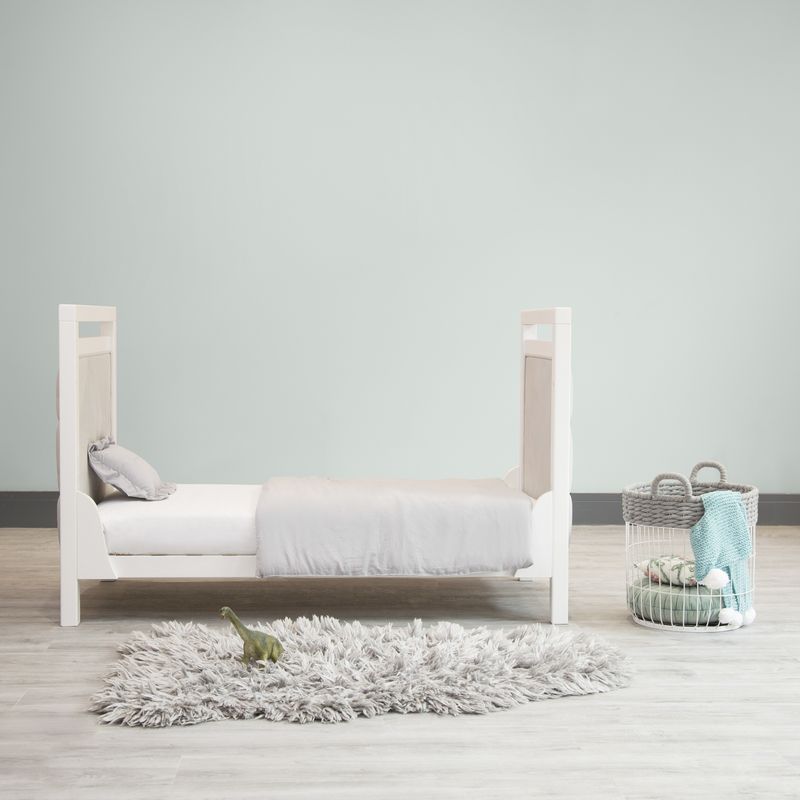
These deliver luxury and warmth without the ethical concerns or high price tags of genuine pelts.
The ultra-soft texture invites barefoot lounging during Pennsylvania’s long winters when indoor comfort becomes a priority.
White, cream, and gray versions create hygge-inspired spaces that feel like Scandinavian retreats, while darker colors hide dirt better in busy households.
These rugs work best as accent pieces – draped over chairs, layered on beds, or placed in cozy reading corners – rather than as primary floor coverings.
Synthetic fibers shed less than genuine fur and typically allow for machine washing, though checking care labels prevents accidental damage.
The glamorous appearance elevates simple spaces, making budget furniture look more expensive through strategic styling and texture contrast.
Rag Rugs
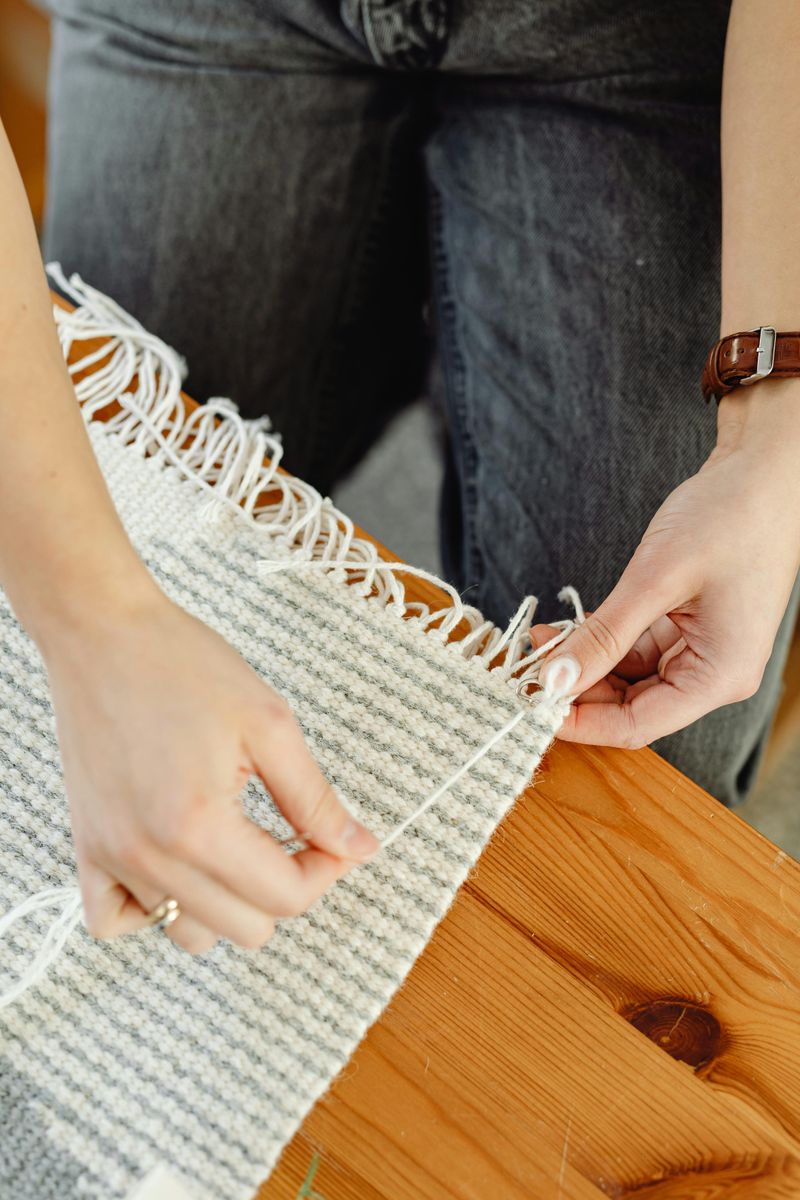
They represent resourcefulness and creativity, values that resonate deeply in Pennsylvania’s Amish and Mennonite communities.
Crafters traditionally made these rugs by braiding or weaving strips of worn clothing and fabric scraps into cheerful, multicolored floor coverings.
The folk art quality adds character to cottages, porches, and casual living spaces where perfection takes a back seat to charm.
Modern versions often feature coordinated color schemes rather than random scraps, offering the handmade look with more decorating control.
The lightweight construction makes them easy to shake out, wash, and rotate seasonally without requiring help or special equipment.
Supporting local artisans who continue this tradition connects homeowners to Pennsylvania’s living craft heritage while furnishing homes with truly unique pieces.
Overdyed Vintage Rugs
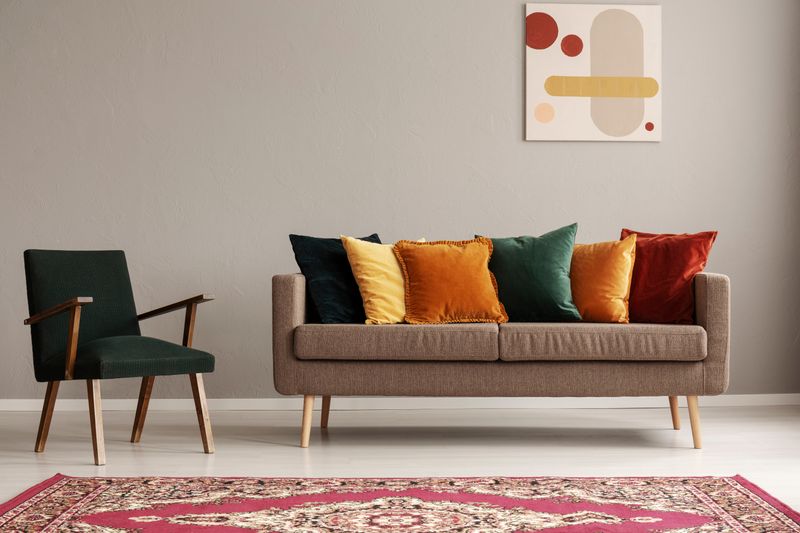
Such rugs breathe new life into vintage Persian and Turkish pieces through bold, saturated color treatments.
The process involves bleaching out original colors and applying vibrant dyes in jewel tones like emerald, sapphire, or ruby.
Pennsylvania homeowners with contemporary or transitional style appreciate how these rugs honor traditional craftsmanship while feeling decidedly modern.
The underlying patterns remain visible beneath the vivid color wash, creating depth and visual complexity that solid rugs cannot match.
These statement pieces work best in rooms with neutral walls and simple furniture, where the rug becomes the undisputed focal point.
The vintage construction ensures quality and durability, while the updated color palette prevents the space from feeling dated or overly traditional.
Seagrass Rugs
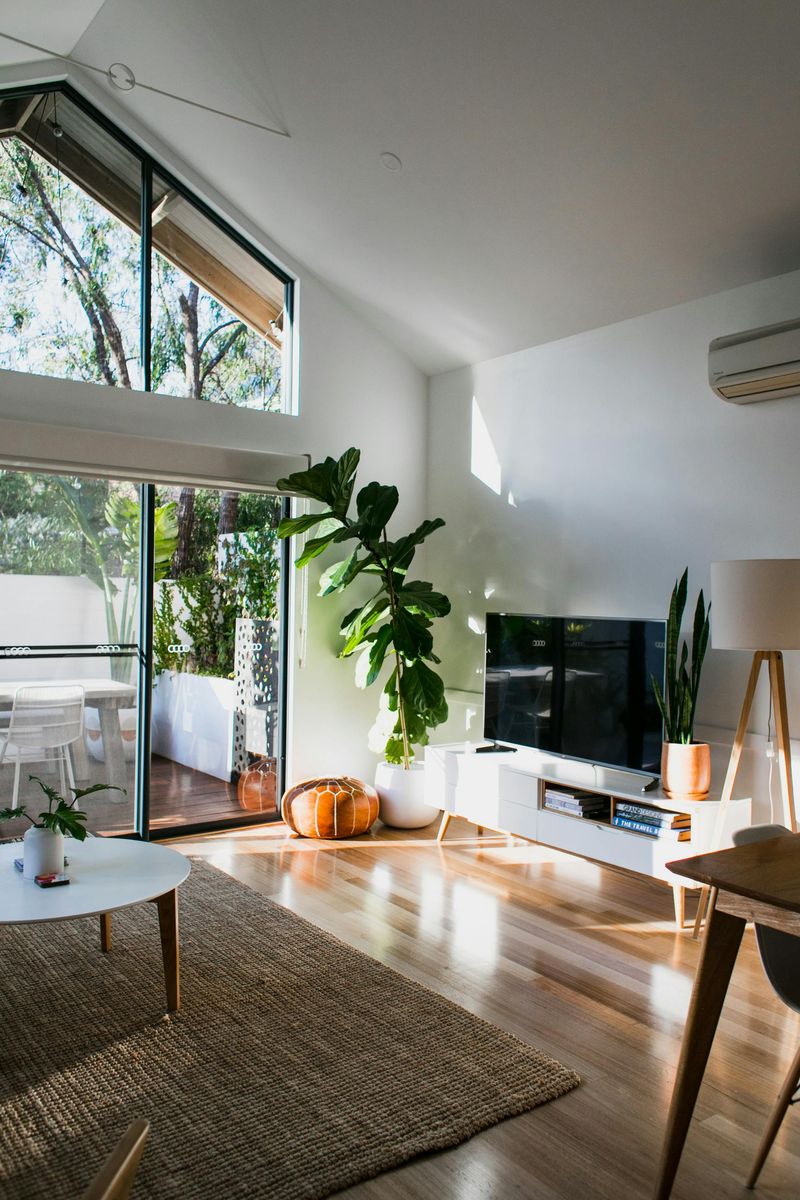
Seagrass rugs bring coastal vibes to Pennsylvania homes, even those hours from the nearest beach.
The smooth, almost glossy surface feels different from other natural fibers, offering a refined texture that complements both casual and formal settings.
Natural green and brown tones with subtle variations create visual interest without bold patterns or colors.
These rugs resist staining naturally, though they should be kept dry since seagrass can absorb moisture and lose its structural integrity.
The tight weave makes them suitable for dining rooms where chair legs slide easily without catching on loose fibers.
Pairing seagrass with white or light blue décor creates a fresh, airy feeling that helps smaller Pennsylvania living rooms feel more spacious and open.
Patchwork Rugs
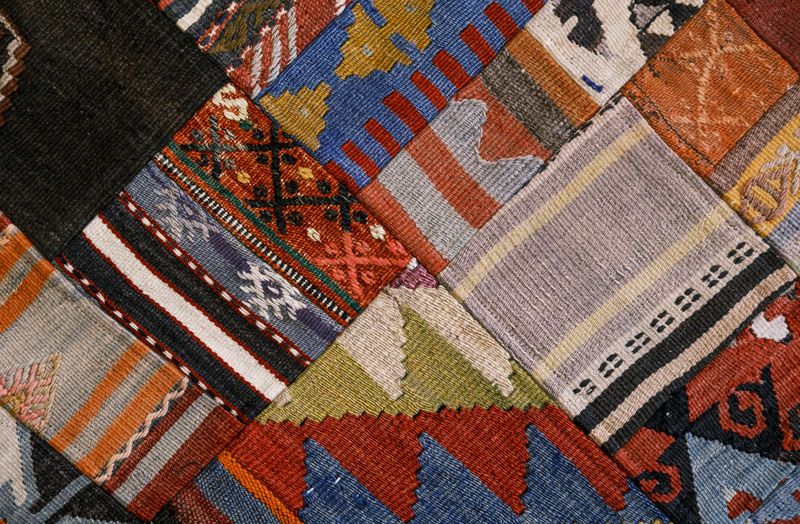
These rugs assemble sections of vintage rugs into new compositions, creating bold, artistic floor coverings with global appeal.
Each square or rectangle retains its original pattern – Persian florals, Turkish geometrics, or tribal motifs – resulting in a curated collage effect.
Pennsylvania homes with eclectic or maximalist décor embrace these rugs as conversation starters that reflect creative, well-traveled sensibilities.
The variety of patterns and colors within a single rug means it coordinates with multiple furniture pieces and accessories without clashing.
These rugs work particularly well in open-concept spaces where they help define distinct zones while maintaining visual continuity.
The handcrafted nature and use of genuine vintage materials mean each patchwork rug is entirely unique, offering true one-of-a-kind status.