From Beaches To Mountains: The Best Places To Start Your 2026 Journey From Florida To Colorado
Planning a road trip from the sunny shores of Florida all the way to the towering peaks of Colorado sounds like an adventure worth taking in 2026.
This cross-country journey spans over 2,000 miles and takes travelers through some of America’s most interesting cities, historic landmarks, and stunning natural landscapes.
Whether craving Southern comfort food, live music, or mountain air, this route offers something special at every turn.
Get ready to explore the best stops that transform a long drive into an unforgettable experience.
Tallahassee, Florida – Capital City Charm
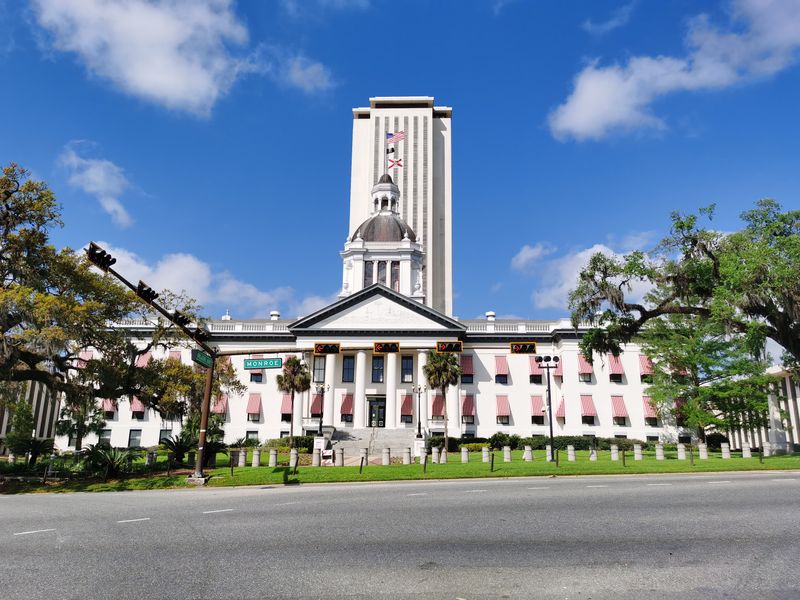
Starting a journey from Florida means passing through its capital, where history and politics blend with college-town energy.
Located at 400 S Monroe St, Tallahassee, FL 32399, the Florida State Capitol stands as a striking landmark downtown, with its towering modern building beside the restored Historic Capitol Museum.
Visitors can wander through exhibits showcasing Florida’s political past, then stroll through shaded parks where ancient oak trees create natural canopies overhead.
The city tends to feel quieter on weekends when government offices close, making weekdays better for tours and exploring the legislative chambers.
Local eateries around the capitol serve Southern classics like fried catfish and sweet tea, offering a taste of regional flavor before heading north.
Parking near downtown can fill up quickly during session times, so arriving early or using nearby public lots helps avoid delays.
Tallahassee provides a relaxed first stop that sets a comfortable pace for the long miles ahead.
Atlanta, Georgia – Urban Energy And History
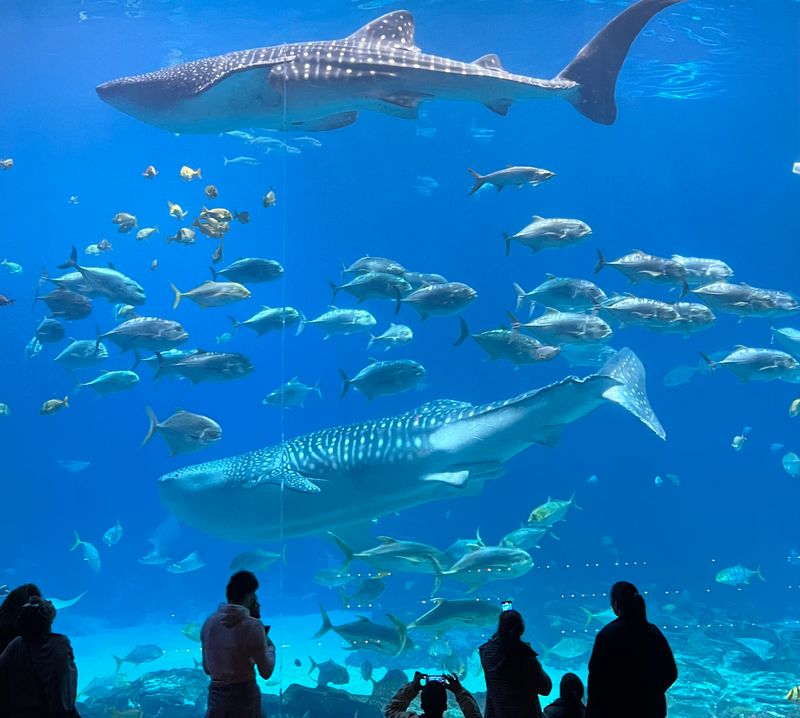
Georgia’s largest city pulses with a mix of corporate skyscrapers, cultural institutions, and deep civil rights history that draws visitors from around the world.
The Georgia Aquarium, situated at 225 Baker St NW, Atlanta, GA 30313, ranks among the largest aquariums globally and houses thousands of marine animals including whale sharks and beluga whales.
Families and solo travelers alike can spend hours watching playful sea otters, walking through underwater tunnels, and catching scheduled dolphin shows.
Weekday mornings typically see smaller crowds compared to weekend afternoons, making it easier to view exhibits without jostling for space.
Nearby, the Martin Luther King Jr. National Historical Park offers free admission and powerful exhibits about the civil rights movement.
Parking downtown can cost $15-$25 for the day, but public transit via MARTA provides an affordable alternative.
Atlanta serves as an energizing stop where urban exploration meets meaningful history lessons.
Nashville, Tennessee – Music City Melodies
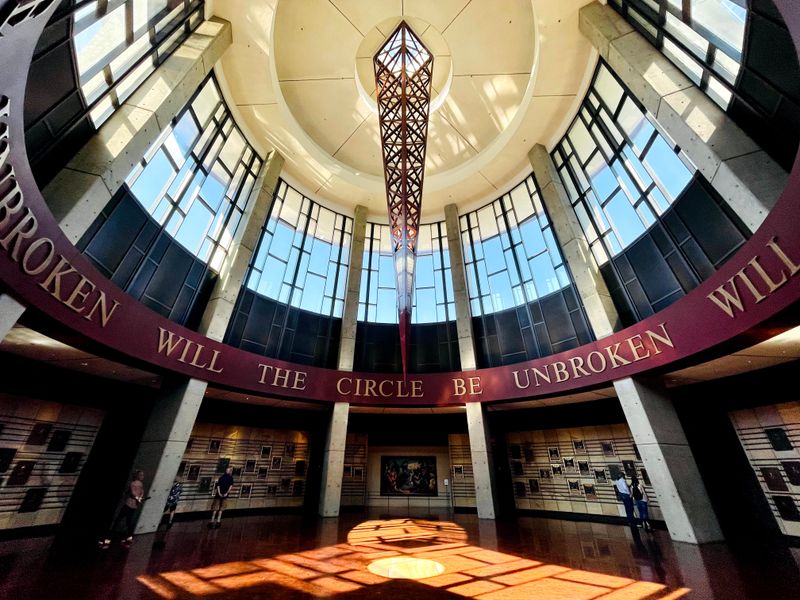
Few cities wear their musical heritage as proudly as Nashville, where honky-tonks line Broadway and live performances start before noon most days.
The Country Music Hall of Fame and Museum, located at 222 Rep John Lewis Way S, Nashville, TN 37203, showcases instruments, costumes, and memorabilia from legends like Johnny Cash and Dolly Parton.
Interactive exhibits let visitors try songwriting stations or listen to rare recordings in private booths, making the experience personal and memorable.
Evenings bring the real magic when Lower Broadway fills with free live music pouring from every bar and honky-tonk doorway.
Bachelorette parties and tourists mix with locals, creating a lively atmosphere that can get loud and crowded after 8 PM on weekends.
Parking along Broadway is scarce, but several garages within walking distance charge around $10-$20 depending on event schedules.
Nashville delivers an authentic taste of American music culture that’s hard to find anywhere else.
St. Louis, Missouri – Gateway To The West
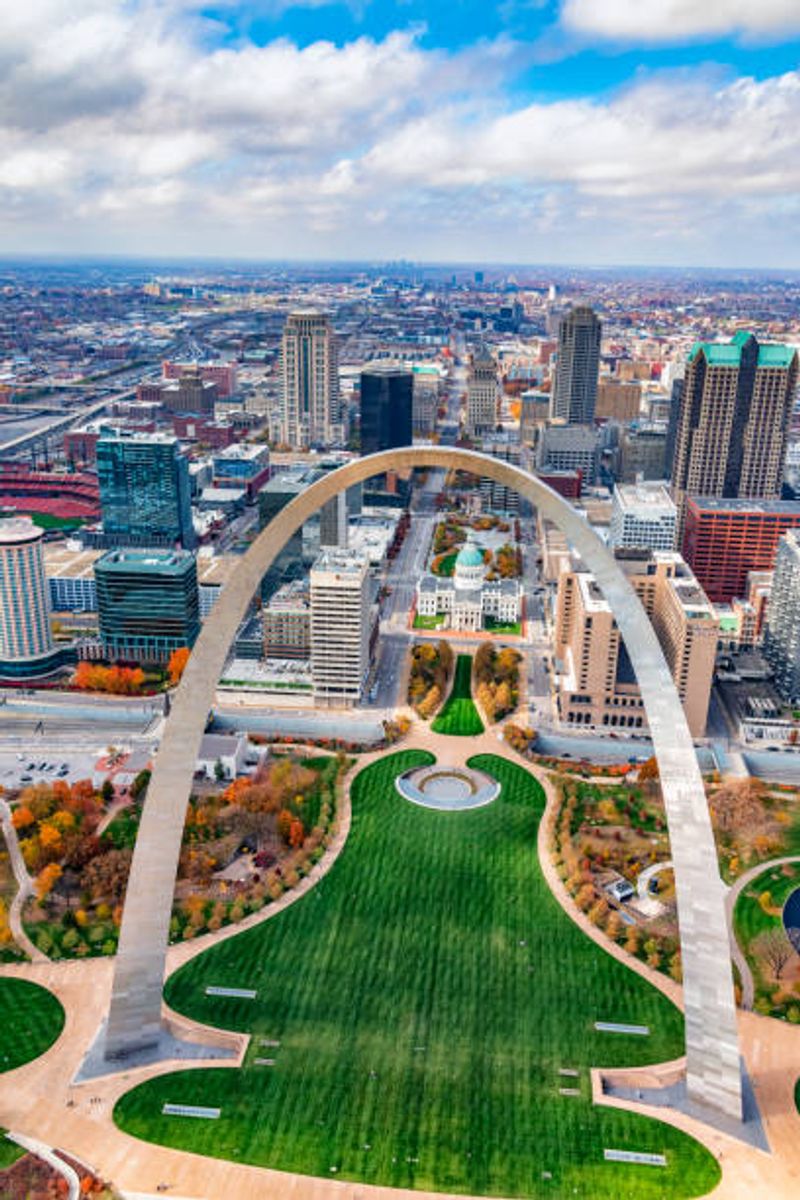
Standing 630 feet tall, the Gateway Arch dominates the St. Louis skyline and symbolizes westward expansion in a way no other monument can match.
Visitors find the Gateway Arch Ticketing & Visitor Center at 11 N 4th St, St. Louis, MO 63102, where tram rides carry small groups to the top in egg-shaped capsules that tilt as they ascend the curve.
Views from the observation deck stretch for miles across the Mississippi River and the city below, though the small windows and enclosed space may feel tight for some.
The Museum of Westward Expansion beneath the arch offers interactive displays about Lewis and Clark, Native American history, and pioneer life.
Summer afternoons bring heat and humidity, so morning visits tend to feel more comfortable and less crowded.
Parking is available in nearby lots for around $15, or visitors can walk from the downtown riverfront hotels.
St. Louis provides a powerful reminder of America’s expansion story while offering modern city amenities.
Kansas City, Missouri – Jazz And Barbecue
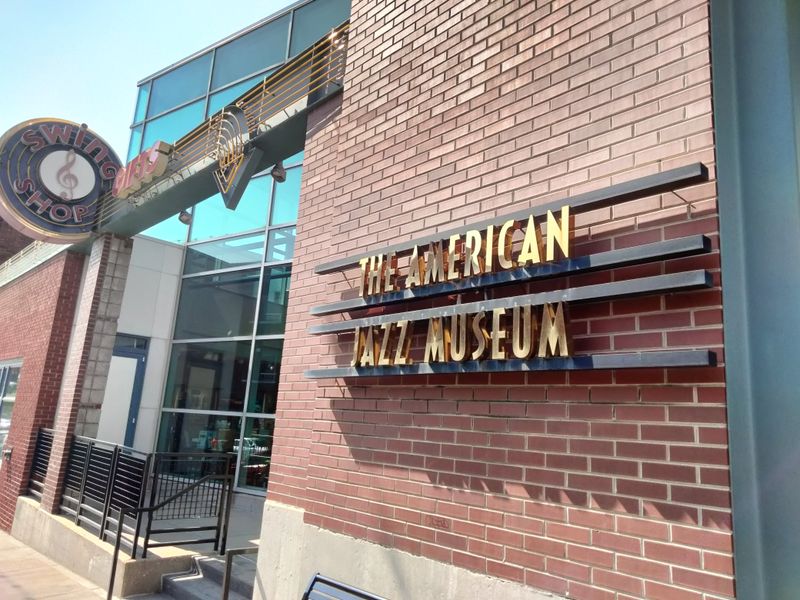
Kansas City built its reputation on two things: smoky barbecue that falls off the bone and jazz music that defined an era.
The American Jazz Museum, located at 1616 E 18th St, Kansas City, MO 64108, sits in the historic 18th and Vine Jazz District where legends like Charlie Parker once performed nightly.
Exhibits feature listening stations, vintage instruments, and film footage that bring the bebop era back to life for visitors of all ages.
After exploring the museum, the surrounding neighborhood offers murals, historic theaters, and small shops that celebrate African American culture and heritage.
Evenings are when the district truly awakens, with live jazz performances starting around 7 PM at nearby clubs and venues.
Barbecue joints across the city serve ribs, burnt ends, and brisket with tangy sauce that locals debate endlessly over which spot reigns supreme.
Kansas City delivers a soulful experience that feeds both the stomach and the spirit.
Denver, Colorado – Mountain Gateway
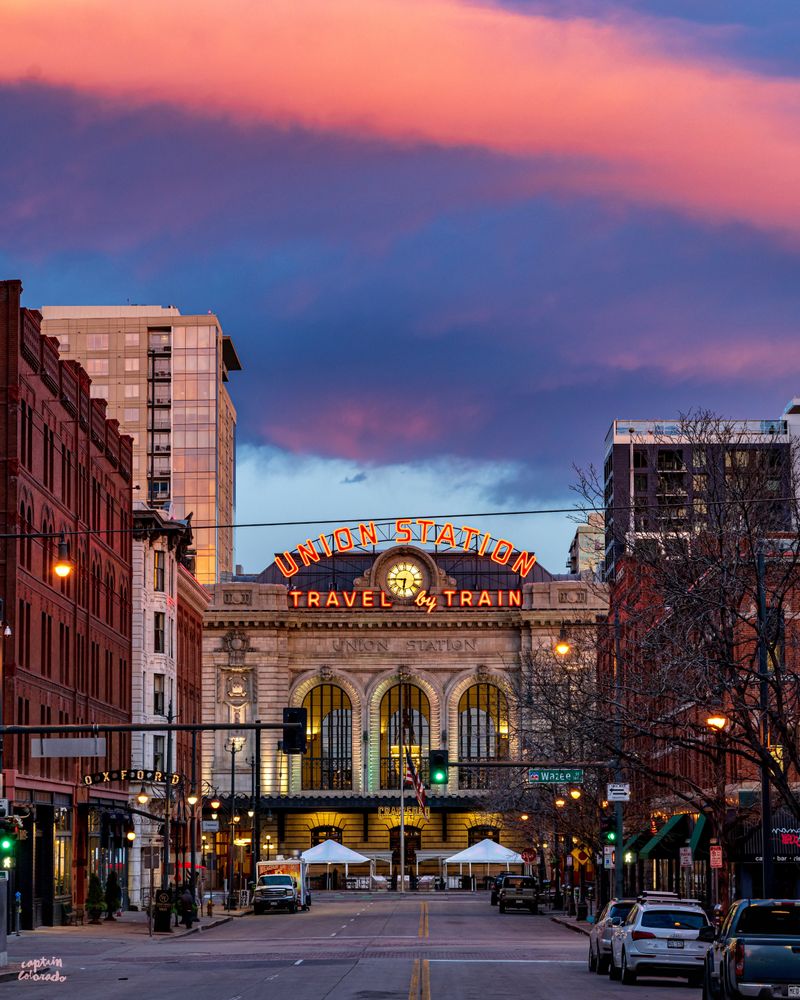
Arriving in Denver feels like stepping into a city that balances urban sophistication with outdoor adventure at every corner.
Union Station, situated at 1701 Wynkoop St, Denver, CO 80202, serves as a beautifully restored transportation hub with restaurants, bars, and a grand hall featuring vintage wooden benches and soaring ceilings.
Travelers can grab craft coffee, browse local shops, or simply sit and admire the architecture that blends 1914 charm with modern conveniences.
The 16th Street Mall, a pedestrian-friendly promenade just blocks away, offers free shuttle buses, street performers, and access to dozens of restaurants and retailers.
Denver’s altitude sits at 5,280 feet, so visitors may notice thinner air and should drink extra water to avoid headaches or fatigue.
Parking downtown can cost $10-$30 depending on location and duration, but public transit and bike-share programs provide easy alternatives.
Denver serves as the perfect base camp before venturing deeper into the Rockies.
Red Rocks Park And Amphitheatre – Natural Acoustics
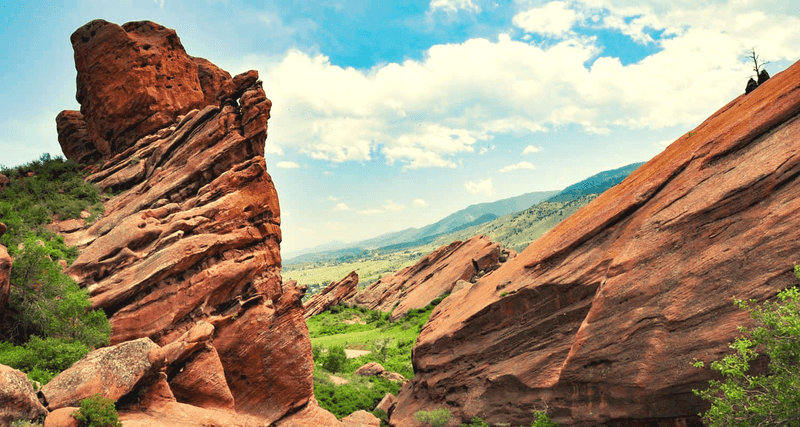
Carved by nature and enhanced by human design, this open-air venue offers concerts and workouts surrounded by ancient red sandstone formations.
Red Rocks Amphitheatre, located at 18300 W Alameda Pkwy, Morrison, CO 80465, sits about 15 miles west of Denver and has hosted everyone from The Beatles to modern rock bands.
Even without a concert, visitors can walk the steps, explore the Visitor Center, and take in views that stretch across the Front Range foothills.
Early mornings bring fitness enthusiasts who run the stairs as part of their training routines, creating a community atmosphere before the sun gets too intense.
The acoustics here are legendary, with sound bouncing off the rock walls in ways that traditional venues cannot replicate.
Parking is free when no events are scheduled, but concert nights require advance parking passes that sell out quickly.
Red Rocks transforms a simple stop into an unforgettable natural and cultural experience.
Rocky Mountain National Park – Alpine Wilderness
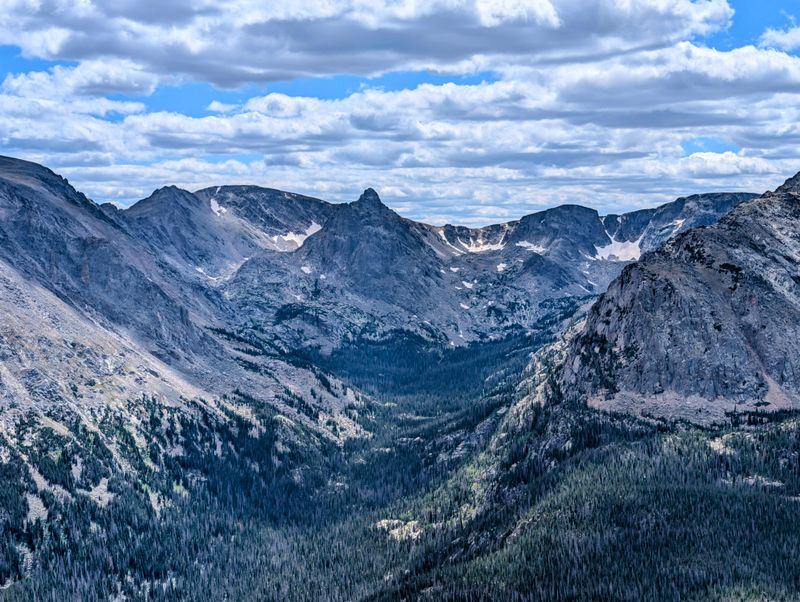
Towering peaks, alpine lakes, and wildlife encounters define this protected wilderness that draws millions of visitors each year.
The park entrance near Estes Park can be accessed via 1000 US Hwy 36, Estes Park, CO 80517, where rangers collect entrance fees and provide maps highlighting trails and scenic drives.
Trail Ridge Road, the highest continuous paved road in North America, climbs above 12,000 feet and offers pull-offs with breathtaking views of valleys and distant peaks.
Weather changes rapidly at high elevations, so layers and rain gear are essential even on sunny mornings.
Wildlife like elk, bighorn sheep, and marmots appear frequently along roadsides, especially during dawn and dusk hours when they’re most active.
Summer weekends bring heavy traffic and full parking lots, making weekday visits or early arrivals more enjoyable and less stressful.
Rocky Mountain National Park delivers the alpine adventure that defines Colorado’s outdoor reputation.
Garden Of The Gods – Red Rock Formations
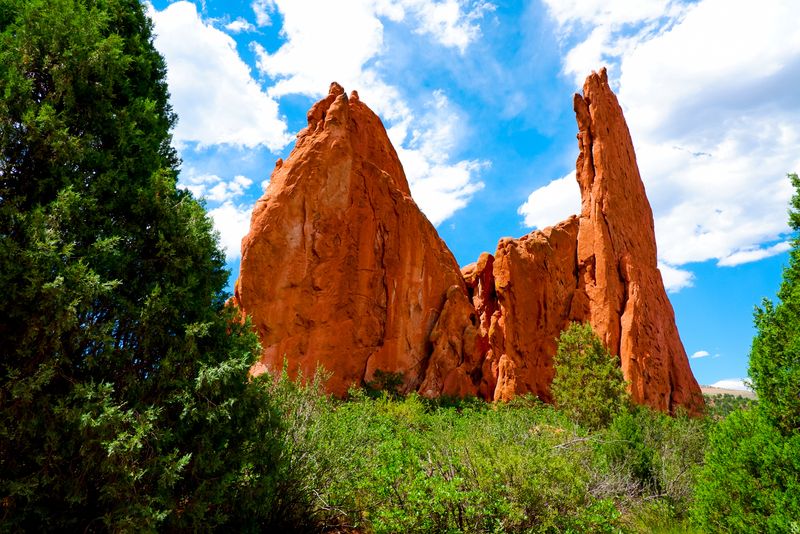
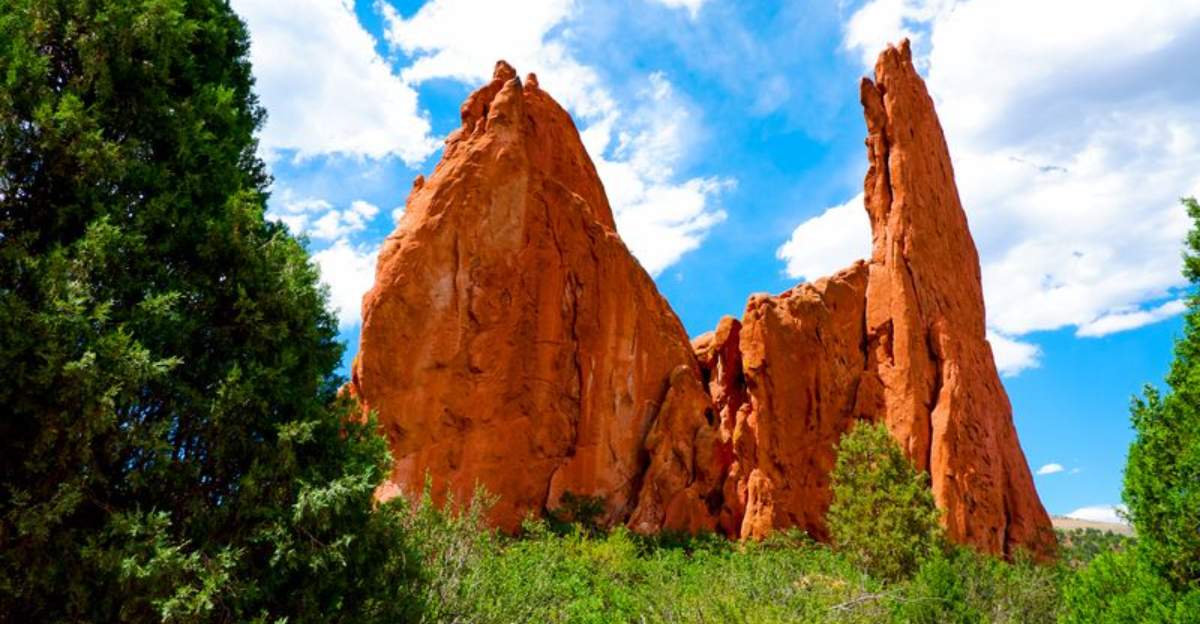
Massive red sandstone fins jut dramatically from the earth, creating one of Colorado’s most photographed landscapes and a free public park that welcomes all.
Garden of the Gods in Colorado Springs offers paved and dirt trails that wind between formations with names like Balanced Rock and Kissing Camels.
Rock climbers can be spotted scaling certain formations with permits, while families stroll the easy paths taking photos and marveling at the geology.
The Visitor and Nature Center provides free exhibits explaining how these formations were created millions of years ago through tectonic forces and erosion.
Sunrise and sunset cast golden and pink light across the rocks, creating magical photo opportunities that attract photographers year-round.
Parking lots fill quickly on summer weekends, so arriving before 9 AM or after 4 PM tends to guarantee a spot without circling endlessly.
Garden of the Gods offers accessible natural beauty without the crowds or fees of some national parks.
Great Sand Dunes National Park – Desert Meets Mountains

North America’s tallest sand dunes rise improbably against a backdrop of snow-capped peaks, creating a landscape that seems borrowed from another planet.
From the park entrance near Mosca, the visitors can access the dunes, Medano Creek, and trails that lead into the surrounding wilderness.
Climbing the dunes requires effort since sand gives way underfoot, but reaching the ridgelines rewards hikers with views across the San Luis Valley.
Spring brings Medano Creek to life, creating a temporary beach where families splash and play before the water dries up by midsummer.
Sandboarding and sledding down the dunes are popular activities, though boards need to be rented or purchased in nearby Alamosa since the park doesn’t rent equipment.
Summer sand temperatures can exceed 140 degrees Fahrenheit, making closed-toe shoes essential to avoid burns on bare feet.
Great Sand Dunes offers a unique Colorado experience that combines desert and mountain ecosystems in one stunning location.
Mesa Verde National Park – Ancient Cliff Dwellings
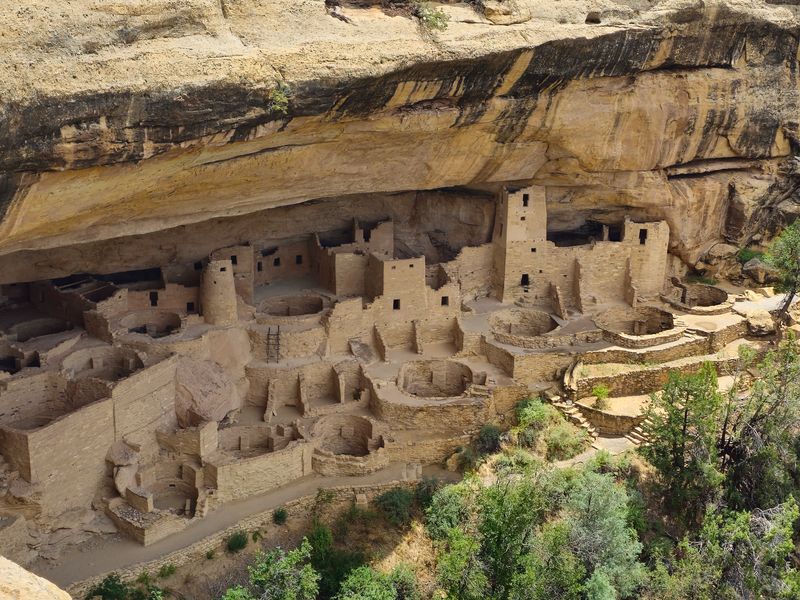
Centuries before modern roads crossed Colorado, Ancestral Puebloans carved entire villages into cliff faces, leaving behind one of America’s most significant archaeological treasures.
Mesa Verde National Park in Colorado protects over 5,000 archaeological sites including the famous Cliff Palace and Balcony House.
Ranger-guided tours require advance reservations and involve climbing ladders and squeezing through tight spaces to explore the dwellings up close.
The mesa sits at high elevation, so visitors should prepare for cooler temperatures and thinner air even during summer months.
Self-guided overlooks provide views of cliff dwellings for those unable or unwilling to take the more strenuous guided tours.
The park’s museum offers context about the people who built these structures and why they eventually left the area around 1300 AD.
Mesa Verde connects travelers to ancient history in a tangible way that few other sites can match.
Durango And Silverton Narrow Gauge Railroad – Historic Mountain Rails
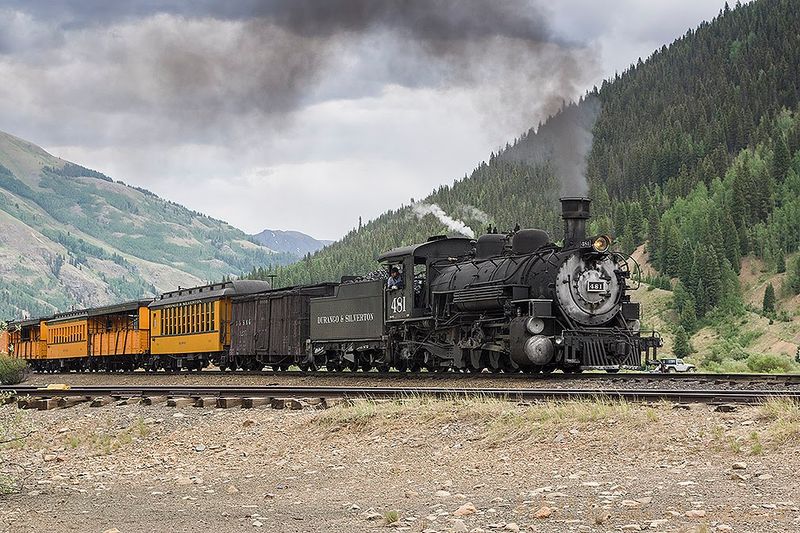
Coal-fired steam engines still chug through the San Juan Mountains, pulling vintage passenger cars along tracks laid in the 1880s during Colorado’s mining boom.
The Durango and Silverton Narrow Gauge Railroad departs from 479 Main Ave, Durango, CO 81301, where the historic depot serves as both ticket office and museum showcasing railroad history.
The nine-hour round trip climbs through narrow canyons, crosses high trestles, and follows the Animas River into the remote mining town of Silverton.
Open-air gondola cars offer unobstructed views and fresh mountain air, though they can get chilly even in summer at higher elevations.
Silverton allows a two-hour layover for lunch and exploring before the return journey, giving passengers time to browse shops and grab a meal.
Reservations are strongly recommended since trains sell out weeks in advance during peak summer and fall foliage seasons.
This railroad delivers a nostalgic journey that captures the spirit of Colorado’s mining past while showcasing stunning wilderness scenery.