This Georgia River Town Is The Local-Approved Spot For Total Relaxation
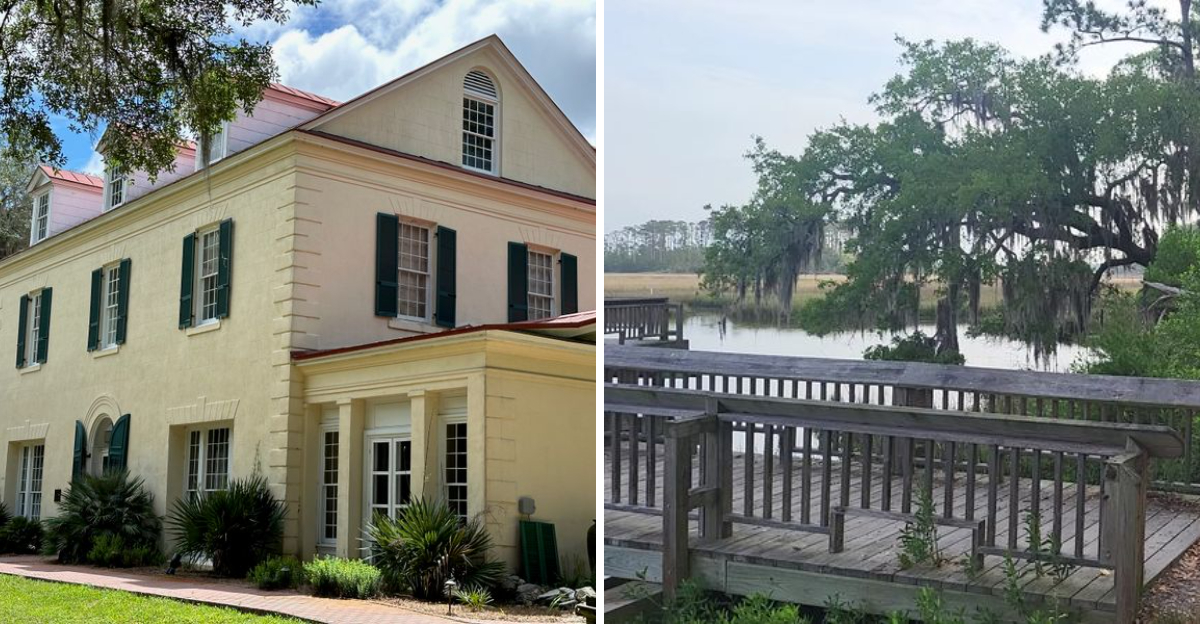
Tucked along Georgia’s coast where the Altamaha River meets the Atlantic, you’ll find a little town that feels like stepping back into a simpler time.
Darien doesn’t shout for attention with flashy attractions or crowded beaches, but locals know it’s the perfect escape when life gets too hectic.
With shrimp boats bobbing in the harbor, historic sites whispering stories from centuries past, and marshlands stretching as far as the eye can see, this river town offers something rare: genuine peace and quiet.
Whether you’re craving fresh seafood, wildlife encounters, or just a chance to slow down and breathe, Darien delivers relaxation in the most authentic way possible.
Historic Fort King George
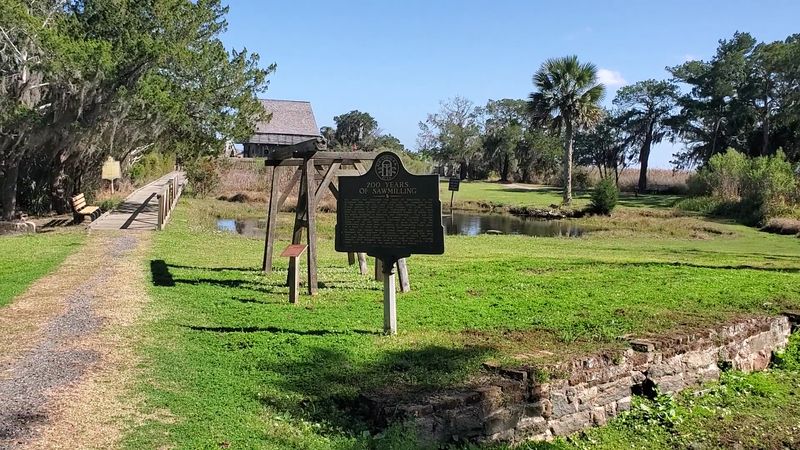
Standing guard since 1721, this fortress holds the title of Georgia’s oldest English coastal fort.
Fort King George at 102 McIntosh Street East in Darien tells stories of soldiers who braved mosquitoes and Spanish threats.
Walking through the reconstructed blockhouse, you can almost hear the creaking of wooden floors under military boots.
Interactive exhibits bring colonial life into focus, showing how British troops survived in this swampy outpost.
Kids love climbing the watchtower for views across the marshlands where danger once lurked.
The museum houses artifacts that paint a vivid picture of 18th-century frontier existence.
Guided tours reveal fascinating details about daily routines, from cooking methods to defense strategies.
You’ll discover how this small garrison played a huge role in protecting early Georgia settlements.
The fort’s peaceful setting today contrasts sharply with its turbulent past, making history feel surprisingly real.
Altamaha Wildlife Management Area
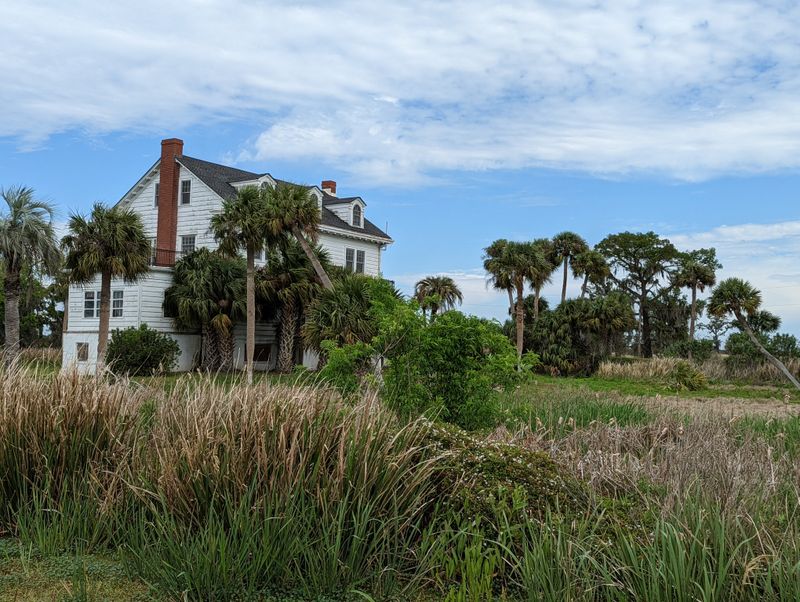
Thousands of acres of untouched wetlands create a paradise for anyone who loves wild places.
The Altamaha Wildlife Management Area spreads across the river delta like nature’s own masterpiece.
Birdwatchers arrive before dawn, binoculars ready, hoping to spot rare species feeding in the shallows.
Anglers cast lines into winding creeks where fish hide among cypress roots and spartina grass.
The silence here feels almost sacred, broken only by bird calls and water lapping against muddy banks.
Photographers capture stunning sunrises that paint the marshes in shades of gold and pink.
Hiking trails wind through habitats where alligators sun themselves and herons stalk their prey.
You’ll need bug spray and patience, but the rewards include wildlife encounters most people only see on screens.
This area proves that Georgia’s coast offers more than beaches, it’s a living classroom for nature lovers.
Darien Waterfront Park
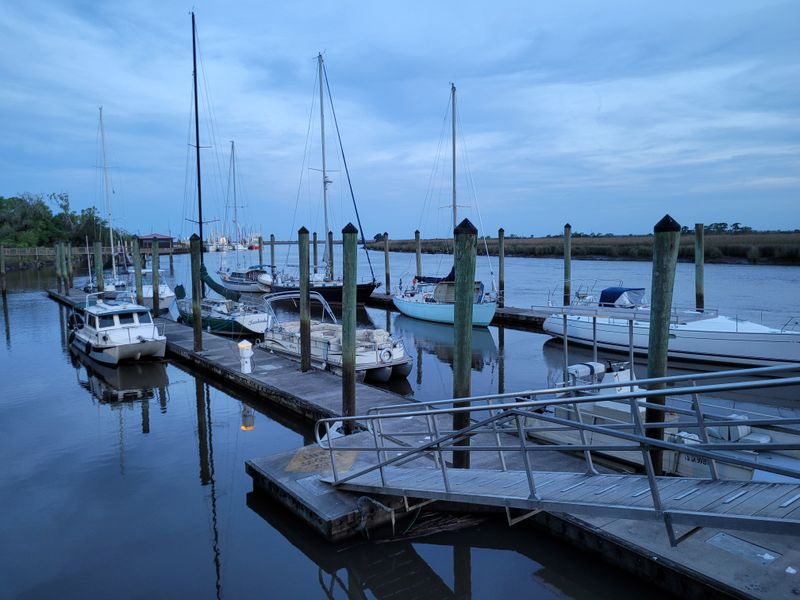
Nothing beats the simple pleasure of sitting by the water, watching shrimp boats return from the sea.
Darien Waterfront Park along Fort King George Drive offers front-row seats to the town’s maritime heartbeat.
Families spread picnic blankets on the grass while kids toss fishing lines into the river.
The coastal breeze carries hints of salt and adventure, reminding you why people settled here centuries ago.
Working boats tied to weathered docks tell stories of generations who’ve made their living from these waters.
You might strike up conversations with fishermen unloading their catch, sharing tales of the day’s haul.
Benches line the waterfront, perfect for reading a book or simply daydreaming as clouds drift overhead.
Sunsets here turn the river into liquid gold, creating photo opportunities that fill Instagram feeds.
This park isn’t fancy or overdeveloped, it’s authentic, unpretentious, and exactly what relaxation should feel like.
Sapelo Island Visitor Center
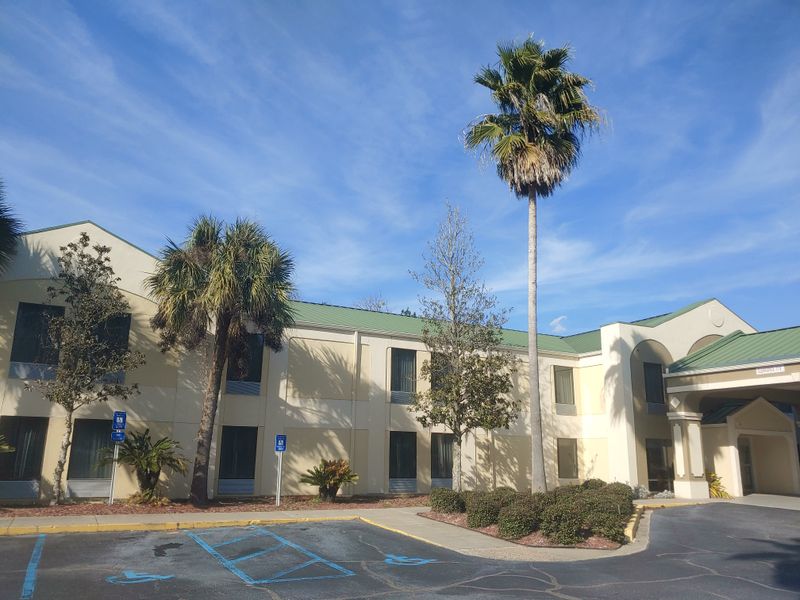
Some places hold cultural treasures that deserve more attention than they receive.
The Sapelo Island Visitor Center at 1766 Landing Road Southeast in Darien opens windows into Gullah-Geechee heritage.
Exhibits showcase the unique traditions of African Americans who’ve called Sapelo Island home for generations.
Guided tours depart from here, ferrying visitors across the water to experience island life firsthand.
You’ll learn about descendants of enslaved people who preserved their language, crafts, and spiritual practices.
The center’s staff shares stories with warmth and pride, making history feel personal rather than distant.
Displays feature sweetgrass baskets, traditional foods, and photographs of island families spanning decades.
Booking a tour means exploring pristine beaches, maritime forests, and communities rarely seen by outsiders.
This experience connects you to living history, reminding us that culture isn’t just preserved in museums, it thrives in people.
Historic Downtown District
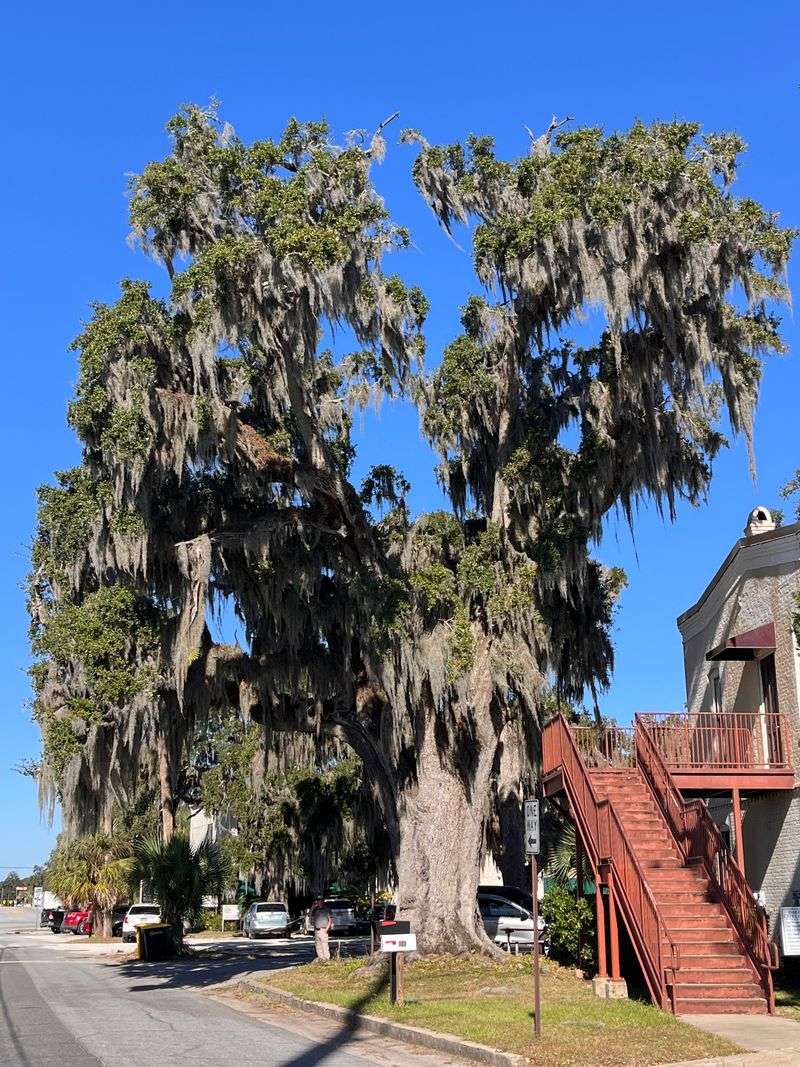
Small-town charm isn’t manufactured, it grows naturally over centuries of community life.
Darien’s Historic Downtown District along Broad Street showcases buildings that witnessed the town’s rise and fall.
Tabby ruins stand like silent sentinels, remnants of cotton warehouses that once bustled with commerce.
These crumbling walls, made from oyster shells and lime, tell stories of antebellum prosperity and wartime destruction.
Local shops occupy restored buildings where you can browse handmade crafts and coastal-themed gifts.
Friendly shopkeepers greet you by name after just one visit, embodying Southern hospitality at its finest.
Eateries serve comfort food that tastes like someone’s grandmother perfected the recipe over decades.
Walking these streets feels like flipping through a history book where each building represents a different chapter.
You’ll discover hidden courtyards, historic markers, and architectural details that reward those who slow down and notice.
Butler Island Plantation
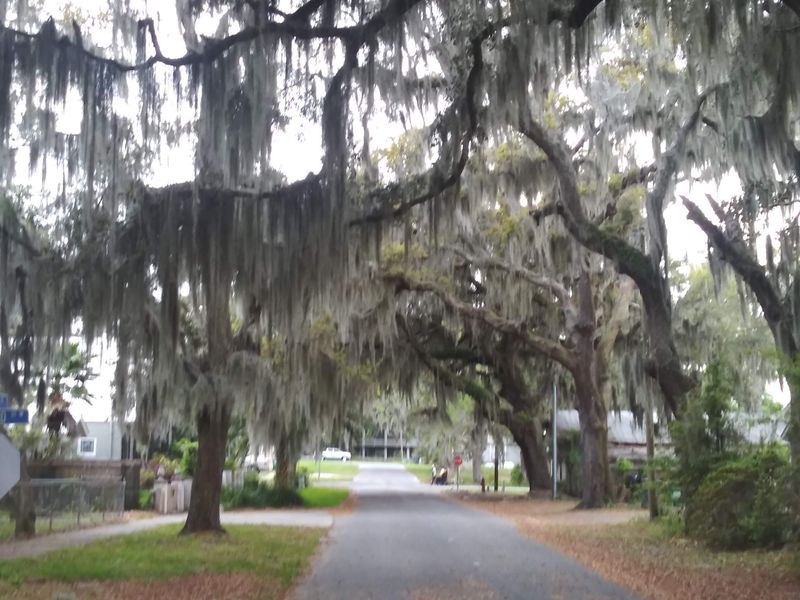
Agricultural history reveals both human ingenuity and the painful realities of the past.
Butler Island Plantation off Highway 17 showcases where enslaved people transformed marshlands into productive rice fields.
Standing here, you face the complicated legacy of wealth built on forced labor and environmental manipulation.
The views across wetlands and waterways are breathtaking, though they came at tremendous human cost.
Rice cultivation required sophisticated engineering, canals, dikes, and tidal gates that still influence the landscape today.
Interpretive signs explain the backbreaking work that made plantation owners rich while enslaved workers suffered.
Visiting this site isn’t comfortable, but understanding history requires confronting uncomfortable truths.
The marshes have reclaimed much of the land, nature slowly erasing evidence of human ambition.
Birdwatchers now enjoy the area’s beauty while historians work to preserve stories of those who toiled here.
This place reminds us that relaxation in Darien sits atop layers of complex history worth acknowledging.
Blessing Of The Fleet Festival
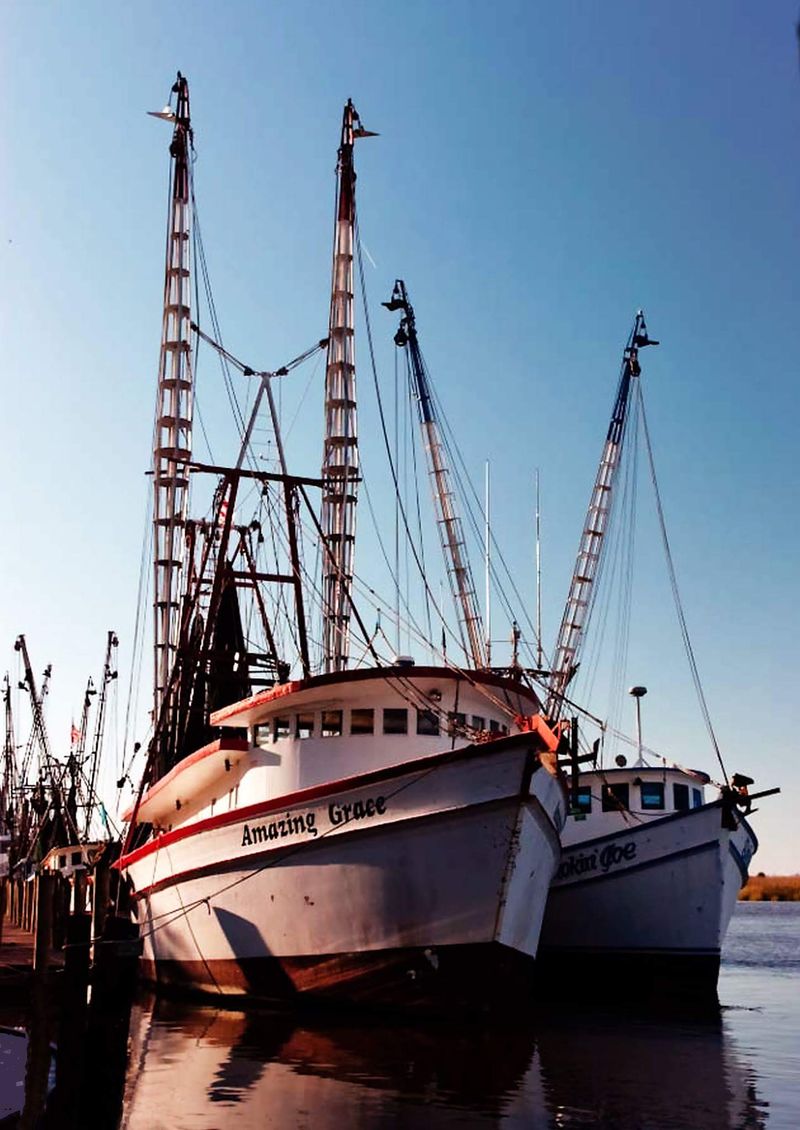
Every spring, the entire town gathers to celebrate the industry that defines its identity.
The Blessing of the Fleet Festival transforms Darien into a vibrant celebration of maritime heritage and community spirit.
Shrimp boats decorated with colorful flags parade past the waterfront while crowds cheer from the banks.
A priest blesses each vessel, asking for safe voyages and bountiful catches in the coming season.
The tradition connects modern fishermen to centuries of coastal communities seeking protection from the sea’s dangers.
Live music fills the air as families dance, eat fresh seafood, and reconnect with neighbors.
Vendors sell everything from boiled shrimp to handmade jewelry, creating a festive marketplace atmosphere.
Kids run between booths with sticky fingers and wide smiles, making memories they’ll treasure for years.
Visitors who attend leave understanding that Darien isn’t just a place, it’s a living, breathing community.
This festival captures the town’s soul better than any tourist brochure ever could.
Local Seafood Cuisine
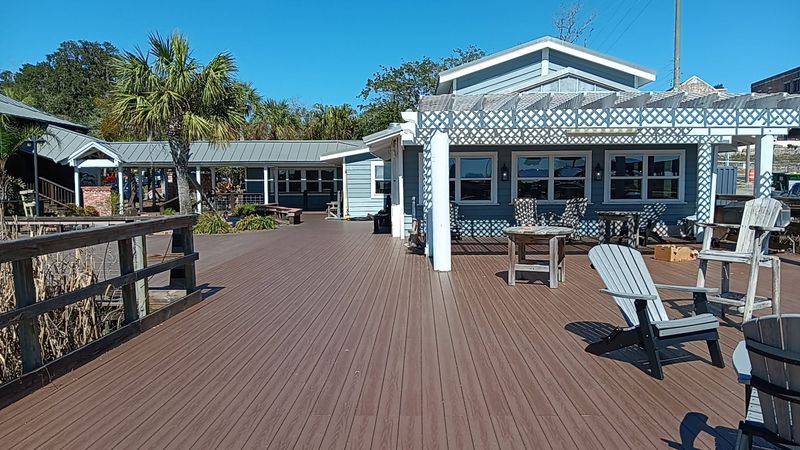
Sometimes the best travel experiences happen at the dinner table, fork in hand.
Darien’s seafood restaurants serve dishes so fresh you can practically taste the ocean in every bite.
Skipper’s Fish Camp at 85 Screven Street pulls shrimp straight from local boats to your plate within hours.
Their crab cakes are legendary, crispy outside, tender inside, with meat that actually tastes like crab.
Fried oysters arrive golden and plump, paired with tangy remoulade that complements rather than overpowers.
The blackened grouper over cheese grits represents Southern coastal cooking at its absolute finest.
Other local spots offer their own specialties, from shrimp and grits to lowcountry boils bursting with flavor.
Dining here means supporting families who’ve fished these waters for generations, not corporate chains.
You’ll leave every meal satisfied in that deep way that only happens when food is prepared with genuine care.
Harris Neck National Wildlife Refuge
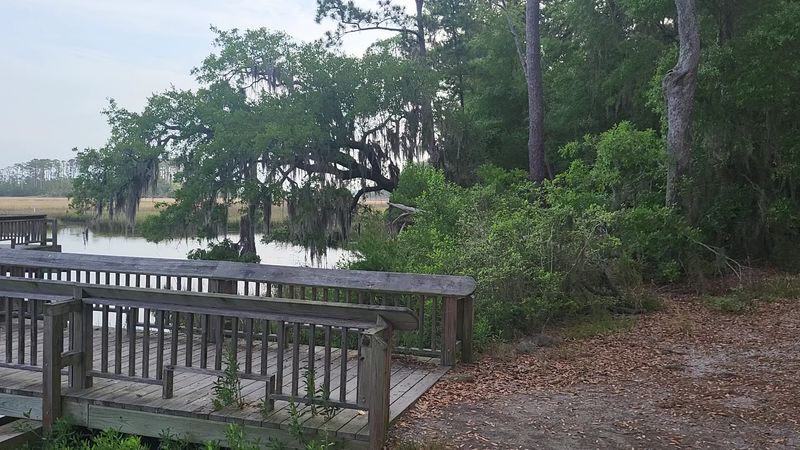
About twenty minutes from downtown, a refuge protects some of Georgia’s most remarkable winged residents.
Harris Neck National Wildlife Refuge provides nesting grounds for hundreds of wood storks and other rare birds.
Driving the wildlife loop feels like entering a world where nature still calls the shots.
Photographers with massive lenses stake out spots near rookeries, hoping to capture perfect shots of endangered species.
The refuge’s varied habitats, from freshwater ponds to salt marshes, attract an impressive diversity of wildlife.
You might spot alligators sunning themselves, deer grazing at dusk, or painted buntings flashing brilliant colors.
Walking trails let you explore at your own pace, though binoculars and a field guide enhance the experience.
The silence here feels profound, interrupted only by bird calls and rustling leaves.
Conservation efforts have transformed this former airfield into a sanctuary where threatened species find safety.
Visiting reminds you that protecting wild places benefits everyone who needs an occasional escape from modern life’s chaos.
Ashantilly Center
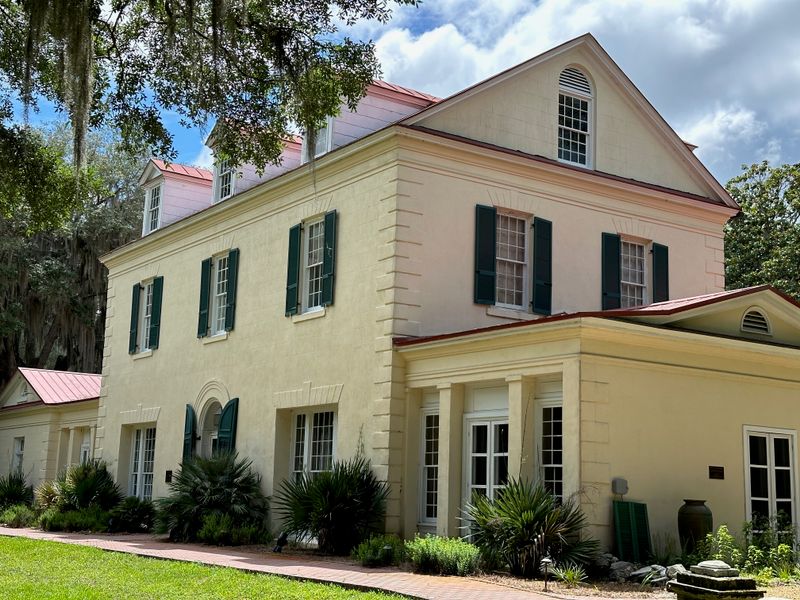
Built around 1820 by Thomas Spalding, this center connects past and present through cultural programming.
The Ashantilly Center at 4725 North River Road hosts events and workshops that keep regional history alive.
The building itself represents coastal plantation architecture, with features designed for Georgia’s humid climate.
Walking through rooms where wealthy planters once entertained guests feels like time travel without the machine.
Cultural events showcase local artists, musicians, and historians who interpret the region’s complex heritage.
Workshops teach traditional crafts like basket weaving, preserving skills that might otherwise disappear.
The center doesn’t shy away from difficult conversations about slavery and its lasting impacts on the community.
Educational programs help visitors understand how the past shapes present-day coastal Georgia life.
Gardens surrounding the building feature native plants that enslaved people would have tended and used.
Visiting here adds depth to your Darien experience, transforming a pleasant vacation into meaningful cultural education.
Christ Chapel
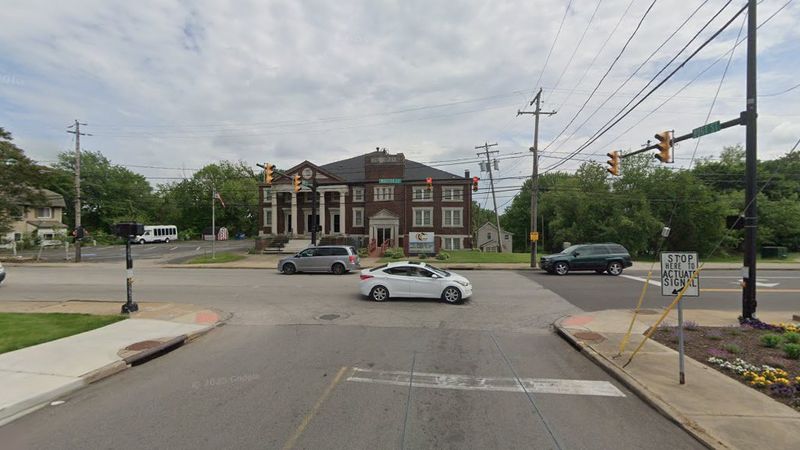
Measuring just ten feet by fifteen feet, this chapel proves that sacred spaces don’t require grand scale.
Christ Chapel at 1190 North Way claims the title of America’s smallest church, seating exactly twelve people.
Built as a personal project by a local woman, it stands as a testament to faith and individual determination.
The interior is surprisingly complete despite its dollhouse dimensions, with pews, an altar, and stained glass windows.
Couples occasionally exchange vows here, creating intimate ceremonies that larger venues can’t match.
Visitors are welcome year-round to peek inside and marvel at the attention to architectural detail.
Something about this tiny building captures imaginations, perhaps because it feels achievable, human-scaled, and genuine.
It reminds us that meaningful places aren’t always the biggest or most impressive in the landscape.
Photographers love capturing its charming exterior, which looks like something from a storybook illustration.
Stopping by takes only minutes but leaves a lasting impression about faith, community, and personal vision.
Oglethorpe Oak 1736 Historical Marker
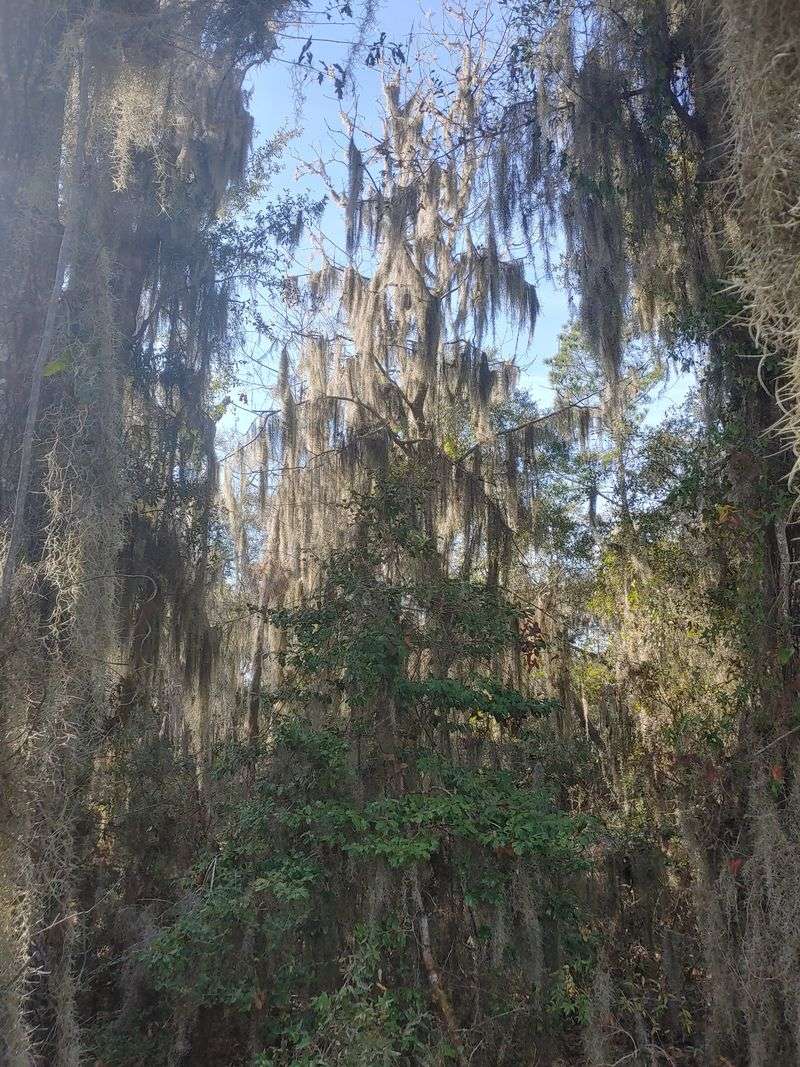
Ancient trees witness history in ways humans never can, standing firm through centuries of change.
The Oglethorpe Oak along Fort King George Drive marks where James Oglethorpe founded Darien in 1736.
This massive oak was already mature when Scottish Highlanders arrived to establish their new settlement.
Standing beneath its sprawling branches, you can almost imagine those early colonists gathering in its shade.
The tree has survived hurricanes, wars, and development that transformed everything around it.
A historical marker explains the founding story, but the tree itself tells a deeper tale of endurance.
Photographers position themselves to capture the oak’s gnarled limbs reaching across the sky like ancient fingers.
Locals treat this tree with reverence, recognizing it as a living connection to their town’s origins.
Visiting takes just moments, but touching its rough bark creates a tangible link to the past.
This oak reminds us that some things, trees, traditions, and small towns, persist despite a world constantly changing around them.