20 Secluded Maine Mansions With Truly Unforgettable Settings
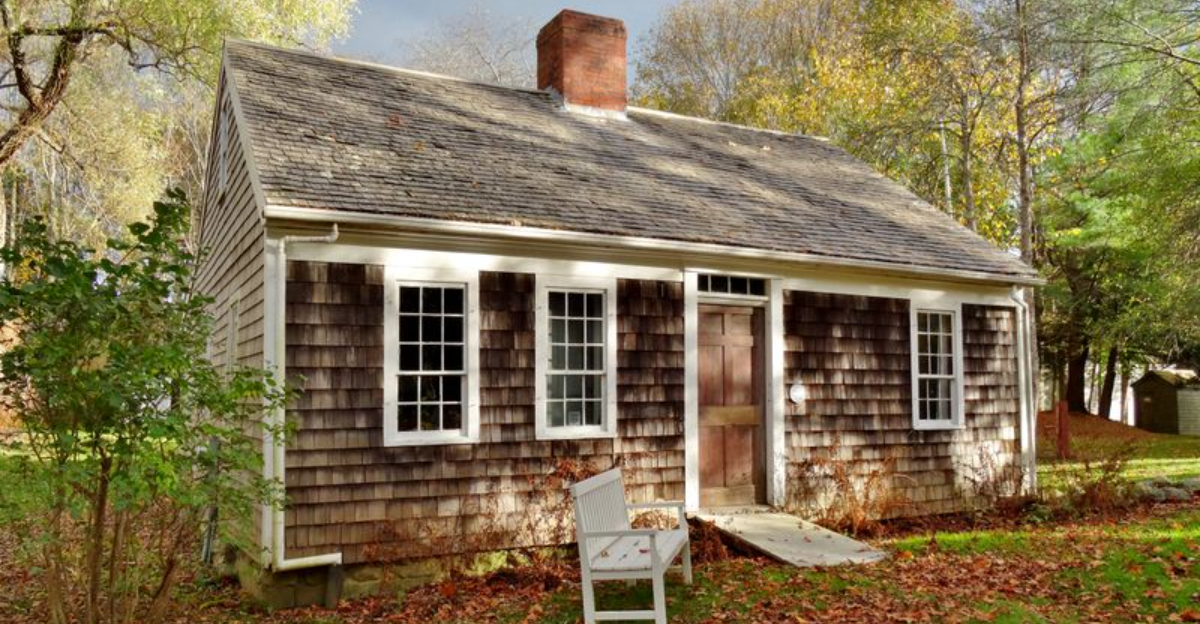
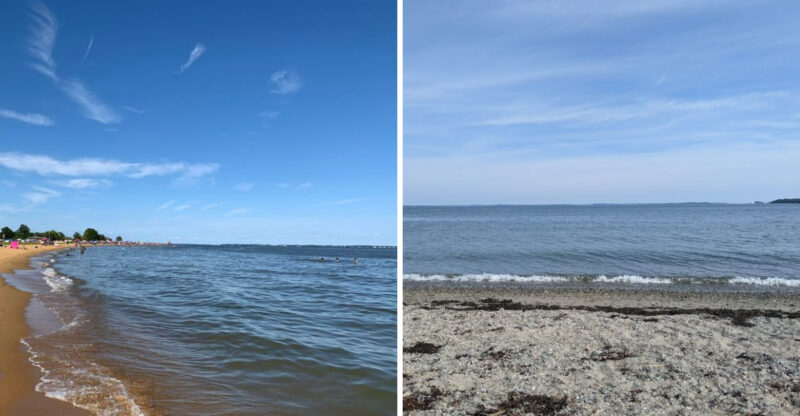
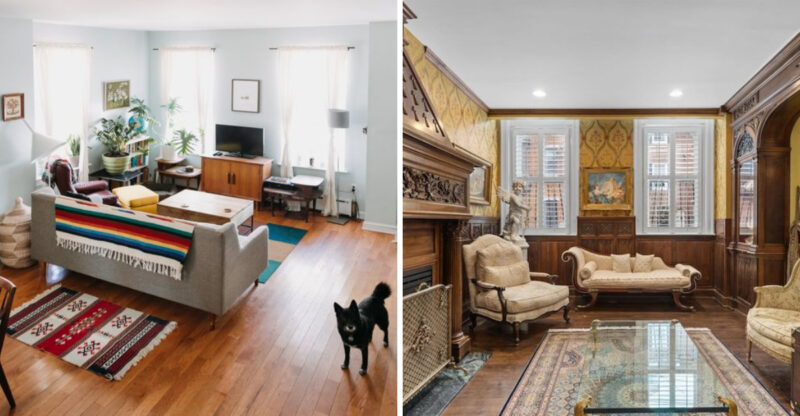
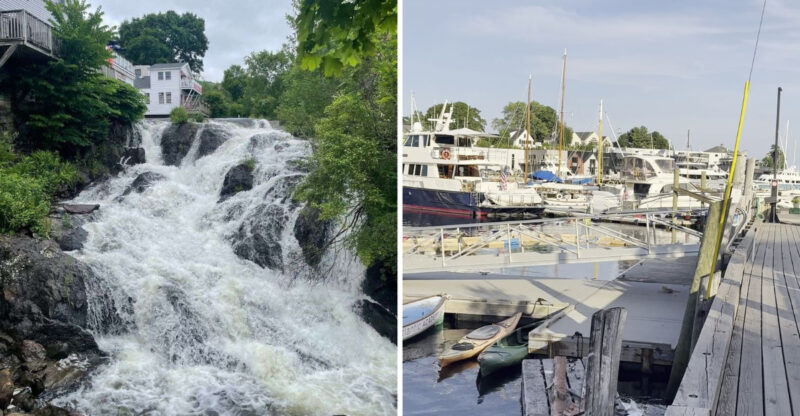
Towering pines, rocky shorelines, and deep blue water set the tone for homes designed to disappear into their surroundings rather than dominate them.
Privacy matters here, and these estates were built with distance in mind, tucked far from main roads and public view.
Along Maine’s coast and inland waterways, grand houses rise above cliffs, settle beside rivers, or sit quietly among acres of forest, shaped by both skilled craftsmanship and the landscape itself.
Many were created as private retreats, places meant for solitude, reflection, and long views that change with the light and seasons.
Together, they reveal a side of Maine defined by restraint, scale, and a deep respect for natural beauty.
1. Victoria Mansion
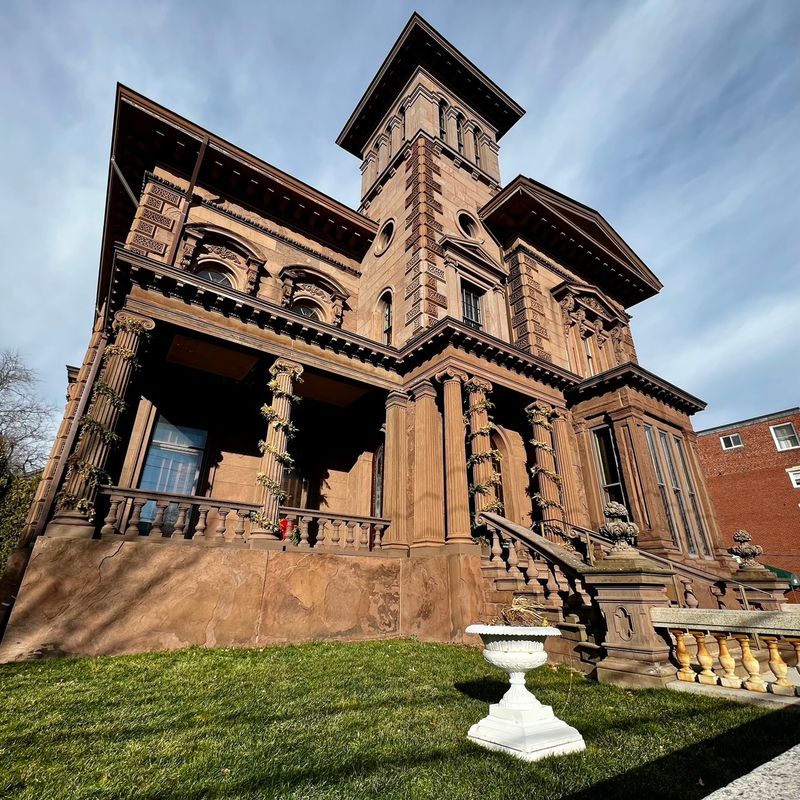
Built during the height of the Victorian era, this brownstone marvel stands as one of the finest examples of Italian villa design in the entire country.
Located at 109 Danforth Street, Portland, ME 04101, the mansion showcases incredible hand-painted walls, intricate carved woodwork, and stunning stained glass windows that capture light in the most beautiful ways.
Despite sitting in downtown Portland, the property feels worlds away thanks to its carefully designed gardens and tall hedges that create a sense of peaceful privacy.
Tours reveal room after room of opulent décor, from gilded mirrors to elaborate ceiling frescoes that took skilled artisans months to complete.
Visiting during weekday mornings tends to offer quieter experiences, allowing more time to appreciate the craftsmanship without crowds.
The mansion remains open to the public seasonally, making it a must-see for anyone fascinated by historic architecture and Victorian elegance.
2. Hamilton House
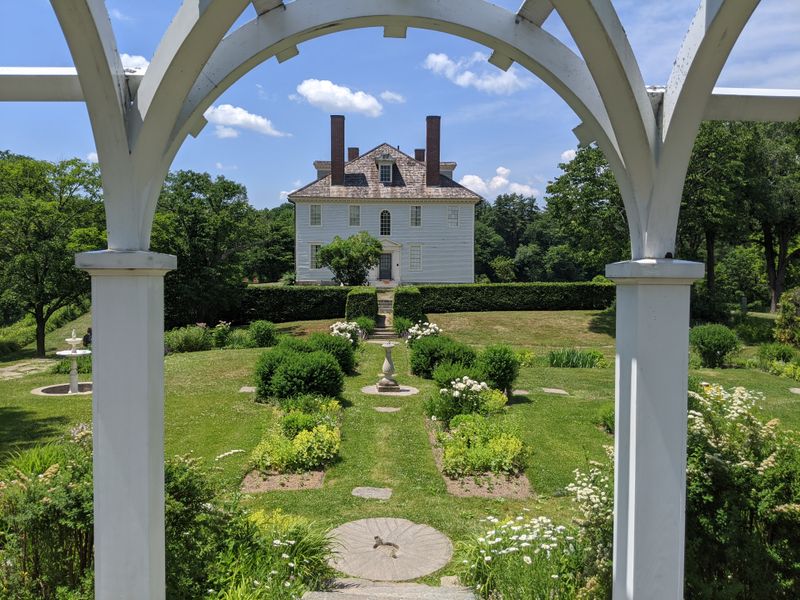
Perched high above the Salmon Falls River, this 1785 Georgian gem offers sweeping water views that change beautifully with the seasons.
The address is 40 Vaughan’s Lane, South Berwick, ME 03908, where the mansion’s symmetrical façade and classic proportions reflect the refined taste of Colonial America.
Colonial Revival gardens surround the property, filled with heirloom plants and carefully maintained pathways that invite leisurely strolls.
The river below adds a gentle soundtrack of flowing water, creating an atmosphere that feels both timeless and deeply calming.
History enthusiasts appreciate the well-preserved interiors, where original woodwork and period furnishings transport visitors back centuries.
Visiting during spring or early fall tends to showcase the gardens at their peak, with blooms and foliage adding extra color to the already picturesque setting.
The mansion welcomes the public during select months, offering guided tours that share fascinating stories about the families who once called this peaceful place home.
3. Blaine House
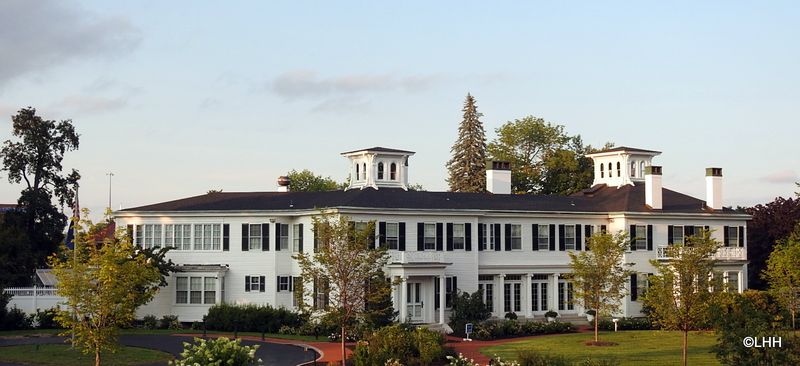
Serving as the official residence of Maine’s governor since 1919, this Colonial mansion combines historic charm with the dignity befitting a state leader’s home.
The address is 192 State Street, Augusta, ME 04330, where the white-columned façade and brick construction present a welcoming yet stately appearance.
Manicured lawns and mature trees provide a buffer from the nearby streets, creating a surprisingly peaceful setting despite the urban location.
The interior features period furnishings and artwork that celebrate Maine’s history, from maritime paintings to handcrafted furniture made by local artisans.
Public tours are occasionally offered, allowing residents and visitors to explore the rooms where important state decisions and ceremonial events take place.
The mansion’s grounds host seasonal events, including garden parties and holiday celebrations that bring the community together in this historic space.
Visiting during spring showcases the property’s flowering trees and bulbs at their best, adding splashes of color to the already elegant exterior.
4. Olson House
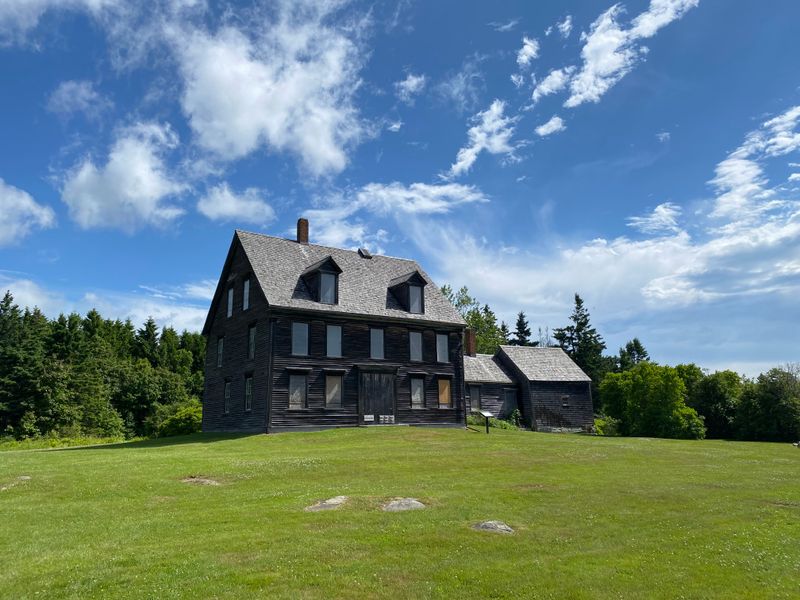
Andrew Wyeth’s iconic painting Christina’s World immortalized this weathered saltwater farm, making it one of America’s most recognizable homes.
Located at 384 Hathorne Point Road, Cushing, ME 04563, the house sits amid rolling fields that stretch toward the distant water, creating the exact scene that inspired Wyeth’s masterpiece.
The structure’s weathered clapboards and simple lines reflect the practical, no-nonsense architecture typical of Maine’s rural farming communities.
Inside, the rooms remain much as they were when the Olson family lived here, offering an authentic glimpse into mid-20th-century coastal farm life.
The property is now maintained by the Farnsworth Art Museum, which offers seasonal tours that explore both the house’s history and its connection to Wyeth’s art.
Walking the grounds allows visitors to experience the same views that captivated the artist, understanding how landscape and light influenced his creative vision.
The setting feels both isolated and inspiring, proving that sometimes the most unforgettable locations are those that embrace simplicity rather than grandeur.
5. Montpelier (General Knox Museum)
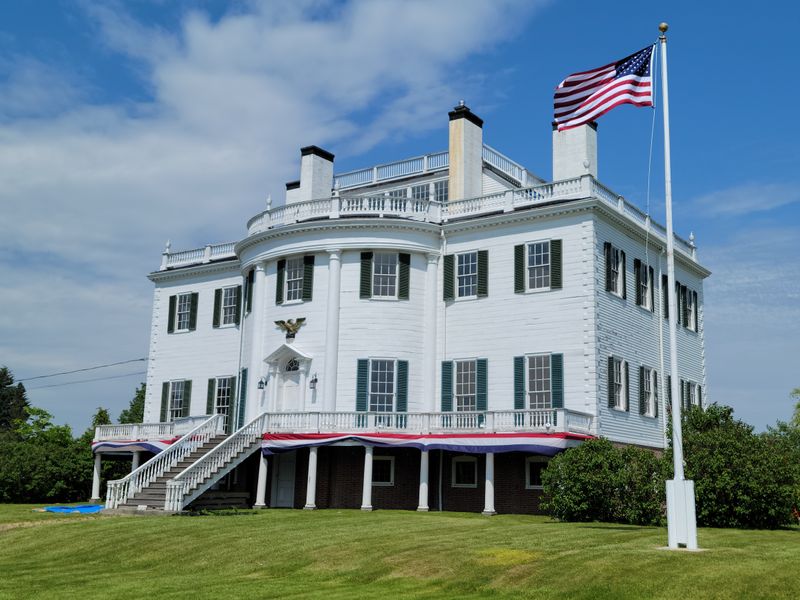
Revolutionary War General Henry Knox envisioned a grand estate worthy of his service to the nation, and this reconstructed mansion fulfills that dream beautifully.
The address is 30 High St, Thomaston, ME 04861, where grand columns and Federal-style architecture command attention while honoring early American design principles.
Period gardens surround the property, featuring plants that would have been common in the late 18th century, from heirloom roses to kitchen herbs used in Colonial cooking.
The interior showcases reproduction furnishings and artifacts that help visitors understand how a prominent family lived during the nation’s early years.
Guided tours share fascinating stories about Knox’s role in the Revolution, including his famous transport of artillery from Fort Ticonderoga to Boston during winter.
The museum hosts educational programs and special events throughout the year, making history accessible and engaging for visitors of all ages.
The setting offers peaceful river views and enough space to imagine what life might have been like when Knox welcomed fellow patriots to this secluded Maine estate.
6. Castle Tucker
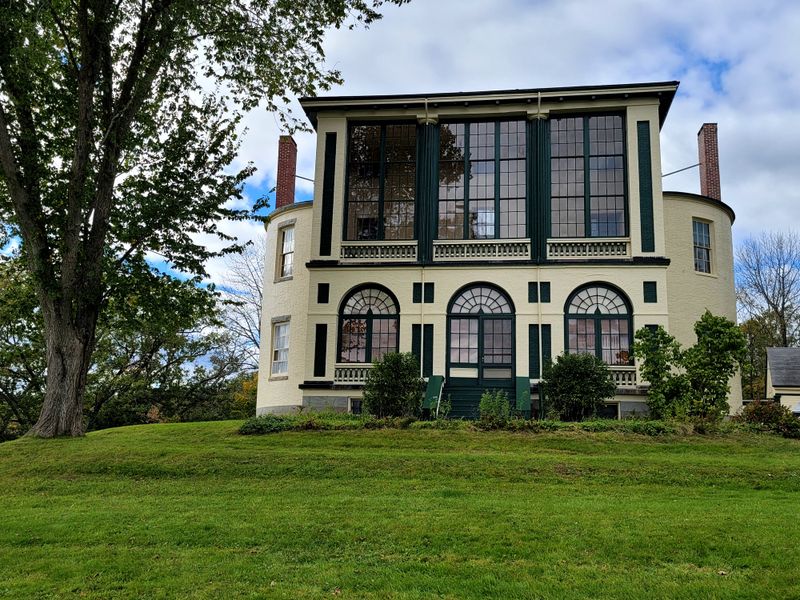
Captain Richard Tucker transformed this 1807 structure into an Italianate showpiece complete with a distinctive tower that overlooks the Sheepscot River.
Situated at 2 Lee Street, Wiscasset, ME 04578, the mansion’s elevated position provides sweeping water views that change with the tides and seasons.
Victorian furnishings fill the rooms, many original to the Tucker family, offering an intimate look at how one prominent Maine family lived across generations.
The tower serves as the home’s most striking feature, its height allowing panoramic views of the village below and the river winding toward the sea.
Historic Wiscasset, often called the prettiest village in Maine, provides a charming backdrop, with antique shops and waterfront parks within easy walking distance.
The mansion is maintained by Historic New England, which offers seasonal tours that emphasize the family’s stories and the home’s architectural evolution.
Visiting during summer allows guests to experience the property when the gardens are lush and the river teems with boat traffic, just as the Tuckers would have enjoyed it.
7. Nickels-Sortwell House
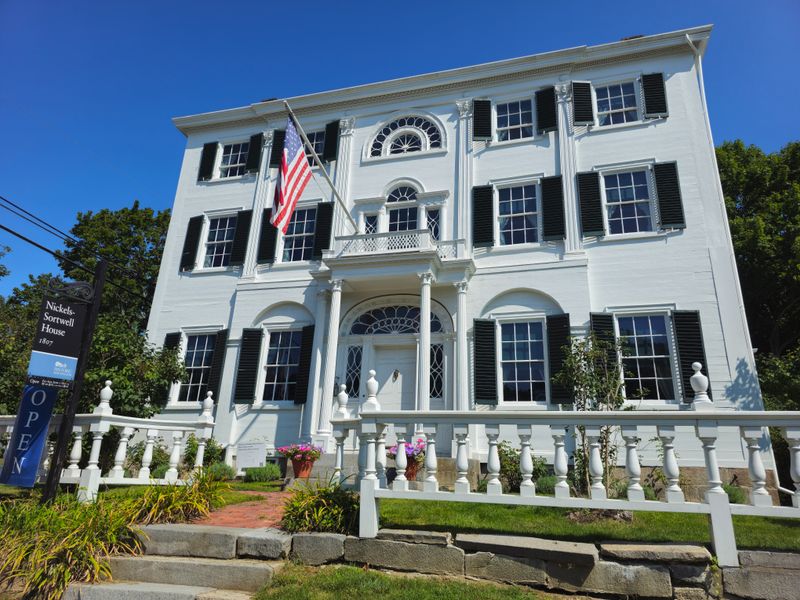
Ship captain William Nickels built this Federal-style beauty in 1807, demonstrating the prosperity that maritime trade brought to coastal Maine communities.
Located at 121 Main Street, Wiscasset, ME 04578, the mansion’s elegant proportions and refined details showcase the sophisticated tastes of early 19th-century sea captains.
The colonial garden features boxwood hedges and flowering perennials that provide color from spring through fall, creating a peaceful outdoor space perfect for contemplation.
Inside, period furnishings and decorative arts reflect both Federal and Colonial Revival styles, as the home was thoughtfully updated by later owners.
The Sortwell family, who acquired the property in 1899, preserved much of its historic character while adding their own touches that enhanced rather than obscured the original design.
Historic New England now operates the house museum, offering tours that explore themes of maritime commerce, family life, and architectural preservation.
The mansion sits right on Wiscasset’s main street, yet mature trees and careful landscaping provide surprising privacy despite the central location.
8. Ruggles House
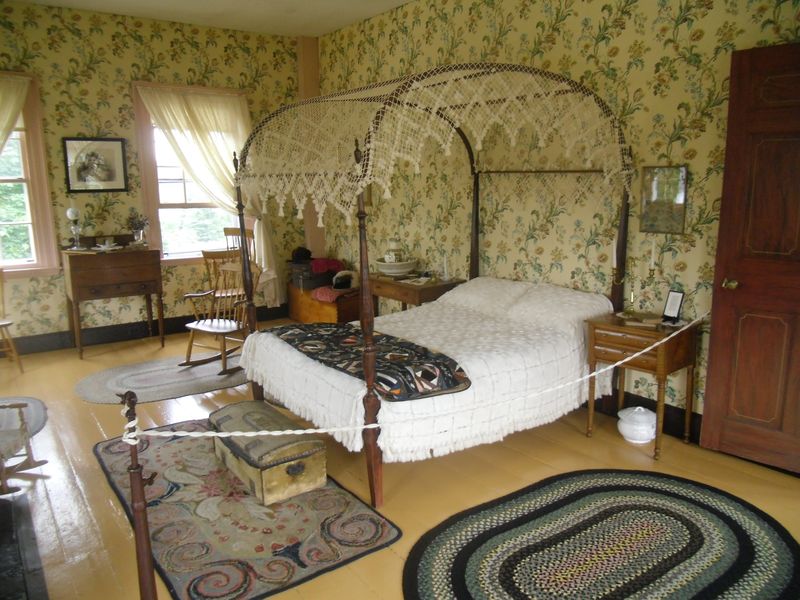
Judge Thomas Ruggles hired a craftsman to spend three years carving the elaborate woodwork that makes this 1818 mansion truly extraordinary.
The address is 146 Main Street, Columbia Falls, ME 04623, where the Federal-period architecture features a flying staircase that seems to float without visible support, showcasing remarkable engineering skill.
Hand-carved woodwork adorns nearly every surface, from the elaborate door surrounds to the delicate moldings that frame each room with incredible detail.
The home’s location in tiny Columbia Falls adds to its secluded feel, far from tourist crowds yet accessible to those willing to venture into Downeast Maine.
Original furnishings and family pieces remain in place, creating an authentic atmosphere that helps visitors understand how a prosperous judge’s family lived in rural Maine.
The house museum operates seasonally, with knowledgeable guides who can point out the subtle details in the woodwork that reveal the craftsman’s incredible talent.
Visiting this mansion requires a bit of a journey, but the reward is experiencing one of Maine’s finest examples of Federal-period craftsmanship in a beautifully preserved setting.
9. Burnham Tavern
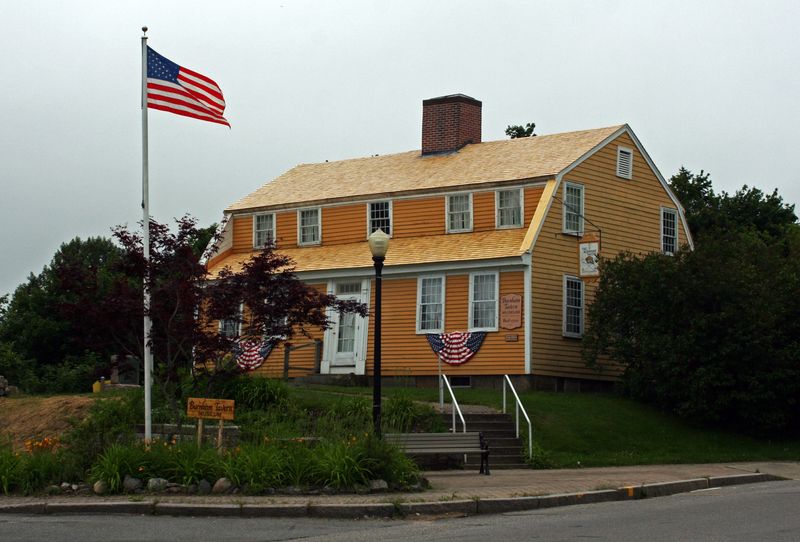
Revolutionary War history unfolded within these walls when local patriots gathered to plan the capture of the British ship Margaretta in 1775.
Located at 14 Colonial Way, Machias, ME 04654, this 1770 tavern represents one of the oldest surviving buildings in eastern Maine, with hand-hewn beams and wide-plank floors that have supported countless footsteps.
The wooden interior remains remarkably intact, featuring period furnishings and artifacts that illustrate both tavern life and the region’s role in America’s fight for independence.
Machias, tucked into Downeast Maine’s rugged coastline, provides the perfect secluded setting for a building that witnessed such pivotal moments in history.
The tavern museum opens seasonally, offering tours that bring to life the courage and determination of Maine’s early patriots who risked everything for freedom.
The building’s modest scale and simple construction reflect the practical nature of Colonial taverns, which served as community gathering places for everything from celebrations to political organizing.
Visiting here offers a chance to step back in time and appreciate how even small, remote communities played vital roles in shaping the nation.
10. Wadsworth-Longfellow House
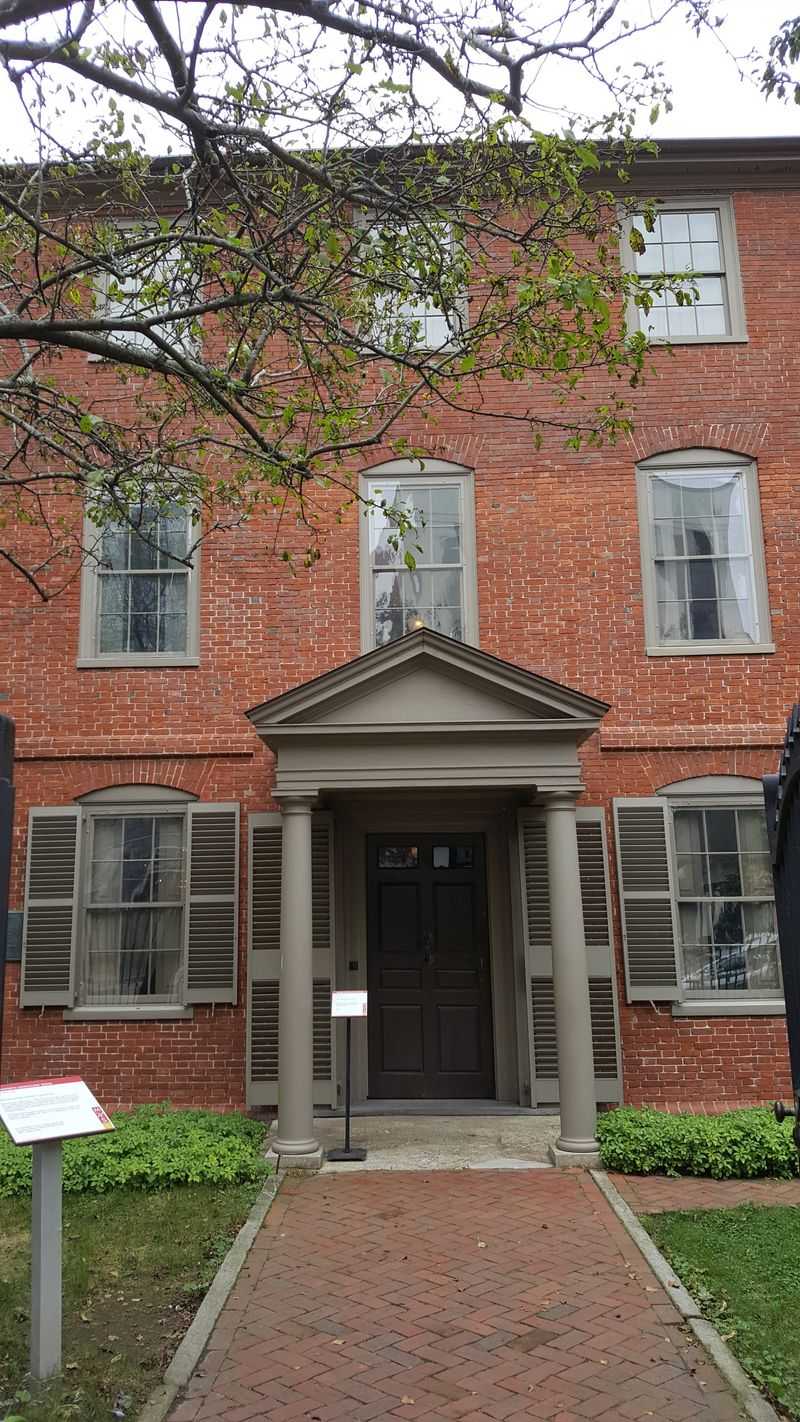
Poet Henry Wadsworth Longfellow spent his childhood in this brick mansion, where the sights and sounds of early Portland surely influenced his later literary works.
The address is 489 Congress Street, Portland, ME 04101, where the 1785 structure stands as one of the oldest surviving buildings on the peninsula, its brick construction a rarity in a city that suffered devastating fires.
Period gardens behind the house offer a quiet retreat from busy Congress Street, with plantings that reflect 19th-century horticultural tastes and provide seasonal beauty.
The interior preserves three generations of family furnishings and personal belongings, creating an intimate portrait of how one of America’s most beloved poets came of age.
The Maine Historical Society operates the house museum, offering tours that explore both Longfellow’s life and the broader context of Portland’s development as a major seaport.
Visiting during weekdays tends to allow more leisurely exploration, with guides available to answer questions about the family, the house, and Longfellow’s enduring literary legacy.
The mansion’s downtown location makes it easily accessible, yet the garden provides enough seclusion to imagine Portland as it was in Longfellow’s youth.
11. Colonel Black Mansion
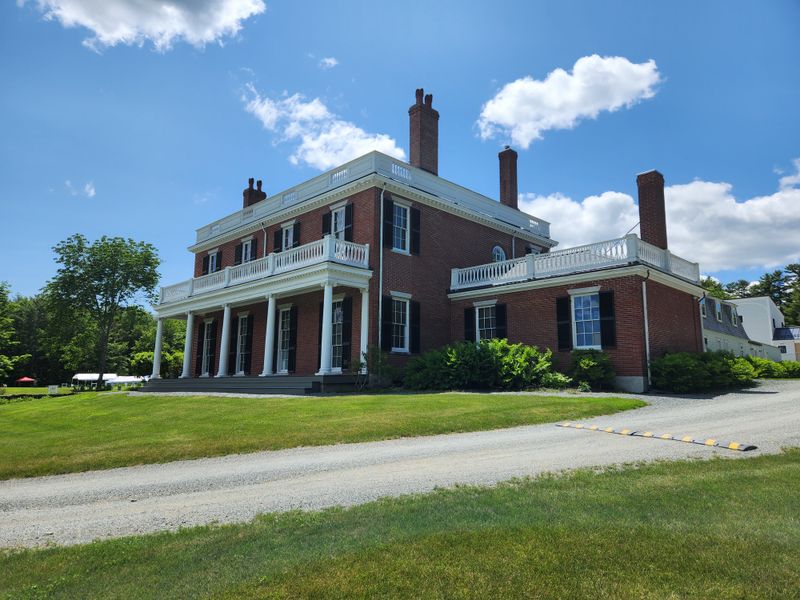
Colonel John Black, a land agent and entrepreneur, built this Georgian mansion in 1828 using brick, a material that signaled wealth and permanence in early Maine.
Located at 19 Black House Dr, Ellsworth, ME 04605, the mansion overlooks the Union River, with views that would have allowed Colonel Black to monitor the shipping activity that contributed to his fortune.
Period furnishings fill the rooms, from elegant Federal-style pieces to later Victorian additions that reflect changing tastes across the 19th century.
The gardens, though modest compared to some estates, feature mature trees and flowering shrubs that soften the mansion’s formal brick exterior.
Woodlawn Museum now maintains the property, offering tours that explore themes of entrepreneurship, family life, and the economic forces that shaped early Maine.
The mansion’s location in Ellsworth, a gateway to Mount Desert Island and Acadia National Park, makes it a convenient stop for travelers heading to more famous destinations.
Yet the house deserves attention in its own right, as a well-preserved example of how successful businessmen built homes that projected both prosperity and refined taste in Maine’s developing communities.
12. Sayward-Wheeler House
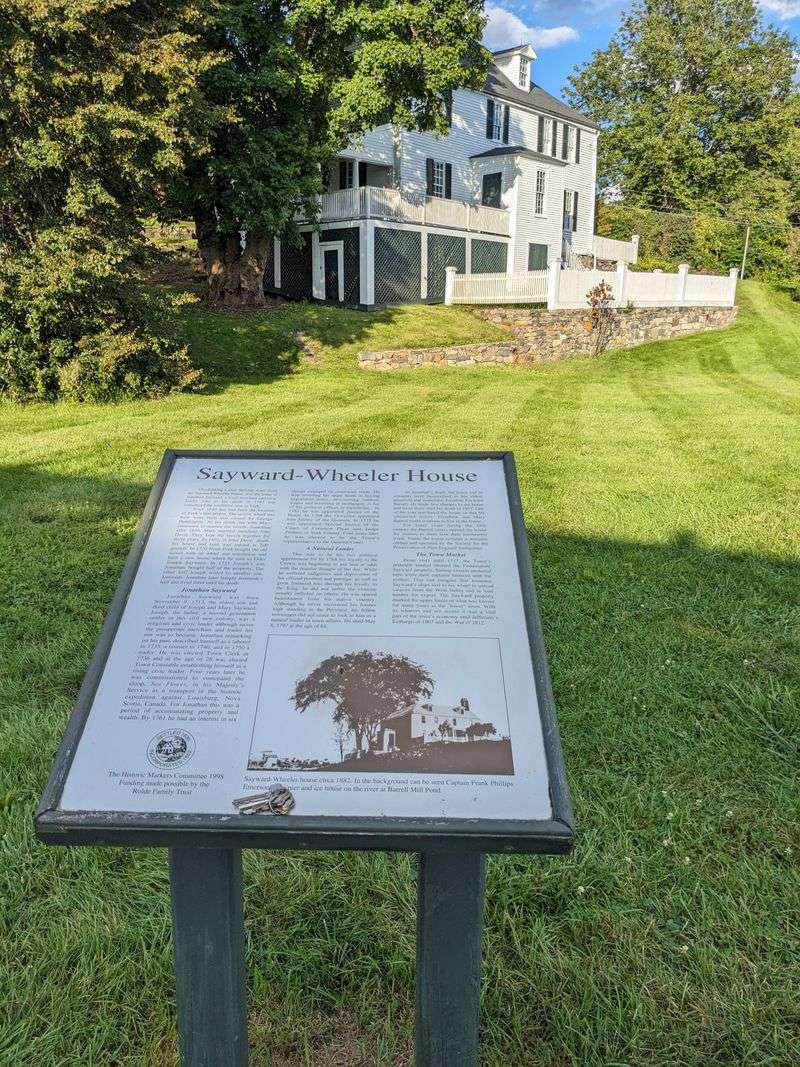
Jonathan Sayward, a merchant and civic leader, purchased this 1718 house and filled it with fine furnishings that reflected his success in Colonial trade.
The address is 9 Barrell Lane Extension, York Harbor, ME 03911, where the house commands beautiful harbor views that would have allowed Sayward to watch ships coming and going from his waterfront property.
Original family possessions remain throughout the house, creating an unusually complete picture of how one prosperous Colonial family lived across multiple generations.
The location in York Harbor, one of Maine’s oldest settlements, adds historical depth, with the surrounding area rich in stories from the earliest days of European settlement.
Historic New England operates the house museum, offering seasonal tours that emphasize the Sayward family’s role in Colonial commerce and politics.
The modest exterior belies the refined interior, where imported wallpapers, mahogany furniture, and family portraits demonstrate Sayward’s connections to broader Atlantic trade networks.
Visiting during summer allows guests to appreciate the harbor views at their most beautiful, when sailboats dot the water and the weather invites lingering in the historic garden.
13. McLellan-Sweat Mansion
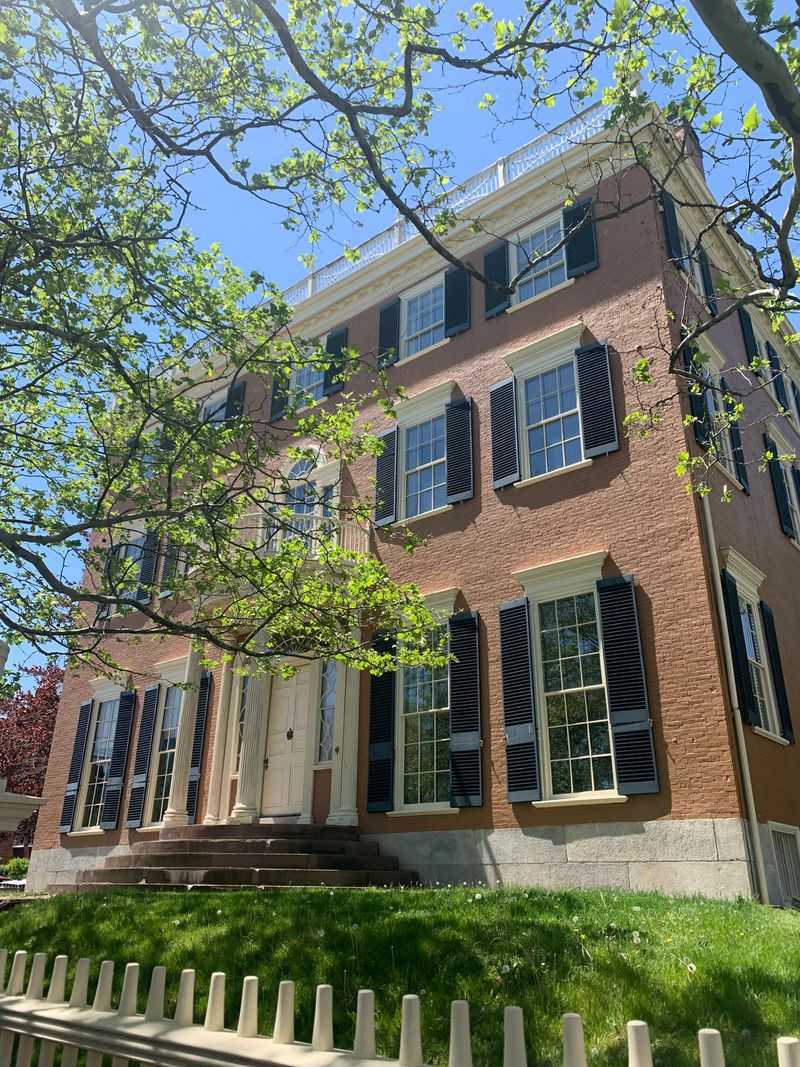
Major Hugh McLellan built this Federal-style brick mansion in 1800, creating one of Portland’s most elegant residences during the city’s early growth as a maritime center.
Located at 111 High Street, Portland, ME 04101, the mansion now serves as part of the Portland Museum of Art complex, connecting historic architecture with contemporary art appreciation.
Elegant interiors showcase Federal-period craftsmanship, from the delicate plasterwork to the graceful proportions that characterize the era’s best domestic architecture.
Period furnishings include both original McLellan family pieces and carefully chosen additions that help visitors understand how Portland’s elite lived during the early Republic.
The mansion’s brick construction helped it survive the fires that destroyed much of wooden Portland, making it a rare survivor from the city’s Federal period.
Museum tours connect the historic house with the adjacent galleries, showing how Portland’s cultural institutions evolved from private wealth to public resources.
The High Street location, though urban today, would have been on Portland’s edge when McLellan built, offering both convenience and a degree of separation from the busy waterfront below.
14. Norlands Living History Center
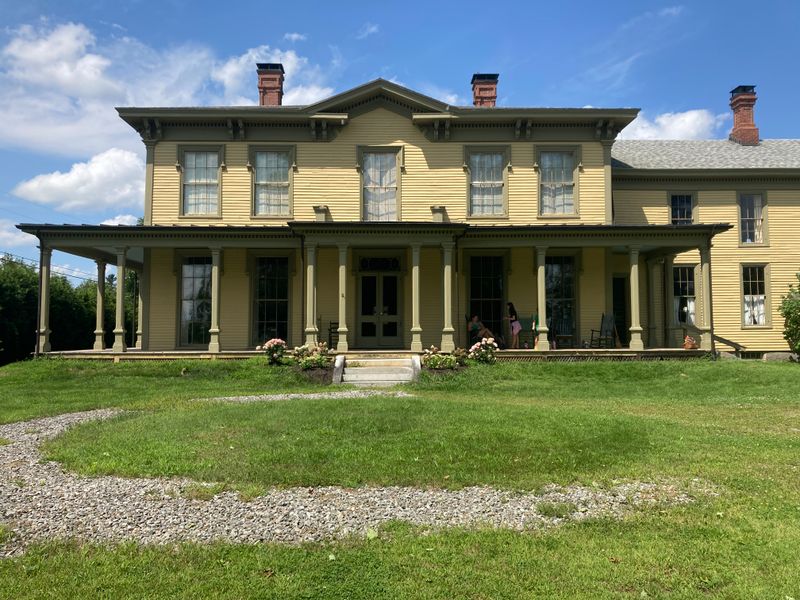
The Washburn family transformed their Maine farm into a remarkable estate where seven brothers rose to national prominence in politics, business, and diplomacy.
Located at 290 Norlands Road, Livermore, ME 04253, the 1867 mansion anchors a complex of period buildings that now offer immersive living history experiences.
The rural setting, surrounded by working farmland and forests, provides the kind of seclusion that allows visitors to truly step back in time without modern distractions.
Period buildings include a one-room schoolhouse, a church, and farm structures that illustrate the full scope of 19th-century rural life in Maine.
The center offers unique overnight programs where participants live as Victorians did, cooking on wood stoves, doing farm chores, and sleeping in period rooms.
Day visitors can tour the mansion and grounds, learning about the Washburn family’s remarkable achievements and the rural community that supported their rise.
The property’s isolation in western Maine’s rolling hills makes it feel genuinely removed from contemporary life, enhancing the historical experience in ways that more accessible sites simply cannot match.
15. Sarah Orne Jewett House
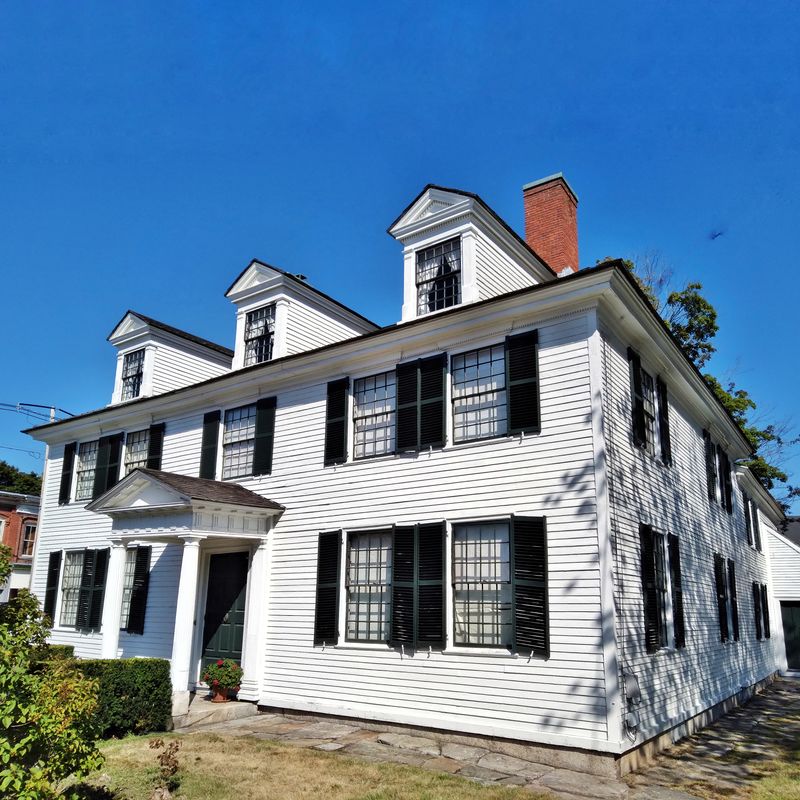
Author Sarah Orne Jewett drew inspiration from this 1774 Georgian mansion and the surrounding South Berwick community, crafting stories that captured Maine’s character beautifully.
The address is 5 Portland Street, South Berwick, ME 03908, where the house stands as both a literary shrine and an excellent example of Georgian domestic architecture.
Period furnishings and Jewett family possessions fill the rooms, creating an intimate connection with the writer who brought rural Maine to life for readers across America.
The house’s elegant proportions and refined details reflect the prosperity of Jewett’s physician father, whose practice supported the family’s comfortable lifestyle.
Jewett’s writing desk remains in place, inviting visitors to imagine the author crafting her sensitive portraits of Maine people and places in this very room.
Historic New England operates the house museum, offering tours that explore both Jewett’s literary achievements and the social world of late 19th-century New England.
The South Berwick setting, with its mix of rural and village life, provided Jewett with the material she needed to create stories that continue to resonate with readers today.
16. Parson Fisher House
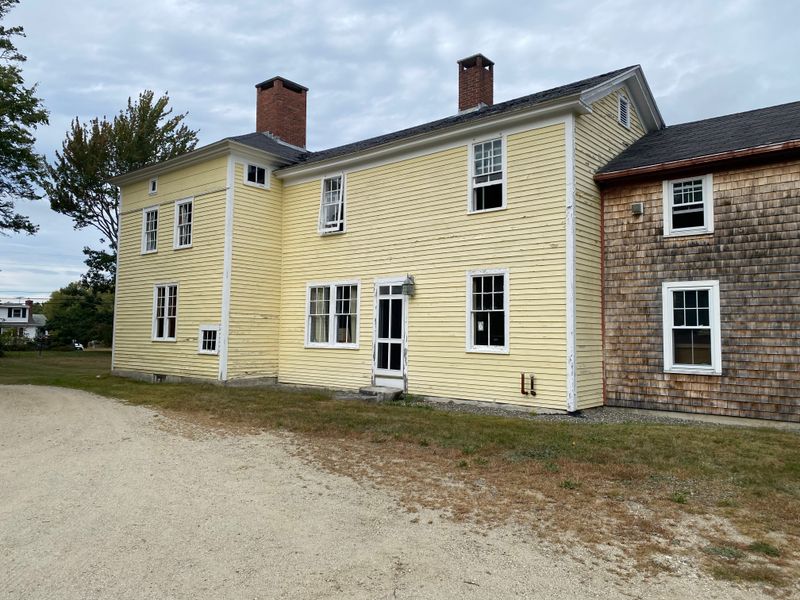
Reverend Jonathan Fisher built this modest parsonage in 1814, but his remarkable talents as a painter, craftsman, and inventor made the house anything but ordinary.
Located at 44 Mines Road, Blue Hill, ME 04614, the Federal-style structure features painted decorations and handmade furnishings that showcase Fisher’s diverse skills and creative energy.
The parson painted walls, created furniture, and even invented tools, demonstrating the self-sufficiency required of rural ministers in early 19th-century Maine.
Blue Hill’s quiet setting, surrounded by forests and farmland with views toward Blue Hill Mountain, provided the peaceful environment Fisher needed for his many pursuits.
The house museum preserves Fisher’s artwork, journals, and inventions, offering insight into the intellectual life of a rural New England minister who refused to be limited by his remote location.
The Jonathan Fisher Memorial operates the property, welcoming visitors who want to discover this lesser-known but fascinating figure in Maine’s cultural history.
The house’s modest scale and rural location emphasize how creativity and learning could flourish even in Maine’s most secluded communities, far from urban cultural centers.
17. Farnsworth Homestead
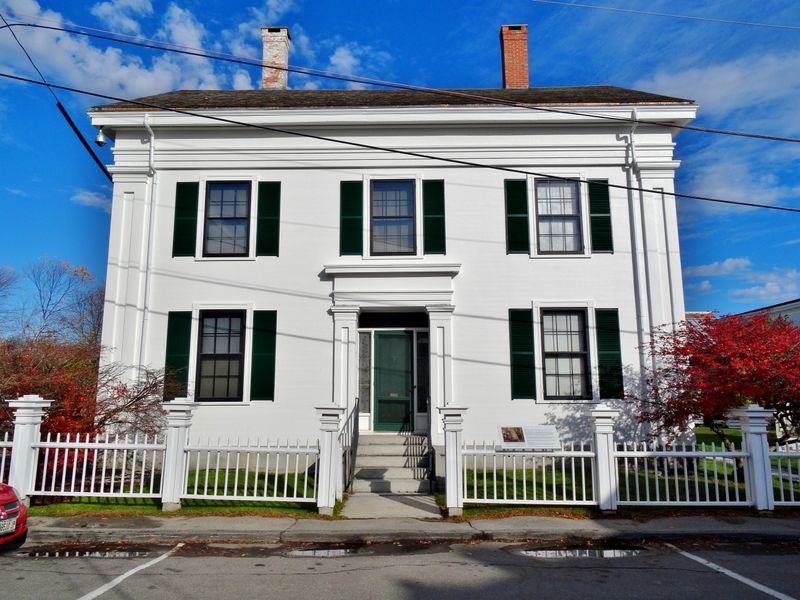
The Farnsworth family lived in this Victorian mansion for generations, accumulating furnishings and personal possessions that now offer a remarkably complete picture of 19th-century domestic life.
Located at 21 Elm Street, Rockland, ME 04841, the 1850s house features ornate details typical of Victorian taste, from elaborate woodwork to richly patterned wallpapers and carpets.
The home remained in the family until Lucy Farnsworth’s death in 1935, when her bequest created the Farnsworth Art Museum and preserved the house as a period museum.
Original furnishings fill every room, creating an almost eerie sense that the family has just stepped out and might return at any moment.
The museum offers tours that explore Victorian domestic life, gender roles, and the social expectations that shaped how families like the Farnsworths lived.
Rockland’s transformation from a bustling limestone and shipping center to today’s art-focused community provides context for understanding the Farnsworth family’s place in the town’s evolution.
The house sits just steps from the museum’s main galleries, allowing visitors to experience both historic domestic spaces and world-class art collections in a single visit.
18. Whaleback Shell Midden
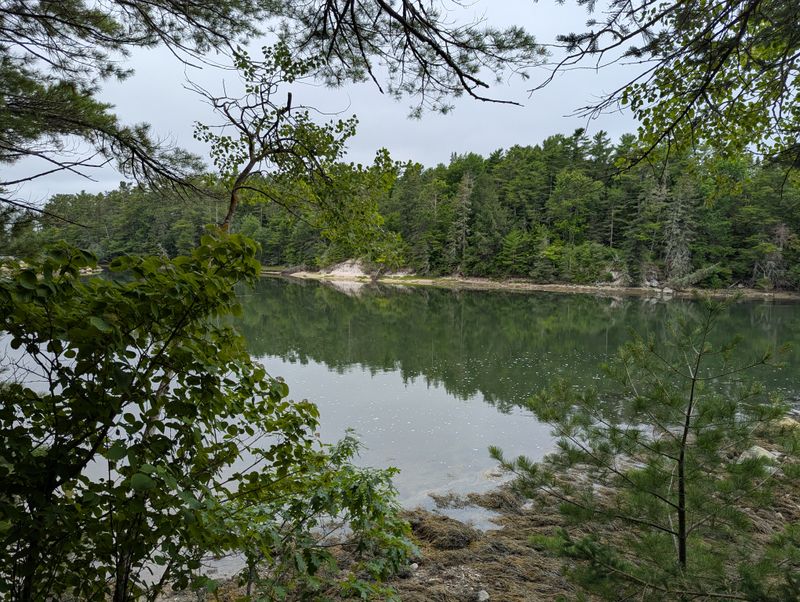
Thousands of years before European mansions appeared in Maine, Native peoples gathered along the Damariscotta River, leaving behind shell middens that tower above the modern landscape.
The site is located near 535 Main St, Damariscotta, ME 04543, where ancient oyster shells form massive deposits that archaeologists continue to study for clues about pre-contact life.
While not a mansion in the traditional sense, this site represents Maine’s oldest permanent settlements, places where people returned seasonally for countless generations to harvest abundant shellfish.
The riverside location provided both food and transportation, making it an ideal gathering place that demonstrates how Maine’s waterways have always drawn human settlement.
An interpretive center helps visitors understand the significance of these shell heaps and the sophisticated cultures that created them over millennia.
The secluded setting along the tidal river creates a contemplative atmosphere, perfect for reflecting on the deep human history that predates all of Maine’s European-built mansions.
Visiting during low tide reveals the river’s mudflats and remaining shellfish beds, connecting modern observers with the same resources that sustained Native communities for thousands of years.
19. Sabbathday Lake Shaker Village
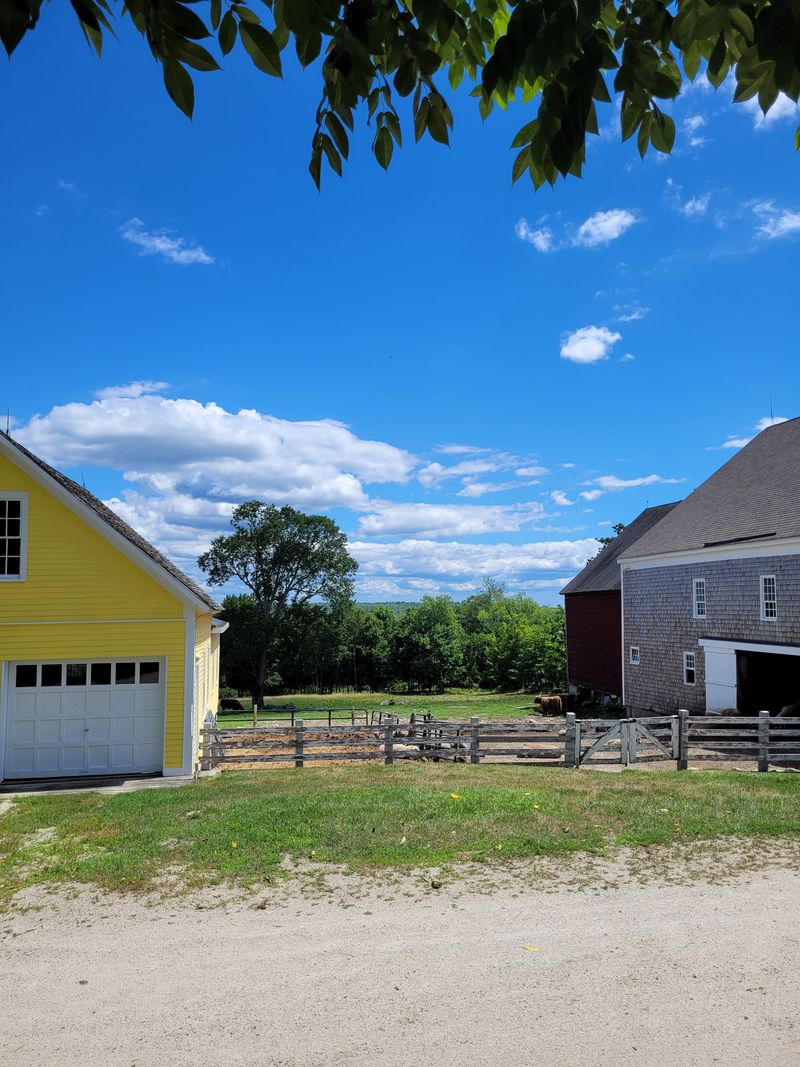
The last active Shaker community in America continues to live and worship at Sabbathday Lake, maintaining traditions that stretch back to the 18th century.
Located at 707 Shaker Road, New Gloucester, ME 04260, the village includes multiple historic buildings where the Shakers’ distinctive approach to architecture, craftsmanship, and communal living remains visible.
Simple white buildings arranged around central spaces reflect Shaker values of order, cleanliness, and spiritual focus, with no unnecessary ornamentation to distract from religious devotion.
The community still farms the surrounding land, continuing agricultural practices that have sustained the village for over two centuries.
A museum in one of the historic buildings displays Shaker furniture, tools, and crafts that demonstrate the movement’s famous commitment to functional beauty and skilled workmanship.
Guided tours offered seasonally allow visitors to learn about Shaker history, theology, and daily life from knowledgeable guides who respect the continuing religious community.
The rural setting provides the peace and separation from worldly distractions that the Shakers sought, making this secluded village an ideal place for a community dedicated to spiritual pursuits and simple living.
20. Camden-Rockport Historical Society
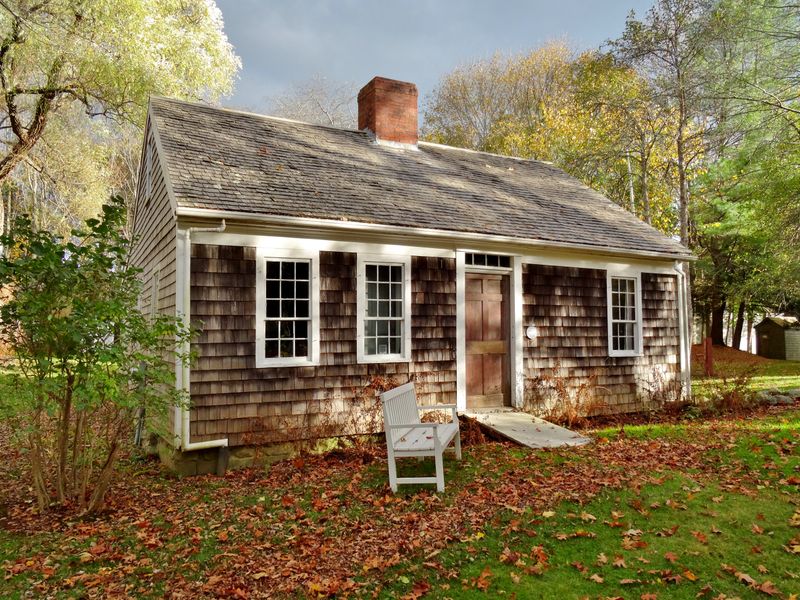
Maritime wealth shaped Rockport in the 19th century, as sea captains invested their earnings into substantial homes that served as welcoming retreats between long ocean voyages.
Rather than a single landmark address, clusters of captain’s houses appear throughout the village, including 7 Commercial St, Rockport, ME 04857, where historic residences still line the waterfront.
Victorian architecture defines many of these homes, featuring decorative trim, bay windows, and widow’s walks built for watching the horizon for returning ships.
Harbor-facing locations offered both scenic beauty and a constant visual connection to the sea that made these prosperous lives possible.
While many former captain’s houses now operate as inns or private residences, their distinctive details continue to reflect Rockport’s maritime roots.
The village’s thriving arts community, established in the early 20th century, brings added character, with galleries and studios housed in former maritime-era buildings.
A visit to Rockport reveals a carefully preserved Maine harbor village where seafaring history, coastal scenery, and creative spirit exist side by side.