7 South Carolina Dishes Named After Quaint Towns Bursting With Local Pride
Food has a way of tying flavor to memory and place.
Across South Carolina, beloved recipes carry the names of the small towns where they first took shape.
Long before restaurant trends and social feeds, South Carolina cooks were building identity through seafood boils, rice dishes, and slow-cooked comfort foods shared at crowded tables.
Each dish reflects the pride of its hometown, shaped by geography, heritage, and the rhythms of daily life.
From the coast to inland communities, South Carolina food traditions traveled through generations without losing their roots.
These town-named dishes tell stories of belonging, resilience, and the quiet confidence of communities that know exactly who they are.
1. Frogmore Stew
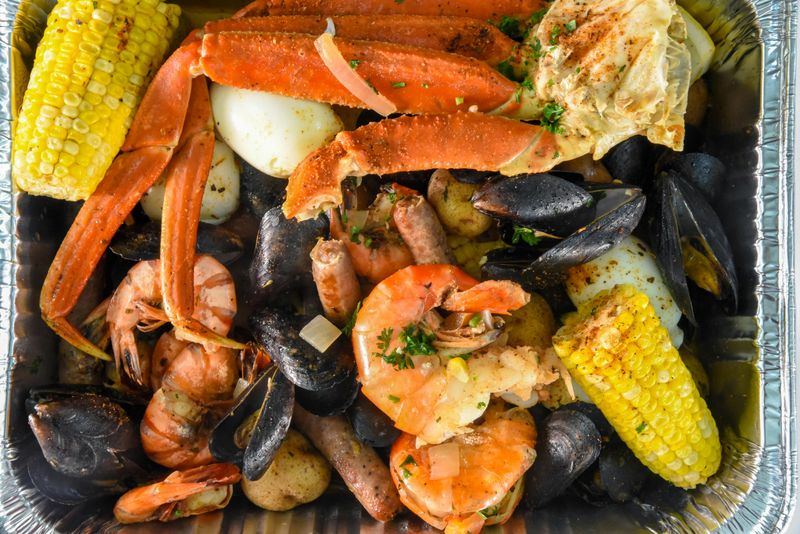
Named after the tiny Frogmore community on St. Helena Island, this iconic Lowcountry dish brings people together like few other meals can.
The recipe calls for fresh shrimp, smoked sausage, corn on the cob, and red potatoes all boiled together in a big pot with plenty of seasoning.
What makes it special isn’t just the ingredients but the way it’s served – dumped right onto tables covered with newspaper, encouraging everyone to dig in with their hands.
Locals have been making this communal feast for generations, and it remains a staple at family gatherings and community events throughout the Lowcountry.
The dish reflects the fishing heritage of St. Helena Island and the easygoing, come-as-you-are spirit of coastal South Carolina.
Many restaurants across the state now serve their own versions, but purists insist the best Frogmore Stew still comes from backyard pots on the island where it all began.
2. Chicken Bog From Loris
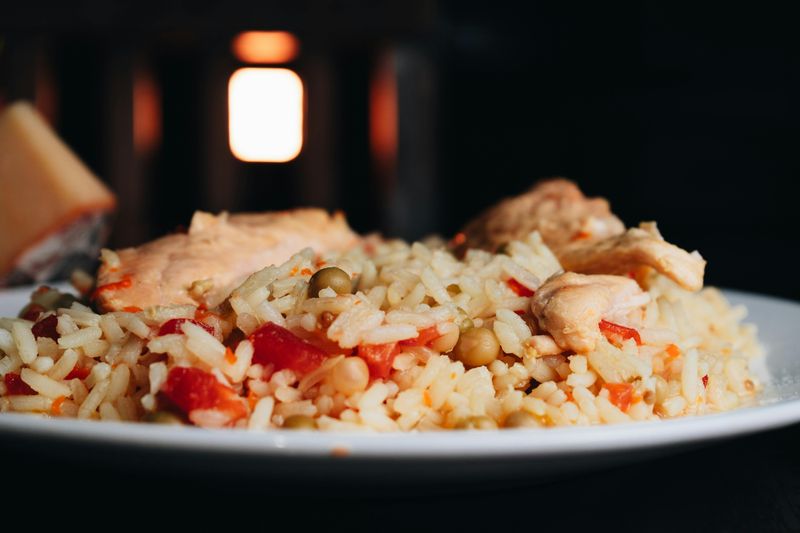
Loris, a small town in Horry County, claims this hearty rice dish as its own and even hosts an annual Bog-Off festival to celebrate it.
Chicken Bog combines tender chicken, smoky sausage, and rice cooked together until everything melds into a moist, flavorful one-pot wonder.
The name likely comes from the dish’s distinctive wet texture, which resembles the boggy marshlands found throughout the region.
Families in Loris have been cooking this comfort food for well over a century, with each household guarding its own special recipe tweaks.
The dish appears at church suppers, fundraisers, and family reunions, always drawing a crowd.
Some cooks add black pepper for heat, while others prefer a milder approach, but everyone agrees the rice should be creamy without being mushy.
The Loris Bog-Off attracts competitors from across the state, all vying to prove their version is the best.
3. Hilton Head Oyster Roast
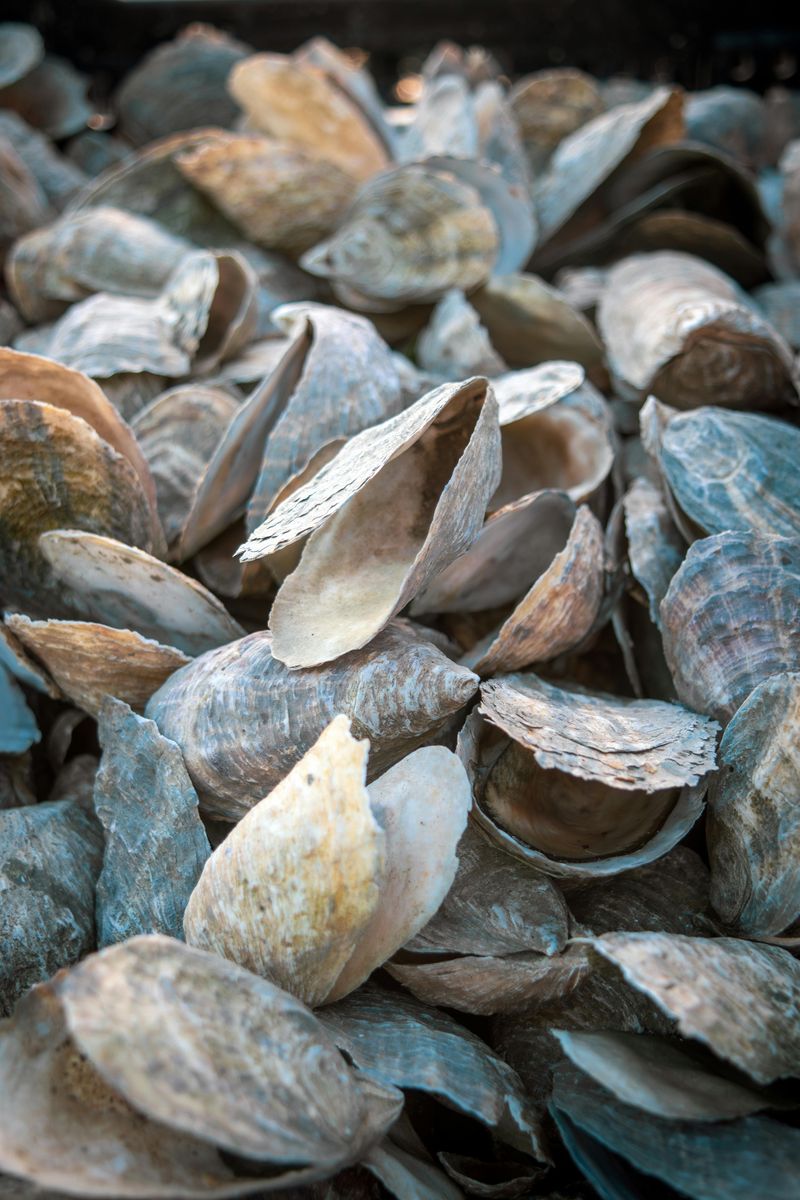
Hilton Head Island’s oyster roasts bring people together around smoky fires where fresh-caught oysters steam until their shells pop open.
The tradition involves spreading oysters on metal sheets placed over open flames, covering them with wet burlap, and waiting for the heat and steam to cook them perfectly.
Guests stand around with oyster knives and gloves, shucking the hot shellfish and slurping them down with your favorite sauce or melted butter.
Hilton Head’s coastal waters produce plump, briny oysters that taste best when prepared simply and eaten immediately.
The island’s oyster roast tradition dates back generations, long before Hilton Head became a resort destination.
Local organizations and families still host oyster roasts during cooler months when oysters are at their prime and standing around a fire feels pleasant.
The communal nature of oyster roasts reflects Hilton Head’s friendly, laid-back atmosphere and its deep connection to the surrounding sea.
4. Edisto Island Crab Cakes
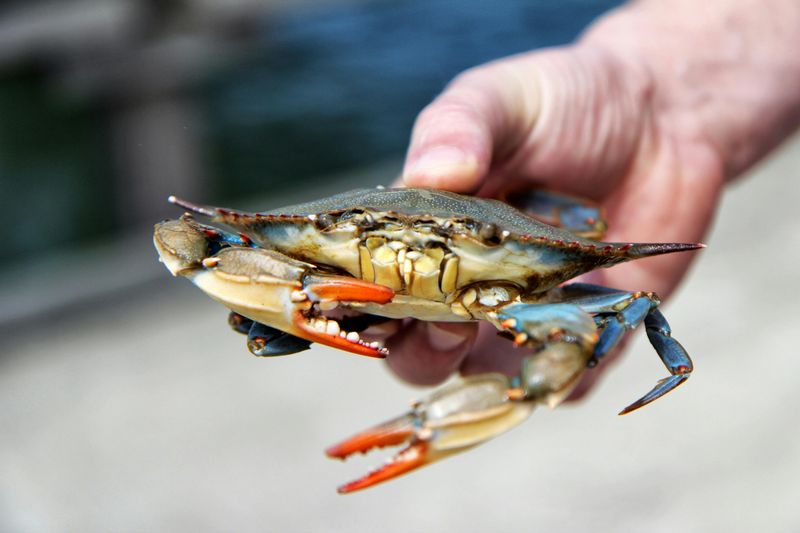
Edisto Island crab cakes are known for letting the sweet, delicate flavor of Atlantic blue crab remain the clear star of the dish.
Local recipes rely on lump crab meat with very little filler, allowing the natural taste and texture of the seafood to shine through.
Cooks bind the mixture with just enough egg and breadcrumbs to hold the patties together without overwhelming the crab.
The cakes are typically pan-fried until golden brown, forming a light crust while staying moist and tender inside.
Edisto Island’s surrounding marshes and tidal waters provide an abundant supply of fresh crabs that locals have harvested for generations.
Many island cooks insist on picking their own crab meat by hand, believing the extra effort results in superior flavor and freshness.
Crab cakes are served as both appetizers and main courses, often accompanied by a simple remoulade sauce or a squeeze of fresh lemon.
The dish reflects Edisto Island’s laid-back coastal lifestyle and its deep respect for seafood prepared simply and honestly.
5. Charleston She-Crab Soup
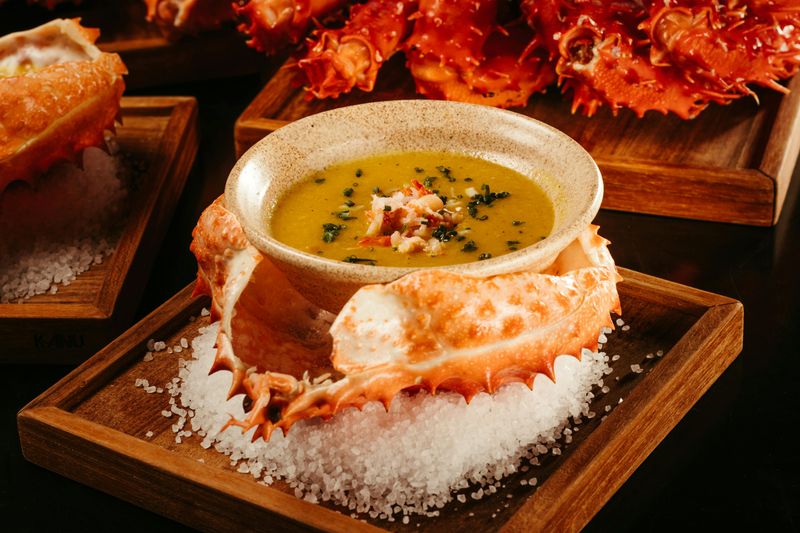
Charleston’s most refined contribution to South Carolina’s food scene, She-Crab Soup has been warming locals and visitors since the 1920s.
This velvety soup features lump crab meat, bright orange crab roe, heavy cream, and a splash of dry sherry that adds depth to every spoonful.
The dish originated in Charleston’s elegant dining rooms, where it was served to wealthy visitors seeking a taste of Southern sophistication.
Traditional recipes insist on using female crabs during roe season to achieve the soup’s signature color and rich flavor.
The preparation requires patience and quality ingredients – shortcuts tend to show in the final result.
Many Charleston restaurants have made She-Crab Soup their signature dish, each claiming their version as the most authentic.
The soup represents the city’s culinary elegance and its long relationship with the Atlantic blue crab that thrives in nearby waters.
6. Beaufort Stew

Beaufort’s version of the Lowcountry seafood boil carries the name of this historic coastal town, though some locals argue it’s simply another name for Frogmore Stew.
Regardless of what you call it, the dish features the same beloved combination of shrimp, smoked sausage, corn, and potatoes boiled together with Old Bay seasoning.
Beaufort’s waterfront location makes it a natural home for this seafood feast, with fresh shrimp often caught the same day they’re cooked.
The town’s shrimping heritage runs deep, and local families have been gathering for communal boils for as long as anyone can remember.
Many Beaufort residents prefer their stew with extra spice, reflecting the bold flavors favored in this part of the Lowcountry.
Visitors to Beaufort can find the stew at casual seafood restaurants and at community events, where it’s still served in the traditional manner – spread across newspaper-covered tables for easy cleanup and maximum fun.
7. Charleston Red Rice
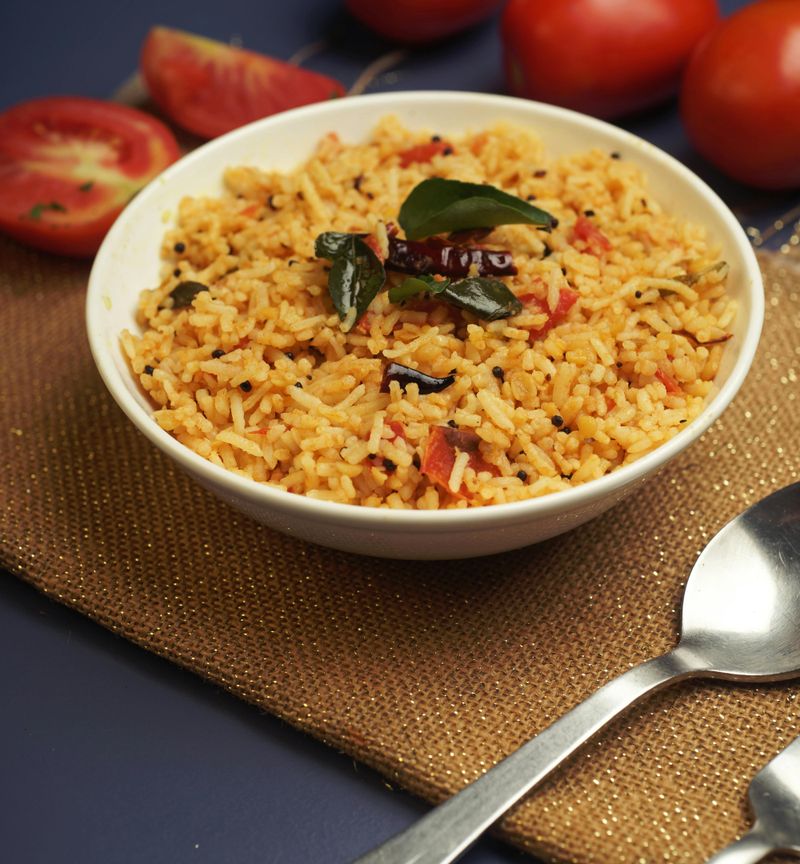
With roots stretching back to West Africa, Charleston Red Rice stands as a delicious reminder of the Gullah Geechee people’s lasting influence on Lowcountry cooking.
The dish combines white rice with crushed tomatoes, bacon or smoked sausage, celery, bell peppers, and onions, all cooked together until the rice turns a beautiful russet color.
Its similarity to West African jollof rice isn’t coincidental – Africans brought rice-growing knowledge to the Lowcountry and adapted their traditional recipes using local ingredients.
Charleston families have been making this side dish for generations, often serving it alongside fried fish or roasted chicken.
The recipe varies from kitchen to kitchen, with some cooks adding extra vegetables or adjusting the spice level to suit their family’s taste.
Red rice appears at celebrations, Sunday dinners, and everyday meals throughout Charleston, carrying forward a culinary tradition that honors the city’s complex history.