North Carolina Farmhouse Kitchen Trends That Are Inspiring Every Home Chef

North Carolina’s farmhouse kitchens are having a moment, and they’re totally crushing it.
Picture this: reclaimed wood, vintage light fixtures, and countertops that scream “I’ve been around for decades”, mixed with appliances so smart, they practically cook the dinner for you.
These kitchens manage to pull off that perfect mix of rustic charm and modern convenience, like wearing a plaid flannel shirt with high-tech sneakers.
Whether you’re in the mountains, on the coast, or somewhere in between, home chefs are embracing these spaces like they’re their personal playground, where old recipes meet new tricks, and every meal feels like an episode of a cooking show, minus the fancy TV crew.
It’s a blend of comfort and style that’s ready to make you want to pull up a chair and just… stay forever. And who can blame you?
1. Open Shelving With Natural Wood Accents

Imagine reaching for your favorite mug without opening a single cabinet door.
Open shelving brings personality to kitchens while making everyday items easy to grab.
Natural wood shelves made from oak or maple add warmth and texture that painted cabinets just can’t match.
Local designers recommend mixing open shelves with closed storage for balance.
Displaying handmade pottery or vintage jars turns storage into decoration.
The wood develops character over time, gaining a rich patina that tells your kitchen’s story.
Dust can be a concern, so keep frequently used items on display and store special pieces behind doors.
This trend works beautifully in smaller kitchens where heavy cabinets might feel overwhelming.
Light bounces off the walls better, making the whole space feel bigger and brighter.
Plus, you’ll always know exactly where everything lives.
2. Farmhouse Sinks With Deep Basins
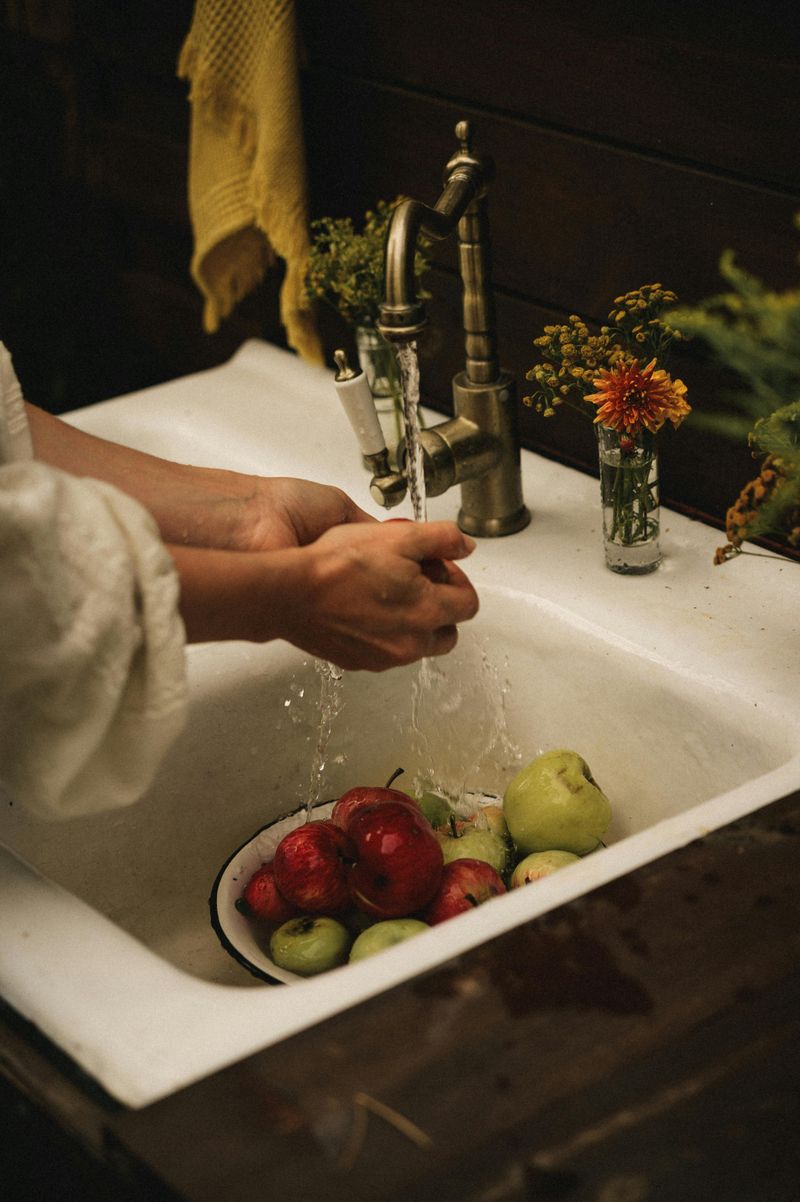
Nothing says farmhouse quite like a deep, apron-front sink that can handle a roasting pan.
These sinks became popular on actual farms where folks needed to wash vegetables straight from the garden.
Today’s versions blend that heritage with modern materials like fireclay or cast iron.
Kitchen designers love positioning these sinks under windows for natural light.
The deep basin means fewer splashes on your counters and more room for stacking dishes.
White remains the classic choice, but soft grays and even black are gaining fans.
The exposed front panel becomes a focal point that anchors your whole design.
Installation requires custom cabinetry since the sink sits differently than standard models.
But the investment pays off in both looks and practicality.
Washing big pots becomes less of a chore when you have room to maneuver.
3. Reclaimed Wood For Cabinetry And Flooring
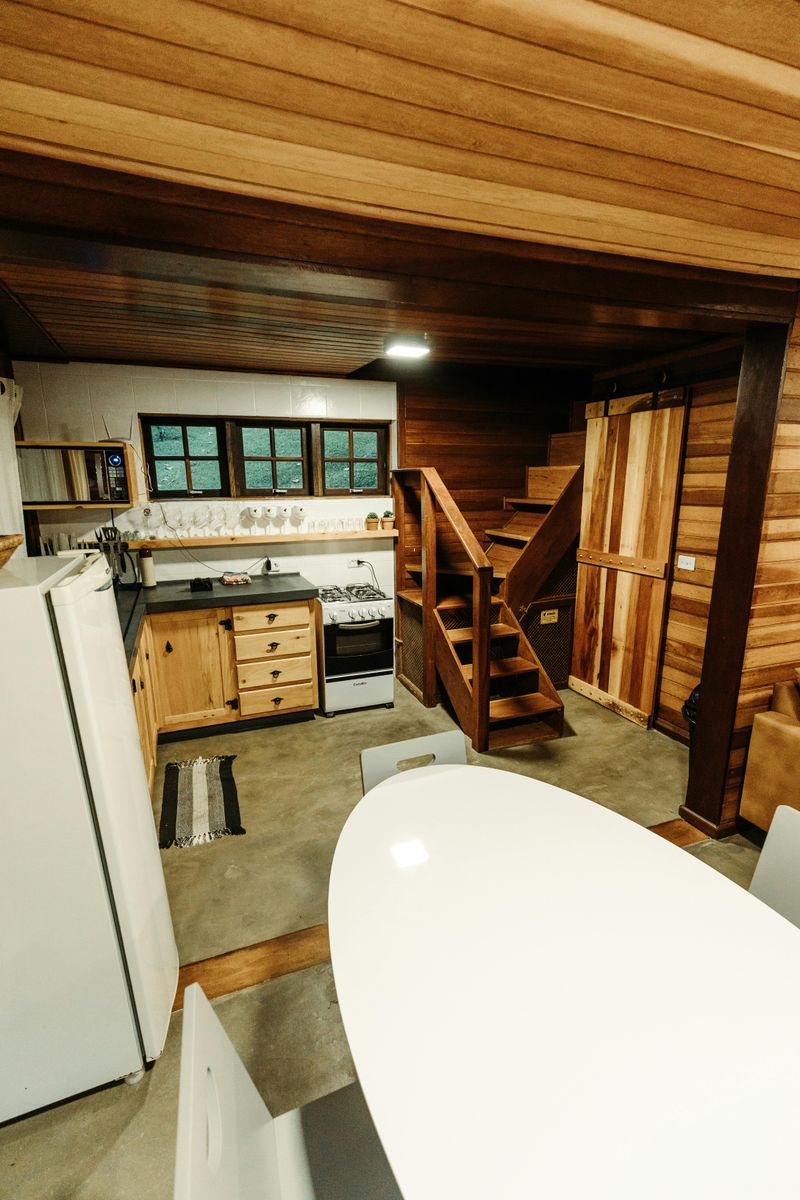
Old barn wood carries stories that new lumber simply cannot tell.
Reclaimed materials bring history into your kitchen while reducing waste and environmental impact.
Each plank shows unique nail holes, weathering patterns, and color variations that mass-produced options lack.
The patina can’t be faked, it develops through decades of sun, rain, and use.
Cabinet makers sand and seal the wood to meet modern standards while preserving character.
Flooring made from reclaimed heart pine stands up to heavy traffic better than many newer species.
Mixing reclaimed wood with painted elements prevents the space from feeling too rustic or dark.
The texture adds depth that makes kitchens feel lived-in from day one.
Sustainability matters to many homeowners who appreciate giving old materials a new purpose.
4. Exposed Beams And Rustic Ceilings
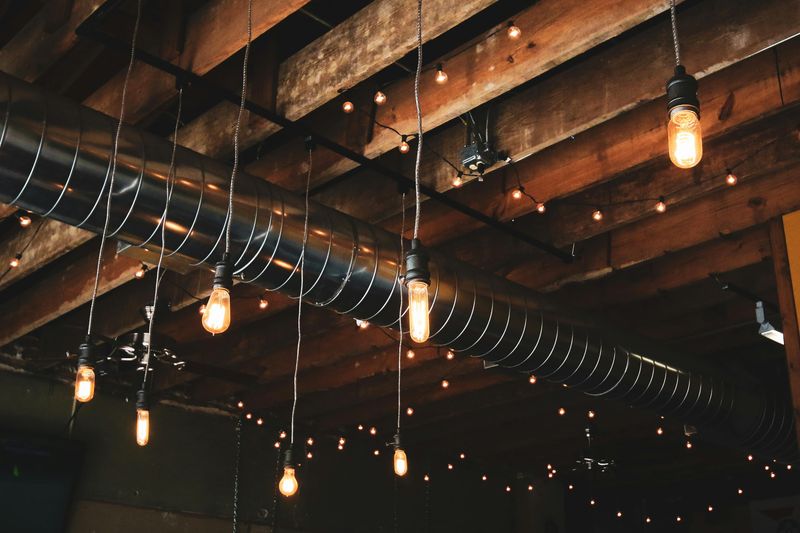
Looking up reveals as much character as looking around in the best farmhouse kitchens.
Exposed beams draw the eye upward and make standard-height ceilings feel more spacious.
Original beams in older homes carry marks from hand tools and joinery that machine-cut lumber lacks.
Stripping away drywall to expose structural elements creates instant architectural interest.
New construction can incorporate faux beams that look authentic without the weight or cost.
Staining beams darker than ceiling boards creates a dramatic contrast and visual depth.
The rustic texture balances sleek modern appliances and smooth countertops beautifully.
Pendant lights hung from beams become functional art pieces.
Vaulted ceilings with exposed rafters make kitchens feel like gathering spaces rather than work zones.
The overhead woodwork connects indoor spaces to the natural world outside.
5. Shaker-Style Cabinetry
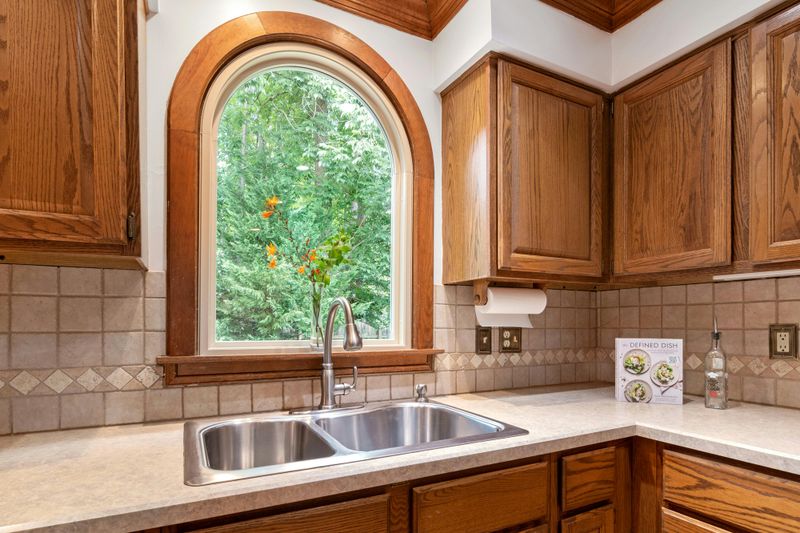
Simple lines and honest craftsmanship never go out of style.
Shaker cabinets feature flat-panel doors with minimal ornamentation, letting quality materials speak for themselves.
This design originated with a religious community that valued function over flash.
The clean profile works with both traditional farmhouse looks and more contemporary designs.
Painting cabinets in soft neutrals like cream or sage green keeps kitchens feeling fresh.
Natural wood Shakers in cherry or maple bring warmth without heaviness.
The recessed panel design hides fingerprints better than flat-front modern styles.
Hardware choices from bin pulls to knobs can shift the whole vibe.
Shaker cabinets pair beautifully with nearly any countertop material or backsplash pattern.
Their versatility explains why this centuries-old style remains a top choice today.
6. Butcher Block Countertops
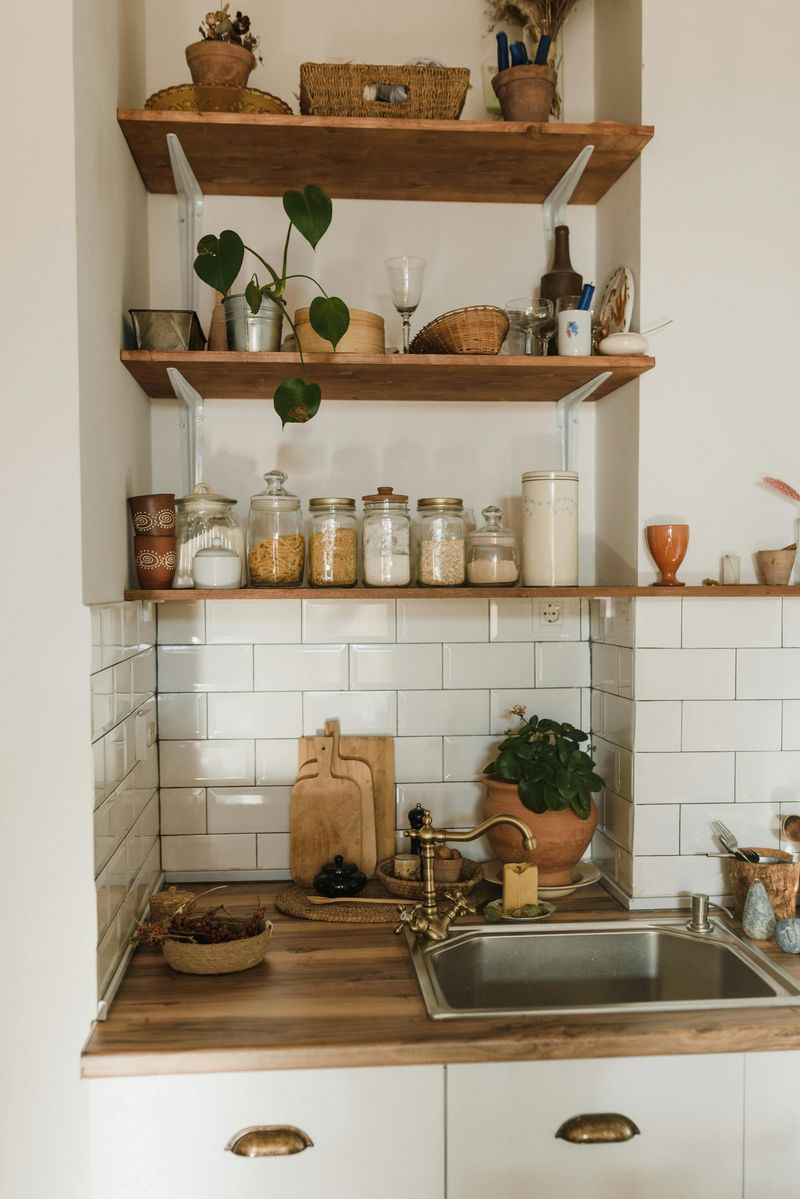
Chopping vegetables directly on your countertop sounds risky until you install a butcher block.
These work surfaces, made from strips of hardwood glued together, improve with age and use.
Maple and oak sourced from North Carolina forests create durable surfaces that develop gorgeous patinas.
The wood feels warm under your hands, unlike cold stone or laminate.
Regular oiling keeps the surface sealed and prevents staining from everyday cooking messes.
Small scratches and knife marks add character rather than diminishing value.
Butcher block costs less than many stone options while delivering equal visual impact.
The natural variation in grain patterns means no two installations look identical.
Pairing wood counters with a farmhouse sink creates a cohesive traditional look.
Heat resistance makes these surfaces practical near stoves and ovens.
7. Whitewashed Brick Or Stone Walls
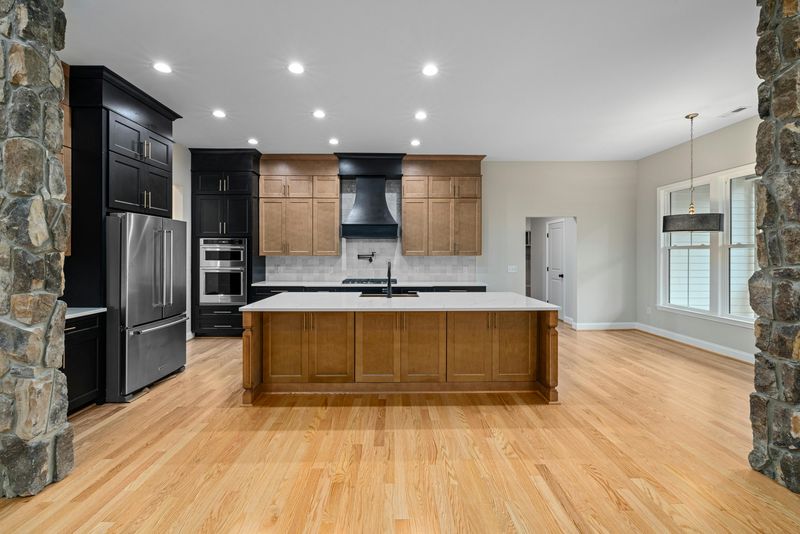
Brick walls tell stories, but sometimes they need a lighter touch to fit modern homes.
Whitewashing allows the texture and character of masonry to show through while brightening spaces.
This technique originated in Europe, where lime-based washes protected and beautified exterior walls.
The result feels airy and fresh without losing the tactile quality of brick or stone.
Interior walls in older homes often hide beautiful masonry behind layers of plaster and paint.
Exposing and whitewashing these surfaces creates stunning focal points behind ranges or dining areas.
The technique works equally well with river rock or fieldstone gathered from North Carolina properties.
Varying the wash thickness lets you control how much original color peeks through.
Whitewashed walls pair beautifully with dark wood beams and natural countertops for balanced contrast.
8. Large, Central Kitchen Islands
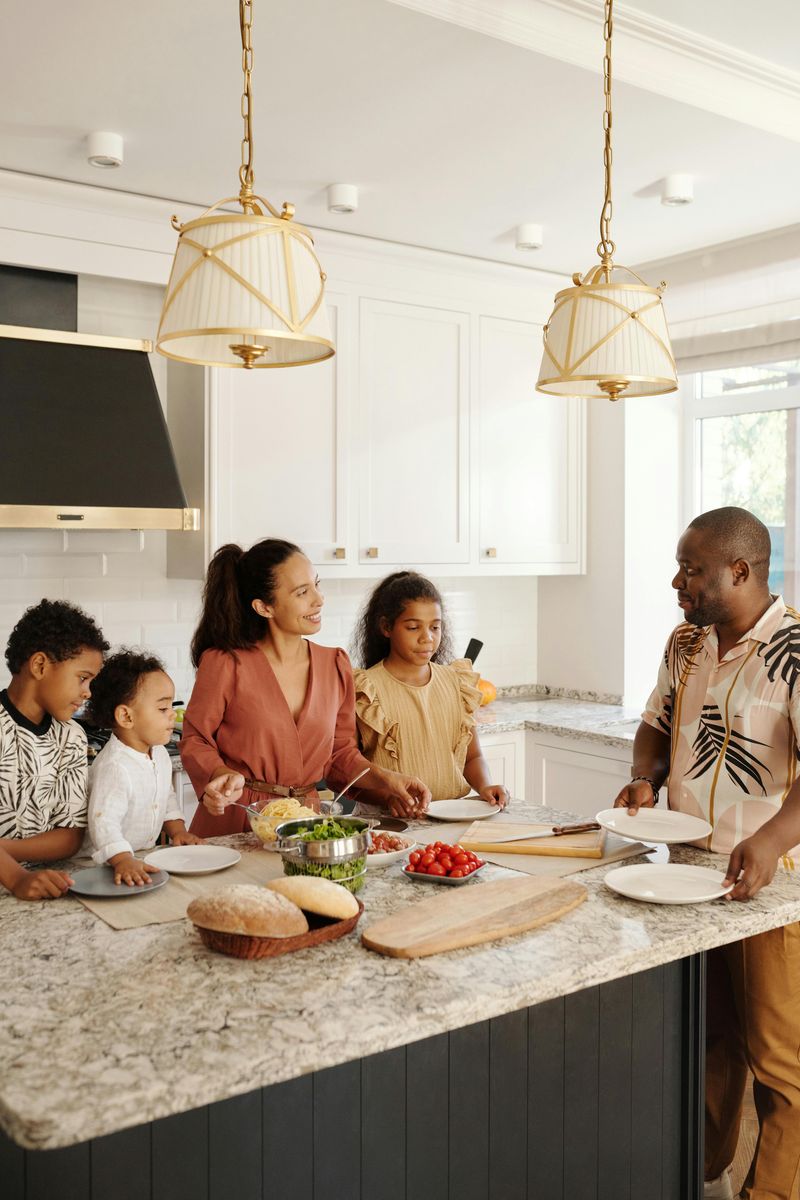
Every great kitchen needs a landing spot where cooking, homework, and conversation happen simultaneously.
Oversized islands anchor farmhouse kitchens while providing extra storage, prep space, and casual seating.
The best designs include multiple levels or materials for different tasks.
Kitchen planners recommend islands at least four feet long for functionality.
Adding seating for three or four people turns the island into a breakfast bar and gathering spot.
Built-in shelves or cabinets on the back side keep cookbooks and serving pieces handy.
Contrasting the island color or countertop material with perimeter cabinets adds visual interest.
Pendant lights hung low over islands provide task lighting and decorative impact.
Butcher block tops on islands create dedicated prep zones perfect for rolling dough or chopping vegetables.
The central location makes the cook part of family activities rather than isolated against a wall.
9. Vintage Appliances With Modern Features
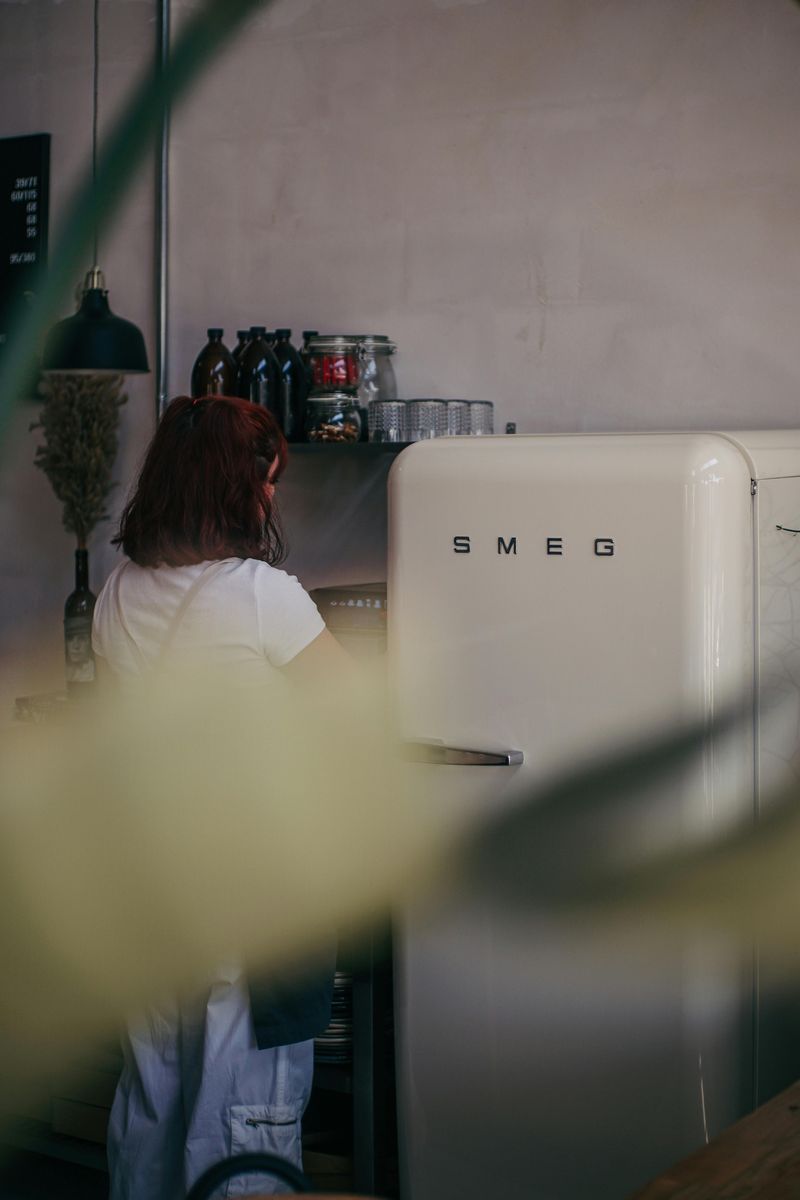
Grandma’s kitchen had charm, but her appliances lacked convection settings and digital controls.
Today’s vintage-look appliances combine nostalgic design with contemporary technology and efficiency.
Rounded edges, chrome details, and bold colors reference mid-century styles.
Modern insulation and burners hide behind retro dials and enamel finishes.
Refrigerators styled like old iceboxes include smart temperature controls and energy-efficient compressors.
The aesthetic softens the industrial feel that stainless steel brings to farmhouse kitchens.
Cream, mint green, and robin’s egg blue colors add personality without overwhelming neutral palettes.
These appliances cost more than basic models but become statement pieces worth the investment.
Matching a vintage-style range with a farmhouse sink creates a cohesive period look.
Modern performance means you don’t sacrifice function for fashion.
10. Farmhouse-Style Lighting Fixtures
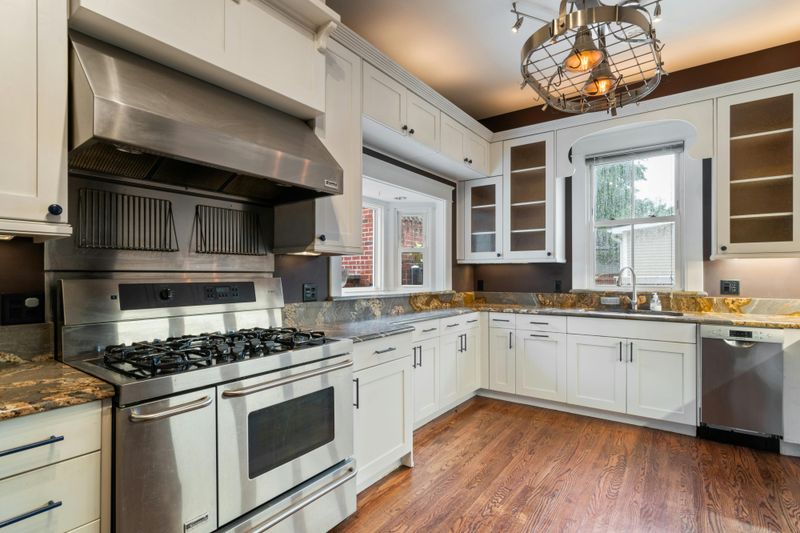
Lighting sets the mood faster than any other design element in your kitchen.
Farmhouse fixtures feature materials like aged metal, clear glass, and exposed bulbs that reference industrial and agricultural heritage.
Pendant lights hung in groups create focal points over islands and tables.
Reproduction pieces capture vintage charm while meeting current electrical codes and efficiency standards.
Edison bulbs with visible filaments add warmth and character that standard bulbs cannot match.
Mixing fixture styles, like pendants over the island and a chandelier over the dining area, adds layers of light.
Metal finishes in bronze, copper, or matte black complement wood tones and painted cabinets beautifully.
Dimmer switches let you adjust brightness for cooking tasks or evening entertaining.
The right fixtures become jewelry for your kitchen, catching eyes and sparking conversations.
11. Bold, Statement-Making Backsplashes
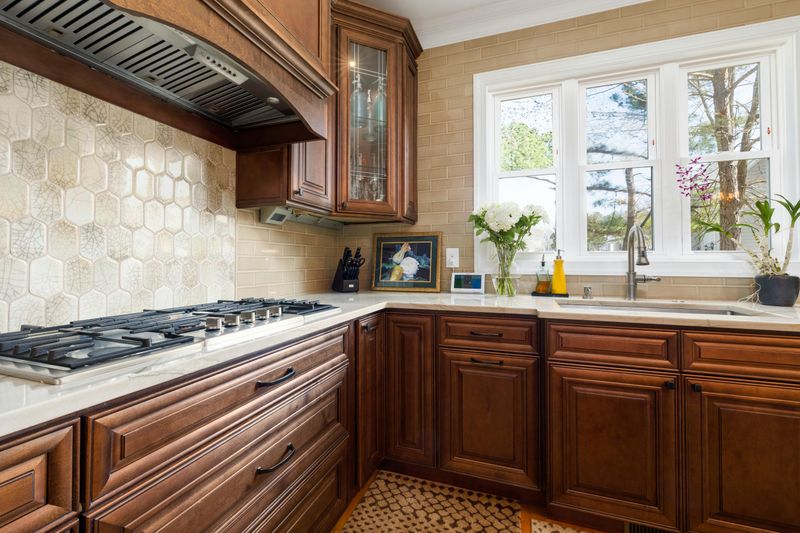
The space between your counters and cabinets offers prime real estate for personality.
Bold backsplashes inject color, pattern, and texture into otherwise neutral farmhouse kitchens.
Subway tiles remain popular, but colored grout or unexpected layouts create fresh takes.
Extending the backsplash all the way to the ceiling makes a dramatic statement behind ranges.
Mixing materials like marble subway tiles with a decorative mosaic border adds visual layers.
Patterned tiles work best when cabinets and walls stay simple to avoid overwhelming the space.
Backsplashes protect walls from splashes while requiring minimal maintenance beyond occasional wiping.
Installation costs vary widely depending on tile choice and pattern complexity.
This relatively small surface area lets you take design risks without committing to bold choices everywhere.
The right backsplash ties together all your other farmhouse elements beautifully.
12. Farm-To-Table Cooking Stations With Herb Gardens
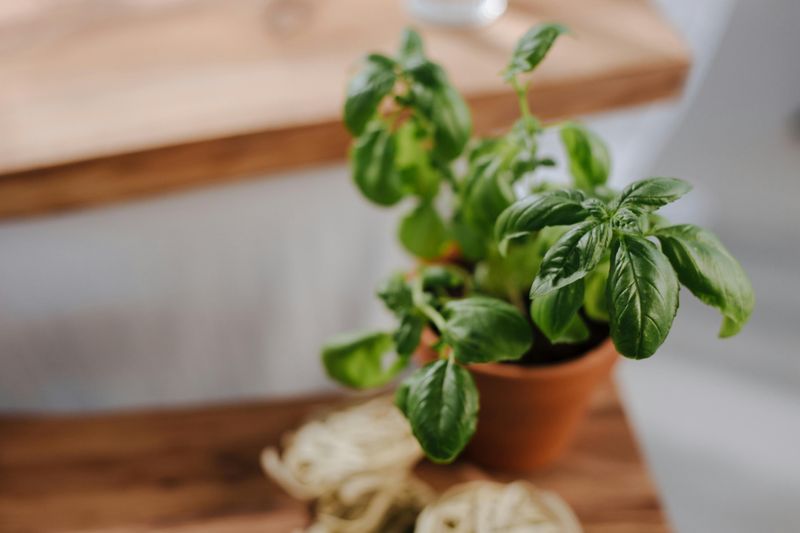
Growing your own basil and thyme right in the kitchen takes farm-to-table literally.
Built-in herb gardens bring fresh flavors within arm’s reach while adding living green elements to the space.
Window boxes, vertical planters, and dedicated shelves with grow lights all work beautifully.
Positioning plants near sinks makes watering convenient and keeps moisture-loving herbs happy.
Cooking stations with integrated cutting boards and compost bins streamline meal prep from harvest to plate.
The aroma of fresh herbs makes kitchens smell amazing without artificial air fresheners.
Rotating seasonal plants keeps the garden interesting and your cooking inspired by what’s growing.
Kids love helping tend kitchen gardens, making them educational as well as functional.
Dedicated grow lights ensure herbs get enough sun even in north-facing kitchens.
This trend connects modern homes to agricultural roots in the most delicious way possible.