The Classic 5-Minute Coleslaw Recipe Georgia Kitchens Rely On, Broken Into 13 Steps
Southern kitchens have relied on classic coleslaw for generations, and this quick recipe captures that tradition perfectly.
You can whip up this creamy, crunchy side dish in just five minutes, making it ideal for busy weeknights or last-minute gatherings.
Breaking down the process into 13 simple steps ensures you’ll master every detail, from selecting the freshest cabbage to achieving that signature tangy-sweet flavor Georgia cooks are famous for.
1. Gather Your Fresh Cabbage
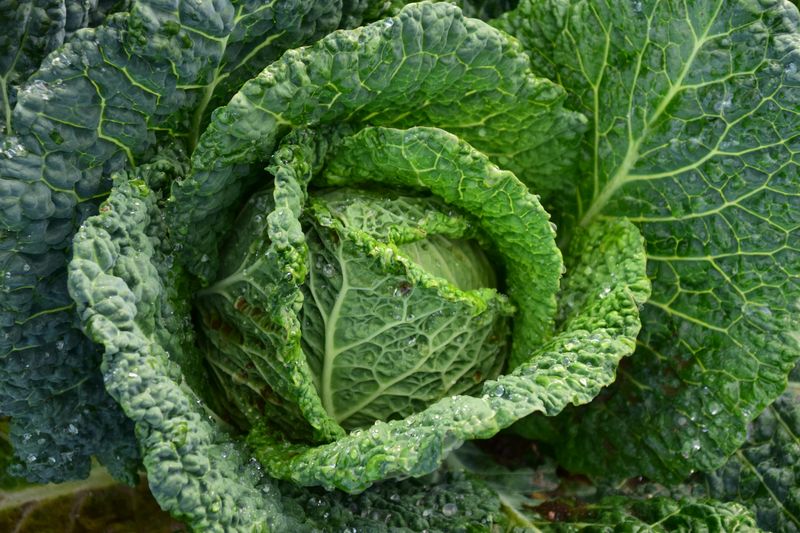
Starting with quality cabbage makes all the difference in your final dish.
Head to your local farmers market or grocery store and look for a head that feels heavy for its size with tightly packed leaves.
Green cabbage works beautifully for traditional coleslaw, though you can mix in some purple cabbage for extra color.
Fresh cabbage should have crisp outer leaves without brown spots or wilting.
The tighter the head, the crunchier your slaw will turn out.
Store it in your refrigerator’s crisper drawer until you’re ready to start cooking.
When selecting cabbage, avoid any heads with soft spots or strong odors.
A medium-sized head typically yields enough slaw for six to eight servings.
Buying fresh ingredients ensures your coleslaw tastes restaurant-quality every single time, and your family will notice the difference immediately.
2. Prepare Your Cutting Board and Knife
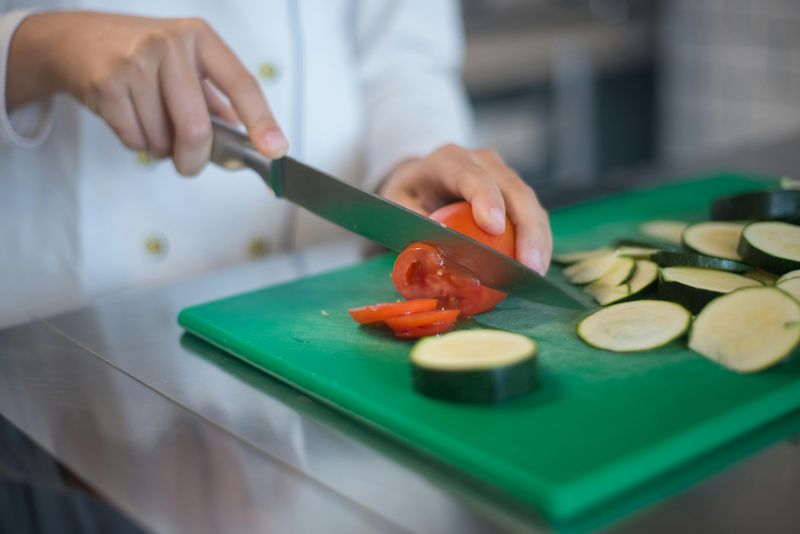
Setting up your workspace properly saves time and keeps everything organized.
Pull out your largest cutting board and place a damp towel underneath to prevent slipping while you work.
A sharp chef’s knife makes slicing cabbage much easier and safer than using a dull blade.
Keep a large bowl nearby to collect the shredded cabbage as you work.
This setup helps you move quickly through the prep steps without stopping to search for supplies.
Having everything within arm’s reach is key to that five-minute promise.
Clean your knife and board thoroughly before starting to ensure food safety.
Position yourself comfortably at the counter with good lighting so you can see what you’re cutting.
Taking these small preparatory steps makes the actual cooking process flow smoothly and efficiently from start to finish.
3. Remove the Outer Cabbage Leaves
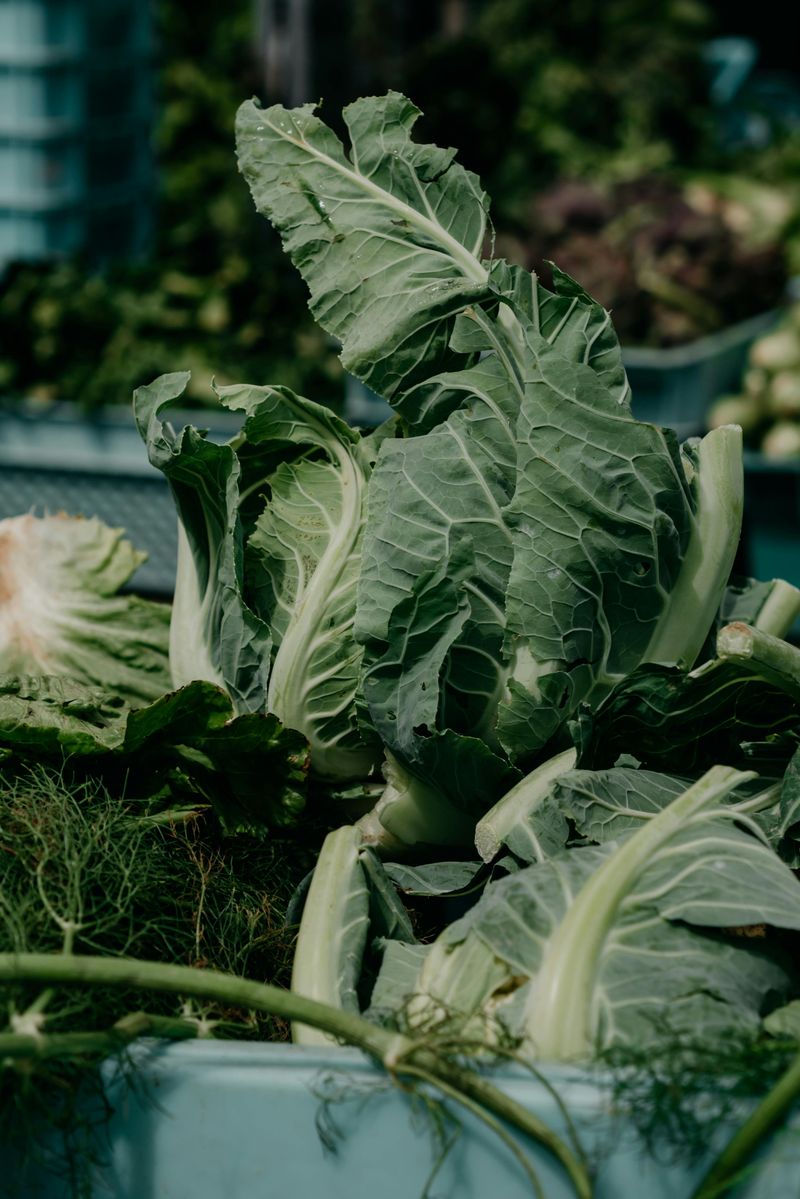
Peel away the outermost layer of leaves from your cabbage head before you begin slicing.
These exterior leaves often collect dirt and may have minor damage from handling during transport.
Removing them reveals the pristine inner layers that will become your coleslaw.
You’ll typically need to discard two or three outer leaves depending on their condition.
Don’t worry about waste—this step ensures only the freshest, cleanest cabbage makes it into your bowl.
The leaves underneath will be brighter and crisper.
After removing the outer layers, give the cabbage a quick rinse under cold water and pat it dry with paper towels.
This removes any lingering dirt or debris that might have worked its way between the leaves.
Starting with clean cabbage is essential for both taste and food safety in any recipe.
4. Quarter the Cabbage Head
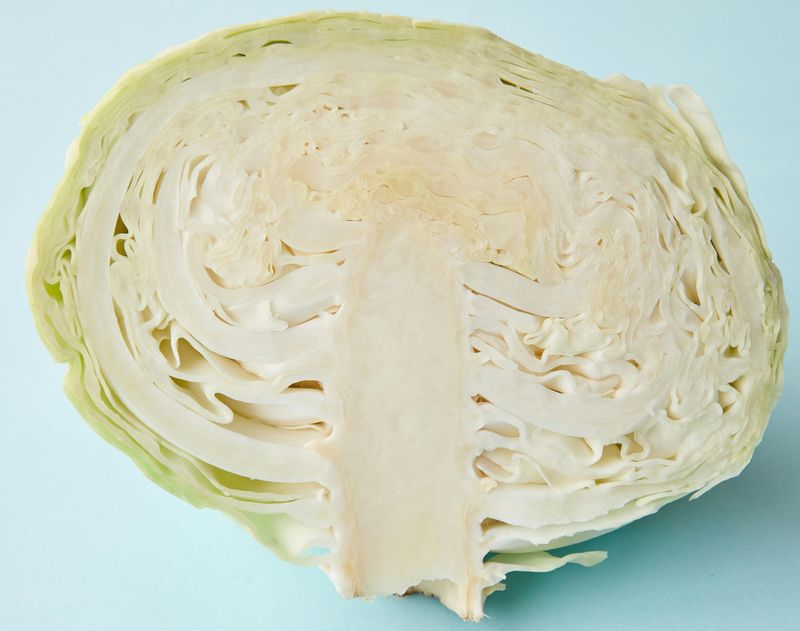
Place your cabbage on the cutting board with the stem side facing down for stability.
Using your sharp knife, cut straight down through the center to create two equal halves.
Then cut each half in half again, giving you four wedge-shaped quarters.
These quarters are much easier to handle than trying to shred an entire head at once.
You’ll have better control over your knife and create more uniform pieces this way.
Working with smaller sections also speeds up the slicing process considerably.
Keep the core intact while quartering—you’ll remove it in the next step.
Each quarter should be roughly the same size to ensure even shredding.
This technique is what professional cooks use in restaurant kitchens across Georgia, and it works perfectly for home cooks too.
5. Slice the Cabbage Into Thin Ribbons
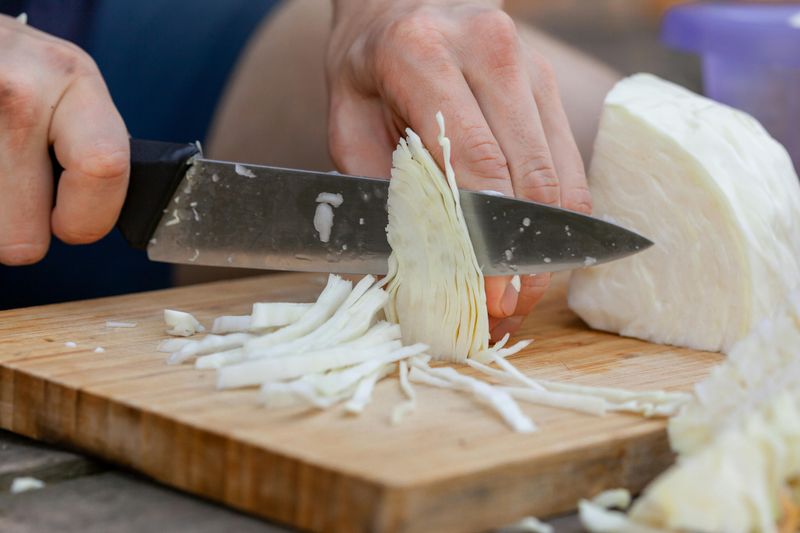
Lay each cored quarter flat on your cutting board with the cut side facing down.
Starting at one end, slice the cabbage crosswise into thin ribbons about an eighth of an inch wide.
Your goal is to create uniform pieces that will mix well with the dressing.
Thinner slices absorb the dressing better and create that classic coleslaw texture everyone loves.
Keep your fingers curled under and away from the blade while slicing for safety.
Work at a steady pace rather than rushing through this step.
As you slice, transfer the ribbons to your large mixing bowl to keep your workspace clear.
If some pieces seem too long, you can chop them in half after shredding.
Consistency in size matters more than speed when you’re creating restaurant-quality coleslaw at home.
6. Measure Your Mayonnaise Base
Traditional Georgia coleslaw relies on mayonnaise for its creamy, rich texture.
Measure out three-quarters of a cup of mayonnaise and place it in a separate medium-sized mixing bowl.
This will become the foundation of your dressing.
Full-fat mayonnaise creates the best flavor and consistency, though you can use light mayo if you prefer.
Avoid using salad dressing or Miracle Whip as substitutes—they have different flavors that won’t taste quite right.
Stick with real mayonnaise for authentic results.
The mayonnaise should be at room temperature for easier mixing, so take it out of the refrigerator a few minutes before you start.
Cold mayo doesn’t blend as smoothly with the other ingredients.
This creamy base is what makes Southern coleslaw so irresistibly delicious and different from vinegar-based versions.
7. Add Apple Cider Vinegar for Tang

Pour two tablespoons of apple cider vinegar into your bowl with the mayonnaise.
This ingredient provides the signature tangy flavor that cuts through the richness of the mayo.
Apple cider vinegar has a milder taste than white vinegar, making it perfect for coleslaw.
The acidity also helps preserve the cabbage and keeps it crispy longer.
Don’t skip this ingredient or your coleslaw will taste flat and one-dimensional.
The vinegar brightens all the other flavors and adds complexity to the dressing.
If you only have white vinegar on hand, you can substitute it in the same amount.
However, apple cider vinegar gives a slightly sweeter, more rounded flavor that works beautifully with cabbage.
Many Georgia cooks consider this ingredient their secret weapon for outstanding coleslaw every time.
8. Sweeten With Sugar
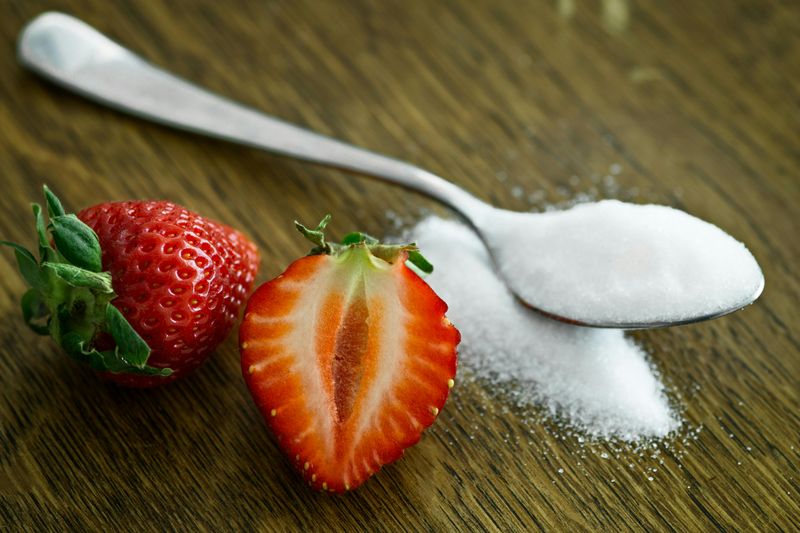
Measure two tablespoons of granulated white sugar and add it to your dressing bowl.
Sugar balances the acidity from the vinegar and creates that perfect sweet-tangy combination Southern coleslaw is famous for.
This sweetness makes the dish appealing even to picky eaters.
You can adjust the sugar amount slightly based on your personal preference.
Some families like their coleslaw sweeter, while others prefer more tang.
Start with two tablespoons and taste the finished product before serving.
Honey or maple syrup can substitute for sugar if you want a different flavor profile.
However, traditional recipes stick with plain white sugar for consistency.
The sugar dissolves into the dressing and helps all the flavors meld together beautifully when you mix everything up.
9. Season With Salt and Pepper
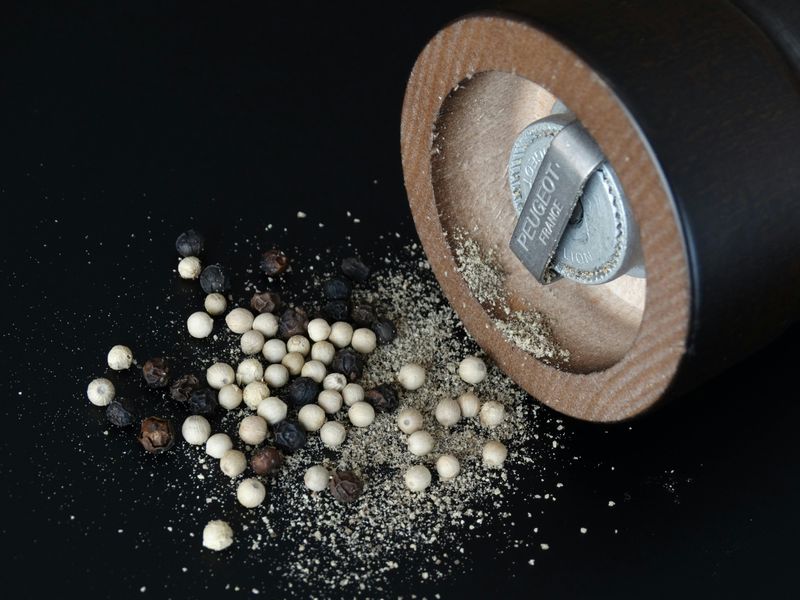
Add half a teaspoon of salt and a quarter teaspoon of freshly ground black pepper to your dressing.
These basic seasonings enhance all the other flavors and bring everything together.
Salt draws out moisture from the cabbage and helps it soften slightly.
Freshly ground pepper tastes significantly better than pre-ground pepper from a shaker.
The aromatic oils in fresh pepper add depth to your coleslaw.
Don’t oversalt at this stage—you can always add more later after tasting.
Some cooks like to add a pinch of celery seed for extra flavor dimension.
This optional ingredient adds a subtle complexity that complements the cabbage beautifully.
However, the basic salt and pepper combination works perfectly well on its own for classic coleslaw that everyone will enjoy.
10. Whisk the Dressing Until Smooth
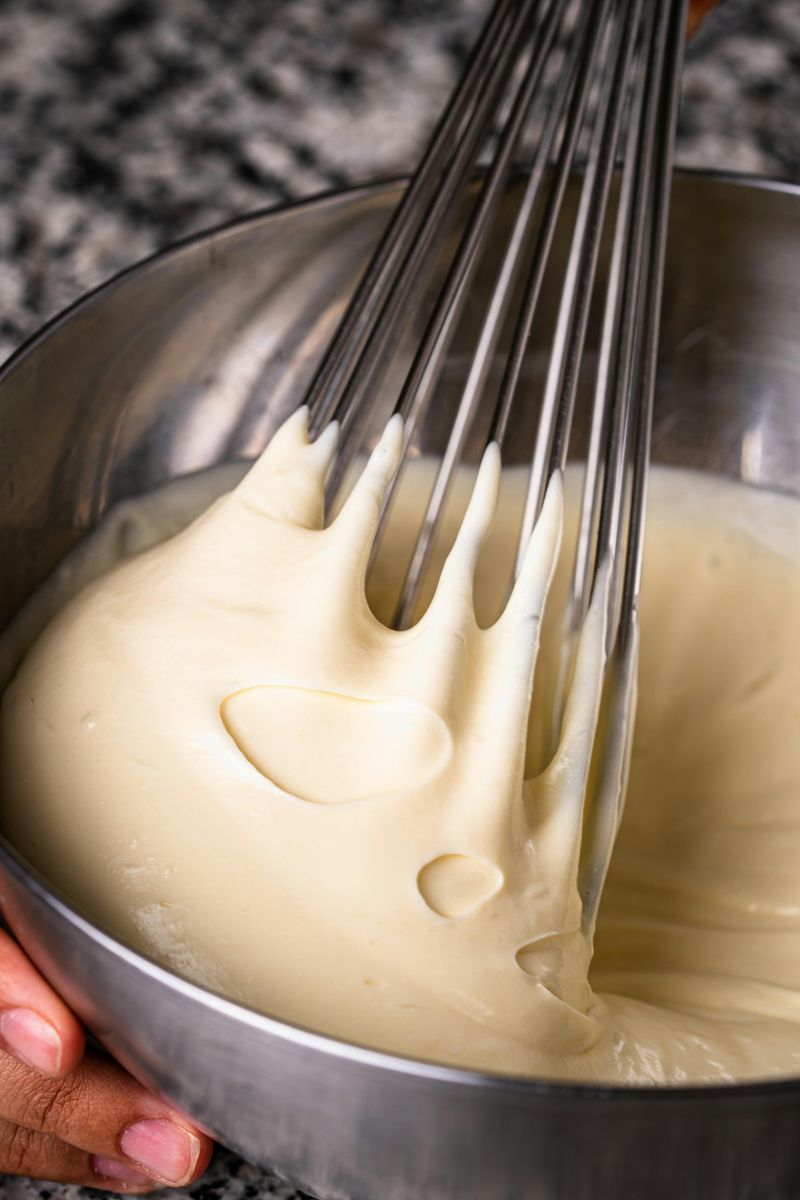
Use a wire whisk to blend all the dressing ingredients together until completely smooth.
Whisk vigorously for about thirty seconds to ensure the sugar dissolves fully and everything combines into a uniform mixture.
The dressing should be creamy with no visible sugar crystals.
Proper whisking incorporates a tiny bit of air into the dressing, making it lighter and easier to coat the vegetables.
A fork can work in a pinch, but a whisk does a much better job.
You’ll notice the color becomes consistent throughout.
Taste the dressing at this point and adjust seasonings if needed.
It should taste slightly more intense than you want the final coleslaw to be since the cabbage will dilute the flavors.
This step ensures every bite of your finished slaw will be perfectly seasoned and delicious.
11. Pour Dressing Over the Vegetables

Transfer your whisked dressing to the bowl containing the shredded cabbage and carrots.
Pour it evenly over the top of the vegetables, distributing it as much as possible before mixing.
This helps ensure the dressing will coat everything uniformly when you toss it.
You might think there’s too much dressing at first, but the cabbage will absorb quite a bit.
The vegetables should be generously coated but not swimming in liquid.
If you prefer a lighter coating, you can reserve some dressing and add it gradually.
Some people like to let the dressing sit on the vegetables for a minute before mixing to give it time to start soaking in.
This isn’t necessary, but it can help if you’re working with particularly dry cabbage.
Either way, you’re now ready for the final mixing step.
12. Shred Your Carrots
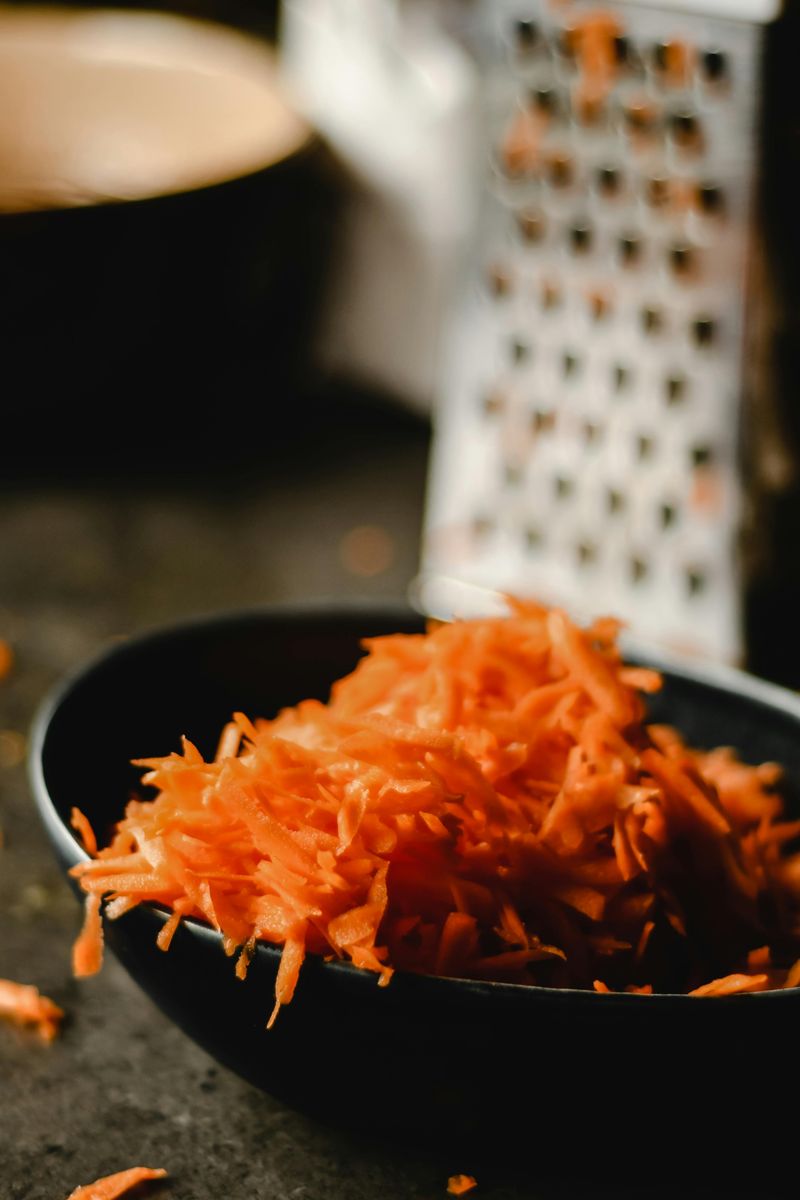
Adding carrots brings beautiful orange color and extra crunch to your coleslaw.
Peel two medium carrots and use a box grater or food processor to shred them into thin strips.
The grating side with the largest holes works best for this purpose.
Carrots add natural sweetness that balances the tangy dressing perfectly.
You can also use pre-shredded carrots from the grocery store if you’re really pressed for time.
Either way, aim for about one cup of shredded carrots total.
Mix the shredded carrots directly into your bowl of cabbage ribbons.
The combination of green and orange creates that classic coleslaw appearance you see at picnics and barbecues throughout the South.
Fresh carrots taste better than pre-packaged ones, but convenience sometimes wins when you’re in a hurry.