Why Winter Might Be The Most Underrated Time To Visit California’s Coast
Most people think California’s coast is a summer-only destination, but winter quietly reveals its most captivating side.
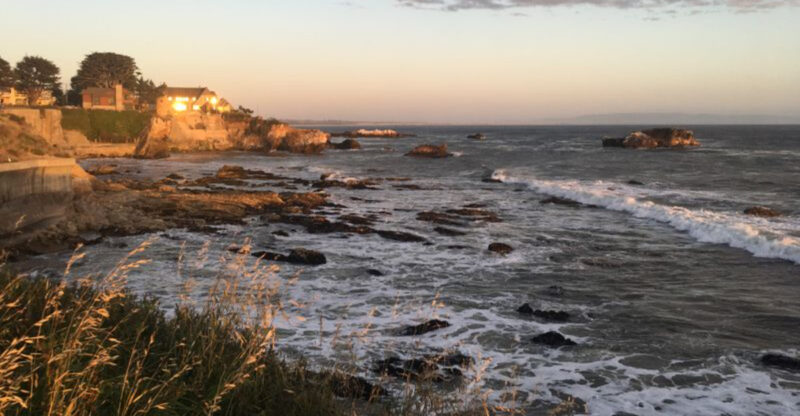
When the crowds thin and the air turns crisp, the shoreline takes on a calm, cinematic beauty that feels almost secret.
Stormy skies roll in dramatically, waves crash harder against rugged cliffs, and coastal towns slow down just enough to let you breathe it all in. This is California without the noise.
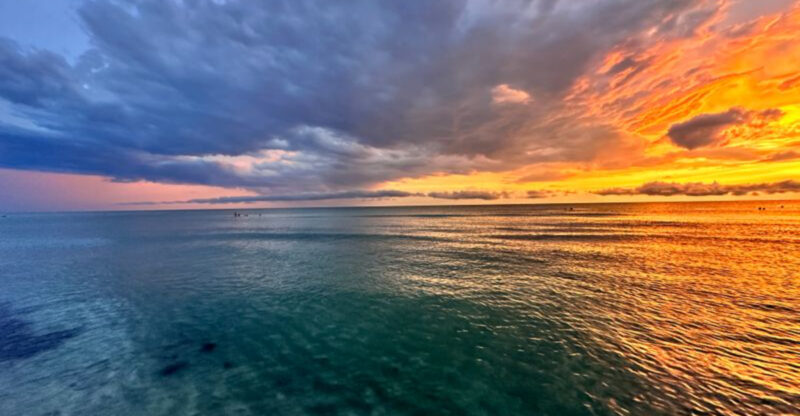
Winter along the coast isn’t about beach towels and packed boardwalks. It’s about fog drifting over headlands, empty stretches of sand, and sunsets that feel more intimate when fewer people are watching.
It’s the season when whales migrate past the shoreline, tide pools come alive, and coastal trails feel like they were made just for you.
Some days feel moody and wild. Others feel peaceful and restorative. And that contrast is exactly what makes winter here so unforgettable.
Restaurants are easier to book, scenic overlooks are uncrowded, and hotel rates often drop, making spontaneous trips feel indulgent rather than stressful.
If you’ve only experienced California’s coast in summer, you’ve only seen half the story. Winter is when the scenery feels raw and real.
Mild Temperatures Make Outdoor Adventures Comfortable
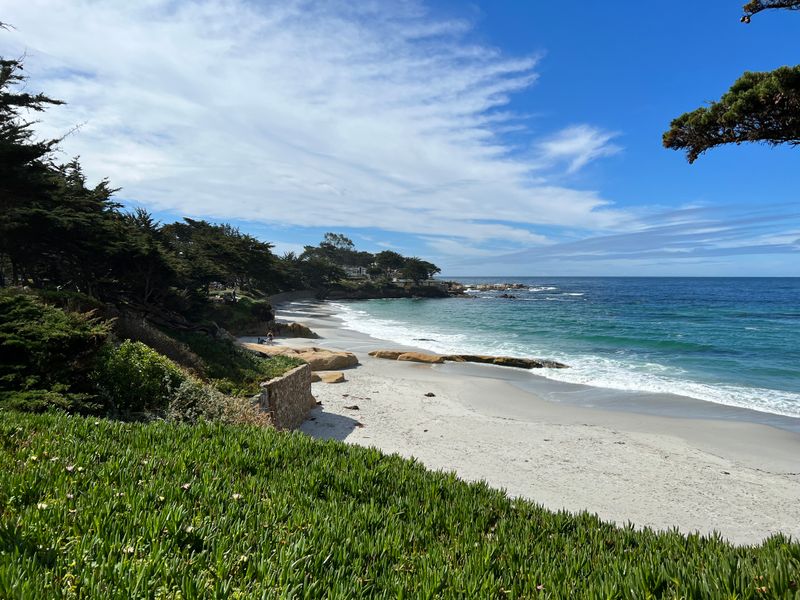
Coastal California doesn’t follow the same winter rules as the rest of the country.
While snowstorms rage across much of America, beach towns from San Diego to Santa Barbara bask in surprisingly pleasant weather.
Daytime temperatures typically hover between 65 and 75 degrees Fahrenheit, which feels just right for exploring without overheating.
Morning fog might roll in occasionally, but it usually burns off by midday, revealing clear blue skies.
Pack layers rather than heavy winter coats. A light jacket for evenings and comfortable walking shoes make up most of what’s needed.
This moderate climate means hiking trails stay accessible, beach walks remain enjoyable, and outdoor dining feels perfectly comfortable.
Rain does arrive periodically, but California’s coastal winter tends toward sunshine more often than storms.
The temperature sweet spot makes winter ideal for visitors who find summer’s heat exhausting or winter’s cold unbearable elsewhere.
Dramatically Smaller Crowds At Popular Destinations
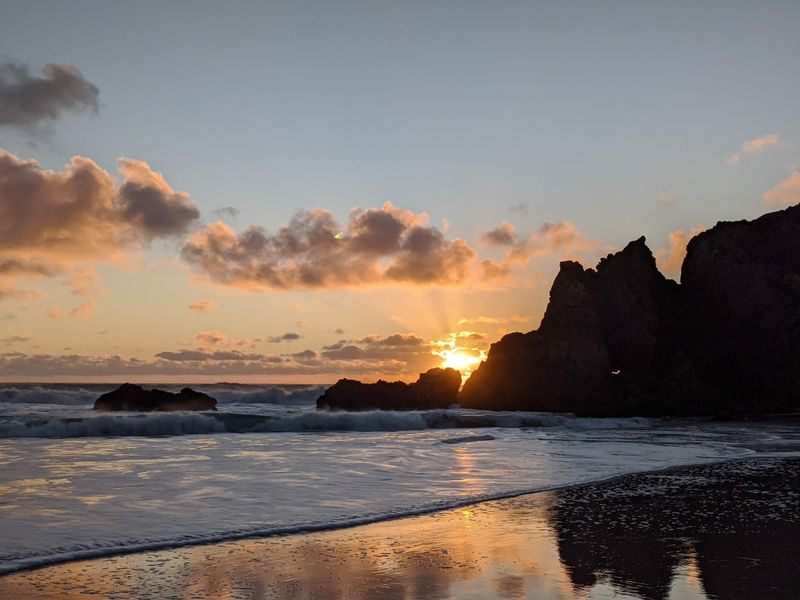
Summer tourists create bottlenecks at every famous California coastal spot, but winter flips that script entirely.
Parking spaces appear where none existed during peak season, and restaurant reservations become easy to secure.
Even Disneyland, located at 1313 Disneyland Dr, Anaheim, CA 92802, sees significantly shorter wait times during winter months.
Popular coastal attractions that require advance planning in July can often accommodate walk-ins come January.
Hotels and vacation rentals drop their rates substantially when demand decreases. The same oceanfront room that costs a premium in August might be 30-40% cheaper in February.
Beaches that feel like crowded festivals in summer transform into peaceful retreats perfect for contemplation or family time.
Photographers appreciate having landmarks to themselves, and couples find romantic solitude that summer simply cannot provide. This breathing room makes every experience feel more personal and less rushed.
Elephant Seal Rookeries Become Wildlife Theaters
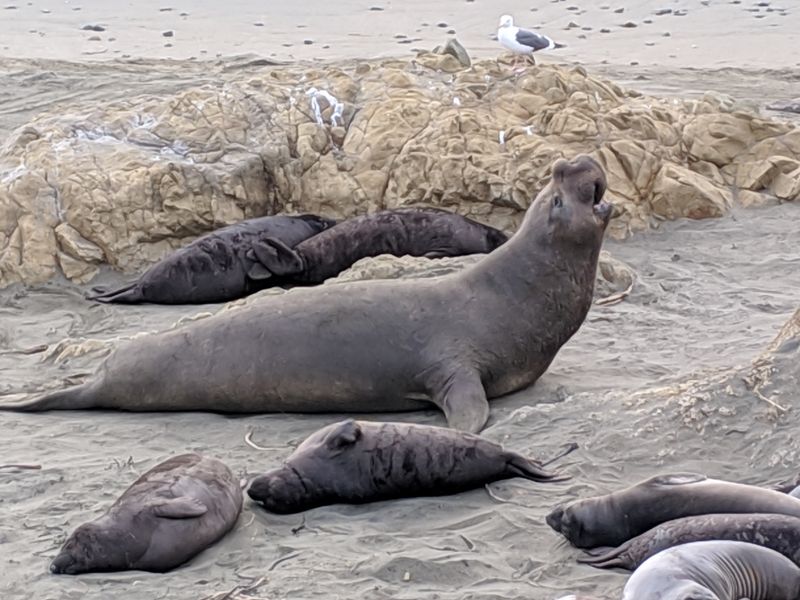
Few wildlife experiences match watching massive elephant seals haul themselves onto California beaches for breeding season.
Males can weigh up to 5,000 pounds, and their bellowing challenges to rivals echo across the sand.
Elephant Seal Vista Point along Highway 1 near San Simeon provides boardwalk viewing of one of the largest mainland rookeries.
December through March brings peak activity as seals arrive to mate, give birth, and nurse their pups. Visitors stand just feet away from these enormous creatures, separated only by ropes and wooden barriers.
Pups are born weighing around 75 pounds and gain 10 pounds daily while nursing. The sounds alone create an unforgettable experience – grunts, roars, and the constant shuffle of bodies across sand.
Volunteers and docents often provide educational context about seal behavior and biology.
This wildlife encounter requires no special equipment, just patience and respect for the viewing boundaries established for both human and seal safety.
Budget-Friendly Accommodation Rates Drop Significantly
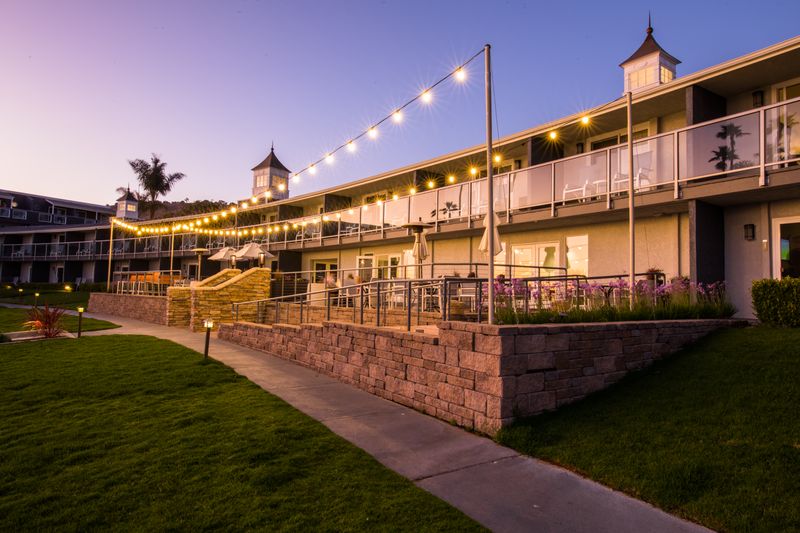
Winter transforms California’s coastal lodging market into a bargain hunter’s paradise. Properties that command premium prices during summer slash rates to attract off-season visitors.
Boutique hotels, beachfront motels, and vacation rentals all participate in this seasonal pricing shift. A room with ocean views that costs $300 per night in July might drop to $180 in January.
Longer stays often unlock additional discounts, and many properties throw in perks like free breakfast or parking during slower months.
Last-minute bookings become viable since occupancy rates hover well below summer levels.
Package deals combining accommodation with local attractions or dining credits appear more frequently during winter.
Loyalty program members find reward night availability that evaporates during peak season.
This pricing dynamic means travelers can afford nicer properties or longer trips than their budgets would allow in summer.
The same money stretches further, enabling upgrades from standard rooms to suites or extending three-night stays into full weeks.
Clearer Skies Replace Summer’s Persistent Fog

California’s coast famously battles summer fog that can blanket beaches for days at a time. Winter reverses this pattern, bringing clearer conditions and better visibility.
The marine layer that defines summer mornings largely disappears between December and March. Sunrise and sunset become reliably visible events rather than fog-obscured mysteries.
Photographers particularly appreciate winter’s clarity for capturing coastal landscapes. The Golden Gate Bridge, often shrouded in summer mist, stands sharp against winter skies more consistently.
Stargazing improves dramatically when coastal fog stays offshore. Beach bonfires under clear night skies create memorable experiences impossible during foggy summer evenings.
Hiking trails with panoramic ocean views deliver on their promise rather than presenting walls of gray. Drone operators and landscape painters find winter conditions far more cooperative for their creative work.
This clarity extends to air quality as well, since winter storms clear away atmospheric haze that can accumulate during drier months.
Local Winter Festivals Showcase Coastal Culture
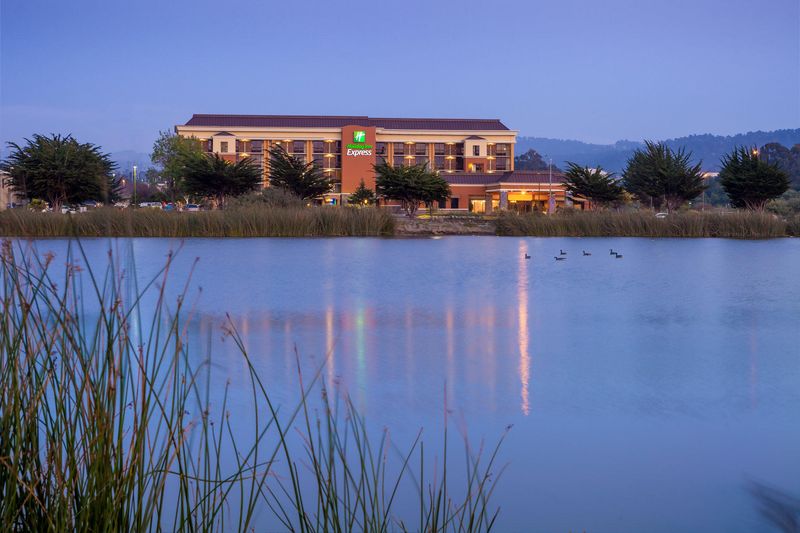
Coastal communities celebrate winter with events that summer tourists completely miss. These festivals reflect local character rather than catering to mass tourism.
Holiday markets pop up in town squares and waterfronts, featuring local artisans, food vendors, and seasonal entertainment. Many incorporate nautical or coastal themes unique to their specific communities.
Wine regions near the coast host winter tasting events when tasting rooms feel cozy rather than crowded.
Monterey, Santa Barbara, and Mendocino counties all schedule food and wine celebrations during cooler months.
Coastal towns organize storm-watching parties when big winter swells arrive, turning dramatic weather into community events.
Art walks, music festivals, and cultural celebrations continue year-round but feel more intimate during winter.
Restaurant weeks and culinary events concentrate in winter months when establishments want to maintain business during slower seasons. These promotions offer prix-fixe menus and special tastings at reduced prices.
Participating in these local events provides authentic cultural experiences that package tours and summer visits rarely capture.
Perfect Hiking Weather Without Summer Heat
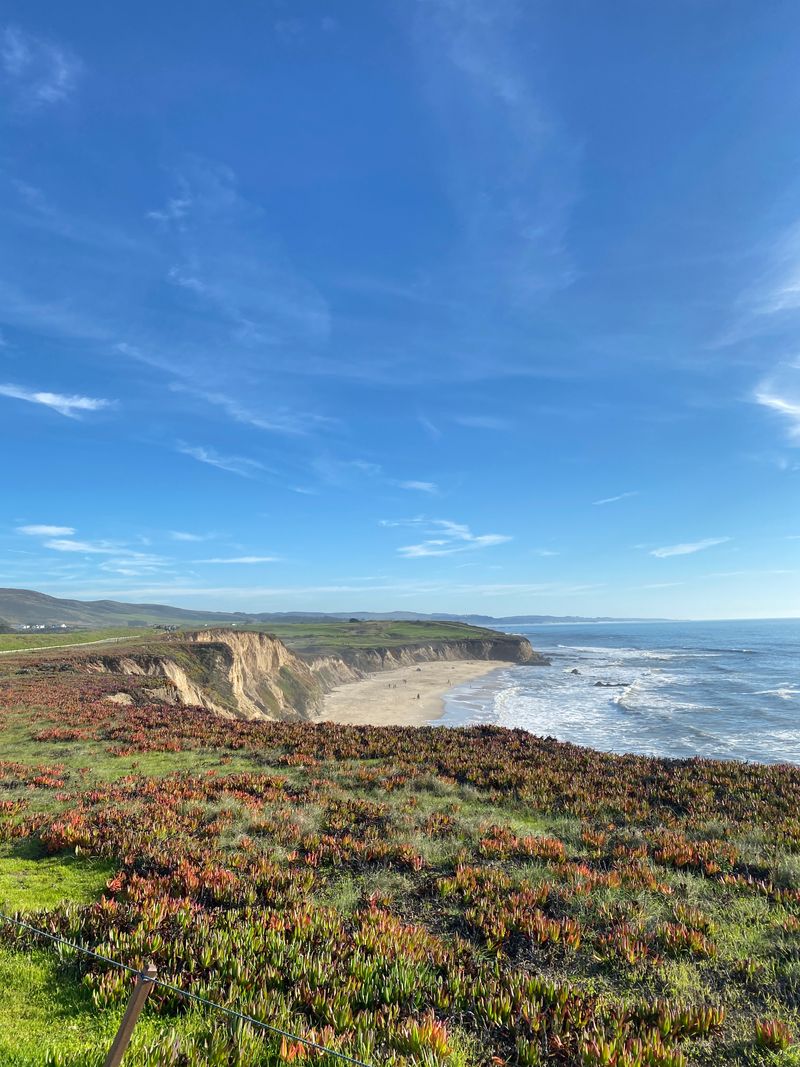
Summer heat makes California coastal hiking exhausting, but winter temperatures create ideal trail conditions. Exertion stays comfortable rather than becoming a sweaty ordeal.
Popular routes like those in Point Lobos State Natural Reserve at Carmel-By-The-Sea become far more pleasant when temperatures stay moderate.
Shade becomes less critical, opening up exposed clifftop trails that summer hikers avoid. Water consumption decreases when bodies don’t overheat, meaning lighter packs and more flexibility.
Families with children find winter hiking more manageable since kids tolerate moderate temperatures better than summer heat.
Wildflowers begin appearing in late winter, particularly in coastal prairie areas. Green hillsides replace summer’s golden-brown grass, creating different but equally beautiful scenery.
Trail maintenance happens during winter, so paths often show fresh work and improved conditions. Wildlife becomes more active during cooler daylight hours rather than retreating to shade.
Parking at trailheads presents fewer challenges, and the peaceful atmosphere enhances the meditative aspects of hiking.
Gray Whale Migration Creates Spectacular Viewing
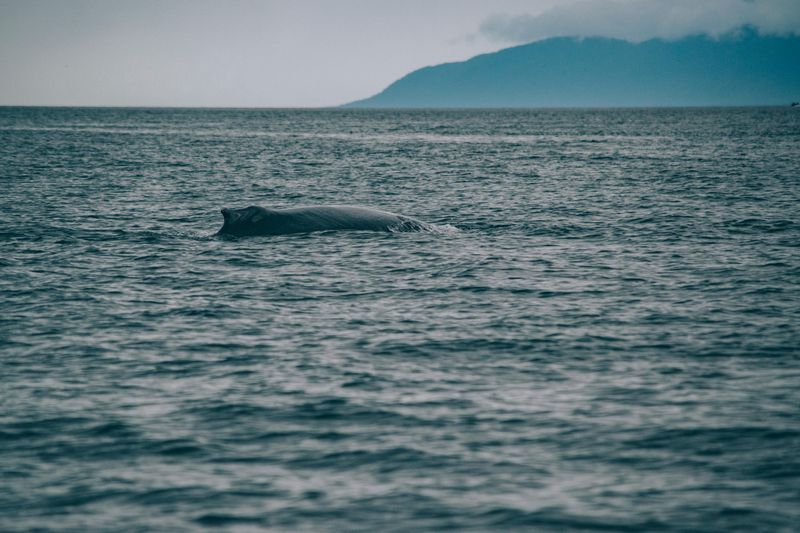
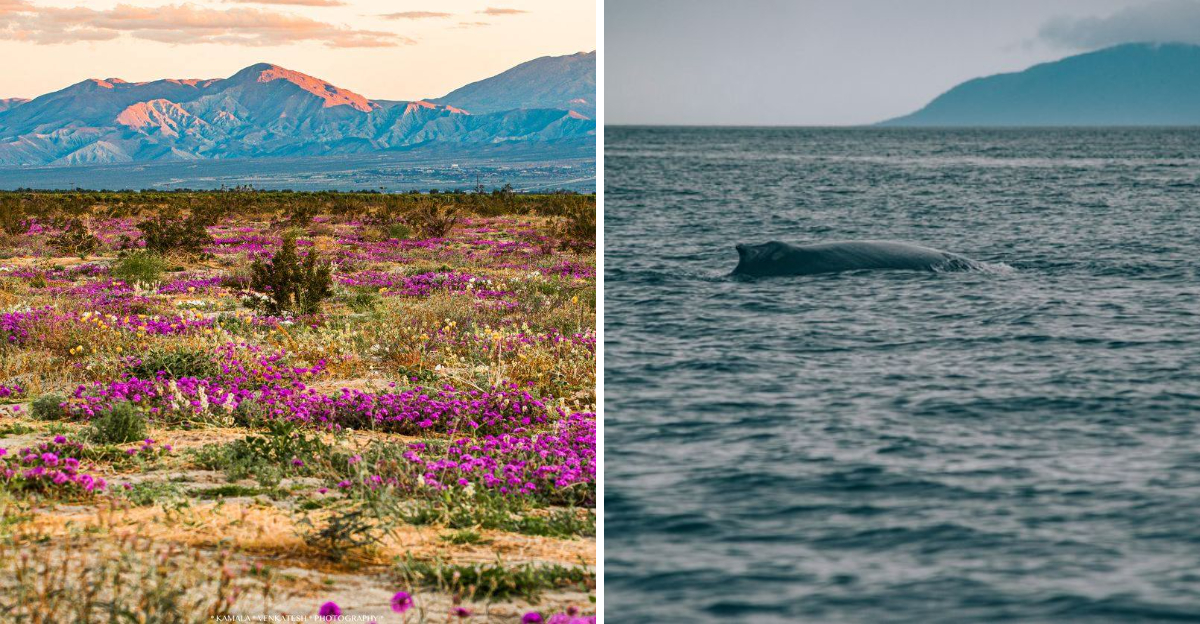
Every winter, approximately 20,000 gray whales make an epic journey along California’s coastline.
These massive mammals travel from Alaska’s feeding grounds to the warm lagoons of Baja California, passing remarkably close to shore.
Point Vicente Interpretive Center at 31501 Palos Verdes Dr W, Rancho Palos Verdes, CA 90275 offers excellent whale-watching opportunities from its bluff-top location.
December through April marks peak migration season, with January and February providing the most reliable sightings.
Binoculars help, but many whales come close enough to see their spouts and backs without magnification. Patient observers might witness breaching, tail slapping, or spy-hopping behaviors.
Boat tours operate throughout winter, though land-based viewing costs nothing and avoids seasickness concerns.
Early morning typically provides the calmest conditions and clearest visibility. This natural spectacle happens annually but remains thrilling every single time.
Storm Watching Delivers Dramatic Natural Power
Pacific storms arrive periodically throughout winter, creating spectacular displays of nature’s raw force. Massive waves crash against cliffs and piers with thunderous impact that shakes observation points.
Experienced storm watchers know to maintain safe distances while finding vantage points that showcase the drama.
Spray can reach surprising heights, and rogue waves occasionally surge beyond normal reach.
Photography enthusiasts chase these storms for dramatic seascape images impossible to capture during calm conditions.
The combination of dark skies, white water, and coastal landscapes creates powerful compositions.
After storms pass, beachcombing reveals treasures washed ashore – interesting shells, driftwood, glass floats, and occasionally more unusual items.
Tide pools refresh with new inhabitants stirred up by wave action. Local news often reports when particularly large swells are approaching, allowing visitors to plan around these events.
Hotels near good storm-watching locations sometimes offer special packages during predicted big-wave periods.
This natural spectacle costs nothing but delivers memories that last far longer than most expensive attractions.
Desert Wildflower Super Blooms Begin
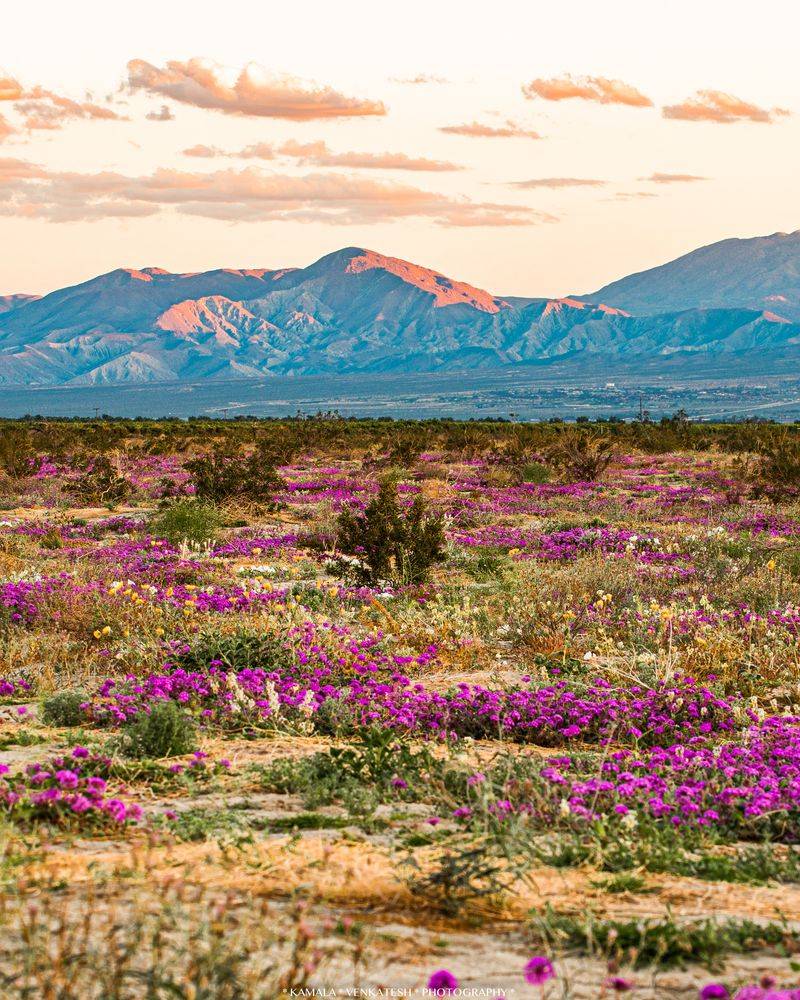
When winter rains arrive in proper amounts, California’s coastal deserts prepare for spectacular wildflower displays.
Anza-Borrego Desert State Park, while inland, sits close enough to coastal regions to include in winter coast trips.
Anza-Borrego Desert State Park Visitor Center at 200 Palm Canyon Dr, Borrego Springs, CA 92004 provides bloom updates and trail recommendations.
Late February through March typically brings peak color, though timing varies with rainfall patterns. Vast carpets of wildflowers transform seemingly barren landscapes into vibrant gardens.
Gold poppies, purple verbena, pink sand verbena, and white desert lilies create natural mosaics across valley floors.
Photography becomes almost too easy when flowers blanket the ground in every direction. Early morning and late afternoon light enhance colors that already pop against desert backgrounds.
Combining coastal visits with desert bloom exploration creates diverse experiences within short driving distances. The contrast between ocean and desert landscapes showcases California’s remarkable geographic variety.
Bloom intensity varies yearly, but even modest displays far exceed what summer visitors ever witness in these areas.
Restaurant And Attraction Discounts Abound

Businesses along California’s coast actively court winter visitors with promotional pricing.
Restaurants, such as Coast Kitchen at 21780 CA-1, Jenner, CA 95450 that require reservations weeks ahead during summer often offer prix-fixe menus and happy hour specials come winter.
Attraction admission prices sometimes drop, or properties bundle tickets with dining or lodging packages.
Museums and aquariums schedule special exhibits during winter to draw locals and tourists alike. Wine tasting rooms waive fees more readily when foot traffic decreases.
Tour operators discount boat trips, kayak rentals, and guided experiences to maintain winter business. Local tourism boards publish winter-specific coupon books and digital discount codes.
Hotel concierges have more leverage to secure restaurant reservations and negotiate guest perks during slower seasons.
These savings compound quickly across multi-day trips. A family of four might save hundreds of dollars on the same itinerary that would cost significantly more in July.
Smart travelers research winter promotions before booking, then remain flexible to take advantage of last-minute deals that appear when businesses have unsold capacity.
Peaceful Beaches Invite Contemplation And Solitude
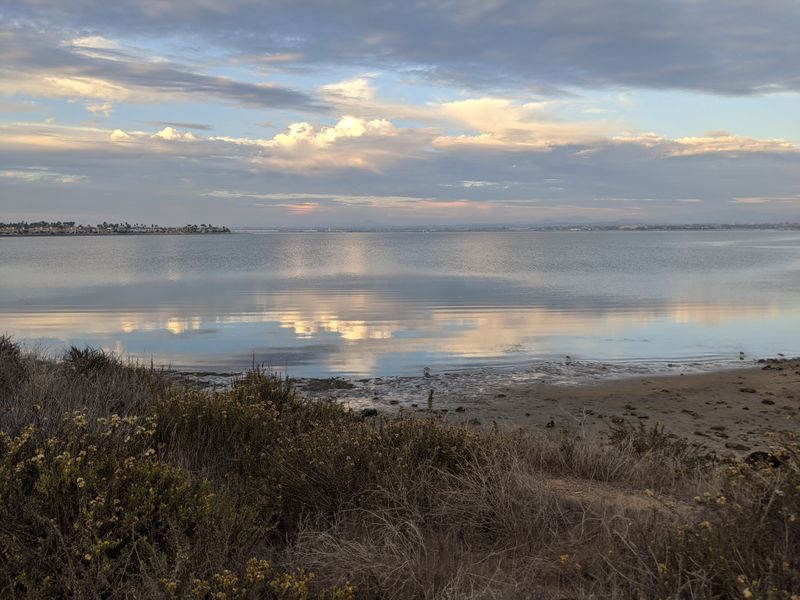
Summer beaches pulse with energy – music, crowds, games, and constant activity. Winter beaches offer something entirely different: space to think, breathe, and simply exist without distraction.
Long stretches of sand might host only a handful of walkers rather than thousands of sunbathers. The sound of waves becomes the dominant audio rather than competing with radios and conversations.
Beachcombing improves when fewer people compete for treasures washed ashore. Shells, sand dollars, and interesting rocks remain undiscovered longer when visitor numbers drop.
Families can spread out without worrying about encroaching on neighboring beach setups. Dogs often have more freedom on beaches that restrict them during summer months.
Sunrise and sunset beach visits feel almost private, creating romantic or meditative experiences impossible during crowded seasons.
The absence of beach vendors and rental operations removes commercial elements that dominate summer shores.
This peaceful quality attracts writers, artists, and anyone seeking restorative time away from everyday chaos and stress.