This Breathtaking California Wildflower Reserve Feels Like Walking Through A Monet Painting
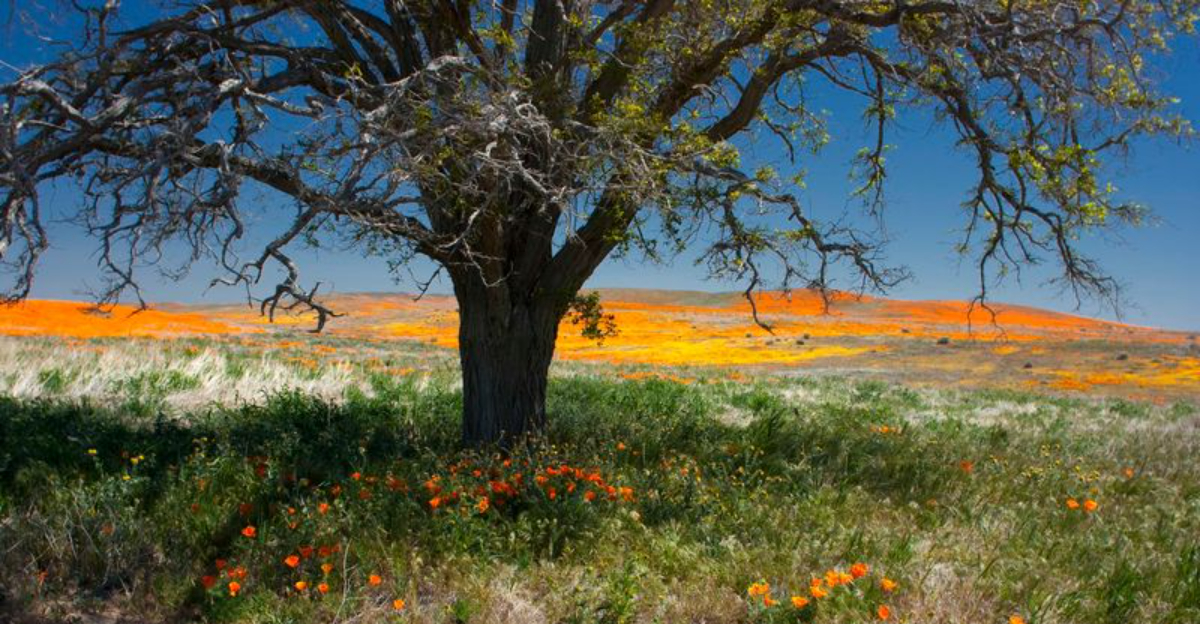
There are moments when the land seems to burst into celebration, covering itself in color so bold it feels unreal.
One day the hills are quiet and muted, and the next they glow with fiery orange, soft purples, and bright yellows, shifting with the light and the breeze.
Walking into this scene feels like stepping inside a painting that’s constantly changing, where every turn reveals a new pattern and every pause invites you to look a little longer.
At the Antelope Valley California Poppy Reserve, spring becomes a powerful reminder of how dramatic nature can be when conditions align just right.
Trails wind gently through open fields, allowing visitors to move slowly among the blooms without disturbing them, while wide views showcase the scale of the display.
The experience is both peaceful and exhilarating, blending wide-open desert space with bursts of life that seem almost impossible.
What makes this place so captivating is its unpredictability. No two seasons look exactly the same, which makes each visit feel rare and personal.
When the flowers do appear in full force, the moment feels fleeting – something you’re lucky to witness rather than expect.
California Poppies Blanket 1,781 Acres Of Protected Desert Land
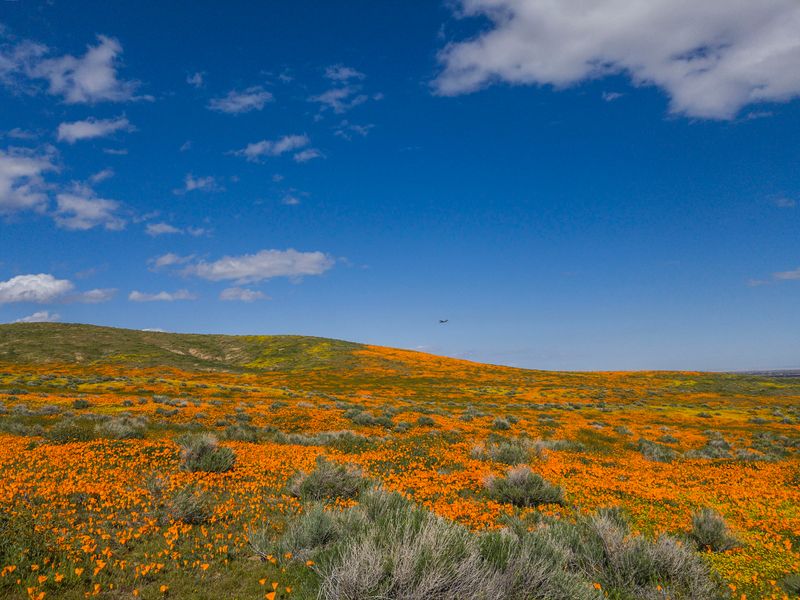
Sprawling across 1,781 acres of Mojave Desert terrain, this reserve sits at elevations between 2,600 and 3,000 feet above sea level.
The protected land lies approximately 15 miles west of Lancaster in northern Los Angeles County at 15101 Lancaster Rd, Lancaster, CA 93536, where the desert climate creates unique conditions for wildflower growth.
Natural rolling hills provide the perfect canvas for seasonal blooms that can transform the entire landscape into waves of orange.
The reserve maintains its natural state without artificial watering or flower stimulation, allowing nature to dictate the intensity of each year’s display.
Grazing by sheep and cattle remains prohibited to preserve the delicate ecosystem that supports these brilliant flowers. The state park designation ensures long-term protection for this remarkable natural phenomenon.
Visitors can explore the vast acreage through designated trails that wind through valleys and climb gentle slopes for panoramic views.
Peak Blooming Season Runs From Mid-February Through Mid-May
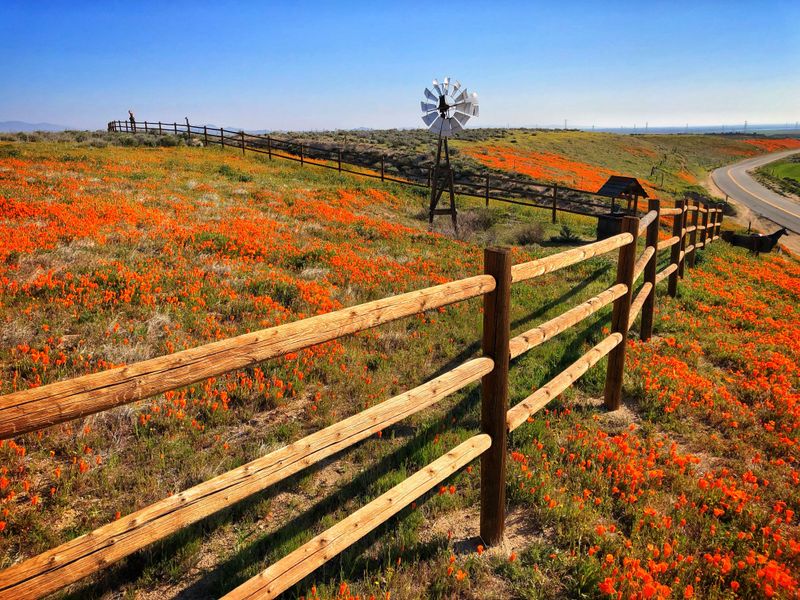
Timing a visit to catch the poppies at their peak requires understanding the blooming calendar that typically spans mid-February to mid-May.
The exact timing and intensity of blooms depend heavily on winter rainfall patterns, with wetter years producing more spectacular displays.
Early spring visitors might catch the first waves of color emerging across the hillsides as temperatures warm.
Mid-season typically brings the most reliable blooms, though checking current conditions before visiting helps ensure the best experience.
Late season blooms may still offer beautiful views, especially in years with extended spring moisture. Local weather patterns and rainfall timing create variation from year to year, making each season unique.
The reserve does not guarantee blooms during any specific timeframe, as nature ultimately controls the show. Monitoring bloom reports through official channels helps visitors plan trips during optimal viewing windows.
Seven Miles Of Trails Include Wheelchair-Accessible Paved Sections
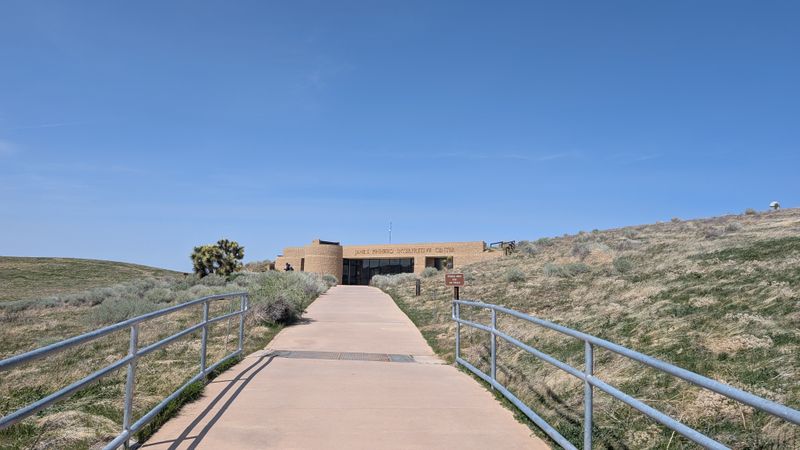
Approximately seven miles of trails wind through the reserve, offering routes for various fitness levels and mobility needs.
A paved section ensures visitors using wheelchairs can experience the poppy fields and surrounding landscape without barriers.
Trail options range from short, easy loops near the visitor center to longer routes that climb to elevated viewpoints.
The accessible paved trail provides close encounters with blooming poppies while maintaining smooth surfaces for wheeled mobility devices.
Longer loops take hikers deeper into the reserve where slightly more challenging terrain rewards with expansive vistas.
Well-maintained trails help protect the delicate wildflower ecosystem by keeping foot traffic contained to designated paths. Signage along routes provides information about the plants and wildlife visitors may encounter.
The variety of trail lengths allows families with young children to enjoy shorter walks while more adventurous hikers can explore extended routes.
Jane S. Pinheiro Interpretive Center Offers Educational Exhibits
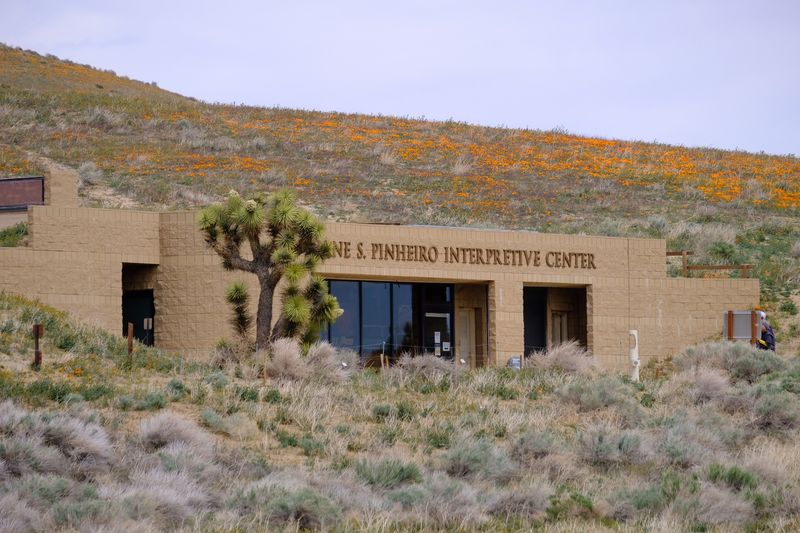
Named after a local artist and wildflower enthusiast, the Jane S. Pinheiro Interpretive Center serves as the educational heart of the reserve.
The center features exhibits explaining local flora, fauna, and geological features that make this landscape so distinctive.
Visitors can learn about the life cycle of California poppies and discover why certain conditions produce spectacular blooms while other years yield modest displays.
Educational materials cover the broader Mojave Desert ecosystem and the various plant species that call this area home.
Interactive displays engage younger visitors while providing depth for adults interested in desert ecology.
The center typically operates from 9 a.m. to 5 p.m. on weekends and 10 a.m. to 4 p.m. during weekdays, generally from March 1 through Mother’s Day.
Staff and volunteers can answer questions about current bloom conditions and recommend trails based on visitor interests and abilities.
Wildflower Diversity Extends Beyond California Poppies
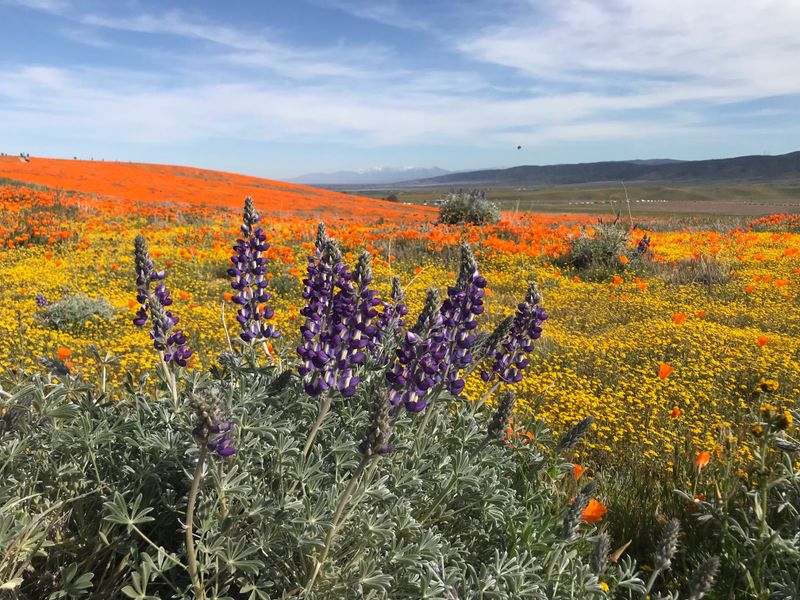
While California poppies steal the spotlight with their brilliant orange hues, the reserve hosts numerous other wildflower species that create a multi-colored tapestry.
Owl’s clover adds splashes of pink and magenta, while lupine contributes shades of purple and blue to the landscape.
Goldfields carpet certain areas in buttery yellow, creating striking contrasts against orange poppies and purple blooms.
Cream cups offer delicate white flowers with subtle yellow centers, while coreopsis brings additional golden tones to the mix.
The variety of species means color combinations shift throughout the blooming season as different plants reach their peak at staggered times.
This diversity supports a complex ecosystem that includes pollinators, birds, and other wildlife dependent on seasonal blooms.
Observant visitors can spot multiple species within small areas, creating miniature gardens of desert wildflowers. The interplay of colors and textures makes each hillside and valley visually distinct.
Wildlife Includes Meadowlarks, Lizards, And Occasional Predators
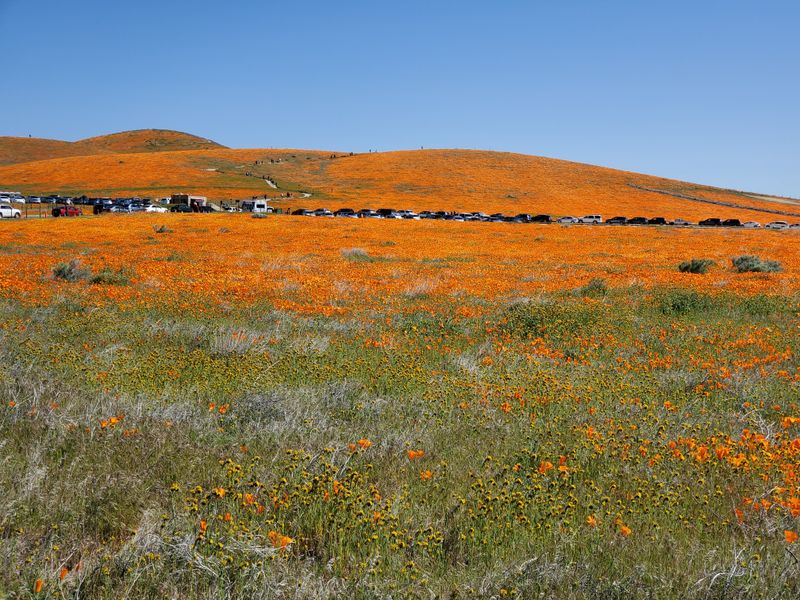
Beyond the floral displays, the reserve supports various wildlife species adapted to desert conditions and seasonal bloom cycles.
Meadowlarks can be heard singing across the fields, their distinctive calls adding an auditory dimension to the visual spectacle.
Lizards dart among rocks and vegetation, basking in sunny spots to regulate their body temperature. Gopher snakes may be spotted moving through the grasslands, playing important roles in controlling rodent populations.
Occasionally, larger predators like coyotes or bobcats pass through the area, though they typically avoid human activity.
The seasonal abundance of flowers supports insects that in turn attract bird species and other animals.
Observing wildlife requires patience and quiet movement, as many creatures remain wary of human presence.
Early morning or late afternoon visits may increase chances of wildlife sightings when temperatures moderate and animals become more active.
Photography Opportunities Rival Famous Artistic Landscapes
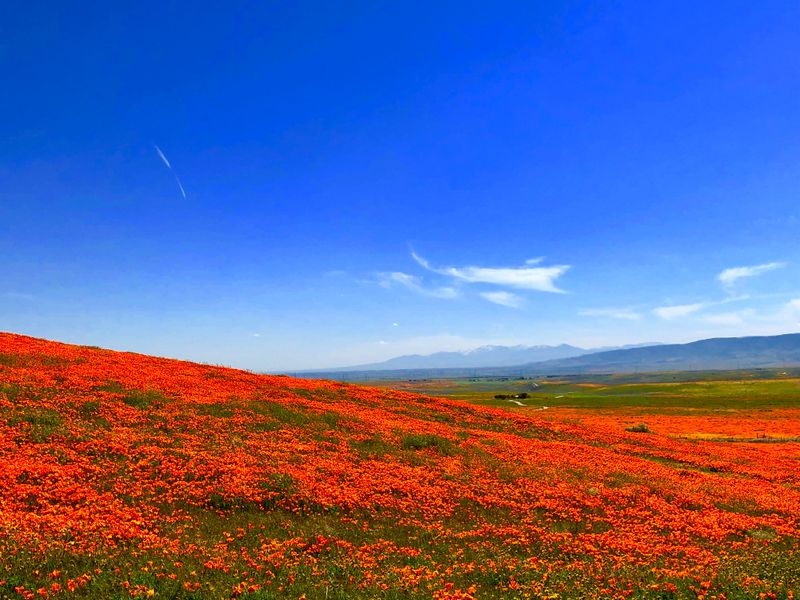
The reserve’s expansive fields and undulating terrain create endless photography opportunities that capture the essence of California’s natural beauty.
During peak bloom, the landscape transforms into scenes reminiscent of impressionist paintings with their bold color palettes and sweeping compositions.
Golden hour lighting, shortly after sunrise or before sunset, bathes the poppies in warm light that intensifies their orange hues.
Photographers can experiment with wide-angle shots capturing vast fields or use macro lenses to highlight individual flower details. The rolling hills provide natural leading lines and compositional elements that add depth to images.
Cloudy days can produce soft, even lighting that prevents harsh shadows and allows colors to appear saturated and rich. Visitors should stay on designated trails while photographing to protect the fragile ecosystem.
The combination of vibrant flowers against desert landscape and distant mountains creates layered compositions with multiple points of interest.
Visitor Guidelines Protect The Delicate Desert Ecosystem
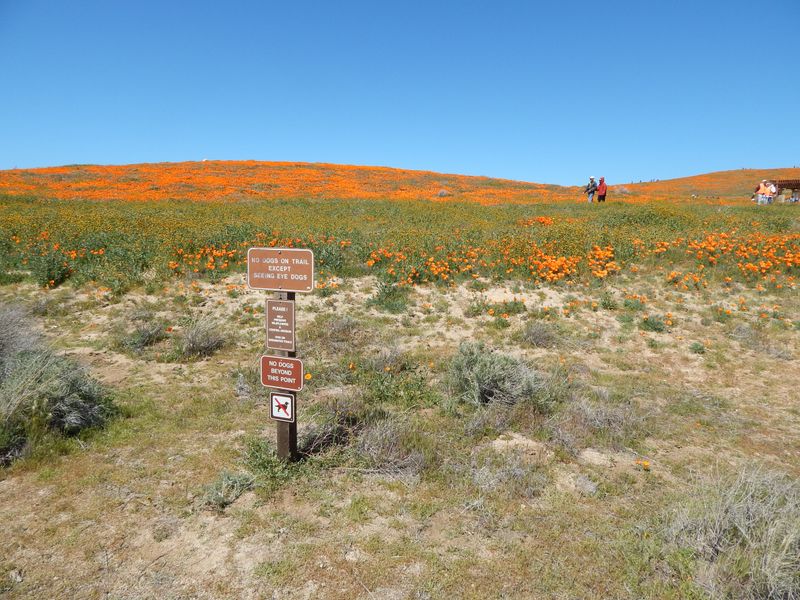
Strict guidelines help preserve the reserve’s natural state for future generations while allowing current visitors to enjoy the blooms.
Staying on designated trails prevents soil compaction and plant damage that could impact future growing seasons.
Picking flowers remains prohibited, as California poppies serve as the state flower and removing them violates both park rules and state law.
Disturbing wildlife, collecting plants, or removing any natural materials can result in citations and fines. Dogs must remain leashed, and certain areas may restrict pet access entirely to protect nesting birds or sensitive habitats.
Visitors should pack out all trash and avoid leaving any trace of their visit beyond footprints on established paths. Drones may be prohibited or restricted to prevent disturbance to wildlife and other visitors.
Following these guidelines ensures the reserve can continue providing spectacular displays and maintaining its ecological balance for years to come.
Superbloom Conditions Create Spectacular Carpet-Like Displays
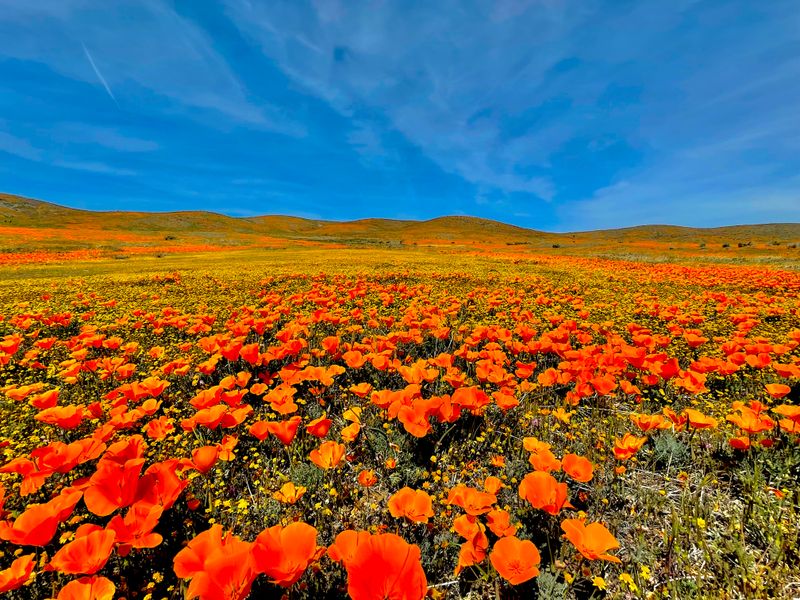
In years following abundant winter rainfall, the reserve may experience “superbloom” conditions that draw visitors from across the country and around the world.
These rare events occur when precipitation timing and amounts align perfectly with temperature patterns, triggering mass germination of dormant seeds.
During superblooms, hillsides become so densely covered with flowers that individual plants disappear into solid sheets of color.
The phenomenon can extend beyond the reserve boundaries, with surrounding desert areas also erupting in blooms.
Traffic and crowds increase dramatically during these events, with wait times for parking potentially exceeding two hours on peak weekends.
Not every year produces superbloom conditions, making these events unpredictable and highly prized among wildflower enthusiasts.
Even in non-superbloom years, the reserve typically offers worthwhile displays, though the scale and density differ significantly.
Checking bloom reports and planning visits for weekdays can help avoid the most intense crowds during exceptional years.
Admission Fees Support Conservation And Maintenance Efforts
A parking fee of approximately $10 per vehicle helps fund ongoing conservation work, trail maintenance, and visitor services at the reserve.
This fee structure allows California State Parks to manage the property while keeping costs accessible for most visitors.
Revenue generated supports everything from restroom facilities and trash removal to educational programs and habitat restoration projects.
During peak bloom periods, the reserve may install additional portable restrooms and water filling stations to accommodate increased visitor numbers.
Staff and volunteer positions that provide visitor information and monitor trail conditions also receive support from admission fees.
Some visitors choose to park outside the reserve boundaries on public land to avoid the entrance fee, though this means missing amenities like restrooms and the visitor center.
The fee represents good value considering the unique experience and the knowledge that funds directly support preservation efforts.
Annual state parks passes may provide admission, making multiple visits more economical for frequent users.
Educational Programs Include Guided Walks and Ecology Lessons
The reserve offers various educational programs designed to deepen visitor understanding of desert ecology and wildflower biology.
Guided walks led by knowledgeable volunteers or staff highlight specific plant species, explain pollination processes, and discuss the reserve’s conservation mission.
Programs may focus on different aspects of the ecosystem, from identifying wildflower species to understanding how animals adapt to desert conditions.
Children can participate in age-appropriate activities that teach environmental stewardship while making nature exploration fun.
School groups sometimes arrange special visits during the blooming season to align with curriculum topics related to botany or ecology.
Program schedules vary by season and staffing availability, with most offerings concentrated during the peak March through May period.
Checking the reserve’s official website or contacting the visitor center helps identify current program offerings.
These educational opportunities add depth to visits beyond simply viewing the flowers, creating connections between visitors and the landscape.
Shaded Picnic Areas Provide Restful Spots Near The Entrance
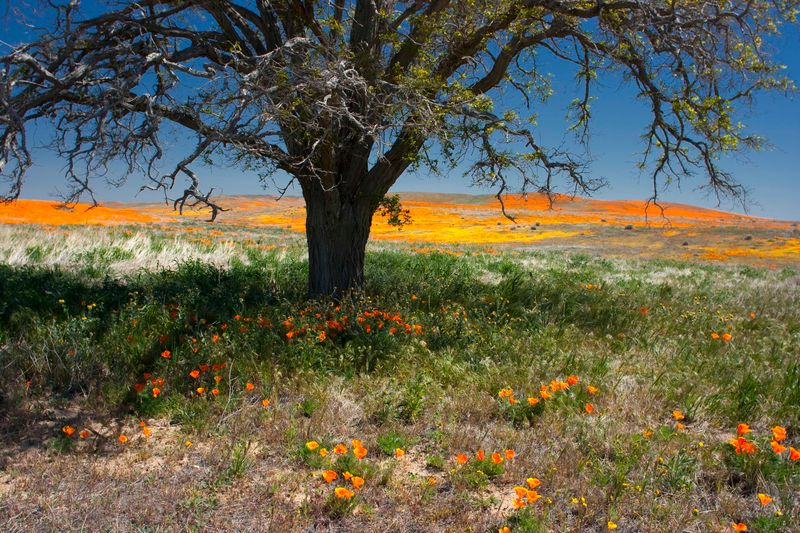
Shaded picnic tables near the entrance offer welcome relief from the desert sun and provide comfortable spots for meals or rest breaks.
These areas allow visitors to relax while taking in views of the surrounding landscape and watching other guests come and go.
Bringing a packed lunch makes sense given the reserve’s remote location and limited nearby dining options. The shade becomes especially valuable during warmer spring days when temperatures can climb significantly by midday.
Families with young children appreciate having a designated spot to regroup and refuel between trail walks.
Trash receptacles near picnic areas help visitors dispose of waste properly, though packing out all garbage remains the best practice.
The tables provide gathering spots where groups can discuss their favorite sightings or plan which trails to explore next.
Taking time to sit and simply observe the landscape allows for a more contemplative experience beyond constant walking and photographing.
Nearby Arthur B. Ripley Desert Woodland State Park Extends Exploration
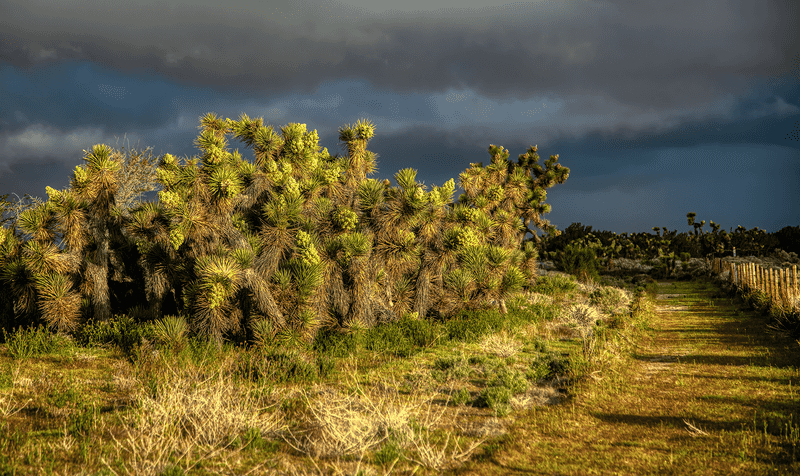
Located just seven miles west of the poppy reserve at Lancaster Road at, 205th St W, Lancaster, CA 93536, Arthur B.
Ripley Desert Woodland State Park offers additional opportunities to explore Mojave Desert ecosystems.
This smaller park features different vegetation communities and provides contrast to the poppy-covered hillsides.
Visitors planning a full day in the area can combine both parks for a more comprehensive desert experience.
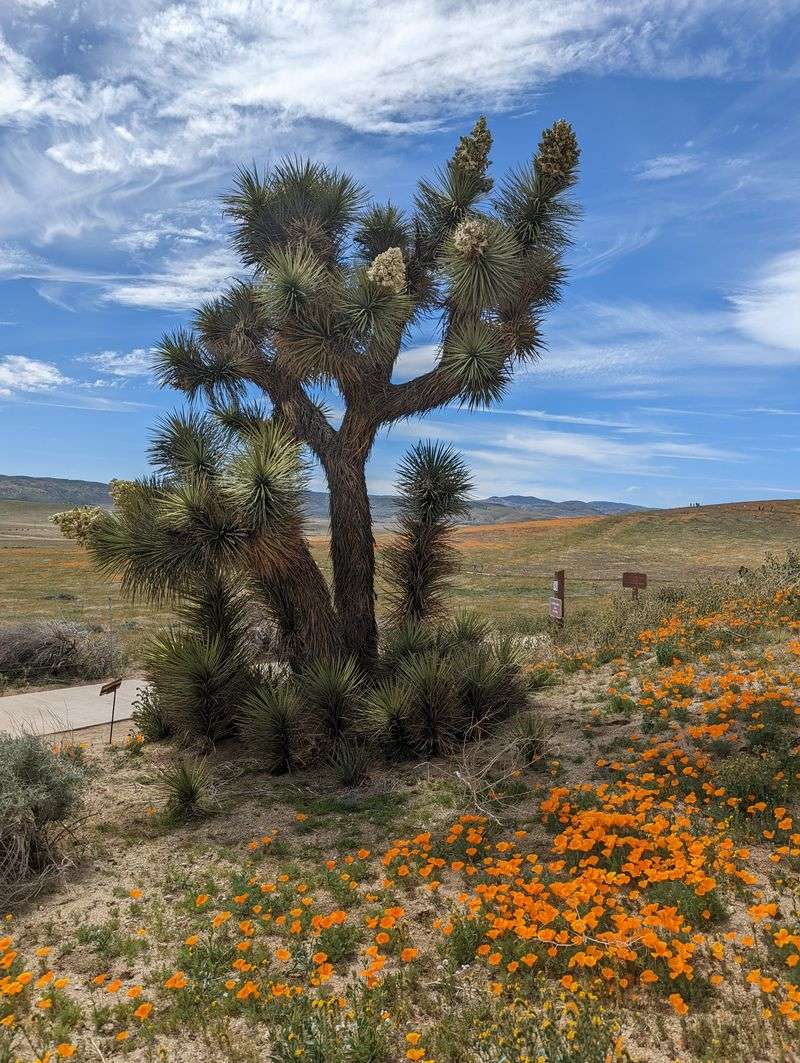
The woodland park showcases Joshua trees, junipers, and other plants adapted to slightly different conditions than those found at the poppy reserve.
Fewer crowds typically visit this neighboring park, offering quieter trails and more solitude for those seeking peaceful nature time.
The proximity makes it practical to visit both locations in a single trip, especially for visitors traveling from distant areas.
Different geological features and plant communities provide educational value and visual variety.
Checking operating hours and access conditions for both parks before visiting helps ensure smooth logistics when planning a multi-park day.
Weekend Crowds Require Patience During Peak Bloom Season
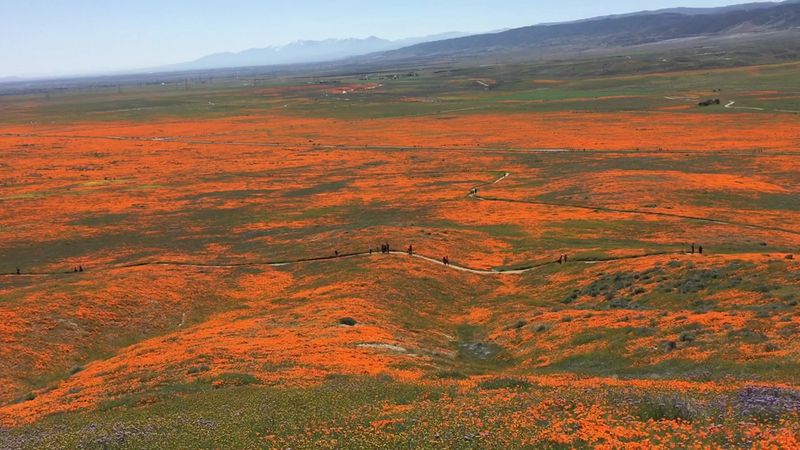
Weekend visits during peak bloom can involve significant wait times, with lines of vehicles stretching along the access road for hours.
Arriving early in the morning, ideally before 9 a.m., greatly improves chances of shorter waits and finding parking within the reserve.
Weekday visits typically offer more manageable crowds and quicker access, making them preferable for those with flexible schedules.
During superbloom years, even weekdays can see substantial traffic, though generally less intense than weekend conditions.
Some visitors opt to park outside the official entrance and walk into the reserve, trading convenience for avoiding long vehicle queues.
Food trucks and vendors often set up near the entrance during busy periods, selling snacks, drinks, and local products like honey and jerky.
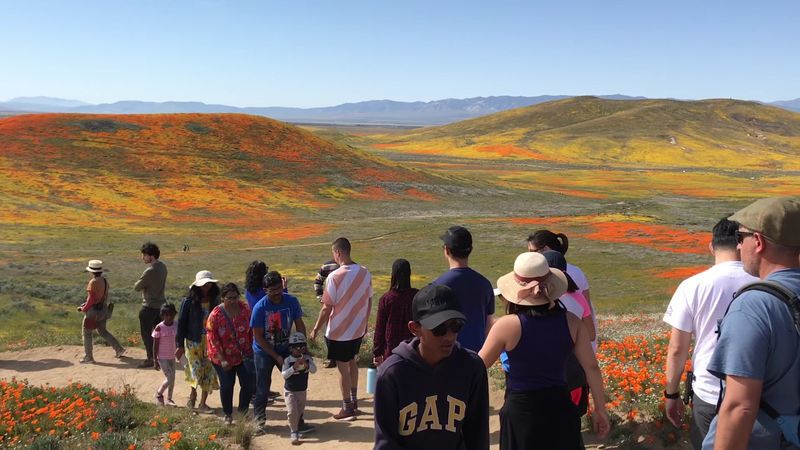
Heavy pedestrian traffic on trails during crowded times means less solitude but creates a festive atmosphere shared with fellow wildflower enthusiasts.
Bringing plenty of water, sun protection, and patience helps ensure an enjoyable visit even when crowds are substantial.
Desert Climate Conditions Demand Proper Preparation And Supplies
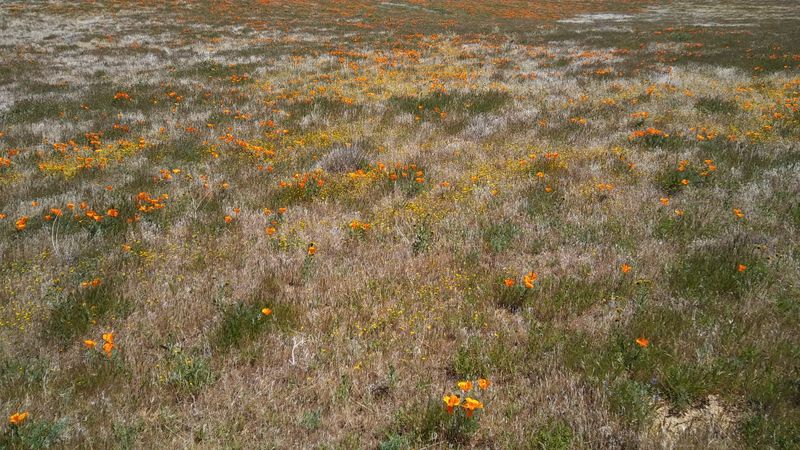
The Mojave Desert climate at the reserve means hot, dry conditions even during spring months when blooms typically occur.
Temperatures can climb rapidly as the day progresses, with limited natural shade available along most trails. Bringing adequate water is essential, with at least one liter per person recommended for moderate trail walks.
Sun protection including hats, sunglasses, and sunscreen helps prevent burns and heat-related discomfort. Comfortable walking shoes with good traction handle the varied terrain better than sandals or dress shoes.
Layered clothing allows adjustment as temperatures change throughout the day, with mornings potentially cool and afternoons warm.
Wind can pick up across the open landscape, adding a chill factor or creating dusty conditions. Checking weather forecasts before visiting helps with packing appropriate gear and clothing.
The reserve provides limited shade and no food services, making self-sufficiency important for comfortable visits.