Yosemite Crowned California’s No. 1 Travel Destination In New National Survey
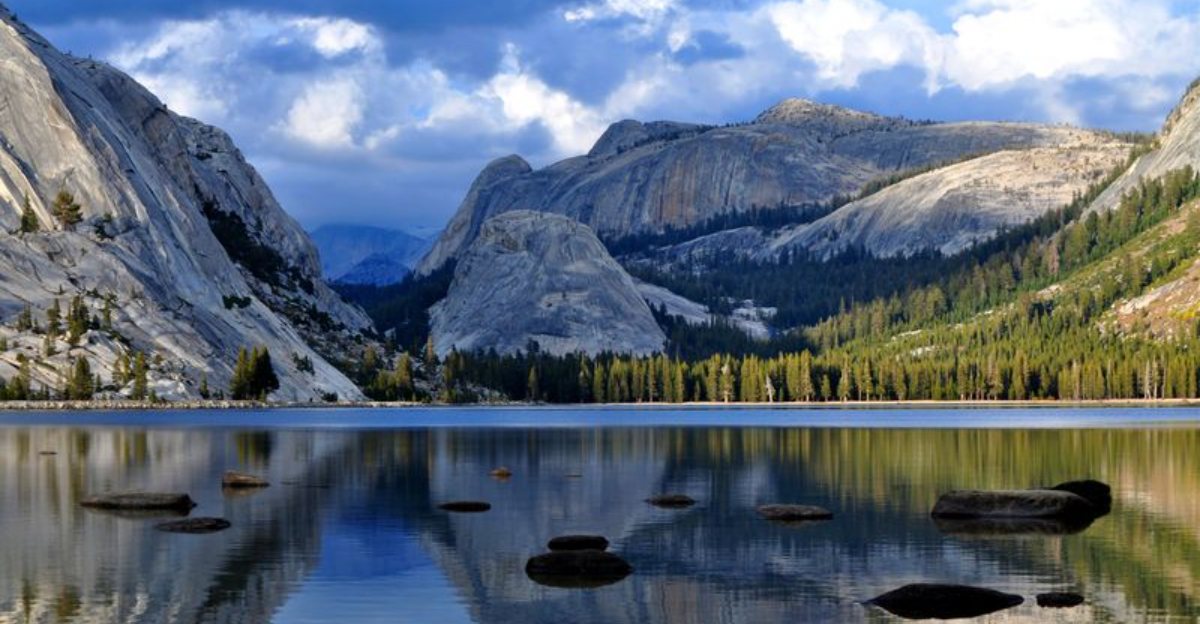
Some destinations don’t need an introduction – they announce themselves the moment you arrive. The air feels different, the scale feels larger, and every turn reveals another scene that looks almost too grand to be real.
It’s a place where mornings begin with sunlight spilling over sheer rock faces and end with the distant sound of waterfalls echoing through the valley.
Visitors come expecting beautiful scenery, but leave with something more: a renewed sense of connection to the natural world and an appreciation for landscapes shaped over millions of years.
Set in California, Yosemite National Park has once again captured national attention, earning recognition as the state’s top travel destination in a recent nationwide survey.
The honor reflects the park’s remarkable ability to appeal to all types of travelers, from casual sightseers to seasoned outdoor enthusiasts.
Beyond its iconic granite cliffs and ancient sequoias, Yosemite plays a vital role in supporting nearby communities and preserving ecosystems that define the American wilderness.
With endless opportunities for exploration and moments of quiet awe, the park continues to prove that its impact goes far beyond its borders.
Yosemite Ranks Sixth Nationally And First In California
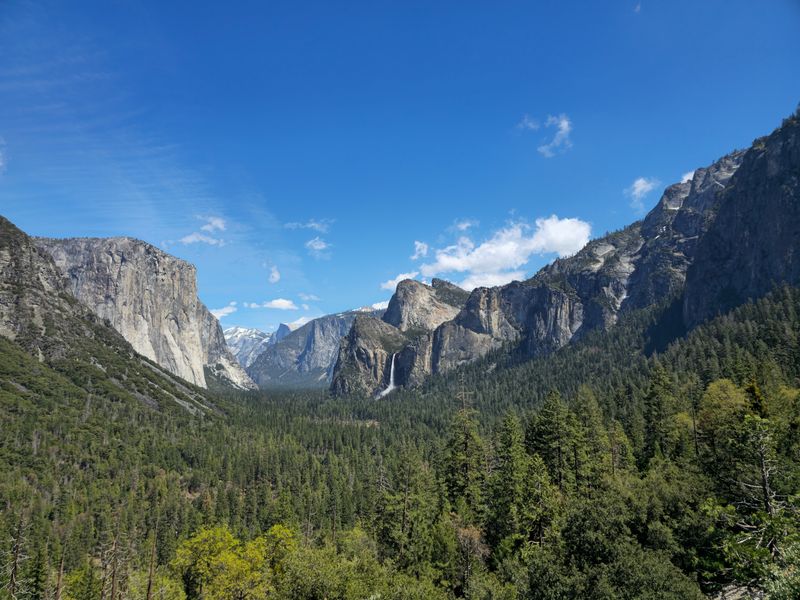
U.S. News & World Report placed Yosemite National Park as the sixth-best vacation spot in the entire United States in December 2025, making it the highest-rated California destination on their prestigious list.
This recognition reflects the park’s ability to compete with iconic American landmarks from coast to coast, standing out among hundreds of potential travel destinations.
The ranking considered factors like visitor experience, natural attractions, accessibility, and overall appeal to diverse traveler demographics.
California boasts numerous world-class destinations, from coastal cities to desert landscapes, yet Yosemite emerged as the clear favorite among survey respondents.
The park’s combination of dramatic scenery, recreational opportunities, and well-maintained facilities helped it secure this top position within the state.
Visitors consistently praise the park’s ability to offer both peaceful solitude and exciting adventure depending on where you explore.
Earning this distinction brings increased attention to Yosemite and reinforces its importance as a conservation success story. The ranking also highlights California’s natural treasures and their continued relevance in modern tourism.
For travelers planning California trips, this survey result confirms what locals have known for generations: Yosemite offers an unmatched experience that represents the best of what the Golden State has to offer.
Nearly Perfect Visitor Satisfaction Scores
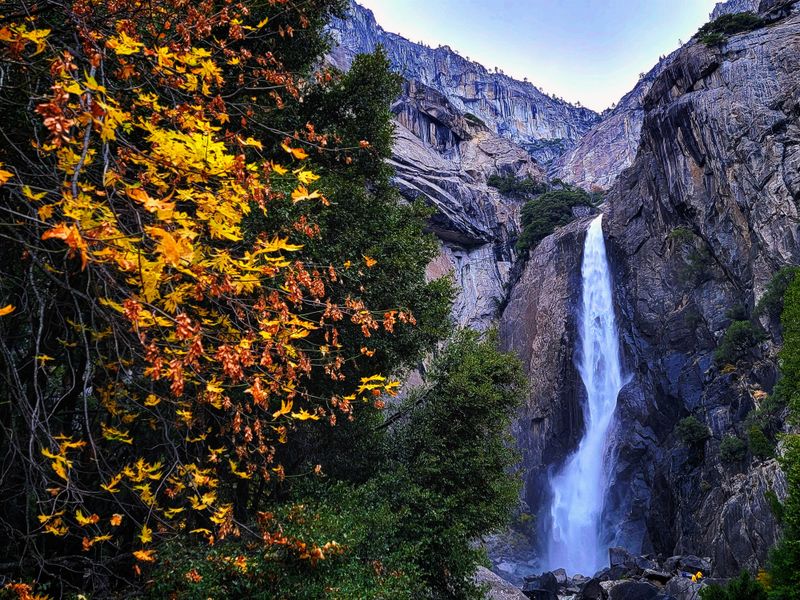
A comprehensive survey conducted in 2013 revealed that an impressive 98% of Yosemite visitors expressed satisfaction with the park’s facilities, services, and recreational opportunities.
This remarkably high approval rating demonstrates the National Park Service’s success in maintaining quality experiences despite the challenges of managing millions of annual visitors.
The survey measured satisfaction across multiple categories including trail maintenance, ranger programs, visitor centers, and overall park cleanliness.
Such high satisfaction rates are uncommon in the tourism industry, where managing expectations and delivering consistent service can prove difficult.
Yosemite’s achievement reflects decades of careful planning, ongoing infrastructure improvements, and dedicated staff who prioritize visitor experience.
The park balances preservation goals with public access, ensuring that natural features remain protected while still welcoming guests from around the world.
Visitor feedback consistently highlights the helpfulness of park rangers, the clarity of signage and information materials, and the accessibility of major attractions.
The satisfaction scores also reflect successful efforts to maintain restroom facilities, parking areas, and picnic sites even during peak visitation periods.
These positive reviews contribute to Yosemite’s reputation and encourage repeat visits, with many families returning generation after generation to share the experience with their children.
Massive Economic Impact On Surrounding Communities
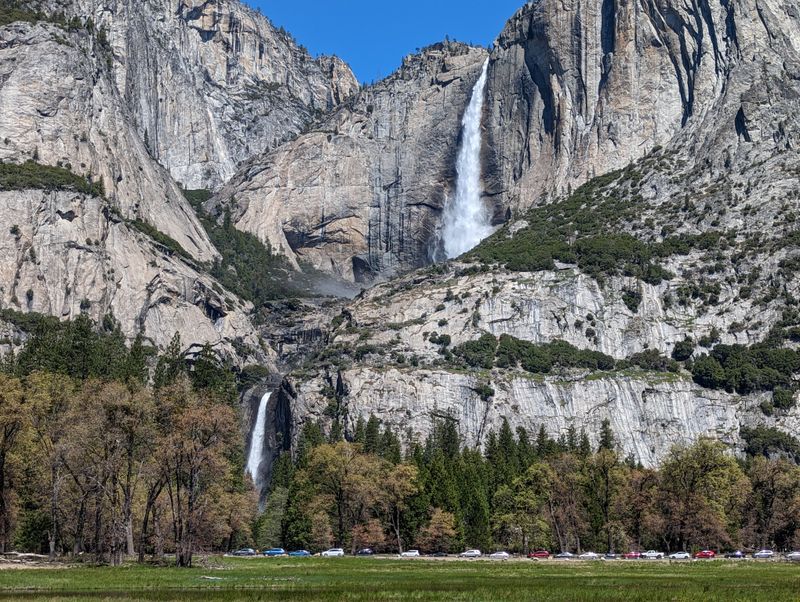
In 2018, visitors to Yosemite National Park spent approximately $495 million in nearby communities, creating a powerful economic engine for the region.
This spending supported over 6,000 local jobs and contributed a cumulative economic benefit of $624 million when accounting for indirect and induced effects.
Gateway communities like Mariposa, Oakhurst, and Groveland depend heavily on park tourism for their economic vitality, with hotels, restaurants, gas stations, and retail shops benefiting from the steady flow of visitors.
The economic impact extends beyond direct tourism businesses to include suppliers, service providers, and support industries throughout the region.
Local governments collect tax revenue that funds schools, infrastructure improvements, and emergency services.
Real estate values in gateway communities often reflect proximity to the park, and many residents find employment opportunities they might not otherwise have in these rural areas.
This economic relationship creates a partnership between the National Park Service and surrounding communities, where both parties share interest in sustainable tourism management.
When visitor numbers increase, local businesses thrive, but overcrowding can strain resources and diminish the visitor experience.
Balancing economic benefits with environmental protection remains an ongoing challenge that requires cooperation between park officials, local governments, and business owners to ensure long-term prosperity for both the park and its neighbors.
Iconic Natural Landmarks Draw Photographers And Adventurers
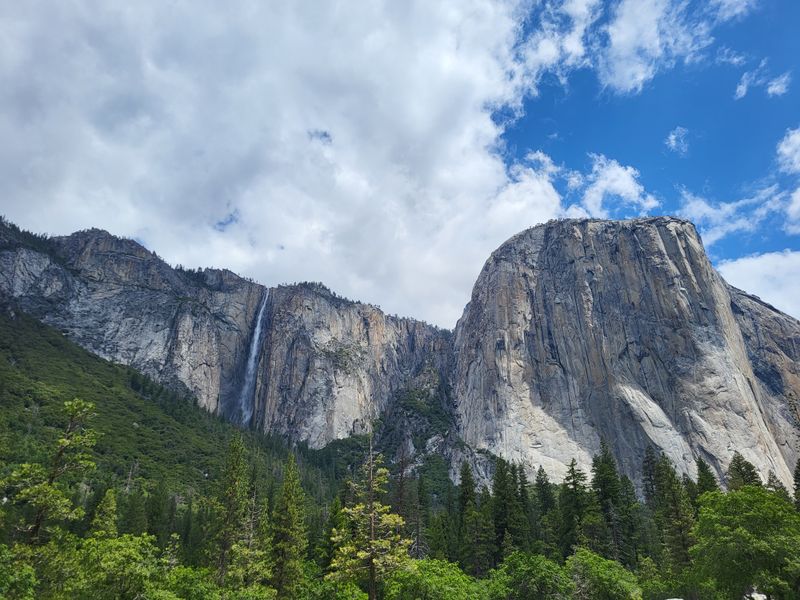
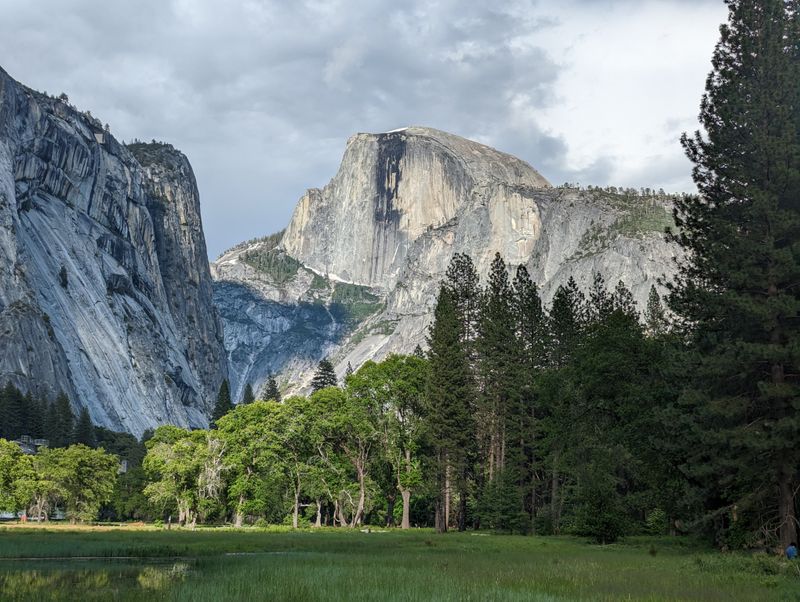
Yosemite is home to world-famous landmarks including Half Dome, Glacier Point, Yosemite Falls, and the Mariposa Grove of Giant Sequoias, each offering unique experiences and breathtaking views.
Half Dome’s distinctive shape has become one of the most photographed natural features in America, rising nearly 5,000 feet above Yosemite Valley’s floor.
Glacier Point provides panoramic views that encompass multiple iconic features in a single vista, making it a favorite spot for sunrise and sunset viewing.
Yosemite Falls, one of the tallest waterfalls in North America, cascades 2,425 feet in three sections and creates a thundering spectacle during spring snowmelt.
The Mariposa Grove contains over 500 mature giant sequoias, some more than 2,000 years old, offering visitors a chance to walk among the largest trees on Earth.
These landmarks appear in countless paintings, photographs, and films, helping establish Yosemite’s place in American cultural consciousness.
Each landmark offers different accessibility levels, from roadside viewpoints to challenging hiking trails, ensuring visitors of varying abilities can experience the park’s wonders.
The diversity of attractions means families can plan itineraries that match their interests and physical capabilities.
Whether someone seeks an adrenaline-filled rock climbing adventure or a peaceful walk through ancient forests, Yosemite’s iconic features provide options that create lasting memories and inspire environmental stewardship.
Millions Of Annual Visitors Confirm Popularity
Yosemite National Park consistently attracts millions of visitors each year, with numbers reaching approximately 4 to 5 million annually in recent years.
This steady stream of guests underscores the park’s enduring appeal across generations and its ability to remain relevant in an era of countless entertainment options.
The high visitation numbers reflect successful marketing, positive word-of-mouth recommendations, and the park’s proximity to major California population centers.
Peak visitation occurs during summer months when schools are out and weather conditions are most favorable, though spring offers spectacular waterfall displays and fall provides beautiful foliage and fewer crowds.
Winter visits have grown in popularity as more people discover the park’s snowy beauty and quieter atmosphere.
The National Park Service tracks these numbers carefully to inform management decisions about infrastructure needs, staffing levels, and resource protection measures.
High visitation brings both benefits and challenges, generating revenue for park operations and local economies while also creating concerns about environmental impact and visitor experience quality.
Reservation systems for popular areas like Half Dome and wilderness permits help manage crowds and protect sensitive ecosystems.
Despite the large numbers, many visitors report finding peaceful moments and personal connections with nature, testament to the park’s vast size and diverse landscape that can absorb crowds while still offering solitude to those who seek it.
Rich Cultural Heritage And Indigenous History
The Yosemite Museum, established in 1926, focuses on the heritage and culture of the Ahwahnechee people who inhabited the Yosemite Valley for thousands of years before European contact.
This cultural institution preserves and shares stories, artifacts, and traditions that connect modern visitors to the region’s deep human history.
The museum’s exhibits include traditional basketry, tools, clothing, and photographs that document the lives of indigenous people who called this landscape home.
Understanding Yosemite’s cultural significance adds depth to the visitor experience, transforming the park from merely a scenic destination into a place where human and natural history intertwine.
The Ahwahnechee people developed sophisticated knowledge of the valley’s resources, seasonal patterns, and ecological relationships that sustained their communities for generations.
Their stewardship practices, including controlled burning and selective harvesting, shaped the landscape that early European explorers encountered.
The park offers cultural demonstrations, ranger-led programs, and interpretive materials that help visitors appreciate this heritage and recognize that Yosemite’s story includes both natural and human dimensions.
Acknowledging indigenous history encourages reflection on conservation ethics and the relationship between people and wild places.
The museum and related programs represent ongoing efforts to honor the Ahwahnechee legacy and ensure that their contributions to Yosemite’s story receive appropriate recognition alongside the park’s natural wonders.
Diverse Visitor Demographics From Around The World
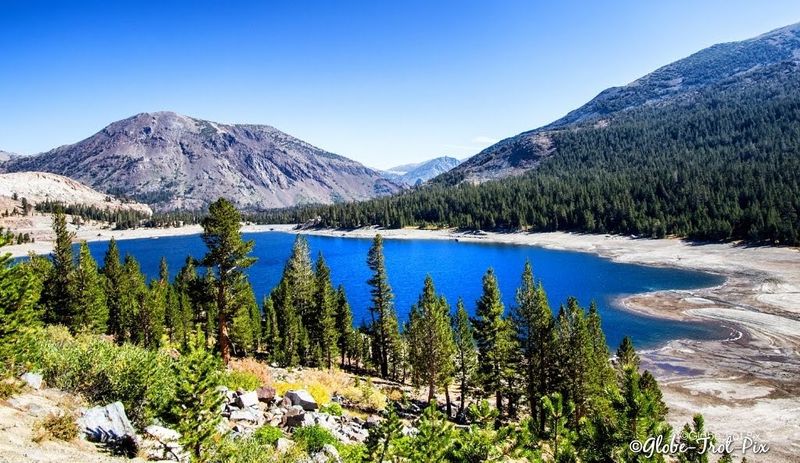
A 2009 survey indicated that 75% of Yosemite visitors were United States residents, with 62% coming from California, while 25% were international visitors representing 32 different countries.
This demographic breakdown reveals the park’s dual appeal as both a local treasure for California residents and an international destination that draws travelers from across the globe.
Domestic visitors often make repeated trips, treating Yosemite as a familiar retreat, while international guests frequently include the park as a must-see stop on American itineraries.
The high percentage of California visitors reflects the park’s accessibility from major population centers including Los Angeles, San Francisco, Sacramento, and San Diego, all within a day’s drive.
Many California families establish traditions of annual or seasonal visits, introducing children to outdoor recreation and environmental appreciation.
The park’s proximity to Silicon Valley and other urban areas makes it an attractive weekend getaway for residents seeking respite from city life.
International visitors bring diverse perspectives and often express amazement at the scale and preservation of American national parks, which differ from protected areas in their home countries.
Language services, multilingual signage, and cultural sensitivity training for staff help ensure positive experiences for guests from around the world.
The diverse visitor base creates a vibrant, multicultural atmosphere in the park and demonstrates how natural wonders can transcend cultural boundaries to inspire universal appreciation.
Popular Activities Include Scenic Viewing And Hiking
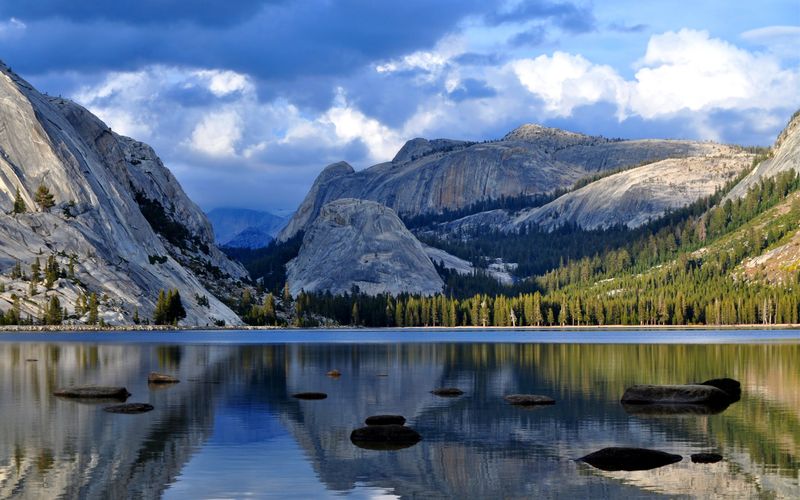
Survey data shows that the majority of Yosemite visitors engage in viewing scenery (93%), taking scenic drives (64%), and day hiking (54%), revealing preferences for accessible activities that don’t require specialized skills or equipment.
The high percentage of scenic viewing reflects the park’s visual appeal and the availability of numerous pullouts, viewpoints, and short walks that provide stunning vistas without strenuous effort.
Families with young children, elderly visitors, and those with mobility limitations can still experience Yosemite’s grandeur through these accessible options.
Scenic drives along routes like Tioga Road and Glacier Point Road offer constantly changing perspectives on the park’s features, with frequent opportunities to stop, photograph, and absorb the landscape.
Day hiking appeals to visitors seeking more active engagement with nature without committing to overnight backpacking trips.
Trails range from paved, wheelchair-accessible paths to challenging climbs that reward effort with spectacular views and a sense of accomplishment.
Other popular activities include ranger-led programs, wildlife watching, photography workshops, and visiting interpretive centers, though these attract smaller percentages of visitors.
The activity preferences indicate that most guests prioritize visual experience and moderate physical activity over extreme adventure sports.
This pattern helps park planners allocate resources appropriately, maintaining scenic viewpoints and day-use trails while also supporting the needs of more adventurous visitors who pursue rock climbing, backcountry camping, and technical mountaineering.
California Residents Dominate Visitor Origins
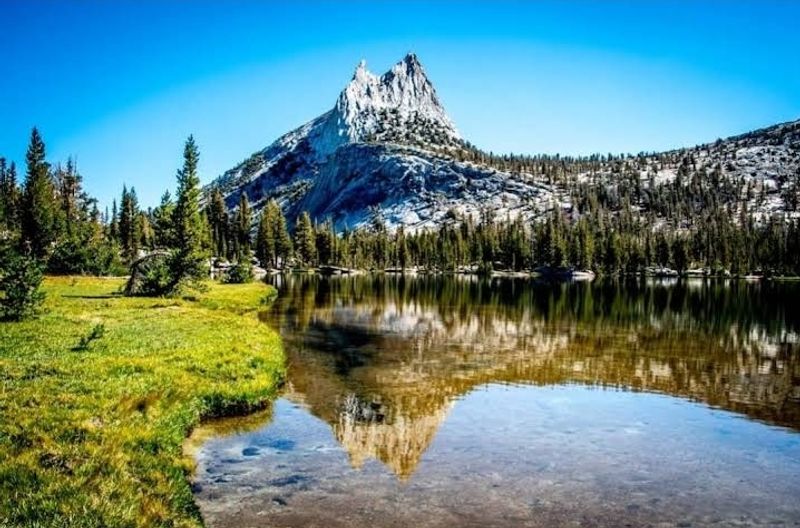
Among domestic visitors to Yosemite, 53.2% were from California, with major contributing cities including Los Angeles, Sacramento, San Diego, San Jose, Fresno, and San Francisco.
This geographic concentration reflects both the park’s location within California and its cultural significance to state residents who view Yosemite as part of their regional identity.
The relatively short driving distances from major urban centers make weekend trips feasible, encouraging frequent visits and seasonal returns.
Los Angeles residents, despite living over 300 miles away, represent a significant visitor segment, often combining Yosemite trips with stops in the Central Valley or along the scenic Highway 395.
Bay Area residents enjoy even closer access, with drives of four to five hours depending on traffic and route selection.
Sacramento and Fresno visitors benefit from the shortest travel times, sometimes treating Yosemite as a day-trip destination, though overnight stays allow for more thorough exploration.
The dominance of California visitors creates both advantages and challenges for park management, as local knowledge and repeat visitation foster environmental stewardship and responsible behavior, but also concentrate demand during state school holidays and long weekends.
Out-of-state visitors add diversity and typically spend more days in the area, benefiting gateway community economies.
Understanding visitor origins helps park officials and local businesses tailor services, plan capacity, and develop marketing strategies that balance utilization across seasons and maintain sustainable visitation levels.
Visitors Spend Days Exploring The Park’s Vastness
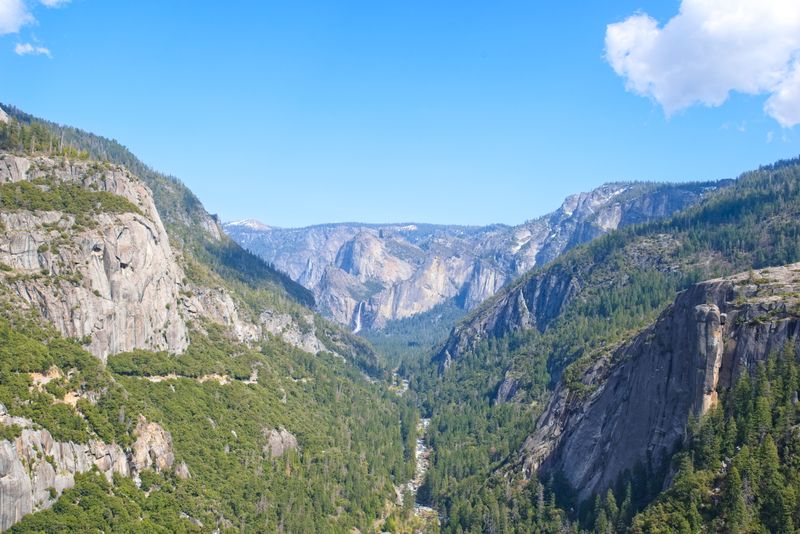
Statistics reveal that the average length of stay for overnight visitors in Yosemite was 57 hours or 2.4 days, while day visits averaged 7.2 hours, indicating that most guests recognize the need for extended time to appreciate the park’s offerings.
A single day allows visitors to see major landmarks and complete a short hike or two, but multiple days enable deeper exploration of different park areas and participation in diverse activities.
The relatively short average stays suggest that many visitors balance their desire to experience Yosemite with time and budget constraints.
Overnight accommodations within the park include historic lodges, rustic cabins, and campgrounds that allow early morning and evening experiences when day visitors have departed and wildlife becomes more active.
Staying overnight provides opportunities to witness sunset alpenglow on granite cliffs, stargaze away from city lights, and hear the sounds of nature without traffic noise.
Many visitors report that their most memorable moments occurred during these quieter times rather than during crowded midday hours.
Day visitors often arrive late morning, tour the valley floor, visit major viewpoints, and depart by early evening, missing the park’s more subtle charms.
Encouraging longer stays benefits both visitor experience and environmental protection by reducing traffic congestion and spreading human impact across time rather than concentrating it during peak hours.
The stay duration data helps inform decisions about accommodation capacity, campground reservations, and visitor education about trip planning.