Must-See Historic Wonders That Make Savannah One Of Georgia’s Most Fascinating Towns
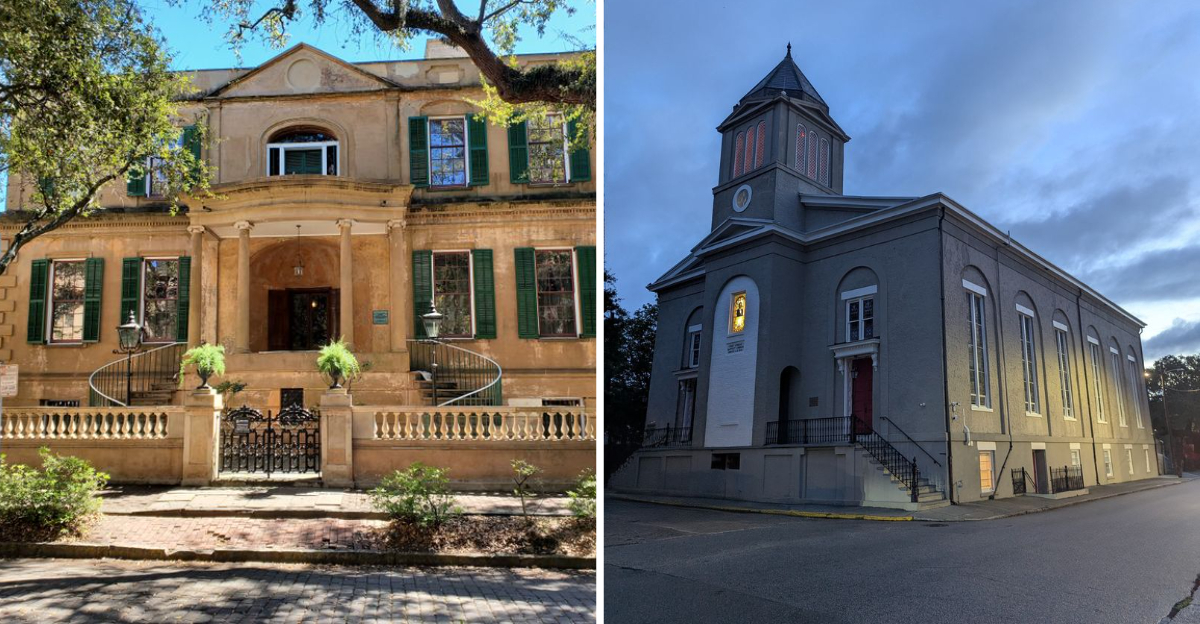
Savannah stands as one of Georgia’s most treasured cities, where history comes alive on every cobblestone street and beneath the shade of ancient oaks.
Founded in 1733, this coastal gem preserves centuries of stories through its remarkable architecture, monuments, and landmarks.
I’ll guide you through the historic wonders that make this Southern city absolutely unforgettable.
1. Forsyth Park
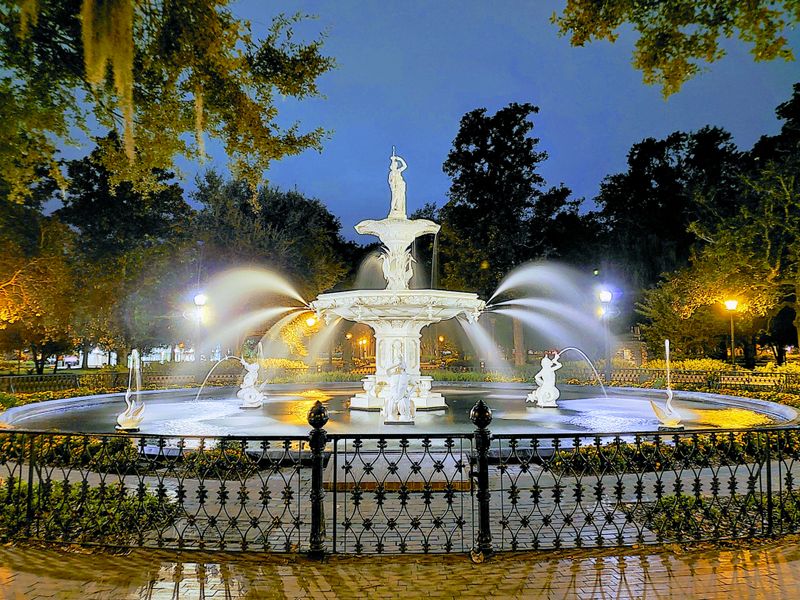
Beauty and history merge at this 30-acre green space that’s been Savannah’s heart since 1851. You’ll find the park located at 2 W Park Ave, Savannah, GA 31401. Locals and visitors gather here daily to enjoy walking paths, open lawns, and the park’s most famous feature.
That iconic white fountain at the park’s north end draws photographers from around the world. Built in 1858, it resembles fountains in Paris and has become Savannah’s most recognizable symbol. The fountain sprays water in elegant patterns that look especially magical at sunset.
I love how the park offers something for everyone throughout the year. Fragrant gardens bloom with seasonal flowers, while massive oak trees provide shade for picnics. The Confederate Memorial stands at the south end, adding another layer to the park’s historical significance.
Weekend farmers markets and festivals frequently fill the space with energy and community spirit.
2. Cathedral of St. John the Baptist
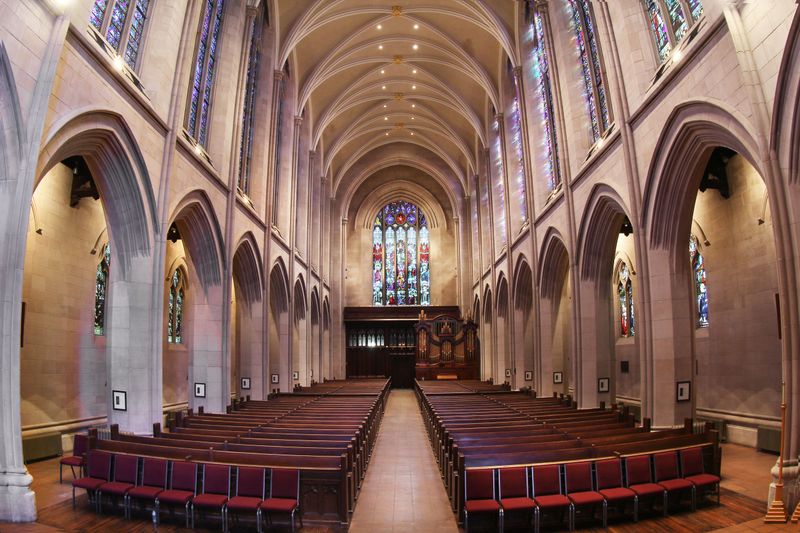
Soaring spires pierce the Savannah skyline at this breathtaking Gothic Revival masterpiece. Located at 222 E Harris St, Savannah, GA 31401, the cathedral has welcomed worshippers since 1876. French architecture inspired its design, creating a European feel right in Georgia’s heart.
Walking inside feels like stepping into another world entirely. Stained glass windows imported from Austria cast colorful light across marble floors and wooden pews. The intricate details include hand-carved stations of the cross and towering columns that reach toward ornate ceiling paintings.
A devastating fire in 1898 destroyed much of the original structure, but the community rebuilt it even more beautifully. The cathedral’s twin spires stand 207 feet tall, making them visible from many parts of downtown. I recommend visiting during a weekday morning when sunlight streams through those Austrian windows most dramatically.
The peaceful atmosphere invites reflection regardless of your religious background.
3. Bonaventure Cemetery
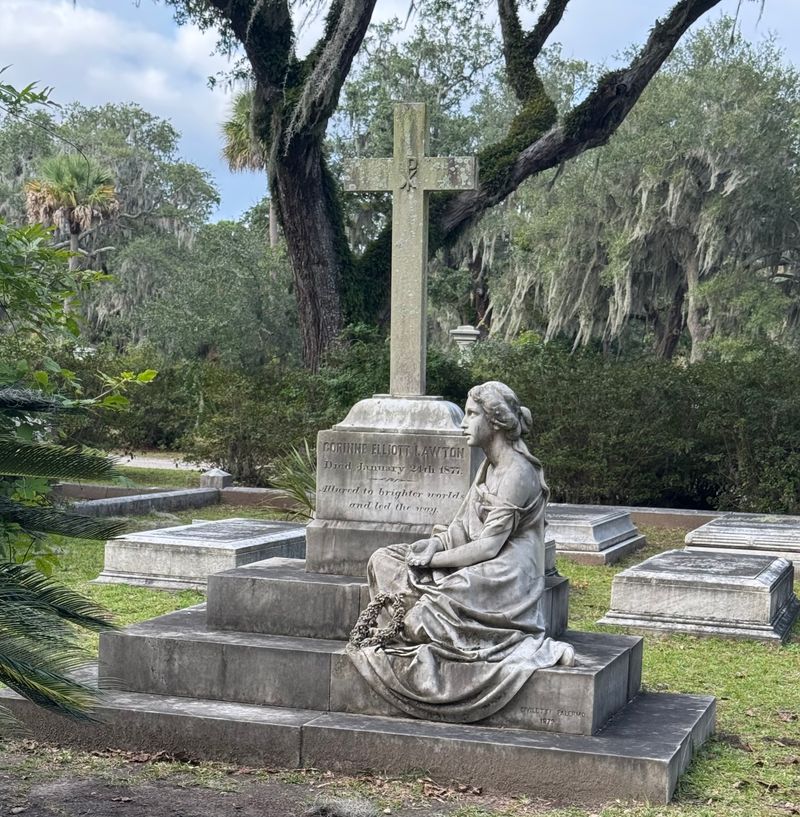
Hauntingly beautiful doesn’t quite capture the magic of this Victorian-era burial ground overlooking the Wilmington River. The cemetery sits at 330 Bonaventure Rd, Savannah, GA 31404, about three miles east of downtown. Spanish moss drapes from ancient oaks create natural curtains between elaborate monuments and sculptures.
Famous residents rest here, including songwriter Johnny Mercer and poet Conrad Aiken. The cemetery gained worldwide attention after appearing in the book and film “Midnight in the Garden of Good and Evil.” Visitors now come from everywhere to experience its peaceful, artistic atmosphere.
I find the sculptural artistry absolutely stunning throughout the grounds. Angels, crosses, and family monuments showcase incredible craftsmanship from the 1800s and early 1900s. The riverside location adds serene water views to your walking tour.
Guided tours happen regularly and share fascinating stories about Savannah’s most interesting historical figures. Bring your camera because every turn reveals another photogenic scene.
4. River Street
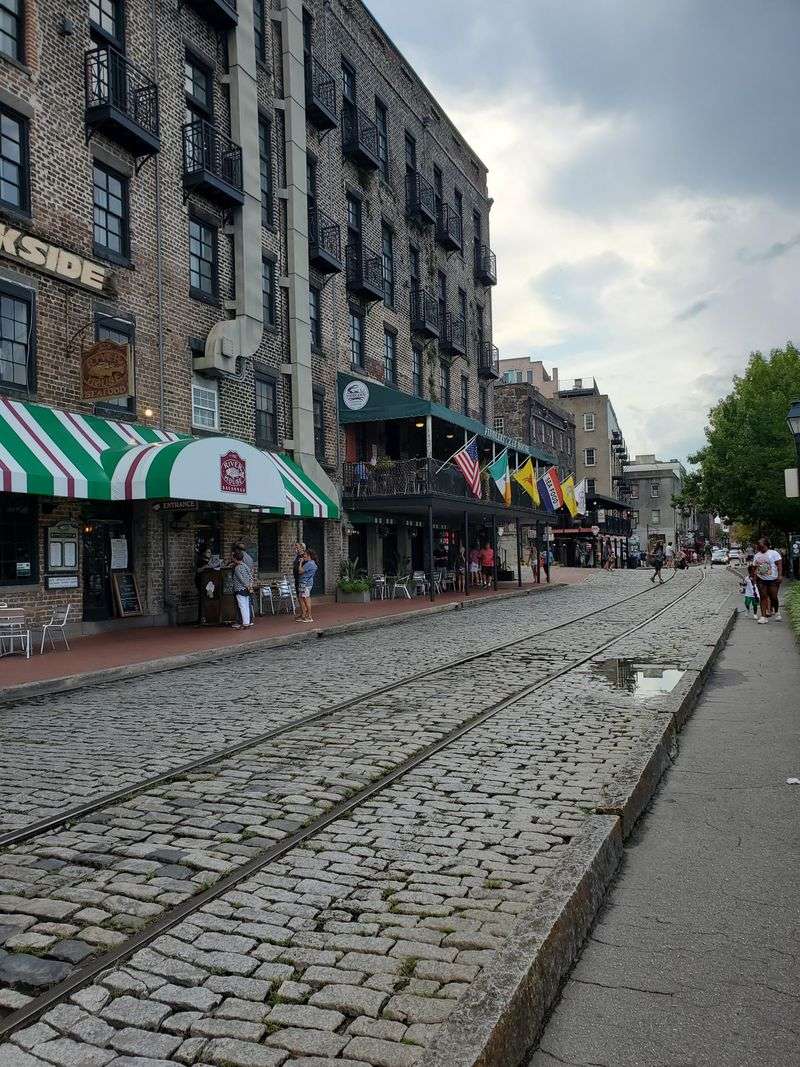
Cobblestones tell stories along this waterfront district where cotton once moved through Georgia’s busiest port. River Street runs parallel to the Savannah River between the Talmadge Memorial Bridge and the Savannah Belles Ferry dock. Original ballast stones brought by ships in the 1700s pave the street, creating an authentic connection to maritime history.
Converted cotton warehouses now house restaurants, shops, and galleries in buildings dating back over 150 years. You’ll notice iron bridges connecting River Street to Bay Street above, adding to the area’s industrial heritage charm. Massive cargo ships still pass by, reminding visitors that this remains a working port.
The riverfront comes alive with activity from morning until late evening. Street performers entertain crowds while candy shops tempt passersby with pralines and fudge. I suggest timing your visit to catch sunset over the water, when the old buildings glow golden.
Several monuments along the walkway honor Savannah’s maritime and military past, including the Waving Girl statue.
5. Mercer-Williams House Museum
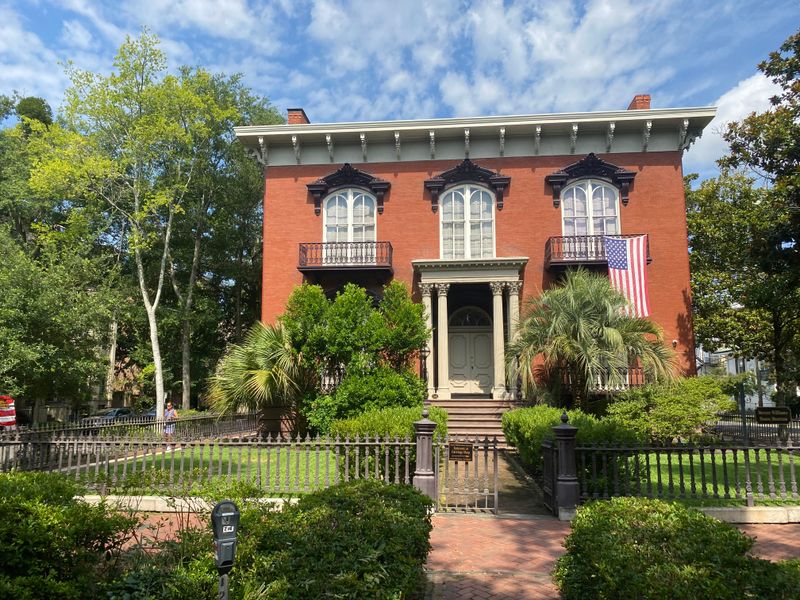
Intrigue surrounds this Italianate mansion that became famous far beyond Savannah’s borders. You’ll find it at 429 Bull St, Savannah, GA 31401, facing Monterey Square in the historic district. Built in the 1860s for General Hugh W.
Mercer, the home later belonged to antiques dealer Jim Williams.
“Midnight in the Garden of Good and Evil” made this house a cultural landmark when it detailed events from Williams’ life here. The book’s success brought worldwide attention to both the home and Savannah itself. Today, guided tours showcase Williams’ impressive collection of art and antiques throughout elegantly restored rooms.
The architectural details demonstrate exceptional craftsmanship from Savannah’s golden age. High ceilings, ornate moldings, and period furnishings transport you back to the 1800s. I appreciate how the museum preserves not just the building but also the stories of the fascinating people who lived here.
The carriage house and courtyard add to the property’s historic atmosphere.
6. Owens-Thomas House & Slave Quarters
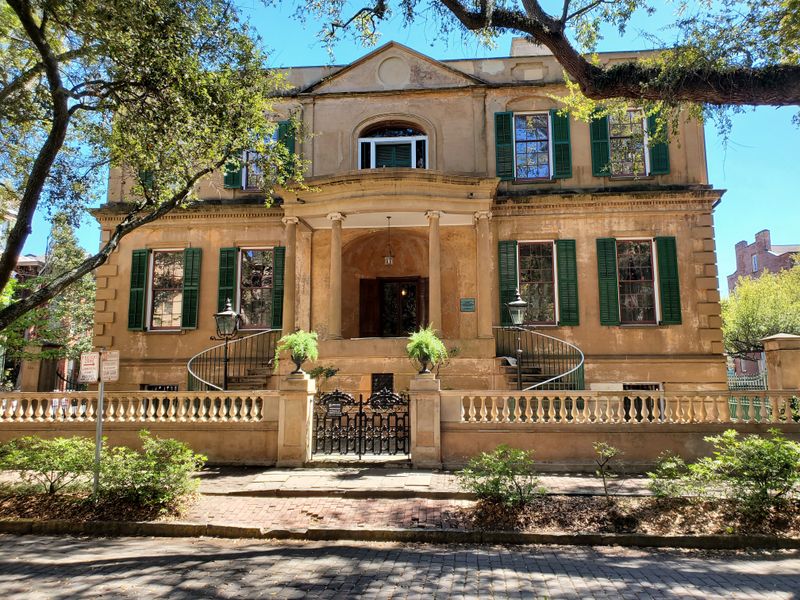
Architectural brilliance meets difficult truths at this Regency-style mansion completed in 1819. Located at 124 Abercorn St, Savannah, GA 31401, the house represents one of America’s finest examples of English Regency architecture. Architect William Jay designed the home when he was only 24 years old, creating something truly extraordinary.
The Marquis de Lafayette addressed Savannah citizens from the home’s iconic iron balcony during his 1825 visit. Original furnishings, decorative arts, and architectural features remain remarkably well-preserved throughout the main house. The innovative design included indoor plumbing, which was extremely rare for that time period.
What makes this site especially important is its preserved slave quarters and urban slave garden. The museum doesn’t shy away from telling the complete story of everyone who lived and worked here. I find this honest approach to history both educational and necessary.
Guided tours explore both the luxury enjoyed by the owners and the harsh reality faced by enslaved people. This dual perspective provides deeper understanding of antebellum Southern life.
7. Wormsloe Historic Site
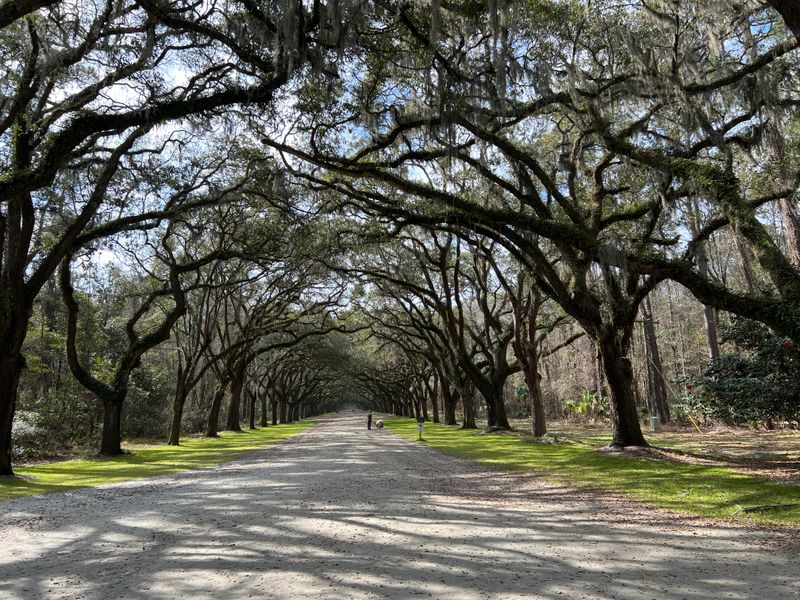
An avenue of live oaks creates one of the most photographed scenes in all of Georgia. Wormsloe sits at 7601 Skidaway Rd, Savannah, GA 31406, about eight miles southeast of downtown. The plantation dates back to the 1730s, making it one of Georgia’s oldest surviving estates.
That famous oak-lined drive stretches for 1.5 miles and features about 400 trees draped in Spanish moss. Noble Jones, one of Georgia’s original colonists, established Wormsloe as a working plantation and defensive outpost. Tabby ruins from the colonial estate still stand, showing construction techniques using oyster shells, lime, and sand.
The site offers much more than just the iconic entrance avenue. A museum displays artifacts from colonial Georgia and explains daily life in the 1700s. Walking trails wind through maritime forest where you can spot wildlife and native plants.
Living history demonstrations happen regularly, with costumed interpreters showing colonial skills like blacksmithing and cooking. I recommend going early morning when mist hangs between the oaks for truly magical photographs.
8. Chippewa Square
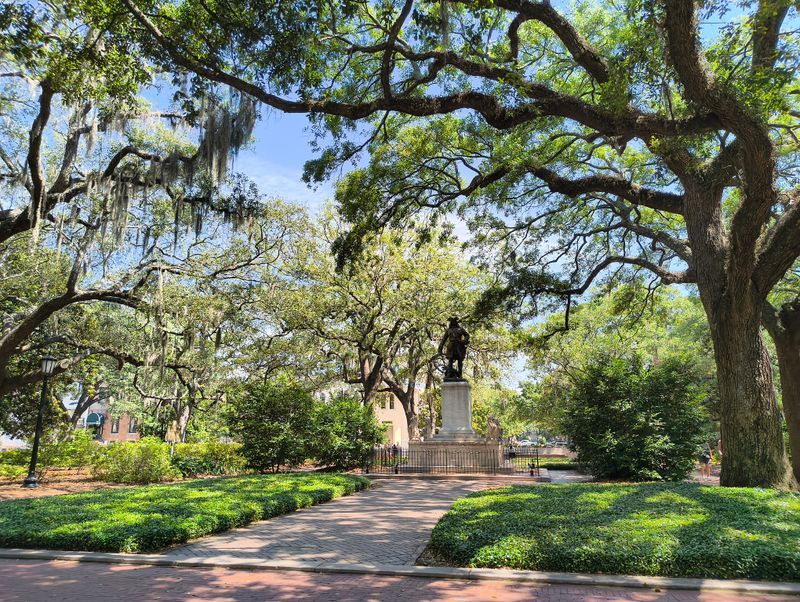
Movie magic happened right here on this historic square laid out in 1815. Chippewa Square sits in the middle of Savannah’s downtown grid at Bull Street between Hull and Perry Streets. James Oglethorpe’s original city plan included 24 public squares, and this one honors the Battle of Chippewa from the War of 1812.
A bronze statue of James Oglethorpe, Georgia’s founder, stands at the square’s center facing south toward Florida. Legend says he faces that direction to watch for Spanish invaders from Florida, Georgia’s historical rival. The statue was dedicated in 1910 and remains an important landmark.
Film fans recognize this square from the famous bench scenes in “Forrest Gump,” though the bench was only there during filming. Beautiful townhouses and the historic Savannah Theatre surround the square, which opened in 1818 and claims to be America’s oldest continuously operating theater. I love sitting under the shade trees here, watching city life flow around the square just as it has for over 200 years.
The square’s compact size makes it feel intimate despite being in downtown’s busiest area.
9. Colonial Park Cemetery
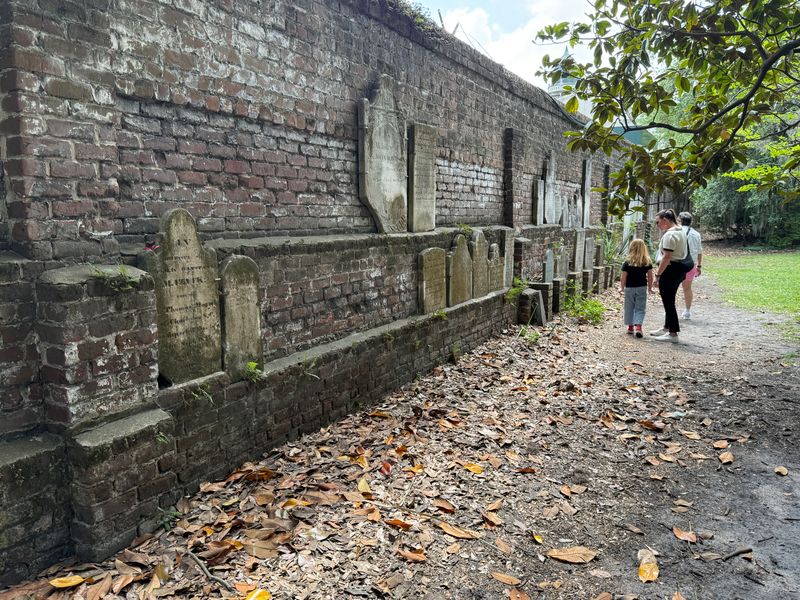
Moss-covered headstones lean at angles throughout this cemetery that operated from 1750 to 1853. You’ll find it at 201 Abercorn St, Savannah, GA 31401, right in the historic district. More than 9,000 people rest here, though only about 600 graves have markers still standing today.
The cemetery tells Savannah’s story through its residents, including Button Gwinnett, a signer of the Declaration of Independence. Yellow fever epidemics claimed many lives here, with mass graves holding hundreds of victims from the 1820 outbreak alone. Walking the paths reveals fascinating epitaphs and beautiful examples of early American gravestone art.
Union soldiers camped here during the Civil War and reportedly changed dates on some headstones as pranks. Some stones now show impossibly old ages or incorrect death dates because of this vandalism. The brick wall surrounding the cemetery dates to the 1860s and creates a peaceful boundary from the city beyond.
I find the combination of beauty and sadness here deeply moving. The cemetery closes at dusk, so plan your visit for daytime exploration.
10. Telfair Museums
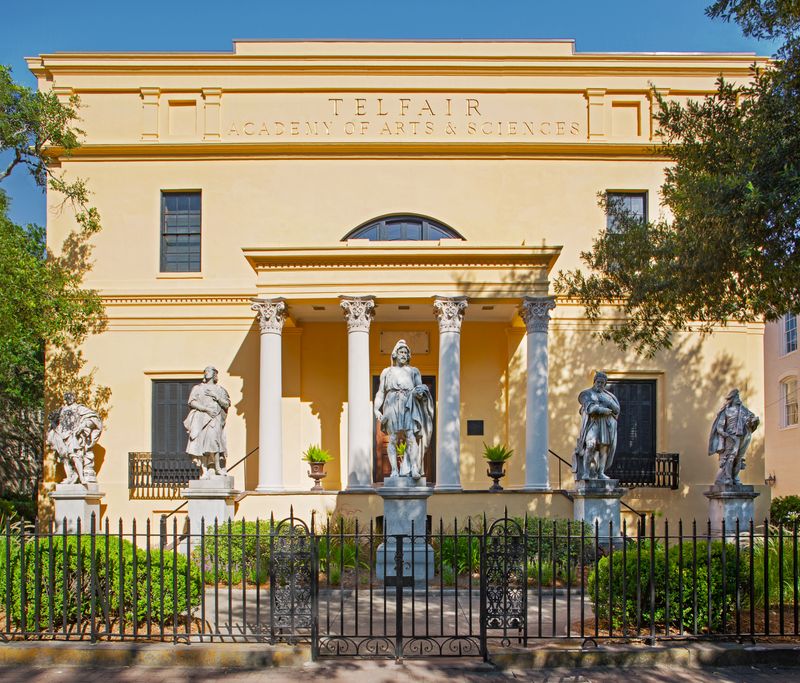
Three distinct locations make up the South’s oldest public art museum, founded in 1886. The Telfair Academy sits at 121 Barnard St, Savannah, GA 31401, in a Regency-style mansion designed by William Jay. Mary Telfair left her family home and art collection to the Georgia Historical Society, creating this cultural treasure.
The main building showcases 19th and 20th-century American and European art in period room settings. Original architectural features include a stunning octagonal room and dramatic rotunda. The Owens-Thomas House (mentioned separately) and the contemporary Jepson Center complete the museum’s trio of locations.
I’m always impressed by how the museum balances historical preservation with artistic innovation. The collection includes paintings, sculptures, and decorative arts spanning several centuries. Special exhibitions bring fresh perspectives while permanent galleries maintain connections to Savannah’s past.
The museum’s education programs help visitors of all ages understand art history and appreciation. Combination tickets let you visit all three locations, which I highly recommend for the complete experience. Each building offers something unique while contributing to Savannah’s cultural landscape.
11. Savannah History Museum
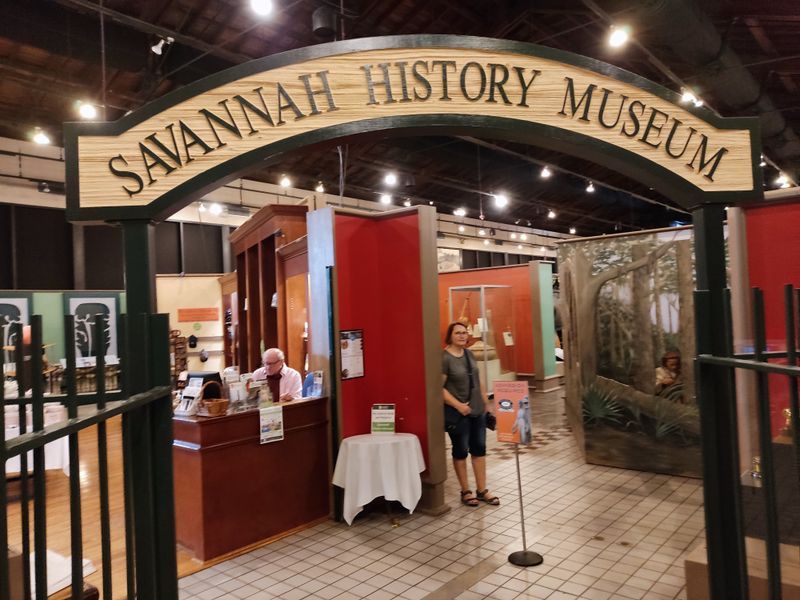
Centuries of local stories unfold inside a building with its own fascinating past. The museum occupies the former Central of Georgia Railway passenger shed at 303 Martin Luther King Jr Blvd, Savannah, GA 31401. Railroad history blends with exhibits covering everything from Native American cultures to modern times.
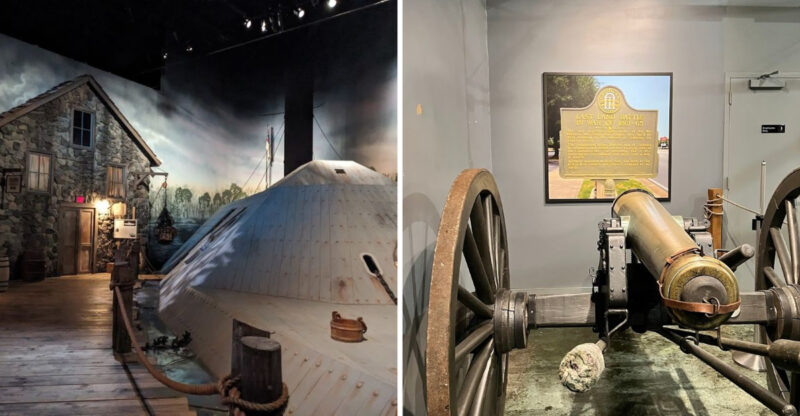
The museum’s collection includes the bench from “Forrest Gump” that was filmed in Chippewa Square. You’ll also find Girl Scout founder Juliette Gordon Low’s exhibits, since she was born in Savannah. Revolutionary War and Civil War artifacts help visitors understand Georgia’s role in these conflicts.
Interactive displays make history engaging for younger visitors while providing depth for history enthusiasts. The building itself represents Savannah’s importance as a transportation hub during the railroad era. I appreciate how the museum doesn’t just focus on famous people and big events but also shows everyday life throughout different time periods.
A replica of the SS Savannah, the first steamship to cross the Atlantic, demonstrates the city’s maritime innovation. The museum shop offers locally made items and historical books perfect for remembering your visit.
12. Fort Pulaski National Monument
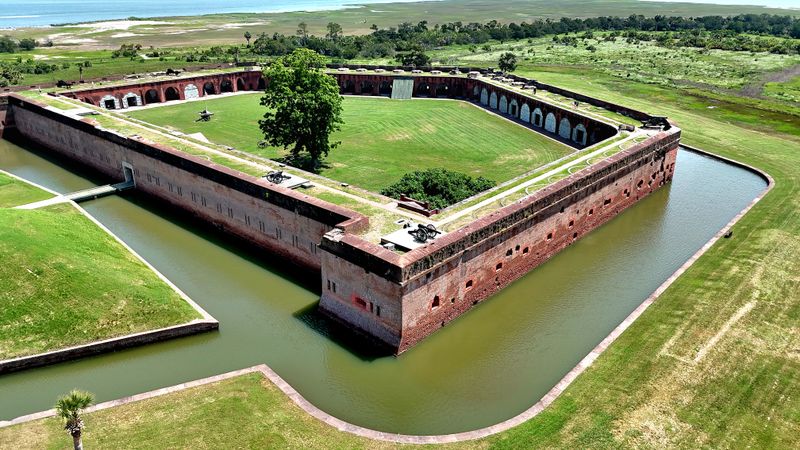
Massive brick walls rise from the marshlands where military history changed forever in 1862. Fort Pulaski stands at 1 Fort Pulaski Rd, Savannah, GA 31410, about 15 miles east of downtown on Cockspur Island. Construction began in 1829 and took 18 years to complete, using 25 million bricks.
The fort was considered virtually indestructible when it was built, with walls seven and a half feet thick. Then came the Civil War and new rifled cannon technology. Union forces bombarded the Confederate-held fort in April 1862, and the new weapons proved that masonry fortifications were now obsolete.
The battle lasted only 30 hours before the fort surrendered.
Today you can explore the fort’s interior, walk along the ramparts, and see the actual battle damage still visible in the walls. The surrounding area includes nature trails through coastal marshes where you might spot dolphins, birds, and other wildlife. I’m fascinated by how one battle here changed military architecture worldwide.
Ranger programs and exhibits explain both the fort’s construction and its role in military history.
13. Juliette Gordon Low Birthplace
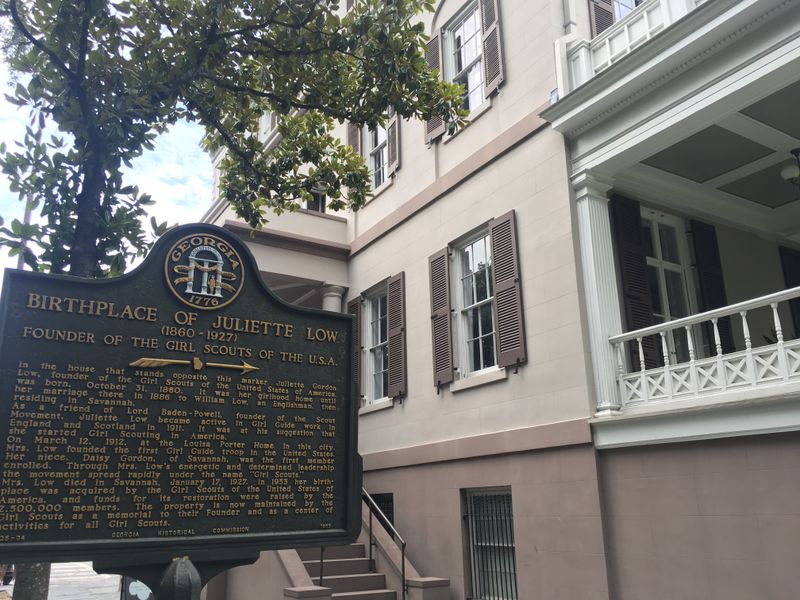
Girl Scouts around the world trace their organization back to this elegant Regency-style townhouse. The home stands at 10 E Oglethorpe Ave, Savannah, GA 31401, where Juliette Gordon Low was born in 1860. She founded the Girl Scouts in 1912, creating an organization that now serves millions of girls globally.
The house has been meticulously restored to its Victorian-era appearance with original family furnishings and artwork. You’ll see rooms where young Juliette played, learned, and developed the creative spirit that would later inspire her youth organization. Personal items including artwork she created and letters she wrote provide intimate glimpses into her life.
I find it inspiring to walk through spaces where such an influential woman grew up. The home shows both the privilege of her upbringing and the expectations placed on wealthy Southern women of that era. Juliette broke those boundaries to create something revolutionary for girls.
Girl Scouts from everywhere make pilgrimages here, often in uniform, to honor their founder. The museum staff shares stories that bring Juliette’s personality to life, showing her humor, determination, and vision.
14. First African Baptist Church
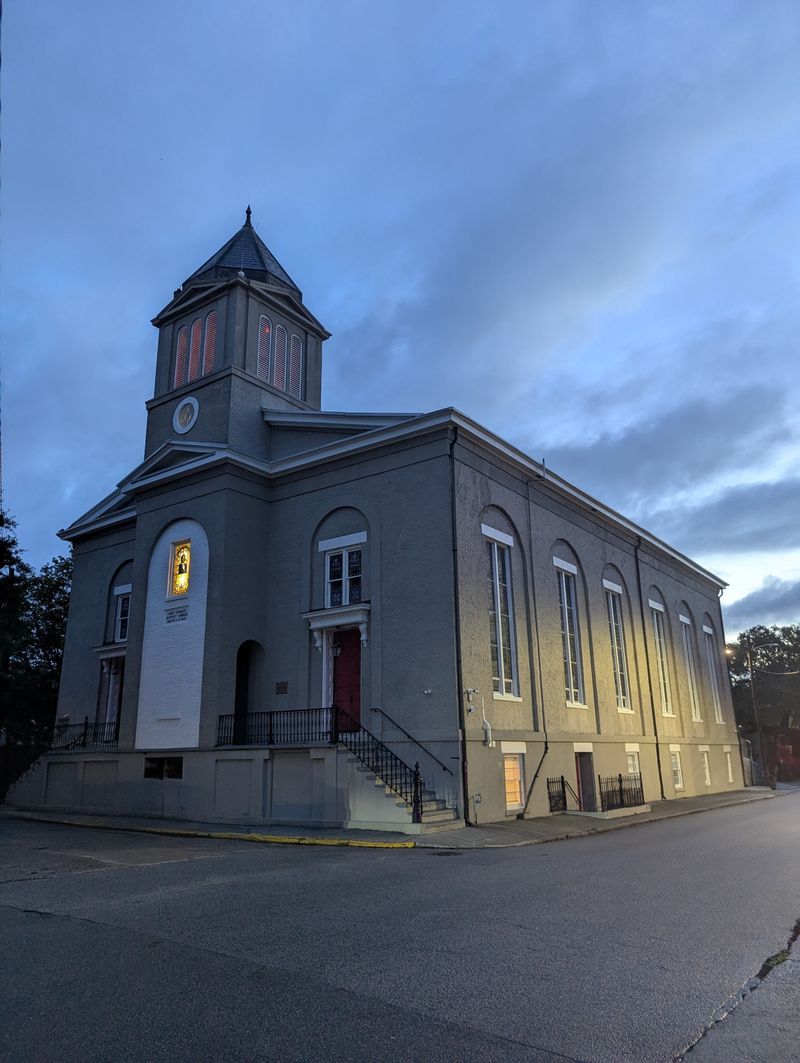
Freedom and faith meet at one of America’s oldest Black congregations, organized in 1773. The church building stands at 23 Montgomery St, Savannah, GA 31401, constructed in 1859 by enslaved and free Black members. This congregation predates American independence, making it remarkably significant in both religious and civil rights history.
The church played a crucial role in the Underground Railroad, helping enslaved people escape to freedom. Look down at the floor and you’ll notice diamond-shaped holes drilled in specific patterns. These weren’t decorative but functional, providing air circulation for people hiding in the crawl space below during their journey north.
Reverend George Leile founded the congregation and baptized Andrew Bryan, who became the church’s first official pastor. The sanctuary’s simple beauty reflects the congregation’s values and the resources available during its construction. I’m moved by the courage it took to build and maintain this church during slavery and segregation.
Tours led by knowledgeable guides share powerful stories of resilience, faith, and the fight for freedom. The church remains an active congregation today, continuing its legacy of community service and spiritual leadership.
15. City Market
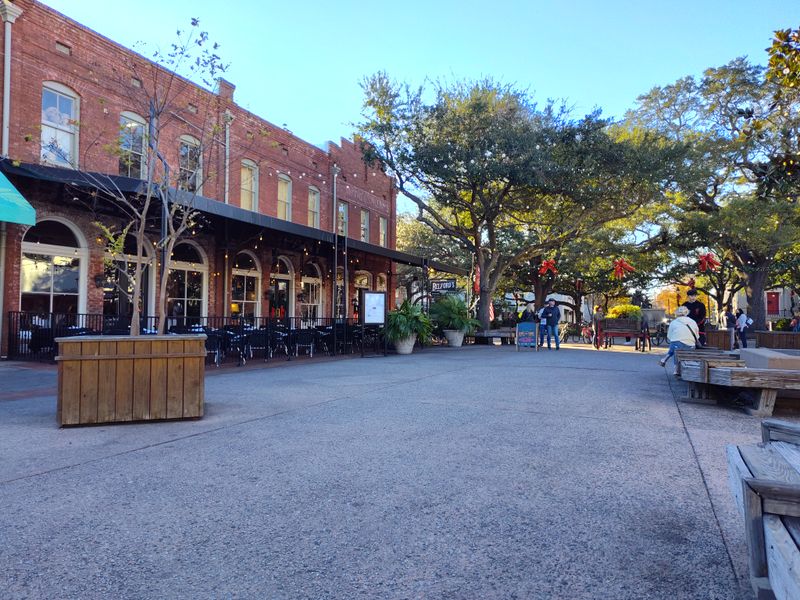
Creativity flourishes in this four-block arts and entertainment district with roots stretching back to the 1700s. City Market occupies the area around Jefferson and West St. Julian Streets in downtown Savannah. The market served as a commercial center for centuries, where farmers and merchants sold goods to city residents.
After years of decline, the area was revitalized in the 1980s and transformed into the cultural hub you see today. Historic buildings now house art galleries, boutiques, restaurants, and studios where local artists work and sell their creations. Cobblestone lanes and open-air courtyards create an inviting atmosphere for strolling and exploring.
Live music fills the air most evenings as musicians perform in the courtyards and on the streets. I love the energy here, especially after dark when the district really comes alive. You can watch artists creating paintings, jewelry, and other crafts in their studios, then purchase unique souvenirs directly from the makers.
The variety of restaurants means you’ll find everything from casual cafes to upscale dining. Street performers add spontaneous entertainment, making every visit slightly different. The market successfully honors its commercial heritage while embracing modern arts and culture.