These 15 Georgia Towns Are Worth Exploring Before Everyone Else Finds Them
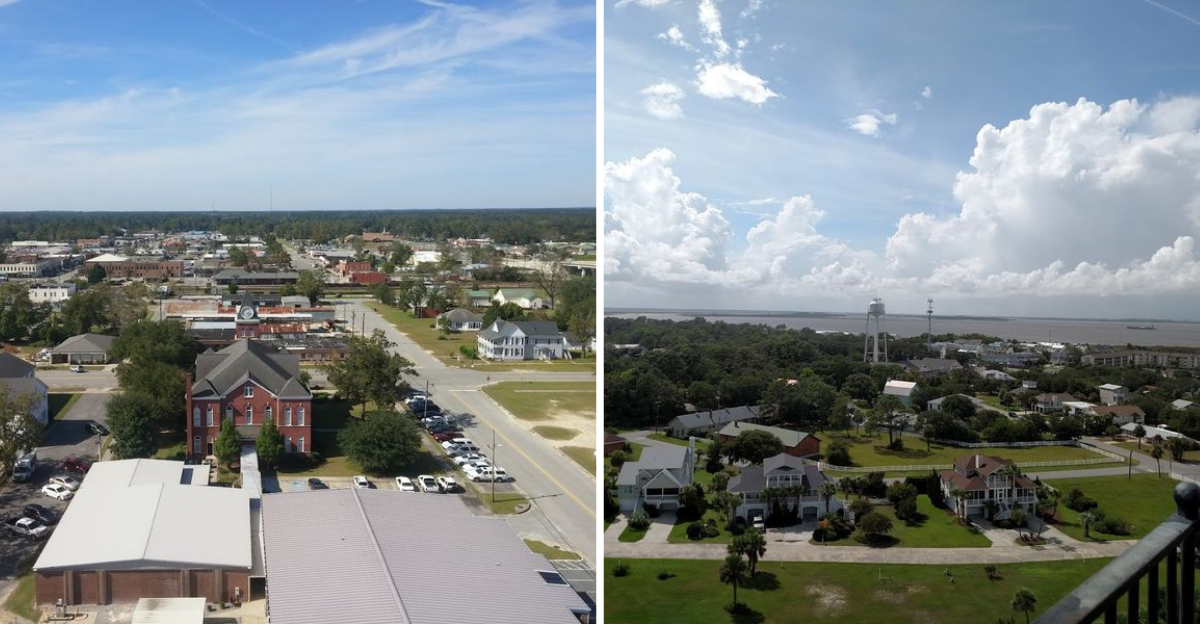
Look past the usual stops, and Georgia starts to feel like a completely different kind of destination. Beyond Atlanta and Savannah, small towns hold onto a quieter charm, where history, scenery, and everyday life come together in a way that feels personal rather than polished.
Each place offers something a little different. Some are tucked into the mountains with access to hiking trails and orchard views, while others lean into historic streets, local shops, and architecture that tells its own story. There are even towns with unexpected character, from Bavarian-style streets to classic Southern squares that seem frozen in time.
What makes these spots stand out is how genuine they feel. There is no rush to impress, just a steady rhythm that invites you to slow down and take it all in. Visitors often leave feeling like they discovered something rather than simply checked it off a list.
For anyone ready to explore a more personal side of the state, these 15 Georgia towns offer experiences that are charming, memorable, and well worth the visit before the crowds catch on.
1. Dahlonega
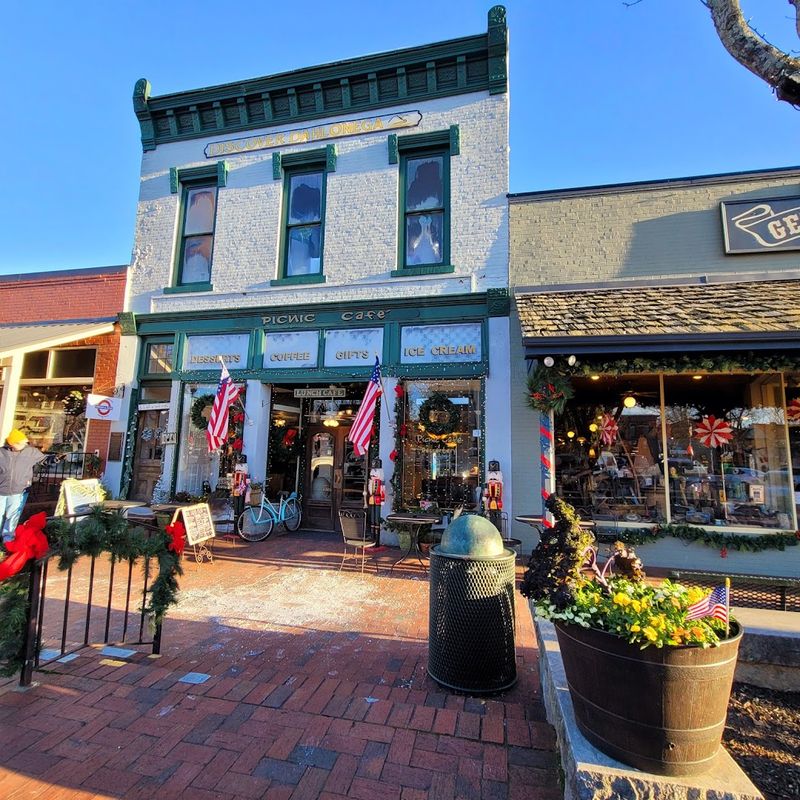
America’s first major gold rush did not happen in California. It happened right here in Dahlonega, Georgia, back in 1828, and the town has never forgotten it. The Dahlonega Gold Museum, located at 1 Public Square, Dahlonega, GA 30533, sits proudly on the town square and tells the full story through coins, tools, and vivid exhibits that bring the era to life.
Beyond history, the downtown area rewards slow walkers. Tasting rooms from local wineries dot the main streets, and art galleries offer work from regional painters and sculptors. The whole square has a festive, unhurried energy that feels welcoming on both weekday afternoons and weekend mornings.
Parking near the square is generally manageable on weekdays. Spring and fall bring the most comfortable weather for exploring on foot. Plan at least half a day to browse shops, visit the museum, and sample a glass of North Georgia wine without feeling rushed.
2. Blairsville
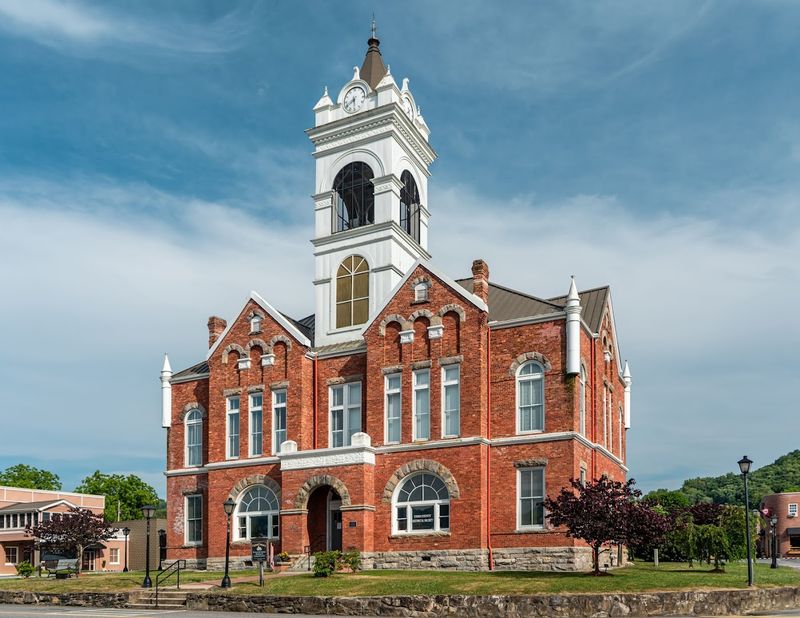
Sitting quietly in the North Georgia mountains, Blairsville tends to draw the kind of traveler who prefers trail boots over flip-flops. The town serves as a natural gateway to some of the state’s most rewarding outdoor destinations, including Vogel State Park at 405 Vogel State Park Road, Blairsville, GA 30512, where campsites and hiking loops wind through mountain laurel and hardwood forest.
Brasstown Bald, Georgia’s highest peak at 4,784 feet, is just a short drive away and offers a panoramic observation deck that stretches views across four states on clear days. The climb to the top may feel steep, but the payoff is genuinely stunning. Weekdays tend to be quieter, especially outside summer months.
Blairsville itself has a relaxed small-town downtown with local diners and seasonal farmers markets. It is the kind of place where conversations happen naturally and nobody seems to be in a hurry. Go before the crowds catch on.
3. Blue Ridge
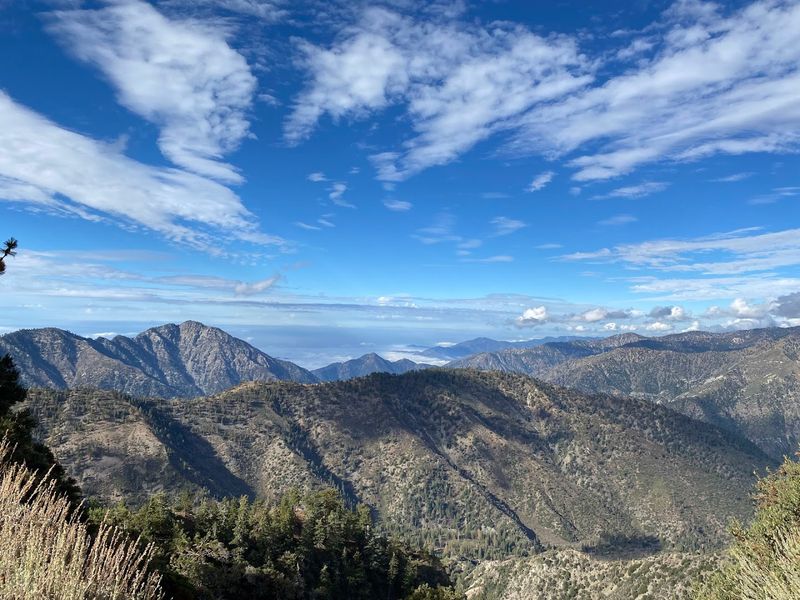
There is something quietly magical about watching mountain scenery roll past from the window of a vintage train. The Blue Ridge Scenic Railway, located at 241 Depot Street, Blue Ridge, GA 30513, runs excursion trips along the Toccoa River through valleys and woodlands, and the ride feels genuinely timeless regardless of the season.
Mercier Orchards, a beloved local institution, lets visitors pick their own apples, peaches, and other fruits depending on the time of year. The bakery on-site turns out fried pies and apple cider donuts that tend to disappear fast. Arriving early on weekends helps avoid the longest lines.
Blue Ridge downtown is compact and walkable, with boutique shops, wine bars, and casual restaurants filling the historic buildings. Fall is peak season here, and the leaf color along mountain roads can be spectacular. Summer visits offer a cooler mountain escape from Georgia’s lowland heat, making Blue Ridge a practical and pleasant retreat year-round.
4. Thomasville
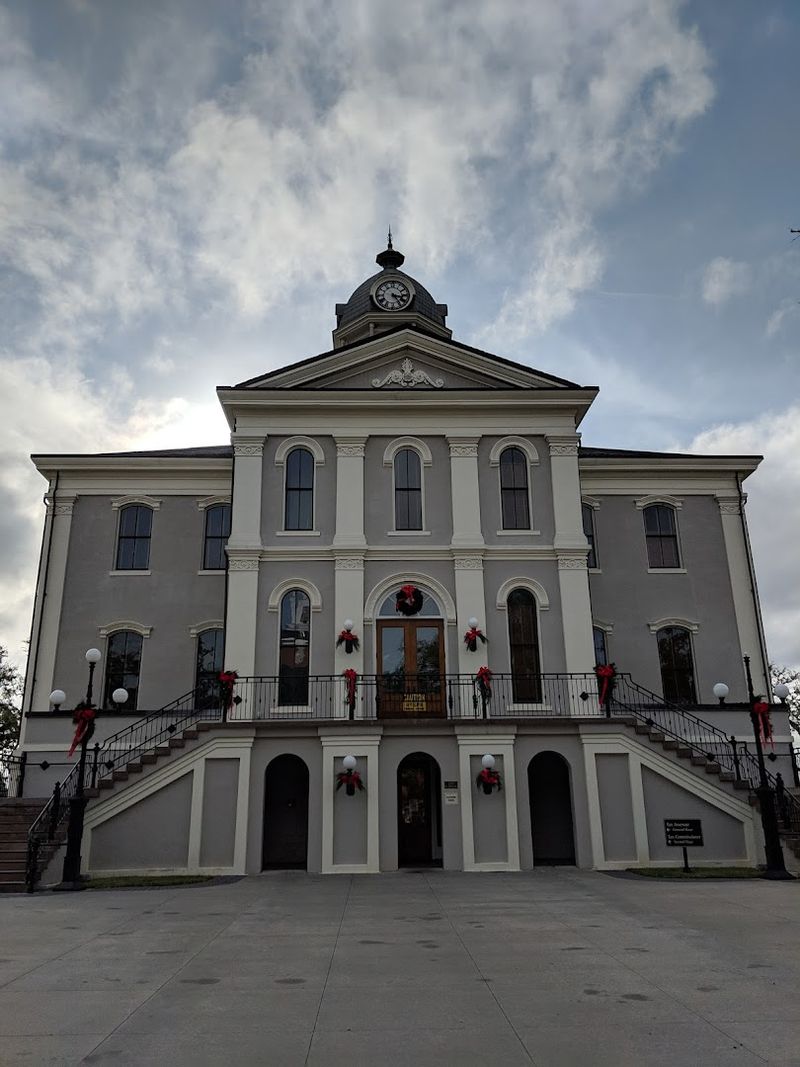
Few towns in the Deep South carry themselves with quite the same graceful confidence as Thomasville. Known widely for its Victorian-era architecture and a calendar of Southern traditions, the city draws visitors who appreciate history worn elegantly rather than preserved behind velvet ropes. The Thomasville Rose Garden at 1430 Smith Avenue, Thomasville, GA 31792, is one of the town’s most celebrated features, showcasing over 1,500 rose varieties in full bloom each spring.
The annual Rose Show and Festival draws visitors from across the region, typically held in late April, when the garden is at its most vivid. Walking the brick streets downtown feels unhurried and pleasant, with locally owned shops and cafes filling the historic storefronts.
Beyond roses, Thomasville has a rich hunting plantation history that shaped much of its architecture and landscape. Weekday visits offer a quieter pace. The town sits near the Florida border, making it a smart stop on a longer Southern road trip without feeling like a detour.
5. Senoia
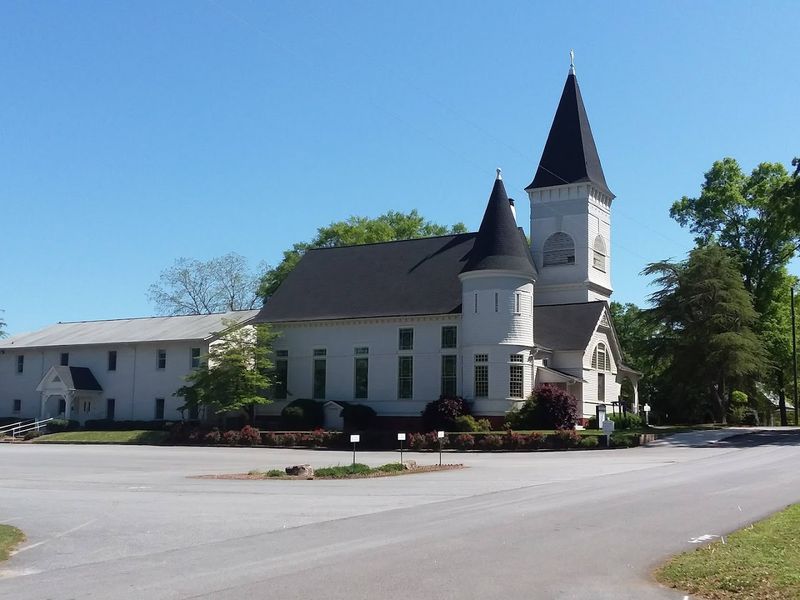
Fans of post-apocalyptic television may already recognize Senoia’s streets, but the town is far more charming in person than any zombie drama could capture. Senoia served as the primary filming location for The Walking Dead for years, and its well-preserved Victorian downtown became one of the show’s most iconic backdrops. The Senoia Area Historical Society Museum at 6 Couch Street, Senoia, GA 30276, offers context about the town’s real history beyond its Hollywood fame.
Antique shops and family-run restaurants line the main street, giving the area a genuinely lived-in warmth. Walking tours related to the show are available and popular on weekends. Even visitors with no interest in the TV series tend to enjoy the relaxed, small-town energy that Senoia naturally carries.
Parking is easy, the streets are flat and walkable, and the pace is refreshingly slow. Weekday mornings offer the most peaceful experience. Senoia sits about an hour south of Atlanta, making it an easy and rewarding day trip without requiring much advance planning.
6. Madison
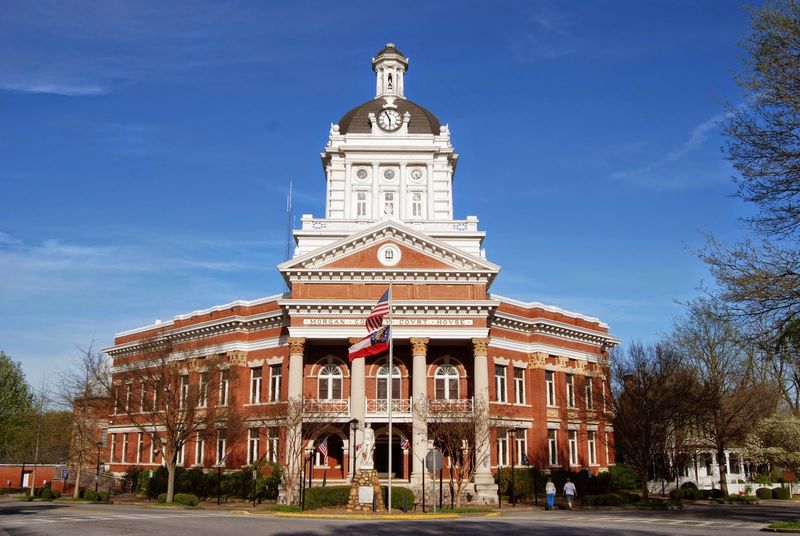
Legend holds that General Sherman spared Madison during his March to the Sea because the town was simply too beautiful to burn. Whether or not that story holds up historically, the result is undeniable: Madison has one of the most intact collections of antebellum and Victorian homes in the entire state. The Madison Historic District, centered around Main Street, Madison, GA 30650, welcomes visitors year-round with self-guided and organized walking tours.
Strolling past the columned porches and manicured gardens feels like stepping into a quieter chapter of American history. The downtown square has locally owned shops, a wine bar, and casual restaurants that keep the atmosphere lively without feeling touristy. Spring brings blooming gardens and the most photogenic conditions.
Madison sits conveniently along Interstate 20, about an hour east of Atlanta, making it one of the easiest hidden gems in Georgia to reach. Weekday visits are noticeably calmer. The town rewards those who slow down and actually look at the architecture rather than rushing through.
7. Helen
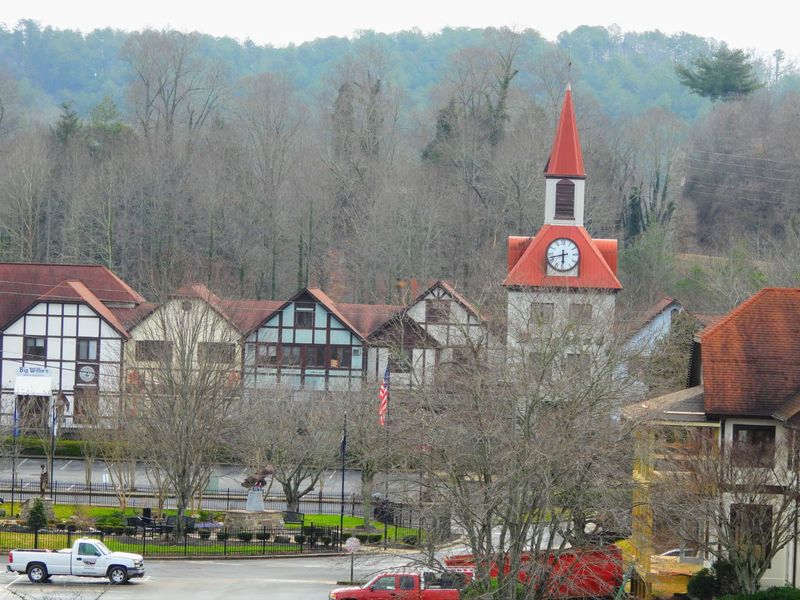
Stumbling upon a Bavarian village tucked into the North Georgia mountains sounds like a fever dream, but Helen is entirely real. In the late 1960s, the struggling timber town reinvented itself with Alpine-style architecture, and the transformation stuck in the most delightful way. The village center along Main Street, Helen, GA 30545, is lined with half-timbered storefronts, flower boxes, and cobblestone paths that genuinely evoke a European mountain town.
Nearby Unicoi State Park offers hiking trails and access to Anna Ruby Falls, a double waterfall that rewards the short walk with a genuinely impressive natural display. The park entrance is at 1788 GA-356, Helen, GA 30545. Helen itself hosts Oktoberfest each fall, drawing large crowds, so visiting in late spring or early summer offers a more relaxed experience.
The Chattahoochee River runs through town, and tubing is a popular warm-weather activity. Shops sell everything from German imports to Georgia-made goods. Helen is quirky, fun, and completely unlike anywhere else in the state.
8. Ellijay
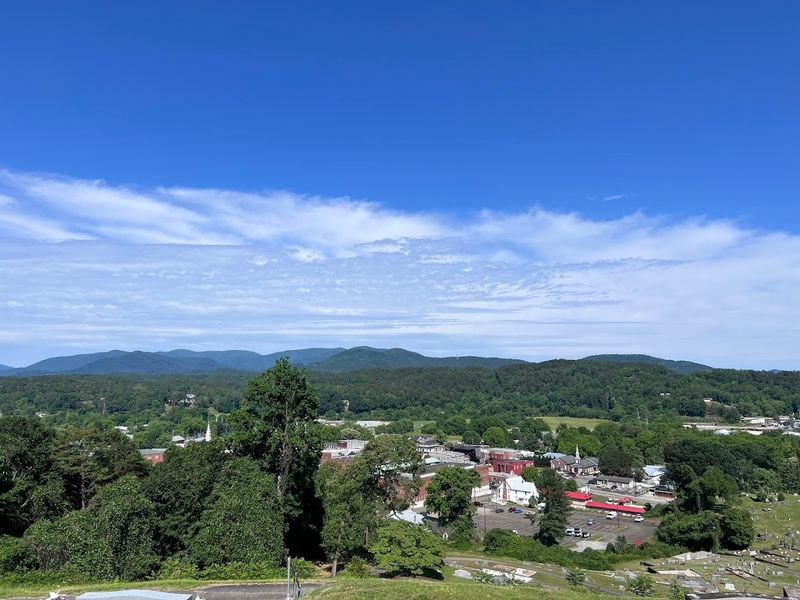
Georgia’s self-declared apple capital earns that title every autumn when the hillsides around Ellijay turn into a patchwork of working orchards. The town sits in the Cartecay River valley, surrounded by ridges that turn brilliant colors in October, and the combination of apple picking, mountain scenery, and small-town hospitality creates something genuinely hard to replicate elsewhere. Downtown Ellijay is centered around the historic square on 1 Broad Street, Ellijay, GA 30540.
The annual Georgia Apple Festival, held each October, fills the fairgrounds with arts, crafts, live music, and more apple-based food than most people could reasonably attempt in one afternoon. Orchards like Hillcrest Orchards open for pick-your-own experiences from late summer through fall. Weekends during peak apple season get very busy, so arriving early is strongly recommended.
Outside of fall, Ellijay is a quieter mountain town with river access, local dining, and a genuinely easygoing personality. It pairs well with a visit to nearby Cartecay Vineyards for a rounded day of North Georgia exploration.
9. Covington
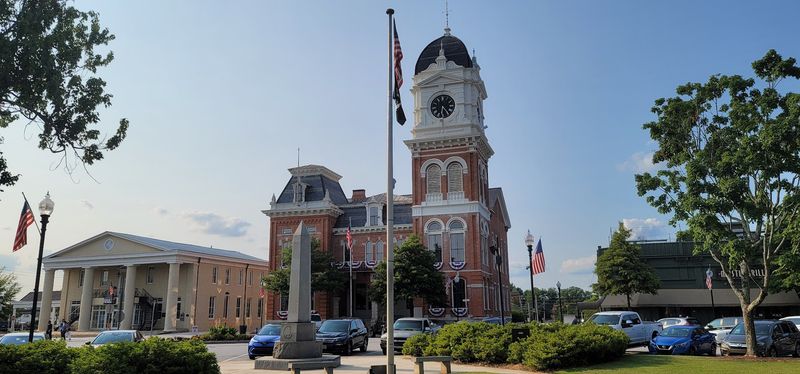
Hollywood has a not-so-secret address in Georgia, and it is Covington. Known as the Hollywood of the South, this Newton County seat has appeared in dozens of films and television productions, most famously as the fictional Mystic Falls in The Vampire Diaries. The Newton County Historic Courthouse sits at 1124 Clark Street SW, Covington, GA 30014, and anchors a downtown square that photographs beautifully from almost every angle.
Tree-canopied streets and grand historic homes give Covington a storybook quality that cameras naturally love. Visitors who are not TV fans still tend to enjoy the walkable downtown, with local shops and restaurants filling the surrounding blocks. The Covington Depot adds a touch of railroad history to the mix.
Weekend visits bring more activity, including occasional film-themed tours. Weekday mornings offer the quietest experience for those who prefer to explore without crowds. Covington sits about 35 miles east of Atlanta, making it one of the most accessible under-the-radar day trips in the metro region.
10. Bainbridge
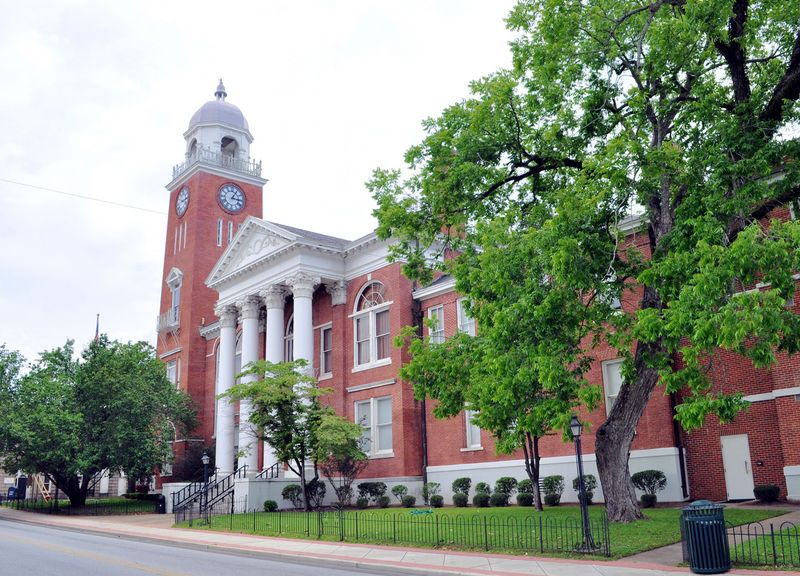
Bainbridge sits along the Flint River in southwest Georgia, and the river shapes almost everything enjoyable about the town. The Flint River Quay riverwalk runs along the waterfront and offers a peaceful path for walking, fishing, and watching herons glide over calm water. The riverwalk access point is near Willis Park at 100 Willis Park, Bainbridge, GA 39819, and the setting feels genuinely unhurried.
The Firehouse Arts Center at 161 West Shotwell Street, Bainbridge, GA 39819, hosts rotating visual art exhibitions and live performances that reflect the town’s surprisingly active creative community. Bainbridge has cultivated a small but genuine arts scene that feels organic rather than forced. Local murals appear throughout downtown, adding color to the historic architecture.
Fishing on Lake Seminole, just south of town, is a major draw for outdoor visitors, with bass fishing considered among the best in the state. The town moves at a slow, comfortable pace that feels restorative. Bainbridge is the kind of place that surprises visitors who expected very little.
11. Clarkesville
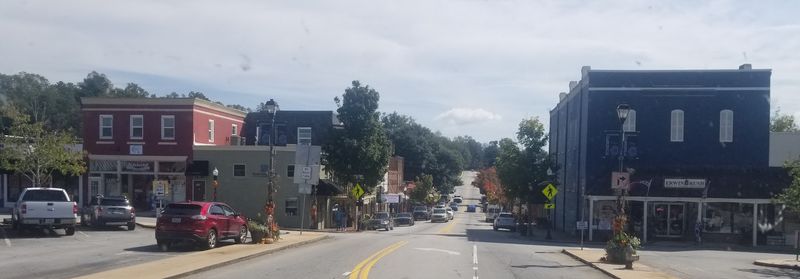
Northeast Georgia holds some of the state’s most dramatic natural scenery, and Clarkesville sits right at the edge of it. Tallulah Gorge State Park, located at 338 Jane Hurt Yarn Road, Tallulah Falls, GA 30573, just a short drive from Clarkesville, features a canyon nearly 1,000 feet deep with multiple waterfalls and suspension bridges that make for an unforgettable hike. Permits are required for gorge floor access and are limited, so planning ahead is important.
Back in Clarkesville proper, the historic district along Washington Street has art galleries, antique dealers, and specialty shops occupying well-maintained storefronts. The town has a creative energy that feels welcoming without being overly curated. Local restaurants offer Southern staples alongside more eclectic menus depending on the season.
Fall is arguably the best season to visit, when gorge foliage peaks and temperatures cool to hiking comfort. Summer weekends at Tallulah can get crowded. Clarkesville itself stays relatively quiet year-round, offering a calm base for exploring one of Georgia’s most spectacular natural landmarks.
12. Jesup
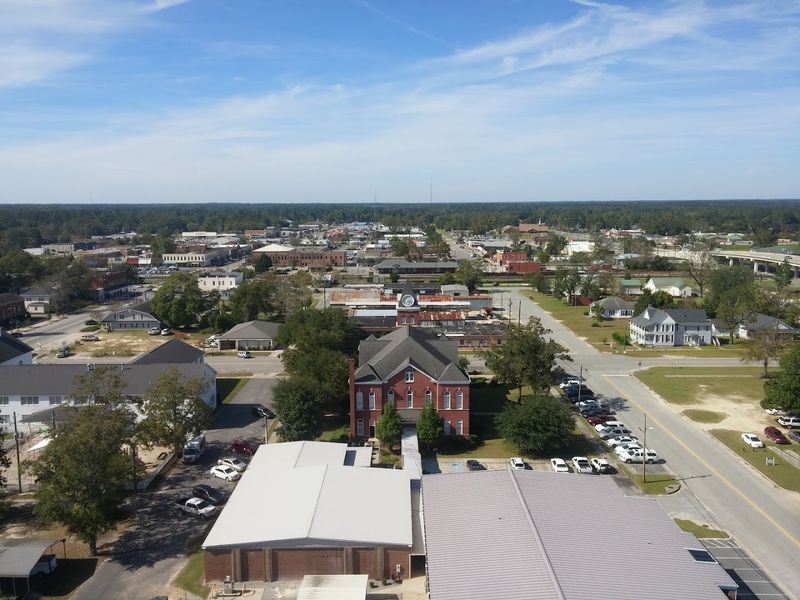
Railroad towns carry a particular kind of American nostalgia, and Jesup wears its rail heritage with quiet pride. The restored Jesup Train Depot at 166 West Cherry Street, Jesup, GA 31545, stands as the centerpiece of a downtown that has held onto its historic character without tipping into self-conscious preservation. The building itself is worth a stop for its architecture and the local history it represents.
Outside of town, the Altamaha Wildlife Management Area opens up a different kind of Georgia entirely. The Altamaha River corridor is one of the most biologically diverse river systems in North America, and birdwatchers find the area consistently rewarding across every season. Fishing access along the river draws a loyal local following.
Jesup is in Wayne County, roughly between Savannah and Valdosta, making it a natural stopping point on longer road trips through coastal Georgia. The town is unhurried and genuinely off the tourist trail. Visitors who enjoy discovering places that feel untouched by trend will find Jesup quietly satisfying.
13. Eatonton
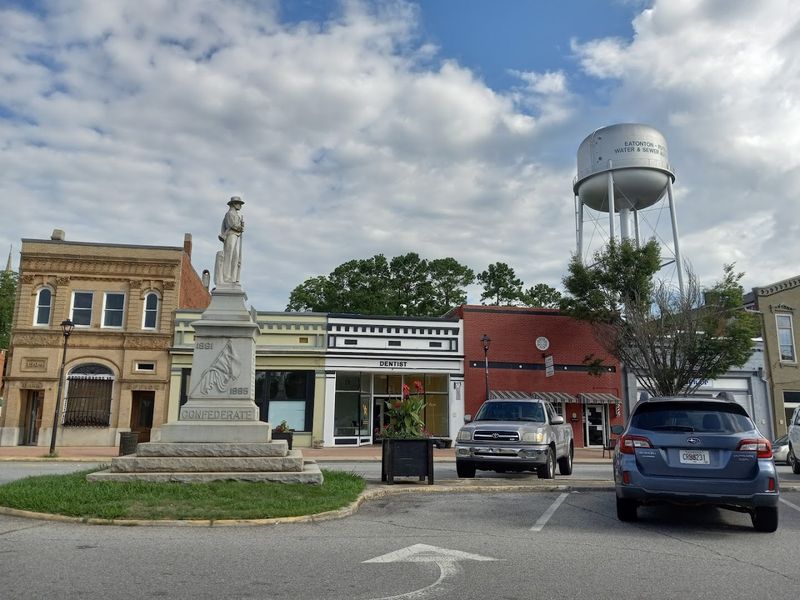
Eatonton carries a literary legacy that most people do not expect from a small Georgia town. It is the birthplace of both Alice Walker, author of The Color Purple, and Joel Chandler Harris, creator of the Brer Rabbit stories. A statue of Brer Rabbit stands in the center of town near the Putnam County Courthouse at 100 South Jefferson Avenue, Eatonton, GA 31024, serving as a cheerful nod to the town’s storytelling roots.
Beyond its literary fame, Eatonton earns its reputation as the Dairy Capital of Georgia through the working farms and pastures that spread across the surrounding county. Lake Oconee and Lake Sinclair, both nearby, offer boating, fishing, and lakefront dining that draw weekend visitors from Atlanta and beyond.
The downtown area has a relaxed, unpretentious character with local shops and seasonal events that reflect genuine community life rather than tourism packaging. Eatonton rewards visitors who take the time to read the historical markers and talk to locals. The stories here go deeper than the signs suggest.
14. Dillard
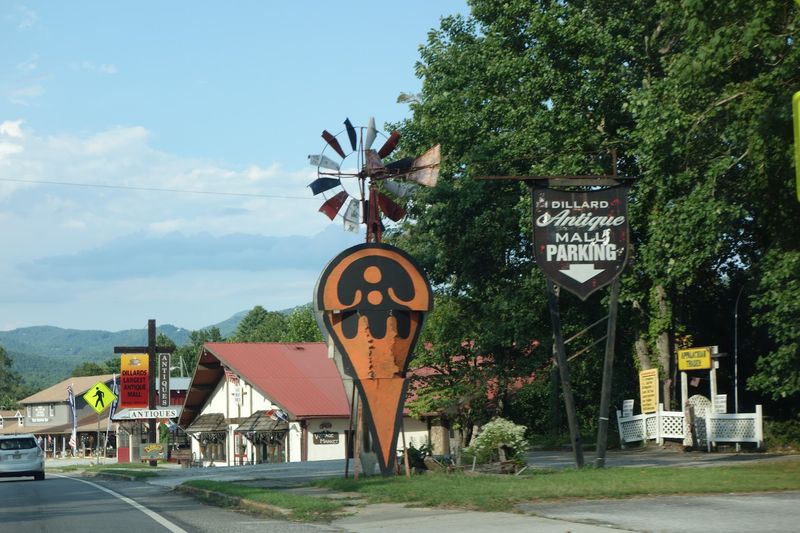
High in the northeastern corner of Georgia, where the Blue Ridge Mountains press close and mornings carry a genuine chill even in summer, Dillard operates on a rhythm all its own. The town is small by almost any measure, but the surrounding landscape is expansive and quietly stunning. Farm fields stretch between ridge lines, and the air has a clean, unhurried quality that is increasingly hard to find.
Julep Farms offers a farm resort experience in the Dillard area, blending agricultural scenery with comfortable accommodations that appeal to visitors looking for a slower kind of getaway. For something spirited, R. M.
Rose Company Distillers at 4 Old Dillard Road, Dillard, GA 30537, produces small-batch spirits in a setting that reflects the region’s long distilling history.
Dillard sits near the North Carolina border, making it a natural endpoint or starting point for a mountain road trip. Traffic is minimal, views are plentiful, and the whole area feels refreshingly removed from the noise of more popular destinations. Come for a weekend and leave feeling genuinely rested.
15. Tybee Island
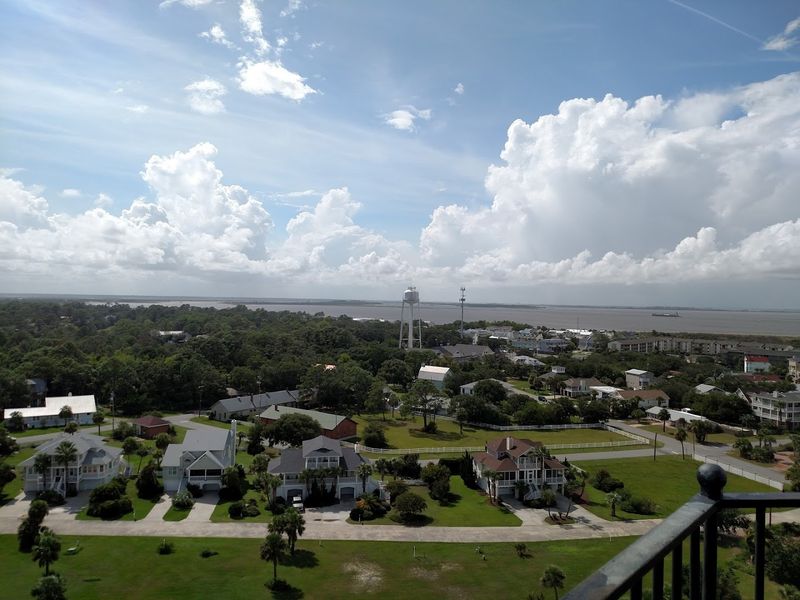
Just 18 miles east of Savannah, Tybee Island operates at a pace that feels deliberately slower than the rest of the world. The beach here is wide, the vibe is casual, and the historic Tybee Island Light Station at 30 Meddin Drive, Tybee Island, GA 31328, ranks among the oldest and tallest lighthouses in the Southeast, offering a climb with rewarding coastal views at the top.
The island has a genuine community feel that distinguishes it from more commercialized beach destinations. Local restaurants along Butler Avenue serve fresh seafood in settings that range from barefoot casual to relaxed waterfront dining. The North Beach area tends to be quieter than the main strand and is worth seeking out for a more peaceful afternoon.
Parking fills quickly on summer weekends, so arriving before 10 a.m. is a practical move. Shoulder seasons like May and September offer pleasant temperatures with noticeably thinner crowds. Tybee rewards visitors who come without a rigid itinerary and simply let the island set the schedule.