A Surprisingly Charming Cat Museum Is Hiding In North Carolina
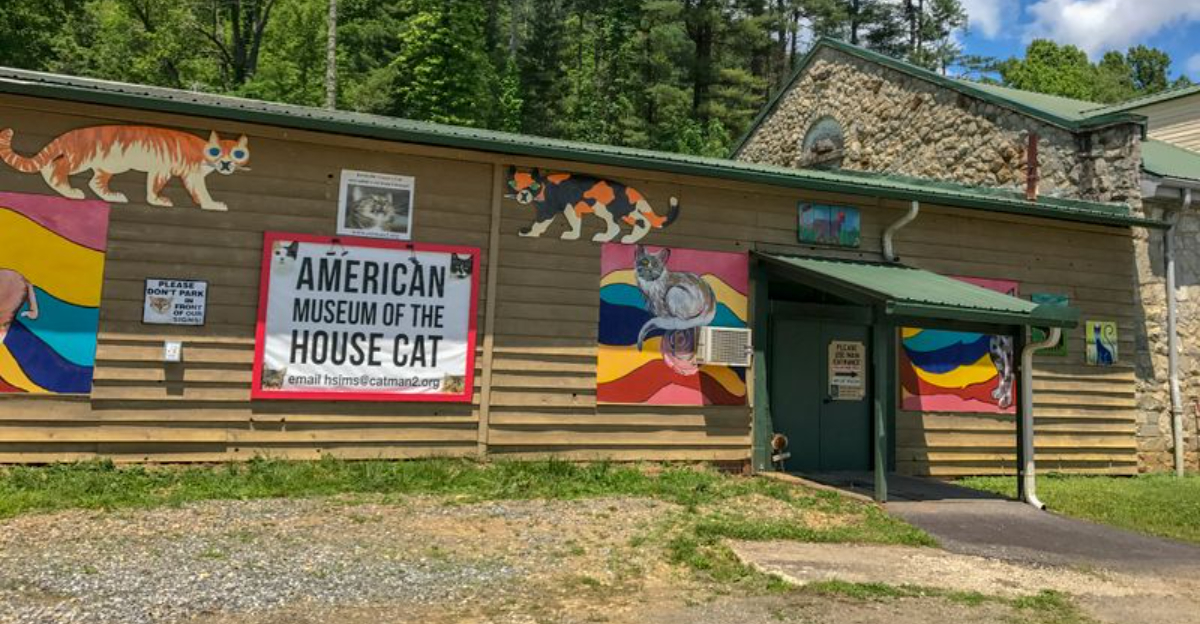
Tucked away in the mountains of North Carolina, a quirky treasure awaits cat lovers and curious travelers alike. The American Museum of the House Cat at 5063 US Hwy 441 S, Sylva, NC 28779 celebrates everything feline with over 10,000 artifacts spanning centuries.
From ancient Egyptian mummies to vintage carousel cats, this charming roadside museum offers a delightful journey through cat history and culture.
Over 10,000 Cat Artifacts Under One Roof
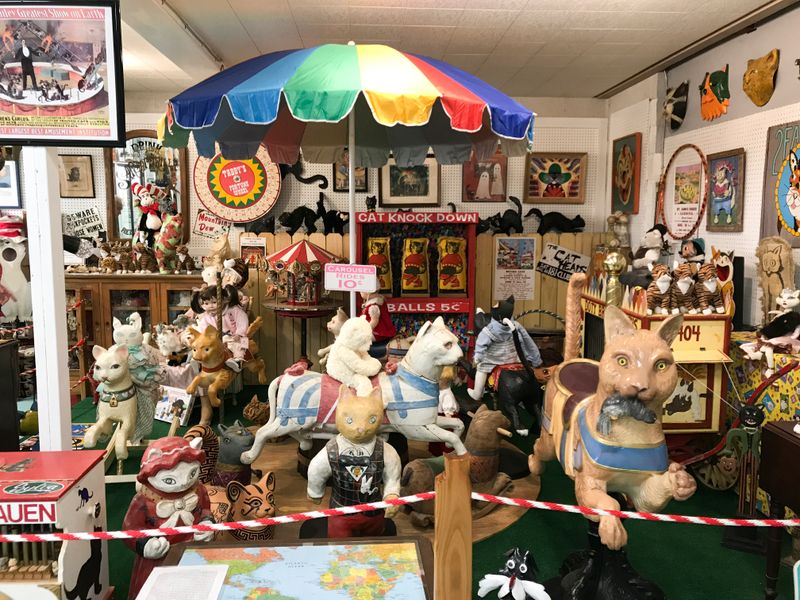
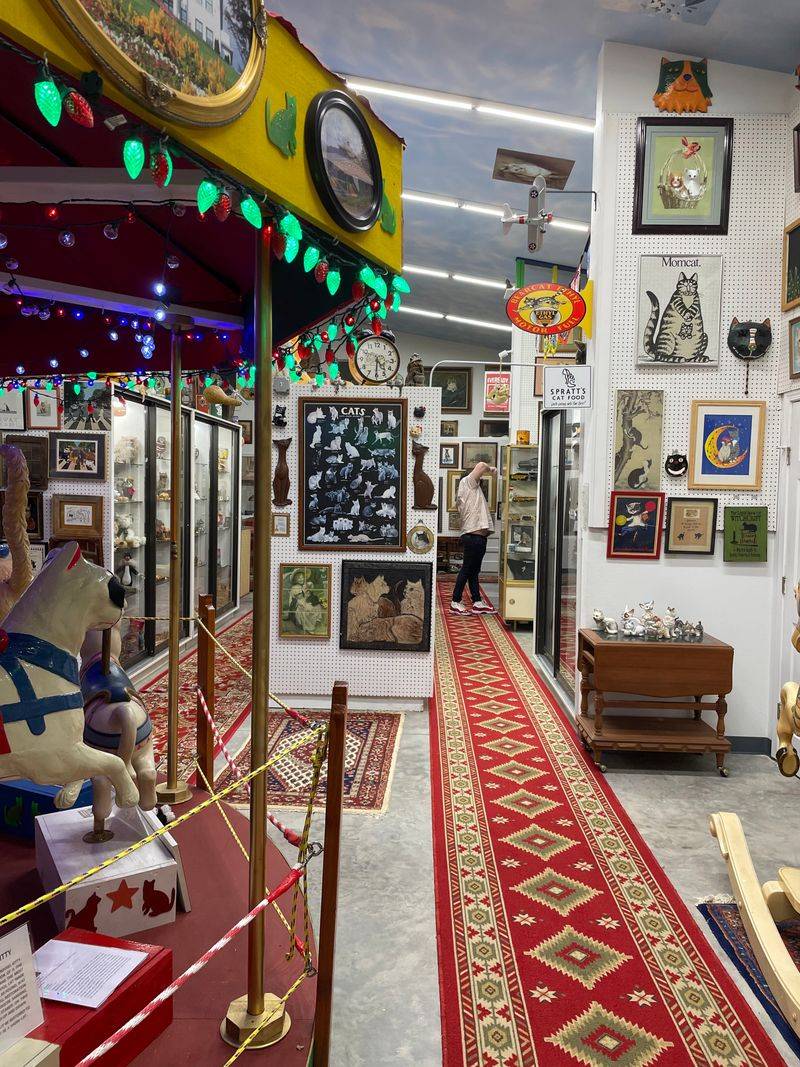
Walking into this museum feels like stepping into the world’s most organized cat lady’s dream home. The collection spans fine art, antique toys, advertising memorabilia, and folk art from cultures around the globe. Every corner reveals something unexpected, from delicate porcelain figurines to bold oil paintings celebrating feline grace.
The American Museum of the House Cat at 5063 US Hwy 441 S, Sylva, houses artifacts dating back thousands of years. Visitors often spend hours exploring the carefully curated displays, discovering new treasures with each pass. The sheer volume of cat-related items creates an immersive experience that delights both casual tourists and serious collectors.
Each piece tells a story about humanity’s long relationship with domestic cats. The museum’s founder, Dr. Harold W. Sims, spent decades gathering these treasures from estate sales, auctions, and private collections worldwide.
His passion transformed into a public institution where everyone can appreciate the artistry and cultural significance of house cats throughout history.
Photography enthusiasts find endless opportunities for unique shots among the colorful displays. The museum’s layout encourages exploration, with themed sections guiding visitors through different eras and artistic styles.
Ancient Egyptian Cat Mummy From 300-30 B.C.
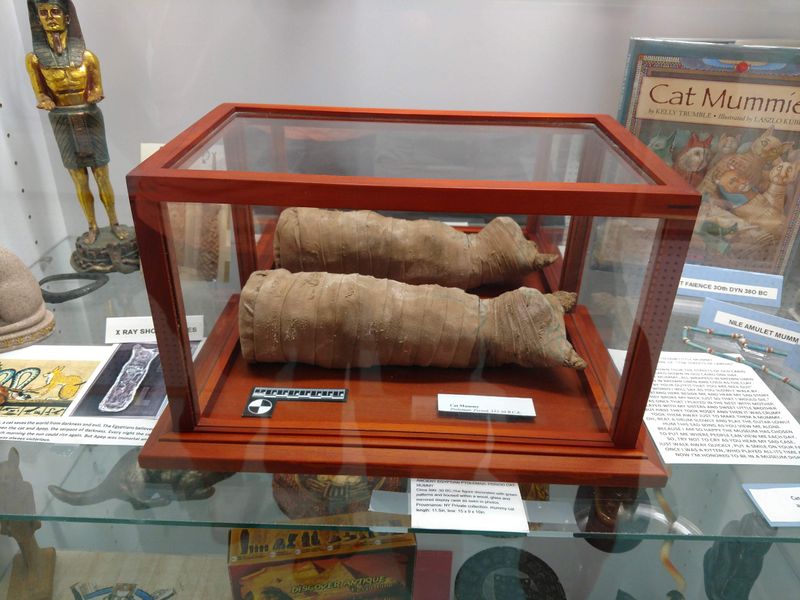
Few museum pieces command the same reverent attention as the genuine Egyptian cat mummy. This artifact dates from the Ptolemaic period, when cats held sacred status in ancient Egypt and were often mummified after death. The preservation techniques used over two millennia ago remain visible in the carefully wrapped remains.
Seeing this ancient treasure connects visitors to a civilization that worshipped feline deities. Cats represented the goddess Bastet, protector of home and family, making them among the most revered animals in Egyptian culture. The mummy serves as tangible evidence of this spiritual relationship between humans and cats.
Educational plaques near the display explain the mummification process and religious significance. Many visitors report feeling a profound connection to history when standing before this ancient cat. The museum staff takes great care in preserving this delicate artifact under proper lighting and climate conditions.
Children especially find the mummy fascinating, often asking thoughtful questions about ancient Egyptian beliefs. This single piece transforms the museum from a quirky roadside stop into a legitimate historical institution worthy of serious attention.
Petrified Cat From 16th Century English Chimney
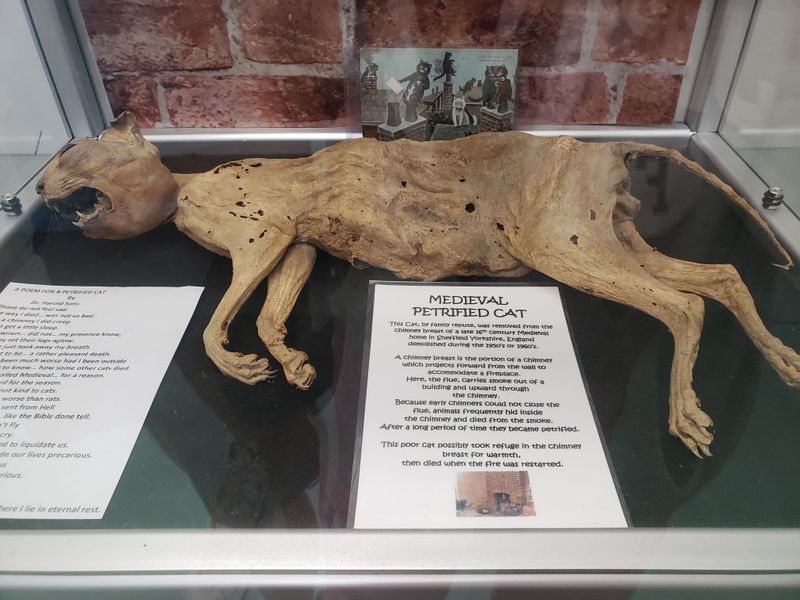
Among the museum’s most unusual artifacts sits a petrified cat discovered in a 16th-century English chimney. This macabre yet fascinating specimen tells a darker story about historical superstitions and construction practices. During medieval times, people believed that placing cats in walls or chimneys would ward off evil spirits and bring good luck to the household.
The American Museum of the House Cat acquired this rare piece through specialized dealers. The cat’s body, preserved through natural desiccation in the dry chimney environment, offers a glimpse into both architectural history and folk beliefs. Its presence adds an educational dimension about how different cultures viewed cats throughout history.
Visitors often express mixed emotions when viewing this exhibit, fascination mingled with sympathy for the unfortunate feline. The museum handles the display respectfully, acknowledging the sad circumstances while explaining the historical context. This artifact sparks conversations about how our treatment and understanding of animals have evolved over centuries.
The petrified cat remains one of the most photographed and discussed items in the collection. Its story resonates because it combines history, mystery, and a touch of the macabre.
Hand-Carved Kitty Carousel That Spins History
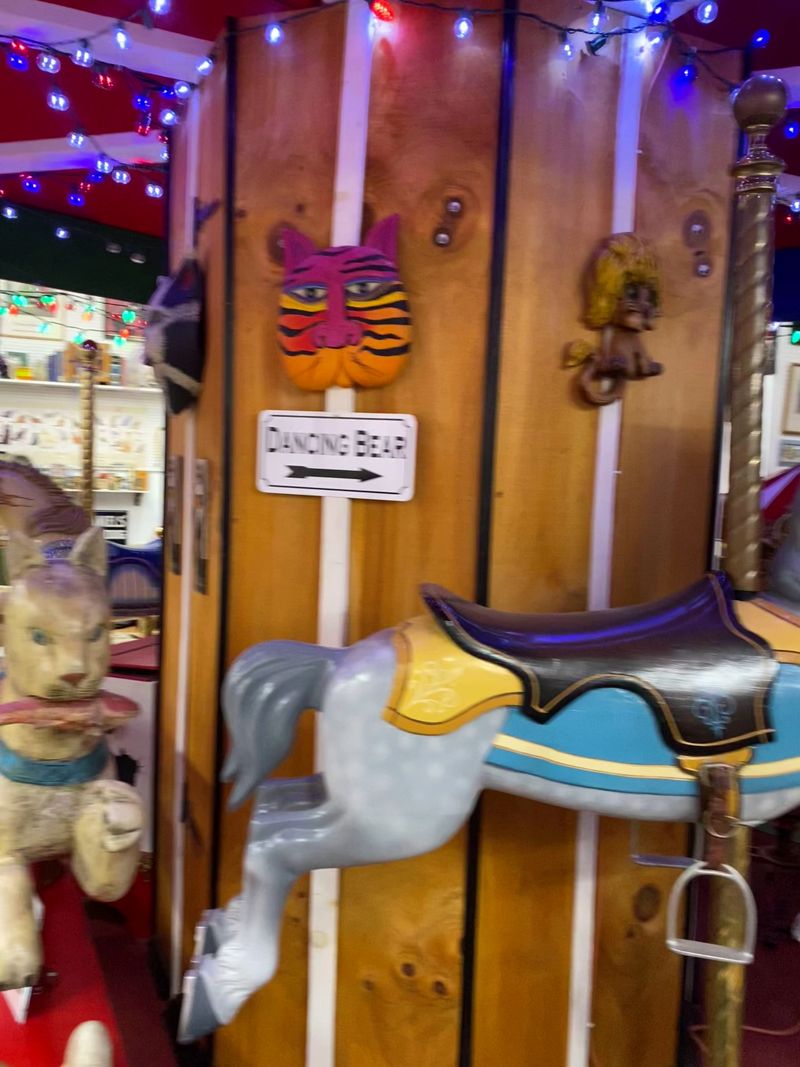
Carousel art represents a beloved American tradition, and the museum’s hand-carved kitty carousel captures that nostalgic magic. Crafted with meticulous attention to detail, each wooden cat features unique expressions and poses frozen mid-pounce or mid-stretch. The vibrant paint colors and gold leaf accents shimmer under museum lighting, transporting visitors to bygone fairground days.
Located prominently at 5063 US Hwy 441 S, Sylva, this carousel serves as both art and whimsy. The craftsmanship showcases the skill of carousel carvers who transformed simple wood blocks into graceful feline forms. Each cat demonstrates different carving techniques and stylistic approaches, making the piece an educational tool for understanding folk art traditions.
Children delight in examining each cat’s personality expressed through carved details and painted features. Adults appreciate the artistry and historical significance of carousel preservation. The piece reminds visitors that cats have inspired artists across all mediums and time periods.
Photography near the carousel creates magical moments, especially when natural light streams through windows. The museum encourages visitors to take their time appreciating the intricate details carved into each feline figure’s wooden form.
Dr. Harold W. Sims And His Lifelong Mission
Behind every great museum stands a passionate founder, and Dr. Harold W. Sims embodied that dedication. A retired biology professor with a deep love for felines, he spent decades collecting cat-related items before deciding to share his treasures with the world.
His academic background informed his curatorial approach, emphasizing education alongside entertainment.
Dr. Sims established the museum to educate people about the domesticated cat’s history. He believed that understanding our relationship with cats reveals important truths about human civilization and cultural development. His vision transformed a personal hobby into a public resource that continues inspiring visitors today.
Those who met Dr. Sims before his passing remember his warmth and encyclopedic knowledge. He personally guided tours, sharing stories and insights that brought each artifact to life. His enthusiasm was contagious, turning casual visitors into cat history enthusiasts within minutes.
The museum continues honoring his legacy by maintaining high educational standards and expanding the collection. His founding principles guide every decision, ensuring that the institution remains true to its mission of celebrating and preserving feline cultural heritage.
Supporting The Catman2 No-Kill Shelter
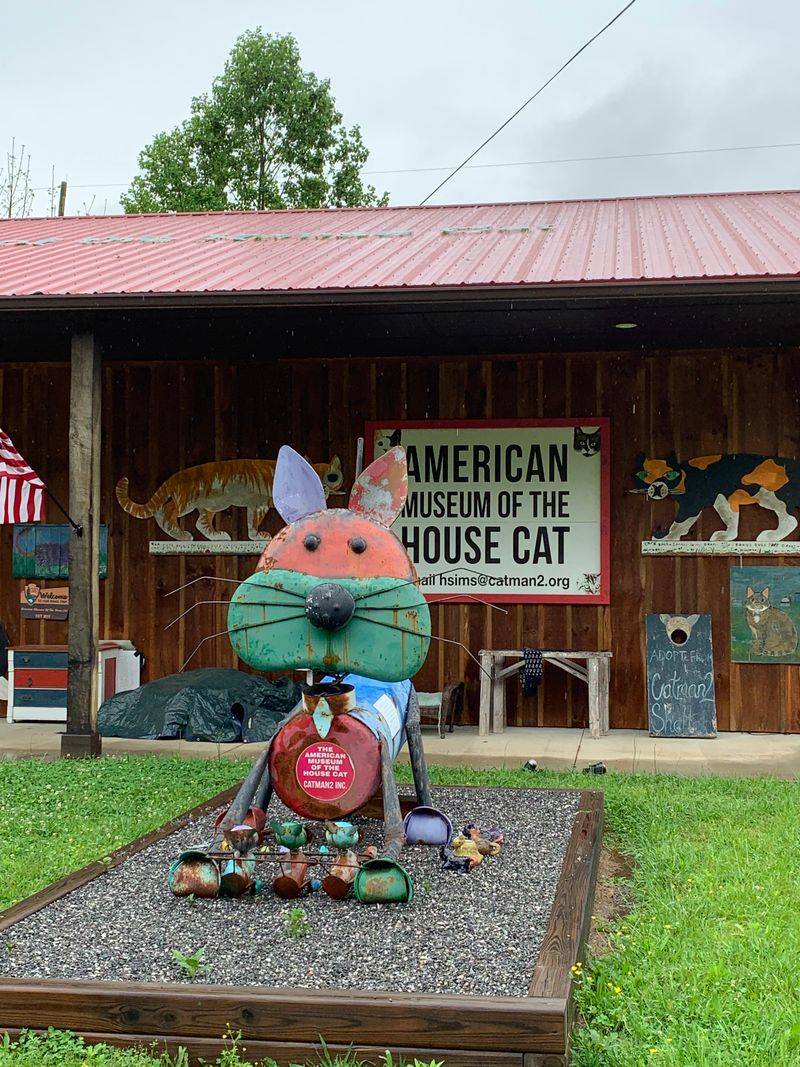
Every admission ticket purchased carries a heartwarming purpose beyond museum access. Proceeds support the Catman2 Shelter, a no-kill facility founded by Dr. Sims to provide homes and affordable spay-neuter services. This connection transforms a simple museum visit into an act of compassion for homeless cats throughout the region.
The shelter operates independently but benefits from the museum’s location at 5063 US Hwy 441 S, Sylva. Visitors learn about the shelter’s work through informational displays and can even inquire about adoption opportunities. This dual mission of education and animal welfare creates a meaningful experience that resonates long after visitors leave.
The Catman2 Shelter has helped countless cats find loving homes since its founding. Low-cost spay and neuter services prevent overpopulation, addressing a critical community need. Dr. Sims recognized that loving cats meant taking action to improve their lives, not just collecting memorabilia about them.
Knowing their admission fees support living cats adds emotional depth to the museum experience. Many visitors return specifically because they appreciate the museum’s commitment to animal welfare. Gift shop purchases also contribute to shelter operations, making every souvenir a small donation toward helping cats in need.
Affordable Admission With Discounts For Everyone
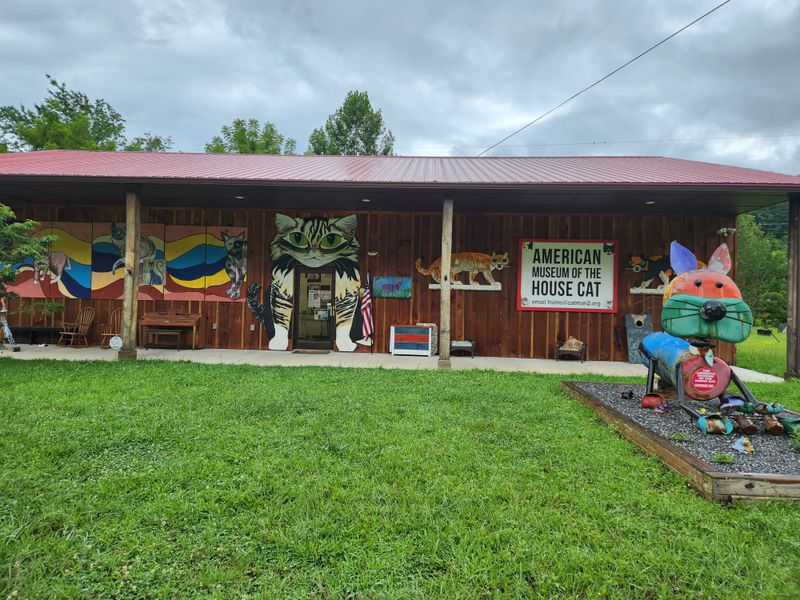
Accessibility matters when running a community-focused institution, and the museum’s pricing reflects that philosophy. Adult tickets cost just $10, making it an affordable addition to any Smoky Mountain vacation itinerary. Discounts for children, teens, students, and seniors ensure that families can enjoy the experience without breaking their budget.
The American Museum of the House Cat at 5063 US Hwy 441 S, Sylva, NC 28779 joined the Museums for All program in August 2025. This initiative offers reduced admission to visitors with SNAP benefits, removing financial barriers for low-income families. The commitment to inclusivity demonstrates that the museum truly welcomes everyone through its doors.
Compared to other regional attractions, the admission fee offers exceptional value considering the collection’s size and quality. Visitors consistently comment that they received far more than their money’s worth. The hours spent exploring the exhibits and interacting with resident cats create memories that last long after the visit ends.
Group rates and special event pricing provide additional opportunities for affordable visits. Schools and educational organizations particularly benefit from these programs, allowing students to experience the museum’s educational resources. The pricing structure proves that world-class museums need not charge premium prices to sustain operations.
Convenient Hours Six Days A Week
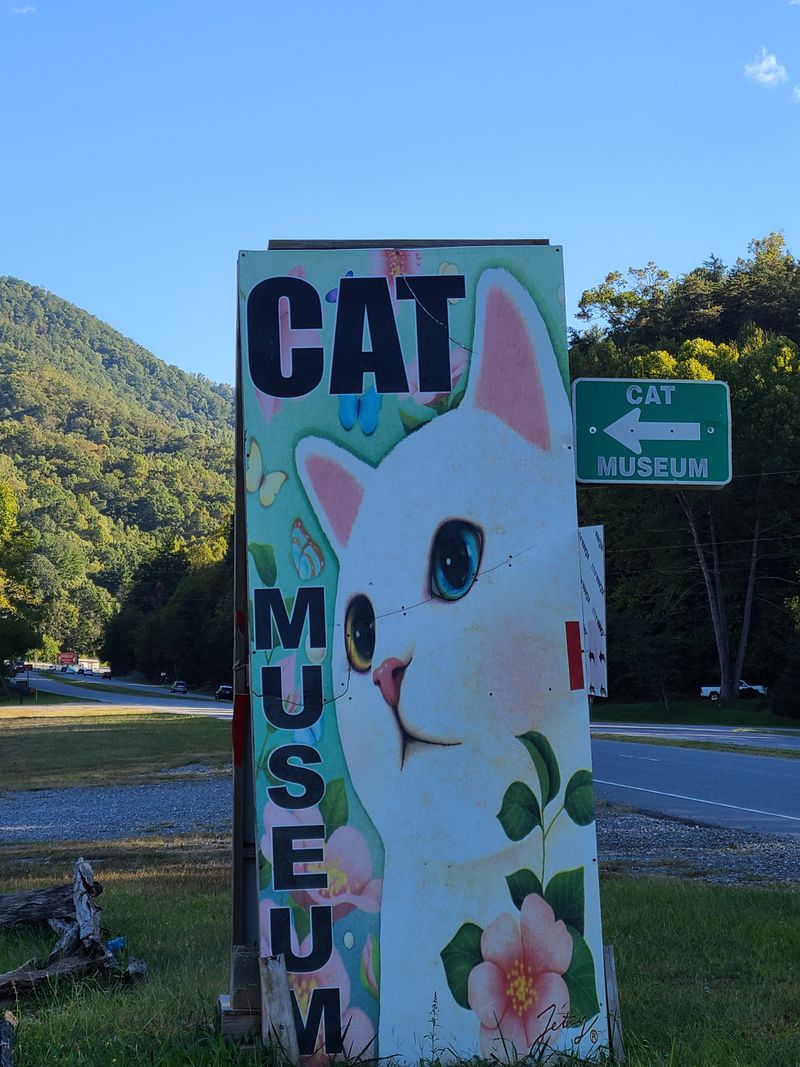
Planning a museum visit becomes easier when operating hours accommodate various schedules. The museum opens Monday through Saturday from 10:00 AM to 5:00 PM, providing ample time for both early birds and afternoon adventurers. Sunday hours run from noon to 5:00 PM, perfect for weekend travelers exploring the Smoky Mountain region.
Located at 5063 US Hwy 441 S, Sylva the museum sits along a major highway leading to Great Smoky Mountains National Park. The convenient location and generous hours make it an easy addition to any travel itinerary. Visitors heading to or from the mountains can stop without significant detours or schedule adjustments.
The consistent schedule helps travelers plan multi-attraction days without stress or confusion. Unlike some seasonal attractions, the museum maintains regular hours year-round, welcoming guests through all seasons. This reliability has earned the museum a reputation as a dependable stop for spontaneous road-trippers and meticulous planners alike.
Staff arrive early to ensure the museum is ready for opening time, and they stay engaged with visitors until closing. The hours allow enough time to thoroughly explore the collection without feeling rushed. Many visitors recommend arriving early to maximize exploration time, especially during busy tourist seasons.
Three Friendly Resident Cats As Living Exhibits
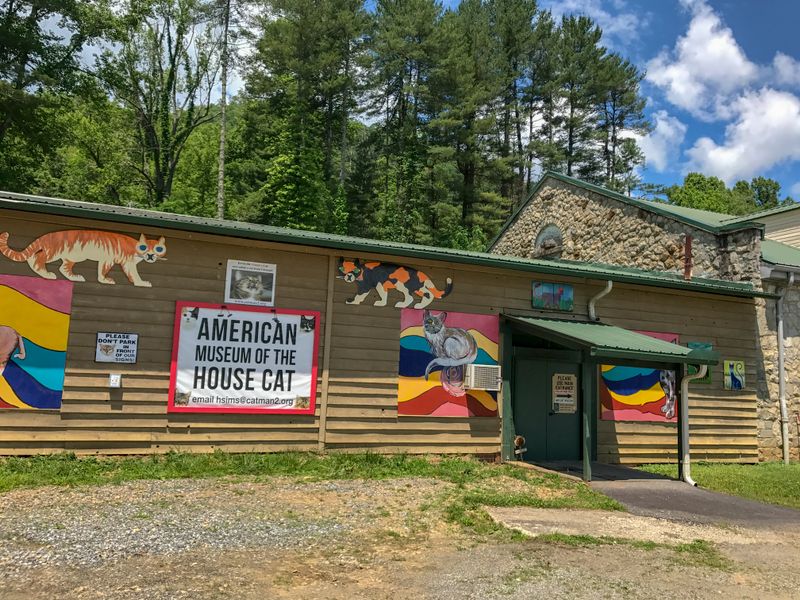
Some museums display artifacts behind glass, but this one offers warm, purring exhibits that seek attention and affection. Three resident cats call the museum home, freely roaming the space and interacting with visitors. These feline ambassadors add personality and charm that no static display could match, creating memorable moments for every guest.
Meeting the resident cats ranks as many visitors’ favorite part of their experience. One particularly friendly cat has been known to follow guests through the entire museum, providing a personal tour. These living exhibits demonstrate the affectionate bond between humans and cats that the museum celebrates through its artifacts.
Children especially benefit from these gentle interactions, learning appropriate ways to approach and pet cats. The resident felines are accustomed to attention and handle the constant stream of admirers with grace. Their presence transforms the museum from a passive viewing experience into an interactive encounter with living history.
Visitors with allergies should note the presence of cats, though the museum maintains clean conditions. The bathroom facilities provide a space to address any allergy symptoms. For cat lovers, however, these resident felines represent the highlight of an already remarkable visit.
Vintage Halloween And Seasonal Cat Decorations
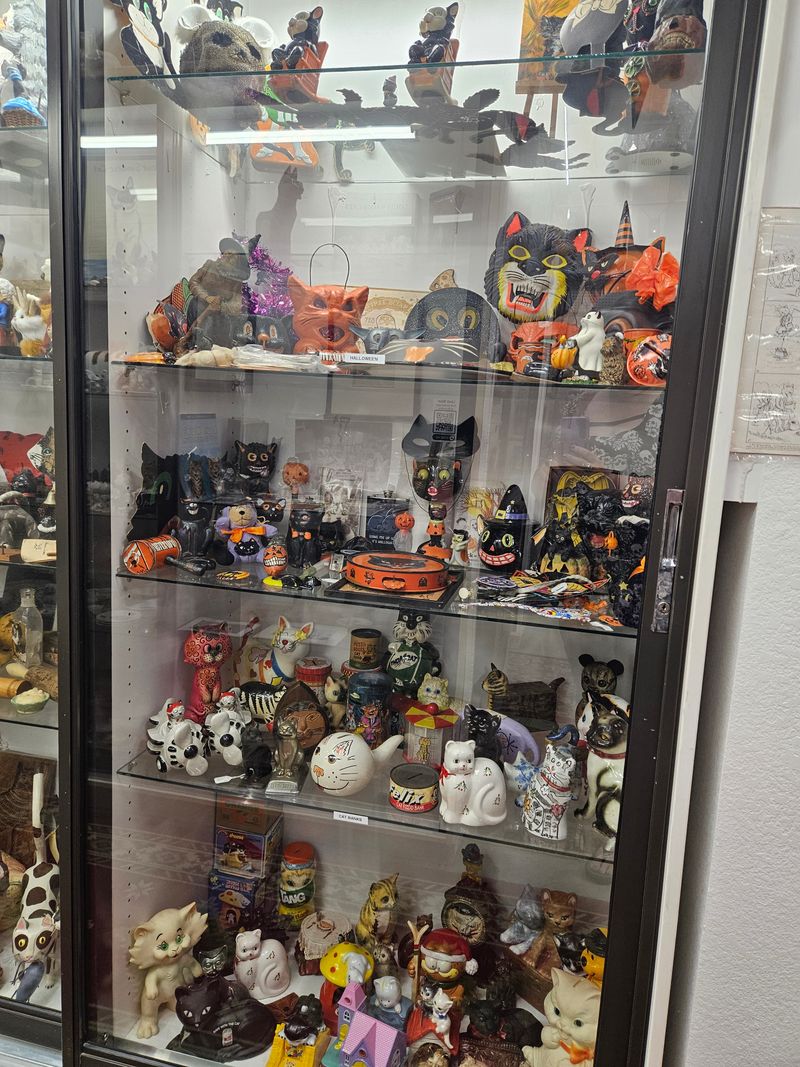
Black cats and Halloween share an inseparable cultural connection, and the museum’s vintage Halloween collection showcases this relationship beautifully. Antique decorations from the early 20th century feature cats in witches’ hats, riding broomsticks, and perched on jack-o’-lanterns. These pieces represent a time when Halloween decorations were handcrafted treasures rather than mass-produced plastic items.
The seasonal collection extends beyond Halloween to include Christmas, Easter, and Valentine’s Day cat-themed items. Each seasonal display reveals how cats have been woven into holiday traditions across generations. The vintage advertising pieces show how marketers have long used cats to sell everything from candy to greeting cards.
Collectors particularly appreciate the rare pieces that survived decades of storage and changing tastes. The museum’s Halloween section has become famous among visitors, with many timing their visits to October for the full seasonal experience. The displays remind us that our ancestors enjoyed the same playful relationship with cats that we cherish today.
Photography opportunities abound among the colorful vintage decorations, especially for those who love retro aesthetics. The collection demonstrates how cat imagery evolved through different artistic movements and manufacturing techniques throughout the twentieth century.
Special Events Like Feline Day Of The Dead
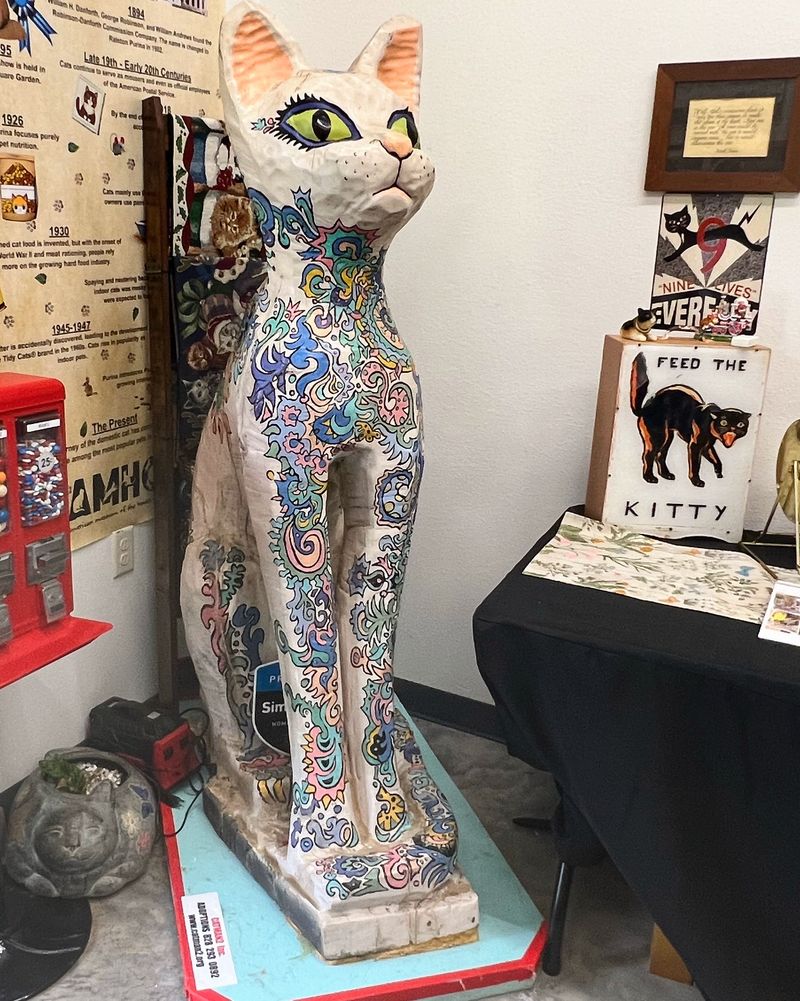
Beyond its permanent collection, the museum hosts creative events that celebrate cats in unique ways. The Feline Day of the Dead celebration invites visitors to honor cats and pets who have crossed the rainbow bridge. This touching event blends Mexican cultural traditions with the museum’s mission, creating a meaningful space for pet lovers to remember their departed companions.
Events demonstrate the museum’s commitment to community engagement beyond passive exhibits. The Red Carpet Kitty Show features special feline guests, including AcroCats like skateboarding sensation Baby Bobby. These events transform the museum into a lively gathering place where cat enthusiasts connect over shared passions.
The museum has even hosted wedding rehearsal dinners, proving its versatility as an event venue. Guests rave about the unique atmosphere and how the cat-themed setting creates unforgettable memories. Staff members work closely with event organizers to ensure smooth, successful celebrations that honor the museum’s quirky character.
Checking the museum’s event calendar before visiting might reveal special programming that enhances the experience. These gatherings foster a sense of community among cat lovers while introducing new audiences to the museum’s educational mission and impressive collection.
TabbyCat Gift Shop Supporting Museum Operations
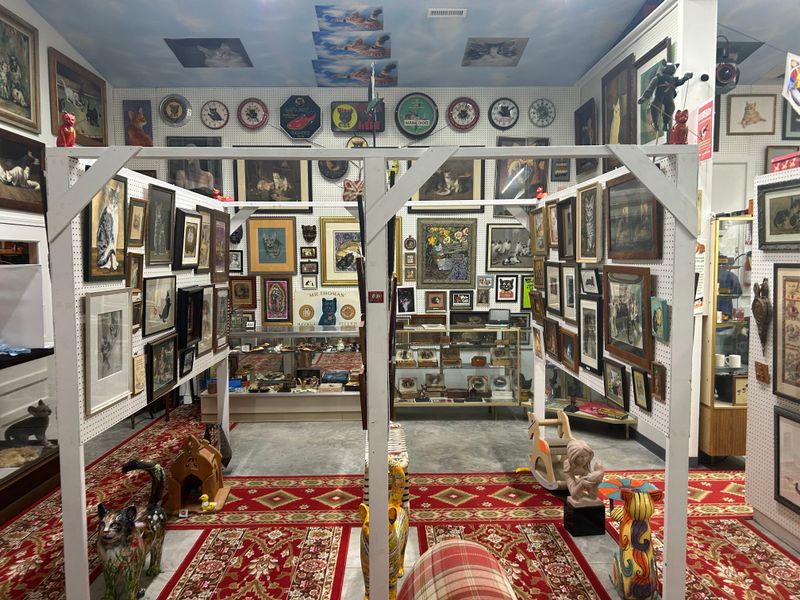
No museum visit feels complete without browsing the gift shop, and the TabbyCat shop delivers a purr-fect selection. Cat-themed books, toys, artwork, and collectibles fill the shelves, offering something for every budget and taste. Many items are carefully selected to match the museum’s aesthetic, featuring vintage-inspired designs and quality craftsmanship.
Shopping here supports both the museum and the Catman2 Shelter. This dual benefit makes every purchase feel meaningful, transforming souvenirs into charitable donations. Visitors often mention discovering unique items they’ve never seen elsewhere, making the gift shop a destination in its own right.
The shop includes cat toys that have been visitor-tested and feline-approved by the resident cats. Reading materials range from children’s books to scholarly works about cat history and culture. Local artisans contribute handmade items, connecting the museum to the broader Western North Carolina creative community.
Staff members provide helpful recommendations and can special-order out-of-stock items for interested customers. The shop’s inventory changes regularly, giving repeat visitors new treasures to discover. Many guests report spending more time and money in the gift shop than they initially planned, drawn in by the carefully curated selection.