This California Drive Blends Historic Gold Country With Untouched Sierra Scenery
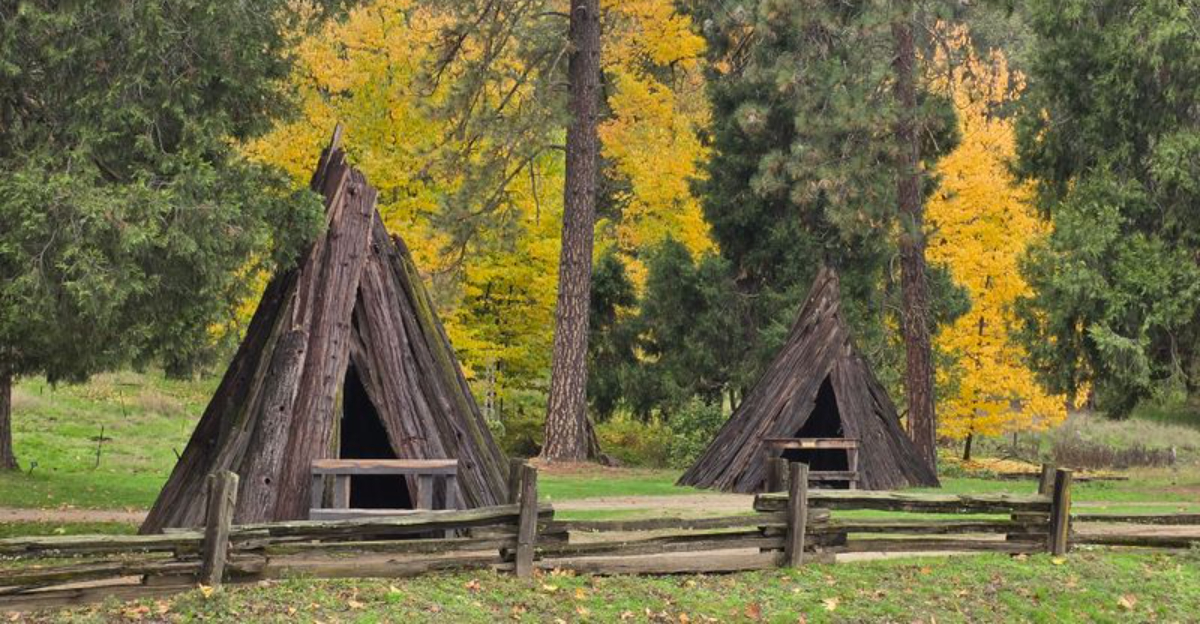
The road tells a story before you ever reach the first stop. Every mile feels like a quiet invitation to slow down and listen.
Dusty hills rise and fall beside the pavement while time seems to stretch in the best way. This is a journey that rewards curiosity and patience.
Highway 49 carries travelers straight into the soul of Gold Country in California. The route follows the paths once walked by fortune hunters chasing dreams of gold and glory.
Wooden storefronts still stand where miners once gathered and rivers still shimmer with promise. Nature plays an equal role here with oak covered foothills giving way to pine forests and granite peaks.
Each town along Highway 49 feels personal and unpolished as if it exists just for those willing to wander.
This is not a drive you rush. This is a drive you feel. History lives here. The past feels close enough to touch. Every turn holds a new surprise. Some roads change how you see travel.
By the time the road bends toward the Sierra Nevada wilderness you realize this drive is not about the destination. It is about the stories that stay with you long after the engine goes quiet.
Northern Foothill Starting Points
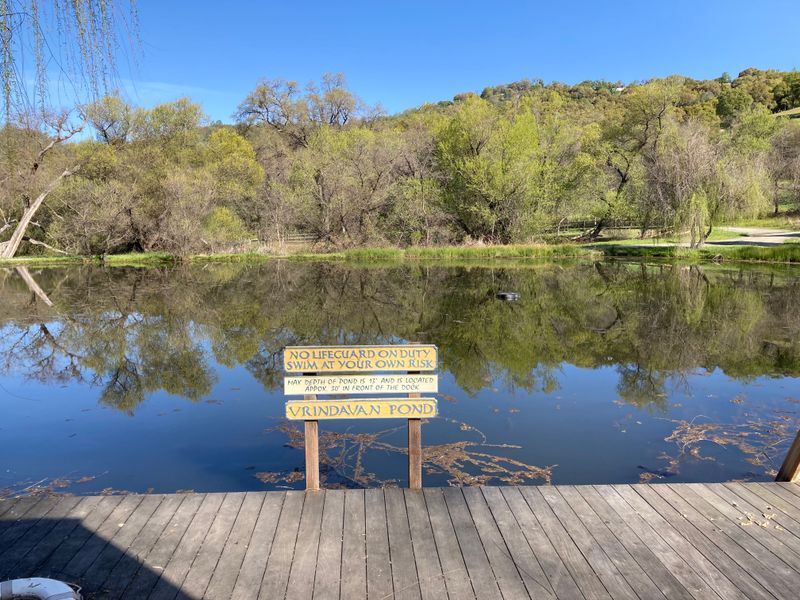
Highway 49 begins its northern stretch near Vinton, close to the Nevada border, but most travelers start their Gold Country exploration from Auburn or Grass Valley.
Auburn sits at the junction of Interstate 80 and Highway 49, making it a natural gateway for those coming from Sacramento or the Bay Area.
The town’s Old Town district features wooden sidewalks, antique shops, and the Placer County Courthouse perched on a hill above the American River canyon.
Grass Valley offers another strong starting point, particularly for visitors interested in deep mining history.
The town’s downtown streets retain their 19th-century scale, with brick storefronts and narrow alleys that feel distinctly different from modern California suburbs.
Both towns provide grocery stores, gas stations, and lodging options that make trip preparation straightforward.
Starting from either location allows travelers to head south through the heart of Gold Country or north toward less-traveled mountain communities. The northern foothills tend to be slightly cooler and more forested than areas farther south.
Classic Gold Rush Towns
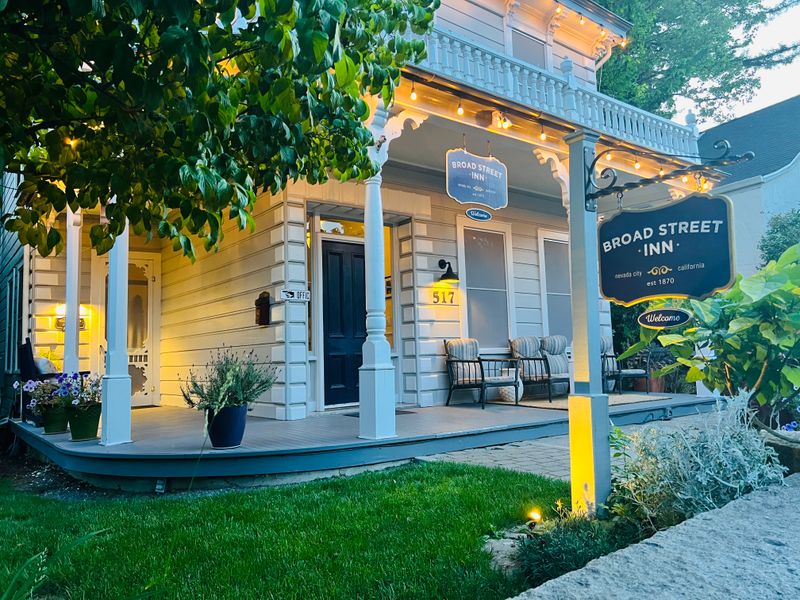
Nevada City stands out as one of the best-preserved Gold Rush towns in California, with more than 90 buildings listed on the National Register of Historic Places.
Broad Street curves gently through the downtown, lined with balconied Victorian buildings that now house bookstores, cafes, and galleries.
The National Hotel, operating since 1856, still welcomes guests in rooms that overlook the street below.
Coloma holds special significance as the site where James W. Marshall discovered gold at Sutter’s Mill in January 1848.
Marshall Gold Discovery State Historic Park preserves the mill site and offers exhibits explaining how one small find changed the course of California history.
Visitors can walk along the American River where thousands once panned for flakes of gold. Placerville earned the nickname “Hangtown” during its rough early years but now presents a friendlier face along its Main Street.
The town serves as a practical stopping point with full services and several museums documenting the area’s colorful past.
Architecture, Museums, And Heritage Sites
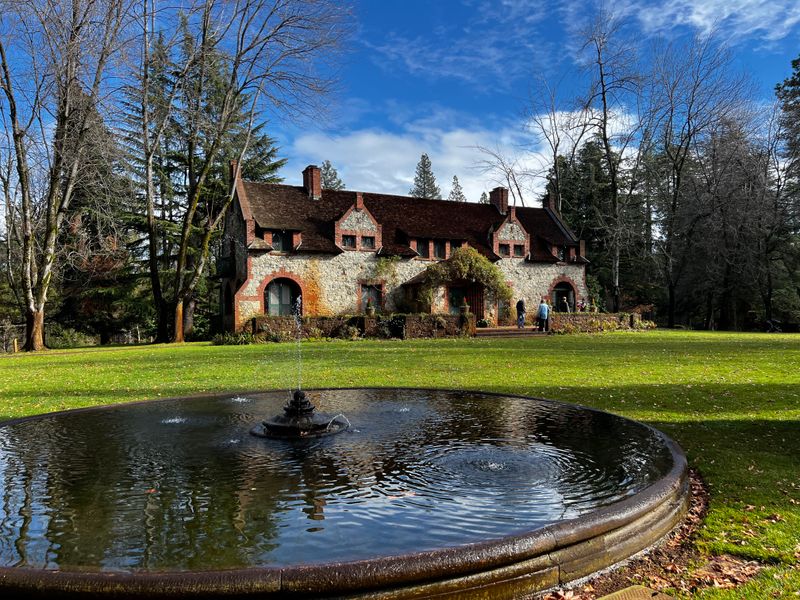
Gold Country architecture tells the story of boom and adaptation, from canvas tents to brick fireproof buildings.
Many towns rebuilt after devastating fires in the 1850s, resulting in sturdy masonry structures with iron shutters and stone foundations.
Wooden balconies overhang sidewalks, providing shade in summer and shelter during brief winter rains.
Empire Mine State Historic Park in Grass Valley preserves one of California’s oldest and richest gold mines, which operated from 1850 until 1956.
The park’s visitor center sits at 10791 E Empire St, Grass Valley, CA 95945, where guests can tour the mine owner’s estate and peer into shaft openings that once descended thousands of feet underground.
The formal English gardens surrounding the estate house contrast sharply with the industrial mining equipment displayed nearby.
Smaller museums operate in nearly every Gold Country town, often staffed by volunteers with deep local knowledge.
These collections feature mining tools, photographs, newspapers, and personal items that survived the rush years. Many museums occupy historic buildings themselves, doubling the historical experience.
Sierra Nevada Foothill Landscapes
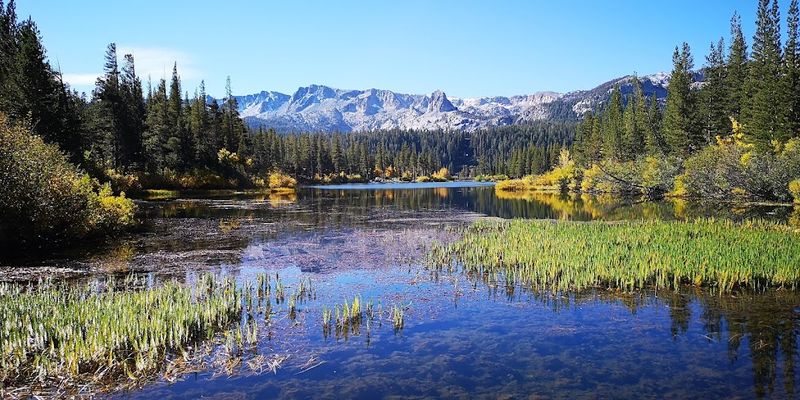
The Sierra Nevada foothills roll in gentle waves between 1,000 and 3,000 feet elevation, covered in oak woodland, manzanita thickets, and scattered ponderosa pines.
Spring transforms these hillsides with wildflowers – poppies, lupines, and brodiaeas – while autumn brings golden grasses and russet oak leaves.
The landscape feels Mediterranean in many stretches, with warm dry summers and mild wet winters. Rock outcrops jut from the hillsides, exposing the granitic and metamorphic geology that once held gold-bearing veins.
These formations create dramatic backdrops along Highway 49, particularly where the road climbs ridgelines or descends into river canyons.
The vegetation changes noticeably with elevation, growing taller and denser as the road climbs eastward toward the high country.
Wildlife remains abundant despite human settlement, with deer, foxes, and wild turkeys commonly spotted near the roadside. Hawks circle overhead, and in spring, the dawn chorus of songbirds fills the air in forested sections.
Rivers, Canyons, And Outdoor Recreation
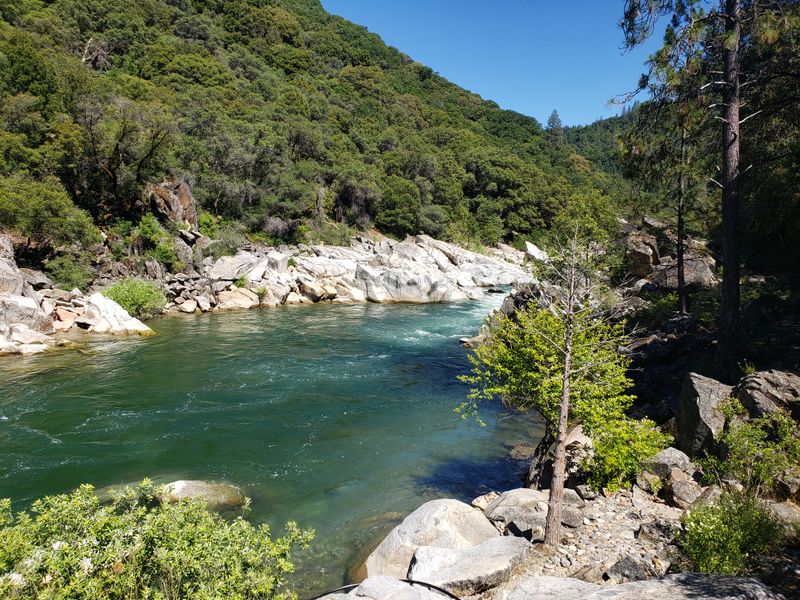
Highway 49 crosses multiple Sierra rivers that flow westward from the high country toward the Central Valley.
The South Yuba, Middle Fork American, and Mokelumne Rivers all carved deep canyons through the foothill country, creating dramatic crossings where the highway descends steeply, crosses a bridge, and climbs equally steeply on the opposite side.
These river corridors provide cooler microclimates and lusher vegetation than the surrounding hillsides.
South Yuba River State Park protects miles of river canyon accessible via trails that descend from various trailheads along Highway 49.
Swimming holes form where bedrock creates natural pools, and the water runs clear and cold even in late summer. The park’s Bridgeport Covered Bridge, built in 1862, spans the river as the longest single-span covered bridge in the United States.
Rafting and kayaking opportunities exist on several Gold Country rivers during spring runoff, though water levels drop significantly by midsummer. Local outfitters in towns like Coloma offer guided trips suitable for different skill levels.
State Parks And Preserved Mining Areas
California preserved several significant Gold Rush sites as state parks, protecting both natural landscapes and historical structures.
Marshall Gold Discovery State Historic Park in Coloma anchors the system, but numerous other parks dot the Highway 49 corridor.
These protected areas allow visitors to walk through landscapes that miners once worked intensively, now returned to a quieter state.
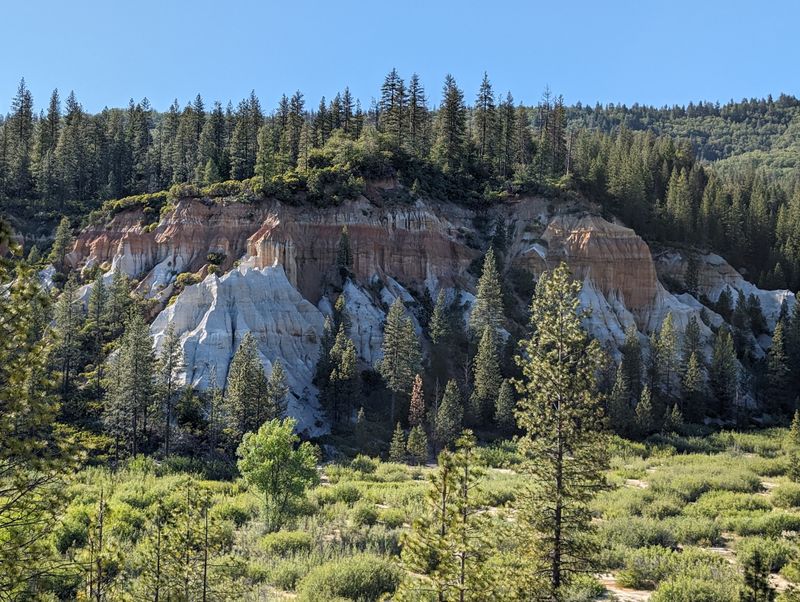
Malakoff Diggins State Historic Park showcases the dramatic results of hydraulic mining, where powerful water jets blasted away entire hillsides to reach gold-bearing gravel.
The park’s main attraction features colorful eroded cliffs and pinnacles that remain from this destructive but effective mining method.
A small preserved town called North Bloomfield sits within the park, with wooden buildings that visitors can explore.
Columbia State Historic Park takes a different approach, preserving an entire Gold Rush town as a living history site.
Docents in period clothing demonstrate 19th-century trades, and many buildings operate as functioning businesses. Cars are prohibited in the central district, creating an unusually immersive historical environment.
Local Food, Wineries, And Small-Town Stops
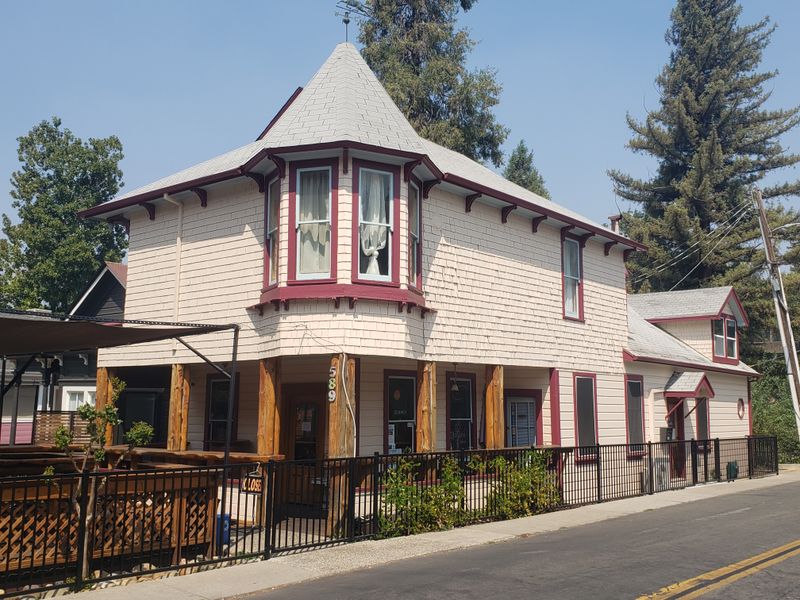
Gold Country dining ranges from old-fashioned diners serving hearty breakfasts to farm-to-table restaurants emphasizing local ingredients.
Many establishments occupy historic buildings, adding atmosphere to the meal experience.
Placerville’s Main Street offers several casual options, while Nevada City’s downtown features slightly more upscale choices in intimate dining rooms.
The Sierra foothills have developed a respected wine region, with vineyards planted on slopes that miners once scoured for gold.
Zinfandel grapes thrive in the foothill climate, and many wineries welcome visitors for tastings in rustic barn settings or modern tasting rooms with mountain views.
The wines tend toward bold reds and crisp whites that pair well with the region’s warm afternoons. Small bakeries, ice cream shops, and coffee roasters provide welcome breaks during a day of driving and exploring.
These businesses often reflect their owners’ personalities, creating unique stops that chain establishments cannot replicate.
Picking up supplies for a picnic at a local market and eating beside a river or in a state park makes for a memorable lunch.
Seasonal Travel Considerations
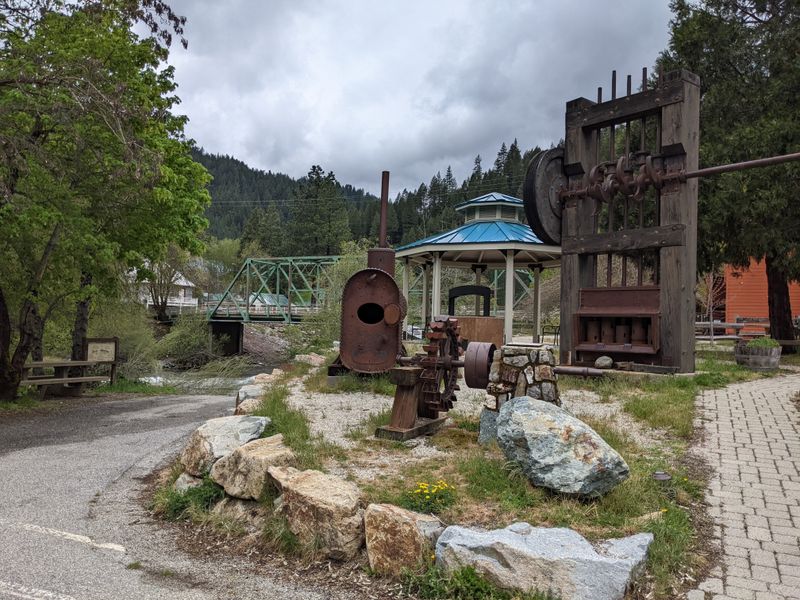
Spring brings the most dramatic scenery to Gold Country, with green hillsides, flowing rivers, and wildflower displays that peak in April and May.
Temperatures remain comfortable for hiking and exploring, typically ranging from the 60s to low 80s Fahrenheit.
This season also sees increased visitor numbers, particularly on weekends when Bay Area residents make day trips to the foothills.
Summer heat can be intense in the lower elevations, with temperatures regularly exceeding 95 degrees Fahrenheit in valleys and canyon bottoms.
Early morning and evening hours offer the most pleasant conditions for outdoor activities, while midday is better spent in shaded areas or air-conditioned museums.
Rivers provide cooling relief, though water levels drop as the season progresses. Fall offers perhaps the best overall travel conditions, with warm days, cool nights, and fewer crowds after school resumes.
Autumn colors appear in late October and November, though the display is more subtle than in regions with maple forests.
Winter brings rain to the foothills and occasional snow above 2,000 feet, which may temporarily close higher sections of Highway 49.
Scenic Detours And Side Roads
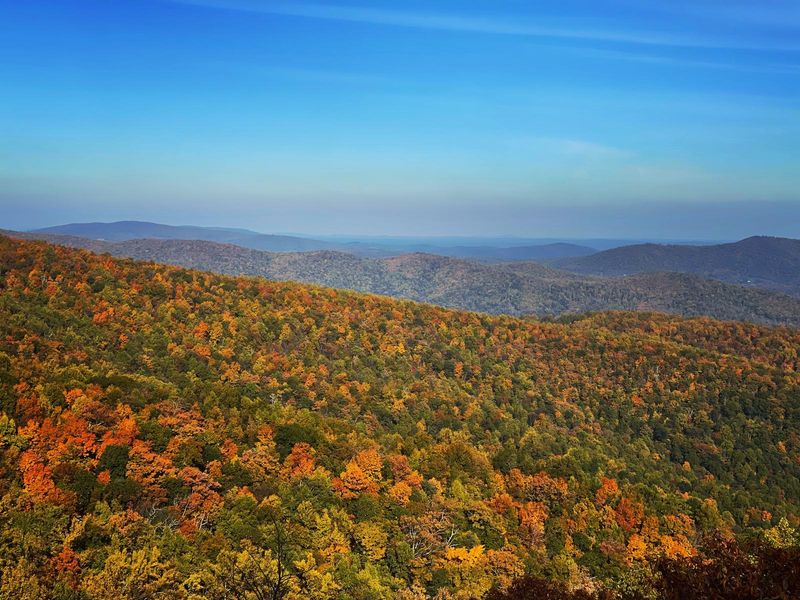
Highway 49 serves as the main artery through Gold Country, but numerous side roads lead to lesser-known sites and quieter landscapes.
Highway 193 branches off near Auburn, climbing through forest to the historic town of Georgetown, which sees far fewer visitors than more accessible locations.
The road winds through tall pines and offers occasional views across forested valleys.
Mosquito Road provides a scenic alternative route between Placerville and the Shenandoah Valley wine region, passing through mixed forest and scattered ranches.
The narrow paved road requires attention but rewards drivers with solitude and authentic rural California scenery.
Several small wineries along this route welcome visitors without the crowds found at better-known establishments.
Old mining roads, now maintained as unpaved forest routes, branch off in many areas for those with high-clearance vehicles and a sense of adventure.
These tracks lead to abandoned mine sites, remote picnic spots, and viewpoints that few people visit. A detailed map and awareness of current road conditions are essential for exploring these backcountry options safely.
Connecting Routes To The High Sierra
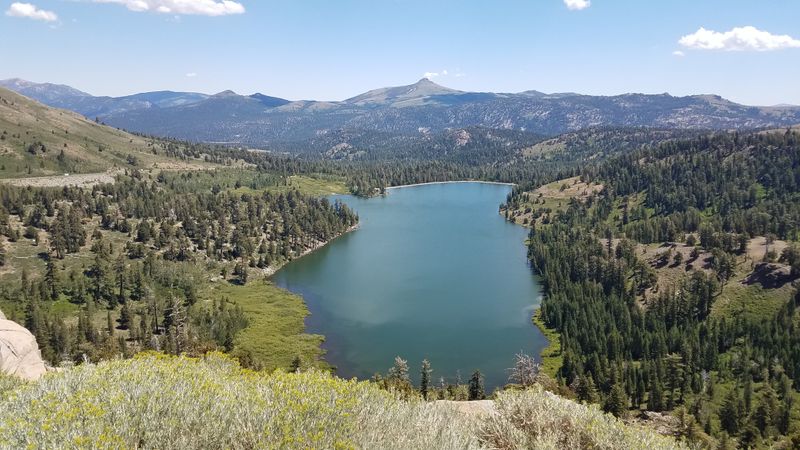
Highway 49 intersects several east-west routes that climb from Gold Country into the high Sierra Nevada, providing options for extending a trip into true alpine terrain.
Highway 88 heads east from Jackson, crossing Carson Pass at 8,574 feet before descending to the Carson Valley. This route passes several lakes, ski areas, and trailheads that access the Mokelumne Wilderness.
Highway 4 branches east from Angels Camp, climbing through Calaveras Big Trees State Park before reaching the Ebbetts Pass area.
The route becomes more challenging as it gains elevation, with tight curves and steep grades that demand careful driving. Alpine scenery replaces foothill oaks as the road climbs above 7,000 feet.
Highway 20 provides the northernmost connection, running east from Nevada City toward the Tahoe National Forest and eventually Interstate 80.
This route stays at moderate elevations, passing through mixed conifer forest and small mountain communities.
Each of these connecting highways opens up additional exploration possibilities for travelers with extra time and interest in high-country landscapes.
Road Trip Logistics And Driving Tips
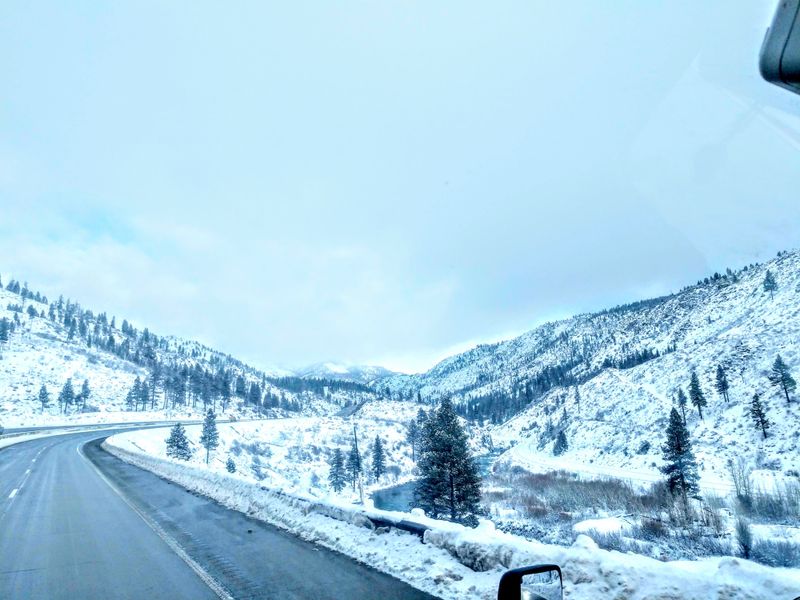
Highway 49 covers approximately 294 miles from Oakhurst in the south to Vinton in the north, but most travelers focus on the central section between Placerville and Sonora.
This stretch contains the highest concentration of historic towns and preserved sites, covering roughly 100 miles of frequently curving two-lane highway.
Driving times run longer than the mileage might suggest due to curves, elevation changes, and the temptation to stop frequently.
Cell phone coverage can be spotty in canyon bottoms and remote stretches, so downloading maps and directions before departure makes sense.
Gas stations appear regularly in larger towns but may be separated by 20 or 30 miles in less developed areas. Keeping the tank above half full prevents range anxiety on longer stretches.
The highway itself is well-maintained, but it demands attention with its curves, narrow sections, and occasional steep grades.
Turnouts appear frequently, allowing slower vehicles to let faster traffic pass. Wildlife crossings happen most often at dawn and dusk, particularly deer moving between feeding and bedding areas.
Suggested Multi-Day Route Options
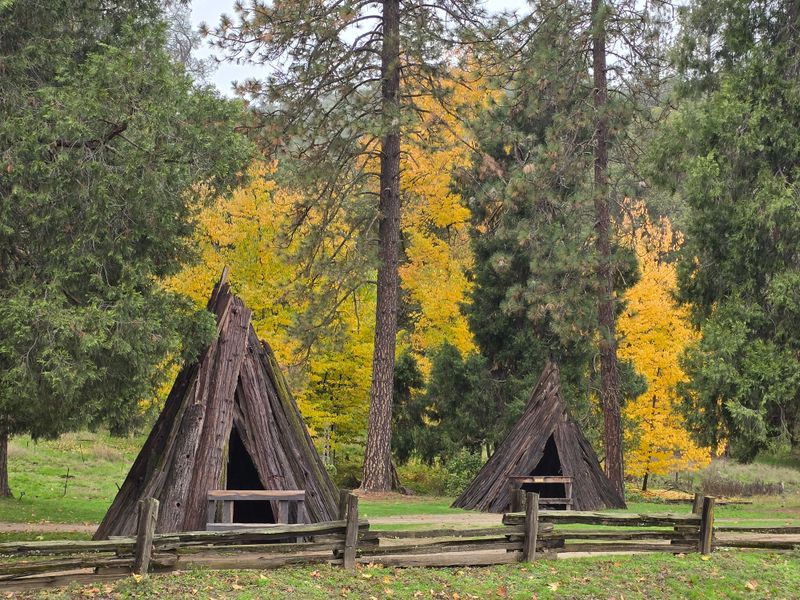
A three-day itinerary allows thorough exploration of central Gold Country without feeling rushed. Day one might focus on the Nevada City and Grass Valley area, including Empire Mine State Historic Park and downtown walking tours.
Overnight accommodations in either town provide a good base for exploring the surrounding area’s restaurants and evening atmosphere.
Day two could follow Highway 49 south through Auburn and Coloma, stopping at Marshall Gold Discovery State Historic Park and continuing to Placerville for lunch.
The afternoon might include wine tasting in the Apple Hill or Shenandoah Valley regions before settling in Sutter Creek or Jackson for the night.
These southern Gold Country towns offer charming bed-and-breakfast options in restored historic buildings.
Day three might explore the Murphys and Columbia area, with time spent at Columbia State Historic Park and nearby Moaning Cavern or Mercer Caverns.
The return drive could follow Highway 4 west through the Central Valley or loop back north on Highway 49, depending on final destination.
Adding extra days allows for more hiking, river time, or simply slowing the pace to match Gold Country’s relaxed rhythm.
Southern Gold Country Highlights
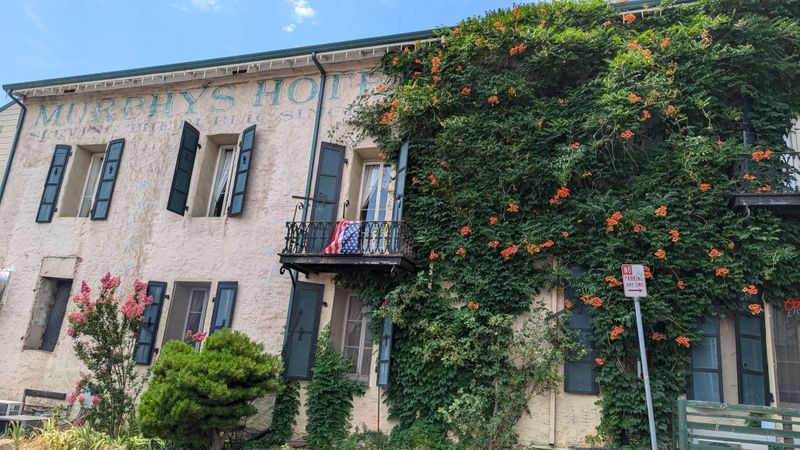
The southern section of Highway 49 below Placerville takes on a slightly different character, with more open landscapes and towns spaced farther apart.
Angels Camp gained literary fame through Mark Twain’s story “The Celebrated Jumping Frog of Calaveras County,” and the town still hosts an annual frog-jumping contest each May.
The downtown retains its historic scale, with several buildings dating to the 1850s.
Murphys presents one of Gold Country’s most appealing small towns, with a walkable main street lined with tasting rooms, restaurants, and specialty shops.
The town serves as a gateway to Calaveras Big Trees State Park, where giant sequoias tower over forest trails just a short drive to the east.
Murphys Hotel at 457 Main St, Murphys, CA 95247, operating since 1856, displays a register signed by famous 19th-century guests.
Sonora anchors the southern Gold Country as the largest town in the region, offering full services and a historic downtown district.
The town’s proximity to Yosemite National Park makes it a potential starting or ending point for travelers combining Gold Country exploration with a visit to the famous national park.