St Joseph Catholic Church In Macon Georgia Looks Like Something From Harry Potter
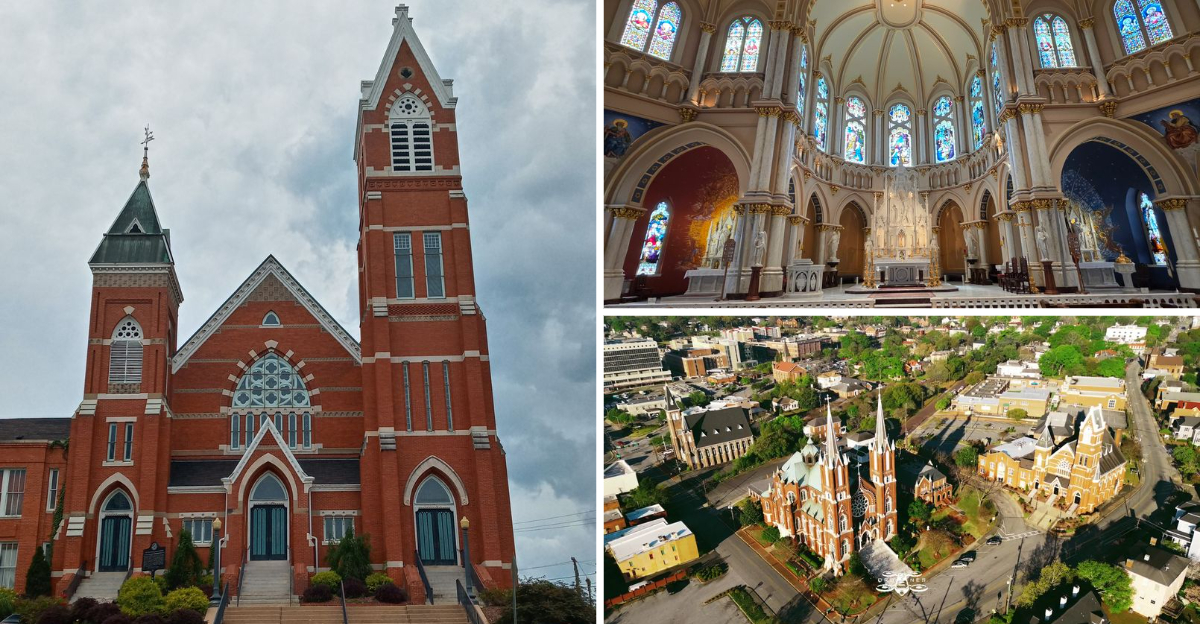
Have you ever stepped into a building and felt like you had wandered into a magical castle? St. Joseph Catholic Church at 830 Poplar Street in Macon, Georgia creates that sense of wonder the moment you arrive. Built in the Gothic Revival style, this breathtaking church feels straight out of a fantasy novel.
Its soaring spires rise dramatically into the sky, while intricate stonework draws your eye to every carefully crafted detail. Inside, glowing stained glass windows fill the space with color and mystery, creating an atmosphere that feels both peaceful and spellbinding.
It is easy to imagine robed students hurrying through hidden corridors or ancient spells whispered among the arches.
This is not just a place of worship, but a true architectural treasure that sparks the imagination. Let me guide you through 15 magical reasons why this remarkable church looks like it belongs in the Harry Potter universe and continues to enchant everyone who visits.
1. Towering Gothic Spires That Touch The Sky
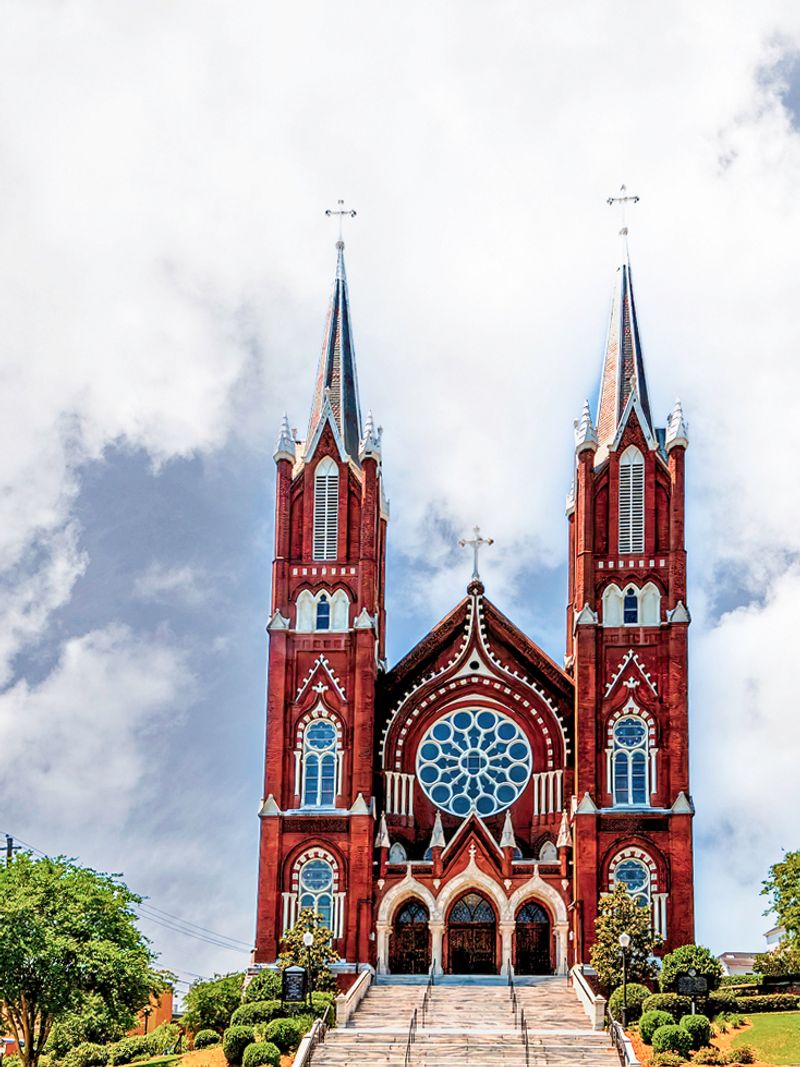
Look up and you’ll see two magnificent spires reaching toward the heavens like wizard towers. These pointed structures rise dramatically from the church’s facade, creating a silhouette that could easily belong in the magical world of Hogwarts. The spires are crafted with incredible attention to detail, featuring decorative stonework and crosses at their peaks.
Standing at 830 Poplar Street in Macon, Georgia, this church dominates the skyline with its vertical emphasis. The way these spires catch the sunlight at different times of day creates an almost mystical atmosphere. They serve as beacons visible from blocks away, drawing visitors to this architectural wonder.
Gothic architecture is famous for its height and drama. The spires here don’t disappoint, making you crane your neck to see their full glory. Every angle offers a new perspective on these towering structures that seem to defy gravity itself.
2. Stained Glass Windows With Magical Colors
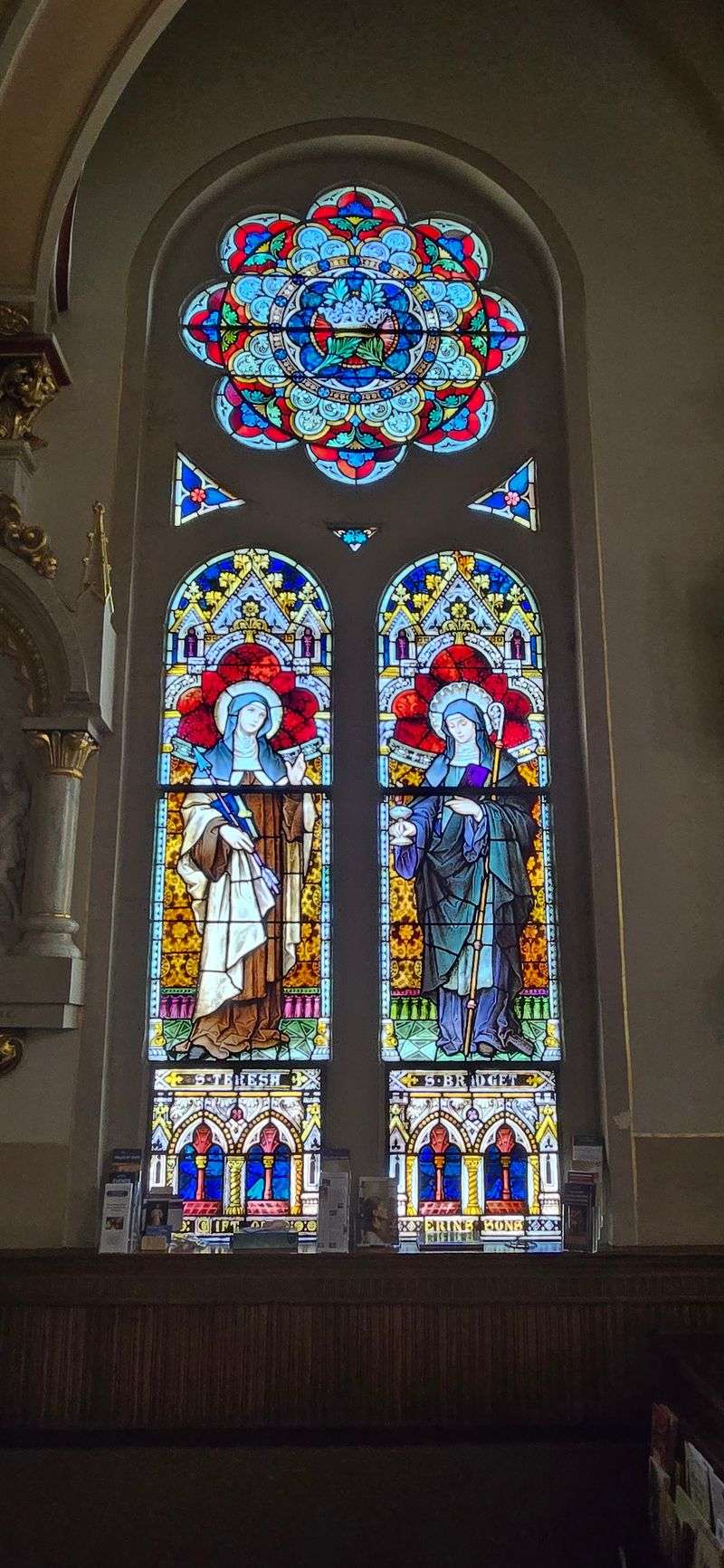
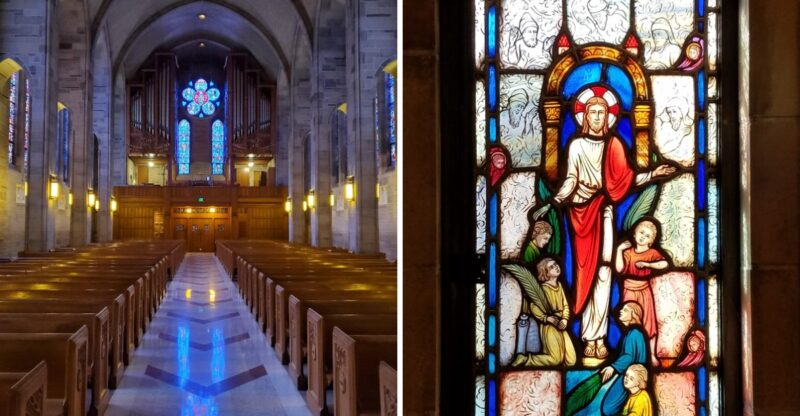
Walking inside feels like entering a kaleidoscope of colors. The stained glass windows throughout the church glow with deep blues, rich reds, vibrant purples, and golden yellows that dance across the interior spaces. These aren’t just decorative elements—they tell biblical stories through intricate imagery and craftsmanship that took skilled artisans countless hours to create.
When sunlight streams through these windows, the entire sanctuary transforms into something otherworldly. The colored light creates patterns on the floors and walls that shift throughout the day. You can almost imagine magical spells being cast as the light moves and changes.
Each window features detailed scenes with figures, symbols, and ornamental borders. The level of detail is extraordinary, from the folds in robes to the expressions on faces. This artistic tradition dates back centuries in European cathedrals, and St. Joseph’s carries on that legacy beautifully.
3. Pointed Archways Throughout The Building
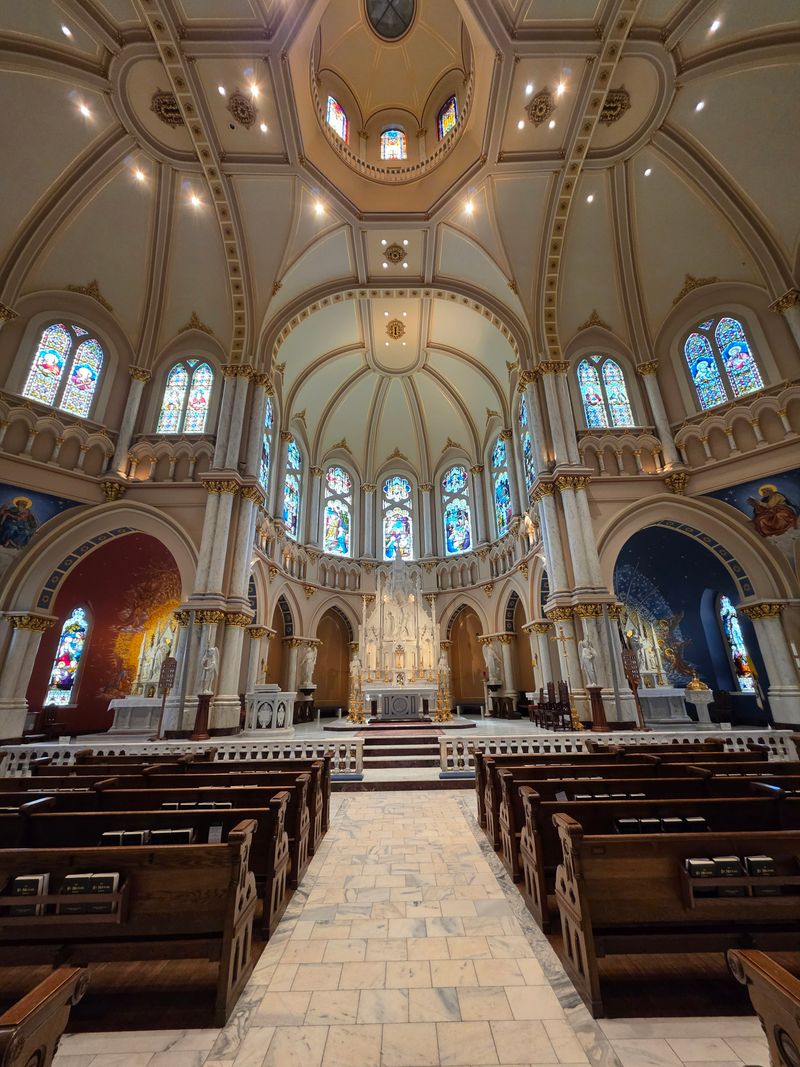
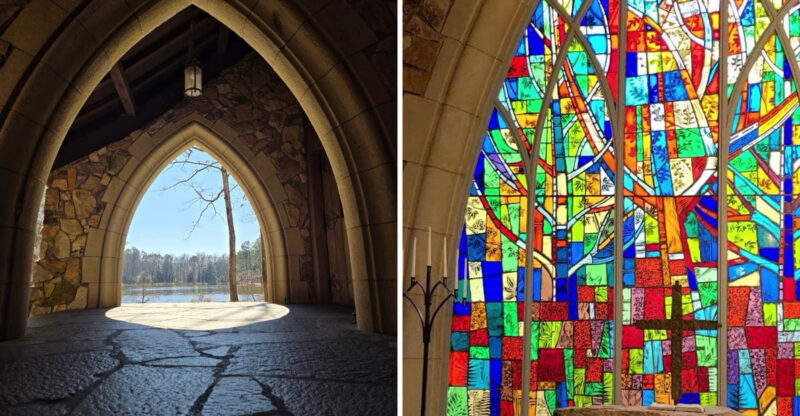
Gothic architecture is instantly recognizable by its pointed arches, and this church has them everywhere you look. These arches aren’t just beautiful they’re also structurally brilliant, distributing weight in a way that allows for taller walls and larger windows. The pointed arch became the signature element of Gothic design throughout medieval Europe.
You’ll find these arches framing doorways, windows, and interior passages. Each one draws your eye upward, creating a sense of height and grandeur that makes the space feel larger than it actually is. The arches at 830 Poplar Street showcase the same design principles used in famous European cathedrals centuries ago.
Walking through these archways feels like passing through portals to another time. The stone frames are often decorated with carved details that add layers of visual interest. Every arch serves both a practical purpose and an aesthetic one, perfectly balancing form and function in true Gothic style.
4. Intricate Stone Carvings And Details
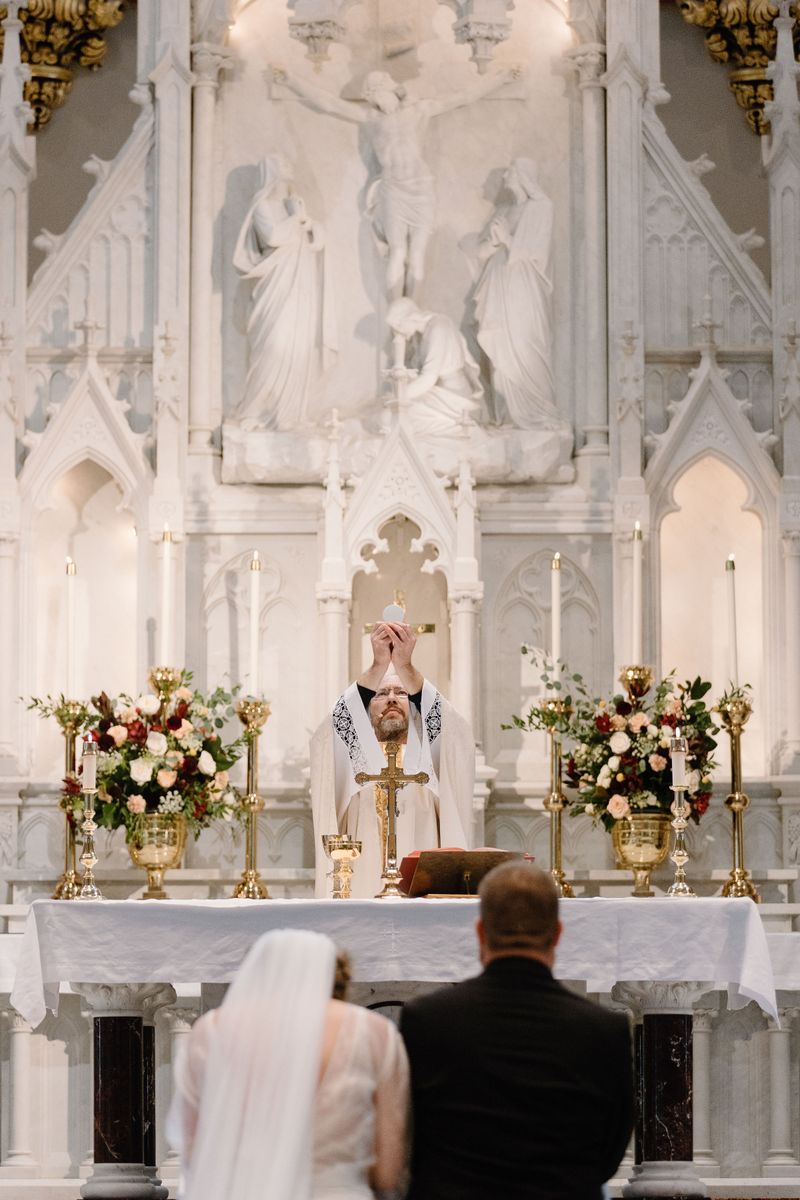
Every surface seems to tell a story through carved stone. The exterior and interior walls feature incredibly detailed stonework that includes religious symbols, floral patterns, geometric designs, and figurative sculptures. Skilled stone carvers spent years creating these elaborate decorations, and their craftsmanship remains stunning more than a century later.
Running your eyes along the walls reveals new discoveries at every turn. Some carvings are large and bold, while others are small and subtle, rewarding those who take time to look closely. The dedication to detail mirrors the kind of magical craftsmanship you’d expect in a wizard’s castle.
These stone carvings weren’t just decorative—they served educational purposes when many people couldn’t read. Biblical stories and moral lessons were literally written in stone for all to see and understand. Today, they continue to inspire wonder and appreciation for the artistic traditions of the past, connecting us to centuries of creative expression.
5. The Dramatic Rose Window
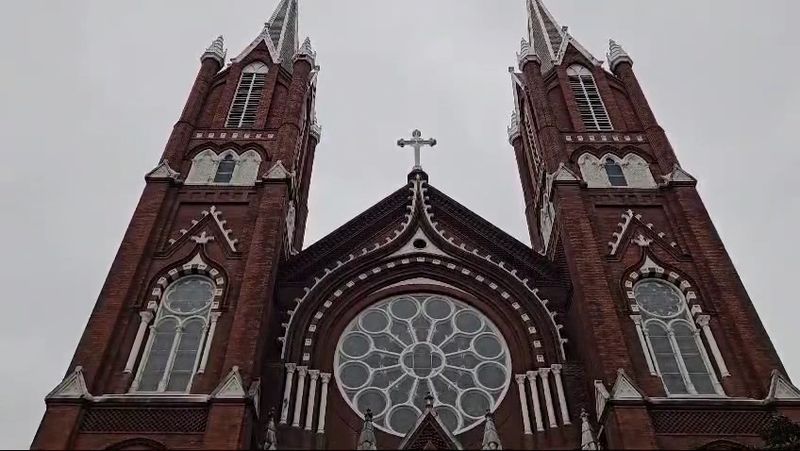
One of the most breathtaking features is the rose window—a large circular stained glass masterpiece that resembles a blooming flower. This type of window is a hallmark of Gothic cathedrals, and St. Joseph’s version doesn’t disappoint. The circular design radiates outward from a central point, creating symmetrical patterns that draw the eye and calm the mind.
The way light filters through the colored glass creates an almost supernatural glow inside the sanctuary. The geometric precision combined with artistic beauty makes it a focal point that captures everyone’s attention.
Rose windows require incredible skill to design and construct. Each piece of glass must fit perfectly within the stone framework, and the overall pattern needs to be both structurally sound and visually stunning. The result is a window that looks like it could be a portal to another dimension, much like the magical elements in Harry Potter.
6. Vaulted Ceilings That Soar Overhead
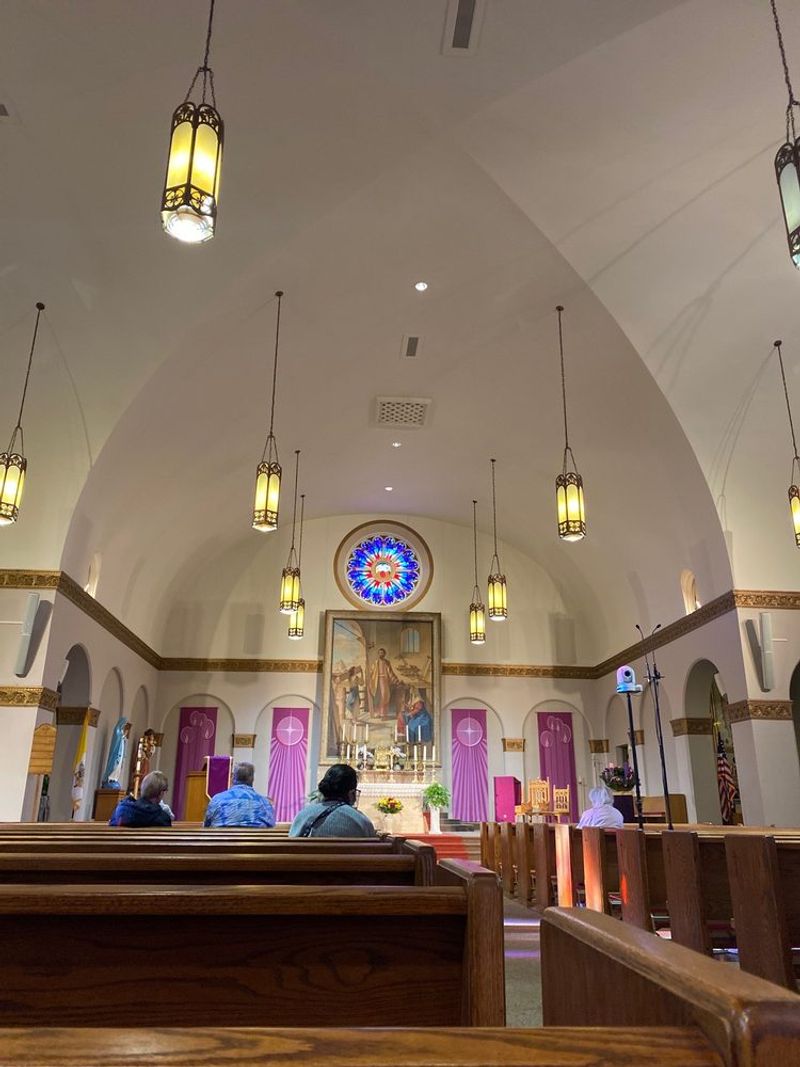
Looking up inside the church reveals soaring vaulted ceilings that seem impossibly high. These aren’t flat ceilings—they’re arched structures that create a sense of upward movement and spaciousness. The ribbed vaulting is a signature Gothic technique that allows for greater height while maintaining structural integrity.
The ceiling design creates an acoustic environment that makes voices and music sound rich and full. When the choir sings or the organ plays, the sound fills the entire space in a way that feels almost magical. The architecture itself becomes an instrument, enhancing every sound that echoes through the sanctuary.
Walking beneath these vaults, you can’t help but feel small in the best possible way. The scale reminds you that some things are bigger than ourselves, which was exactly the intention of Gothic architects. They wanted to create spaces that inspired awe and contemplation, lifting people’s spirits and thoughts toward higher things.
7. Flying Buttresses For Structural Support
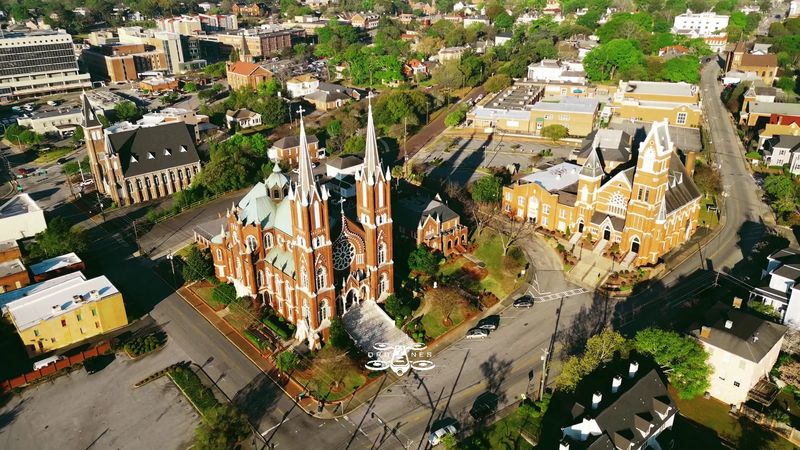
On the exterior, you’ll notice the flying buttresses—those arched supports that extend from the walls like architectural wings. These aren’t just decorative; they’re essential structural elements that transfer the weight of the roof and walls outward to external supports. This ingenious system allowed Gothic builders to create taller walls with larger windows.
The buttresses at St. Joseph Catholic Church showcase medieval engineering at its finest. They’re both functional and beautiful, adding to the castle-like appearance of the building.
From certain angles, the buttresses create dramatic shadows and interesting geometric patterns. They give the church its distinctive profile that looks like something from a fantasy novel. Understanding their purpose makes them even more impressive—they’re problem-solving architecture that happens to be gorgeous at the same time.
8. The Imposing Front Entrance Portal
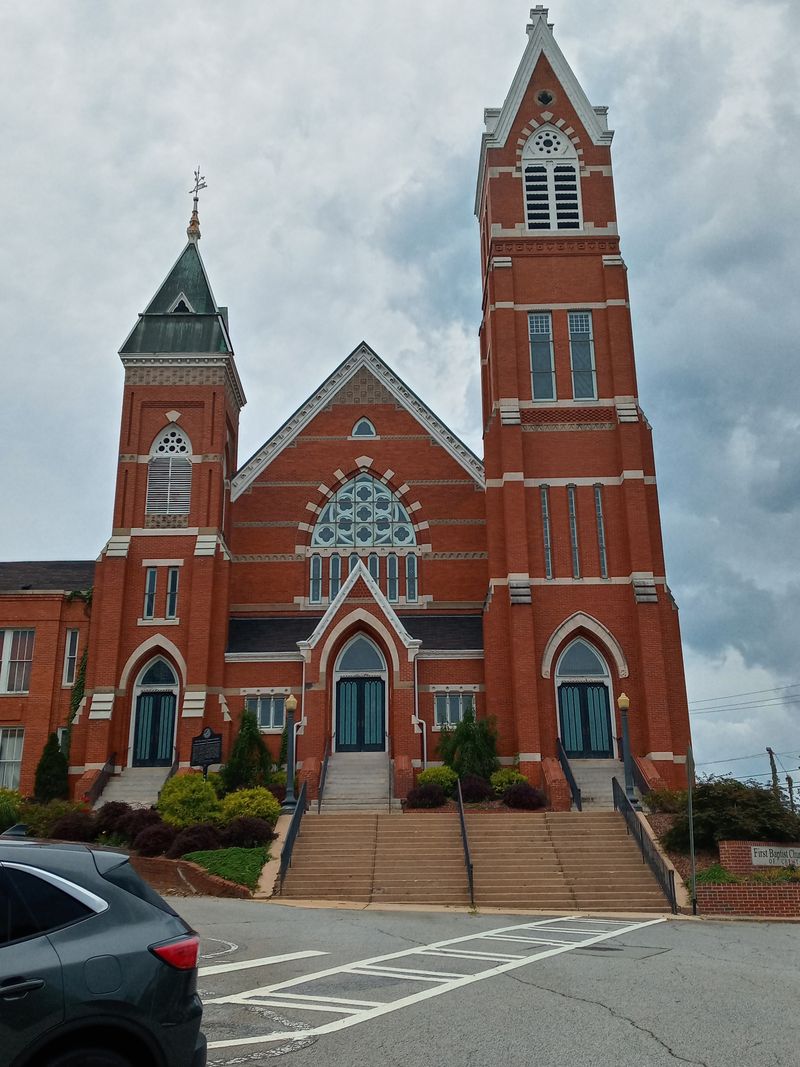
Approaching the main entrance feels like arriving at the gates of a grand castle. The portal is deeply recessed with multiple layers of carved arches that create a sense of depth and importance. This design element, called a portal, is characteristic of Gothic churches and was meant to mark the transition from the ordinary world outside to the sacred space within.
The doorway at 830 Poplar Street in Macon features elaborate stonework surrounding heavy wooden doors. Carved figures, decorative moldings, and religious symbols frame the entrance, telling visitors they’re about to enter somewhere special. The sheer scale of the doors adds to the impressive, magical feeling.
Standing before this entrance, you can imagine students arriving at Hogwarts for the first time. The architectural drama creates anticipation and wonder. Every detail has been carefully considered, from the door handles to the arch decorations, making the simple act of entering the building feel like crossing a threshold into another realm.
9. Gargoyles And Decorative Waterspouts
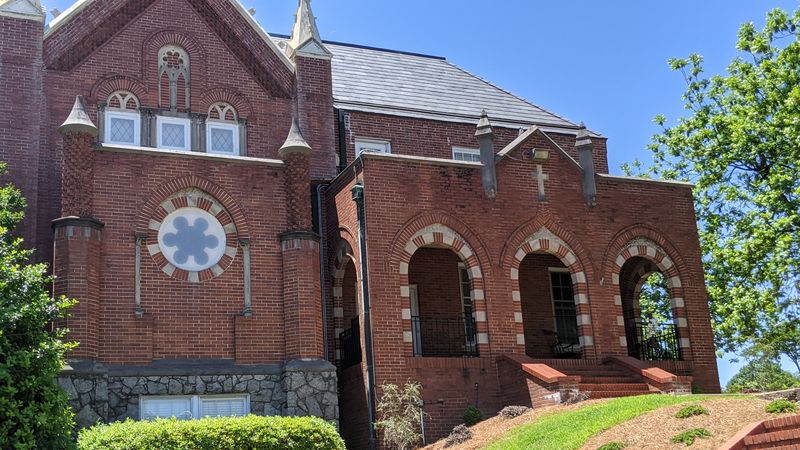
Perched on the exterior walls, you’ll find gargoyles and decorative waterspouts that look like they could come to life at any moment. These carved stone creatures serve a practical purpose—directing rainwater away from the walls to prevent erosion but they also add a whimsical, slightly spooky element to the architecture.
Gothic churches across Europe featured these fantastical figures, and St. Joseph’s continues that tradition. Some look like animals, others like mythical creatures, and a few have almost human-like features. Their weathered stone faces have watched over the church and its visitors for generations, silent guardians of this sacred space.
Kids especially love spotting these creatures during visits. They spark imagination and add an element of playfulness to the serious architecture. The gargoyles connect the church to centuries of Gothic tradition while also making it feel like a building from a fantasy story where stone creatures might actually protect the halls at night.
10. The Altar Area With Gothic Styling
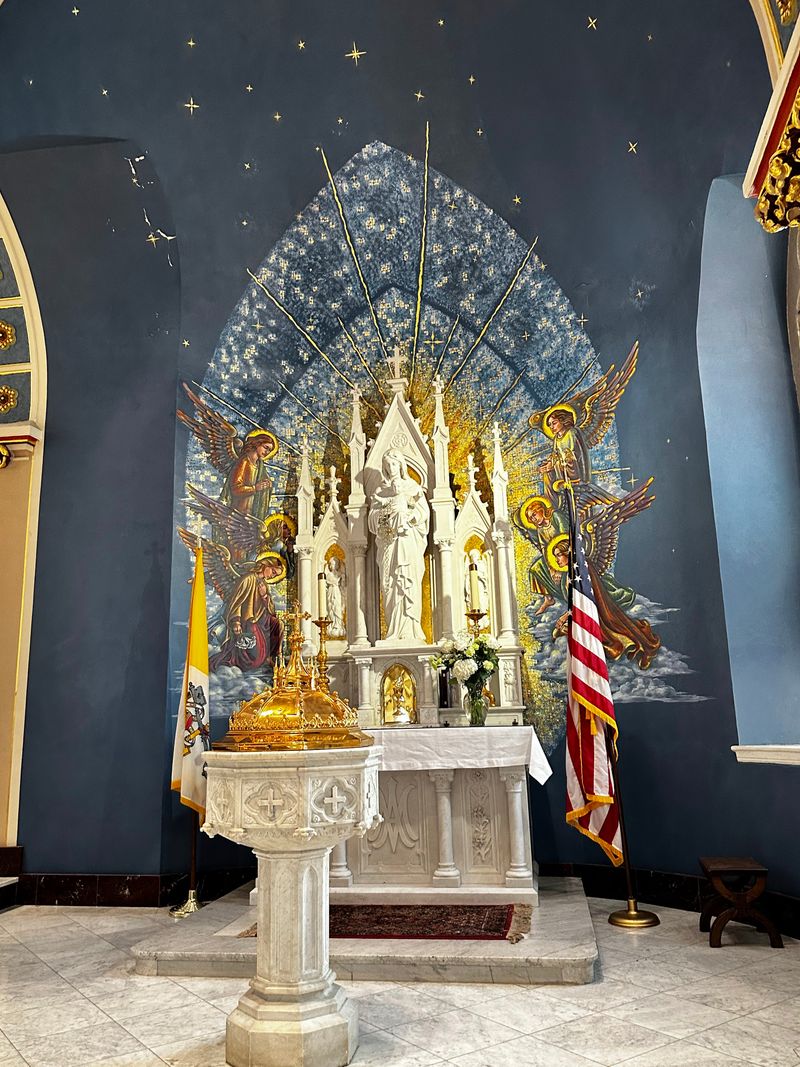
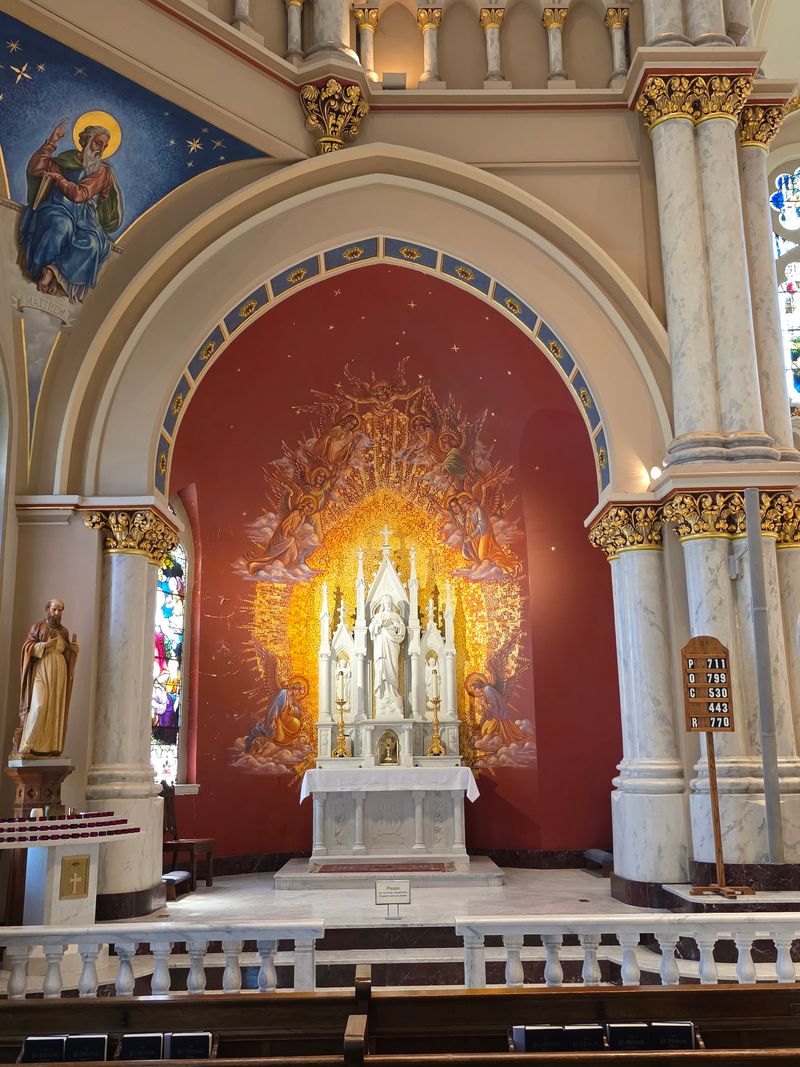
At the heart of the church stands the altar area, designed with all the Gothic grandeur you’d expect. Ornate carved woodwork, gilded details, and soaring vertical elements create a focal point that commands attention. The altar serves as the spiritual center of the church, and its design reflects that importance through elaborate craftsmanship.
The area features a reredos a decorated screen behind the altar with intricate carvings and religious imagery. Candles, statues, and sacred vessels add layers of visual interest.
The Gothic style emphasizes verticality and light, and the altar area demonstrates both principles beautifully. Everything draws your eye upward while colored light from the stained glass windows illuminates the space. The combination creates an atmosphere of reverence and wonder that transcends the everyday world outside.
11. Tall Narrow Windows Creating Vertical Lines
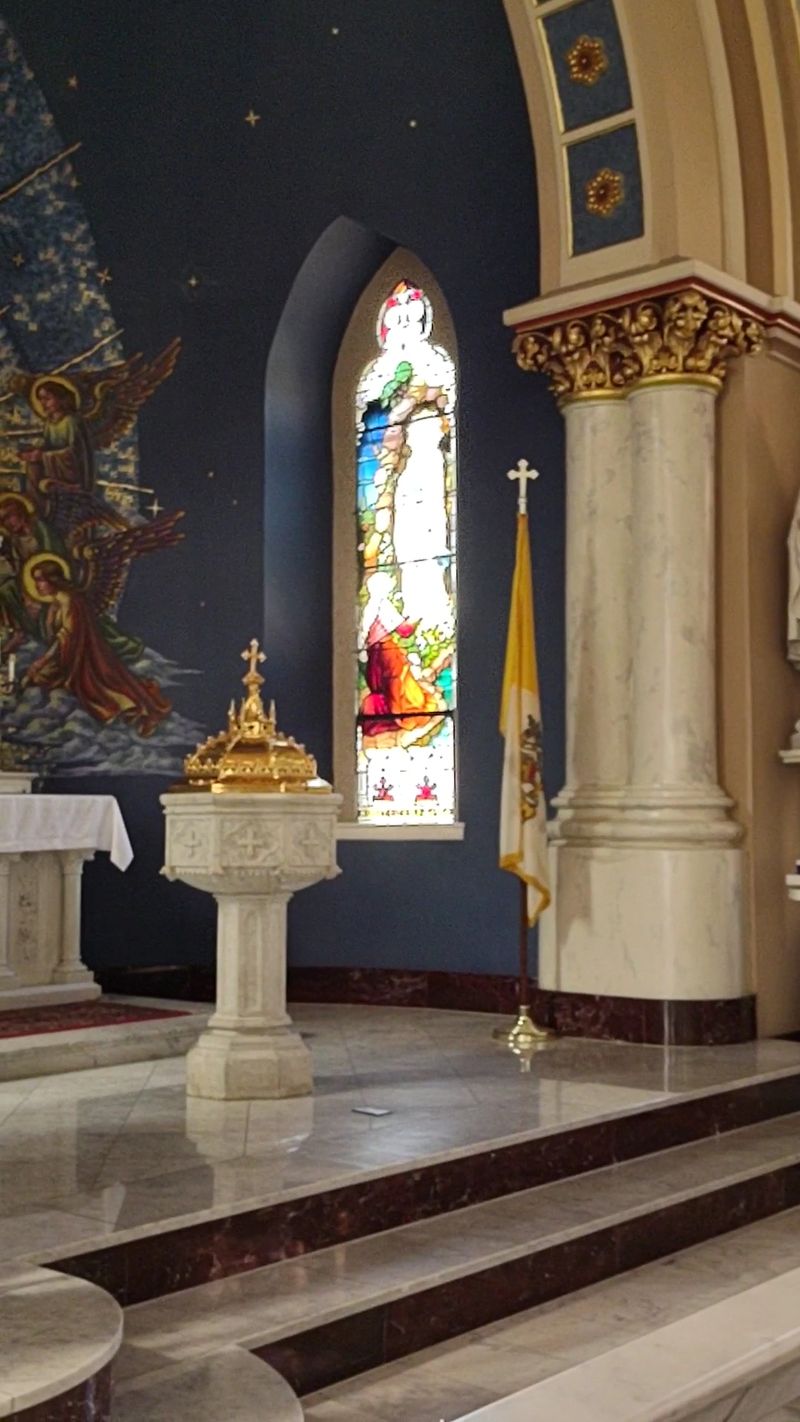
One defining characteristic of Gothic architecture is the emphasis on vertical lines, and St. Joseph’s tall, narrow windows perfectly demonstrate this principle. These lancet windows stretch upward, creating a visual rhythm that makes the building appear even taller than it actually is. The proportions are deliberately elongated to draw the eye skyward.
These windows aren’t just about aesthetics—they also allow light to enter at different angles throughout the day. The narrow width means the light enters in concentrated beams that highlight specific areas of the interior.
The vertical emphasis in Gothic design was meant to symbolize reaching toward heaven. Every element works together to create upward movement and aspiration. Standing inside surrounded by these tall windows, you can’t help but feel that sense of elevation and transcendence that the architects intended centuries ago when this style first developed.
12. The Historic Pipe Organ
Music fills the church from a magnificent pipe organ that looks like it belongs in a wizard’s tower. The instrument features rows of gleaming pipes arranged in impressive displays, some reaching high toward the ceiling. Pipe organs have been associated with churches for centuries, and their grand appearance adds to the magical atmosphere.
When played, the organ produces sounds that range from whisper-soft to thunderously powerful. The music resonates through the vaulted spaces, creating an immersive acoustic experience.
The visual impact of the organ is just as impressive as its sound. The pipes are arranged artistically, often decorated with gold leaf or ornamental carvings. Looking at the organ console with its multiple keyboards and hundreds of stops, you can imagine it as a magical instrument capable of producing spells through music rather than wands.
13. Stone Columns With Decorative Capitals
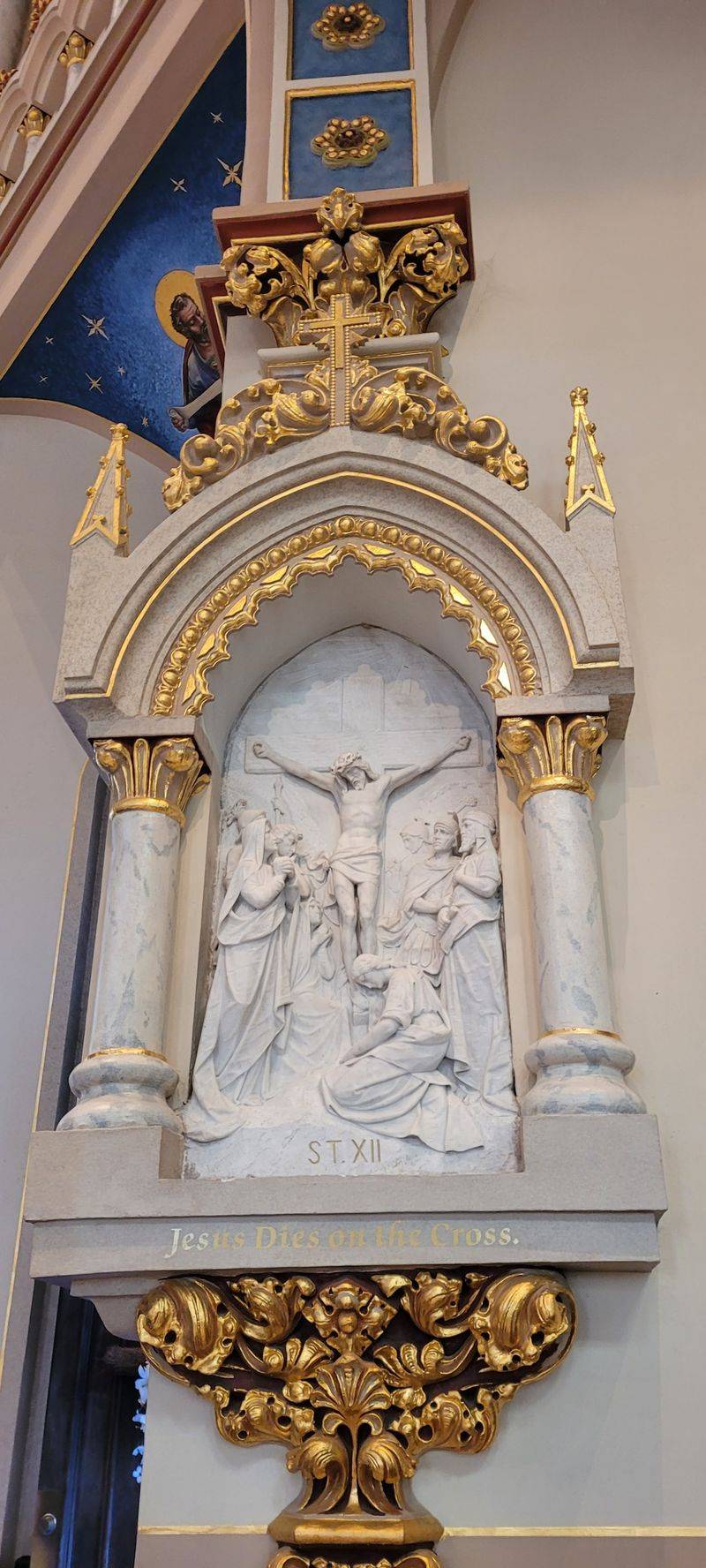
Throughout the interior, stone columns rise from floor to ceiling, supporting the structure while adding visual beauty. These aren’t plain pillars—they feature decorative capitals at their tops with carved leaves, flowers, and other ornamental designs. Each column is a work of art that combines engineering necessity with aesthetic excellence.
The columns create a rhythmic pattern as they march down the nave toward the altar. This repetition gives the space a sense of order and grandeur.
Walking between these columns feels like moving through a stone forest. The Gothic style often drew inspiration from nature, and columns were designed to resemble tree trunks reaching upward with branches spreading at the top. This connection between architecture and the natural world adds another layer of meaning to the space’s design and atmosphere.
14. The Bell Tower And Bells
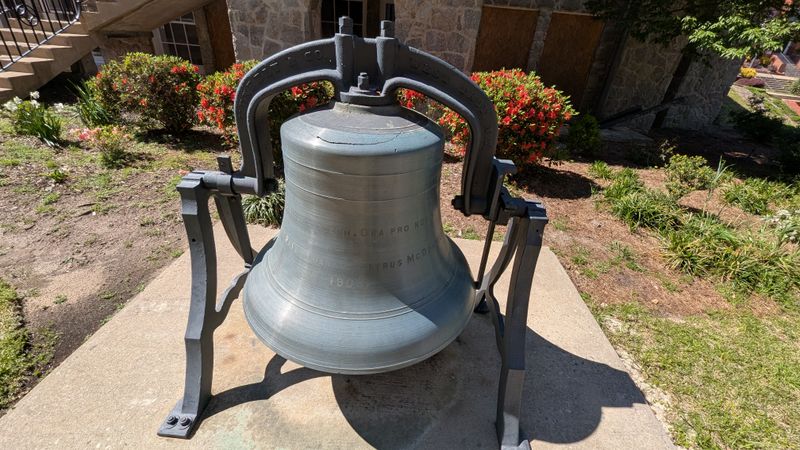
High above the church, the bell tower houses bells that have called the faithful to worship for generations. Bell towers are iconic features of Gothic churches, and St. Joseph’s tower rises prominently above the surrounding neighborhood. The bells themselves are works of craftsmanship, cast in bronze and tuned to produce specific notes that ring out across Macon.
When the bells ring, their sound carries for blocks, creating a sonic landmark that marks time and occasions. Its height and position make it visible from many vantage points around the city.
Bell towers in Gothic churches often contain spiral staircases and mysterious upper chambers that seem perfect for fantasy adventures. The tower connects earth and sky, serving as a bridge between the ordinary world and something higher. Its presence adds to the castle-like appearance that makes this church look like it belongs in a magical story.
15. The Overall Castle-Like Silhouette
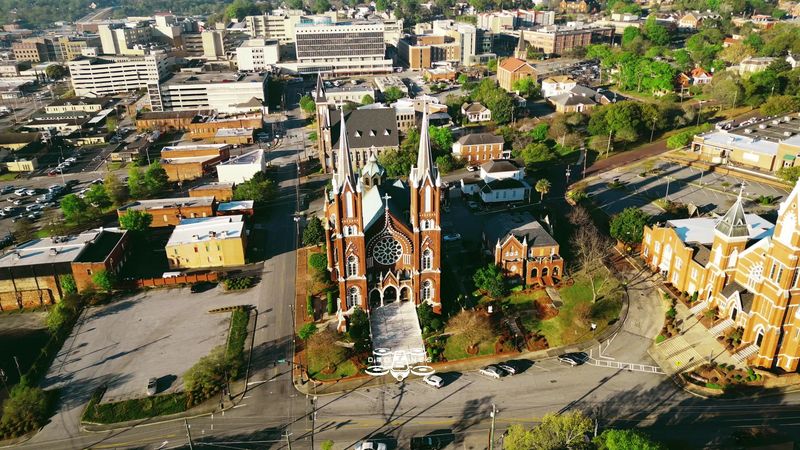
Stepping back to view the entire building, the castle-like silhouette is unmistakable. With its towers, spires, pointed arches, and stone construction, St. Joseph Catholic Church looks like it was transported directly from medieval Europe to Georgia. The overall composition creates a dramatic skyline presence that captures attention and sparks imagination.
This architectural style was deliberately chosen to inspire awe and convey permanence. The builders at 830 Poplar Street in Macon wanted to create something that would stand for centuries and lift people’s spirits. They succeeded brilliantly, constructing a building that continues to amaze visitors more than a hundred years after its completion.
The castle-like appearance isn’t accidental—Gothic Revival architecture intentionally referenced medieval castles and cathedrals. This connection to history and grandeur makes the church feel timeless. Whether you’re a Harry Potter fan or simply someone who appreciates beautiful buildings, this church delivers an experience that feels truly magical and transports you to another time and place.