28 Top Things To Do In San Francisco, California For 2026
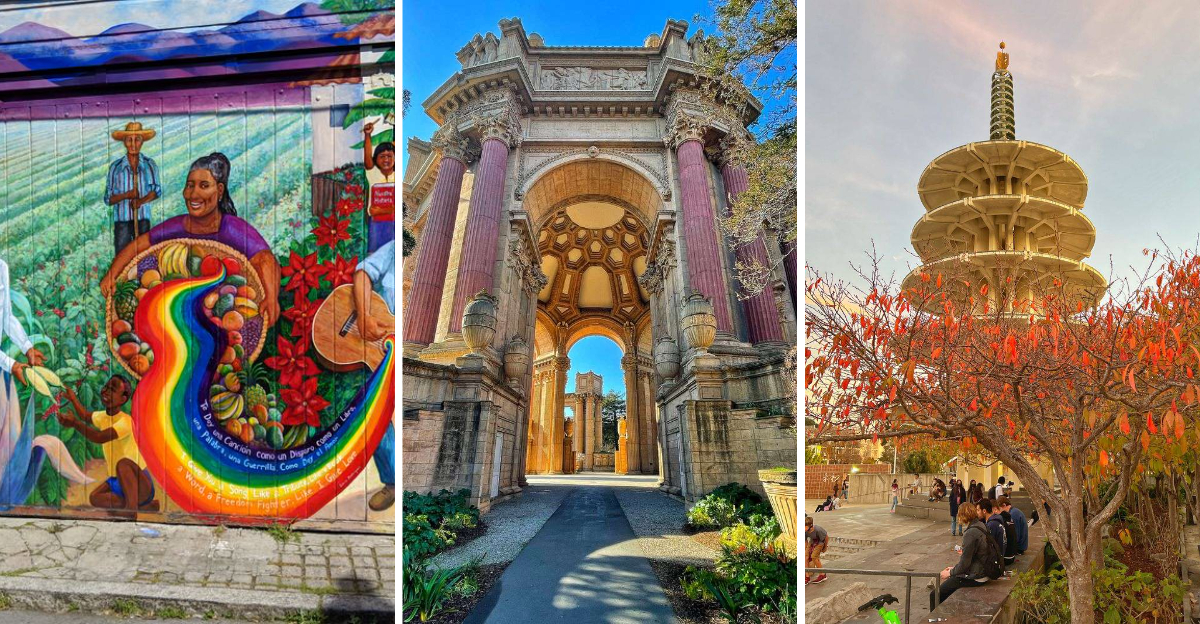
The city pulls you in before you realize it has your full attention as streets rise and fall like a living rhythm while fog drifts in and out and every block promises something unexpected.
San Francisco sits along the coast of California and delivers an experience that feels layered and alive.
Iconic landmarks share space with quiet corners that reward slow exploration. Colorful neighborhoods reveal their own moods through food music and street life.
Waterfront paths offer wide open views while historic hills frame the skyline. There are few places in California where natural scenery and urban energy feel so closely intertwined.
San Francisco invites curiosity whether you arrive for the first time or return with a sense of familiarity. The city rewards those who wander without a plan and notice small details.
This is a place that stays with you where every neighborhood tells a different story the views never feel ordinary and one visit is never enough.
From sunrise over the bay to evening lights along the hills the city constantly shifts its character. History culture and creativity live side by side here.
San Francisco does not rush you. It encourages you to look again linger longer and discover why so many people fall for its charm over and over again.
1. Walk The Golden Gate Bridge
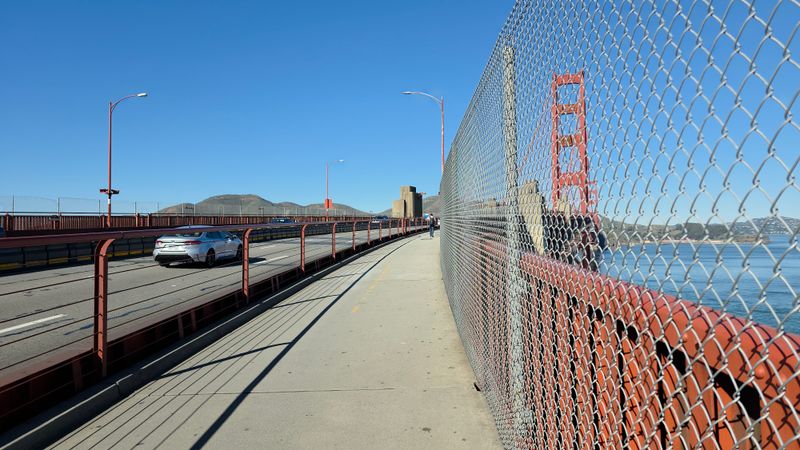
Walking across this iconic suspension bridge offers a perspective that photos simply cannot capture.
The structure stretches nearly two miles over the bay, connecting San Francisco to Marin County with sweeping views in every direction.
Pedestrian walkways allow visitors to take their time, pausing to watch sailboats below or fog rolling through the towers.
Morning hours tend to bring clearer skies, though afternoon fog creates its own dramatic atmosphere.
Wind can be strong at any time, so bringing an extra layer makes the experience more comfortable.
The round-trip walk takes about an hour at a leisurely pace, with plenty of spots to stop and take in the scenery along the way.
2. Explore Golden Gate Park
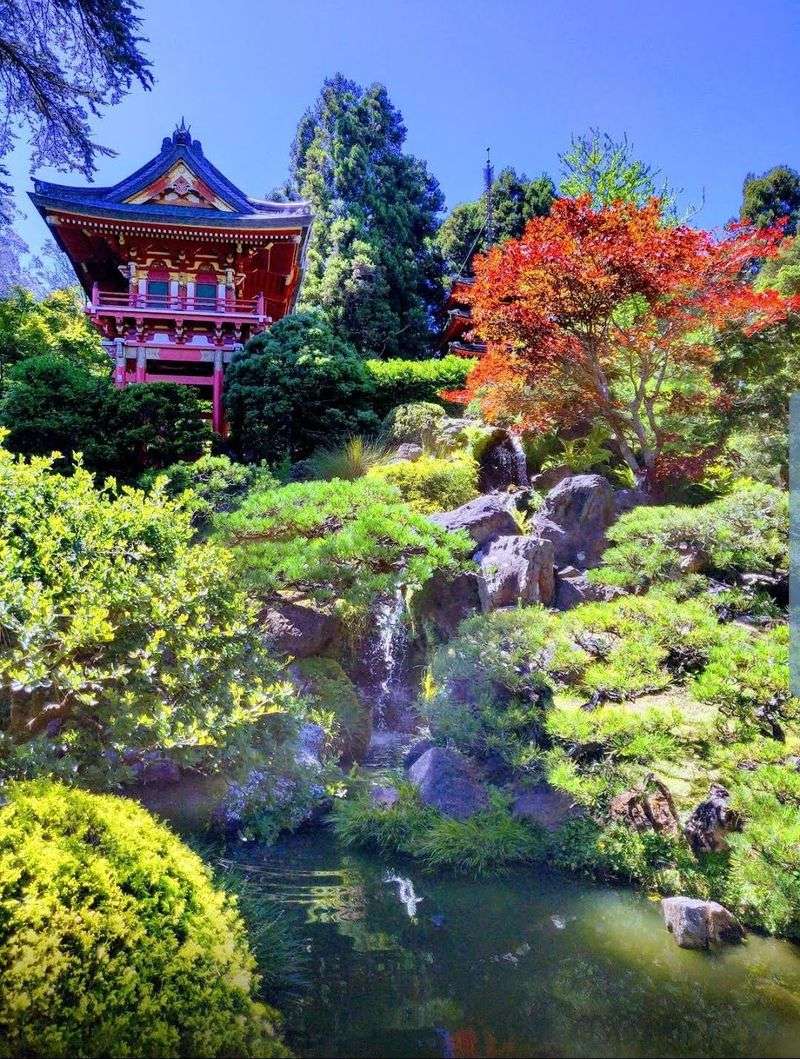
Spanning over a thousand acres, this urban park rivals the size of New York’s Central Park and offers an impressive variety of landscapes and attractions.
Meadows, gardens, lakes, and wooded trails provide countless ways to spend an afternoon or entire day outdoors.
Families often bring picnics, while others rent bikes to cover more ground across the expansive pathways.
The Japanese Tea Garden, de Young Museum, and Conservatory of Flowers are just a few highlights within the park’s boundaries. Weekends bring more foot traffic, but the park’s size means quieter corners are always available.
Comfortable walking shoes help, as distances between attractions can be longer than they initially appear on a map.
3. Visit Alcatraz Island
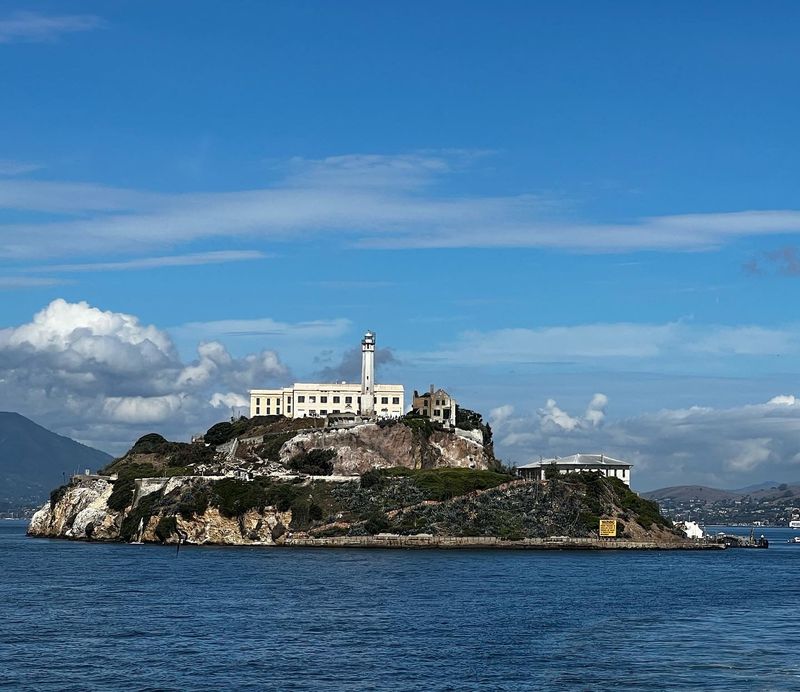
Few places carry the historical weight and mystique of this former federal prison located on a rocky island in the middle of the bay.
Tours include ferry transportation and an excellent audio guide that brings the stories of inmates and guards to life.
Cell blocks, the dining hall, and outdoor recreation yards remain preserved, offering a window into a very different era of American justice.
Advance reservations are essential, as tours often sell out weeks ahead, especially during summer months.
The ferry ride itself provides beautiful views of the city skyline and the Golden Gate Bridge. Layering clothing helps, since island weather can shift quickly and winds tend to pick up near the water.
4. Ride A Historic Cable Car
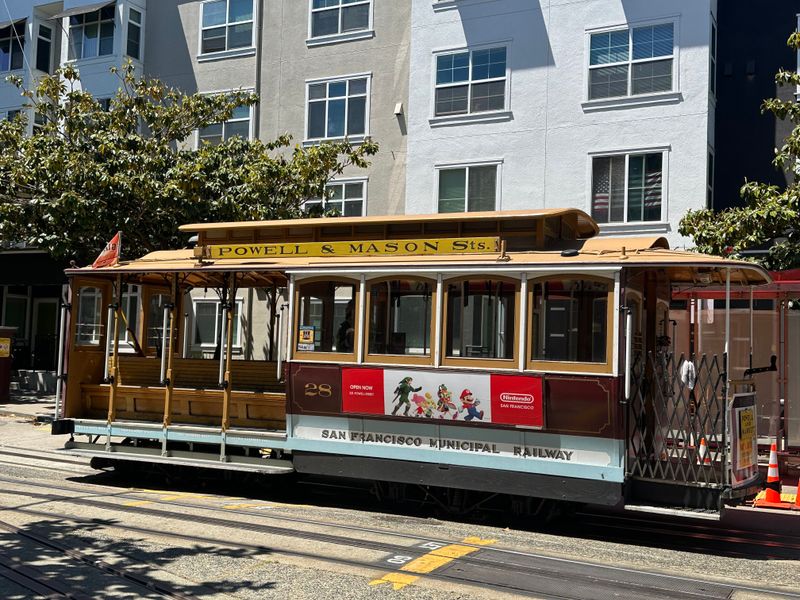
These moving landmarks have been climbing San Francisco’s steep hills since the late 1800s, making them both a practical transit option and a tourist attraction.
Wooden benches and open-air sides give riders an unobstructed view of the city as the cable car clanks and sways along its route.
The Powell-Hyde and Powell-Mason lines are particularly scenic, passing through bustling neighborhoods and offering glimpses of the bay.
Lines can form quickly at popular stops like Powell and Market, especially during midday hours. Boarding at less crowded stops along the route sometimes saves waiting time.
The ride itself lasts about fifteen to twenty minutes depending on the line, with conductors often sharing bits of local history and humor along the way.
5. Wander Fisherman’s Wharf
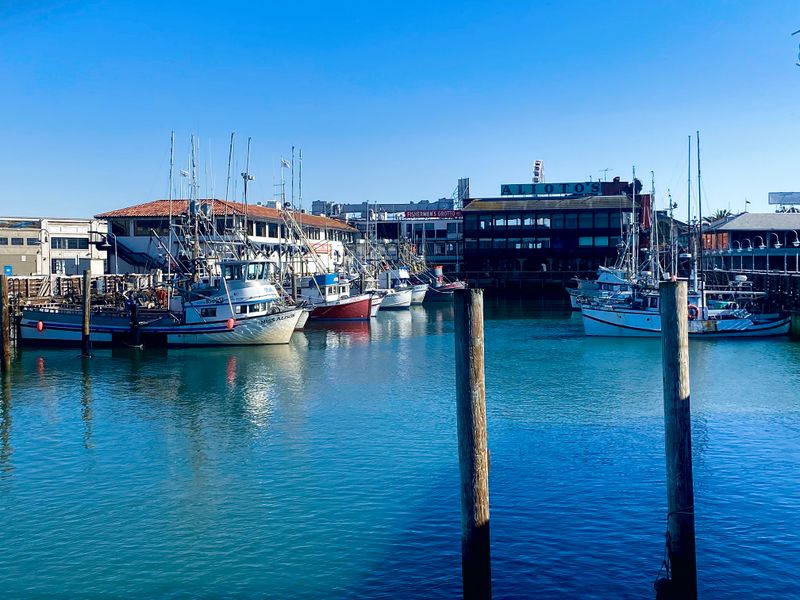
This waterfront district buzzes with activity, drawing crowds to its seafood stands, souvenir shops, and street performers.
The smell of clam chowder and freshly cooked crab fills the air, while vendors offer everything from handmade crafts to local honey.
It’s a lively scene that captures a certain tourist-friendly energy, though some locals prefer quieter neighborhoods for their own outings.
Musée Mécanique, a free arcade filled with vintage coin-operated machines, offers a quirky break from the main thoroughfare.
The wharf also serves as a departure point for bay cruises and boat tours.
Visiting during weekday mornings tends to mean smaller crowds and shorter lines at popular food stalls and attractions.
6. See Sea Lions At Pier 39
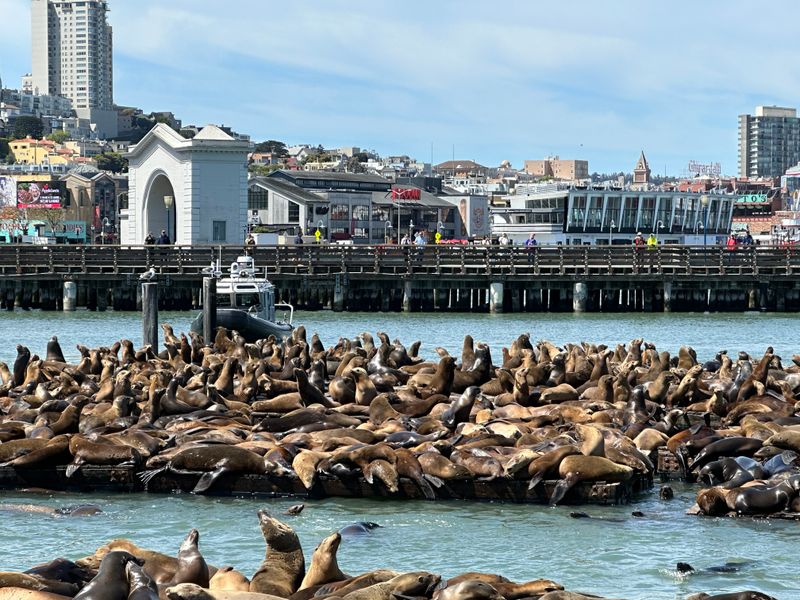
Starting in the late 1980s, California sea lions began hauling out on the floating docks at this popular pier, and they’ve remained a beloved attraction ever since.
Dozens of these noisy, playful marine mammals lounge in the sun, bark loudly, and occasionally jostle for prime sunbathing spots.
Watching their antics can be surprisingly entertaining, especially when younger sea lions attempt to climb onto already crowded platforms.
The best viewing area sits at the west end of the pier, where interpretive signs explain sea lion behavior and migration patterns.
Numbers vary throughout the year, with larger groups typically present during winter and spring months. The viewing area is free and accessible at any time, making it an easy addition to a waterfront stroll.
7. Explore Chinatown
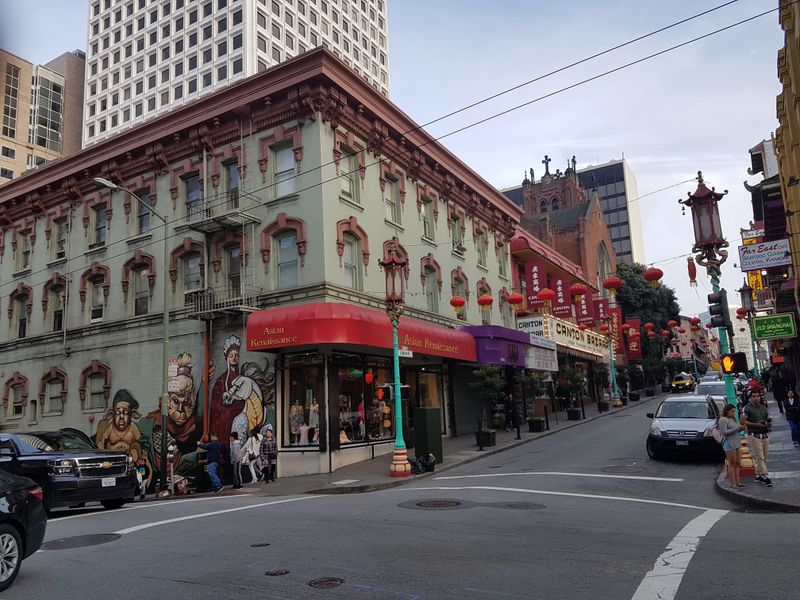
Established in the mid-1800s, this neighborhood remains one of the oldest and most vibrant Chinatowns in North America.
Ornate archways mark the entrance on Grant Avenue, where red lanterns hang overhead and shop windows display everything from jade jewelry to herbal remedies.
Walking these streets feels like stepping into a different city, with bilingual signs, bustling markets, and the aroma of dim sum drifting from restaurant kitchens.
Stockton Street offers a more local shopping experience compared to the tourist-focused Grant Avenue, with produce markets and bakeries serving neighborhood residents.
Portsmouth Square provides a gathering spot where locals play cards and practice tai chi. Visiting during late morning allows time to explore shops before lunch crowds fill the dim sum restaurants.
8. Visit The Ferry Building Marketplace
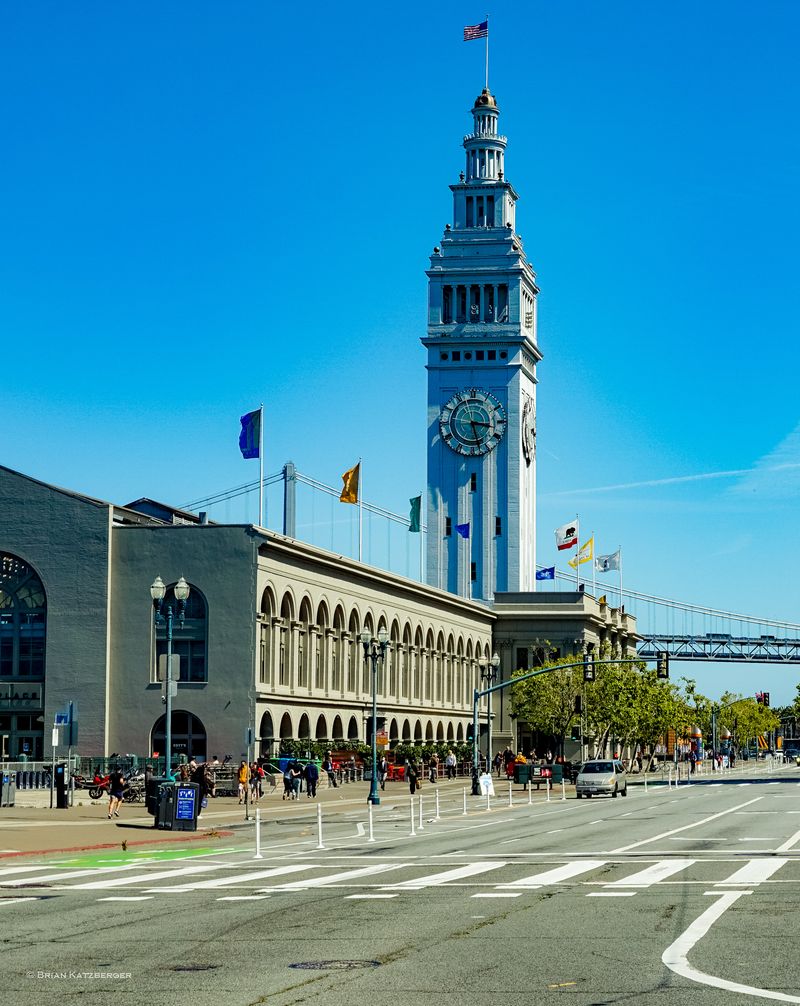
This historic terminal has transformed into a food lover’s destination, housing artisan vendors, local farmers, and specialty food purveyors under one beautifully restored roof.
The Ferry Building Marketplace is located at 1 Ferry Building, San Francisco, CA 94105, right along the Embarcadero waterfront.
High ceilings, natural light, and wide aisles create a comfortable browsing environment even when crowds gather during peak hours.
Cheese shops, bakeries, oyster bars, and produce stands offer samples and ready-to-eat options throughout the day.
The outdoor farmers market, held on Tuesdays, Thursdays, and Saturdays, expands the selection with seasonal fruits, vegetables, and flowers. Arriving before noon on market days provides the best selection before popular items sell out.
9. Stroll Through North Beach
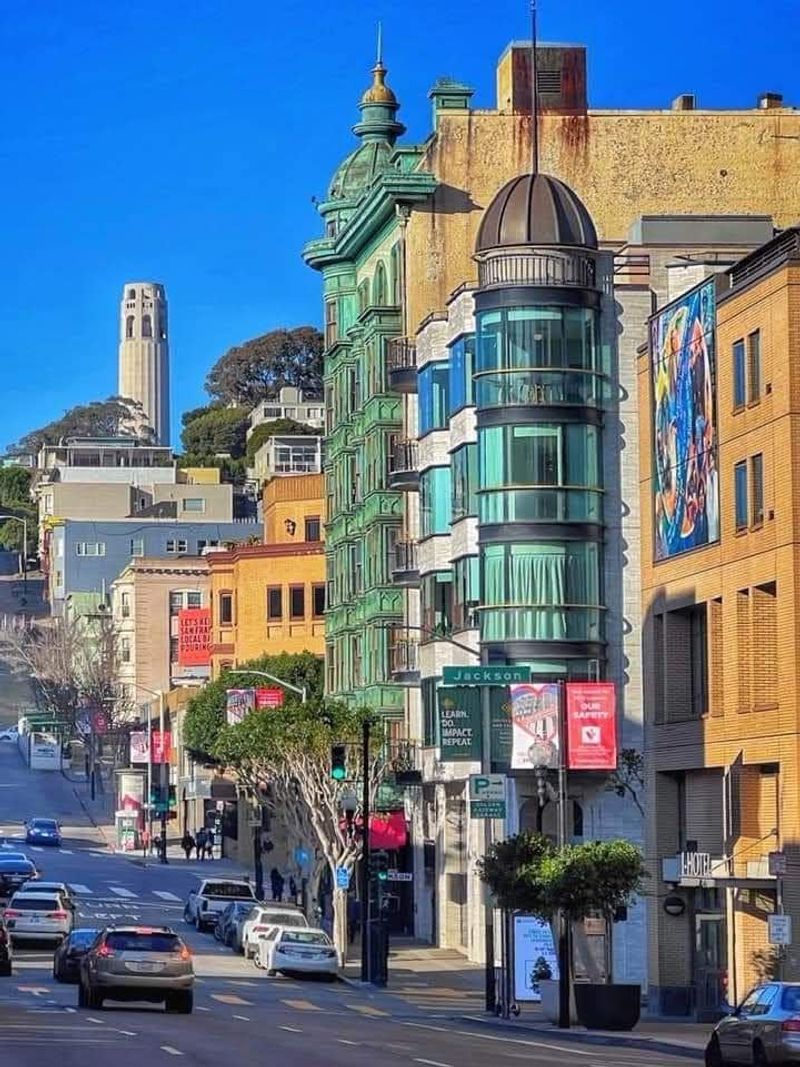
Known as San Francisco’s Little Italy, this neighborhood has long been a gathering place for artists, writers, and families drawn to its European café culture.
Narrow streets lined with trattorias, bakeries, and bookstores invite leisurely exploration, while Washington Square Park offers green space for resting between stops.
The neighborhood’s literary history runs deep, with City Lights Bookstore serving as a landmark from the Beat Generation era.
Coffee shops pour strong espresso and display fresh pastries in glass cases, creating inviting spots to pause and people-watch.
Saints Peter and Paul Church anchors the neighborhood with its distinctive twin spires visible from blocks away.
Late afternoon and early evening bring the neighborhood to life as restaurants begin preparing for dinner service and locals gather at outdoor tables.
10. Take In Views From Twin Peaks
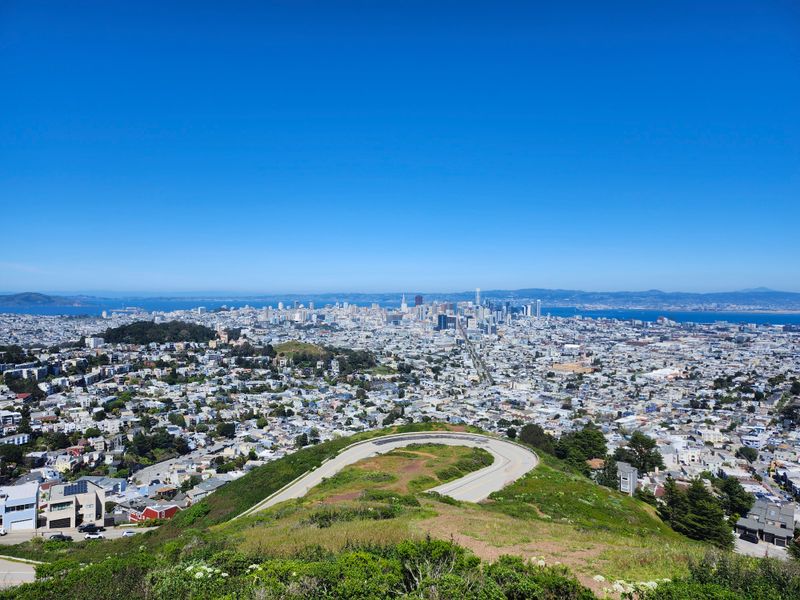
Rising nearly a thousand feet above sea level, these twin hills provide one of the most comprehensive views of San Francisco and the surrounding bay.
On clear days, the panorama stretches from the Golden Gate Bridge to downtown skyscrapers, with the bay, bridges, and distant hills creating layers of scenery.
It’s a perspective that helps visitors understand the city’s unique geography and layout. The summit is accessible by car via a winding road, though parking can fill quickly during sunset hours.
Fog often rolls in during late afternoon, which either obscures the view entirely or creates dramatic, shifting cloudscapes.
Bringing a jacket makes sense regardless of the season, as wind and cooler temperatures are common at this elevation.
11. Explore The Mission District
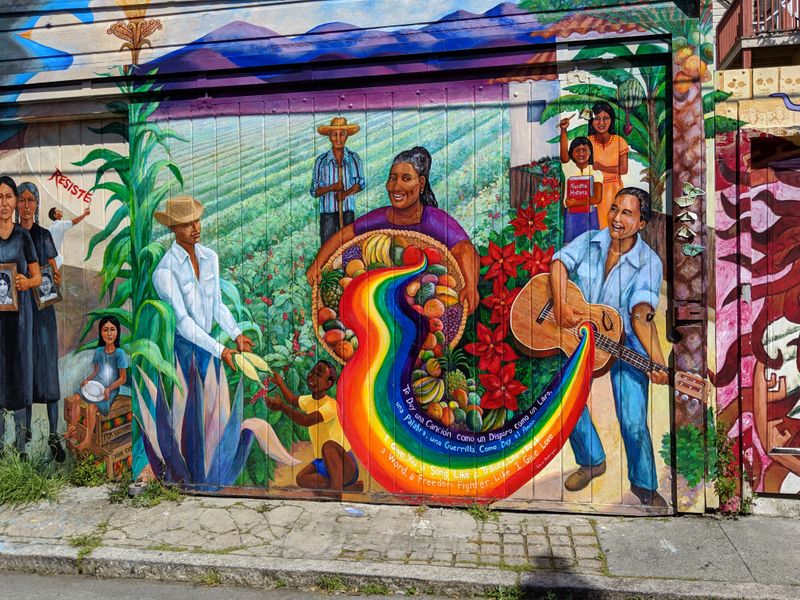
This neighborhood pulses with creative energy, expressed most visibly through the dozens of murals covering building facades and alley walls.
Balmy Alley and Clarion Alley serve as outdoor galleries where artists address social issues, celebrate cultural heritage, and experiment with bold colors and styles.
Beyond the street art, the Mission offers an eclectic mix of taquerias, vintage shops, and performance spaces that reflect its diverse community.
Dolores Park acts as the neighborhood’s gathering spot, with sloping lawns that fill with picnickers, musicians, and sunbathers on warm days.
The Mission’s microclimates often mean sunnier, warmer weather compared to other parts of the city.
Exploring on foot allows time to discover hidden courtyards, community gardens, and independent bookstores tucked between larger storefronts.
12. Visit The Painted Ladies At Alamo Square
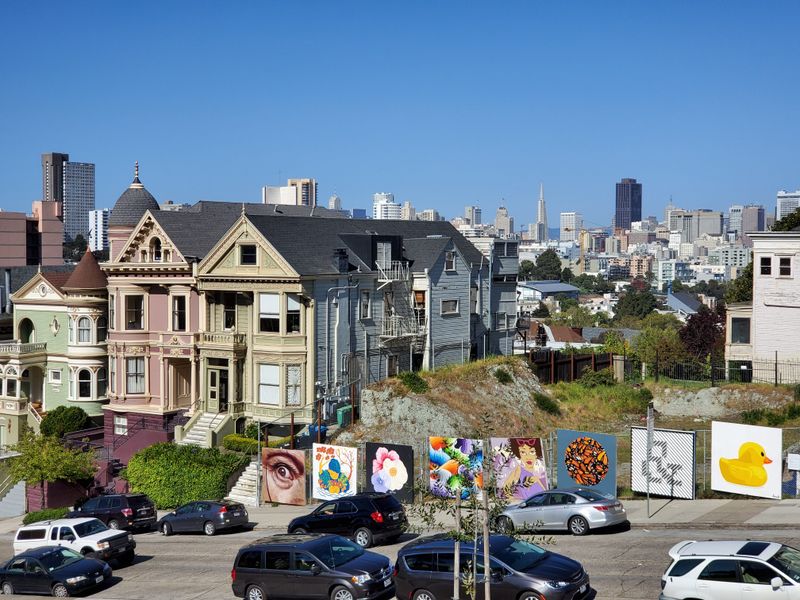
These seven Victorian houses lined up along Steiner Street have become one of the city’s most photographed scenes, their pastel colors contrasting beautifully with the downtown skyline rising behind them.
Built in the late 1800s, these Queen Anne-style homes survived the 1906 earthquake and subsequent fires, preserving a slice of San Francisco’s architectural heritage.
The view from Alamo Square Park across the street provides the classic vantage point for photos.
The park itself offers grassy slopes perfect for sitting and enjoying the scene, with dog walkers and families adding to the relaxed atmosphere.
Mornings tend to bring softer light and fewer crowds compared to midday or late afternoon. Keep in mind these are private residences, so viewing is limited to the public park and sidewalk areas.
13. Walk Lombard Street
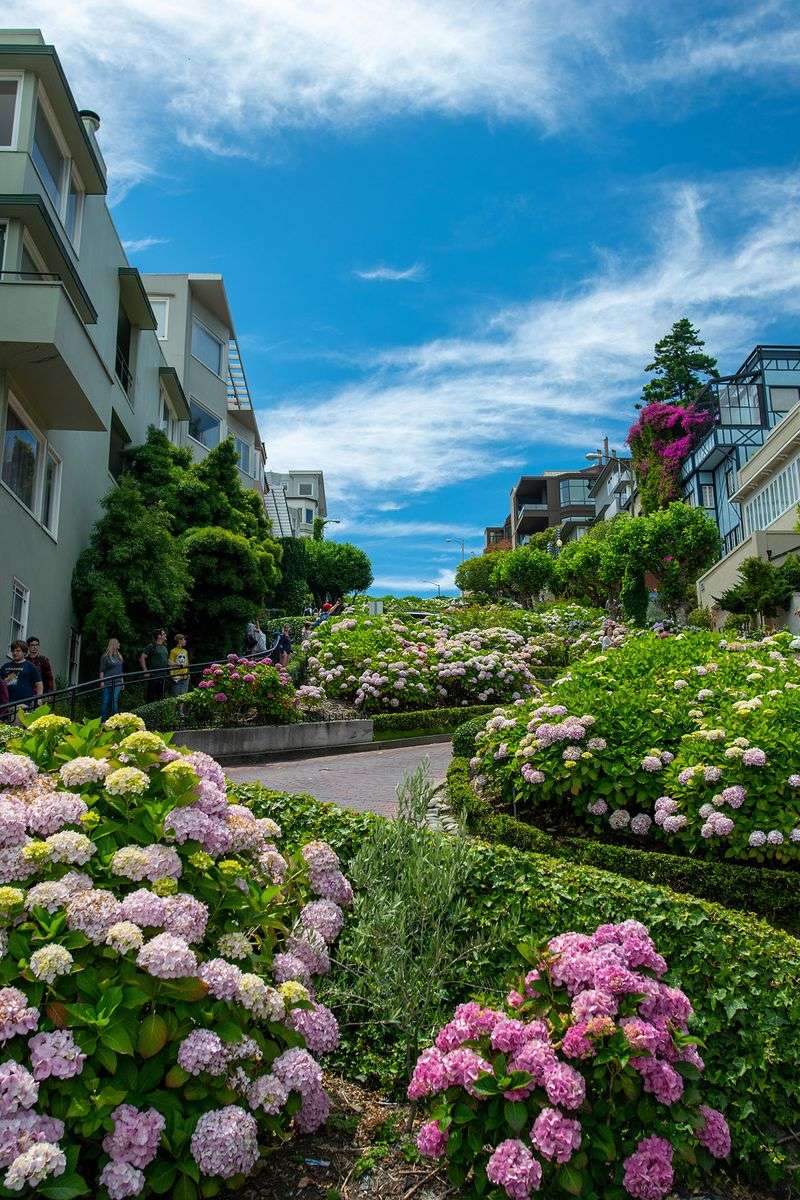
Often called the most crooked street in the world, this one-block section of Lombard Street features eight sharp hairpin turns descending a steep hill.
Meticulously maintained flower beds line the brick-paved roadway, creating a colorful frame for the zigzagging descent.
Cars navigate the curves slowly while pedestrians use staircases on either side to walk up or down at their own pace.
The view from the top looks out toward Coit Tower and the bay, adding scenic value beyond the street’s unusual design. Lines of cars waiting to drive down can stretch several blocks during busy summer afternoons.
Walking the adjacent stairs provides a closer look at the landscaping and allows time to appreciate the engineering that made this steep grade navigable.
14. Explore The Presidio
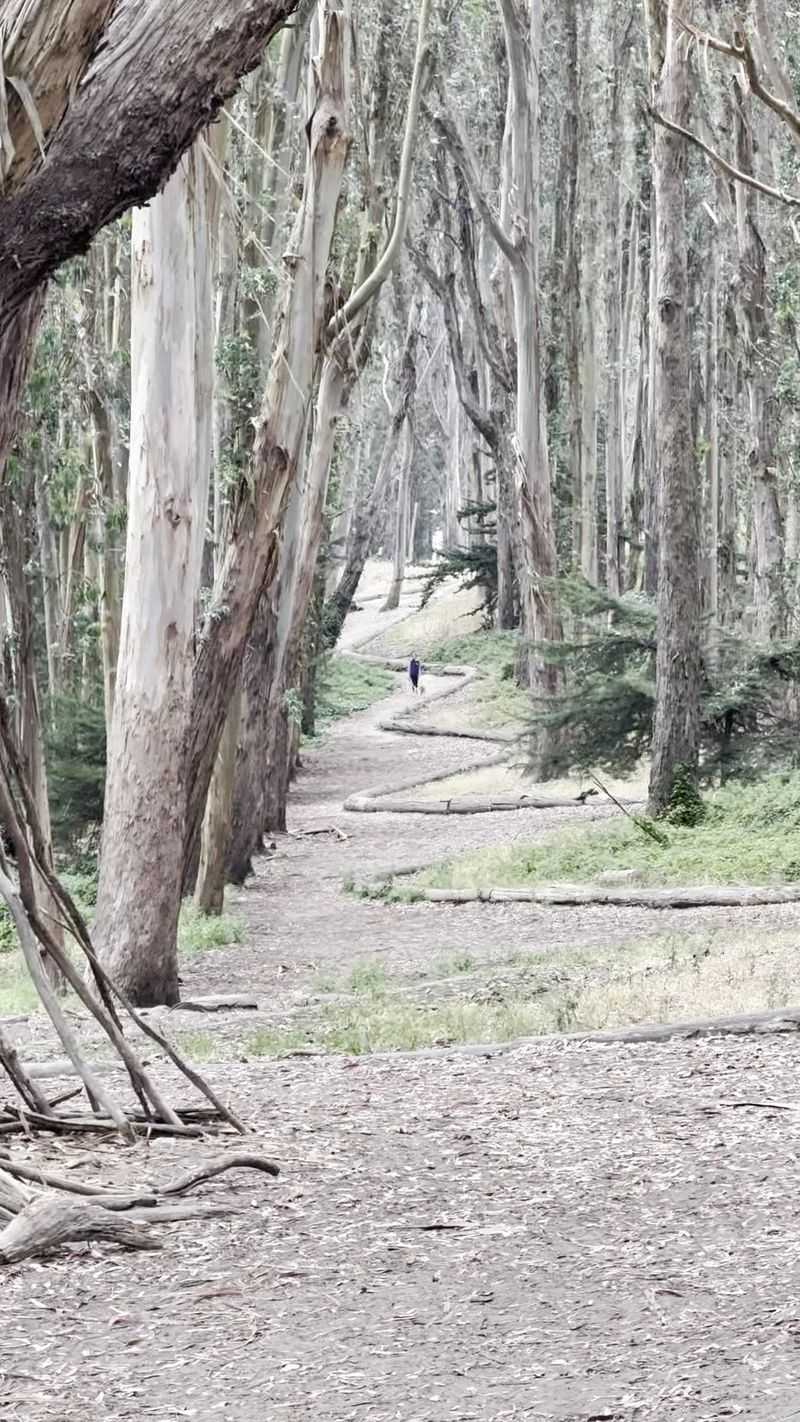
This former military post has been transformed into a national park site offering forested trails, historic buildings, and coastal overlooks within city limits.
Hiking paths wind through cypress and eucalyptus groves, leading to hidden beaches, old batteries, and viewpoints overlooking the Golden Gate Bridge.
The Presidio’s 1,500 acres provide a surprising amount of open space and natural quiet despite being surrounded by urban neighborhoods.
The Main Post area preserves officers’ quarters, a parade ground, and other structures from the base’s military era, now repurposed for park services and cultural programs.
Crissy Field, at the Presidio’s northern edge, offers flat waterfront paths popular with joggers and cyclists.
Parking is available at various trailheads and visitor areas throughout the park, making different sections accessible by car.
15. Visit The Palace Of Fine Arts
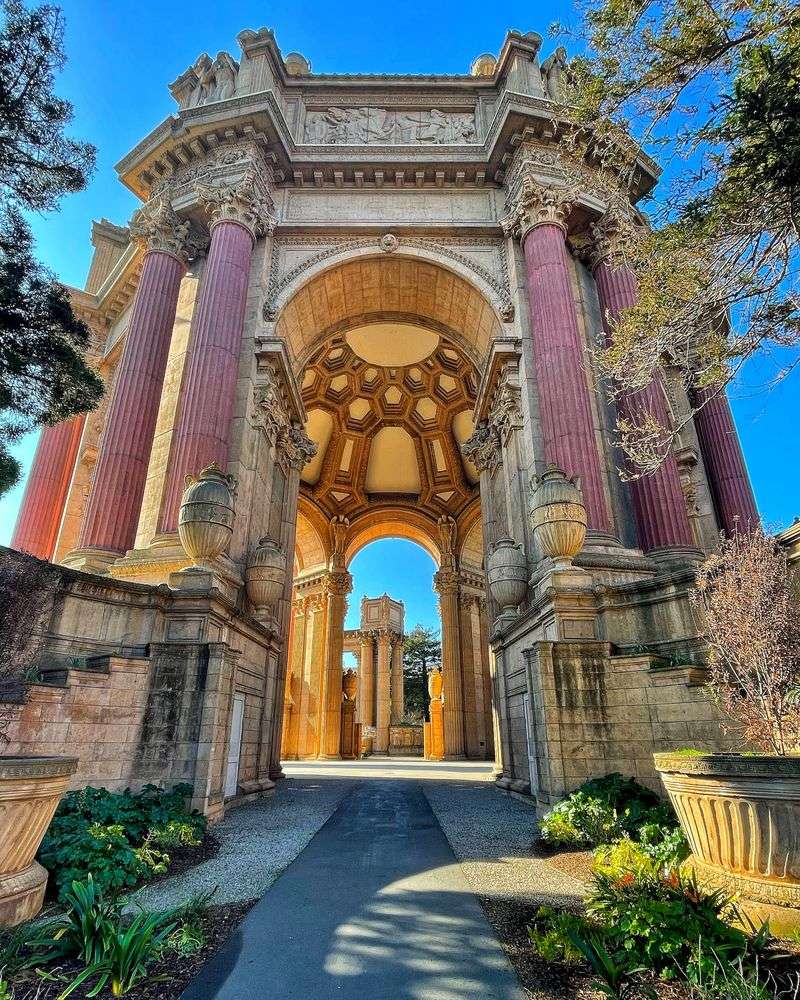
Built originally for the 1915 Panama-Pacific Exposition, this Beaux-Arts monument creates a romantic setting with its grand rotunda and classical colonnades reflected in a peaceful lagoon.
Swans and ducks glide across the water while visitors walk the surrounding paths or rest on benches beneath the columns.
The architecture feels transported from ancient Rome, though it was actually designed to celebrate San Francisco’s recovery from the 1906 earthquake.
The Palace of Fine Arts is located at 3301 Lyon Street, San Francisco, CA 94123, in the Marina District near the Presidio.
Photographers arrive early for morning light that illuminates the structure’s warm tones and creates mirror-like reflections in the lagoon.
The site hosts occasional performances and events, though it’s equally enjoyable as a quiet spot for contemplation or a leisurely stroll.
16. Tour The San Francisco Museum Of Modern Art (SFMOMA)
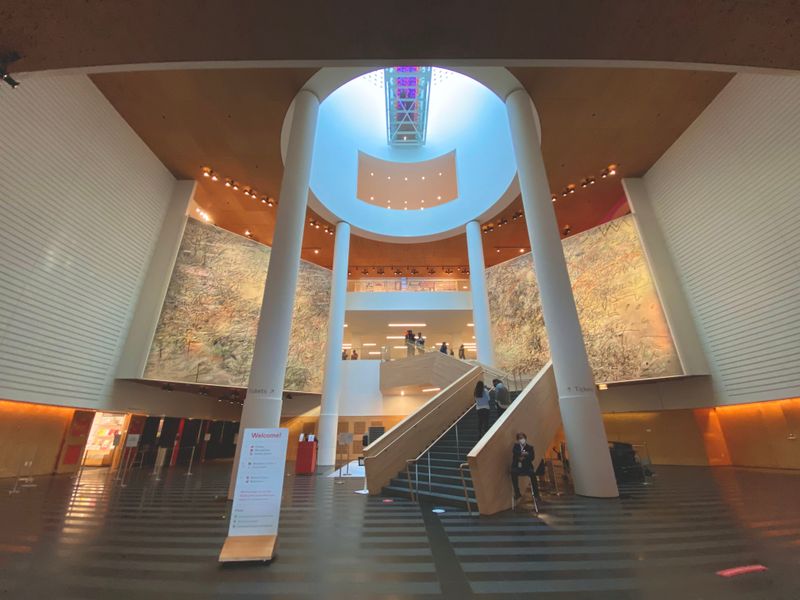
Reopened in 2016 after a major expansion, this museum houses one of the largest collections of modern and contemporary art in the country.
Seven floors of gallery space showcase works ranging from abstract expressionism to cutting-edge installations, with rotating exhibitions ensuring return visits reveal something new.
Natural light filters through skylights and windows, creating a bright atmosphere that complements the art on display.
The San Francisco Museum of Modern Art is located at 151 3rd Street, San Francisco, CA 94103, in the SoMa district near Yerba Buena Gardens.
Photography is allowed in most galleries, and free public spaces on the ground floor welcome visitors to explore without admission.
Weekday mornings tend to be quieter, allowing more contemplative viewing before afternoon crowds arrive.
17. Explore The California Academy Of Sciences
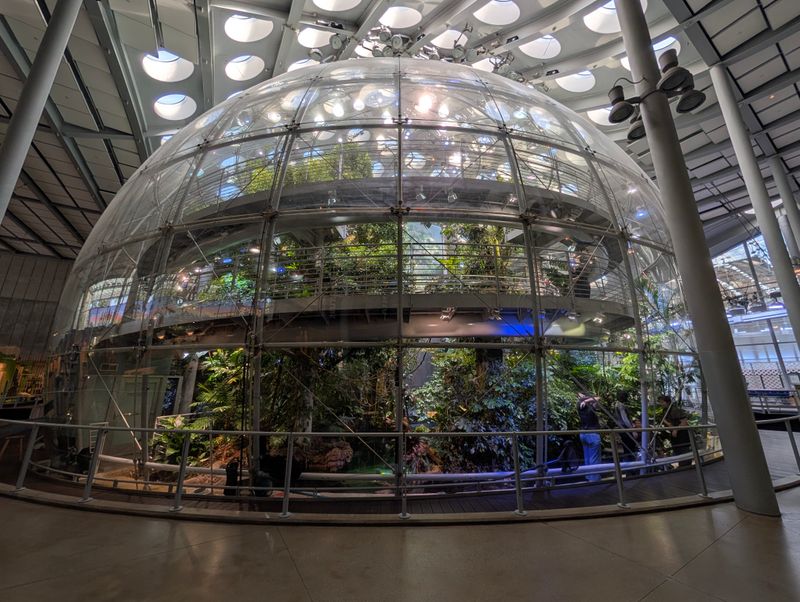
This natural history museum, aquarium, planetarium, and rainforest dome all exist under one living roof covered with native plants.
The four-story rainforest exhibit spirals upward through different climate zones, housing free-flying butterflies, tropical birds, and reptiles in carefully controlled environments.
An aquarium tunnel allows visitors to walk beneath swimming rays and reef fish, while the planetarium offers immersive shows about space and the cosmos.
The California Academy of Sciences is located at 55 Music Concourse Drive, San Francisco, CA 94118, within Golden Gate Park near the de Young Museum.
Thursday evenings feature NightLife events for adults, combining science exhibits with music and special programming.
The academy’s sustainable building design and educational mission make it equally engaging for curious kids and adults interested in natural sciences.
18. Walk Along Crissy Field
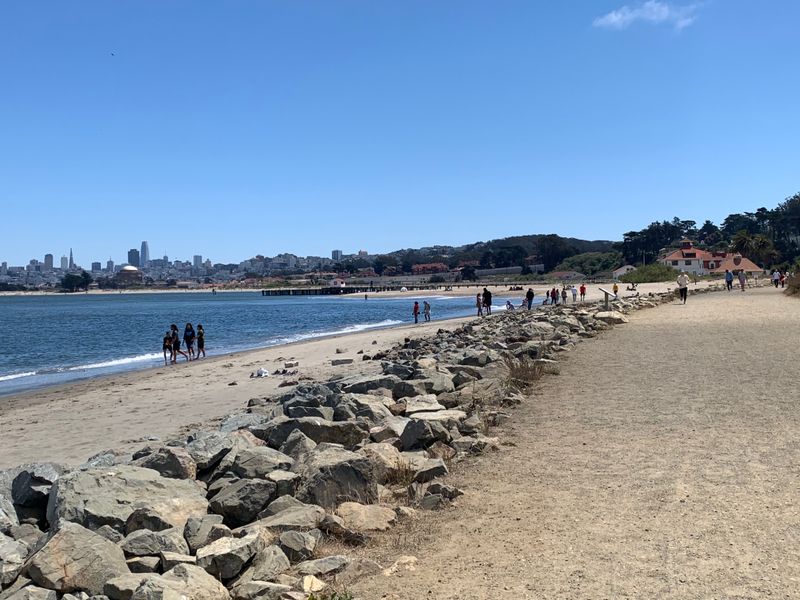
This former airfield has been restored into a waterfront park offering some of the best views of the Golden Gate Bridge from ground level.
A wide, flat path runs along the shoreline, making it accessible for strollers, wheelchairs, and cyclists while walkers and joggers share the route.
The beach area allows visitors to get close to the water, with occasional windsurfers and kiteboarders adding color and movement to the scene.
Grassy areas inland from the beach provide space for picnics, with the bridge serving as a dramatic backdrop.
The Warming Hut at the western end offers snacks and restrooms, making it a convenient stopping point.
Morning fog can obscure views temporarily, but it often lifts by midday to reveal clear skies and bright sunshine.
19. Visit Haight-Ashbury
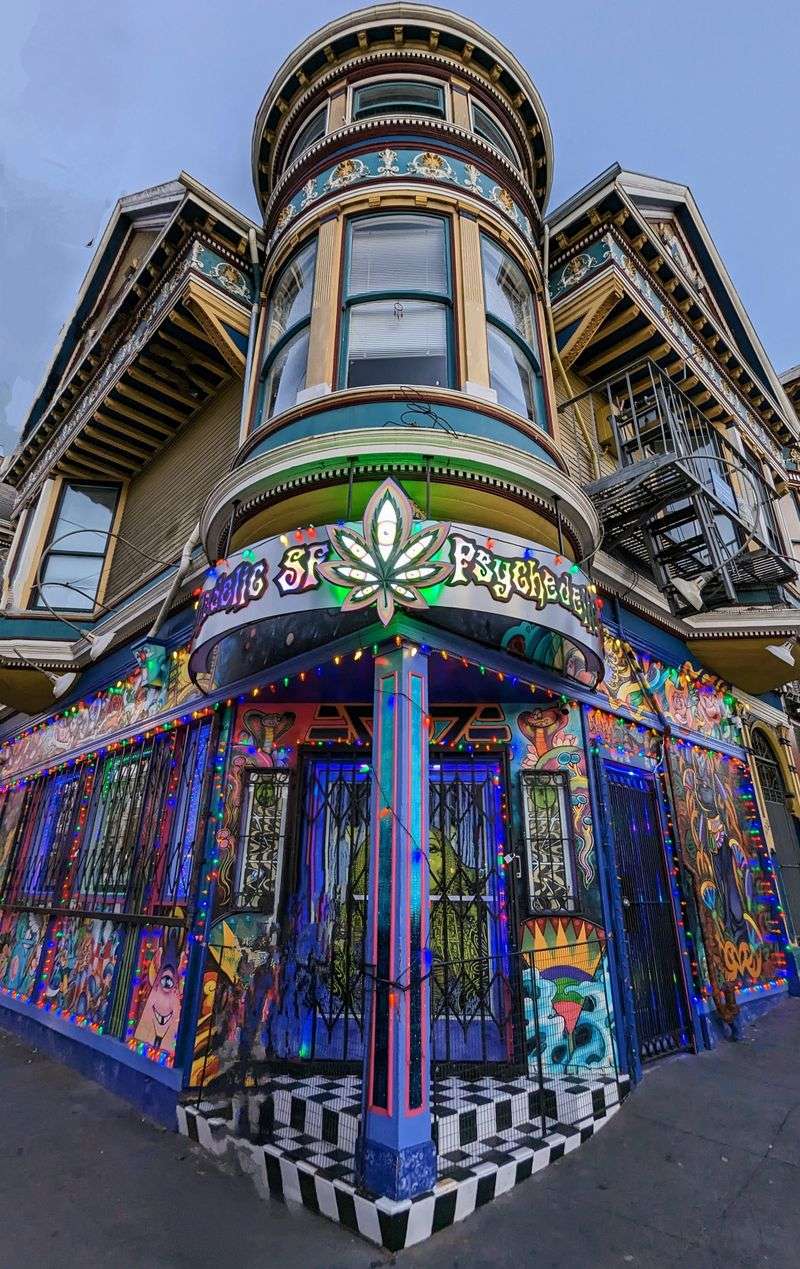
This neighborhood became synonymous with the counterculture movement of the 1960s, and echoes of that era still color its streets today.
Vintage clothing stores, record shops, and head shops share blocks with cafes and bookstores, creating an eclectic retail mix.
Victorian houses painted in bright, unconventional colors line residential streets, while murals and street art add visual interest around nearly every corner.
The intersection of Haight and Ashbury Streets serves as the symbolic heart of the neighborhood, marked by vintage street signs and often photographed by visitors.
Amoeba Music, one of the largest independent record stores in the country, draws music enthusiasts with its extensive collection of vinyl, CDs, and memorabilia.
The neighborhood’s relaxed vibe makes it a pleasant area for wandering without a strict itinerary.
20. Take A Bay Cruise
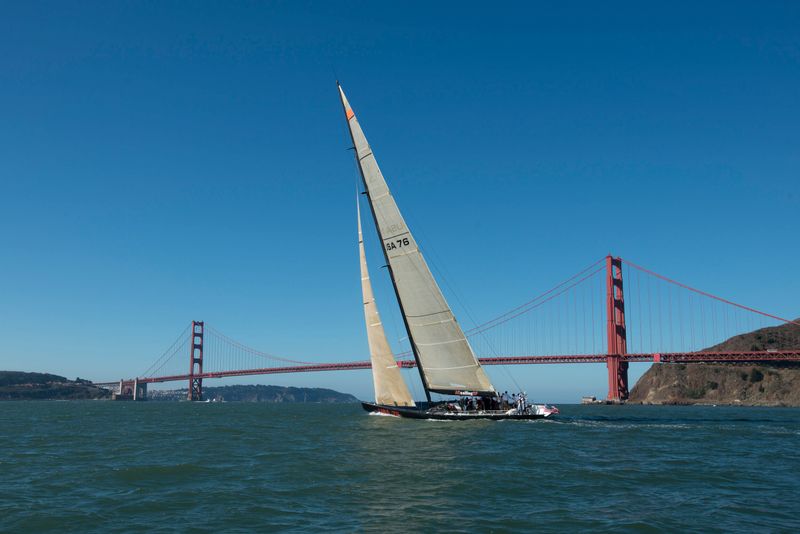
Seeing San Francisco from the water provides a completely different perspective on the city’s geography and landmarks.
Bay cruises typically circle past Alcatraz, pass under the Golden Gate Bridge, and offer views of the waterfront skyline, all while narration explains historical and architectural details.
The experience helps visitors appreciate how the bay shapes the city’s character and development.
Different cruise options range from basic sightseeing tours to sunset cruises and specialty trips focused on topics like bridge engineering or marine life.
Boats depart from several locations including Fisherman’s Wharf and Pier 39, with trip lengths varying from one to three hours. Bringing layers helps, since temperatures on the water tend to be cooler and windier than on land.
21. Explore Japantown
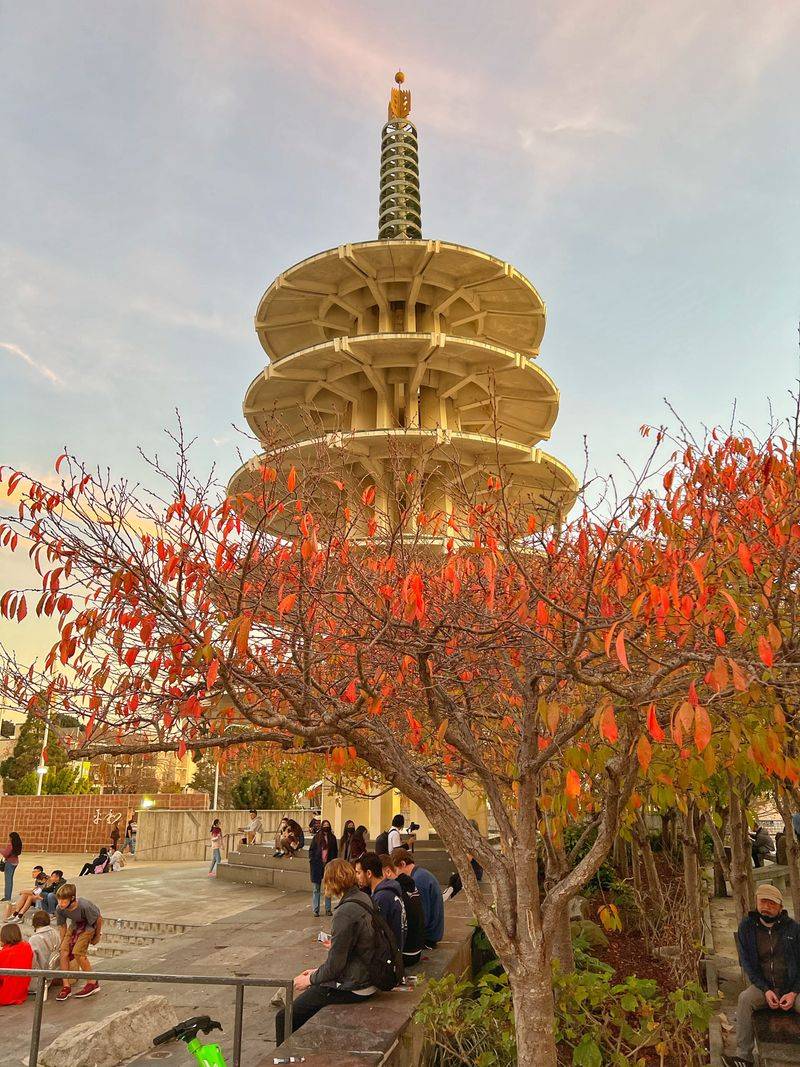
One of only three remaining Japantowns in the United States, this neighborhood centers around the Japan Center, a complex of shops, restaurants, and cultural spaces.
The Peace Pagoda rises five tiers in the central plaza, serving as a landmark and gathering point.
Inside, visitors find everything from traditional tea ceremony supplies to contemporary manga, along with authentic ramen shops, sushi restaurants, and Japanese bakeries.
Kabuki Springs and Spa at 1750 Geary Blvd, San Francisco, CA 94115 offers traditional Japanese-style bathing experiences for those seeking relaxation.
The neighborhood hosts cultural festivals throughout the year, including the Northern California Cherry Blossom Festival each spring.
Weekday afternoons tend to be quieter times to explore shops and enjoy a leisurely meal without weekend crowds.
22. Visit The Exploratorium
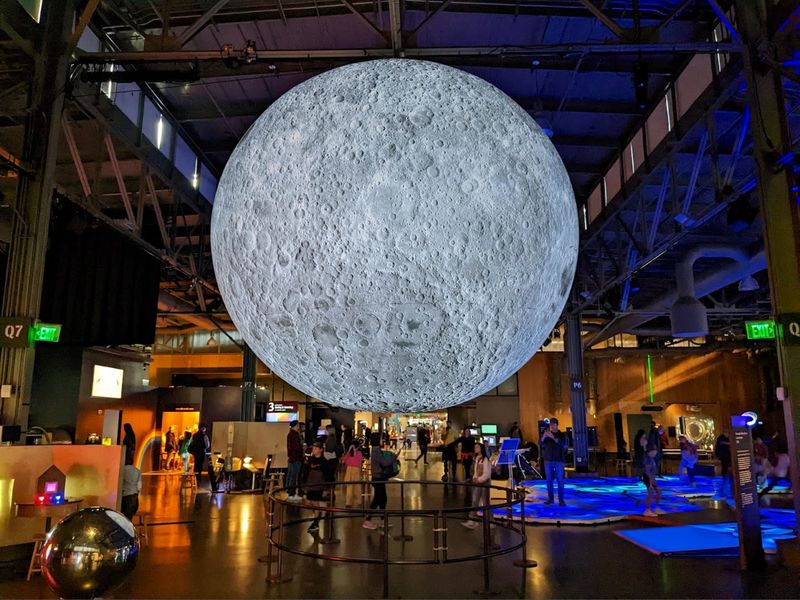
This hands-on museum makes science, art, and human perception tangible through hundreds of interactive exhibits that invite touching, experimenting, and playing.
Installations explore everything from optical illusions to sound waves, with clear explanations that make complex concepts accessible to visitors of all ages.
The waterfront location at Pier 15 adds outdoor exhibits and bay views to the experience. The Exploratorium is located at Pier 15, San Francisco, CA 94111, along the Embarcadero between the Ferry Building and Fisherman’s Wharf.
Thursday evenings are adults-only, offering a different atmosphere without school groups.
The Tactile Dome, a pitch-black crawl-through experience, requires separate reservations and adds an unusual sensory challenge to the visit.
23. Walk The Embarcadero
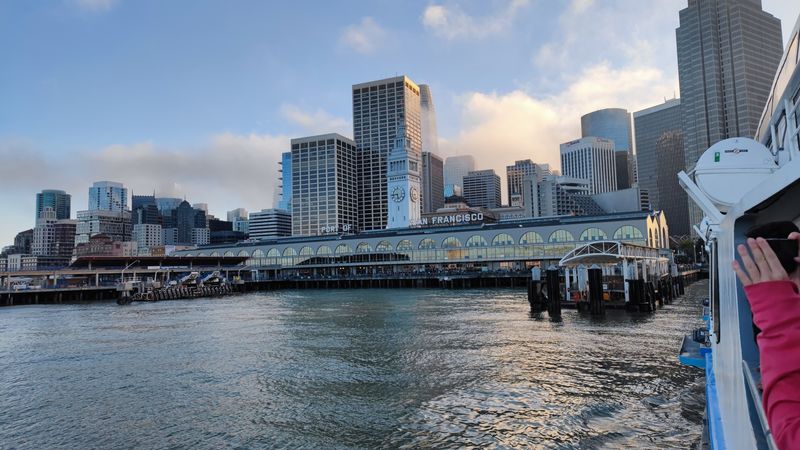
This waterfront boulevard stretches for miles along the eastern edge of the city, connecting neighborhoods and attractions with a wide pedestrian promenade.
The path passes piers in various states of use, from active ferry terminals to repurposed spaces housing restaurants and offices.
Public art installations, historic streetcar lines, and bay views make the walk interesting even without specific destinations in mind.
The Ferry Building serves as a natural midpoint, with the promenade continuing north toward Fisherman’s Wharf and south toward AT&T Park and beyond.
Benches and viewing areas appear regularly, providing spots to rest and watch boats, birds, and city activity.
The relatively flat terrain makes this walk accessible for most fitness levels, with the option to cover shorter sections rather than the entire length.
24. Explore Lands End
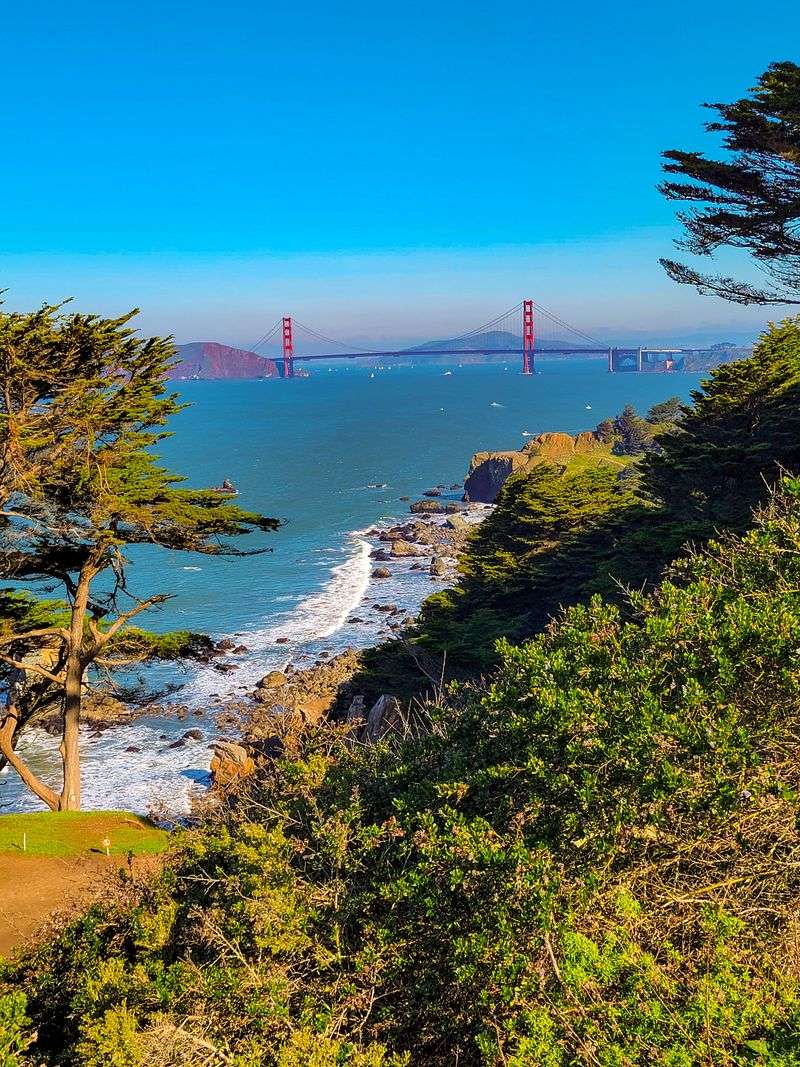
Rugged coastal trails at this northwestern corner of the city wind through cypress trees and along clifftops overlooking the Pacific Ocean.
The Lands End Trail offers spectacular views of the Golden Gate Bridge from a different angle than most visitors see, with crashing waves below and seabirds wheeling overhead.
The landscape feels wild and remote despite being well within city limits. The ruins of the Sutro Baths, once an elaborate public bathhouse, create an intriguing historical element near the trailhead.
The Coastal Trail connects to other paths throughout the Presidio, allowing longer hikes for those with time and energy.
The terrain includes some uneven surfaces and elevation changes, so sturdy shoes help with footing on rocky or rooted sections.
25. Visit Coit Tower
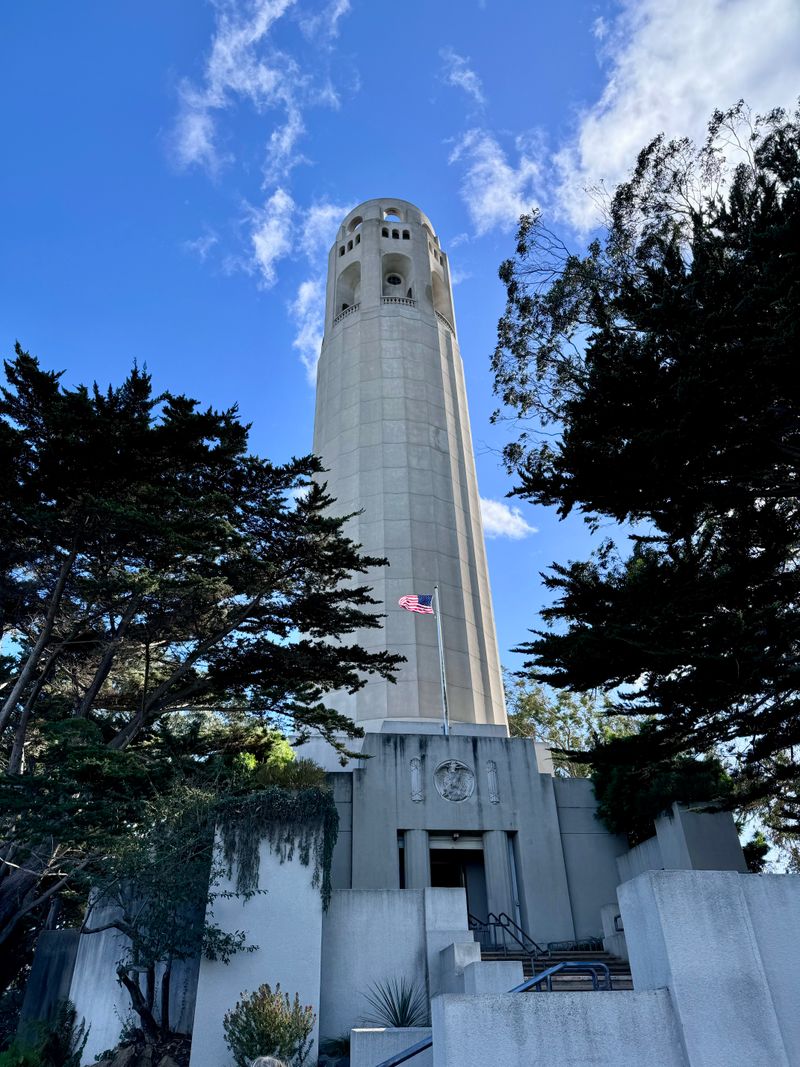
Standing atop Telegraph Hill, this Art Deco tower offers panoramic views of the city, bay, and surrounding hills from its observation deck.
The tower itself was built in 1933 with funds from a bequest honoring San Francisco firefighters.
Inside, Depression-era murals cover the walls with scenes of California life, labor, and industry, creating an unexpected art gallery within the monument.
Coit Tower is located at 1 Telegraph Hill Boulevard, San Francisco, CA 94133, accessible by car, bus, or a steep walk up the Filbert Steps from the waterfront.
Wild parrots often gather in the trees surrounding the tower, their bright green feathers and loud calls adding a tropical element to the hilltop setting.
Visiting during weekday mornings typically means shorter waits for the elevator to the observation deck.
26. Enjoy Ocean Beach
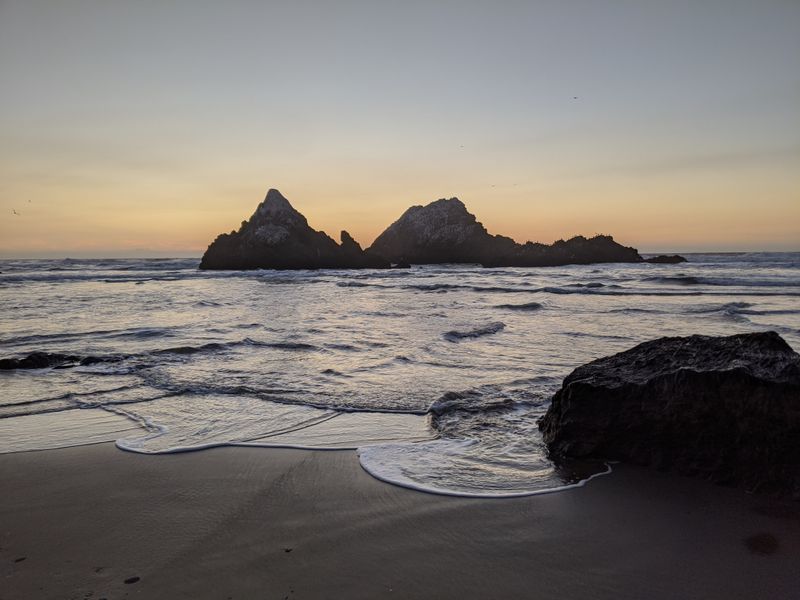
Stretching for miles along the city’s western edge, this wide sandy beach faces the open Pacific with powerful waves and strong currents.
It’s a place for long walks, watching surfers brave the cold water, or simply sitting and listening to the rhythm of the ocean.
Bonfires are permitted in designated fire rings during certain times of year, creating cozy gathering spots as the sun sets.
The water remains quite cold year-round, and swimming is generally discouraged due to dangerous rip currents and frigid temperatures.
Fog often blankets the area during summer afternoons, creating a moody atmosphere quite different from typical beach weather.
The adjacent Great Highway provides parking access along the beach’s length, with several entry points to the sand.
27. Take A Day Trip To Sausalito
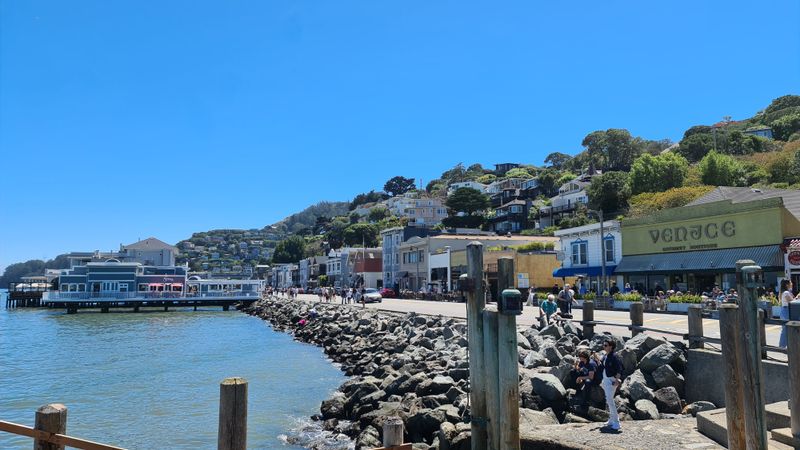
Just across the Golden Gate Bridge, this waterfront town offers a quieter, more relaxed atmosphere compared to San Francisco’s urban energy.
Art galleries, boutiques, and restaurants line the main street, while houseboats bob in the harbor creating a distinctive floating neighborhood.
The ferry ride from San Francisco provides scenic transportation, arriving at a dock right in the center of town.
Bridgeway, the main waterfront street, invites leisurely strolling with bay views and frequent benches for resting.
Several parks and viewpoints around town offer different perspectives on San Francisco’s skyline across the water.
Driving allows more flexibility to explore nearby areas like Muir Woods, though parking in downtown Sausalito can be limited during busy weekends.
28. Experience A Food Tour Or Farmers Market
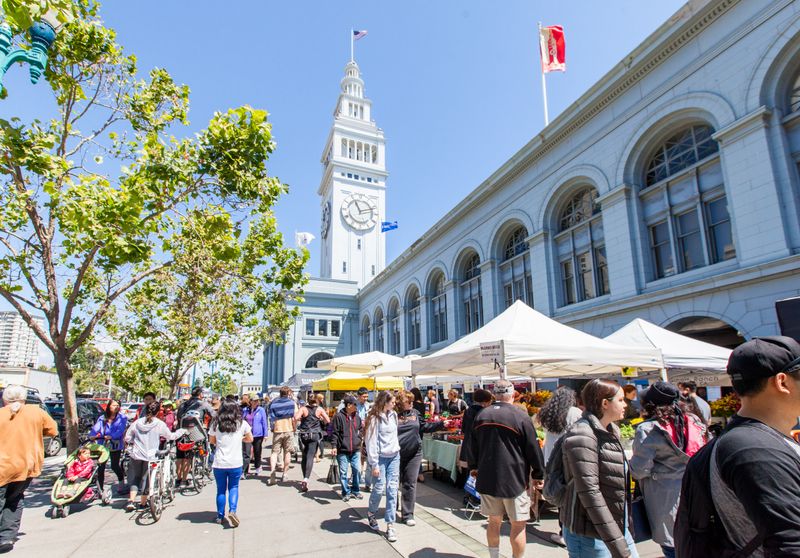
San Francisco’s culinary diversity shines at neighborhood farmers markets and through guided food tours that sample the city’s various food cultures.
Markets throughout the city offer seasonal produce, artisan breads, local honey, and prepared foods from different cultural traditions.
The Ferry Plaza Farmers Market AT One Ferry Building #50, 1 Ferry Plz, San Francisco, CA 94111 remains one of the most popular, though neighborhood markets in the Mission, Alemany, and other areas provide equally authentic experiences with fewer crowds.
Guided food tours typically focus on specific neighborhoods like North Beach, Chinatown, or the Mission, combining tastings with historical context and cultural stories.
These tours introduce visitors to family-run businesses, hidden bakeries, and specialty food shops they might otherwise walk past.
Weekend markets tend to be larger and more festive, while midweek markets serve more local shoppers and may offer better opportunities for conversation with vendors.