These Are The Most Underrated Places In California That Deserve Way More Attention
The best trips rarely follow the loudest signs. They begin with a turn off the main road and a sense that something special might be waiting just ahead.
Quiet landscapes have a way of slowing time and sharpening attention. You notice the light more. You hear the wind instead of traffic. The experience feels personal rather than packaged.
Across California, there are places that never chase attention yet leave a deeper impression. Small towns move at an unhurried rhythm. Valleys open wide without crowds or noise. Desert stretches glow with color and stillness that feels almost unreal.
These destinations reward curiosity and patience rather than checklists. They invite exploration without pressure and discovery without distraction.
Why do these places matter more than famous landmarks? Because they allow space to feel present.
Underrated corners of California offer moments that feel earned instead of shared with thousands of others.
They remind travelers that beauty does not need hype to be powerful. Hidden gems like these show a quieter side of the state. One built on atmosphere and authenticity.
For anyone willing to look beyond familiar names, California still holds places that feel untouched and unforgettable.
1. San Luis Obispo
Tucked between Los Angeles and San Francisco, San Luis Obispo offers a slower pace that feels refreshing after hours on the highway.
College students and families share the downtown sidewalks, which are lined with local shops, cafes, and a weekly farmers market that draws people from neighboring towns.
The Thursday night market stretches several blocks and fills the air with the scent of grilled corn and fresh strawberries.
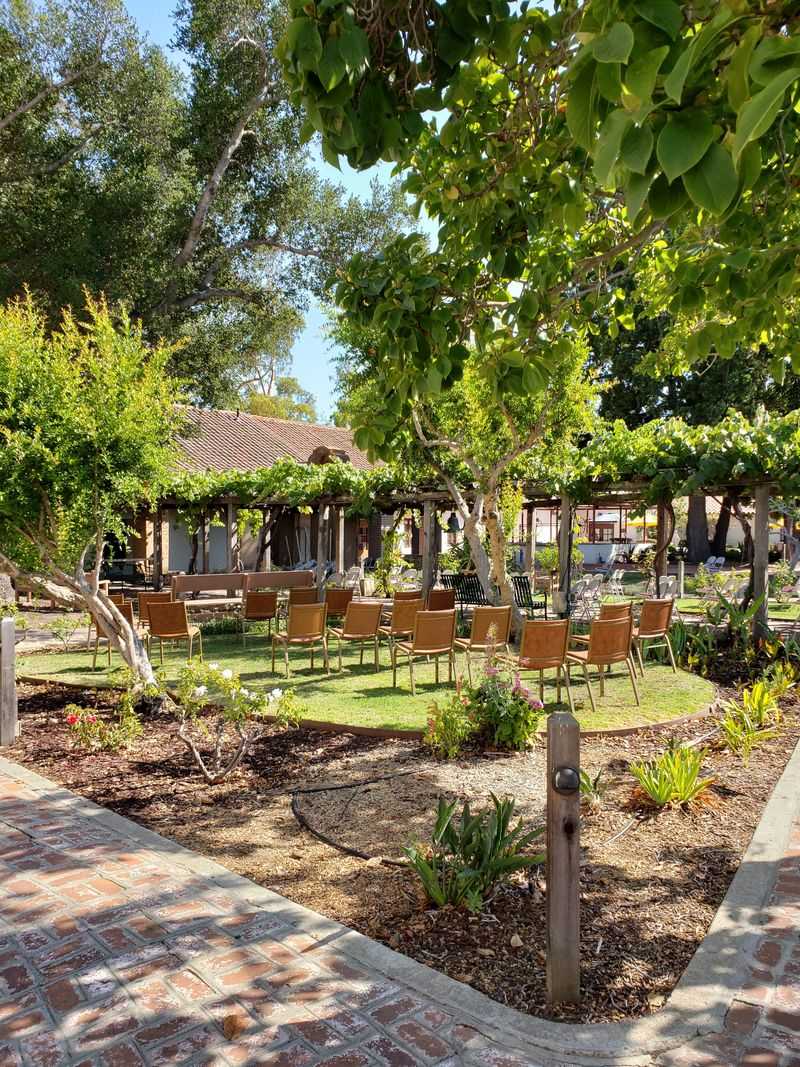
Mission San Luis Obispo de Tolosa sits near the center of town, its white adobe walls and red tile roof standing as a quiet reminder of California’s Spanish colonial history.
The mission grounds are open to visitors and provide a peaceful spot to sit and watch the afternoon light shift across the courtyard.
Nearby, Bubblegum Alley is a quirky tourist stop where thousands of pieces of chewed gum cover the walls in a colorful, sticky mosaic.
Hiking trails wind through the surrounding hills, offering views of oak-covered slopes and distant peaks.
The town feels walkable and unhurried, with a mix of outdoor activity and small-town charm that makes it easy to spend a few days exploring without feeling rushed.
2. Pinnacles National Park
Pinnacles National Park became the newest addition to the national park system in 2013, yet it remains one of the least visited parks in California.
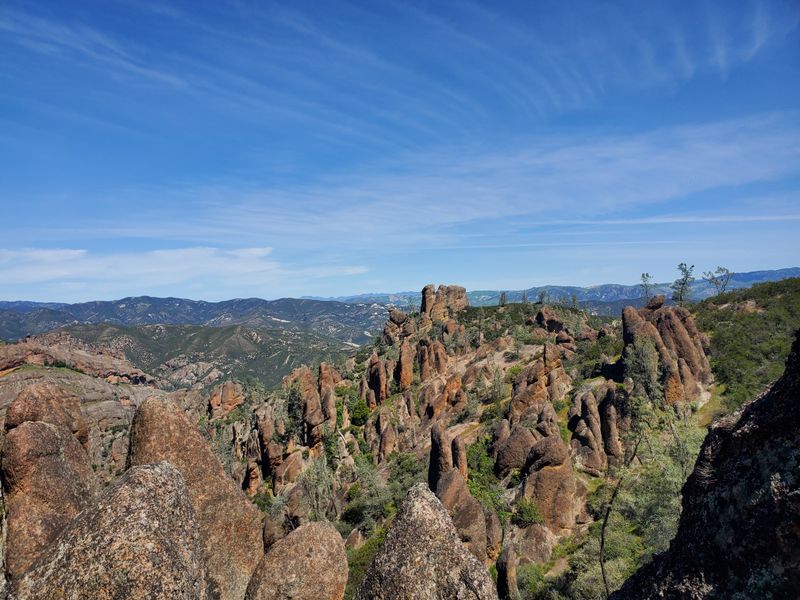
Towering rock spires rise from the chaparral-covered hills, formed millions of years ago by volcanic activity and shaped over time by erosion and tectonic shifts.
The landscape feels dramatic and otherworldly, especially in the early morning when shadows stretch long across the rocks.
Talus caves wind through the park, created by massive boulders that tumbled into narrow canyons and stacked against each other.
Visitors can walk through these cool, dark passages, sometimes needing to duck or climb over rocks to continue. The caves are seasonal, often closed in summer when bats use them for roosting.
California condors, once nearly extinct, now soar above the park’s ridges, their massive wingspans unmistakable against the sky.
Spring brings wildflowers to the trails, and the park’s relative isolation means that even on weekends, hikers can find stretches of trail without crowds.
The east and west entrances are not connected by road, so planning ahead is important.
3. Mammoth Lakes
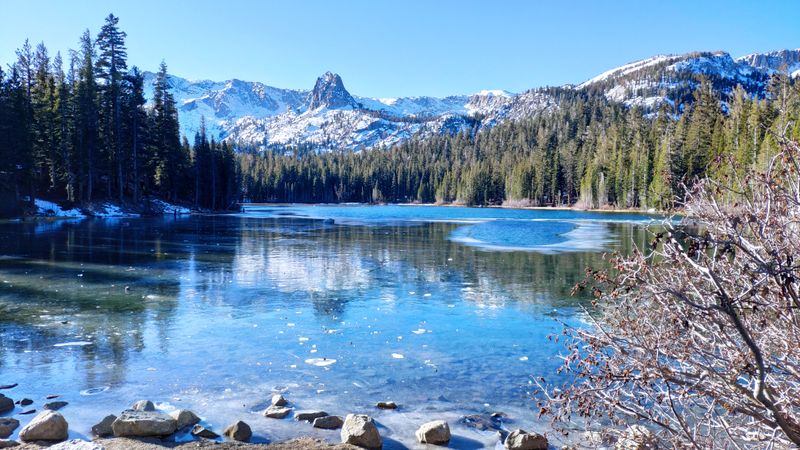
Mammoth Lakes sits high in the Sierra Nevada, surrounded by jagged peaks and alpine forests that change dramatically with the seasons.
Winter transforms the area into a snow-covered playground, with skiing and snowboarding drawing visitors from across the state.
Summer reveals a different landscape, one filled with wildflower meadows, clear mountain lakes, and trails that wind through granite basins.
The town itself feels functional rather than fancy, with a mix of lodges, restaurants, and gear shops that cater to outdoor enthusiasts.
Devils Postpile National Monument lies just outside town, featuring tall columns of basalt that formed from ancient lava flows.
The short hike to Rainbow Falls is popular, especially in late spring when snowmelt swells the waterfall into a thundering cascade.
Hot Creek Geological Site offers a unique experience, where geothermal activity heats the water and creates steam rising from the creek.
Swimming is no longer allowed due to safety concerns, but the boardwalk provides a close view of the bubbling, turquoise water.
The area feels remote despite its amenities, and the elevation means cooler temperatures even in summer.
4. Ojai
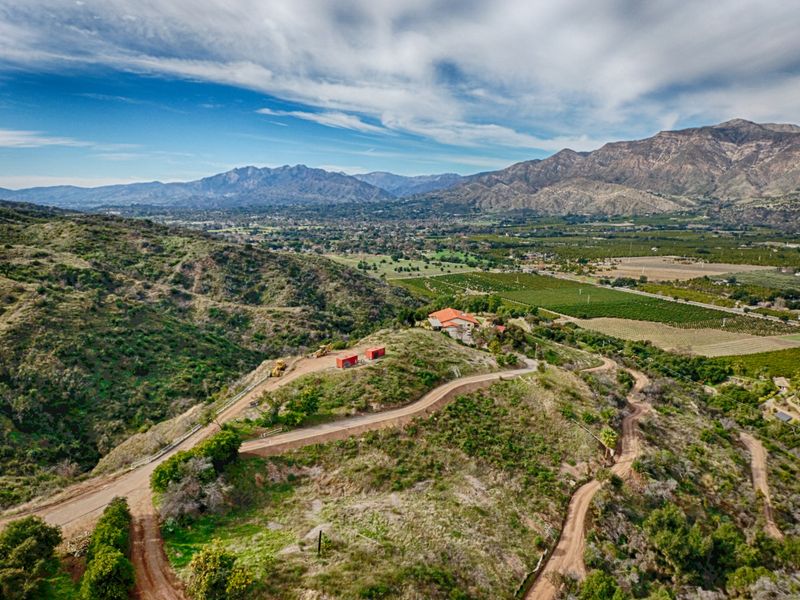
Ojai rests in a valley surrounded by mountains, where the light takes on a pinkish glow at sunset, a phenomenon locals call the “pink moment.”
The town has long attracted artists, writers, and people seeking a quieter lifestyle away from the bustle of Los Angeles, which is about an hour and a half to the south.
Arcades line the main street, offering shaded walkways and a Spanish-inspired architectural style that gives the town a cohesive, timeless feel.
The Ojai Valley Trail runs for miles, connecting the town to nearby communities and passing through citrus groves and open fields.
Biking or walking the trail provides a gentle way to experience the landscape, with views of the Topatopa Mountains rising to the north.
The town’s Sunday farmers market is a gathering spot, where vendors sell organic produce, handmade goods, and fresh-baked bread.
Meditation centers and wellness retreats dot the area, reflecting Ojai’s reputation as a place for reflection and relaxation.
The pace here feels intentionally slow, and the focus tends toward outdoor activities, local food, and community events rather than nightlife or shopping.
5. Cuyama Valley
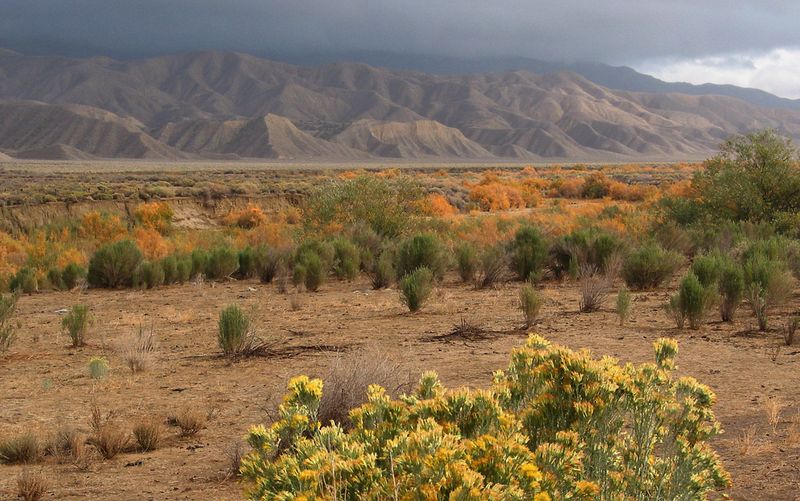
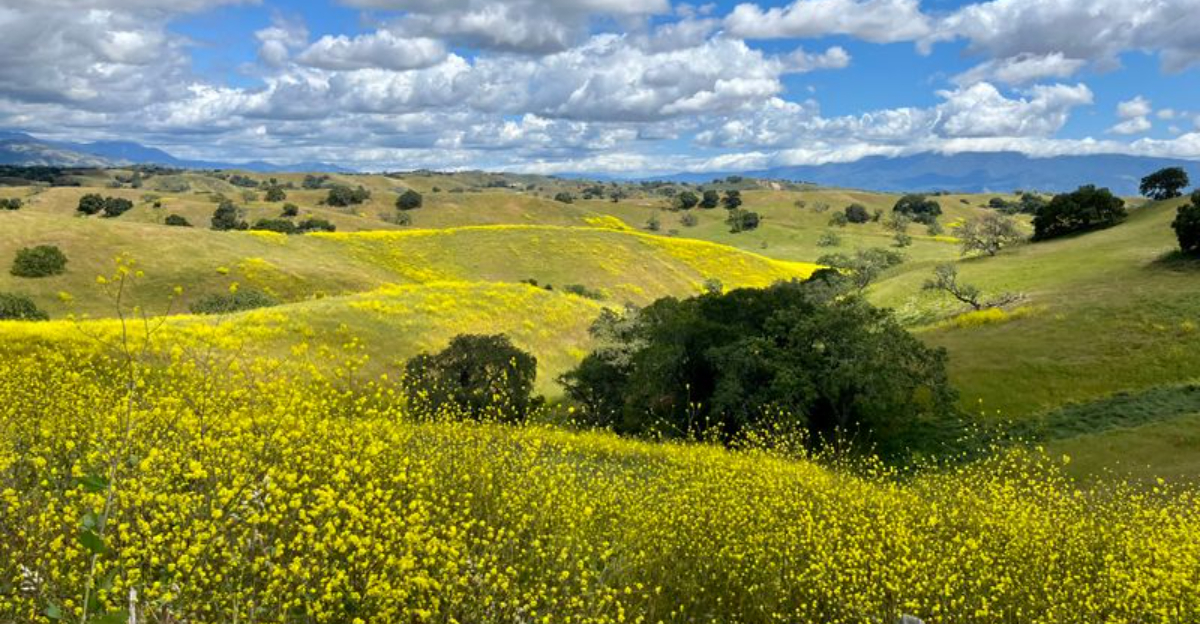
Cuyama Valley stretches across the border of Santa Barbara, Ventura, and San Luis Obispo counties, a high desert basin that feels worlds away from California’s coastal cities.
Rolling hills covered in golden grass give way to distant mountain ranges, and the sky seems to stretch endlessly overhead.
The valley’s remoteness means that services are limited, and cell phone coverage can be spotty, adding to the sense of isolation.
Small ranches and farms dot the landscape, and the community is tight-knit, with a handful of businesses serving residents and the occasional traveler.
The Cuyama Buckhorn, a historic roadside stop, offers food, lodging, and a glimpse into the valley’s past as a stagecoach route and oil boom town. The building’s rustic charm and the surrounding quiet make it a memorable place to pause.
Stargazing here is exceptional, with minimal light pollution and clear, dry air that reveals the Milky Way in stunning detail.
Wildflower season, typically in spring, transforms the hillsides into waves of color, though timing depends on winter rainfall. The valley’s beauty is subtle and requires patience to appreciate fully.
6. Anza-Borrego Desert State Park
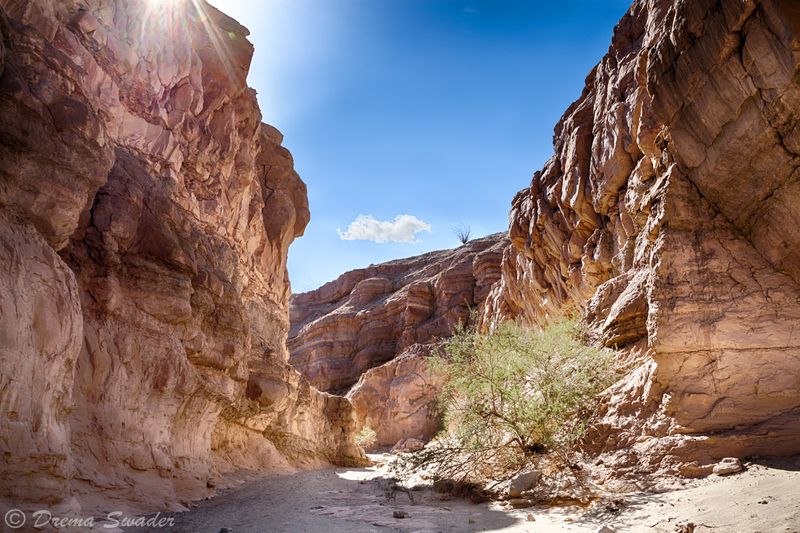
Anza-Borrego Desert State Park covers more than 600,000 acres, making it the largest state park in California. Badlands, palm oases, and slot canyons create a landscape that shifts from barren to lush within a few miles.
The park’s name comes from the Spanish explorer Juan Bautista de Anza and the Spanish word for bighorn sheep, which still roam the rocky slopes.
Spring wildflower blooms can be spectacular, especially after wet winters, when the desert floor erupts in purple, yellow, and orange.
The timing is unpredictable, and the display can vary greatly from year to year, but when conditions align, the sight draws photographers and nature lovers from across the state.
The Borrego Springs area, located within the park, offers lodging and basic services. Hiking options range from easy walks to challenging backcountry routes, and the park’s size means that solitude is easy to find.
Summer temperatures can be extreme, often exceeding 100 degrees, so fall through spring is the most comfortable time to visit.
The night sky here rivals any in California, with the town of Borrego Springs designated as an International Dark Sky Community.
7. Russian River Valley
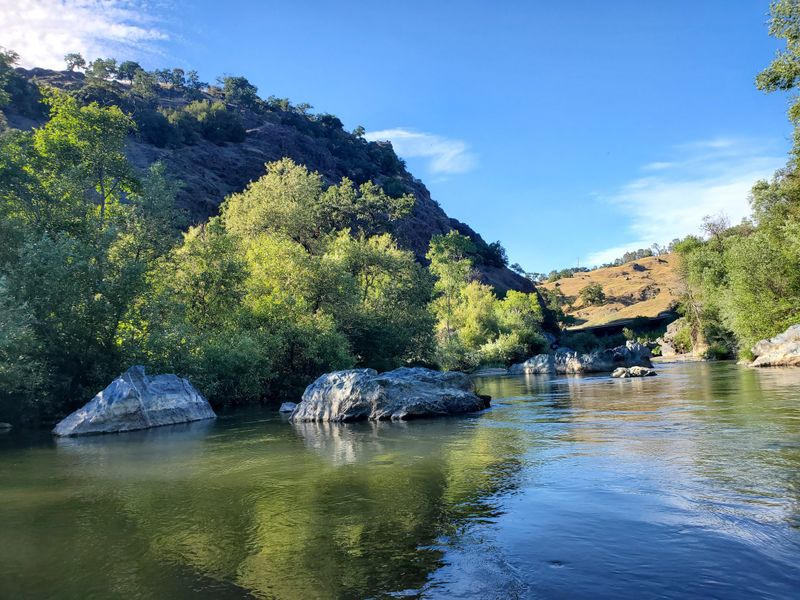
Russian River Valley winds through Sonoma County, where vineyards cover hillsides and redwood forests line the riverbanks.
The area is known for its Pinot Noir and Chardonnay, with tasting rooms offering a more relaxed atmosphere than some of the busier wine regions.
Small towns like Guerneville and Forestville serve as gateways to both wine country and outdoor recreation.
The Russian River itself draws kayakers, canoeists, and swimmers during the warmer months, with beaches and access points scattered along its length.
Armstrong Redwoods State Natural Reserve protects a grove of ancient coast redwoods, some more than 1,000 years old, and the trails here are quiet and shaded, a contrast to the sunlit vineyards just a few miles away.
The valley’s climate is influenced by fog that rolls in from the Pacific, creating cool mornings and warm afternoons that are ideal for growing grapes. Many wineries are family-owned and focus on sustainable farming practices.
The area feels less polished than Napa Valley, with a focus on community and a slower pace that appeals to visitors looking for a more low-key experience.
8. Laguna Beach
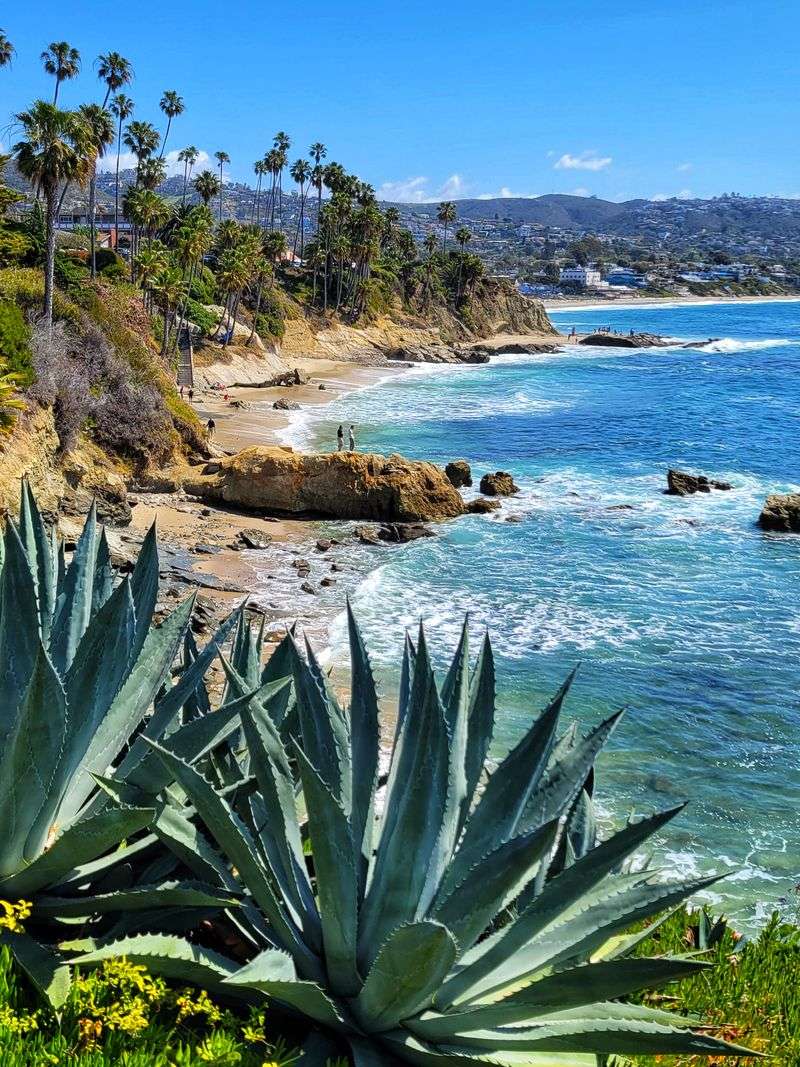
Laguna Beach has a reputation as an artist colony, with galleries and studios scattered throughout the hillside neighborhoods and downtown streets.
The town’s coastline is rugged, with coves, tide pools, and beaches that feel more intimate than the wide, flat stretches found in other Southern California beach towns.
Crystal Cove State Park lies just to the north, offering miles of undeveloped coastline and historic beach cottages that can be rented.
Art festivals and outdoor events draw crowds during the summer, including the Pageant of the Masters, a living art show where people recreate famous paintings on stage.
The downtown area is walkable, with restaurants, shops, and beach access within a few blocks. Parking can be challenging, especially on weekends, so arriving early or using public transportation may be easier.
Heisler Park runs along the bluffs above the ocean, providing grassy areas, benches, and walking paths with views of the water.
Tide pooling is popular at low tide, when sea stars, anemones, and crabs can be seen in the rocky pools.
The town’s hilly terrain and ocean views give it a distinct character, and the emphasis on art and nature sets it apart from neighboring beach communities.
9. Dana Point
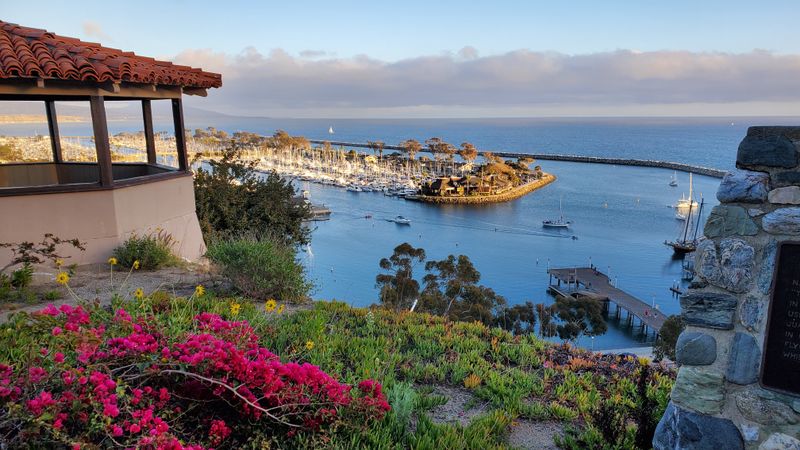
Dana Point sits along the Orange County coast, known for its harbor, surf breaks, and whale-watching opportunities.
The headlands overlook the ocean, and trails wind along the bluffs, offering views of the coastline and chances to spot dolphins or sea lions.
The harbor is home to a fleet of fishing boats, sailboats, and whale-watching vessels, and the area has a maritime feel that sets it apart from neighboring beach towns.
Doheny State Beach, located at the southern end of the harbor, provides calm water for swimming and a sandy beach that’s popular with families.
The beach also has a campground, making it a convenient spot for an overnight stay near the coast. Surfing is a major part of Dana Point’s identity, with Strands Beach and Salt Creek Beach offering consistent waves.
The Ocean Institute, located in the harbor, offers educational programs and boat tours focused on marine science and local ecology.
Whale-watching season runs from December through April, when gray whales migrate along the coast, and blue whales and humpback whales can be seen during summer months.
The town’s relaxed vibe and focus on ocean activities make it a solid choice for a coastal visit.
10. Mendocino County
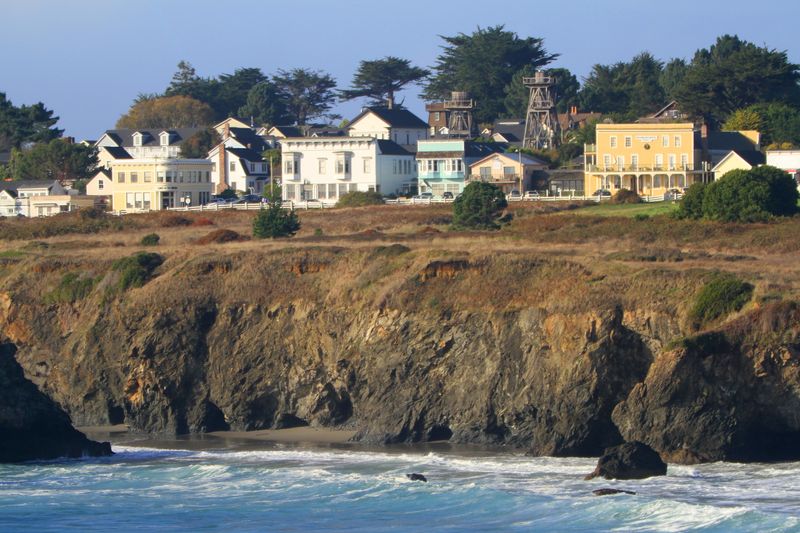
Mendocino County stretches along California’s northern coast, where rugged cliffs meet the Pacific and redwood forests cover the inland hills.
The town of Mendocino, perched on a headland, features Victorian buildings and a New England-inspired architectural style that feels out of place in California but adds to its charm.
Art galleries, bed-and-breakfasts, and small shops line the streets, and the town has a quiet, reflective atmosphere.
Fort Bragg, a larger town to the north, offers Glass Beach, where decades of discarded glass have been smoothed by the waves into colorful pebbles.
The Skunk Train, a historic railway, runs through the redwoods, offering scenic rides that showcase the forest’s towering trees.
The coastline is dramatic, with sea stacks, blowholes, and tide pools that invite exploration.
Inland, the Anderson Valley is known for its wineries, particularly those producing Pinot Noir and sparkling wines. The valley’s cool climate and rolling hills create ideal growing conditions.
The county’s size and variety mean that a visit can include coastal walks, forest hikes, and wine tasting, all within a short drive. The area feels remote and unhurried, with a focus on natural beauty and local culture.
11. Santa Ynez Valley
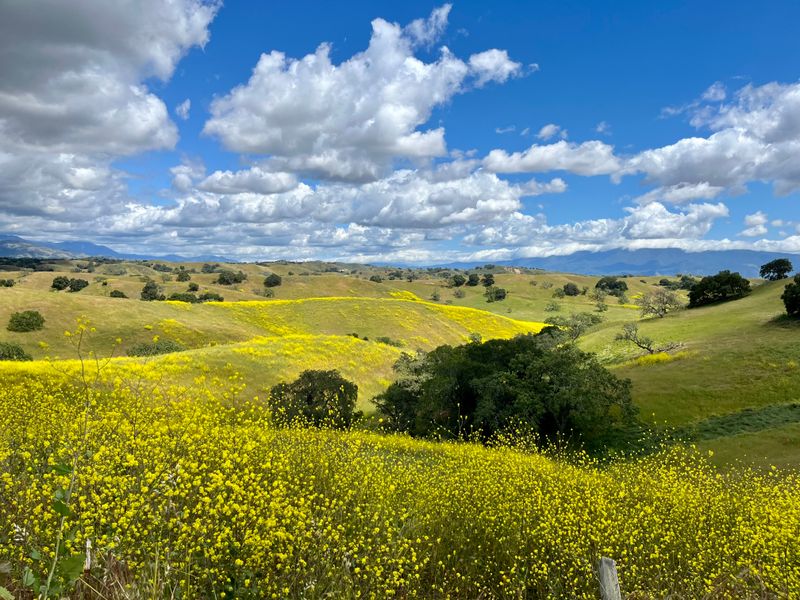
Santa Ynez Valley lies inland from Santa Barbara, surrounded by rolling hills covered in vineyards and oak trees.
The valley’s wine country has grown in reputation over the past few decades, with tasting rooms offering a more casual, approachable experience than some of California’s more famous regions.
Small towns like Los Olivos, Solvang, and Santa Ynez each have their own character, from Danish-inspired architecture to Western-themed storefronts.
Solvang, in particular, stands out with its windmills, bakeries, and half-timbered buildings that evoke a European village.
The town was founded by Danish immigrants in the early 1900s, and the cultural influence remains strong. Visitors can sample Danish pastries, browse shops, or simply walk the streets and admire the architecture.
The valley’s wineries focus on Rhône and Bordeaux varietals, with many offering outdoor seating and views of the surrounding hills.
Horseback riding, hiking, and cycling are popular activities, and the area’s mild climate makes it comfortable to visit year-round.
The valley feels relaxed and welcoming, with an emphasis on good food, local wine, and outdoor enjoyment. The proximity to Santa Barbara makes it easy to combine a valley visit with time at the coast.
12. Cayucos
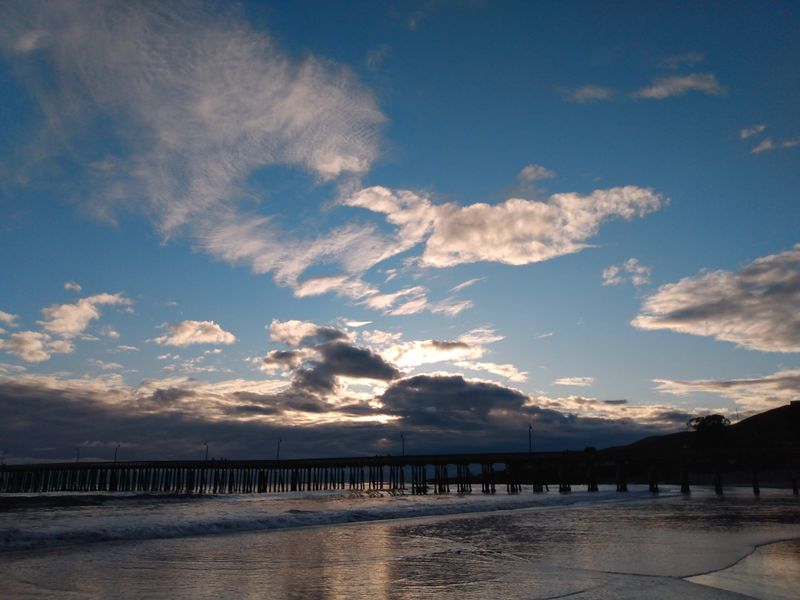
Cayucos is a small beach town on California’s Central Coast, where the pace is slow and the main street feels stuck in an earlier decade.
Antique shops, a general store, and a handful of restaurants line the few blocks of downtown, and the beach stretches out wide and sandy, with a long pier extending into the ocean.
Surfing, fishing, and beachcombing are the main activities, and the town’s lack of crowds makes it easy to find space on the sand.
The Cayucos Pier is a popular spot for fishing, with locals and visitors casting lines for perch, rockfish, and occasionally halibut.
The pier also offers a place to walk and watch the waves, especially at sunset when the light turns the water golden.
Brown Butter Cookie Company, located in a small storefront downtown, draws people in with the scent of fresh-baked cookies, and the shop has become a local favorite.
The town’s simplicity is its appeal, with no major attractions or tourist infrastructure beyond the basics.
Morro Bay is just a few miles to the south, and Hearst Castle is a short drive to the north, making Cayucos a convenient base for exploring the area.
The town feels authentic and unpretentious, a place where the focus is on the ocean and the rhythm of small-town life.
13. Cambria
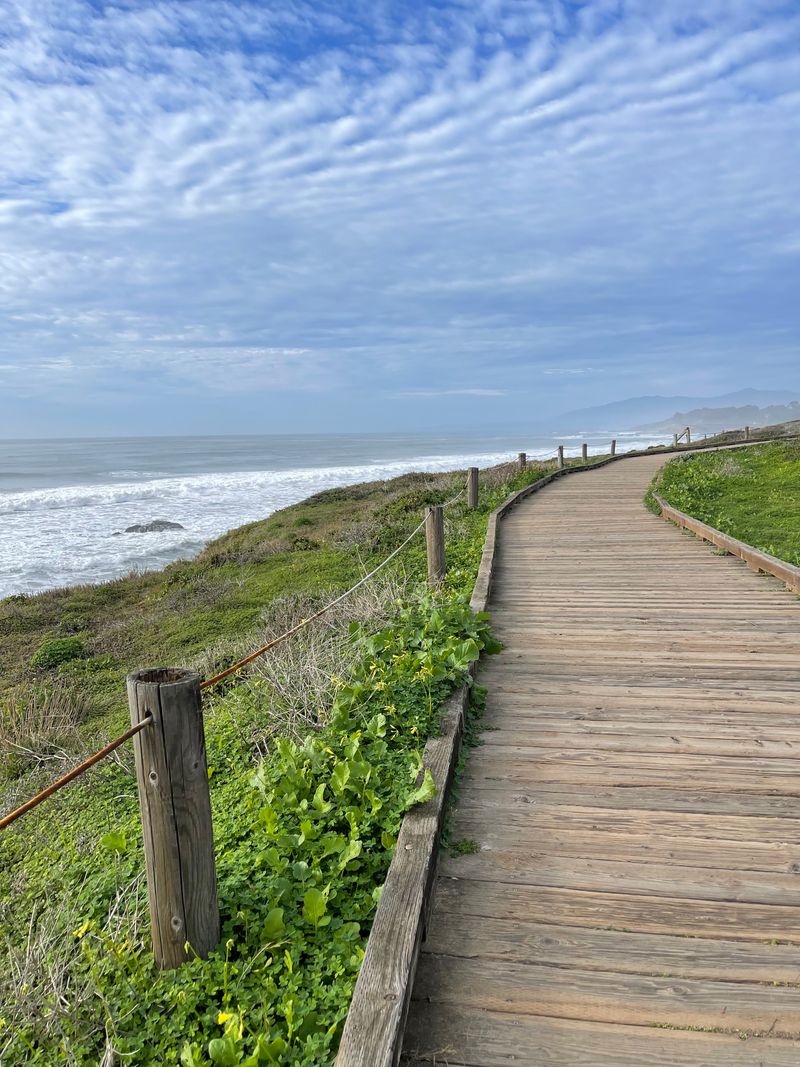
Cambria sits along the coast in San Luis Obispo County, where pine-covered hills meet the rocky shoreline.
The town is divided into two main areas: the East Village, with its shops, galleries, and restaurants, and the West Village, which offers quieter streets and access to Moonstone Beach.
The beach is known for its smooth, translucent stones that wash up on the sand, and the boardwalk that runs along the bluffs provides an easy, scenic walk.
Hearst Castle, one of California’s most famous landmarks, is located just a few miles north of Cambria.
The estate, built by newspaper magnate William Randolph Hearst, features opulent rooms, art collections, and gardens, with tours offering a glimpse into the lifestyle of the early 20th-century elite.
The drive to the castle passes through open ranchland and offers views of the coastline. Cambria’s downtown area has a creative, artsy vibe, with local artists selling paintings, pottery, and jewelry.
Restaurants focus on fresh seafood and local ingredients, and the town’s small size makes it easy to explore on foot.
The area’s natural beauty, combined with its proximity to Hearst Castle and nearby Morro Bay, makes Cambria a solid stop along Highway 1, offering a mix of relaxation and sightseeing.