This San Diego, California 5-Day Itinerary Shows A Side Of The City Visitors Usually Miss
The rhythm reveals itself slowly. Mornings feel calm instead of rushed and neighborhoods unfold with purpose rather than spectacle.
Streets lead to views that reward patience and conversations linger longer than planned. Travel feels less like checking boxes and more like settling into a place that welcomes curiosity.
A thoughtful five-day journey allows space to experience San Diego beyond postcards.
Coastal paths stretch above the ocean while historic districts tell stories through architecture and local shops.
Cafes feel lived in rather than designed for visitors. Parks invite unplanned pauses and sunsets arrive without competition. Each day builds naturally on the last which creates a sense of flow instead of fatigue.
Set along the coast of California, San Diego shines brightest when explored at a steady pace. Famous landmarks still appear yet they share the spotlight with quieter corners known mostly to locals.
The balance feels intentional and satisfying. There is time to explore and time to rest which makes the experience feel complete.
This itinerary offers more than highlights. It offers connection. Five days become a way to understand how the city moves and why people return.
By the end San Diego feels familiar rather than fleeting and that feeling stays long after the trip ends.
1. Day 1: Explore Balboa Park
An early start here sets the pace for the rest of the journey, when energy is high and there is time to explore without watching the clock.
Stretching across 1,200 acres, Balboa Park blends gardens, museums, and Spanish Colonial Revival architecture that feels like stepping into another era.
Located just northeast of downtown San Diego, it serves as the cultural heart of the city and introduces the rhythm of the itinerary, with seventeen museums and the famous San Diego Zoo within its boundaries.
Starting the day in this area allows space to wander beyond the zoo, which many visitors rush toward while missing the quieter gardens tucked between buildings.
Fountains trickle softly and benches beneath jacaranda trees offer shaded pauses between stops. Walking paths connect the museums, and each turn reveals another courtyard or tiled archway worth slowing down for.
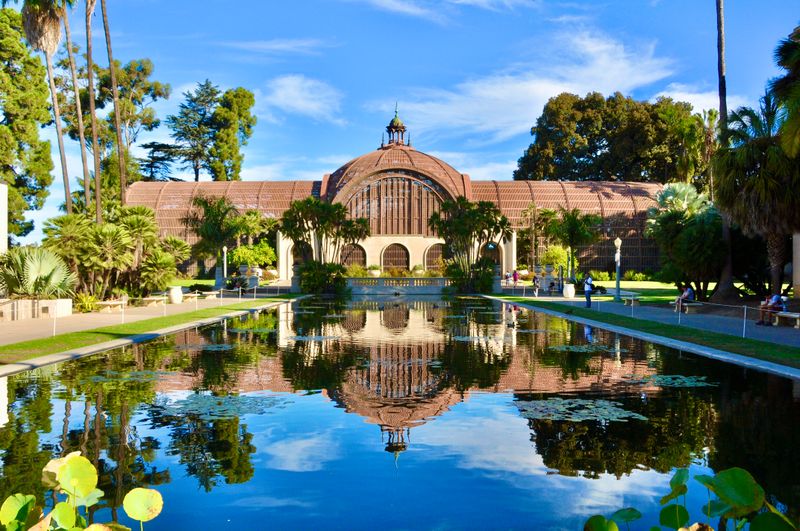
The Botanical Building, with its iconic lattice dome, sits beside a reflecting pool that mirrors the structure on calm mornings.
Crowds tend to thin out by late afternoon, especially on weekdays, making this a natural place to linger before moving on to the next neighborhood.
Street performers often gather near the main plaza, adding sound to the scenery. Parking can be tricky on weekends, so arriving early helps the day unfold smoothly.
2. Visit The San Diego Zoo
Planning this stop for the same day as Balboa Park makes the experience feel seamless, especially when starting early.
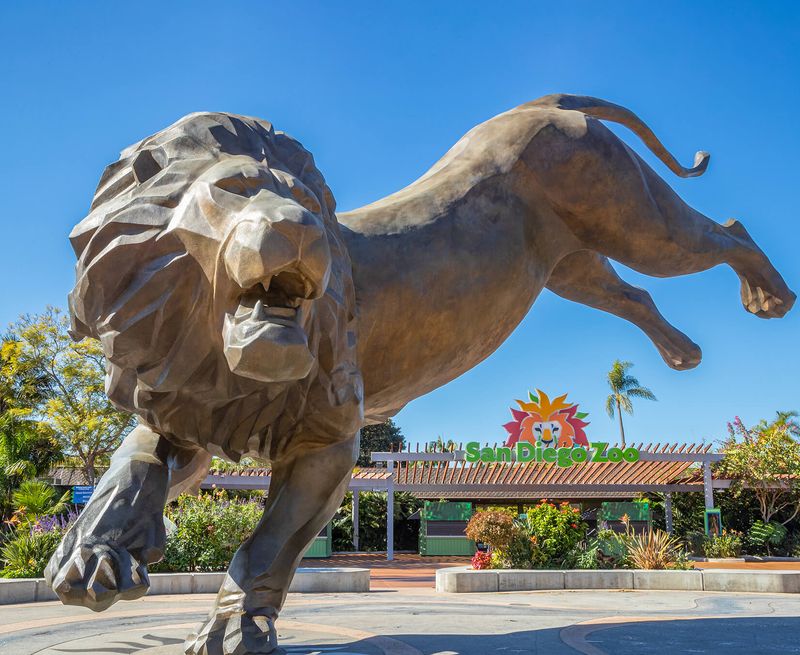
Located within the park, the San Diego Zoo houses more than 3,700 animals representing over 650 species, making it one of the most biodiverse zoos in the world.
The hillside terrain means plenty of walking and some steep paths, so arriving in the morning helps take advantage of cooler temperatures and more active animals, particularly during warmer months when afternoon heat slows things down.
The open-air exhibits are designed to resemble natural habitats, allowing visitors to move from one environment to another without feeling confined.
The Skyfari aerial tram offers a useful break midway through the visit, providing a bird’s-eye view of the grounds while resting tired legs.
Although pandas are no longer part of the collection, the zoo’s focus on conservation remains evident in the thoughtful layout and care given to each enclosure.
Families may want to pace themselves, as seeing everything in one visit can be tiring. Food options inside the zoo tend to be expensive, so bringing snacks helps keep the day flexible.
Guided bus tours work well for a quicker overview, while self-guided exploration suits those who prefer to linger. Comfortable shoes are essential for a full day here.
3. Day 1: Coffee Stop In North Park

A relaxed coffee stop fits naturally into the middle of a busy exploration day, offering a slower morning before moving on to afternoon activities.
North Park has earned a reputation as San Diego’s coffee capital, with independent roasters and cozy cafes scattered throughout tree-lined streets just a few miles northeast of downtown.
The neighborhood draws a creative crowd of artists, musicians, and young professionals who gather in coffee shops to work, meet friends, or ease into the day.
Each cafe has its own personality, ranging from minimalist spaces with concrete floors to vintage-inspired rooms filled with plants and mismatched furniture.
Many shops roast their own beans and focus on single-origin offerings, and baristas are usually happy to explain brewing methods or recommend something new.
This makes the stop feel interactive rather than routine. Between coffee breaks, vintage stores, record shops, and colorful murals invite wandering without any set plan.
Weekday mornings tend to be quieter, which suits travelers looking for a calm start before sightseeing resumes. Street parking requires patience, but most cafes sit close enough to walk between.
North Park’s coffee culture reflects a broader appreciation found throughout California for quality, creativity, and taking time to enjoy everyday moments.
4. Day 1: Walk Through Little Italy

This neighborhood works well as an afternoon or evening stop, when energy shifts toward food and unhurried wandering.
Little Italy packs dozens of restaurants, cafes, and boutiques into a compact area just north of downtown San Diego, where the scent of espresso and fresh pasta drifts through the streets.
Centered around India Street and Date Street, the walkable grid makes it easy to explore on foot without any set plan.
Red, white, and green string lights hang overhead in some sections, creating a festive atmosphere even on quieter weekdays.
Local bakeries display cannoli and sfogliatelle in glass cases, and outdoor patios begin to fill as lunch turns into dinner.
The Saturday farmers market fits best earlier in the day for those timing the itinerary around the weekend, drawing crowds with fresh produce and artisan goods year-round.
Between meals, art galleries and home decor shops line the side streets, offering easy browsing without pressure.
Parking can be challenging during peak dining hours, so arriving early or using rideshare services keeps the evening relaxed.
As night falls, restaurant lights glow and tables spill onto sidewalks, making Little Italy a natural place to slow down and end the day.
5. Day 2: Tour The USS Midway

Starting the morning here helps keep the second day of the itinerary balanced and manageable, especially when pairing multiple waterfront stops.
Moored along the downtown harbor, the USS Midway Museum offers the chance to explore a decommissioned aircraft carrier that served for nearly fifty years.
Arriving shortly after opening allows enough time to move through the ship without rushing and leaves room later in the day for nearby activities like the Embarcadero or a harbor cruise.
Located at 910 N Harbor Drive, San Diego, CA 92101, the museum invites visitors to walk narrow passageways, step inside crew quarters, and stand on the flight deck where jets once launched into the sky.
Audio guides narrated by former sailors add depth to the experience, sharing firsthand stories that bring daily life aboard the ship into focus.
The flight deck displays restored aircraft, and views stretch across San Diego Bay toward Coronado Island.
Exploring the ship involves climbing steep metal stairs and navigating tight corridors, so allowing two to three hours here keeps the visit comfortable without causing fatigue.
Families often find the hands-on elements engaging, though the interior can feel cramped for taller visitors.
Visiting early and on a weekday avoids the heaviest crowds, and purchasing tickets online helps save time. Wrapping up by late morning makes it easy to continue day two without feeling behind schedule.
6. Day 2: Stroll The Embarcadero

This stretch works best as a midday transition on day two, especially after finishing the USS Midway Museum while energy is still steady.
Running along San Diego Bay for more than a mile, the Embarcadero connects the museum to Seaport Village with a wide waterfront walkway ideal for a relaxed stroll.
Scheduling this walk late morning or early afternoon allows time to slow down before the next stop without feeling pressed.
The path offers open views of the bay, passing sailboats and the Coronado Bridge rising in the distance.
Joggers, cyclists, and families with strollers share the space throughout the day, and the flat terrain makes it easy to enjoy without rushing.
Public art installations and historical markers add interest between long views of the water, making the walk feel varied rather than repetitive.
Several piers extend into the bay, and benches along the route invite short breaks to watch boats glide past. The Embarcadero feels especially comfortable in the afternoon when temperatures cool and the light softens.
Street vendors occasionally sell snacks and drinks, though Seaport Village offers more options just ahead.
Walking the full stretch takes about thirty minutes at an easy pace, though frequent stops often extend the experience naturally while still keeping the day on schedule.
7. Day 2: Take A San Diego Harbor Cruise
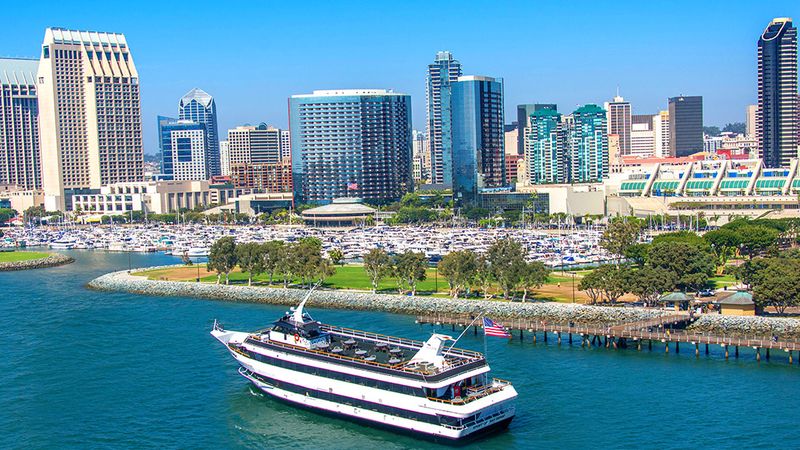
Scheduling a one-hour narrated cruise between mid-afternoon and early evening allows enough time to rest your feet while still keeping the day balanced.
From the water, the skyline, naval ships, and the Coronado Bridge take on a new perspective that feels calmer than exploring on foot.
Cruises pass close to the USS Midway, submarine bases, and aircraft carriers, offering views that are not possible from shore.
The onboard narration adds helpful context, explaining maritime history, active naval operations, and the landmarks sliding past on both sides of the bay.
The gentle motion of the boat and the breeze off the water create a welcome slowdown after a busy morning.
Sunset cruises work especially well if dinner plans follow nearby, as the light softens and the temperature becomes more comfortable.
Most tours offer indoor and outdoor seating, making them flexible in changing weather. Tickets can be purchased along the Embarcadero or booked in advance to stay on schedule.
This stop rounds out the day by connecting the city’s history, waterfront, and naval identity in a relaxed and memorable way.
8. Day 2: Visit Seaport Village
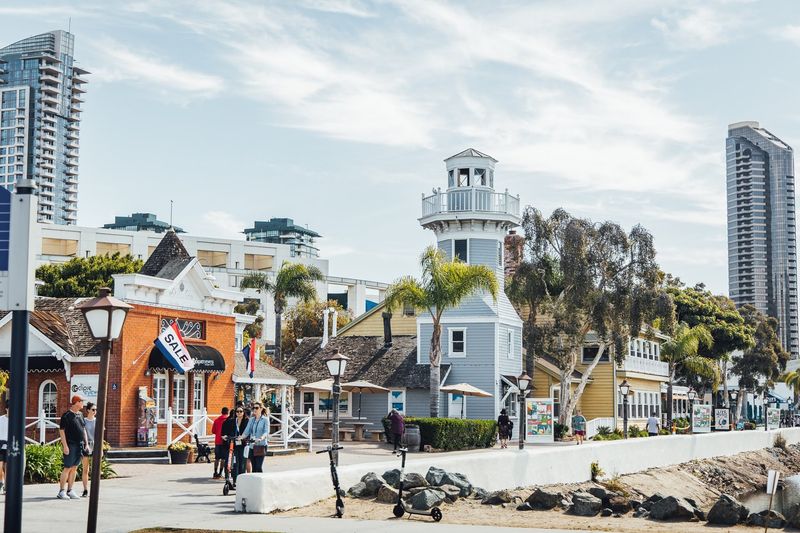
Set along San Diego Bay, the area spreads across fourteen acres and feels like a small coastal town built for wandering.
Winding paths connect more than fifty shops and restaurants, many designed with architectural nods to California’s past.
The slower pace here makes it ideal after a full afternoon of sightseeing. A historic carousel with hand-carved animals draws families and adds a nostalgic soundtrack to the visit.
Street performers often gather near the central plaza, while benches along the water invite visitors to sit and watch boats move through the harbor.
Compared to nearby attractions, the atmosphere stays calmer, especially in the early evening before dinner crowds arrive. Shops range from souvenir stands to small craft boutiques, making browsing feel relaxed rather than pressured.
Dining options include casual cafes and sit-down restaurants with bay views, many offering outdoor seating that fits the mild coastal climate.
Timing this stop just before dinner allows time to explore at an easy pace, enjoy the scenery, and choose a restaurant without feeling rushed.
It closes the day with a gentle blend of food, views, and downtime before heading back to the hotel.
9. Day 2: Explore The Gaslamp Quarter
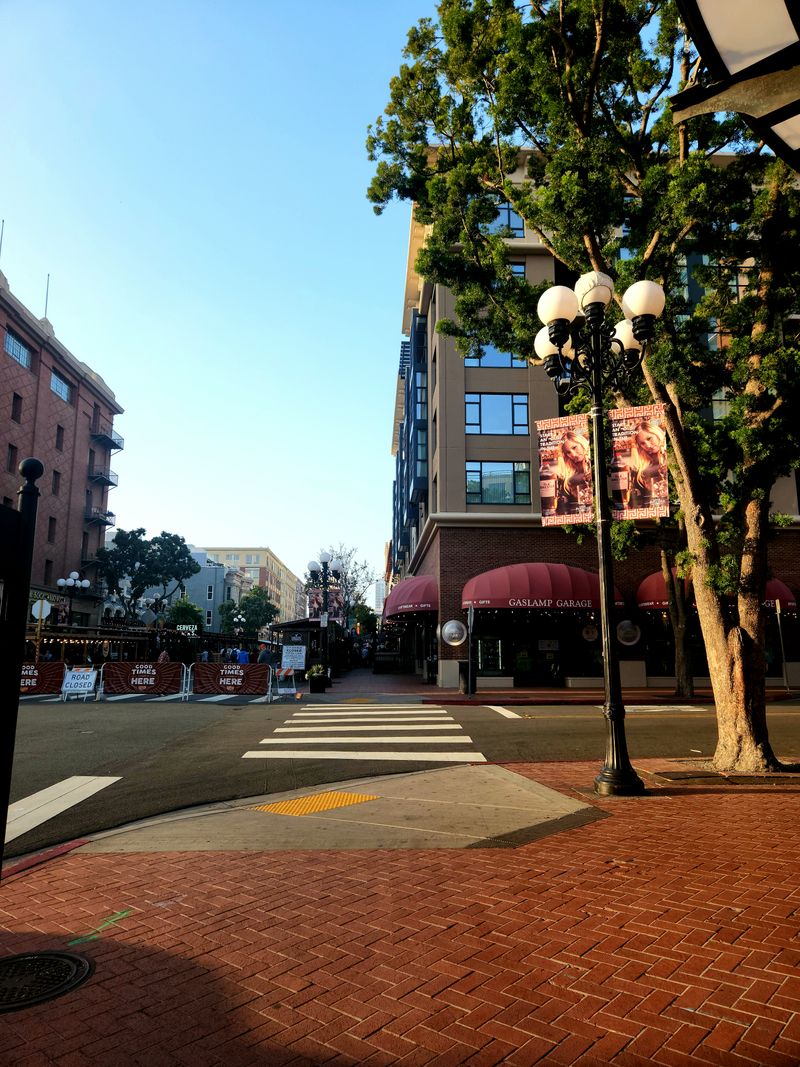
Evenings shift gears here as historic streets transition into the city’s most energetic gathering place.
Spanning sixteen downtown blocks, the Gaslamp Quarter works best as a nighttime stop later in the itinerary, ideally after dinner or following nearby waterfront activities.
Victorian-era buildings now house restaurants, bars, and shops, and replica gas lamps preserve the historic atmosphere even as neon signs flicker to life. Fifth Avenue serves as the main artery and is a natural place to begin.
Restaurants representing cuisines from around the world line the street, and outdoor seating creates ideal conditions for people-watching as crowds build.
Exploring on foot allows time to notice architectural details and historic plaques that explain the neighborhood’s transformation from a rough red-light district into a revitalized entertainment hub.
Daytime visits feel calmer and are better suited for architecture lovers or history fans, while evenings bring a distinctly adult-oriented energy.
Weekends grow especially busy after dark, so arriving earlier in the evening helps ease the transition. Parking garages are available but expensive, making walking or rideshares the most practical option.
As a scheduled night stop, the Gaslamp Quarter delivers a lively contrast to daytime sightseeing and showcases how San Diego blends preserved history with modern nightlife.
10. Day 3: Explore Old Town San Diego
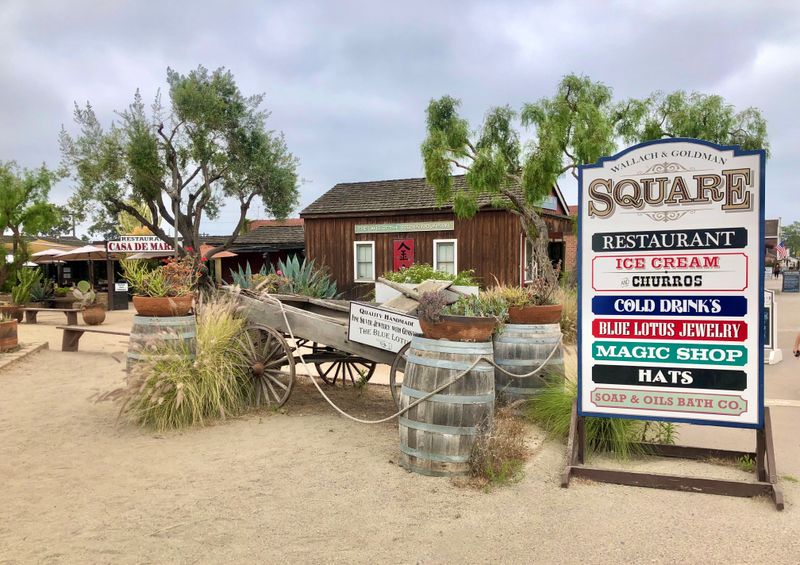
Set aside a morning or early afternoon in the itinerary for Old Town San Diego State Historic Park, when museums are open and crowds are lighter.
This area preserves the site of the first European settlement in California from 1769, and walking through the restored adobe buildings creates the feeling of stepping back into the 1800s.
Located a few miles north of downtown San Diego, the park blends museums, courtyards, and small shops selling traditional crafts and Mexican imports into a compact and walkable space.
The layout makes it easy to explore in two hours without feeling rushed, which fits well between other daytime stops.
Costumed docents sometimes demonstrate skills like blacksmithing or tortilla-making, adding a sense of living history rather than static displays.
Surrounding restaurants serve Mexican food in colorful courtyards filled with tilework and potted plants, making lunch here a natural extension of the visit.
Weekends bring mariachi music and more activity, while weekdays feel calmer and more reflective. Parking can be limited, though nearby lots help, and some restaurants validate tickets.
Museums close by late afternoon, so earlier arrival ensures full access.
Old Town provides meaningful historical context and works best as a daytime anchor before transitioning to evening activities elsewhere in the city.
11. Day 3: Visit Cabrillo National Monument
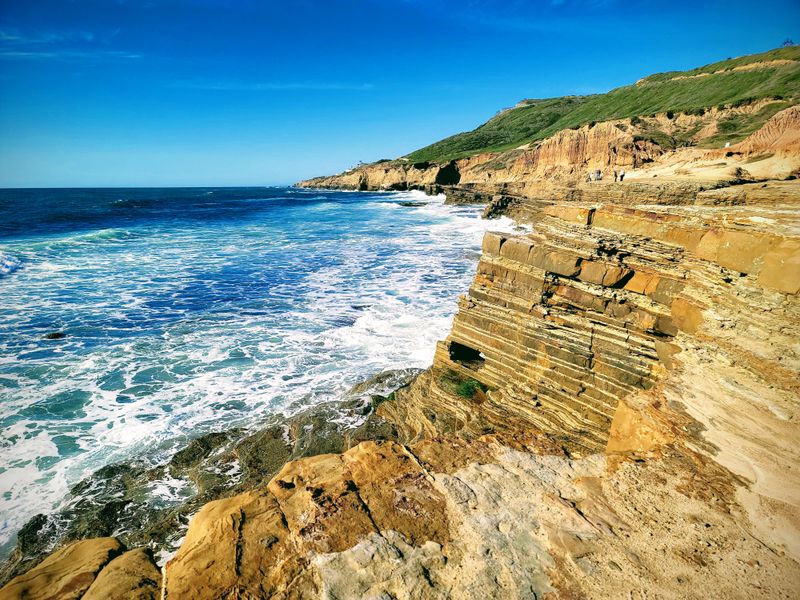
A dramatic sense of arrival defines this stop as the road climbs toward sweeping coastal views. Visit Cabrillo National Monument in the early afternoon when visibility is best and before fog has a chance to roll in.
Positioned at the southern tip of Point Loma in California, the monument marks the 1542 landing of Juan Rodríguez Cabrillo and offers panoramic overlooks of San Diego Bay, the city skyline, and the Pacific Ocean stretching to the horizon.
The elevated setting makes this an ideal daytime stop within the itinerary, especially after exploring nearby coastal neighborhoods.
The preserved Old Point Loma Lighthouse from 1855 anchors the site and allows visitors to step inside and see how lighthouse keepers once lived.
The visitor center adds historical depth with exhibits on Cabrillo’s voyage and the region’s natural history.
Along the western shoreline, tide pools reveal starfish, anemones, and crabs during low tide, and ranger-led walks sometimes provide insight into the marine ecosystem.
Winter visits may include gray whale sightings from the overlooks, adding another layer to the experience. The entrance fee covers vehicle admission for seven days, which works well for a multi-day trip.
Weather changes quickly here, so checking conditions before heading out helps ensure clear views and a rewarding visit.
12. Day 3: Watch The Sunset At Sunset Cliffs

The day slows naturally as the coastline begins to steal attention and the light starts to shift. Sunset Cliffs naturally fit at the end of the day, when the sun drops lower and the sky slowly shifts in color.
The mere park stretches along the western edge of Point Loma in California, where dramatic sandstone formations drop straight into the Pacific Ocean and waves crash below with steady force.
Photographers and locals gather quietly as the evening unfolds, and the sound of the ocean creates a steady backdrop that feels grounding after a full day of sightseeing.
Informal paths trace the cliff tops and offer sweeping views, though erosion makes some areas unstable and caution remains important near the edges.
As the sun sinks directly into the water, the cliffs glow and the air cools, creating a natural pause before the night begins. During low tide, tide pools appear below certain sections and reward careful exploration.
Despite being only a short drive from downtown San Diego, the setting feels reflective and removed, making it a fitting close to a full day of exploring.
13. Day 3: Dinner With An Ocean View
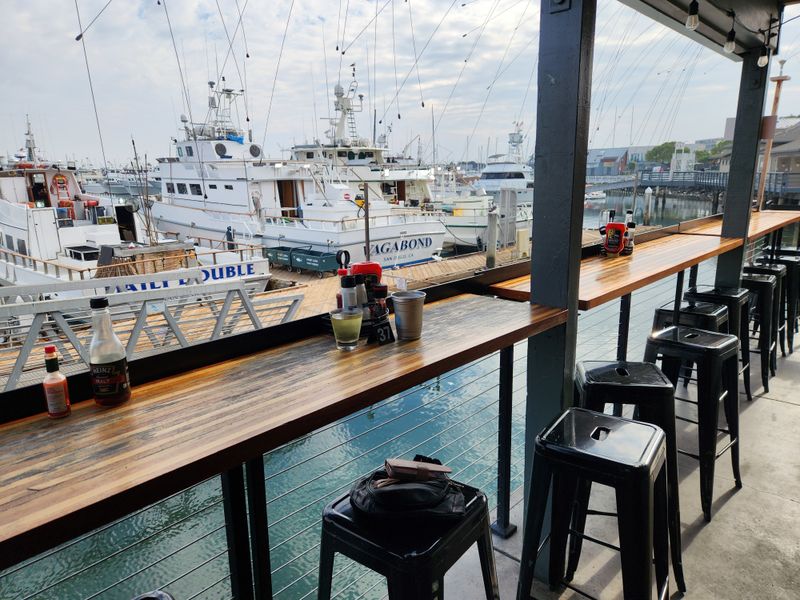
Make your last stop of the day worthwhile by dining in a restaurant with a great view.
San Diego’s coastal setting in California means dozens of restaurants offer ocean views, though the atmosphere varies widely depending on location and style.
Some spots sit high on cliffs above the Pacific and pair dramatic views with sweeping sunsets, while others rest at beach level where waves crash just yards from the tables.
Fresh seafood, coastal California cuisine, and cool ocean air combine to create meals that feel tied to the setting rather than staged for visitors.
Areas like La Jolla, Coronado, and Point Loma are known for especially strong views, though popular tables often fill quickly during busy seasons.
Many restaurants feature outdoor patios where the sound of the water becomes part of the background, and sunset timing adds a natural rhythm to the meal.
Food quality can range from exceptional to average, so choosing a spot that values both cuisine and scenery makes a difference. Dress codes stay relaxed and reflect the beach culture, while parking near the coast can require patience.
Ending the day with dinner by the water captures the calm and beauty that define San Diego evenings.
14. Day 4: Cross Over To Coronado Island
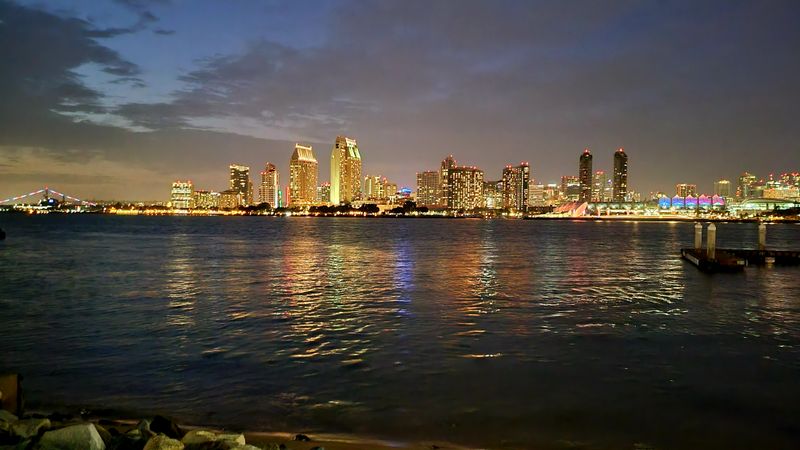
A noticeable shift in pace happens as the shoreline opens up and the skyline begins to fall away.
Coronado Island sits just across San Diego Bay in California and is reached by the sweeping Coronado Bridge that curves high above the water.
The short drive delivers wide views of the bay, downtown towers, and the Pacific beyond, setting the tone before arrival.
Although technically a peninsula, the island feels removed from the city and carries a small town atmosphere that contrasts sharply with downtown energy.
Tree lined streets frame historic homes and quiet sidewalks that encourage wandering rather than rushing.
Another way across comes by ferry from the Embarcadero, which adds a calm water crossing and arrives near the Hotel del Coronado. That location places visitors close to the island’s main sights without the need for a car.
Bicycles remain a favorite way to explore, with rental shops near the ferry landing and flat terrain that suits all ages. Dedicated bike paths make cycling feel relaxed and safe.
No matter the route taken, the transition to Coronado feels like stepping into a calmer rhythm just minutes from the city.
15. Day 4: Relax On Coronado Beach
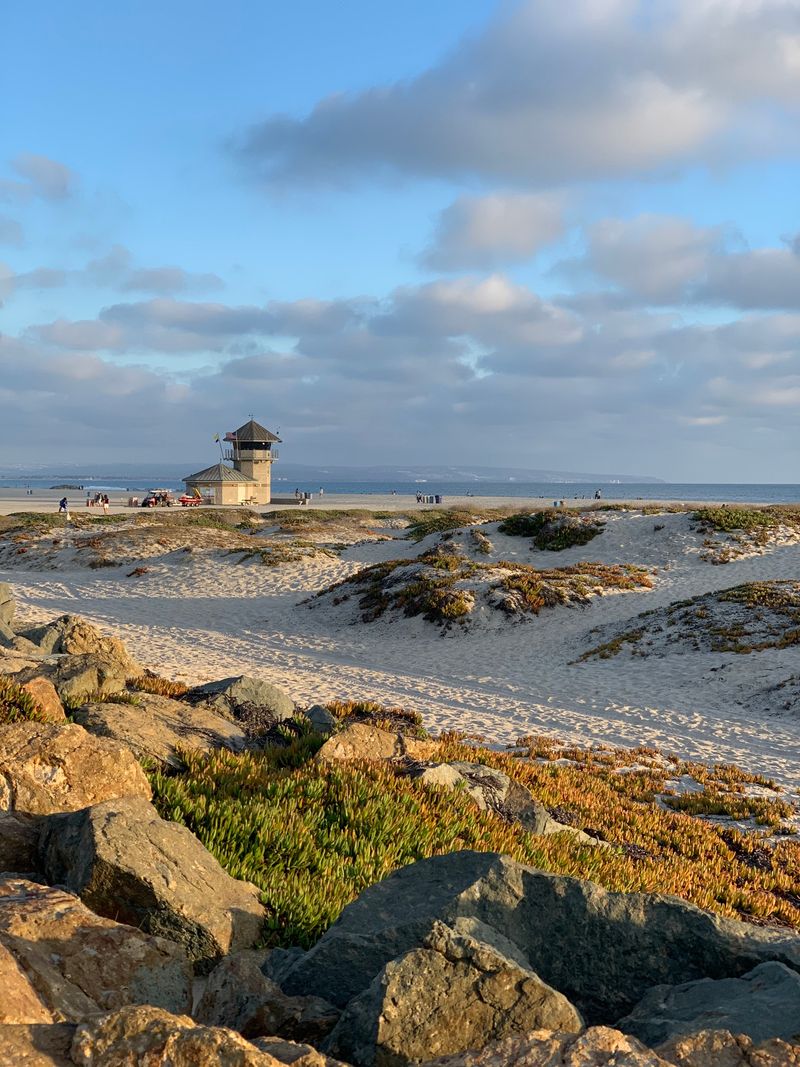
The shoreline opens wide here and the atmosphere immediately feels unhurried.
Coronado Beach stretches for more than a mile along the Pacific Ocean in California and pairs soft sand with gentle waves and the unmistakable backdrop of the Hotel del Coronado’s red turrets.
The beach regularly ranks among the best in the country, yet its broad shoreline keeps it feeling open even during busy summer weekends.
A gradual slope into the water creates shallow areas that suit families and casual swimmers, while long walks along the sand feel effortless and relaxed.
Fire pits scattered along the beach add another layer to the experience and evenings often settle into quiet gatherings as the sun lowers.
Western exposure brings vivid sunset colors that wash the sky in orange and pink before temperatures cool.
Lifeguards patrol during the day and the beach remains clean and well maintained throughout the year. Parking can be limited during peak hours, which makes arriving earlier or walking over from nearby areas an easier option.
The historic hotel at the southern end anchors the scenery and adds character without overwhelming the natural setting.
Time spent here feels like a pause rather than a performance, offering a classic coastal moment that fits naturally into a slower part of the itinerary.
16. Day 4: Browse Local Markets & Cafés
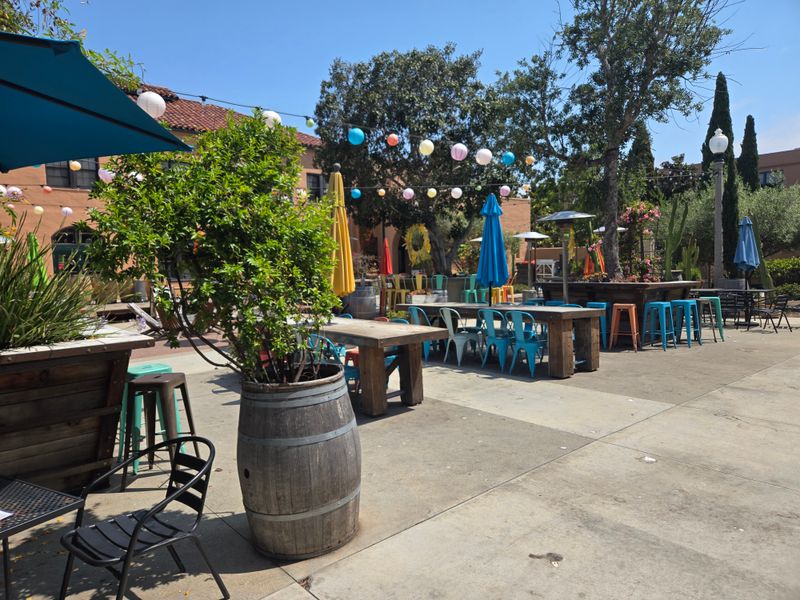
The rhythm of the day softens as attention shifts toward simple pleasures and everyday routines.
San Diego’s neighborhoods in California come alive through farmers markets and independent cafes that reflect a strong connection to fresh food and local community.
Markets appear throughout the week in areas like Hillcrest, Little Italy, and North Park, filling streets with seasonal produce, artisan bread, flowers, and prepared foods from nearby vendors.
The atmosphere blends purposeful shopping with casual browsing, creating spaces where conversations happen naturally.
Independent cafes serve as neighborhood gathering spots where baristas know regulars by name and time seems less urgent.
Local art often fills the walls and bulletin boards share community events, adding to the sense of belonging.
Quality and sustainability shape the cafe culture, with many spots focusing on ethically sourced beans and thoughtful menus.
Ending day four with a visit to a market or cafe offers a gentle contrast to sightseeing and helps ground the trip in daily life rather than highlights alone.
Weekend markets bring energy and movement, while weekday cafe visits feel quieter and reflective.
Time spent here feels personal and unpolished, offering a calm close to the day and a deeper sense of how the city lives beyond its landmarks.
17. Day 5: Discover La Jolla Village
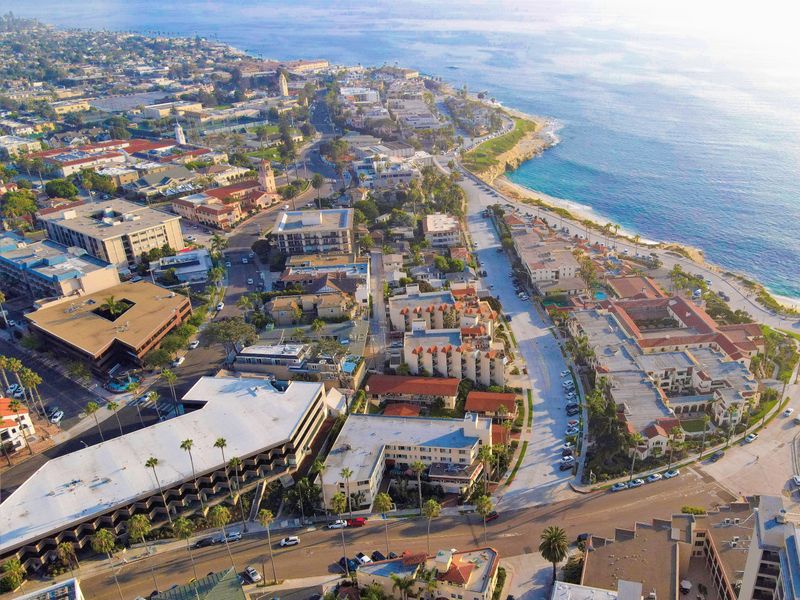
Taking a short trip north opens the door to a coastal village that feels well worth the time.
La Jolla Village sits along the shoreline in California and blends upscale shopping with art and relaxed seaside charm, proving that a San Diego itinerary can easily include rewarding nearby stops.
The cliffs rise above the Pacific and set the tone right away, creating a setting that feels calm but refined.
Girard Avenue and Prospect Street form the heart of the village, where boutiques selling jewelry, clothing, and home goods invite slow browsing rather than rushed errands.
Art galleries display everything from contemporary paintings to glass sculptures and welcome visitors without pressure to buy.
Cafes with outdoor seating provide natural pauses between shops and offer front row seats for people watching. The walkable layout makes it easy to explore on foot and absorb the atmosphere at an easy pace.
Parking can be challenging, especially on weekends, which makes earlier visits smoother and less stressful. The mix of residents and visitors gives the area a lively but composed feel.
Time spent here adds a more refined layer to the itinerary and works well as a daytime stop before shifting toward beaches or coastal walks later on.
18. Day 5: See The Sea Lions At La Jolla Cove

A short walk from the village brings a completely different kind of attraction into view.
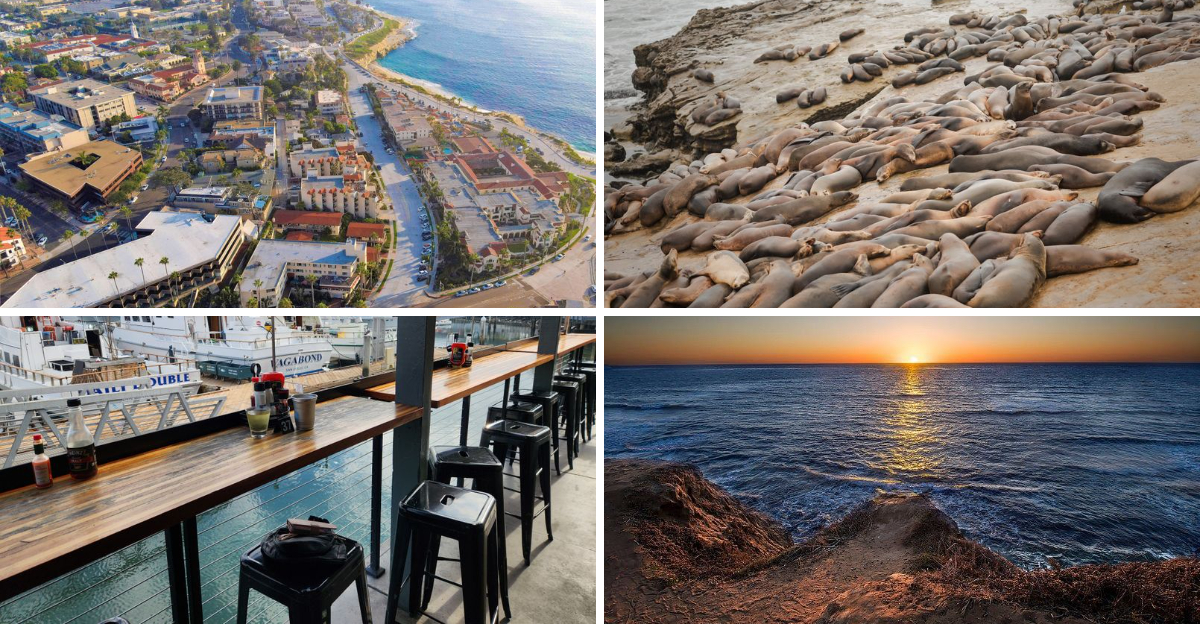
La Jolla Cove in California has become a favorite stop for watching sea lions gather on the rocks and sand, filling the area with sound and constant movement.
The scene feels lively and unpredictable as the animals bark and shift positions, often drawing a small crowd of onlookers along the overlooks.
Because the sea lions are wild and protected, designated viewing areas keep the experience safe for both visitors and animals.
Warm days can bring a noticeable smell, but most people quickly forget it once the sea lions start interacting.
Mornings and late afternoons tend to be the most active times, when the animals haul out to rest or socialize.
The clear water below also attracts snorkelers and swimmers, though sharing space requires awareness and respect for posted warnings.
Lifeguards monitor conditions and advise when activity levels rise. Nearby grassy areas and benches make it easy to linger without feeling rushed.
This stop adds a natural and unscripted moment to the itinerary, offering close up wildlife viewing without the need for special gear or long walks.
19. Day 5: Coastal Walk At La Jolla Shores
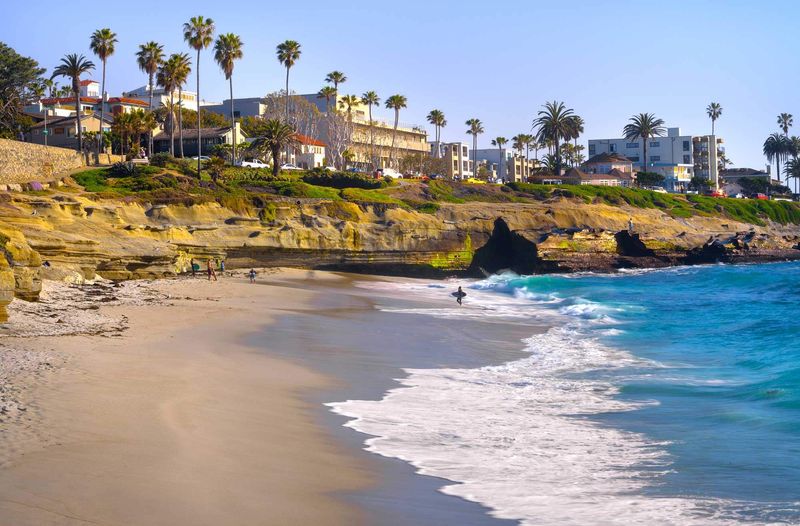
Once you finish with the sea lions, you can take a short walk down La Jolla Shores.
This California shore offers a mile long crescent beach backed by a flat paved walkway that feels made for slow movement and easy views.
Just north of La Jolla Cove, the atmosphere shifts toward families, kayakers, and beginner surfers who take advantage of the gentle waves and sandy bottom.
The walkway runs parallel to the shore and stays just far enough above the sand to keep shoes clean while still offering uninterrupted ocean views.
Kellogg Park anchors the southern end of the beach and adds grassy areas, picnic tables, and playgrounds that encourage lingering rather than passing through.
The gradual slope into the water creates shallow areas that feel comfortable for children and casual swimmers under supervision.
Weekday mornings tend to feel especially calm, with more space and fewer distractions than busier beaches nearby.
Parking exists but fills quickly during peak times, and nearby streets often require a short walk. Restaurants and cafes across the road make it easy to stay longer without planning ahead.
This stretch fits naturally into the itinerary as a relaxed coastal pause that balances scenery with comfort and accessibility.
20. Day 5: Hike Torrey Pines State Reserve
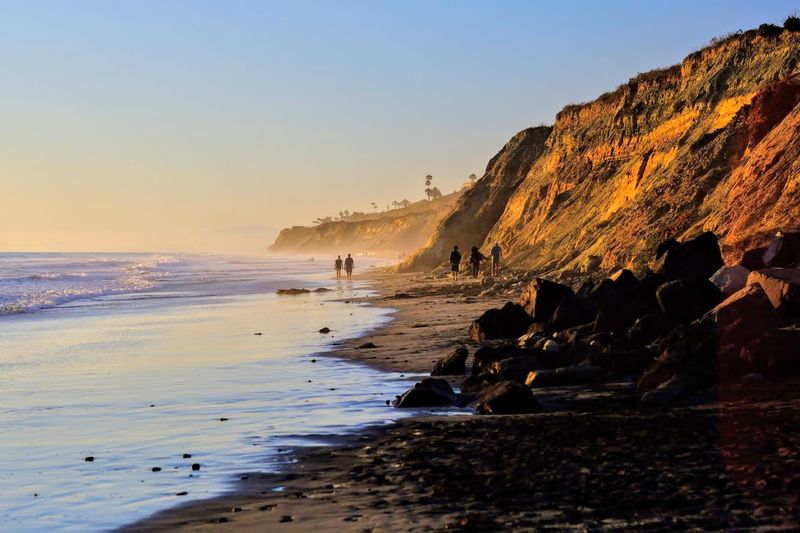
The landscape shifts again as cliffs rise and the trail climbs away from the shoreline.
Torrey Pines State Natural Reserve in California protects one of the rarest pine trees in the world and offers coastal paths that wind through sandstone canyons and along high bluffs above the Pacific.
Set between La Jolla and Del Mar, the reserve works well as a focused half-day highlight rather than an all-day commitment.
Spending about two to three hours here allows enough time to walk one or two main trails, enjoy the overlooks, and take in the unique mix of desert plants and coastal scenery without rushing.
Trails range from gentle routes toward the beach to steeper climbs that reward effort with wide views stretching for miles along the coastline.
The distinctive Torrey pines and rugged cliffs create a setting that feels more remote than nearby beaches. Strict rules help protect the fragile environment and keep the experience centered on the landscape.
Shade remains limited and warmer hours can feel intense, making earlier visits more comfortable and efficient.
Parking fills quickly on busy days, so timing matters. A steep trail leads down to Torrey Pines State Beach for those who want to extend the walk briefly.
Keeping the visit within a few hours leaves ample time to complete the remaining stops on day five without feeling hurried.
21. Day 5: Spend Time At Pacific Beach
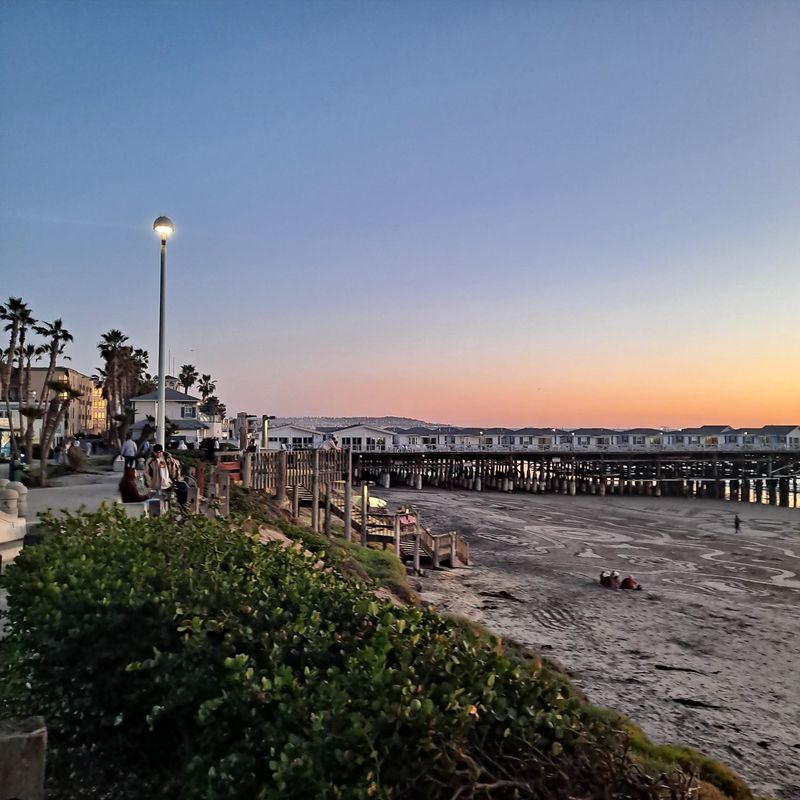
Energy picks up noticeably as the coastline opens into a lively stretch of sand and boardwalk.
Pacific Beach in California fits well as a flexible stop on day five, with one to two hours being enough to walk the boardwalk, spend time on the sand, and get a feel for the neighborhood without slowing the rest of the schedule.
The area centers around Ocean Boulevard and the beachfront path, where cyclists, skaters, joggers, and walkers move constantly alongside the shore.
The wide flat beach invites casual activities like volleyball, sunbathing, or a quick swim in the cool Pacific.
Garnet Avenue cuts inland from the beach and acts as the main commercial strip, lined with surf shops, laid back eateries, and bars that grow busier later in the day. The atmosphere stays casual and welcoming, though evenings lean younger and louder.
The Crystal Pier extends into the ocean and adds a scenic pause with fishing views and a different angle on the coastline. Earlier visits tend to feel calmer and make parking easier, especially during peak seasons.
Pacific Beach works best as a shorter stop that adds classic beach town character to the day while leaving time for remaining coastal highlights.
22. Day 5: Visit Mission Beach & Belmont Park
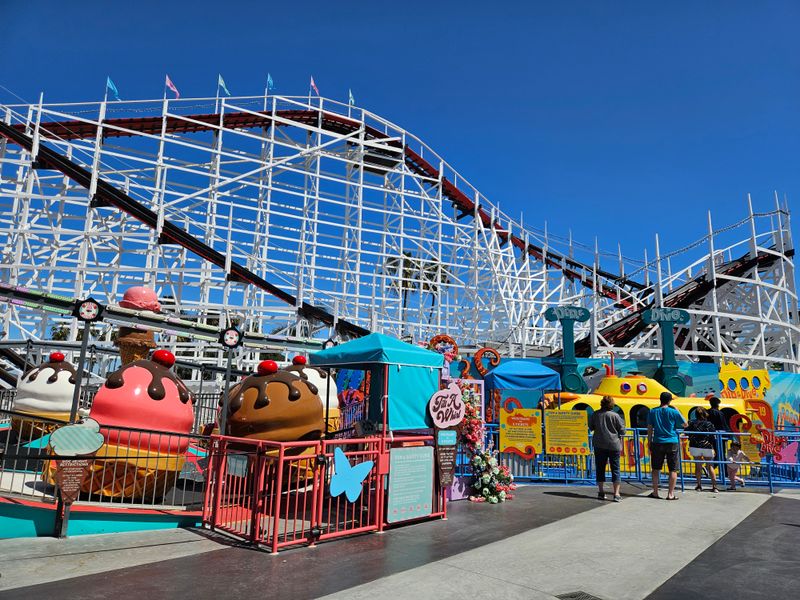
A quick move south shifts the mood without changing the scenery.
Mission Beach in California works well as a short follow up to Pacific Beach, with about one to two hours being enough to walk the boardwalk, see Belmont Park, and enjoy the oceanfront setting without rushing the rest of day five.
Sitting directly beside the sand, Belmont Park has entertained visitors since 1925 and still centers around the wooden Giant Dipper roller coaster, a historic landmark that adds motion and sound to the shoreline.
Arcade games, smaller rides, and casual attractions create a nostalgic atmosphere that appeals to families and curious passersby alike.
The wide sandy beach runs alongside a concrete boardwalk that connects seamlessly with Pacific Beach and continues toward Mission Bay, keeping the area lively with cyclists, skaters, and walkers throughout the day.
The flat layout makes exploring easy and accessible. During daylight hours the crowd leans toward families and beachgoers, while evenings bring a younger energy near the bars and restaurants facing the water.
Parking can be challenging during peak times, so earlier visits tend to feel smoother.
Mission Beach adds variety to the itinerary by blending classic beach scenery with lighthearted entertainment, making it an easy stop before moving on to the final plans of the day.