This Tiny California State Park Feels Worlds Away From Everyday Stress
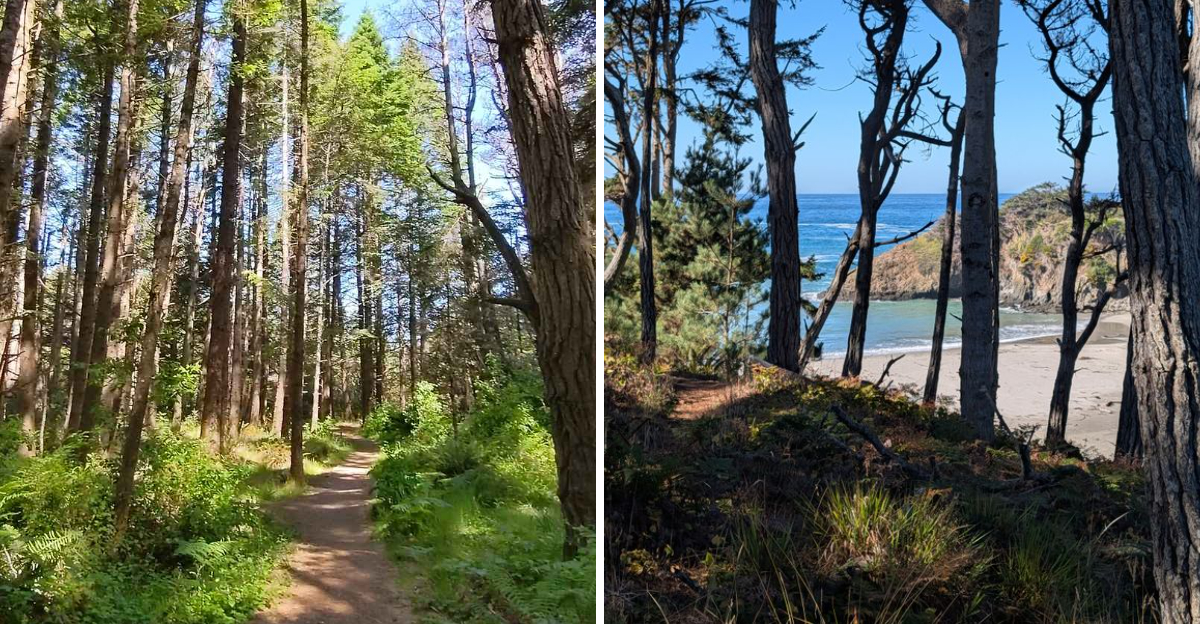
What happens when the land refuses to stay the same for very long? The answer unfolds step by step along quiet trails shaped by time rather than trends.
Jug Handle State Natural Reserve reveals itself slowly and rewards patience with scenes that feel almost otherworldly.
Raised terraces rise from the coast in clear layers that mark ancient shorelines and shifting oceans. Forests change with each level and introduce rare plants found in only a few places on Earth.
Walking here feels less like a hike and more like a guided tour through deep history. The pace stays gentle and unforced.
Footsteps soften under towering pines and the air carries a cool coastal stillness. Sounds fade except for wind and distant waves.
The reserve invites attention without demanding effort. Curiosity leads the way instead of signage or crowds.
Set along the northern coast of California near Fort Bragg, Jug Handle State Natural Reserve stands apart for its quiet complexity.
Trails connect forest and bluff and tide pools and open sky in a way that feels seamless. The experience grounds you and resets perspective. Time stretches here and stress loosens its grip.
It becomes clear why this place lingers in memory long after leaving.
1. Ecological Staircase Trail Takes You Through Time
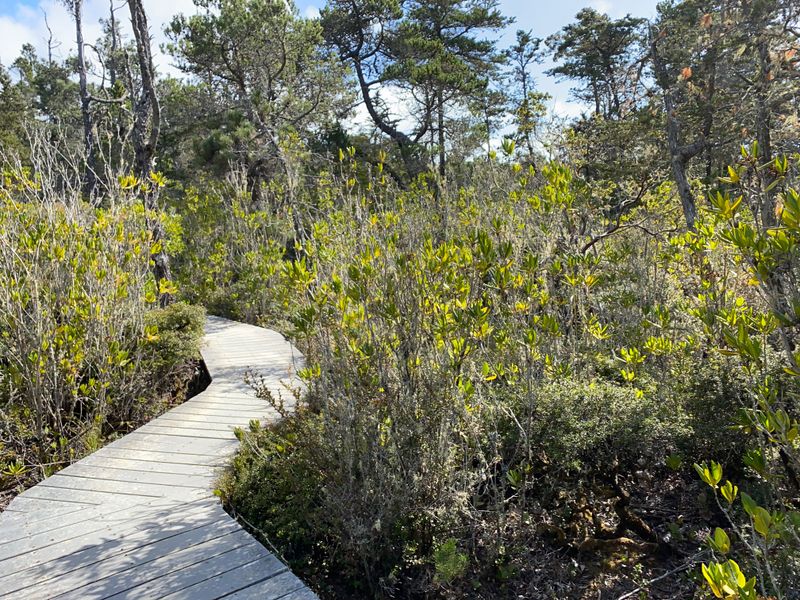
Walking the Ecological Staircase Trail feels like flipping through the pages of Earth’s history book, one footstep at a time.
This 2.5-mile self-guided path moves across five distinct marine terraces, each one roughly 100,000 years older than the terrace below it.
The trail is moderately easy, with gentle elevation changes that make it accessible for most visitors who can handle a few hours of walking.
Each terrace supports its own plant community, shaped by the age and chemistry of the soil beneath it.
The youngest terrace near the coast features grasses and coastal scrub, while higher terraces transition into forests of redwood and Douglas fir.
The top terrace holds the famous pygmy forest, where nutrient-starved soil has created a landscape of miniature trees.
Interpretive signs along the way explain the geological processes that formed these terraces over millennia.
The trail loops back, so visitors return along the same path, giving a chance to notice details missed on the way up.
Spring and early summer bring wildflowers, while fall offers cooler temperatures and fewer crowds. This trail is the heart of the reserve and the main reason many people visit.
2. Pygmy Forest Holds Stunted Trees Centuries Old
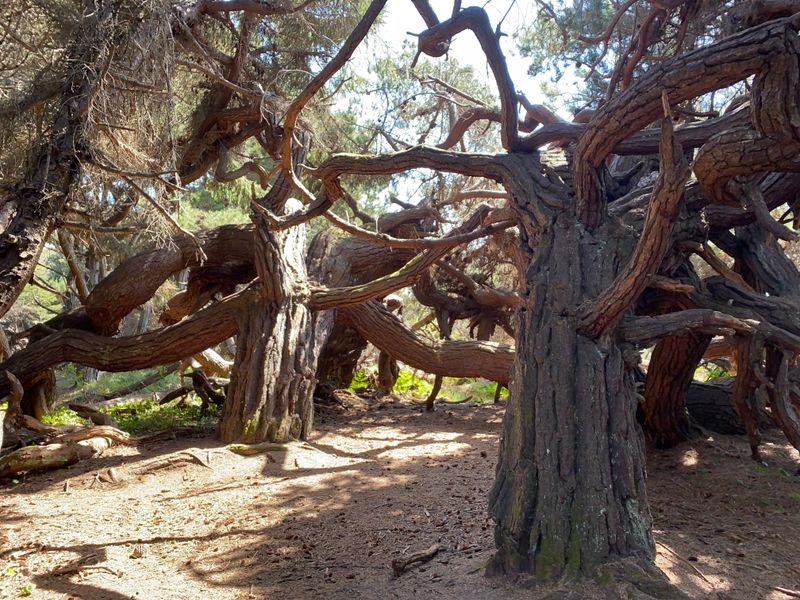
Standing in the pygmy forest feels surreal, like entering a miniature woodland where everything has been scaled down to half size.
Trees that would normally tower overhead barely reach waist height, their trunks gnarled and twisted from years of struggling in harsh soil.
Bolander pines, cypress trees, and dwarf rhododendrons grow here, some of them decades or even centuries old despite their small stature.
The soil on this terrace is extremely acidic and lacks the nutrients that trees need to grow tall and strong.
Over hundreds of thousands of years, minerals have leached out, leaving behind a hard layer called hardpan that roots cannot penetrate.
Water pools on the surface during winter, then drains away completely in summer, creating conditions that only the toughest plants can survive.
A short boardwalk loop makes it easy to explore the pygmy forest without damaging the fragile ecosystem.
The atmosphere here is quiet and otherworldly, with soft light filtering through the dense canopy of small branches.
Visiting in late spring or early summer may offer the chance to see tiny blooms on the dwarf manzanitas and huckleberries that grow alongside the trees.
3. Jug Handle Beach Offers Tide Pools And Sunset Views
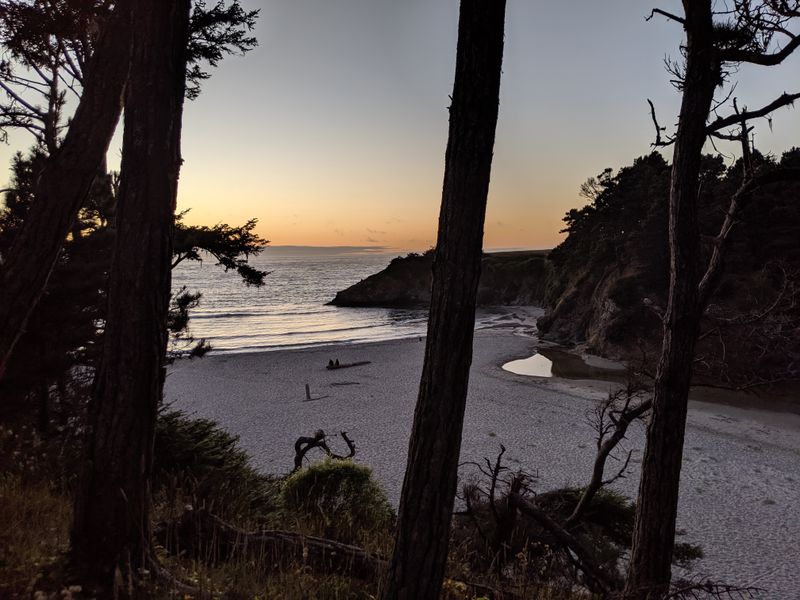
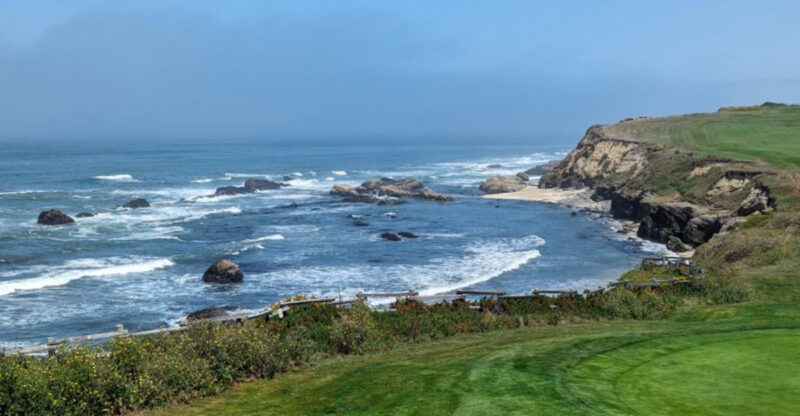
Jug Handle Beach sits at the western edge of the reserve, tucked into a sheltered cove that feels private and protected from the wind.
A staircase from the parking area leads down to the sand, where tide pools form among the rocks at low tide.
These pools are home to sea anemones, hermit crabs, sea stars, and small fish that dart between the crevices.
The beach is not large, but its size adds to the sense of seclusion and calm. Dramatic rock formations rise from the water, shaped by centuries of wave action and erosion.
Sunset here can be spectacular, with the sky turning shades of orange, pink, and purple as the sun sinks into the Pacific.
Visitors should check tide schedules before heading down, as low tide is the best time for exploring the pools safely. The rocks can be slippery, so sturdy shoes with good grip are recommended.
The beach is also a good spot for quiet reflection or simply sitting and listening to the rhythm of the waves. Dogs are allowed on the beach, making this destination perfect for everyone with (or without) pets.
4. Wildlife Viewing Includes Birds And Marine Mammals
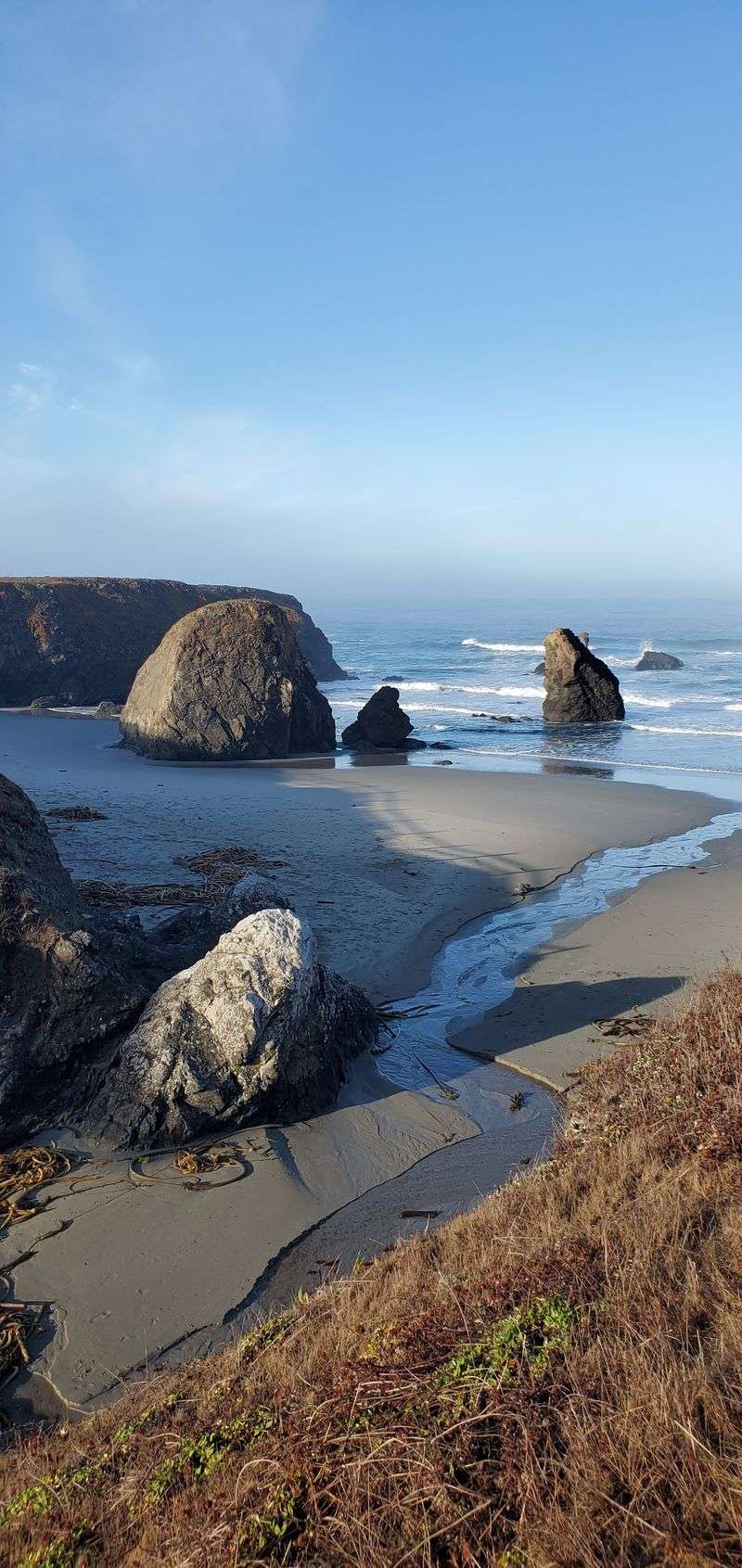
Birdwatchers can easily spend hours at Jug Handle State Natural Reserve, as the area supports over 150 species throughout the year.
Osprey and peregrine falcons soar above the cliffs, scanning the water for fish, while marbled murrelets nest in the old-growth forests inland.
Shorebirds such as sandpipers and plovers forage along the beach at low tide, and songbirds fill the forest with calls during spring and summer.
Harbor seals and sea lions often rest on the offshore rocks, their barks echoing across the water.
From mid-December through early April, gray whales migrate along the coast, and patient observers may spot their spouts or flukes from the bluffs.
Binoculars are helpful for getting a closer look at both birds and marine mammals without disturbing them.
The reserve’s diverse habitats, from coastal prairie to redwood forest, create conditions that support a wide variety of wildlife year-round.
Early morning and late afternoon tend to be the best times for spotting animals, as they are more active during cooler parts of the day.
Visitors should stay on designated trails and keep a respectful distance from all wildlife to minimize stress on the animals.
5. Jug Handle Creek Runs Through The Reserve
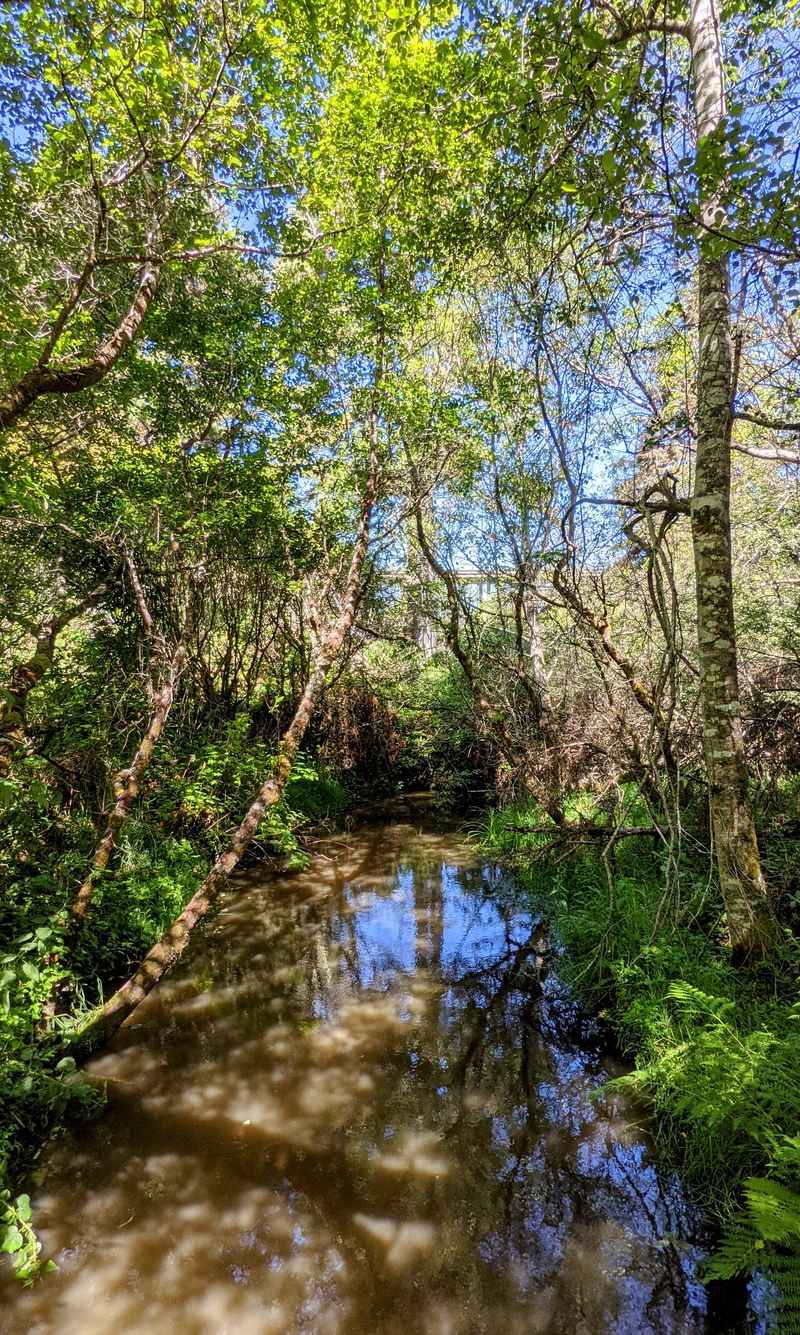
Jug Handle Creek gave the reserve its name, and the story behind that name is simple and charming.
The creek bends in a shape that early settlers thought resembled the handle of a jug, and the name stuck.
The creek flows through the reserve, carving its way down from the coastal hills to the ocean, creating a ribbon of water that supports fish, amphibians, and the plants that grow along its banks.
The riparian habitat along the creek is lush and green, even during the dry summer months when the surrounding hills turn golden. Willows, alders, and ferns thrive in the moist soil, providing shade and cover for wildlife.
The sound of running water adds to the peaceful atmosphere, especially on the lower sections of the Ecological Staircase Trail where the path crosses near the creek.
During winter and early spring, the creek flows more heavily, fed by the region’s rainfall.
By late summer, the flow slows to a trickle in some sections, though pools remain where aquatic life can survive until the rains return.
The creek is not suitable for swimming or wading, but it offers a lovely backdrop for a quiet walk or a moment of rest on a nearby bench.
6. Educational Opportunities At Jug Handle Creek Nature Center
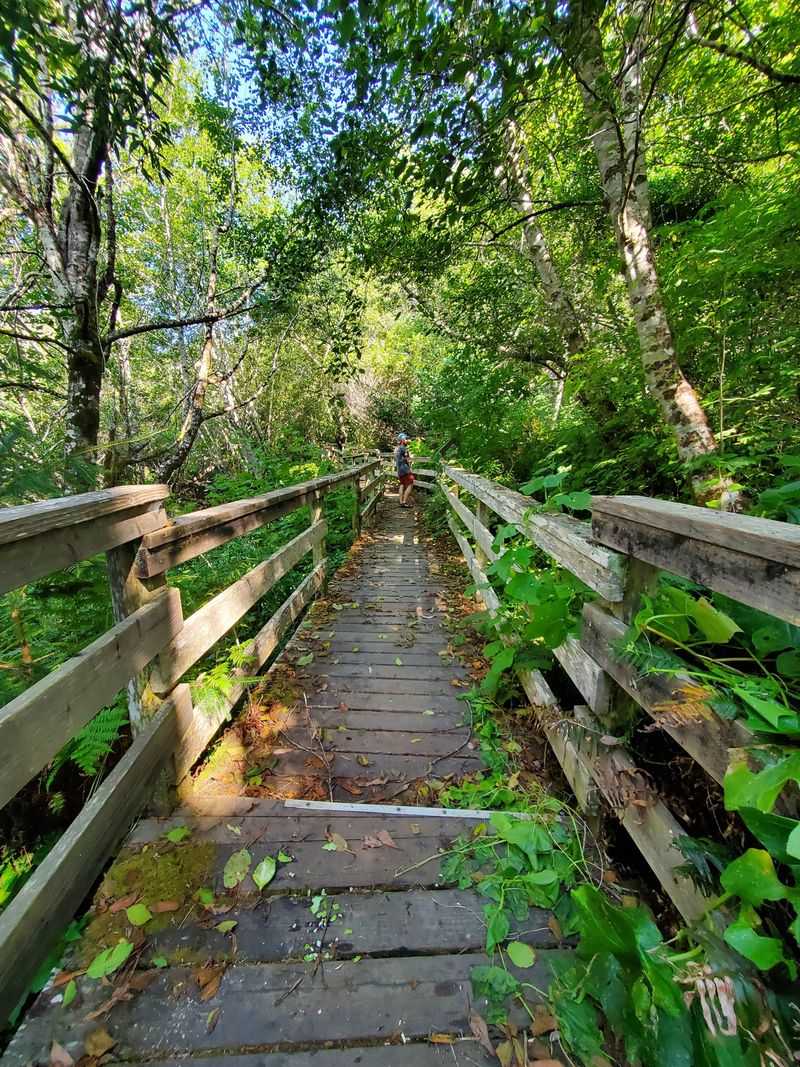
Adjacent to the reserve, Jug Handle Creek Nature Center serves as a hub for learning about the local environment and the forces that shaped it.
The center offers educational programs for school groups, families, and adults, covering topics such as geology, plant identification, and wildlife conservation.
Programs are led by knowledgeable staff and volunteers who are passionate about the Mendocino coast and its ecosystems.
The nature center also operates a native plant nursery, where visitors can purchase plants that are well-suited to coastal gardens and restoration projects.
These plants are grown from seeds collected locally, ensuring they are adapted to the region’s climate and soil conditions.
The nursery is open on select days, and staff are available to answer questions about planting and care.
Overnight accommodations are available for groups and individuals who want to immerse themselves in the natural surroundings.
The center provides a quiet, comfortable base for exploring the reserve and the surrounding area. Scientific research is another focus, with the center supporting studies on topics ranging from soil chemistry to bird migration.
Visitors interested in learning more about the reserve should consider stopping by the nature center before or after their hike.
7. Conservation Efforts Protect Unique Ecosystems
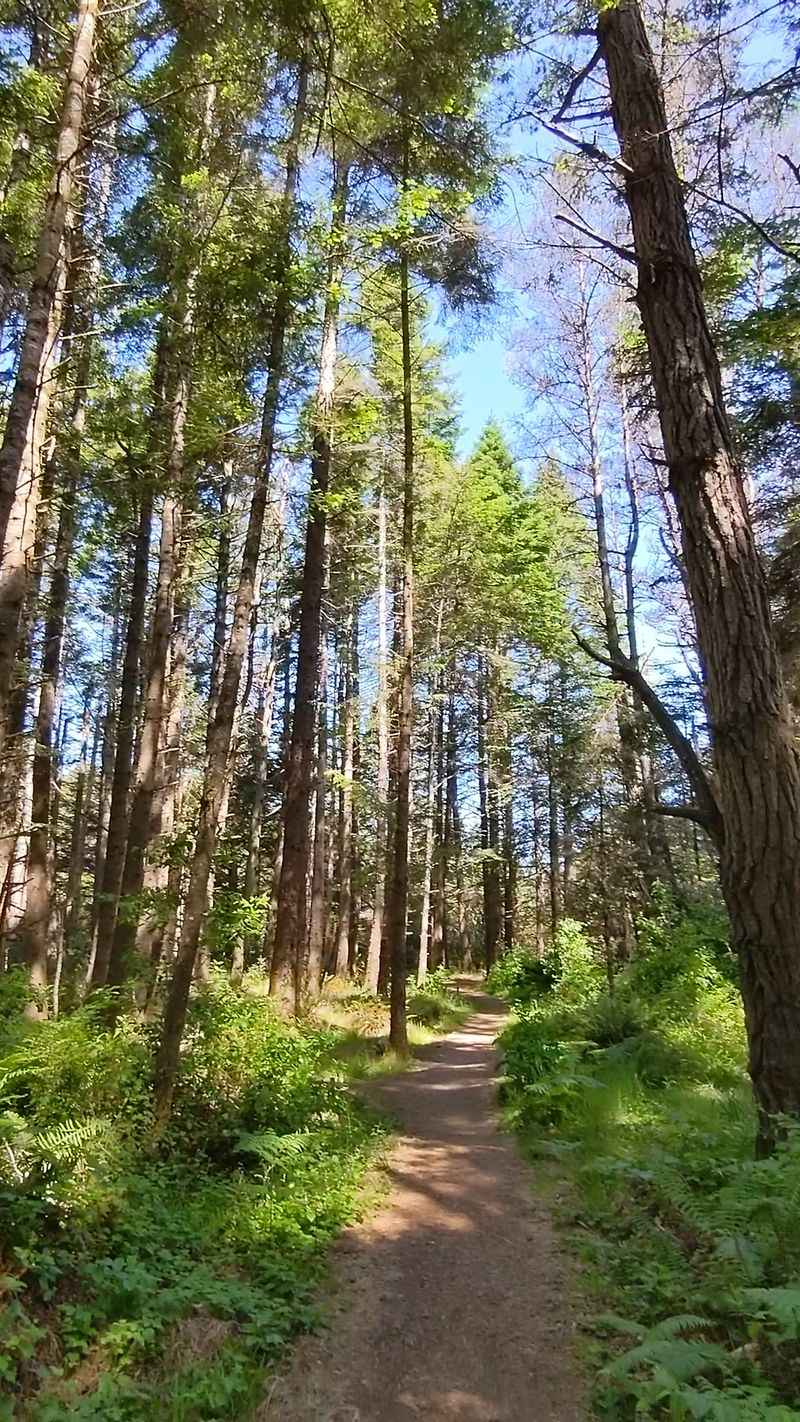
Jug Handle State Natural Reserve is designated as an Area of Special Biological Significance, a status that recognizes the importance of its marine and terrestrial ecosystems.
This designation prohibits stormwater and waste discharge into the reserve’s waters, helping to keep the tide pools and nearshore environment clean and healthy.
The rules are strict, and enforcement helps protect the delicate balance of life that depends on these habitats.
Conservation efforts extend beyond water quality to include habitat restoration, invasive species removal, and public education.
Volunteers and staff work together to remove non-native plants that compete with native species for space and resources. These efforts help maintain the diversity of plant communities that make the reserve so special.
The reserve was established in 1976 after a hard-fought campaign by local activists and conservationist John Olmsted, who worked to prevent logging and real estate development in the area.
Without their dedication, this unique landscape might have been lost forever.
Today, the reserve stands as a testament to the power of community action and the importance of protecting natural spaces for future generations.
Visitors can support these efforts by staying on trails, packing out all trash, and respecting wildlife and plant life.
8. Best Times To Visit Are Spring Through Fall
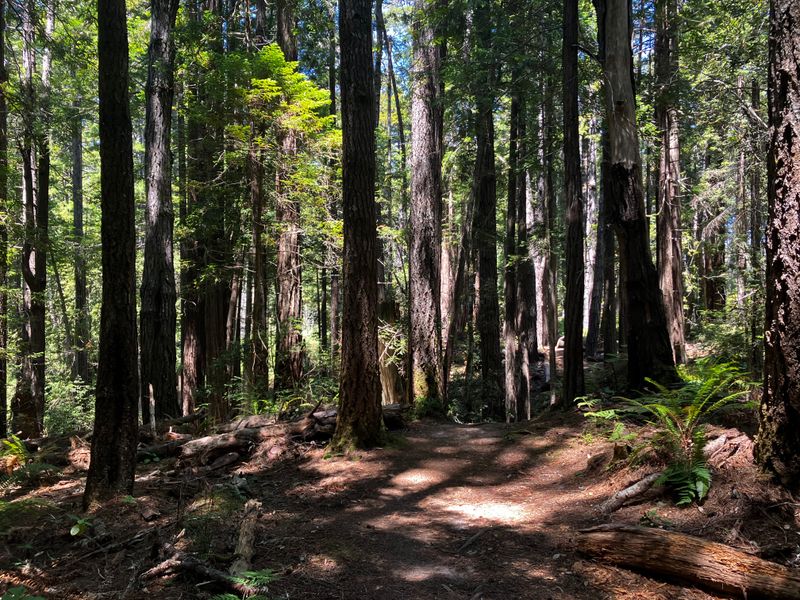
Jug Handle State Natural Reserve is open year-round, but the experience varies significantly depending on the season.
Spring through fall, roughly April to October, offers the most comfortable conditions for hiking and exploring.
During these months, temperatures are mild, wildflowers bloom across the terraces, and trails are generally dry and easy to navigate.
Spring brings an explosion of color as native wildflowers carpet the coastal prairie and forest edges. Lupines, poppies, and Indian paintbrush are among the species that brighten the landscape.
Summer offers long days and clear skies, though coastal fog may roll in during the afternoon, cooling things down and adding a mystical quality to the forest.
Fall is a favorite time for many visitors, with fewer crowds and crisp, clear air that makes for excellent wildlife viewing and photography.
Winter can be beautiful but also challenging, as the reserve receives most of its annual rainfall during these months. Trails may become muddy and slippery, and storm conditions can make the coastal bluffs dangerous.
Visitors planning a winter trip should check weather forecasts and trail conditions before heading out, and should be prepared for wet, windy weather.
9. Diverse Plant Communities Reflect Terrace Age
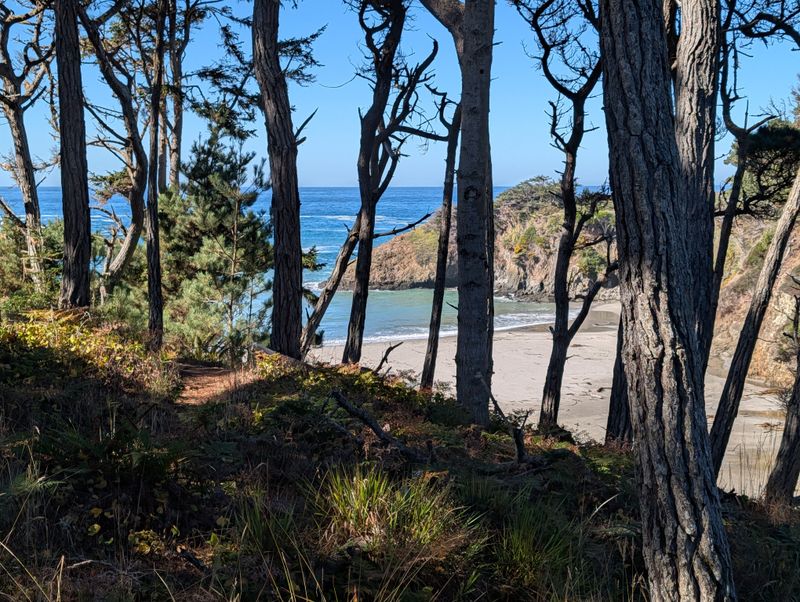
Each of the five marine terraces at Jug Handle State Natural Reserve supports a distinct plant community, shaped by the age of the soil and the conditions it creates.
The youngest terrace, closest to the ocean, is covered in coastal prairie grasses and low shrubs that can tolerate salt spray and strong winds.
These plants are hardy and adapted to the harsh conditions of the exposed coastline.
As the trail climbs to the second terrace, the vegetation shifts to a mix of coastal scrub and young forest, with coyote brush, salal, and young Douglas firs beginning to take hold.
The third terrace is where the pygmy forest appears, its stunted trees and shrubs a stark contrast to the taller forests on the terraces below.
The fourth and fifth terraces support mature redwood and Douglas fir forests, with ferns and mosses carpeting the forest floor. This progression of plant communities is a direct result of soil development over time.
Younger soils are rich in minerals and support vigorous growth, while older soils have lost nutrients through leaching, creating the acidic, nutrient-poor conditions that favor the pygmy forest.
Walking the trail is like watching a time-lapse of ecological succession, compressed into a single afternoon hike.
10. Small Size Creates An Intimate, Peaceful Experience
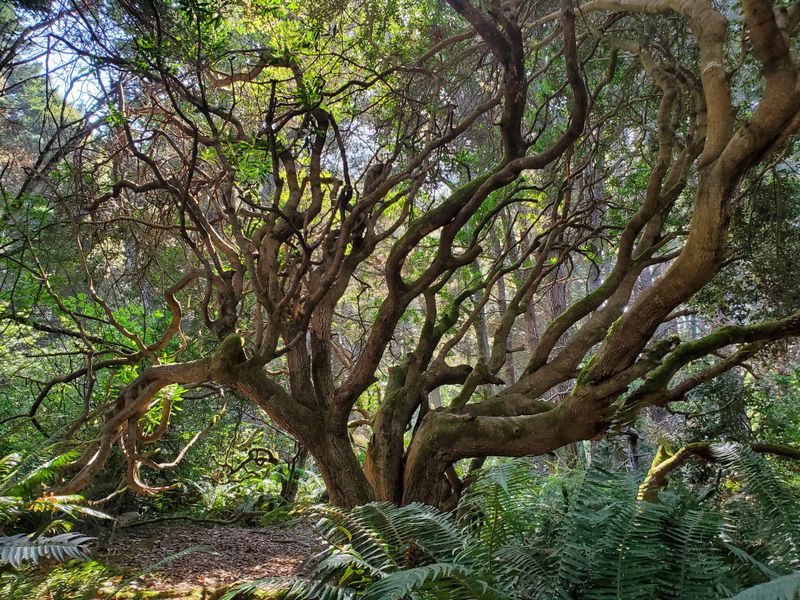
At just 776 acres, Jug Handle State Natural Reserve is tiny compared to many of California’s state parks, but its small size is part of what makes it so special.
The reserve feels intimate and manageable, never overwhelming or crowded, even on busy weekends.
Most visitors can explore the main trail and beach in a half-day, making it easy to fit into a longer trip along the Mendocino coast.
The compact layout means that every corner of the reserve is accessible without a long drive or complicated logistics. Parking is straightforward, with a small lot near the trailhead and another at the beach access.
There are no entrance fees, which makes the reserve an affordable option for families and budget-conscious travelers.
The intimate scale also means that the reserve tends to attract people who are genuinely interested in nature and quiet exploration, rather than large tour groups or party crowds.
The atmosphere is calm and respectful, with most visitors speaking in hushed tones and taking care to leave no trace.
This sense of shared reverence for the landscape creates a peaceful environment where stress seems to melt away, replaced by the simple pleasure of being present in a beautiful, unspoiled place.