This Funky California Seafood Shack Is Known For Fish And Chips Done Right
The ocean breeze sweeps through the air, carrying the unmistakable scent of fresh seafood.
Think about it, a restaurant tucked right by the water, where the waves crash against the shore and fishing boats bob gently in the harbor. You’re not just here for a meal; you’re here for an experience that’s been perfected over decades.
Barbara’s Fishtrap has earned its reputation in California’s coastal food scene by sticking to the basics. No frills, just honest, mouth-watering seafood.
For over fifty years, locals and travelers alike have flocked to this harbor-side spot to indulge in plates piled high with golden, crispy fish and chips.
The charm lies in its simplicity – this is what California coastal dining is all about. From the first bite to the last, there’s something undeniably comforting about knowing you’re savoring the freshest catch of the day.
When you’re at Barbara’s Fishtrap, you’re not just enjoying a meal; you’re soaking in the authentic taste of Half Moon Bay. Who wouldn’t want to be part of this legendary spot?
1. A Woman Named Barbara Started It All In 1971
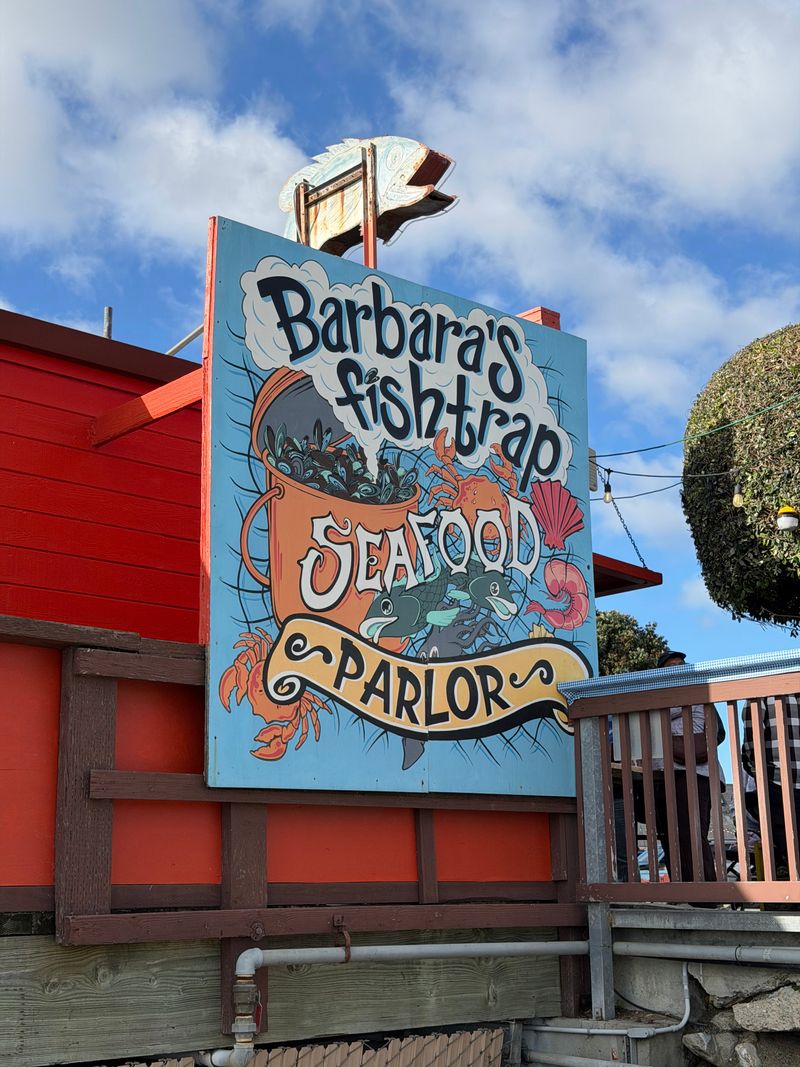
Barbara Walsh opened the doors to what would become a coastal institution more than fifty years ago. Before the restaurant existed, she ran a catering service that introduced her cooking to the Half Moon Bay community.
Word spread quickly about her skill with seafood, and demand grew beyond what a catering business could handle.
The restaurant at 281 Capistrano Rd, Half Moon Bay, CA 94019, began welcoming guests in 1971, transforming from a small operation into a full dining experience.
Barbara’s vision centered on serving fresh, uncomplicated seafood without unnecessary frills or pretense.
Her approach resonated with diners who wanted quality food in a relaxed setting. The family-owned nature of the business has remained constant through the decades.
Recipes and values passed down from Barbara continue to shape the menu and atmosphere today. Guests still feel the warmth of that original commitment to honest cooking and genuine hospitality.
The restaurant’s longevity speaks to the strength of its foundation. Barbara built something that could adapt and endure while staying true to its roots. Her legacy lives on in every plate that leaves the kitchen.
2. Golden Fried Cod Makes The Fish And Chips Legendary
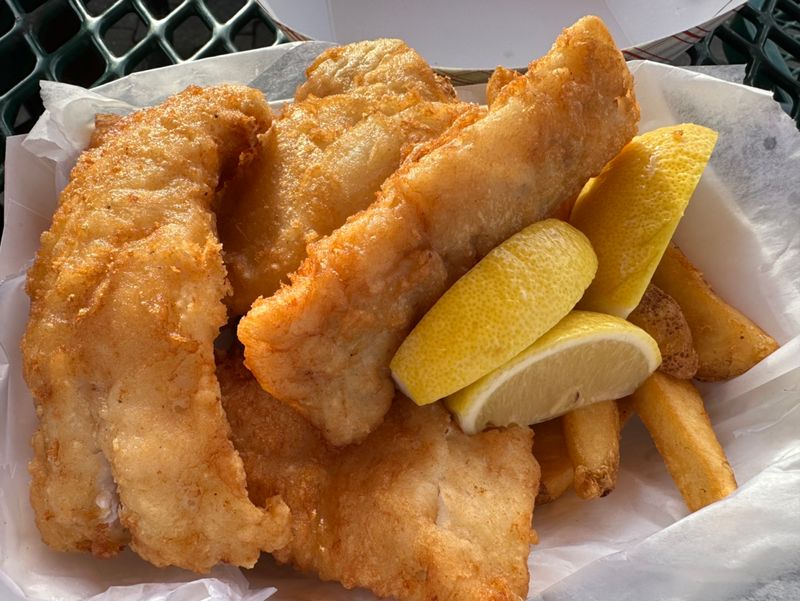
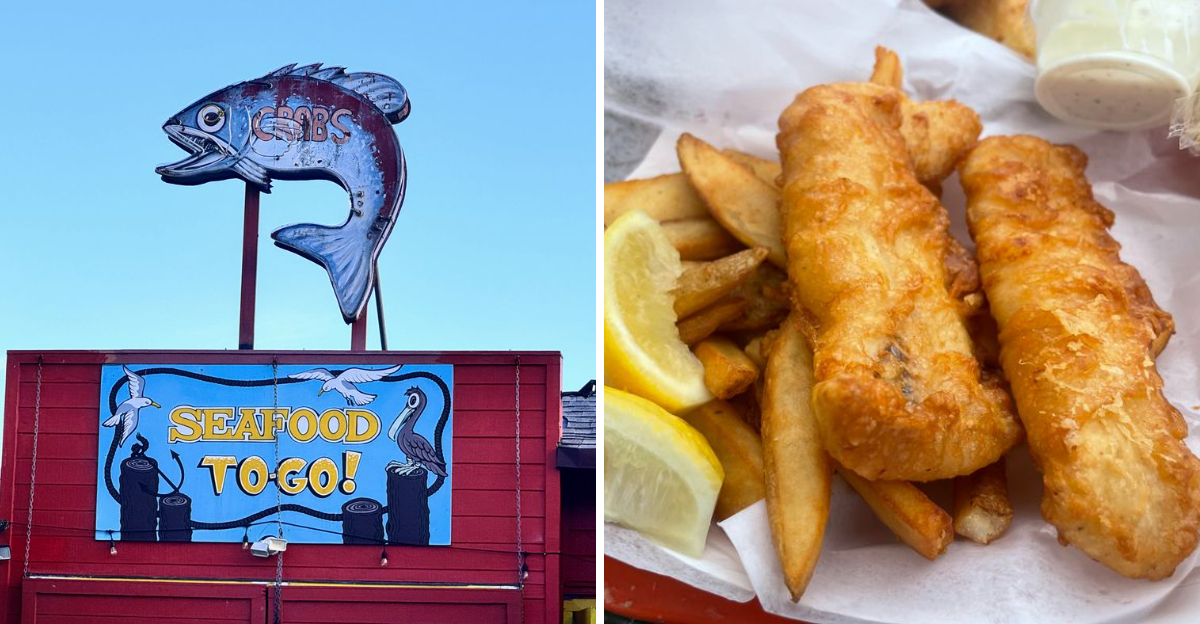
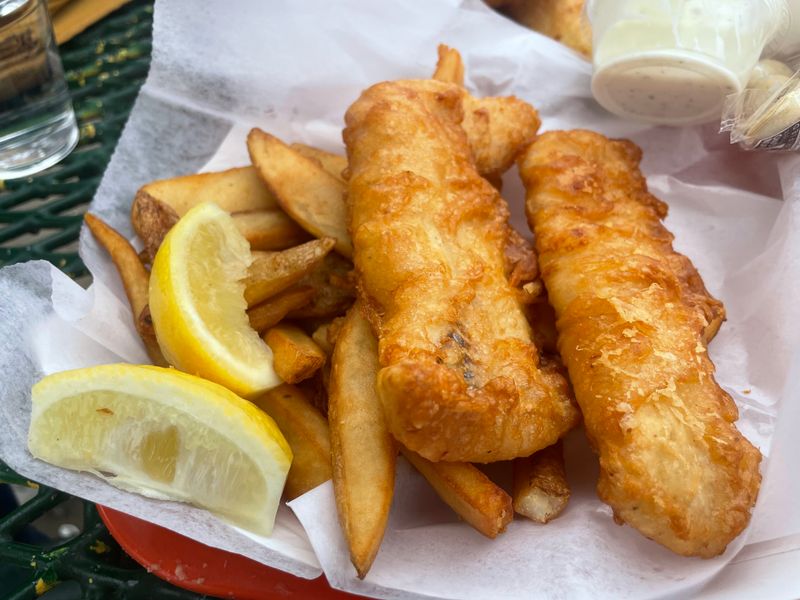
Crispy batter shatters with the first bite, revealing tender cod fillets inside that steam gently in the cool coastal air.
The fish and chips here have earned their reputation through consistency and care rather than gimmicks or shortcuts.
Each piece gets coated in a light batter that fries up to a perfect golden shade without becoming greasy or heavy.
House-made tartar sauce accompanies every order, adding tangy brightness that cuts through the richness of the fried fish.
The fries arrive hot and well-seasoned, providing the perfect salty contrast to the mild sweetness of the cod.
Portions tend to be generous, often leaving diners with enough for a second meal or sharing with companions.
The kitchen uses fresh cod rather than frozen alternatives, which makes a noticeable difference in texture and flavor.
Timing matters with fried fish, and the cooks here understand how to achieve that ideal balance between crispy exterior and moist interior.
Orders may take a bit longer during busy times, but the wait typically feels worthwhile.
Regulars often claim this version of fish and chips rivals anything found in coastal towns up and down California.
The dish has become synonymous with the restaurant itself, drawing visitors specifically for this classic preparation.
3. Pillar Point Harbor Provides The Perfect Backdrop
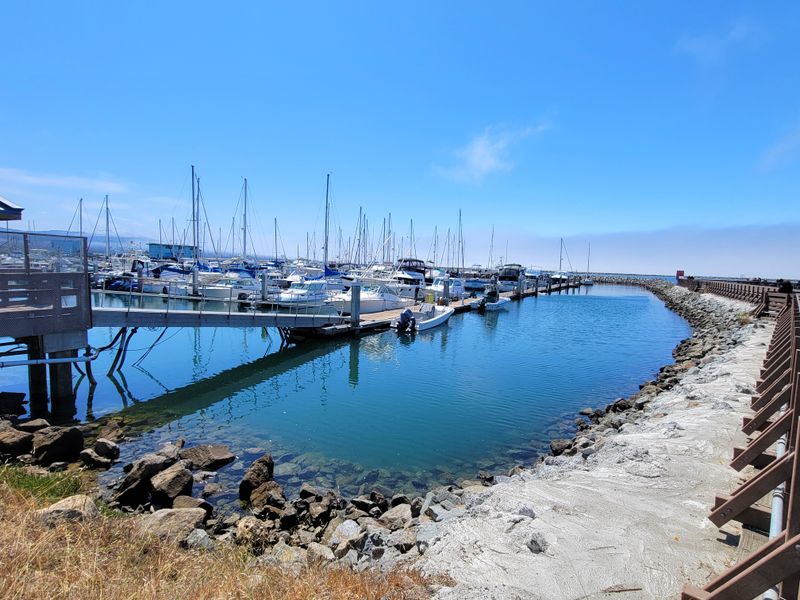
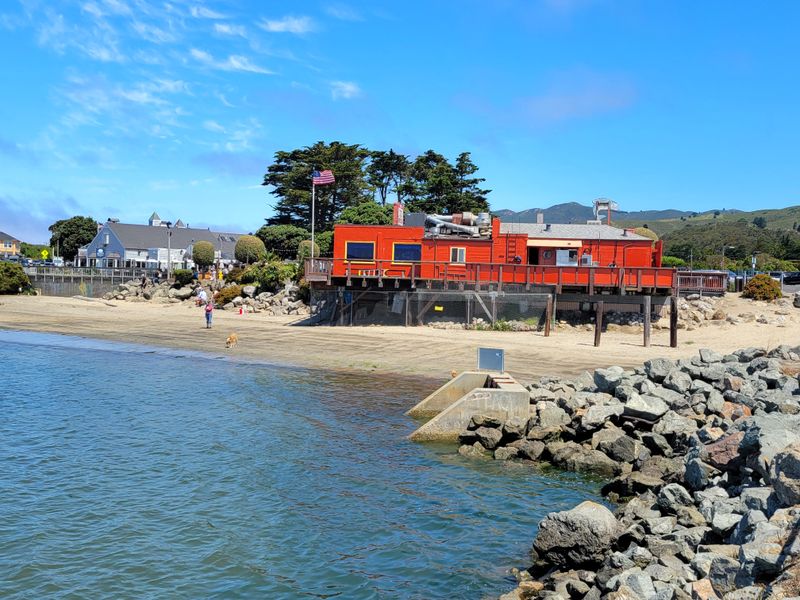
Fishing boats bob gently in the water just beyond the outdoor seating area, creating a scene that feels authentically coastal rather than staged for tourists.
The location at 281 Capistrano Rd, Half Moon Bay, CA 94019, places diners right in the heart of working harbor life.
Seagulls call overhead while the scent of salt water mixes with the aroma of fried seafood drifting from the kitchen.
The harbor setting adds context to the meal that indoor-only restaurants cannot replicate. Watching boats return with their catch provides a direct connection to the source of the food on the table.
The view changes throughout the day as light shifts across the water, creating different moods from lunch through early evening.
Outdoor tables fill quickly on sunny days when the weather cooperates and the harbor sparkles under blue skies.
Even on overcast afternoons, the atmosphere holds a certain charm that feels distinctly Northern California.
The sound of water lapping against the docks creates a soothing background rhythm. This location has shaped the restaurant’s identity in ways that go beyond mere scenery.
The proximity to fishing operations reinforces the commitment to fresh seafood and honest preparation. Diners leave with memories of both the food and the setting.
4. The Menu Stretches Beyond Just Fish And Chips
Clam chowder arrives steaming in bowls thick with potatoes, celery, and tender clam pieces suspended in creamy broth.
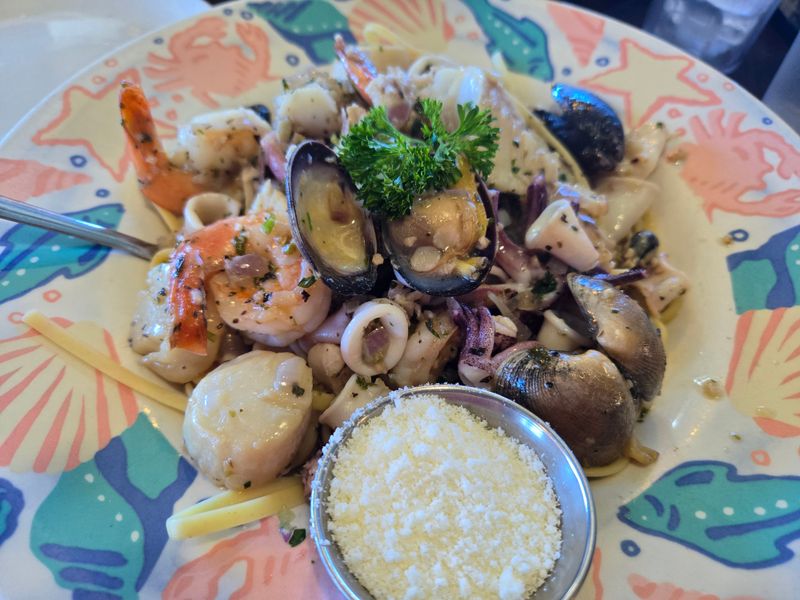
The kitchen also prepares calamari that comes out golden and tender rather than rubbery, served with lemon wedges and dipping sauce. Seafood pastas offer heartier options for those seeking something beyond fried preparations.
Variety matters for groups with different preferences or dietary needs, and the menu accommodates without trying to be everything to everyone.
Shrimp dishes appear in several forms, from simple fried preparations to pasta combinations. The focus remains on seafood throughout, with limited options for those who prefer alternatives.
Daily specials may feature whatever came in fresh that morning, depending on what local boats brought to the harbor.
This approach keeps the menu dynamic while maintaining the restaurant’s core identity.
Prices tend to reflect the quality and portion sizes, landing in a range that feels fair for coastal seafood. The menu board displays options clearly, making ordering straightforward even during busy periods.
Sides like coleslaw and bread accompany many dishes, rounding out meals without unnecessary complexity.
The kitchen handles high volume without sacrificing the standards that built the restaurant’s reputation over decades of service.
5. Nautical Décor Creates A Cozy And Inviting Space
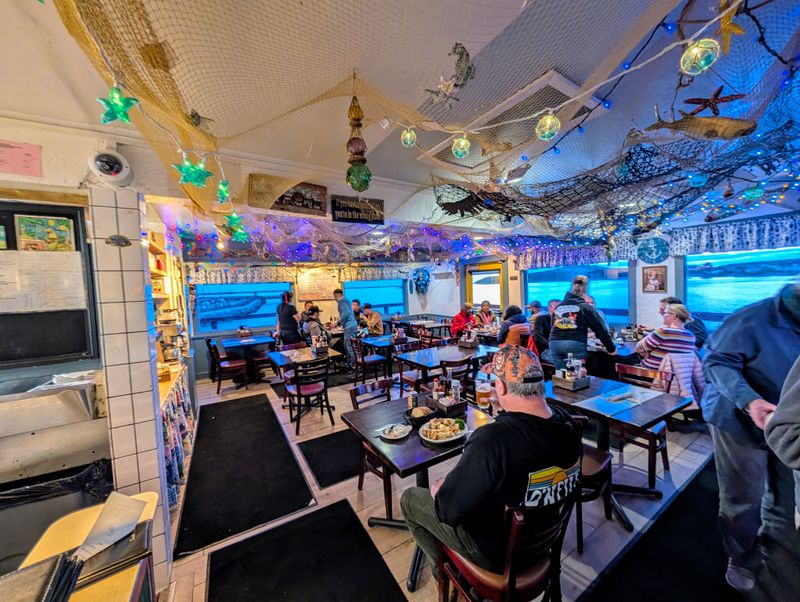
Fishing nets drape across walls alongside weathered oars and vintage maritime photographs that tell stories of Half Moon Bay’s history.
The interior feels lived-in rather than decorated, as if the nautical elements accumulated naturally over years of operation.
Wooden tables show the wear of thousands of meals served, adding character rather than detracting from the experience.
Lighting stays warm and comfortable without being too dim, allowing diners to see their food clearly while maintaining a relaxed atmosphere.
The space avoids the overly polished feel of chain restaurants, embracing instead a funky authenticity that matches the coastal setting.
Seating arrangements include booths and tables that can accommodate different group sizes. The restaurant never tries to be fancy, which actually becomes part of its appeal.
Diners come dressed casually, often straight from beach walks or harbor explorations. The décor signals immediately that this is a place for good food and easy company rather than formal occasions.
Noise levels can rise during peak times as conversations overlap and kitchen sounds carry into the dining area. The bustling energy feels appropriate for a popular seafood spot rather than intrusive.
The overall ambiance strikes a balance between casual comfort and the excitement of a well-loved local gathering place.
6. Locals And Visitors Both Claim It As Their Favorite
Conversations at neighboring tables often reveal a mix of accents and backgrounds, from Bay Area residents making a weekend trip to tourists exploring the California coast.
The restaurant has achieved that rare status of being both a local hangout and a destination worth seeking out. Regulars greet staff by name while first-time visitors study the menu board with anticipation.
Community support has sustained the business through changing economic conditions and shifting food trends.
When locals consistently return to a restaurant for decades, it signals something beyond novelty or marketing. The food and experience deliver reliably enough to earn that ongoing loyalty.
Online reviews and word-of-mouth recommendations continue to bring new diners through the door. Many visitors to Half Moon Bay include Barbara’s Fishtrap on their itinerary specifically because of its reputation.
The restaurant appears in travel guides and food blogs as a must-visit spot along this stretch of coast. The blend of local and visitor traffic creates an interesting dynamic in the dining room.
Tourists absorb the authentic atmosphere while locals appreciate having a place that maintains its identity despite increased attention.
Both groups leave satisfied, which explains why the restaurant remains busy year after year without losing its essential character or compromising on quality.
7. Family Ownership Keeps Values And Quality Consistent
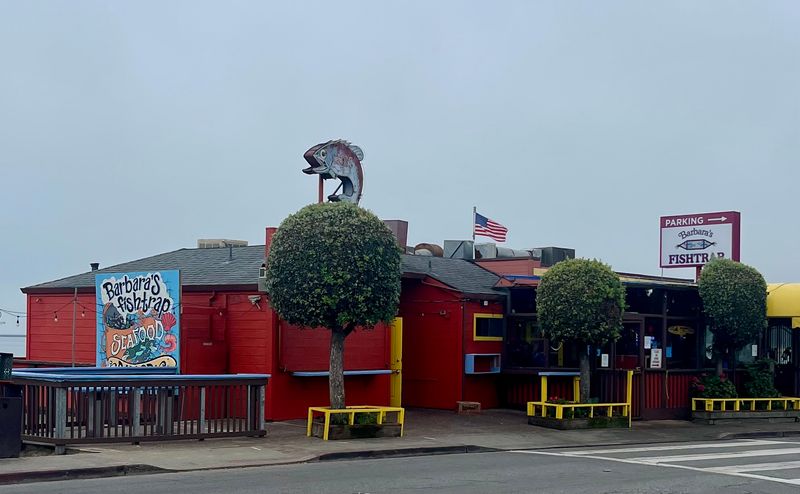
Three generations have now contributed to running the restaurant, each bringing fresh energy while respecting the foundation Barbara established.
Family businesses face unique challenges in maintaining standards as they pass between hands. The commitment to fresh seafood and welcoming service has survived those transitions intact.
Decisions about menu changes, pricing, and operations get made with long-term thinking rather than chasing short-term profits.
This approach may not maximize every dollar, but it builds the kind of reputation that keeps customers coming back for fifty years.
The family understands that their legacy depends on preserving what made the restaurant special in the first place.
Staff members often stay for years, creating continuity in service and food preparation. Training new cooks means passing along techniques and standards that have been refined over decades.
The kitchen operates with efficiency that comes from experience rather than corporate systems. Family ownership also means accountability feels personal rather than abstract.
When something goes wrong, the people responsible have their name on the building and their history in the community.
That tends to inspire a level of care that differs from corporate-managed establishments. Diners benefit from that personal investment every time they order a meal.
8. Operating Hours Accommodate Different Schedules Throughout The Week
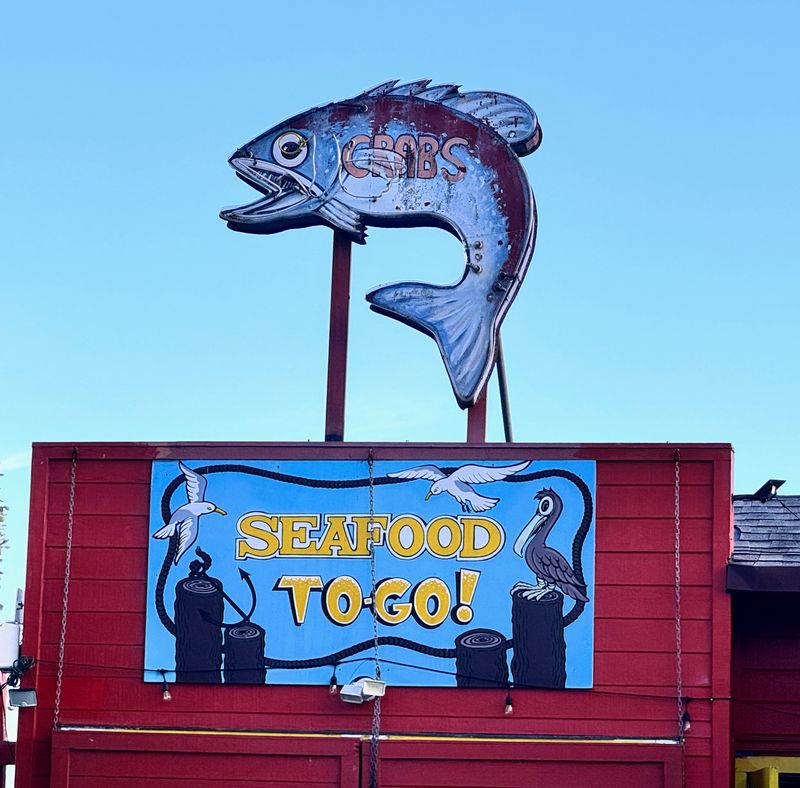
Sunday through Thursday, the restaurant welcomes guests from 11:00 am until 8:00 pm, providing a window that covers lunch and dinner service.
Friday and Saturday extend closing time to 8:30 pm, acknowledging the busier weekend traffic. These hours allow for both midday visits and early evening meals without stretching into late-night service.
The schedule reflects a rhythm that works for both staff and customers, avoiding the exhaustion that comes with extremely long hours.
Coastal restaurants often close earlier than urban establishments, aligning with the pace of life in smaller communities.
Visitors should plan accordingly, especially if arriving later in the evening. Lunch service tends to be steadier on weekdays while weekends bring larger crowds throughout the day.
Arriving during off-peak hours, such as early afternoon on weekdays, may mean shorter waits and a more relaxed dining experience.
The kitchen maintains consistent quality regardless of timing, though food may arrive faster during quieter periods. Seasonal variations in tourist traffic affect how busy the restaurant gets at different times of year.
Summer weekends and holiday periods typically see the longest waits, while winter weekdays offer the most availability.
Checking current hours before visiting is advisable, as schedules can occasionally shift for holidays or special circumstances that affect operations.
9. Both Indoor And Outdoor Seating Offer Different Experiences
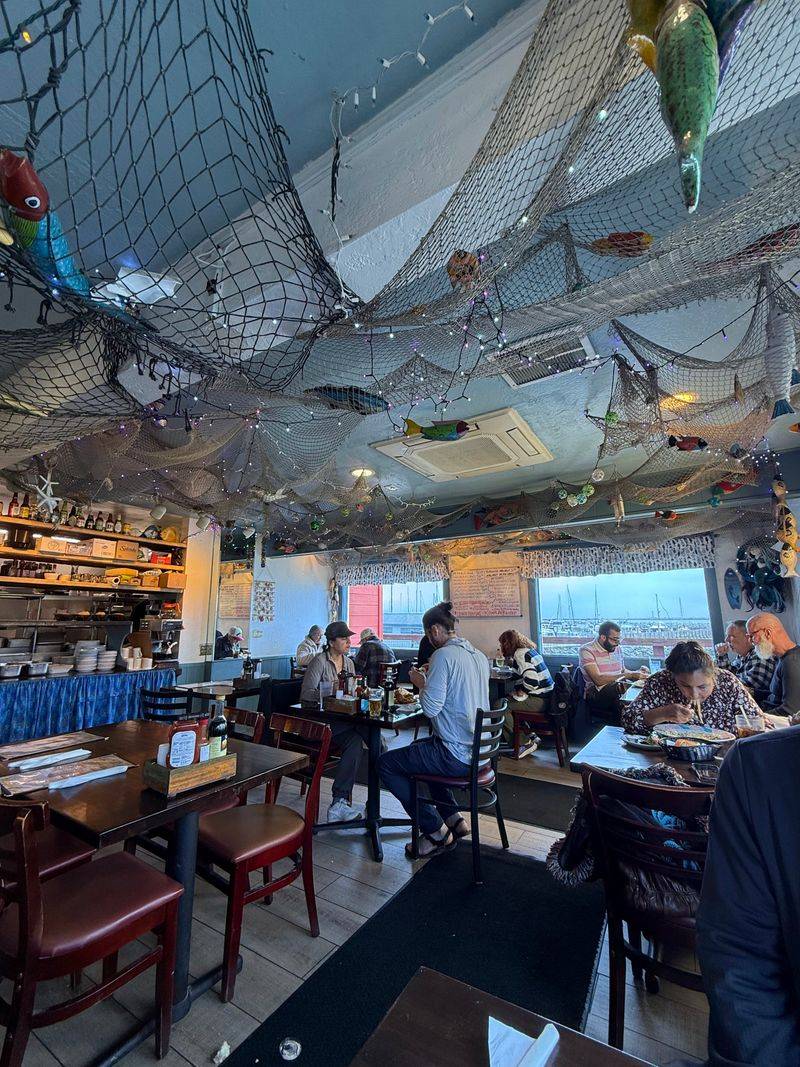
Choosing between inside and outside depends on weather, personal preference, and availability on any given day.
Indoor tables provide shelter from wind and fog, which can roll in unexpectedly along the coast even during warmer months.
The interior maintains comfortable temperatures year-round, making it the reliable choice for those who want to focus on their meal without weather considerations.
Outdoor seating places diners closer to the harbor action, with unobstructed views of boats and water. Fresh air and natural light enhance the coastal dining experience in ways that indoor spaces cannot replicate.
Seagulls may linger nearby hoping for scraps, adding an authentic if occasionally bold element to the outdoor atmosphere.
Wait times for outdoor tables often exceed those for indoor seating on beautiful days when everyone wants the harbor view.
Flexibility about seating location can significantly reduce waiting periods during busy times. Both options provide the same menu and service quality, so the choice comes down to atmosphere preference.
Families with young children sometimes prefer outdoor seating where noise concerns decrease and kids can move around more freely.
Couples seeking conversation may opt for indoor tables where wind and seagull calls create less distraction.
The availability of both options makes the restaurant more adaptable to different dining needs and preferences throughout the day.
10. Payment Options Include Cash And Credit With A Small Consideration
The restaurant accepts both cash and credit cards, providing flexibility for different payment preferences.
A small fee may apply to credit card transactions, which is noted clearly so diners can choose their payment method accordingly.
This practice helps the business manage processing costs without significantly raising menu prices across the board.
Having cash on hand can streamline the payment process and avoid the additional fee, though the difference typically amounts to just a few dollars.
ATMs are available in the Half Moon Bay area for those who need to withdraw cash before or after their meal.
The staff handles payment efficiently, keeping lines moving even during busy periods. Tipping follows standard restaurant practices, with gratuity typically added based on the pre-tax total.
Service quality generally merits the customary percentage, as staff members work hard to manage high volume while maintaining friendly interactions.
The payment system is straightforward, without complicated splits or confusing surcharges beyond the credit card fee.
Understanding payment options before ordering helps avoid surprises when the check arrives. The restaurant communicates its policies clearly, allowing diners to make informed choices.
This transparency reflects the overall honest approach that characterizes the business, from food preparation to financial transactions.
Knowing what to expect makes the entire experience smoother and more enjoyable for everyone involved.