These North Carolina Destinations Are Calling You Before Summer Hits
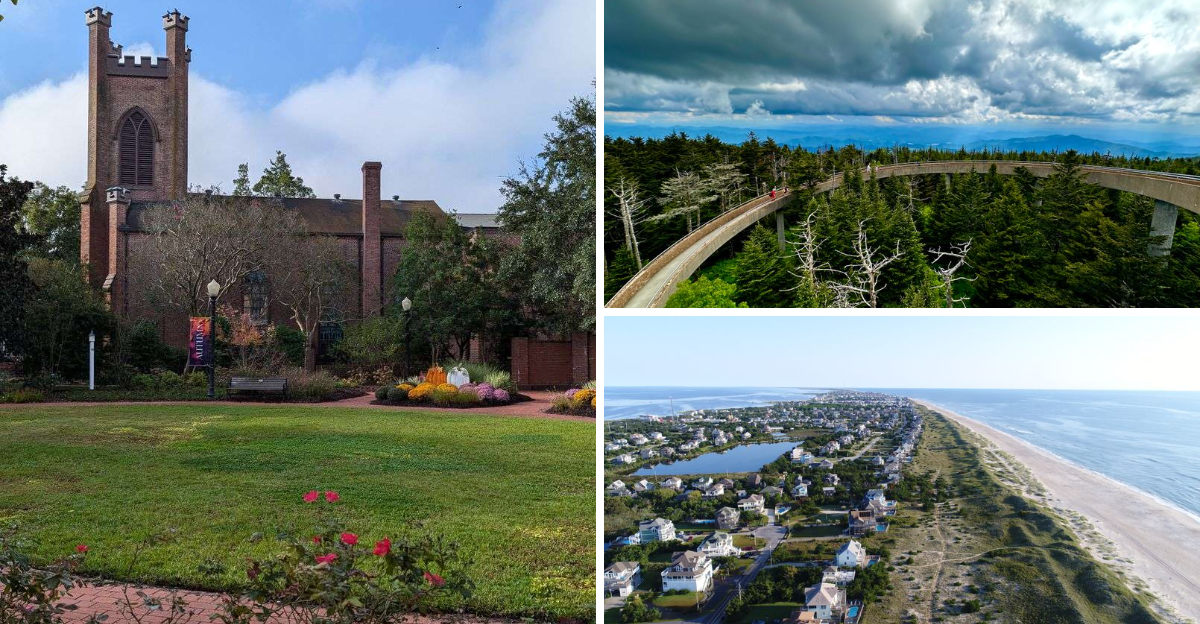
Spring in North Carolina brings a special kind of magic that makes every corner of the state feel like a secret waiting to be discovered. Before the summer crowds arrive and temperatures soar, there’s a perfect window to explore mountains that touch the clouds, beaches that stretch for miles, and historic towns that whisper stories from centuries past.
Chasing waterfalls and wild adventures, spring in NC is pure magic. The weather is just right for hiking trails, wandering through gardens in full bloom, and enjoying outdoor adventures without breaking a sweat.
Secret gardens, cloud-touching mountains, endless beaches, North Carolina in spring has it all. Whether you’re chasing waterfalls in the Blue Ridge Mountains, strolling along barrier islands where wild horses roam, or stepping back in time at grand estates, North Carolina offers experiences that stay with you long after you’ve returned home.
Pack your bags and get ready to discover why spring is the absolute best time to explore the Tar Heel State.
1. Grandfather Mountain
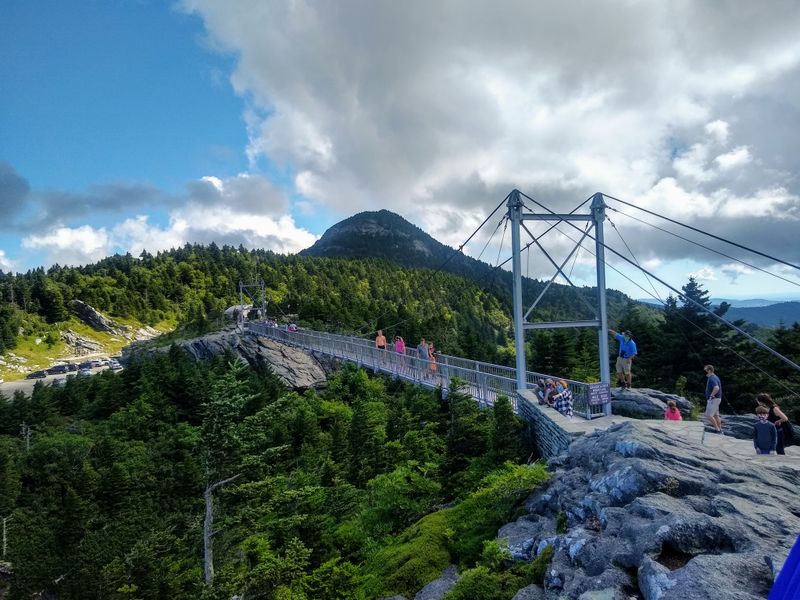
Imagine standing on a bridge suspended a mile above sea level, with mountain peaks rolling out beneath your feet like waves frozen in time. Grandfather Mountain near Linville offers exactly that experience with its famous Mile High Swinging Bridge, an engineering marvel that connects two rocky peaks and delivers views that make your heart skip a beat.
The bridge sways gently as you walk across, adding just enough thrill to make the experience unforgettable without being scary.
Beyond the bridge, the mountain features hiking trails ranging from easy nature walks to challenging climbs that test your endurance and reward you with panoramic vistas. Wildlife habitats throughout the park let you meet black bears, river otters, and cougars up close in naturalistic environments.
Spring weather makes hiking comfortable, with wildflowers blooming along the trails and temperatures perfect for exploration.
The mountain sits along the Blue Ridge Parkway, making it an easy stop during a scenic drive through western North Carolina’s most beautiful landscapes.
2. Cape Hatteras National Seashore
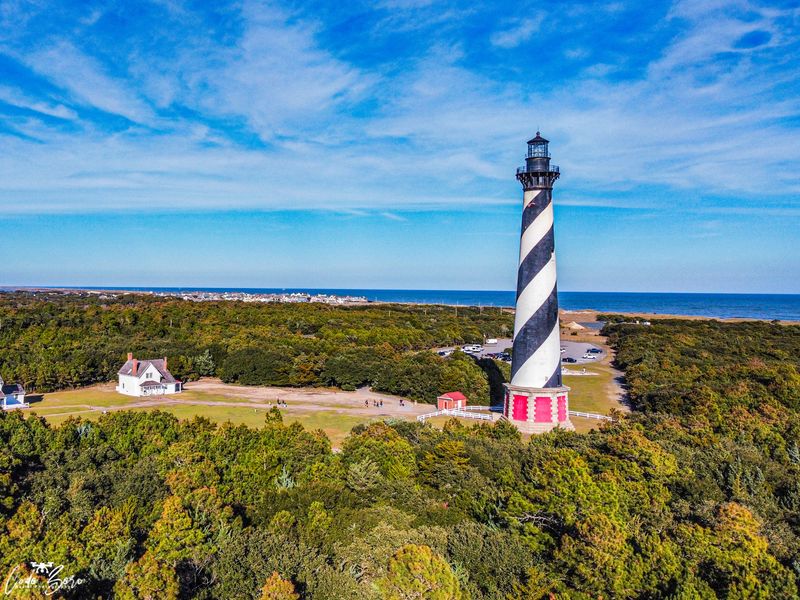
Waves crash against sandy shores where history and nature collide in spectacular fashion along this protected stretch of North Carolina’s Outer Banks. Cape Hatteras National Seashore spans over 70 miles of pristine coastline, offering beaches so wild and beautiful they feel like stepping into another world.
The iconic black-and-white striped lighthouse stands as America’s tallest brick lighthouse, guiding ships safely past the dangerous waters known as the Graveyard of the Atlantic.
Climbing the lighthouse’s 257 steps rewards you with breathtaking views of the ocean meeting the sound, with barrier islands stretching endlessly in both directions. The beaches here remain uncrowded in spring, perfect for beachcombing, surfing, or simply watching pelicans dive for fish.
Historic shipwrecks dot the shoreline, visible reminders of the area’s maritime past.
Spring brings migrating birds by the thousands, making it a paradise for birdwatchers and nature photographers who appreciate wildlife in its natural habitat without summer’s intense heat and crowds.
3. Biltmore Estate
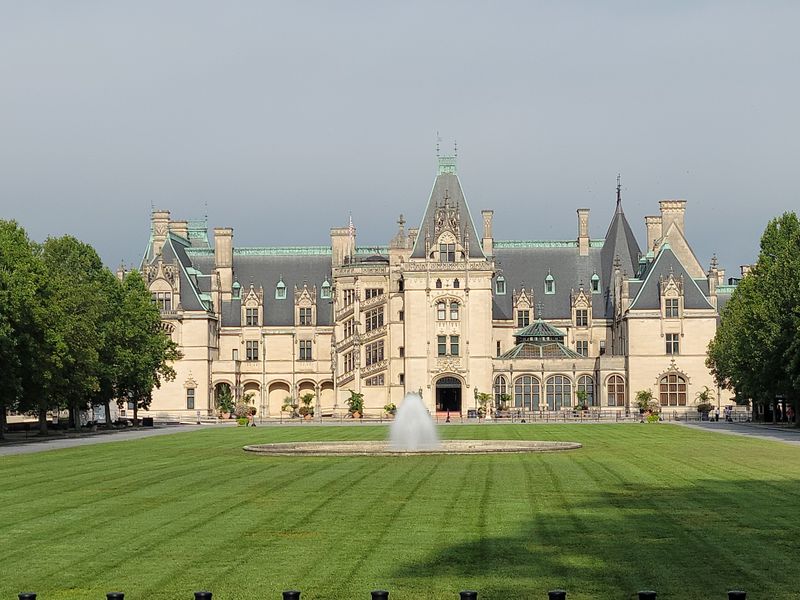
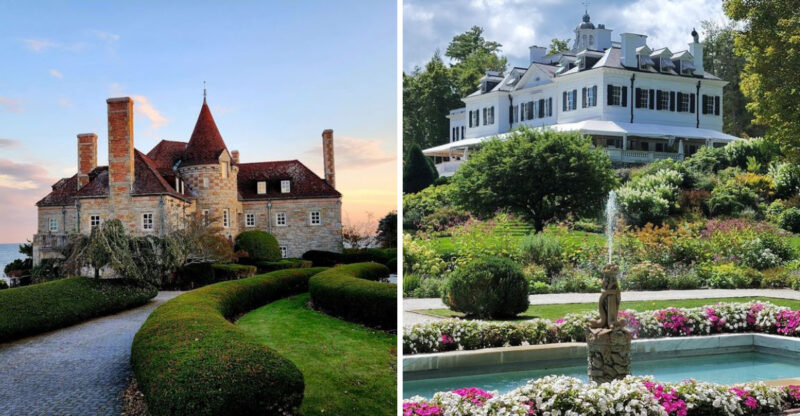
Opulence takes on new meaning when you step through the doors of America’s largest privately-owned home at 1 Lodge Street, Asheville. The Biltmore Estate spans 250 rooms filled with priceless art, antiques, and architectural details that showcase the Gilded Age’s extraordinary wealth and craftsmanship.
George Vanderbilt built this French Renaissance château in the late 1800s, creating a masterpiece that still takes visitors’ breath away more than a century later.
Wandering through the mansion feels like traveling back in time, with each room telling stories of grand parties, famous guests, and a lifestyle most people can only imagine. The indoor bowling alley, indoor pool, and massive library containing thousands of books reveal how the wealthy lived during America’s most prosperous era.
Outside, Frederick Law Olmsted designed gardens that bloom spectacularly in spring, with tulips, azaleas, and roses creating a rainbow of colors.
The estate’s winery offers tastings, while restaurants serve farm-to-table meals using ingredients grown on the property’s working farm.
4. Durham Performing Arts Center

Broadway magic happens regularly in the heart of Durham at 123 William V Bill Bell Wy, where the Durham Performing Arts Center brings world-class entertainment to North Carolina audiences year-round. This premier venue hosts touring Broadway productions, concerts featuring chart-topping artists, and comedy shows that leave audiences laughing until their sides hurt.
The theater’s design ensures every seat offers excellent views and acoustics, making every performance feel intimate despite the venue’s size.
Spring brings an exciting lineup of shows ranging from beloved musicals to cutting-edge performances that push artistic boundaries. The center’s location in downtown Durham makes it easy to combine a show with dinner at one of the city’s acclaimed restaurants or drinks at nearby craft breweries.
The building itself impresses with modern architecture and comfortable amenities that enhance the entire theater-going experience.
Catching a show here before summer arrives means avoiding peak tourist season while still enjoying top-tier entertainment that rivals anything you’d find in major cities across America.
5. Manteo
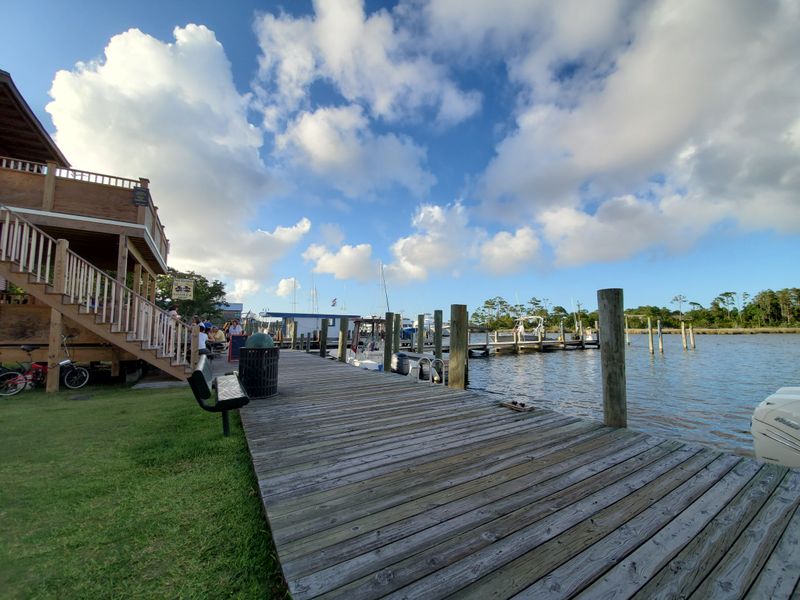
Charm radiates from every corner of this waterfront town on Roanoke Island, where history comes alive through interactive experiences and artistic expression flourishes along tree-lined streets. Manteo serves as the gateway to understanding the Lost Colony, America’s first English settlement that mysteriously vanished in the 1580s, leaving behind only the cryptic word “Croatoan” carved into a tree.
The town celebrates this history with an outdoor drama performed each summer, but spring visitors enjoy exploring without crowds.
Strolling along the waterfront reveals colorful shops, galleries showcasing local artists’ work, and restaurants serving fresh seafood caught that morning. The Roanoke Island Festival Park recreates 16th-century life with a representative sailing ship and living history interpreters who demonstrate period crafts and skills.
Elizabeth II, a replica ship, sits docked in the harbor, offering tours that transport you back to the age of exploration.
The town’s compact size makes it perfect for leisurely exploration on foot, discovering hidden gems around every corner while enjoying the slower pace that makes coastal Carolina so appealing.
6. Linville Falls
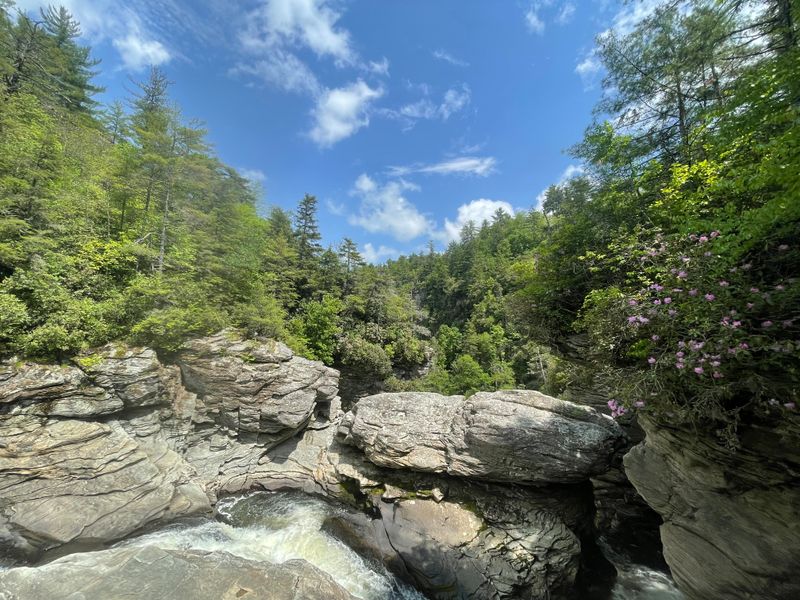
Water thunders over rocky cliffs in one of the most photographed spots along the Blue Ridge Parkway, creating a spectacle that draws hikers and nature lovers from across the country. Linville Falls plunges into the Linville Gorge, cascading in multiple tiers that create different viewing opportunities depending on which trail you choose.
Spring runoff from melting mountain snow makes the falls particularly powerful and dramatic, with mist rising from the gorge and rainbows appearing in the spray.
Several hiking trails lead to various overlooks, ranging from easy walks suitable for families to more challenging routes that reward effort with spectacular perspectives. The Erwins View Trail offers the most dramatic vista, looking down into the gorge where the river continues its journey between towering rock walls.
Photographers arrive early morning or late afternoon when golden light illuminates the falls and surrounding forest.
The area remains relatively cool even as spring progresses, making it comfortable for hiking while lower elevations grow warm. Pack a picnic and spend the day exploring different trails and viewpoints around this natural wonder.
7. Waynesville

Creativity flows through the streets of this mountain town where artists have established galleries, studios, and workshops that welcome visitors to watch them create everything from pottery to paintings. Waynesville sits in the heart of the Smoky Mountains, offering easy access to outdoor adventures while maintaining a vibrant cultural scene that rivals much larger cities.
Main Street features beautifully preserved historic buildings now housing boutiques, antique shops, and restaurants serving farm-fresh cuisine with mountain views.
The town hosts frequent festivals celebrating everything from apples to folk music, but spring brings a quieter atmosphere perfect for leisurely exploration without crowds. Artists often work in their studios with doors open, inviting conversations about their craft and creative process.
Local galleries showcase work ranging from traditional Appalachian crafts to contemporary fine art.
Surrounding mountains provide endless opportunities for hiking, fishing, and scenic drives through forests bursting with spring growth. The town serves as an excellent base for exploring Great Smoky Mountains National Park while enjoying comfortable accommodations and excellent dining options each evening.
8. Outer Banks
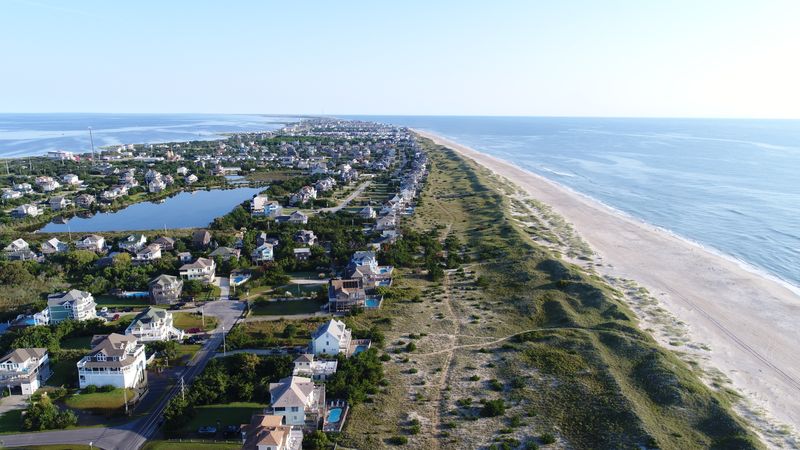
Wild horses roam freely across sandy dunes where barrier islands stretch like ribbons between ocean and sound, creating a landscape unlike anywhere else on the East Coast. The Outer Banks comprise a chain of islands offering everything from historic sites to world-class fishing, from quiet beaches to lively towns with seafood restaurants and surf shops.
Spring weather brings comfortable temperatures perfect for exploring without the summer humidity that can make beach days feel sticky and uncomfortable.
Each island along the chain offers its own personality, from the northern beaches near Duck with their upscale vacation homes to the southern reaches of Ocracoke accessible only by ferry. Kitty Hawk and Kill Devil Hills mark where the Wright Brothers achieved powered flight, forever changing human history.
Lighthouses dot the coastline, each with distinctive markings that helped sailors identify their location.
Fishing piers extend into the Atlantic where anglers catch everything from flounder to marlin depending on the season. Spring brings fewer tourists, meaning more space on beaches, easier restaurant reservations, and better prices on accommodations throughout the islands.
9. Blue Ridge Parkway
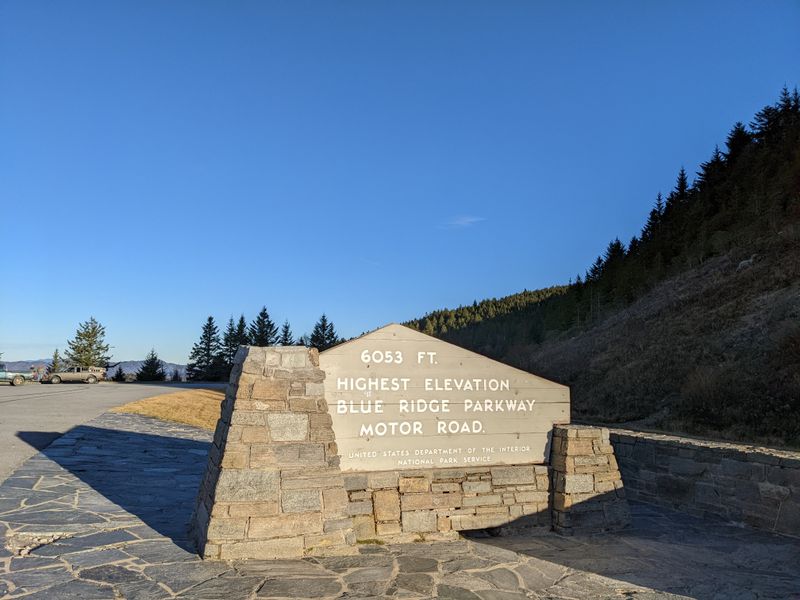
Curves wind through mountain landscapes where every turn reveals new vistas that make you want to pull over and simply stare at the beauty spreading before your eyes. The Blue Ridge Parkway stretches 469 miles through Virginia and North Carolina, earning its nickname as America’s Favorite Drive through sheer scenic splendor that never disappoints.
Spring brings wildflowers blooming along the roadside, with dogwoods and redbuds adding splashes of white and pink to the green mountainsides.
Overlooks appear frequently, providing opportunities to stop, take photos, and appreciate views that stretch for miles across mountain ridges fading into blue haze. Hiking trails branch off from numerous parking areas, ranging from short nature walks to challenging climbs that reach mountain summits.
The parkway connects many of western North Carolina’s most popular destinations, making it both journey and destination.
Driving the parkway requires patience and a willingness to travel slowly, as the speed limit rarely exceeds 45 mph and the winding road demands attention. This slower pace becomes part of the experience, encouraging you to relax and savor the journey rather than rushing to reach a destination.
10. Chimney Rock State Park
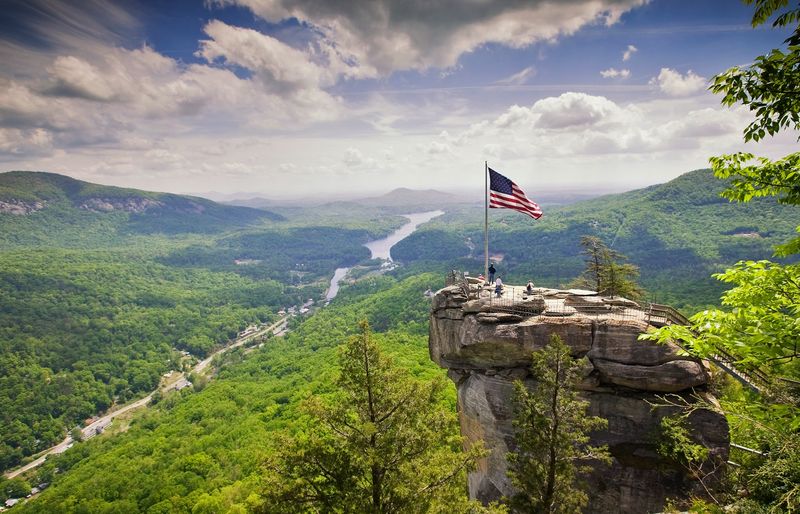
A granite monolith rises 315 feet above the surrounding forest, offering views that inspired scenes in the movie “Last of the Mohicans” and continue to inspire visitors who make the journey to its summit. Chimney Rock State Park, at 174 Chimney Rock Park Rd, Chimney Rock, provides multiple ways to reach the top, including a 26-story elevator built into the mountain itself for those who prefer not to climb stairs.
From the top, Lake Lure sparkles below while Hickory Nut Gorge stretches into the distance, creating a panorama that photographs beautifully but looks even better in person.
The park features several hiking trails, including the path to Hickory Nut Falls, one of the highest waterfalls east of the Mississippi River. The falls plunge 404 feet down a sheer rock face, creating a thundering spectacle especially impressive during spring when water flow increases.
Trails wind through diverse ecosystems where you might spot wildflowers, wildlife, and rock formations shaped by millions of years of erosion.
The park’s location near Lake Lure makes it easy to combine mountain adventure with lakeside relaxation, creating a perfect spring day that satisfies both adventure seekers and those who prefer gentler pursuits.
11. New Bern

History whispers from every corner of this riverside town where colonial architecture lines streets that witnessed the birth of both a state and a beloved soft drink. New Bern served as North Carolina’s colonial capital and later became the birthplace of Pepsi-Cola, when pharmacist Caleb Bradham created the fizzy beverage in 1893 at his drugstore downtown.
Today, visitors can explore both aspects of the town’s heritage through museums, historic homes, and markers that tell stories spanning centuries.
Tryon Palace, the reconstructed colonial governor’s mansion, showcases how the wealthy lived in the 1700s with period furnishings, beautiful gardens, and costumed interpreters who bring history to life. Walking tours reveal homes dating back to the early 1700s, many still occupied and lovingly maintained.
The waterfront area along the Neuse and Trent Rivers provides pleasant spots for strolling, with parks, shops, and restaurants offering river views.
Spring brings comfortable weather perfect for exploring on foot, with gardens throughout the historic district blooming with azaleas, camellias, and other flowers that thrive in the coastal Carolina climate. The town’s manageable size makes it perfect for a day trip or weekend getaway.
12. Lake Lure
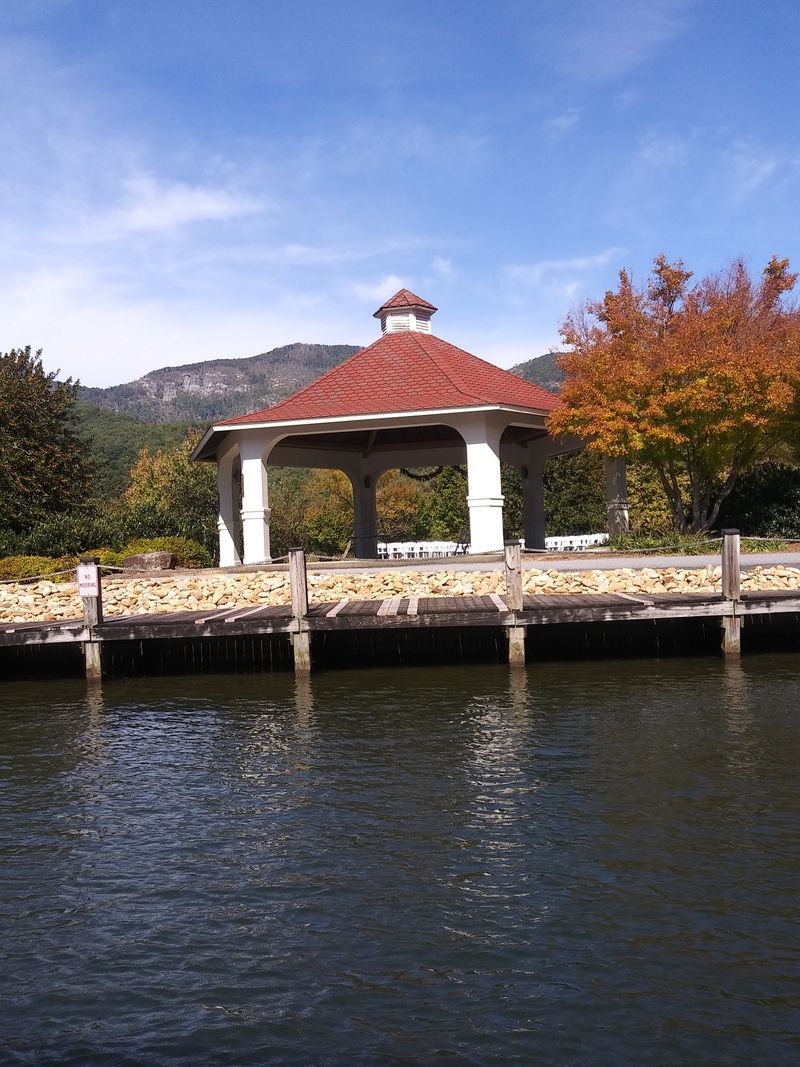
Mountains embrace a sparkling lake where scenes from “Dirty Dancing” were filmed, creating a backdrop so beautiful it has attracted filmmakers and vacationers for nearly a century. Lake Lure came into existence in the 1920s when developers dammed the Rocky Broad River, creating a 720-acre lake surrounded by peaks that rise dramatically from the water’s edge.
The town that grew around the lake maintains a vintage charm while offering modern amenities for visitors seeking mountain and water recreation.
Spring brings perfect conditions for kayaking, paddleboarding, and boat tours that showcase the lake from water level, revealing coves, waterfalls, and wildlife along the shoreline. The beach area provides sandy shores for sunbathing and swimming once the weather warms, while hiking trails around the lake offer forest walks with water views.
Flowering Mountain, one of the peaks surrounding the lake, earned its name from the profusion of wildflowers that bloom across its slopes each spring.
The town itself features shops, restaurants, and accommodations ranging from cozy inns to lakeside resorts, making it easy to extend your visit and fully experience this mountain lake paradise that feels worlds away from everyday life.
13. Linville Gorge
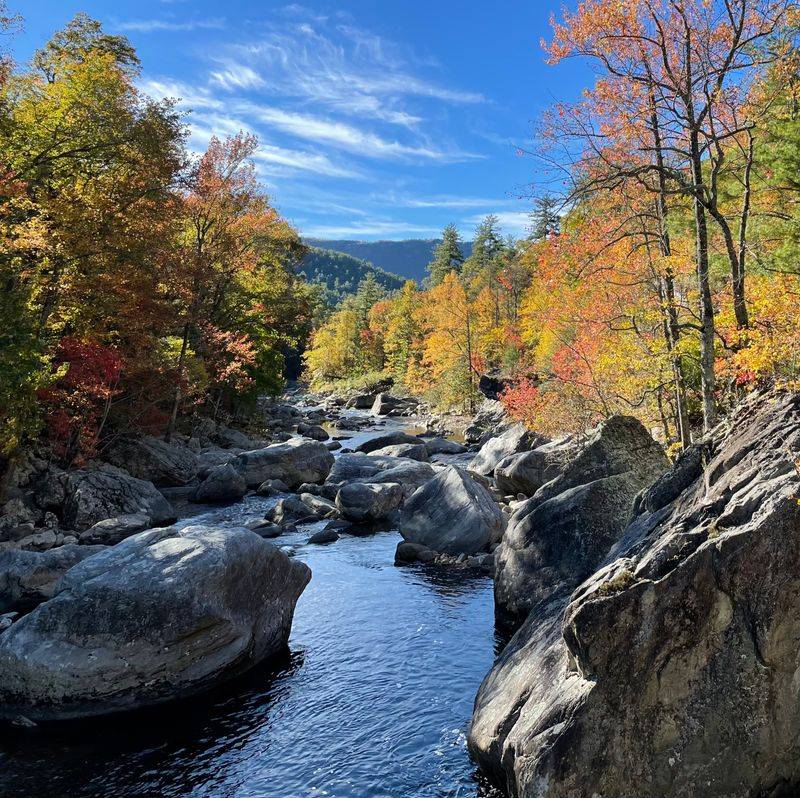
Rugged wilderness stretches below towering cliffs in what locals call the Grand Canyon of North Carolina, though this gorge possesses its own unique character distinct from its western namesake. Linville Gorge Wilderness Area protects 12,000 acres of steep terrain where the Linville River carved through ancient rock over millions of years, creating a landscape that challenges hikers and rewards them with views that few other places can match.
The gorge remains one of the most primitive and least developed areas in the eastern United States.
Hiking here requires preparation, as trails climb steeply and navigation can prove challenging in the dense forest that covers the gorge walls. Multiple trails descend from the rim to the river below, each offering different perspectives on the gorge’s dramatic geology.
Rock climbers consider the gorge’s cliffs among the best climbing in the Southeast, with routes ranging from beginner-friendly to expert-only challenges.
Spring brings ideal hiking conditions before summer heat makes the steep climbs more grueling, though visitors should check weather forecasts as spring storms can make trails treacherous. The effort required to explore the gorge keeps crowds smaller than at more accessible destinations, rewarding those willing to work for their wilderness experience.
14. Kersey Valley Spookywoods

Adventure takes many forms at this year-round attraction where zip lines soar through forest canopy, laser tag battles rage in futuristic arenas, and escape rooms challenge your problem-solving skills. Kersey Valley Spookywoods at 6948 Cecil Farm Rd, Archdale, gained fame for its elaborate Halloween haunted attractions, but spring visitors discover the property offers excitement regardless of season.
The zip line course ranks among the area’s most thrilling, with lines stretching hundreds of feet between platforms high in the trees.
Laser tag takes place in a multi-level arena with special effects, obstacles, and strategic positions that make every game feel like stepping into a video game. Escape rooms present different themes and difficulty levels, requiring teamwork and creative thinking to solve puzzles and complete challenges before time runs out.
Spring weather makes outdoor activities like zip lining particularly enjoyable, with comfortable temperatures and beautiful views of the surrounding countryside.
The attraction appeals to families, groups of friends, and anyone seeking active entertainment that gets your heart pumping and leaves you with stories to share. Multiple activities mean you can easily spend several hours exploring everything the property offers without exhausting the options.
15. Great Smoky Mountains National Park
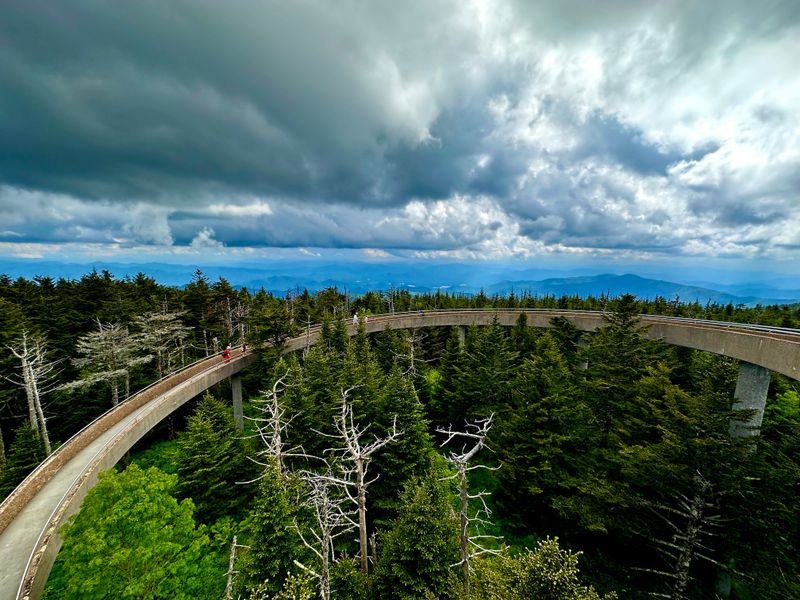
Mist rises from valleys where ancient mountains wear their name like a badge of honor, creating the smoky appearance that gave this range its evocative title. Great Smoky Mountains National Park straddles the North Carolina-Tennessee border, protecting over 800 square miles of wilderness that contains more biodiversity than any other national park in the temperate zone.
Spring brings the park to life as wildflowers carpet the forest floor and black bears emerge from winter dens with cubs in tow.
Over 800 miles of trails wind through the park, ranging from easy nature walks to challenging backcountry routes that take days to complete. Cades Cove offers an 11-mile loop road through a historic valley where preserved cabins, churches, and mills show how mountain settlers lived in the 1800s.
The park receives more visitors than any other national park in America, but its vast size means you can still find solitude on less-traveled trails.
Spring arrives at different times depending on elevation, with lower areas blooming weeks before higher peaks, creating an extended season for wildflower enthusiasts who can follow spring up the mountainside as the weather warms.