This North Carolina Ghost Town Is A Chilling Step Back In Time
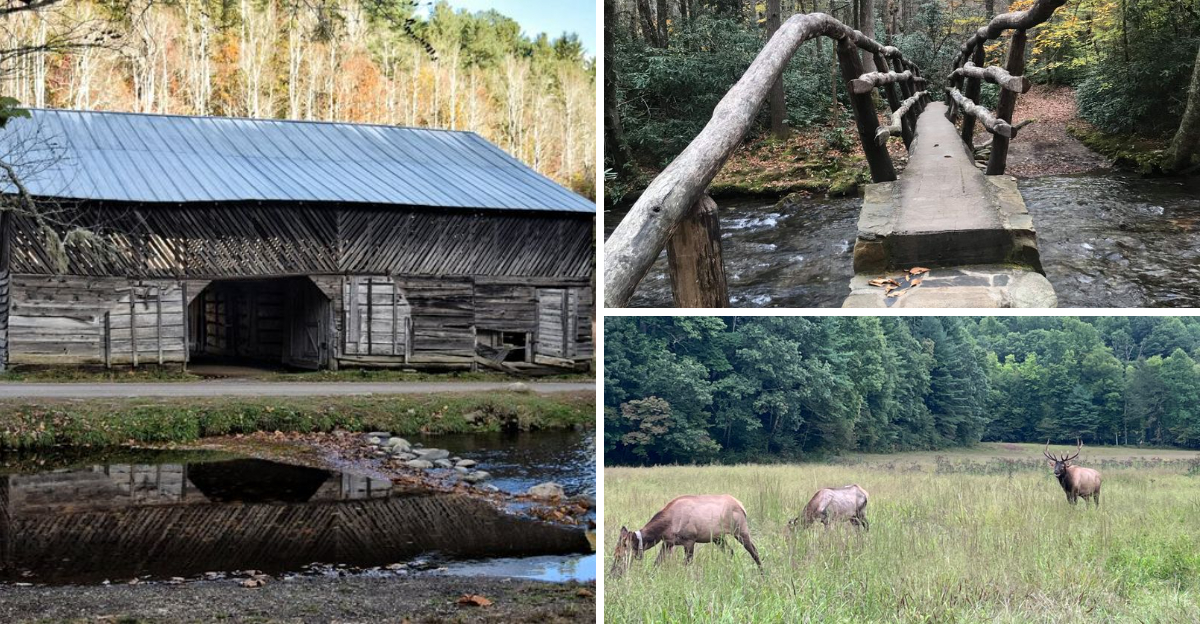
Deep in the Great Smoky Mountains, morning mist hugs the ridges, and silence feels almost sacred. Cataloochee was once a bustling mountain community, home to nearly 1,200 people who carved out lives among the peaks. Schoolyards echoed with children’s laughter, and church bells rang across the meadows.
Today, weathered cabins stand as quiet witnesses to a vanished way of life. Empty windows gaze across fields where elk now roam instead of children. Walking through this preserved settlement feels like stepping through a portal.
Every creaking floorboard, every hand-hewn log whispers stories of resilience, heartbreak, and the Appalachian spirit. Historic barns and old cemeteries dot the landscape, telling tales of generations who loved, toiled, and endured here. Trails wind through the valley, leading to hidden streams, waterfalls, and panoramic mountain views.
In winter, the quiet becomes almost magical, while spring brings wildflowers that blanket the meadows in color. Cataloochee holds a rare magic, a place where history lives, nature thrives, and the mountains keep their secrets for those willing to wander off the beaten path.
1. Cherokee Roots Run Deep
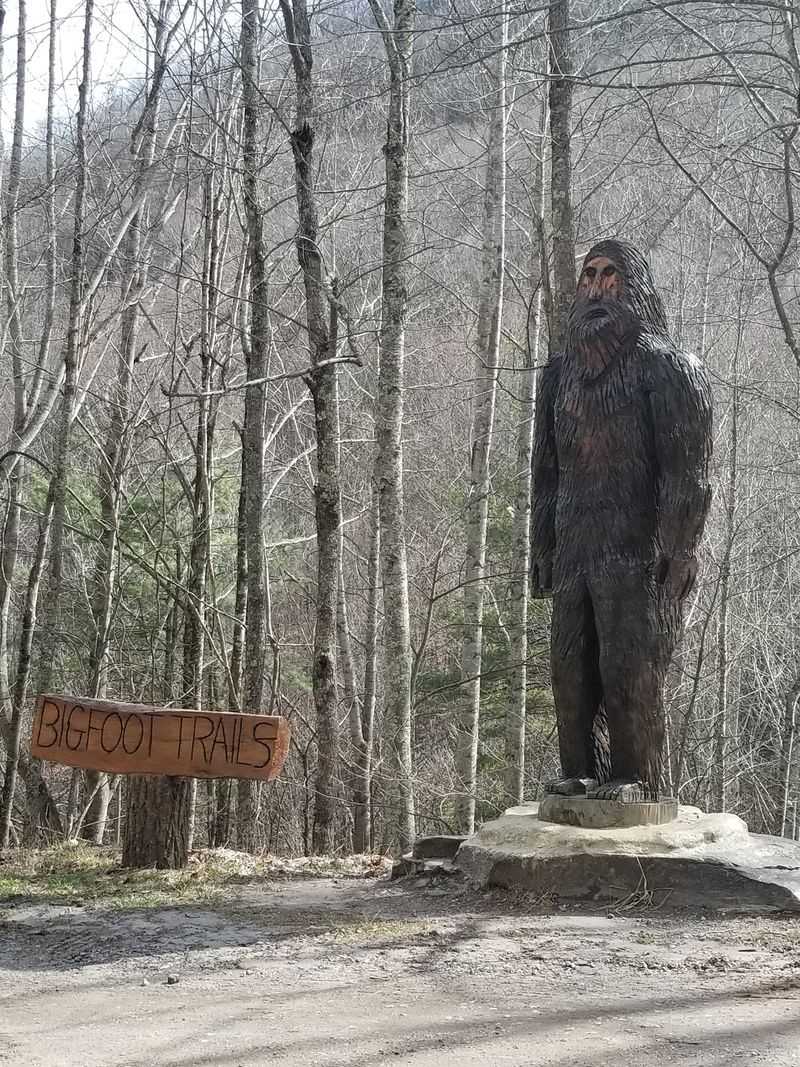
Long before European settlers arrived with their plows and dreams, Cherokee hunters tracked deer through these mountain passes. The name itself carries their legacy forward through centuries. Gadalutsi, meaning “standing up in a row,” described the magnificent trees that marched along the ridgeline like ancient guardians.
Those towering sentinels still stand today, though the people who named them were forcibly removed. The valley served as prime hunting grounds where Cherokee families gathered seasonally. They understood the rhythms of this land in ways the newcomers never quite managed.
Walking beneath those same ridges today, you can almost hear the whispers of first languages. The mountains remember everything, even what we choose to forget.
Every overlook and stream crossing holds layers of history that predate the cabins by thousands of years, reminding visitors that displacement has many chapters in these hills.
2. A Community Born From Wilderness
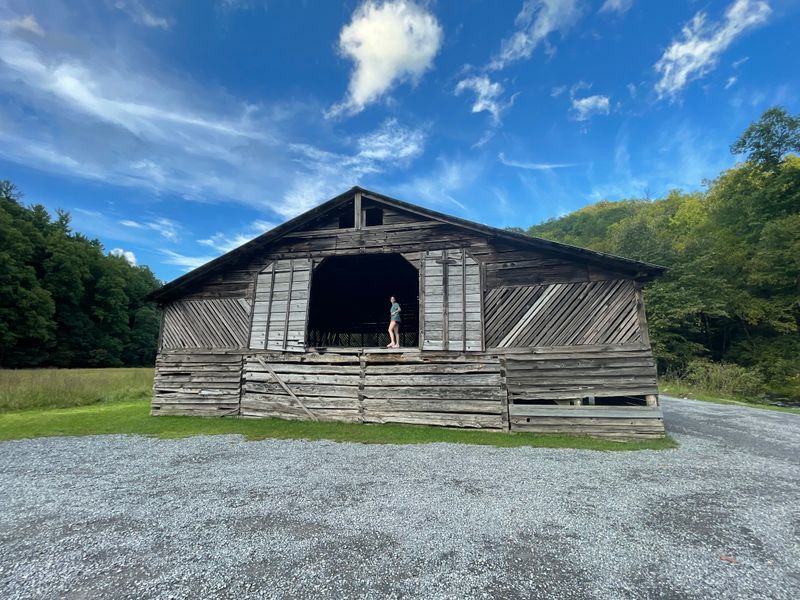
Pioneers began trickling into Cataloochee Valley during the early 1800s, drawn by fertile bottomland and plentiful timber. By the 1850s, what started as scattered homesteads had blossomed into a proper settlement. Families with names like Palmer, Caldwell, and Hannah staked claims and started building futures from scratch.
The population swelled to around 1,200 residents by 1900, making Cataloochee surprisingly substantial for such a remote location.
Nearly 200 buildings dotted the landscape, from barns to businesses. This wasn’t some rough-and-tumble outpost but rather a thriving community with ambitions and infrastructure.
Folks traveled days through mountain gaps just to reach this valley, yet once settled, few wanted to leave. The isolation that kept others away became a source of pride for residents. They’d carved civilization from wilderness and built something worth defending, which made their eventual displacement all the more devastating.
3. Churches, Schools, And Social Fabric
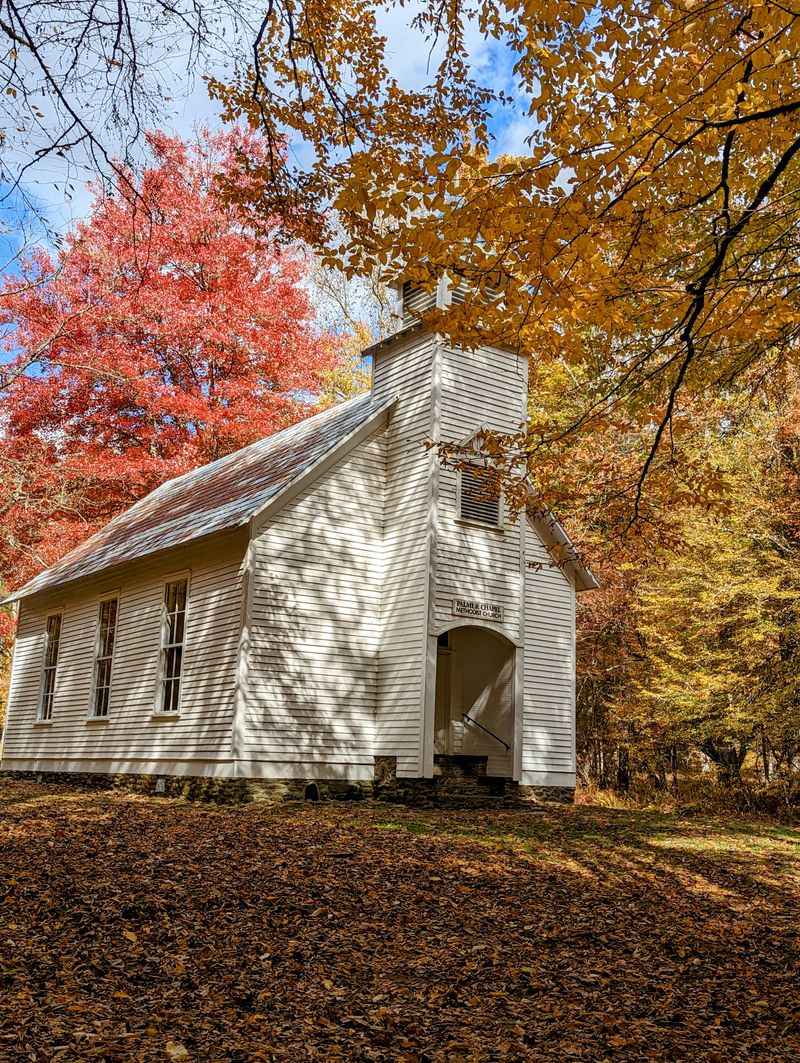
Three churches anchored Cataloochee’s spiritual life, their congregations gathering every Sunday regardless of weather or hardship. Palmer Chapel, built in 1898, still stands at Cataloochee Entrance Rd, Waynesville, with its simple board-and-batten siding and handmade pews. Beech Grove School educated valley children in reading, arithmetic, and the values that held mountain communities together.
Two post offices connected residents to the wider world, though mail delivery remained sporadic at best. Social gatherings happened frequently, from church singings to corn shuckings, where neighbors helped each other work. These weren’t just practical events but vital threads in the community’s social fabric.
Barn raisings brought everyone together, young and old, contributing what they could manage. Quilting bees gave women space to share news and support each other through hardships. The valley hummed with communal energy that modern isolation has largely forgotten, proving that remoteness doesn’t equal loneliness when people commit to each other.
4. Farming the Mountain Way
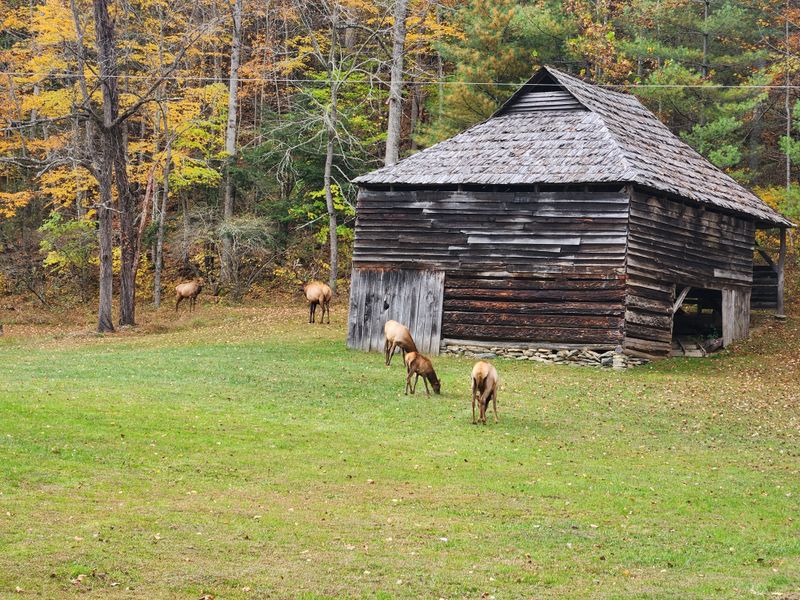
Corn grew tall in Cataloochee’s bottomlands, the stalks rustling like whispered conversations throughout summer months. Residents planted every available acre with crops suited to mountain growing seasons. Hay meadows stretched across flatter sections, feeding livestock through brutal winter months when snow buried everything.
Apple orchards thrived in the cool mountain climate, producing fruit with flavors that valley residents swore tasted better than anywhere else. Families preserved apples as dried rings, cider, and butter to last through lean times. Each farm operated as a nearly self-sufficient unit, though neighbors traded and bartered constantly.
Garden plots near every cabin overflowed with beans, squash, and potatoes that supplemented the main crops. Women tended these gardens while managing household duties that would exhaust modern families.
The farming lifestyle demanded backbreaking labor from dawn until dark, yet residents took genuine pride in coaxing abundance from these mountain soils.
5. Livestock And Livelihood
Cattle grazed the high meadows during summer, their bells clanking softly as they moved through morning fog. Raising livestock provided crucial income and food security for Cataloochee families. Hogs roamed semi-wild through the forests, fattening on chestnuts and acorns before fall slaughter.
Every family kept chickens for eggs and Sunday dinners, while some maintained sheep for wool. The annual hog-killing time brought neighbors together for butchering, smoking, and preserving meat to last through winter. Nothing went to waste in this economy of necessity and respect.
Cattle drives through mountain gaps connected Cataloochee to distant markets where residents sold their stock. Young men earned reputations based on their skill at handling ornery steers on treacherous trails. These livestock operations represented significant investments that families protected fiercely, making the eventual forced sale of herds particularly heartbreaking when the government arrived.
6. When The Loggers Came
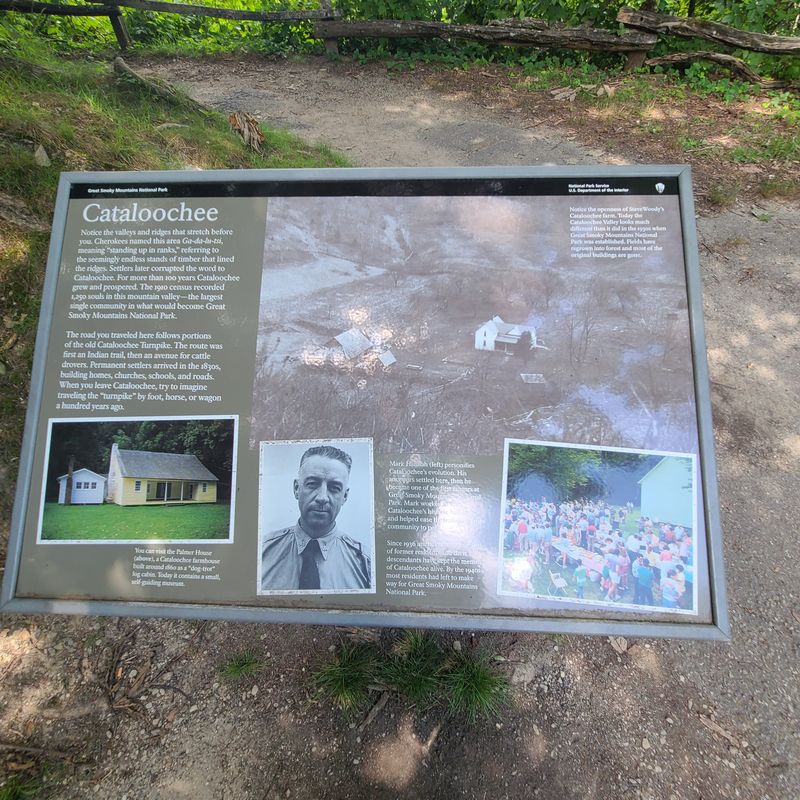
The whine of sawmills shattered Cataloochee’s peaceful rhythms when logging companies arrived in the early twentieth century. Massive trees that had stood for centuries crashed down within minutes, hauled away on newly constructed rail lines. Companies like Champion Fibre offered employment but extracted an environmental toll that horrified longtime residents.
Hillsides that once wore thick forest blankets suddenly stood naked and vulnerable to erosion. Streams ran muddy and warm, killing fish that families had depended on for generations. The scale of destruction accelerated beyond anything residents had witnessed during their own selective timber cutting.
Hunters noticed game populations plummeting as habitat disappeared under the logger’s saw and skidder’s chains. What had seemed like economic opportunity revealed itself as existential threat to the valley’s ecological balance.
This industrial invasion ironically strengthened arguments for creating a national park, though residents couldn’t have imagined they’d be displaced alongside the logging companies.
7. The Park That Took Everything
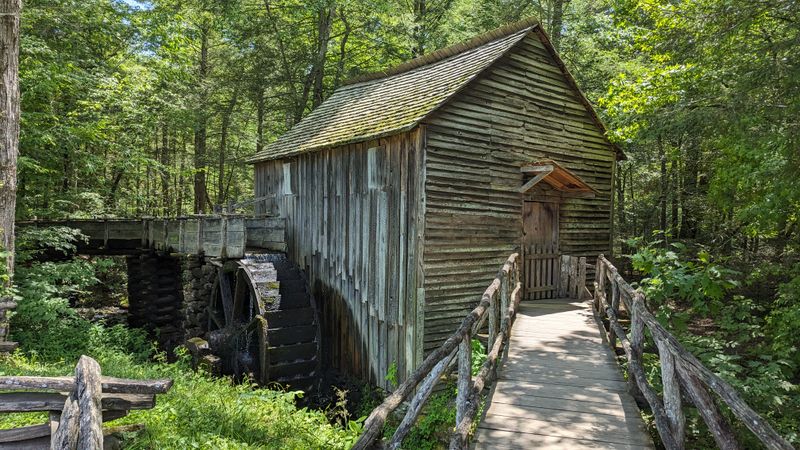
Government officials arrived in the 1930s with maps, legal documents, and promises that rang hollow to residents facing displacement. The Great Smoky Mountains National Park would preserve this landscape for future generations, they explained. But what about the current generation who’d lived here for decades, who’d buried loved ones in valley cemeteries?
Families received payments for their land that rarely reflected true value, especially emotional worth accumulated over lifetimes. Some residents fought the evictions through legal channels, delaying but not preventing their eventual removal. Others left quietly, heartbroken but resigned to forces beyond their control.
The displacement scattered Cataloochee’s community across distant towns and cities where former neighbors lost touch forever. Elderly residents particularly struggled with the forced relocation, leaving behind everything familiar in their final years. This conservation success story carried a human cost that historians have only recently begun acknowledging fully and honestly.
8. Structures Frozen In Time
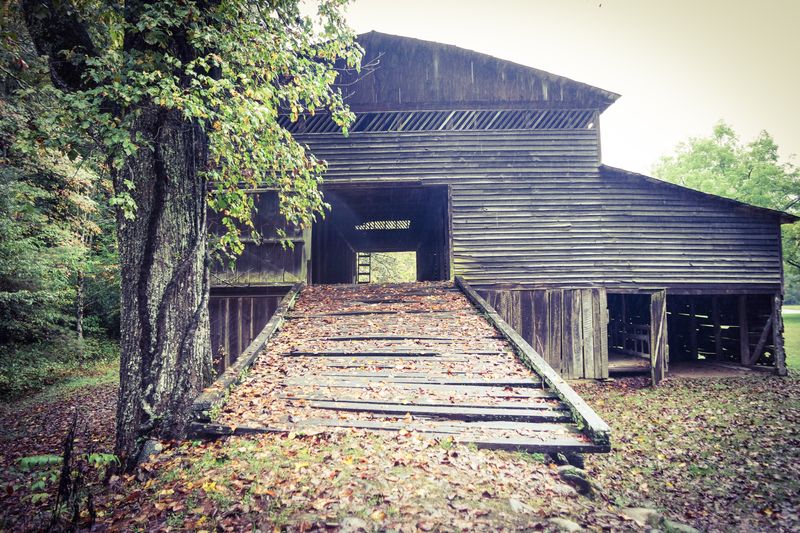
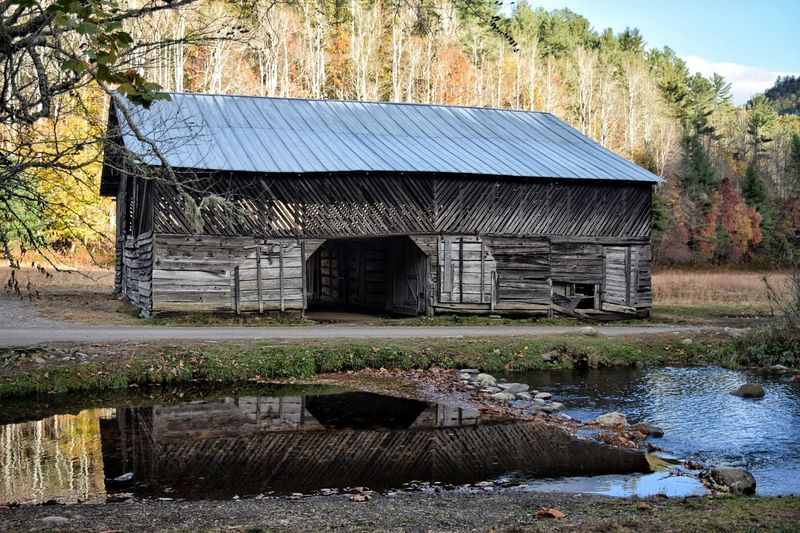
Palmer House stands today much as it did when the family locked the door for the last time. Its hand-hewn logs fit together with the precision that comes from necessity and skill. Beech Grove School’s desks sit empty, waiting for students who will never return to practice their penmanship.
Walking through these preserved structures feels intensely personal, almost intrusive, as if the residents just stepped out momentarily. Wallpaper patterns still visible in some buildings reveal aesthetic choices that humanize the history beyond bare survival. These weren’t just shelters but homes where people celebrated births, mourned deaths, and lived fully.
Palmer Chapel’s simple beauty speaks to faith that sustained families through hardships modern Americans can barely imagine. The buildings’ survival represents intentional preservation decisions by park officials who recognized their historical value.
Each structure tells stories that written records can’t fully capture about early twentieth-century mountain life.
9. The Elk Have Returned
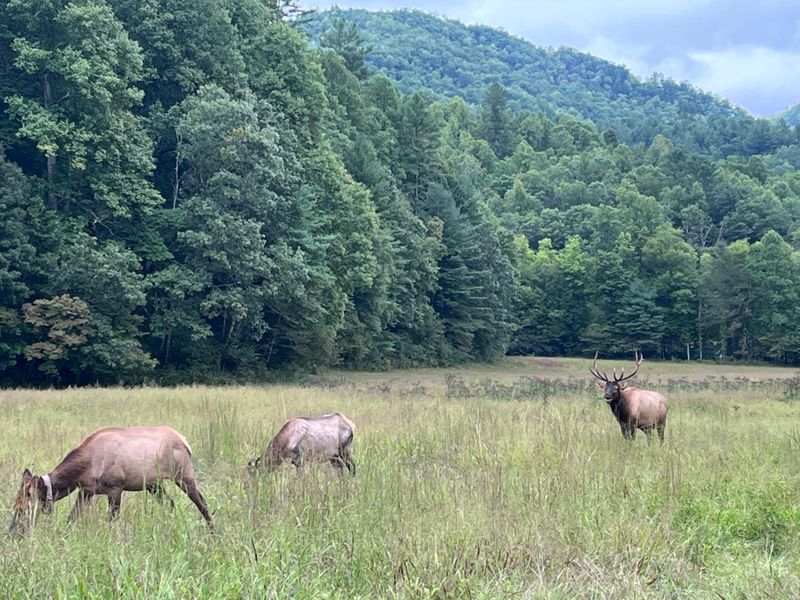
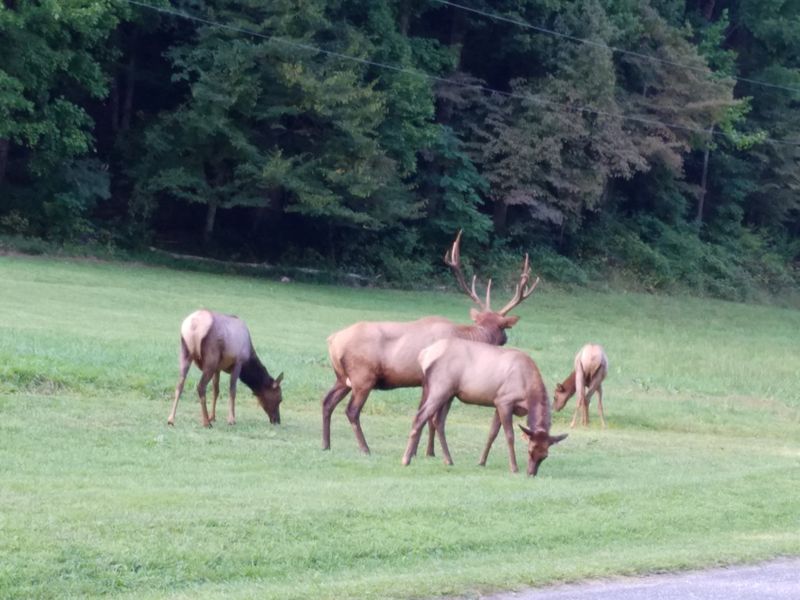
Bugling echoes across Cataloochee Valley each autumn as bull elk announce their presence to rivals and potential mates. These magnificent animals disappeared from the Smokies over 150 years ago, hunted to local extinction. Their 2001 reintroduction represented a bold conservation experiment that has succeeded beyond expectations.
Dawn and dusk offer the best viewing opportunities when elk emerge from forest edges to graze open meadows. Watching a herd move through morning mist feels almost spiritual, connecting visitors to the landscape’s wilder past. Bulls can weigh up to 700 pounds, their antlers spanning impressive widths.
Photographers flock here during the fall rut when bulls become particularly vocal and active, creating stunning wildlife images. The elk have claimed Cataloochee as their own, perhaps sensing the absence of human residents. Their presence adds living energy to a valley that might otherwise feel too much like a museum exhibit.
10. Landscapes That Steal Your Breath
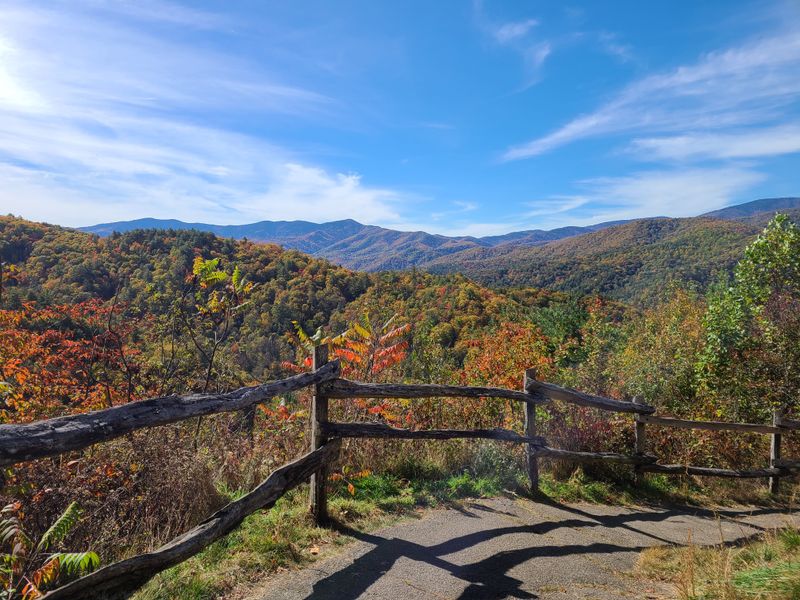
Six-thousand-foot peaks surround Cataloochee like protective walls, their slopes draped in forests that shift color with the seasons. Broad meadows stretch across the valley floor, creating openness that feels rare in these typically dense mountains. Ancient hardwoods tower overhead along hiking trails, their gnarled trunks witnessing centuries of change.
Morning fog pools in low areas, slowly burning off as sunlight reaches the valley floor. The interplay of light and shadow across these ridges creates constantly changing visual drama. Photographers struggle to capture what the human eye experiences directly in this remarkable setting.
Wildflowers carpet meadows during spring, while autumn transforms the hardwood forests into blazing tapestries of color. Winter brings a hushed quality when snow blankets everything, revealing the valley’s essential contours.
Every season offers distinct beauty, though the landscape’s fundamental character remains constant, shaped by geology and time beyond human measurement.
11. Trails Through History
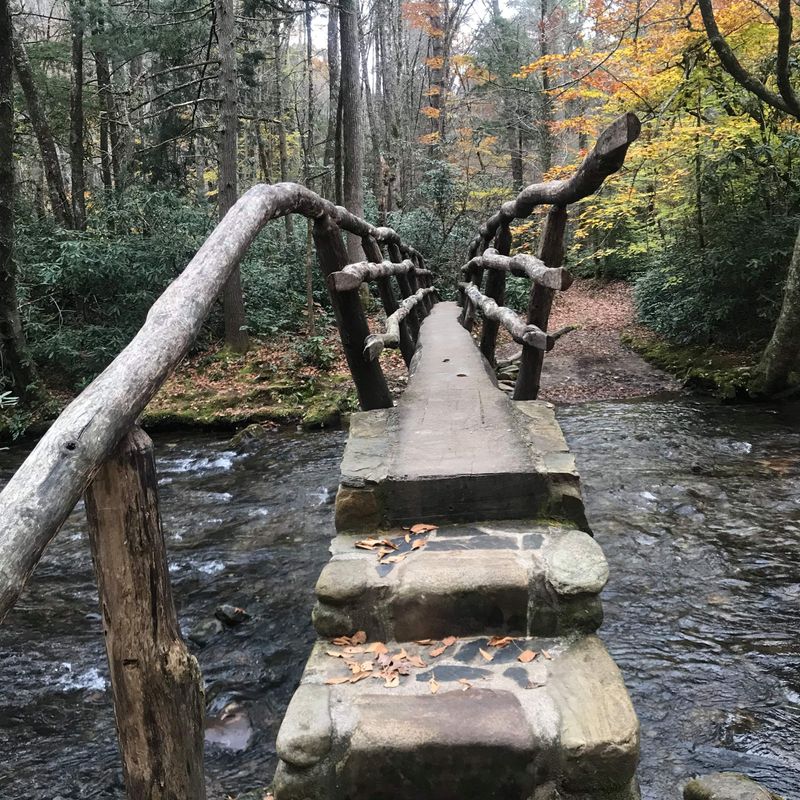
Little Cataloochee Trail winds through forest and across streams, leading hikers to historic sites that feel genuinely remote. The Cook Cabin appears suddenly through the trees, its weathered logs still standing despite decades of neglect. Little Cataloochee Church sits in a clearing that sunlight illuminates with almost theatrical effect.
These trails aren’t just recreational paths but historical journeys connecting visitors to the valley’s human past. Hiking the routes that residents once traveled daily creates visceral understanding of their isolated lifestyle. The physical effort required to reach these sites emphasizes how challenging simple errands must have been.
Trail conditions vary from easy valley walks to more strenuous climbs up surrounding ridges and peaks. Interpretive signs provide context, though the structures themselves communicate most powerfully without words. Bringing a trail map proves essential since cell service remains nonexistent, just as it was for the original residents.
12. Wildlife Beyond The Elk
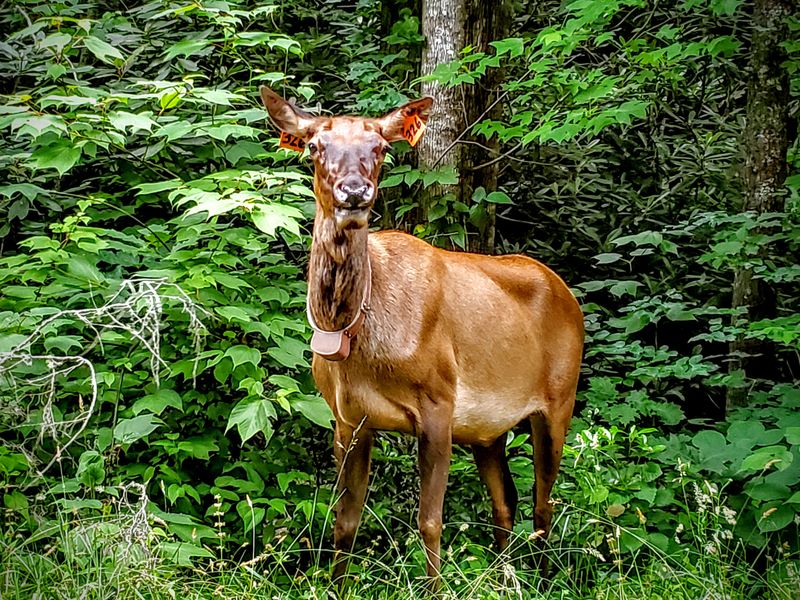
White-tailed deer browse the forest edges, their tails flagging white warnings when visitors approach too closely. Black bears amble through occasionally, reminding everyone that this remains genuine wilderness despite the historic structures. Wild turkeys strut across meadows in groups, their iridescent feathers catching sunlight.
Birdwatchers maintain life lists that grow substantially after spending time in Cataloochee’s diverse habitats and elevations. Woodpeckers hammer on dead trees, while songbirds fill the canopy with music during spring migration. Raptors circle overhead, riding thermals while scanning for prey in the meadows below.
The variety of wildlife reflects healthy ecosystems that have recovered significantly since the logging era ended.
Seeing animals in this setting feels more authentic than zoo or wildlife park experiences. Patient observers willing to sit quietly often get rewarded with intimate wildlife encounters that create lasting memories and deeper appreciation.
13. Seasonal Transformations
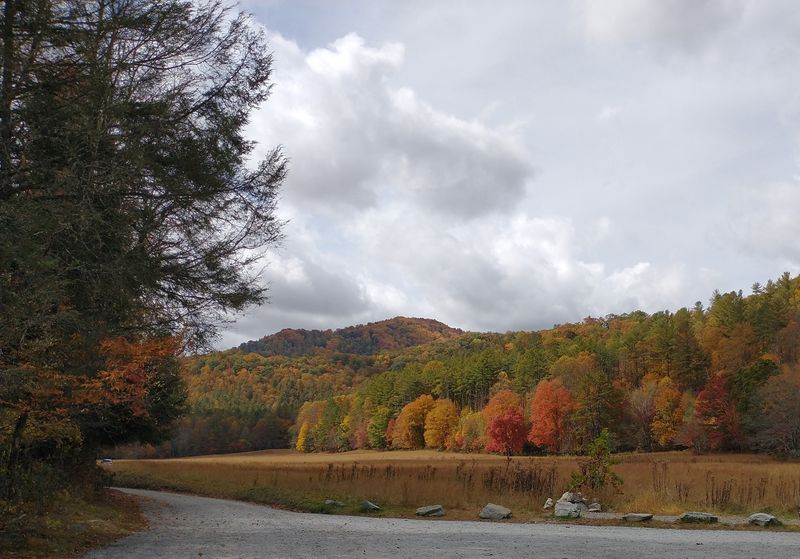
Spring arrives gradually in the mountains, with wildflowers appearing first in sunny spots before spreading across entire meadows. Trilliums, violets, and countless other species create floral displays that rival any cultivated garden. Summer brings deep green saturation when everything grows with almost tropical enthusiasm.
Autumn transforms Cataloochee into a photographer’s paradise as hardwoods compete in color intensity and brilliance. The fall rut brings peak elk activity, combining wildlife spectacle with foliage drama. Visitors during October often find the valley crowded with leaf-peepers and elk enthusiasts.
Winter strips away the decorative elements, revealing the valley’s essential architecture of ridge and stream. Snow highlights the historic structures beautifully, making them appear even more like vintage photographs.
Each season offers compelling reasons to visit, though experiencing all four provides the fullest appreciation of Cataloochee’s character.
14. Getting There And Staying Awhile
Cove Creek Road twists for miles as a narrow gravel track that demands attention and slow speeds. The challenging access keeps Cataloochee less crowded than other Smoky Mountain destinations, rewarding those willing to navigate carefully. Passing oncoming vehicles requires cooperation and sometimes backing up to wider spots.
The primitive campground offers sites without electricity or modern amenities, appealing to visitors seeking authentic backcountry experiences. Reservations become necessary during peak seasons when the limited sites fill quickly. Camping here means falling asleep to elk bugles and waking to morning mist across the meadows.
No restaurants, stores, or gas stations exist within the valley, so visitors must arrive completely prepared. The nearest services lie many miles away beyond that winding gravel road. This remoteness preserves Cataloochee’s special character, filtering out casual tourists while welcoming those genuinely interested in the valley’s history and natural beauty.