This North Carolina Garden Feels Like A Lush Escape From Reality
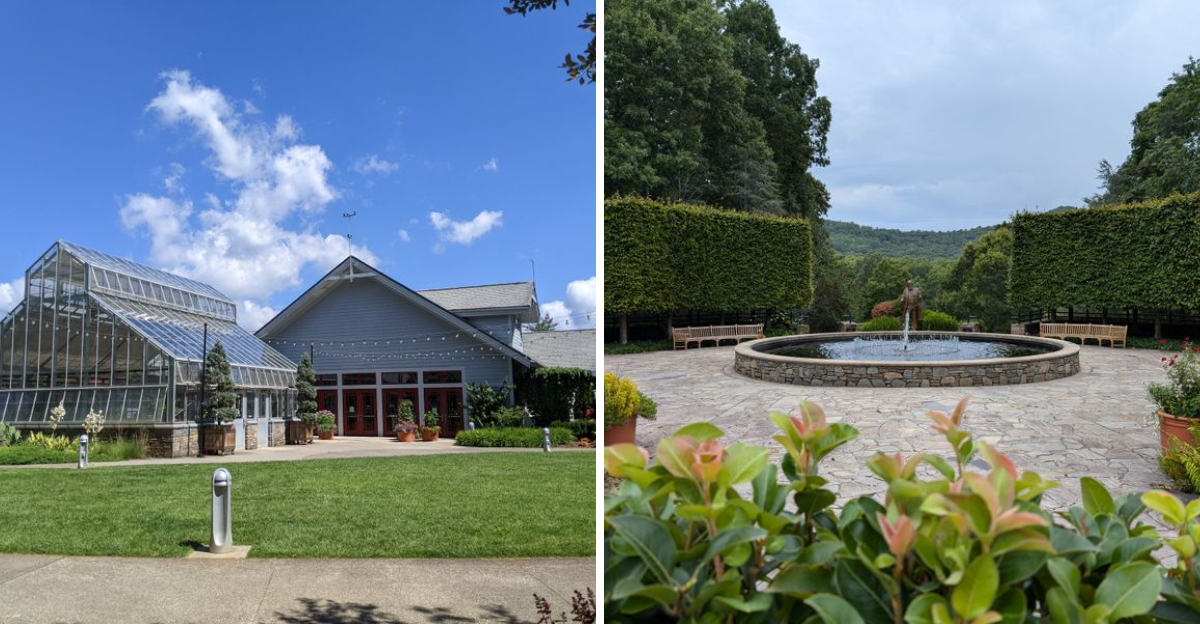
Tucked into the rolling embrace of the Blue Ridge Mountains, there’s a magical place where nature doesn’t just grow, it performs. Imagine 434 acres of pure botanical wonder, where gardens bloom like living artwork and trails wind through forests that whisper stories of ancient Appalachia.
The North Carolina Arboretum at 20 Frederick Law Olmsted Way, Asheville, isn’t just another pretty park. It’s where science meets art, where miniature bonsai trees stand beside towering oaks, and where wooden trolls peek from behind rhododendrons.
Whether you’re chasing whimsical sculptures, seeking peaceful garden strolls, or hunting for that perfect Instagram moment among seasonal blooms, this lush sanctuary delivers experiences that feel worlds away from everyday life. Ready to discover why thousands of visitors give this mountain retreat a sparkling 4.8-star rating?
1. Cultivated Gardens Spanning 65 Magical Acres

Picture walking through living galleries where every turn reveals another masterpiece painted in petals and leaves. The cultivated gardens stretch across 65 carefully designed acres, each section telling its own botanical story through color, texture, and seasonal drama.
Plant Collections Network accreditation means you’re experiencing nationally recognized specimens, from the delicate azaleas that burst into flame each spring to rare native plants you won’t find anywhere else. Pathways meander through themed spaces where gardeners have orchestrated nature’s symphony with scientific precision and artistic flair.
Benches appear exactly when your legs need rest, positioned perfectly for contemplating a particularly stunning flower border or mountain vista. Educational signage shares fascinating plant histories without overwhelming you with jargon, making every stroll both relaxing and enlightening.
Seasons transform these gardens completely, spring brings explosive blooms, summer offers lush green retreats, fall paints everything in amber and crimson, while winter reveals the elegant bones of garden architecture. Photographers arrive at sunrise hoping to capture morning light filtering through carefully placed plantings, creating scenes that look almost too perfect to be real.
2. Bonsai Exhibition Garden With Appalachian Soul
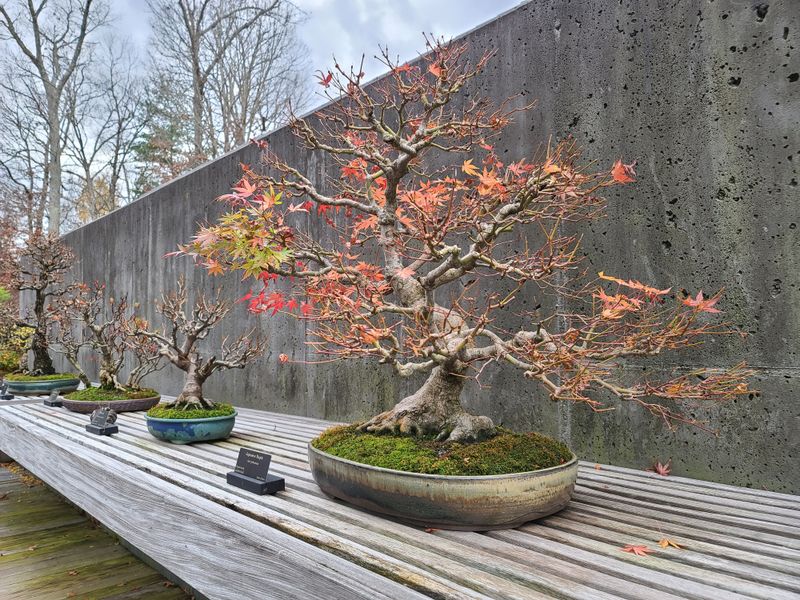
Forget everything you think you know about bonsai, this collection rewrites the rulebook with a distinctly Southern twist. Rather than showcasing imported Asian specimens, the Bonsai Exhibition Garden celebrates miniature versions of native Appalachian plants, creating a unique fusion of ancient art and regional identity.
Tiny hemlocks, dwarf rhododendrons, and miniature mountain laurels grow in carefully trained forms that mimic their full-sized cousins, clinging to nearby mountain slopes. Each living sculpture represents years of patient pruning, wiring, and nurturing by skilled hands who understand both horticultural science and artistic vision.
Visitors often stop mid-stride, mesmerized by trees no taller than their forearms that somehow convey the weathered dignity of century-old giants. Display stands position each bonsai at eye level, inviting close inspection of intricate branch structures and perfectly proportioned foliage.
Seasonal changes affect these miniatures just as dramatically as their full-sized relatives, spring buds emerge, summer growth gets trimmed, fall colors blaze in thumbnail-sized leaves. The collection holds national accreditation, confirming what your eyes already tell you: this is something genuinely special and wonderfully unexpected.
3. Heritage Garden Celebrating Mountain Traditions
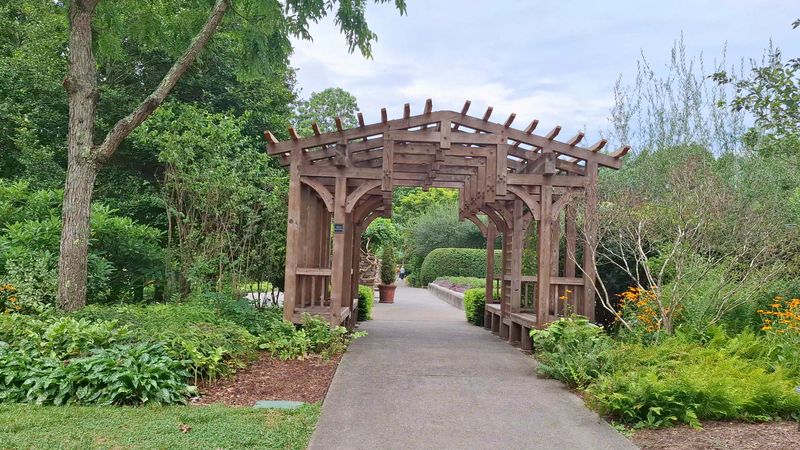
At 20 Frederick Law Olmsted Way, Asheville, you can step into living history where plants aren’t just pretty faces but working members of mountain communities for generations. The Heritage Garden preserves Appalachian cultural knowledge through botanical storytelling, showcasing species that clothed families, dyed fabrics, crafted tools, and healed ailments long before modern conveniences arrived.
Broomcorn stands tall alongside indigo plants that once colored homespun cloth, while soapwort grows near herbs that filled pioneer medicine cabinets. Interpretive signs share stories of resourceful mountain people who knew every plant’s purpose and potential, from basket-weaving materials to natural insect repellents.
Craft demonstrations occasionally bring these traditions alive, with artisans showing how seemingly ordinary plants transform into brooms, dyes, or woven goods using techniques passed through families. Children especially love discovering that everyday items once grew in gardens rather than appearing magically in stores.
The garden layout mimics traditional mountain homestead plantings, with practical organization that maximized utility while minimizing labor. Walking these beds connects you to ancestors who lived intimately with the land, reading seasons in plant behavior and finding solutions in nature’s pharmacy growing right outside their cabin doors.
4. Quilt Garden Stitching Patterns In Flowers
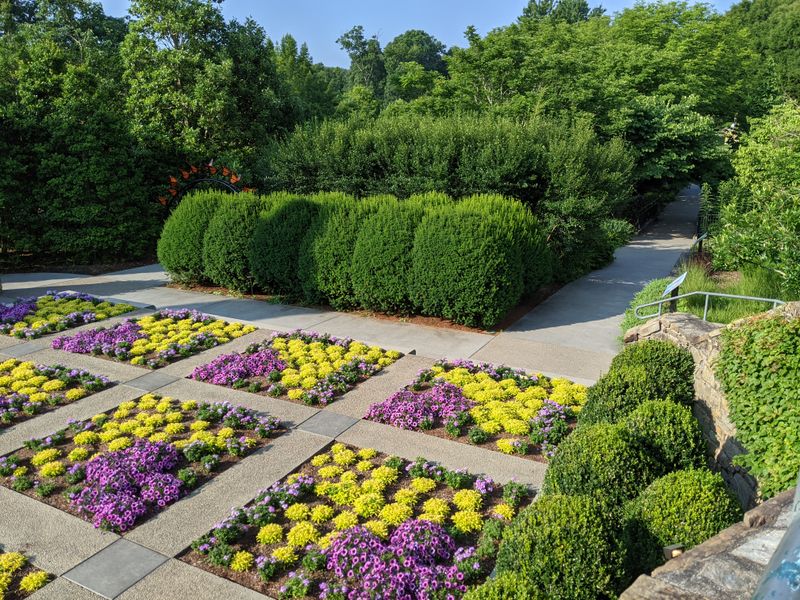
Someone brilliant asked: what if we planted flowers the way grandmothers pieced quilts? The result is pure visual delight, where traditional quilting patterns emerge not in fabric but in carefully orchestrated blooms that change with seasons like nature’s own textile collection.
Spring might showcase a “Wedding Ring” pattern in tulips and pansies, while summer brings “Log Cabin” designs rendered in zinnias and marigolds. Fall transforms beds into “Harvest Star” formations using chrysanthemums and ornamental cabbages, each planting requiring meticulous planning to achieve the desired geometric effect.
Families flock here for photos, positioning kids against backgrounds that look impossibly perfect yet entirely natural. The elevated viewing platform reveals patterns that aren’t obvious from ground level, rewarding those who climb for the full perspective.
Gardeners rotate plantings four times yearly, ensuring fresh displays that honor different quilt traditions while showcasing seasonal plant varieties. Educational materials connect botanical choices to quilting history, explaining how mountain women used similar color theory principles in both crafts.
Benches surrounding the garden invite extended contemplation of how art transcends medium, whether expressed through needle and thread or trowel and soil, both requiring patience, vision, and deep understanding of pattern and color.
5. Rocky Cove Railroad Delighting Young Engineers
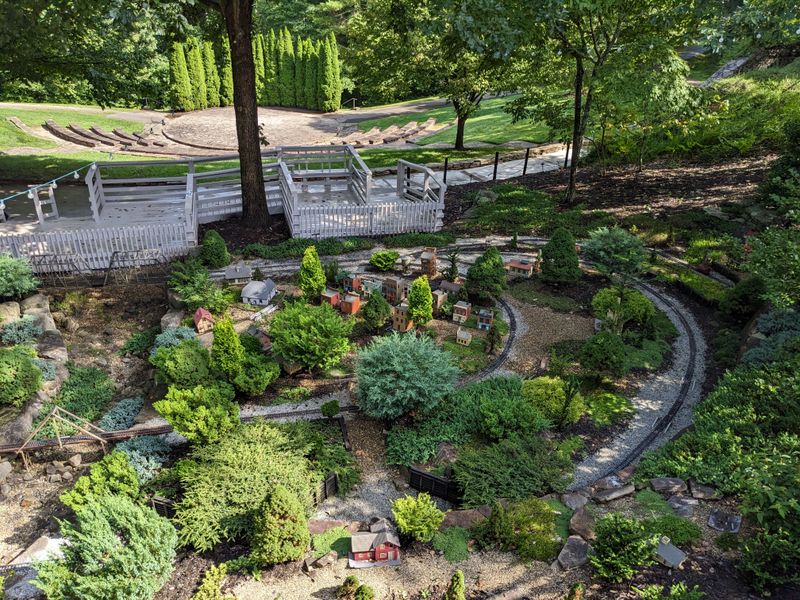
Whistles toot, tiny locomotives chug, and kids’ faces light up brighter than signal lamps at this beloved model railroad exhibit. Rocky Cove Railroad operates weekends from April through October, featuring up to four G-scale trains running simultaneously through meticulously crafted miniature landscapes that rival the surrounding real-world beauty.
Trains navigate tunnels carved through rock gardens, cross bridges over actual flowing water, and pass buildings detailed down to tiny window boxes with even tinier flowers. The scale creates perfect viewing for children who can follow individual cars while adults appreciate the impressive engineering and landscape integration.
Volunteer railroad enthusiasts maintain the exhibit with obvious passion, often sharing technical details with curious visitors about track layouts, train operations, and the considerable effort required to weatherproof outdoor model railroading. Their dedication shows in every perfectly ballasted curve and realistically weathered locomotive.
Parents appreciate the seating area where they can rest while kids watch train after train complete circuits, never seeming to tire of the repetitive magic. The exhibit changes seasonally, with autumn bringing miniature pumpkin patches and winter sometimes adding festive decorations that transform the already charming display into something even more enchanting.
6. Miles Of Trails Through Mountain Forests
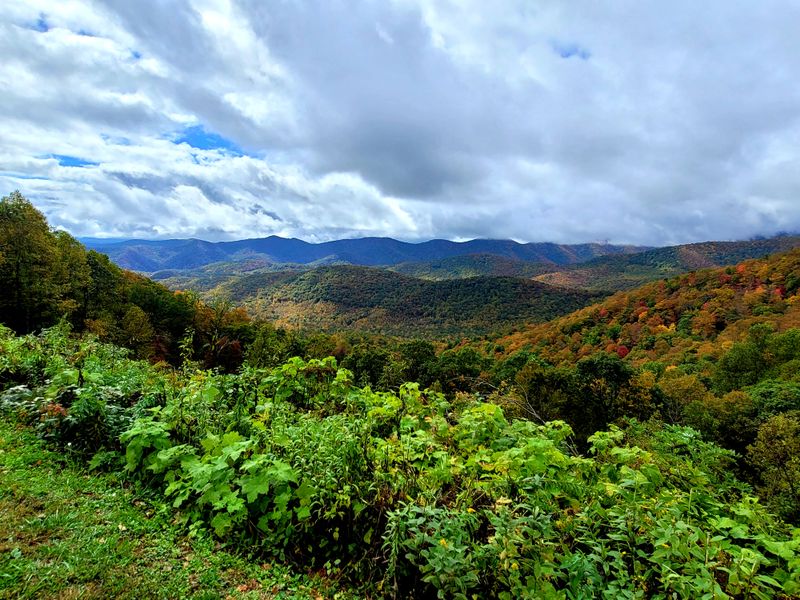
Forget treadmills, real adventure awaits on over 10 miles of trails that ribbon through diverse forest ecosystems showcasing Southern Appalachian biodiversity. Difficulty ratings range from wheelchair-accessible paved paths to challenging climbs that reward effort with spectacular Blue Ridge vistas, ensuring everyone finds their perfect pace.
Trail surfaces vary from smooth asphalt near buildings to natural earth paths that crunch satisfyingly underfoot through leaf litter. Clearly marked junctions prevent wrong turns, while emergency call boxes provide reassurance for solo hikers venturing deeper into the network.
Some routes connect beyond arboretum boundaries into Pisgah National Forest and toward Lake Powhatan, tempting ambitious hikers to extend adventures into true wilderness. Others loop conveniently back to parking areas, perfect for families with limited time or energy.
Seasonal changes transform trail experiences dramatically, spring wildflowers carpet forest floors, summer canopies provide cooling shade, fall foliage creates tunnels of flame-colored leaves, and winter reveals landscape structures hidden by warmer-season growth. Benches appear at strategic intervals, positioned where views deserve extended appreciation or weary legs need brief respites.
Dogs on leashes are welcome trail companions, adding to the inclusive atmosphere that makes these paths feel less like formal hiking and more like wandering through nature’s own backyard.
7. Family Programs Growing Young Naturalists

Raising nature lovers starts early at programs like Wee Naturalist, where children aged 2-5 discover that dirt under fingernails beats screen time every single time. These hands-on classes combine nature walks, storytelling, crafts, and live animal encounters designed specifically for preschool attention spans and boundless curiosity.
Instructors possess that magical ability to speak kid language while teaching real science, explaining pollination through butterfly puppets or soil composition via mud pie experiments. Parents often learn as much as children, rediscovering wonder in ordinary natural phenomena they’d stopped noticing years ago.
Live animal visits create unforgettable moments, holding a gentle snake, watching a turtle munch lettuce, or observing a rescued owl’s piercing gaze. These encounters build empathy and understanding that no book or video can replicate, fostering conservation mindsets from the earliest ages.
Seasonal themes keep content fresh for repeat participants, with spring focusing on baby animals and new growth, summer exploring insects and pollinators, fall celebrating harvest and migration, and winter investigating dormancy and adaptation. Craft projects send kids home with tangible reminders of lessons learned, like pressed flowers, painted rocks, or seed bombs for planting.
Registration fills quickly because parents recognize the value of screen-free education that gets kids moving, thinking, and connecting with the natural world.
8. Rotating Exhibits Blending Art And Science
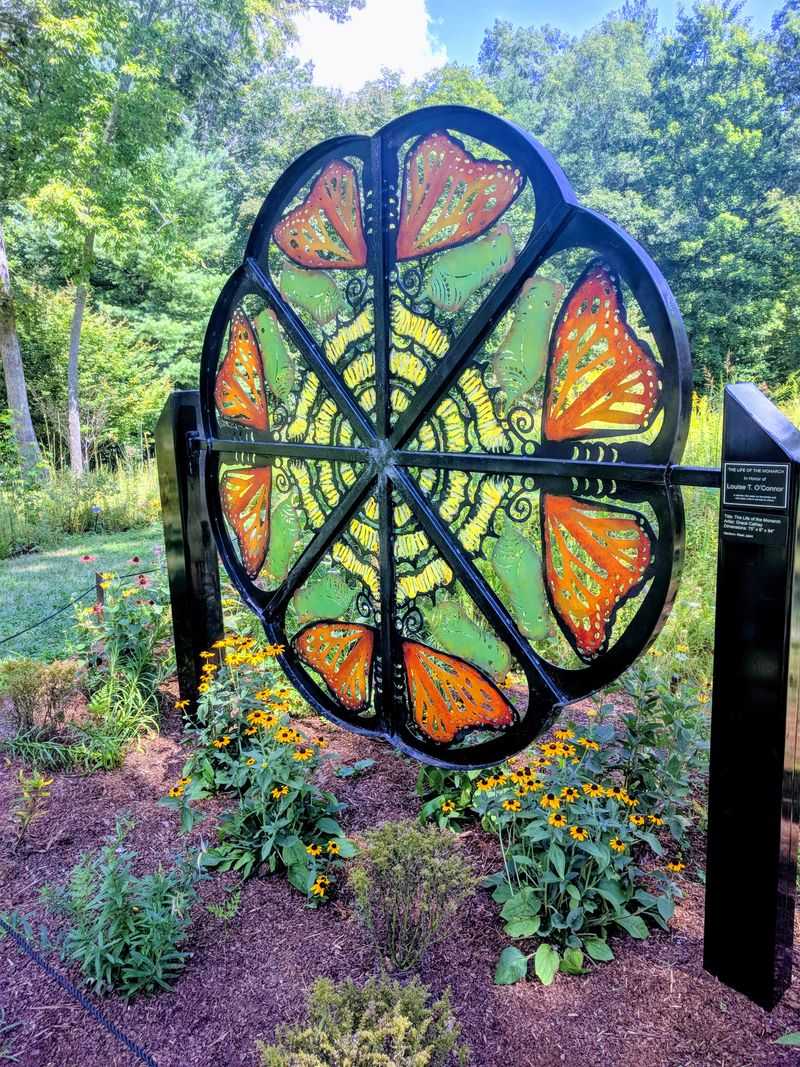
Walls become canvases, galleries transform into classrooms, and visitors discover that education doesn’t require boring textbooks at the ever-changing exhibition spaces. Year-round displays rotate themes from botanical illustration to climate science, sculpture installations to photography collections, each designed to engage minds while delighting eyes.
Recent exhibits have featured everything from the science of snow to massive wooden trolls crafted by artist Thomas Dambo, proving that learning works best when wrapped in wonder. Interactive elements invite hands-on participation rather than passive observation, especially effective for kinetic learners who need to touch, manipulate, and experiment.
Local and regional artists gain showcase opportunities, creating community connections while exposing visitors to Appalachian creative talent they might otherwise never encounter. Scientific exhibits translate complex ecological concepts into accessible visual formats that make sense to sixth-graders and PhD holders alike.
Climate-controlled indoor spaces provide welcome respites during weather extremes while maintaining the educational momentum that outdoor gardens initiate. Families often split time between outdoor exploration and indoor learning, with exhibits providing perfect rainy-day alternatives or midday breaks from summer heat.
Free admission to exhibitions (parking fees apply) removes financial barriers, ensuring that educational enrichment remains accessible to all visitors regardless of economic circumstances, fulfilling the arboretum’s public mission beautifully.
9. Bent Creek Bistro Serving Fresh Local Flavors

Garden exploration builds serious appetites, which Bent Creek Bistro satisfies with made-to-order meals emphasizing fresh, local ingredients that taste like the mountains themselves. Indoor and outdoor seating options let diners choose between air-conditioned comfort and al fresco mountain breezes, both offering pleasant environments for refueling between garden adventures.
Menu offerings range from hearty sandwiches stuffed with generous fillings to lighter salads perfect for warm afternoons, with daily specials showcasing seasonal ingredients from regional farms. The turkey sandwich earns consistent praise from reviewers, apparently achieving that elusive balance of flavorful, filling, and fresh that makes simple food memorable.
Portions surprise first-timers with their generosity, these aren’t dainty tea-room servings but substantial meals designed for active visitors who’ve been hiking trails and climbing hills. Prices remain reasonable considering both quality and quantity, though weekend crowds sometimes create 45-minute waits that test hungry patience.
Smart visitors pack protein bars as backup or time bistro visits strategically, hitting early lunch before peak crowds descend. Outdoor seating provides entertainment via people-watching and garden views, turning meal breaks into extended relaxation rather than rushed fuel stops.
The bistro operates during arboretum hours, offering everything from morning coffee to afternoon snacks, ensuring nobody leaves hungry or resorts to disappointing vending machine desperation.
10. Gift Shop Featuring Regional Artisan Treasures

Souvenirs here mean more than mass-produced trinkets stamped “Asheville”, the gift shop curates vibrant collections of handmade items created by local and regional artists whose work reflects genuine Appalachian creativity. Each purchase supports working artists while giving shoppers unique pieces they won’t find in airport gift shops or chain stores.
Pottery, jewelry, textiles, woodwork, and botanical-themed art fill shelves with eye-catching variety, from affordable small items perfect for teacher gifts to investment-worthy pieces that become family heirlooms. Troll-themed merchandise flies off shelves during the popular Dambo exhibit, letting visitors take home reminders of their whimsical encounters.
Plant-related products abound, seeds, gardening tools, botanical prints, nature guides, catering to visitors inspired to cultivate their own green spaces after experiencing the arboretum’s horticultural excellence. Book selections focus on regional flora, fauna, and ecology, providing deeper dives into topics that outdoor exploration introduces.
Staff members know artist backstories and product origins, adding personal context that transforms shopping from transaction to connection. The compact space manages an impressive variety without feeling cluttered, with displays changed seasonally to highlight timely items like holiday ornaments or spring planting supplies.
Proceeds support arboretum programs and conservation efforts, making every purchase feel purposeful beyond personal pleasure, a guilt-free shopping experience that actually contributes to environmental education and preservation.
11. Seasonal Events Celebrating Nature’s Rhythms

Nature’s calendar dictates celebration schedules here, with events like “Fall for the Arb” transforming already beautiful grounds into festival atmospheres buzzing with music, art, education, and community energy. These seasonal gatherings honor changing landscapes while providing entertainment that appeals across generations and interests.
Programming balances education with entertainment, nature talks don’t feel like lectures, craft activities engage without requiring artistic talent, and musical performances provide soundtracks without overwhelming conversation. Families spread blankets on lawns, kids chase between activity stations, and adults rediscover the simple pleasure of outdoor community gatherings.
Winter Lights events extend visiting hours into evening magic, when thousands of illuminated displays transform familiar daytime gardens into glowing wonderlands. Synchronized light shows dance to music, fire pits offer warming stations with s’mores supplies, and hot chocolate vendors fuel continued exploration despite dropping temperatures.
Holiday programming attracts crowds requiring timed-entry tickets and traffic management, but organized systems prevent chaos while maintaining festive atmospheres. Advanced online booking ensures smoother experiences than showing up hoping for spontaneous entry during peak events.
Spring and summer events capitalize on blooming gardens and pleasant weather, offering sunrise yoga, guided nature walks, photography workshops, and children’s programs that make education feel like play. Event calendars posted online help visitors time-trip to coincide with programs matching their interests.
12. Conservation Leadership Protecting Native Species

Behind beautiful gardens lies serious scientific work protecting plant species and educating communities about environmental stewardship. The 2025 launch of “North Carolina Tree of the Year” selected the White Oak as inaugural honoree, highlighting conservation efforts that extend far beyond pretty landscaping into genuine ecological impact.
Research programs study native plant propagation, climate adaptation, and sustainable horticultural practices that inform not just arboretum operations but regional conservation strategies. Scientists work quietly behind scenes, conducting studies that protect threatened species and restore damaged ecosystems throughout Southern Appalachia.
Educational initiatives translate complex conservation concepts into accessible messages that inspire visitor action beyond their garden visit. Interpretive signage explains why native plants matter, how individuals can support pollinators, and what climate change means for regional ecosystems, empowering people to make environmentally conscious choices.
Partnerships with universities, government agencies, and conservation organizations amplify the arboretum’s impact beyond its 434-acre footprint. Seed banking preserves genetic diversity of rare native plants, ensuring survival options if wild populations face catastrophic threats.
The arboretum’s affiliation with the University of North Carolina system provides academic credibility and research resources while maintaining public accessibility. Visitors may not realize they’re walking through active research sites where tomorrow’s conservation solutions are being developed today, surrounded by beauty that serves purposes beyond aesthetics.
13. Accessibility Ensuring Everyone Can Experience Nature

Nature shouldn’t require athletic ability to enjoy, a philosophy embedded in thoughtful design that welcomes visitors of all mobility levels. The Education Center, Baker Exhibit Center, and main garden areas feature wheelchair accessibility, with paved paths, gentle grades, and strategic ramp placements removing barriers that exclude people from outdoor experiences elsewhere.
Wide pathways accommodate wheelchairs, walkers, and strollers without forcing single-file traffic or awkward passing maneuvers. Smooth surfaces prevent the jarring bumps that make rough trails exhausting for people with mobility challenges or painful conditions aggravated by uneven terrain.
Benches appear frequently along accessible routes, acknowledging that some visitors need rest breaks more often than others without judgment or inadequate seating. Accessible parking spaces near main buildings minimize distances between vehicles and destinations, conserving energy for actual garden exploration rather than exhausting it during approach.
Restroom facilities meet accessibility standards throughout the property, ensuring basic needs don’t become stressful obstacles requiring extensive planning. Staff members receive training in assisting visitors with various accessibility needs, creating welcoming atmospheres where asking for help feels comfortable rather than burdensome.
While some trails venture into terrain too rugged for full accessibility, the extensive accessible portions ensure that mobility limitations don’t prevent meaningful engagement with the arboretum’s beauty. Universal design principles demonstrate that inclusion enhances everyone’s experience, not just those requiring accommodations.
14. Pet-Friendly Policies Welcoming Four-Legged Explorers
Furry family members deserve nature outings too, which is why leashed dogs and pets are welcome throughout the property except during specific crowded events. This inclusive policy recognizes that for many people, outdoor adventures feel incomplete without their loyal companions trotting alongside, sniffing interesting scents and wagging approval at particularly nice spots.
Well-maintained trails provide perfect dog-walking venues with varied terrain keeping both human and canine interest engaged. Waste bag stations and disposal bins make responsible pet ownership convenient, maintaining cleanliness that protects the experience for all visitors while preserving delicate garden ecosystems.
Shade and water access along routes help keep pets comfortable during warmer months, though responsible owners monitor their animals for overheating signs and adjust activities accordingly. The combination of paved and natural surface trails lets owners choose appropriate terrain for their dog’s age, size, and fitness level.
Social dogs enjoy encountering other leashed pets, creating impromptu meetups that delight animals and owners alike. Well-behaved pets become ambassadors demonstrating that animals and gardens can coexist peacefully when humans act responsibly.
Event-specific restrictions during peak crowds protect both pets and people from stressful overcrowding situations where leashes might tangle and anxious animals could react unpredictably. Checking the website before visiting with pets prevents disappointing turnbacks and ensures the best possible experience for everyone involved.