This Savannah Georgia Children’s Museum Feels Like A Playground With A Purpose
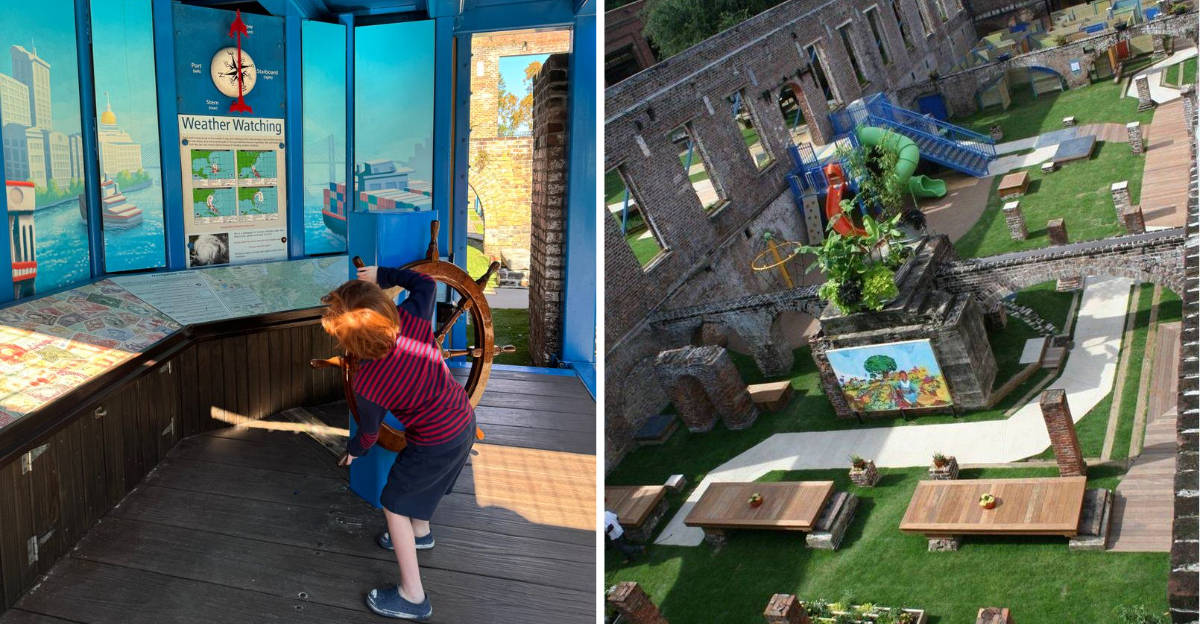
Imagine a place where learning feels like pure fun and curiosity is rewarded at every turn. The Savannah Children’s Museum offers exactly that kind of experience for families exploring Georgia’s historic coastal city. Located inside a beautifully renovated railway facility at 655 Louisville Road in Savannah, this museum transforms play into discovery in the most engaging way possible.
Kids are free to climb, build, dig, splash, and experiment while learning through hands on exploration. The space blends indoor and outdoor areas seamlessly, allowing children to move freely and stay energized while discovering new ideas. Interactive exhibits encourage creativity, problem solving, and imagination without ever feeling like a lesson.
Parents love that kids are actively engaged rather than glued to screens, while children simply see it as nonstop fun. Whether you are visiting Savannah for the first time or looking for a local favorite, the Savannah Children’s Museum provides hours of entertainment, learning, and unforgettable family memories.
1. Maze of Awe-Inspiring Pathways
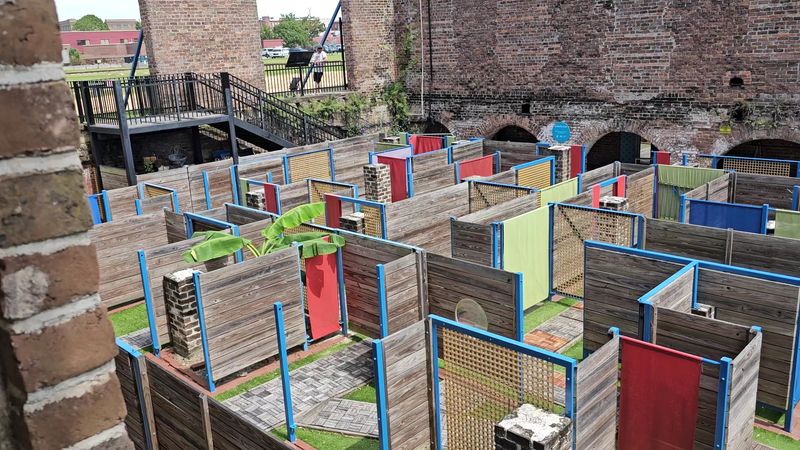
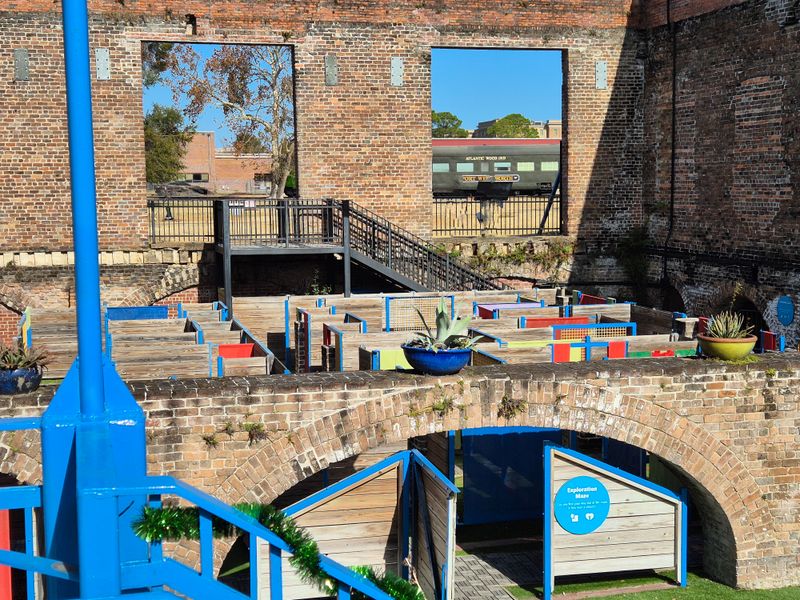
Kids love getting wonderfully lost in this outdoor maze that challenges their problem-solving skills. The twisting pathways encourage spatial reasoning while they race to find the exit.
You’ll notice how the maze design promotes both independent exploration and teamwork. Children often work together to navigate the turns. Parents can watch from elevated viewing spots.
The structure uses natural materials that blend with Savannah’s landscape beautifully. Shade covers portions of the maze during hot Georgia afternoons. This feature makes it comfortable year-round.
I recommend visiting during weekday mornings when crowds are lighter. Your kids can run freely through the passages. The maze teaches persistence as children try different routes to reach their goal.
2. Sensory Garden Discovery Zone
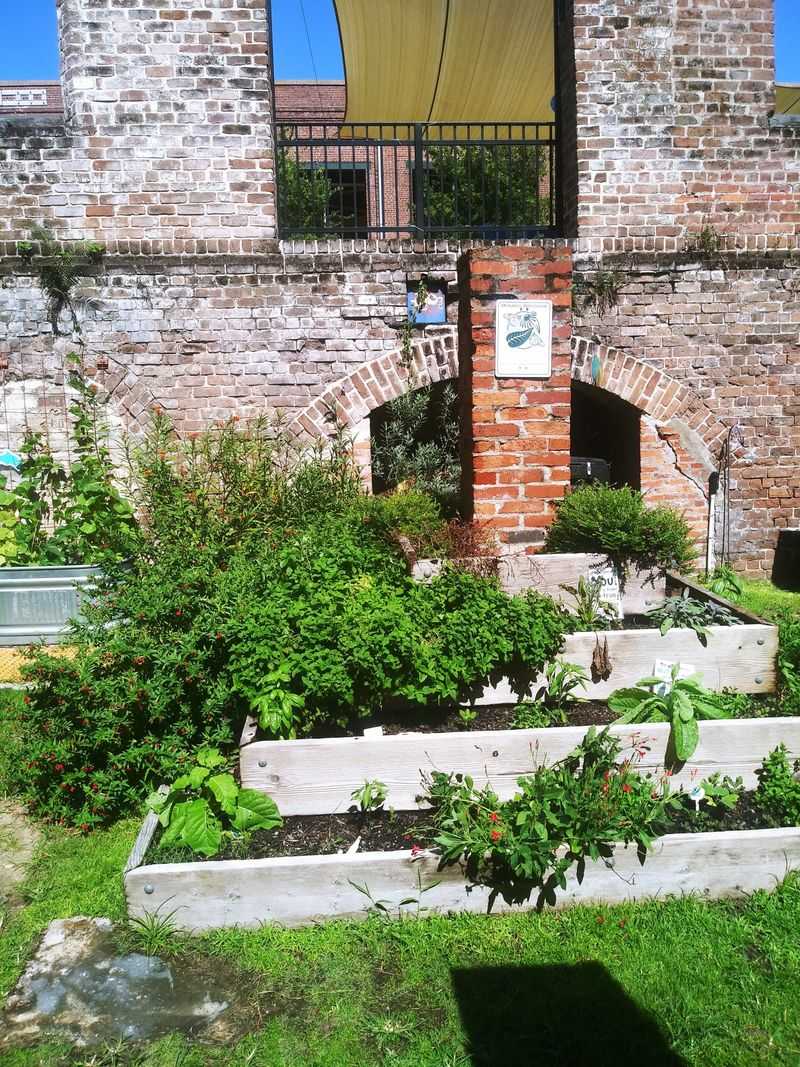
This garden awakens all five senses through carefully selected plants and interactive elements. Children touch fuzzy leaves, smell fragrant herbs, and listen to rustling grasses. The space teaches botanical science through hands-on experience.
Raised beds make plants accessible to children of all heights. Colorful markers identify each species.
The garden changes with Georgia’s seasons, offering different experiences throughout the year. Spring brings blooming flowers while fall showcases seed pods. Kids learn about plant life cycles naturally.
Educators designed this space to support children with different learning styles. Tactile learners especially thrive here. The garden also provides a calming retreat from more active play areas.
I suggest bringing a notebook for your child to sketch their favorite plants. This extends the learning beyond the visit. The garden staff sometimes leads special programs about pollinators and garden ecology.
3. Railway Heritage Exploration Station
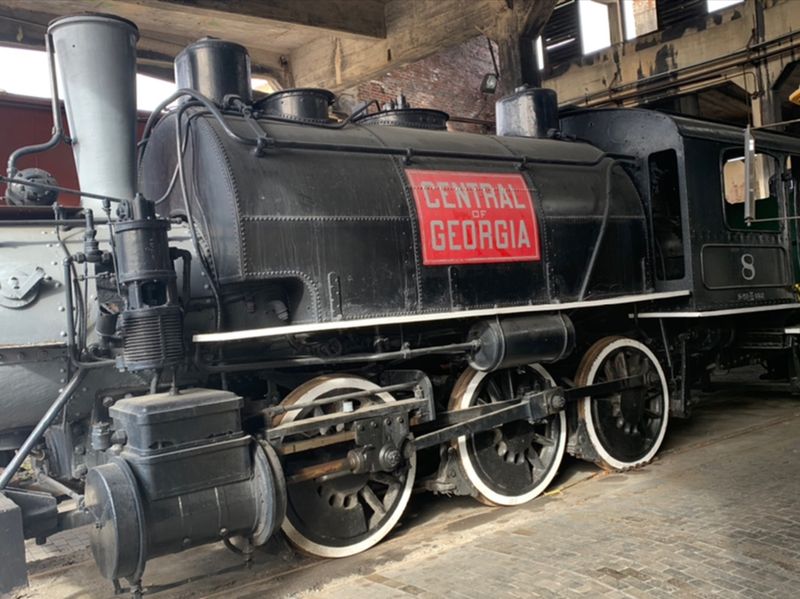
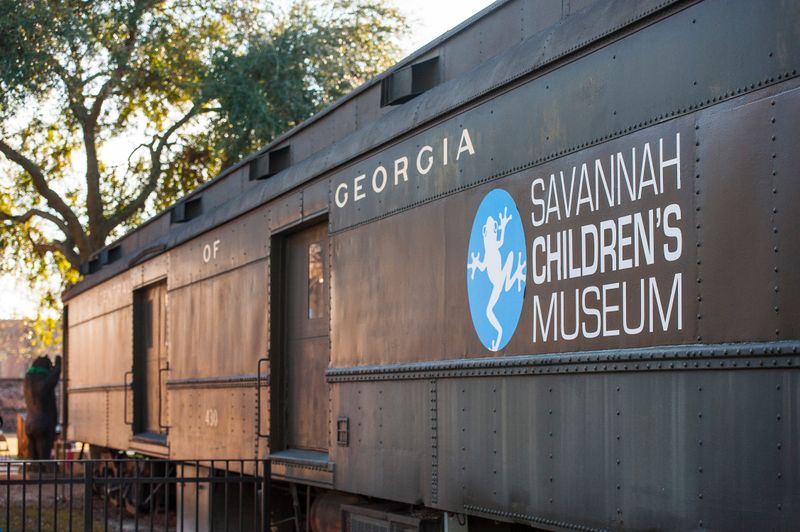
History comes alive through authentic railway artifacts that honor Savannah’s transportation past. The museum occupies a former railway repair facility, giving the exhibits special authenticity. Children climb aboard real train components and imagine life during Georgia’s railway boom.
Original architectural features from the building’s railway days remain visible. Interpretive signs explain how trains shaped Savannah’s growth.
Your kids can operate model train layouts that demonstrate switching and signaling systems. Interactive displays explain how steam engines worked. The exhibits connect local history to broader American transportation development.
I appreciate how the museum preserved the building’s industrial character while making it child-friendly. Exposed beams and brick walls create an authentic atmosphere. This setting helps children understand how spaces can be repurposed.
Photography opportunities abound here for documenting your visit. The vintage equipment makes excellent backdrops. Educational value combines with Instagram-worthy moments perfectly.
4. Art Studio Creative Workshop
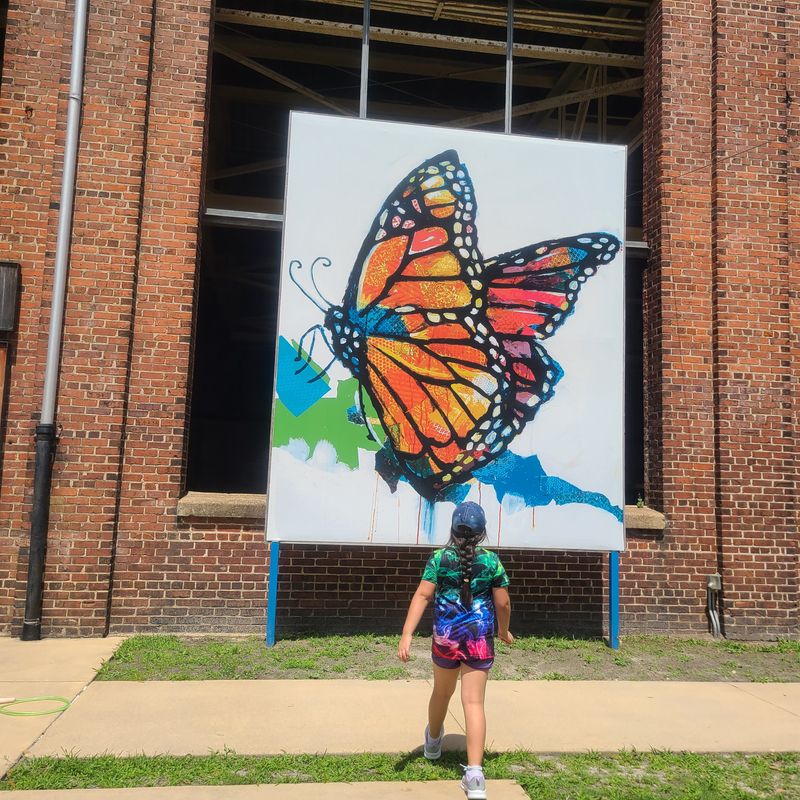
Creativity flows freely in this dedicated art space where children experiment with various media. Easels, craft supplies, and project stations invite artistic expression without judgment. The studio philosophy emphasizes process over perfection.
Large windows flood the room with natural light. Washable surfaces make cleanup easy after messy projects.
The museum rotates art activities to match seasonal themes and cultural celebrations. Sometimes kids create nature collages using materials from the outdoor areas. Other times they explore techniques inspired by Georgia artists.
I love how the studio accommodates different age groups simultaneously. Toddlers finger-paint while older children tackle more complex projects. Staff members offer guidance without directing outcomes.
Materials stay stocked throughout the day, so spontaneous creativity always has an outlet. Your child’s finished artwork can go home as a special souvenir. The studio teaches that everyone possesses artistic capability worth developing.
5. Reading Nook Story Corner
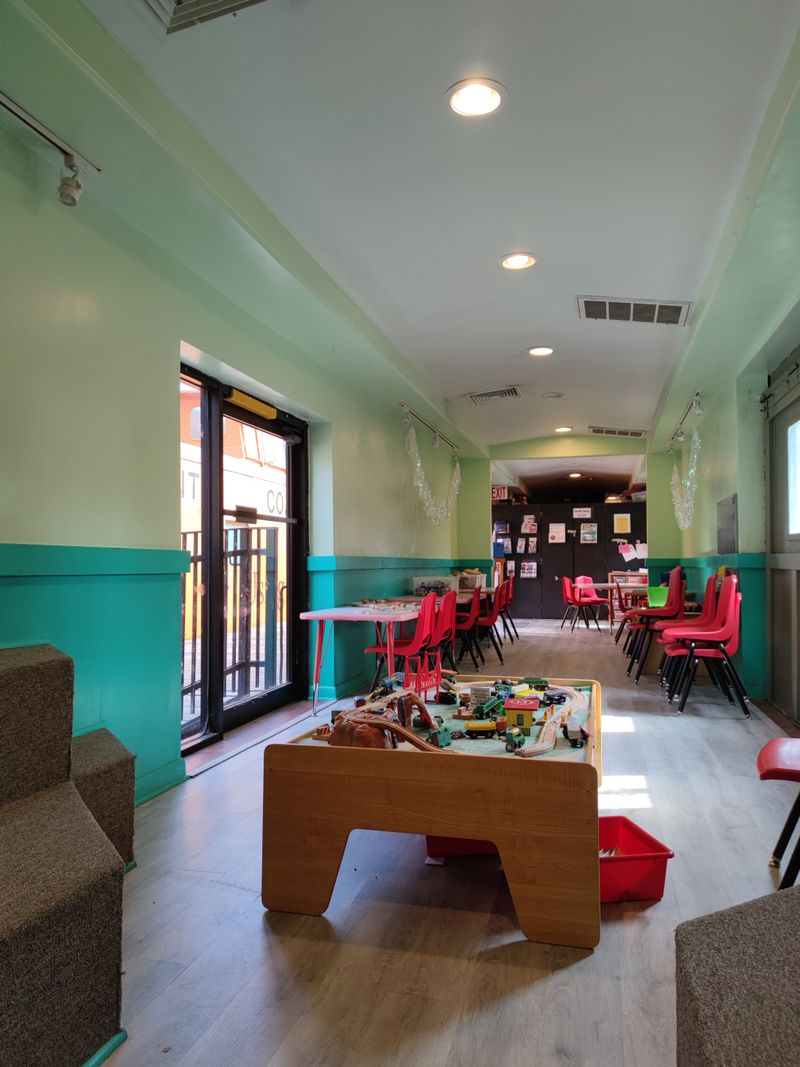
Books fill this inviting space designed to foster a love of reading. Comfortable seating and soft lighting create a cozy atmosphere. The collection includes picture books, early readers, and Georgia-focused stories.
Carpeted floors and cushions make floor sitting comfortable. The area provides a calm contrast to more active museum sections.
Staff members sometimes lead story times that bring books to life through animation and props. Kids sprawl across bean bags while listening to tales. The space respects that learning happens at different paces.
I recommend using this area when your child needs a break from stimulation. The nook offers sensory relief without leaving the museum. Books can be enjoyed individually or shared between siblings.
The rotating book selection keeps repeat visitors engaged with new titles. Georgia authors and illustrators receive special featuring. This corner proves that museums support literacy development alongside other learning domains.
6. Musical Instrument Exploration Area
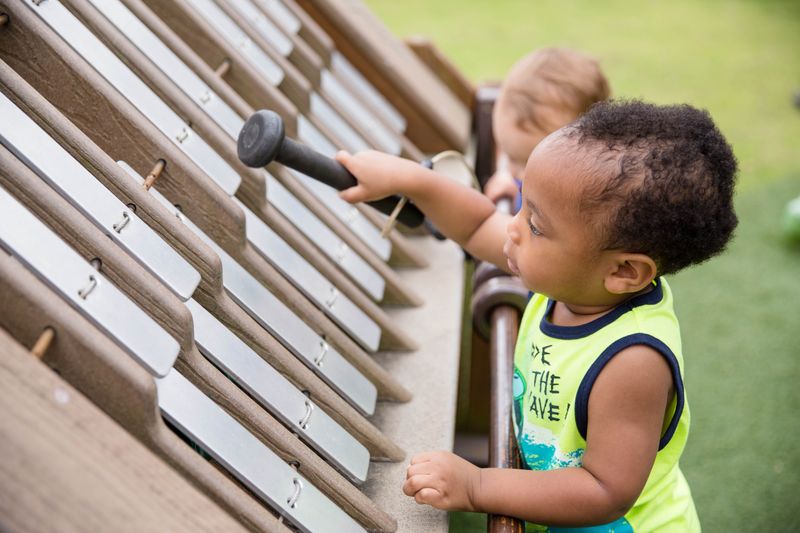
Sound and rhythm take center stage where children experiment with various instruments. Drums, xylophones, chimes, and other percussion pieces invite musical exploration. No prior experience is needed to create joyful noise.
Acoustic treatments prevent the area from overwhelming other museum spaces. Instruments are sized appropriately for small hands.
Your children discover cause and effect as they learn how different materials produce distinct sounds. They experiment with tempo, volume, and rhythm patterns. The area supports both solo experimentation and group jam sessions.
I’ve observed how music activities attract children who might not engage with traditional educational exhibits. The instruments provide alternative learning pathways. Cultural instruments from around the world introduce global awareness.
The museum replaces worn instruments regularly to maintain sound quality. Simple instruction cards suggest ways to explore each instrument. This space proves that music education doesn’t require formal lessons to be valuable.
7. Water Play Exploration Zone
Physics principles become tangible through water play stations that demonstrate flow, pressure, and volume. Hand pumps, channels, and water wheels show how liquid moves. Children engineer pathways and observe results in real time.
Drainage systems keep the space functional throughout operating hours. Georgia’s warm climate makes water play feasible most of the year.
I recommend bringing a change of clothes because kids inevitably get soaked. The learning value makes wet clothes worthwhile. Aprons are available, but determined players still find ways to drench themselves.
This area teaches scientific concepts through play-based investigation. Children hypothesize about water behavior and test their theories. Cooperative play emerges naturally as kids work together on water projects.
The stations are designed for multiple children to use simultaneously without conflict. Different height levels accommodate various ages. Parents appreciate that this messy play happens in a controlled environment with proper facilities nearby.
8. Building and Construction Workshop
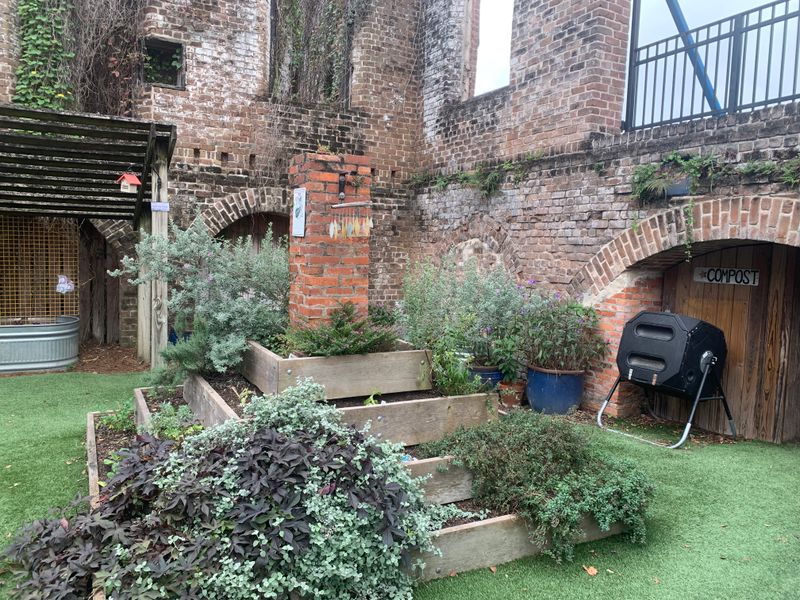
Engineering minds flourish in this space filled with building materials of all types. Wooden blocks, magnetic tiles, LEGO bricks, and PVC pipes invite architectural creativity. Children design structures limited only by imagination and available materials.
Large floor spaces accommodate ambitious construction projects. Display shelves showcase previous builders’ impressive creations.
The area teaches spatial reasoning, planning, and problem-solving through hands-on construction. Kids learn that failed designs provide valuable information. Rebuilding becomes part of the creative process.
I notice how this space attracts children who think in three dimensions. They visualize completed structures before beginning. Collaborative building projects teach negotiation and teamwork skills.
Materials are organized by type to help children locate what they need. The museum adds new building sets periodically to maintain interest. This workshop proves that construction play develops skills applicable across many academic subjects and future careers.
9. Science Discovery Laboratory
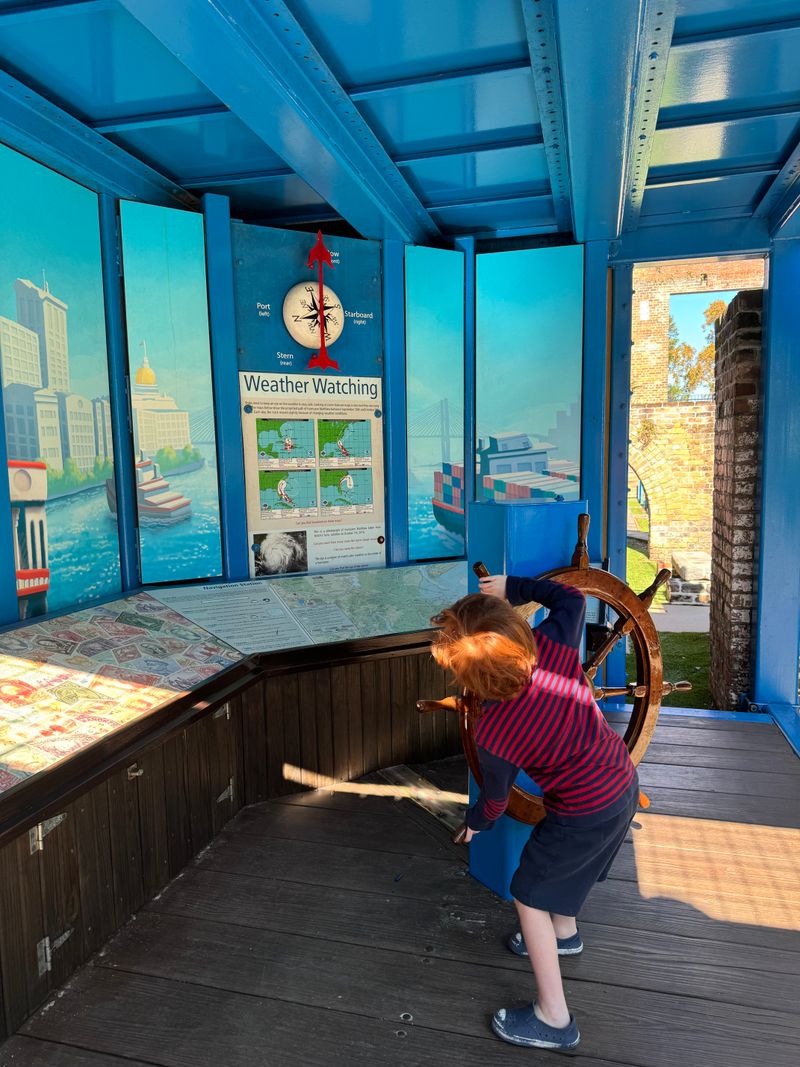
Curiosity drives learning in this hands-on science space featuring age-appropriate experiments. Magnifying glasses, simple microscopes, and investigation stations invite scientific inquiry. Children observe, question, and draw conclusions like real researchers.
Child-height tables make equipment accessible. Safety remains paramount with all activities designed for independent exploration.
Your kids might examine insects, test magnets, or explore basic chemistry concepts through color mixing. Rotating exhibits ensure repeat visitors encounter fresh investigations. Staff members guide without providing all the answers.
I appreciate how the lab normalizes the scientific method for young learners. They form hypotheses naturally during play. Making predictions and checking results becomes second nature.
Georgia’s natural environment provides specimens for many investigations. Leaves, rocks, and water samples from the outdoor areas move indoors for closer study. This connection between indoor and outdoor learning reinforces ecological awareness while developing scientific thinking skills.
10. Dramatic Play Community Setup
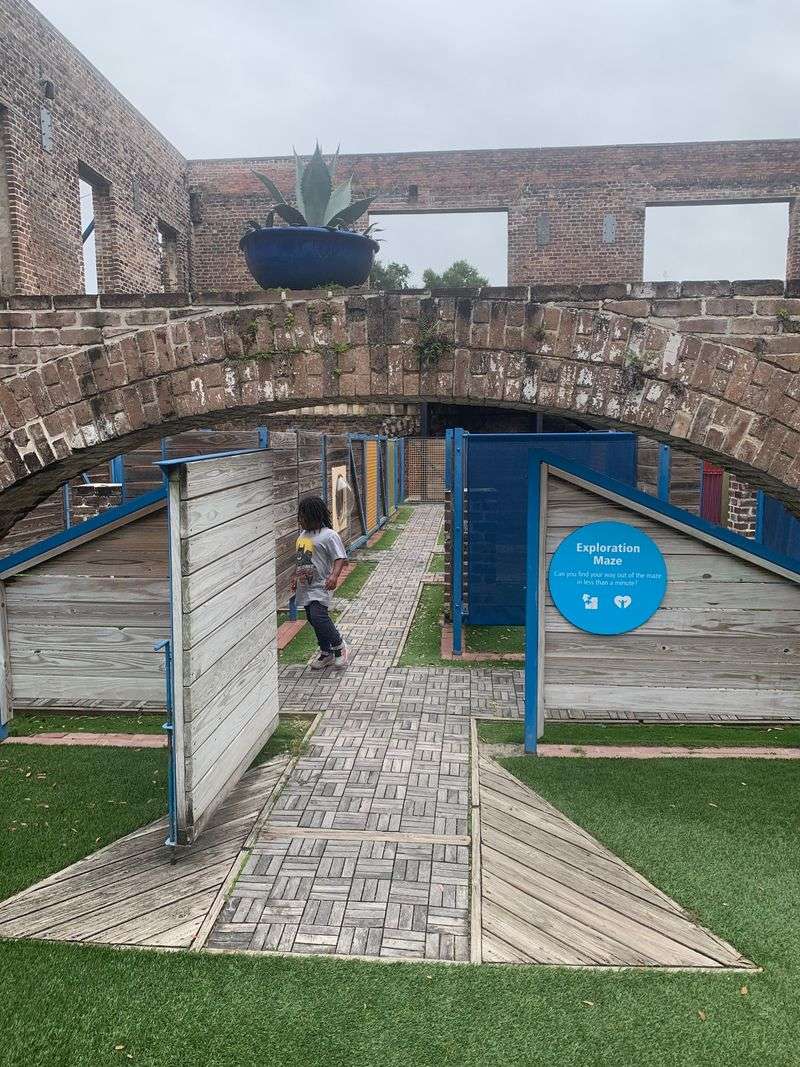
Imagination runs wild in themed play areas representing real-world community spaces. A pretend grocery store, post office, and other settings let children role-play adult activities. These scenarios build social skills and community understanding.
Realistic props and costumes enhance the pretend play experience. Children naturally create narratives and practice social interactions.
The grocery store teaches math through play money and price tags. Kids practice reading labels and making choices. The post office introduces communication concepts and geography basics.
I’ve watched children negotiate roles and cooperate to maintain their imaginary scenarios. They practice language skills through dialogue. These interactions prepare them for real community participation.
The museum updates props seasonally to reflect current community events. Local businesses sometimes donate authentic items that add realism. This play proves that children learn social studies concepts most effectively through active participation rather than passive instruction.
11. Nature Discovery Trail
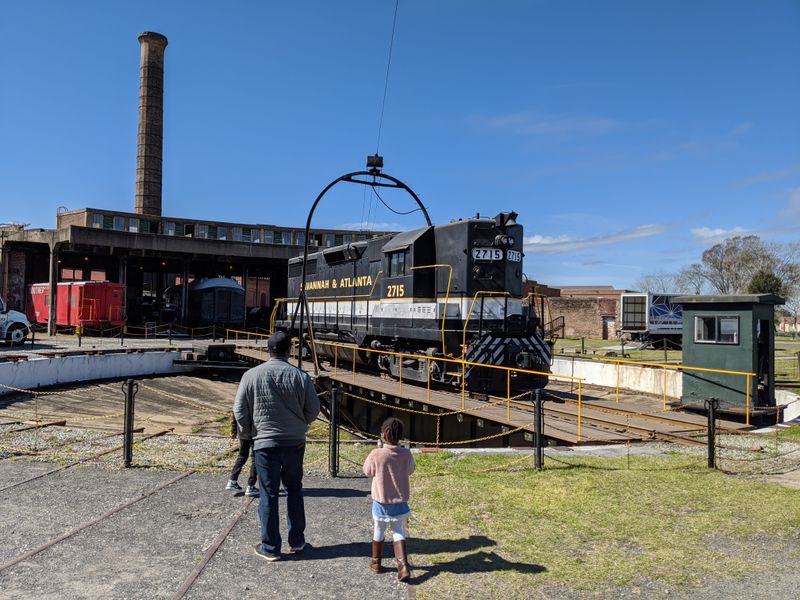
Georgia’s coastal ecosystem comes into focus along this gentle trail through natural areas. Native plants, bird-watching stations, and insect habitats teach environmental science. Children observe seasonal changes and wildlife behavior firsthand.
Clear markers identify points of interest along the path. The route accommodates strollers and children with mobility differences.
Your family can spot birds common to the Savannah area while learning their calls. Interpretive signs explain ecological relationships. The trail demonstrates that nature education doesn’t require wilderness expeditions.
I recommend bringing binoculars to enhance bird and insect observation. The museum sometimes loans equipment to visitors. Early morning visits offer the best wildlife viewing opportunities.
The trail changes dramatically with Georgia’s seasons, offering different lessons throughout the year. Spring migration brings new bird species. Fall showcases plant adaptations.
This outdoor classroom teaches that environmental education happens everywhere, not just in designated nature centers.
12. Climbing Structure Adventure Course
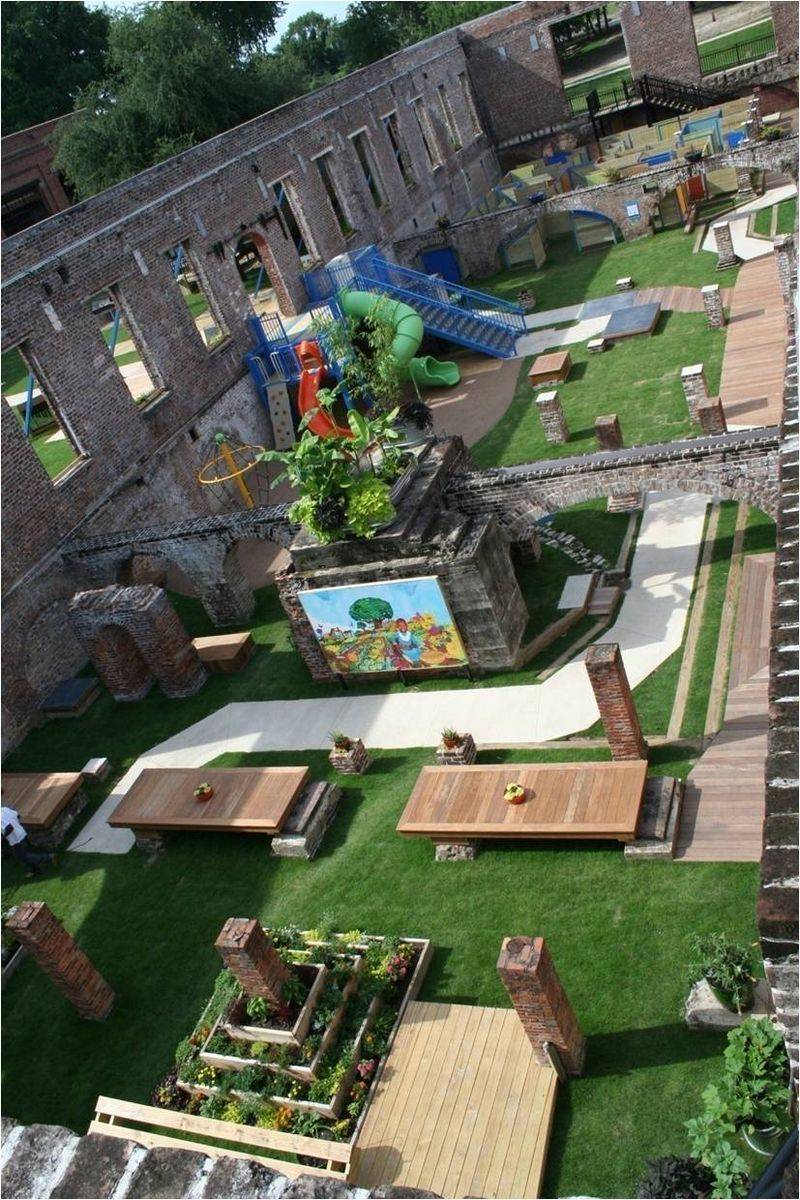
Physical challenges await at this multi-level climbing structure that builds strength and confidence. Rope nets, climbing walls, and balance beams test different motor skills. Children set their own difficulty levels by choosing various routes.
Safety surfacing cushions any tumbles. Design elements accommodate children from preschool through elementary ages.
I’ve watched shy children gain courage as they master increasingly difficult sections. The structure’s design encourages gradual skill progression. Older kids often mentor younger ones, creating positive peer interactions.
Georgia’s mild climate allows year-round use of this equipment. Shade sails protect climbers during summer heat. The structure promotes gross motor development while feeling like pure play.
Parents can supervise from nearby benches while children climb independently. This setup gives kids autonomy while keeping them safe. The physical activity here balances nicely with the museum’s quieter indoor offerings.
13. Puppet Theater Performance Space
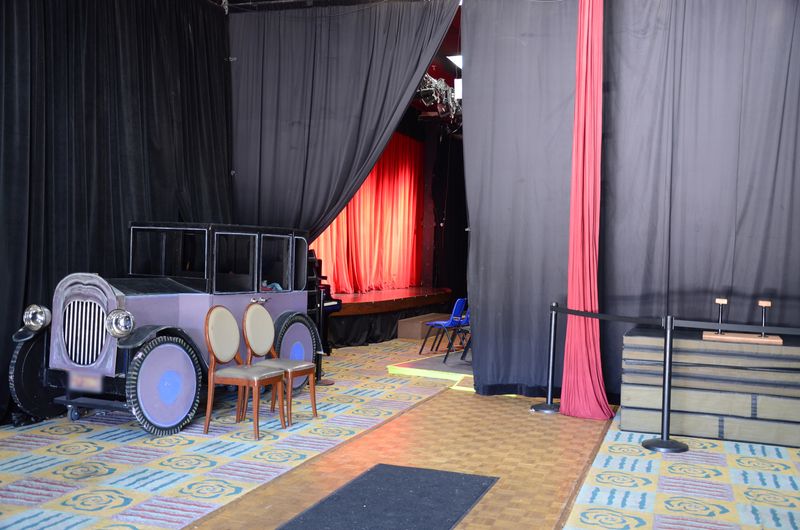
Storytelling takes theatrical form in this intimate puppet theater space. Children watch scheduled performances and create their own shows using provided puppets. The stage setup teaches performance basics and builds confidence.
Curtains, lighting, and seating create an authentic theater atmosphere. The small scale makes performances accessible rather than intimidating.
Your kids can select puppets and improvise stories behind the theater screen. They practice public speaking in a low-pressure environment. Audience members applaud every performance regardless of polish.
I love how this space validates children’s creative expressions. They experiment with voices, movements, and narratives. Shy children often find courage behind puppet characters.
The museum hosts visiting puppeteers who demonstrate professional techniques. These performances inspire children’s own theatrical attempts. The theater proves that performing arts belong in childhood education, developing communication skills and creative confidence that extend far beyond the stage.
14. Fossil and Archaeology Dig Site
Paleontology becomes accessible through this hands-on excavation area filled with hidden treasures. Children use brushes and tools to uncover replica fossils buried in sand. The activity teaches patience, careful observation, and scientific documentation.
Multiple digging stations allow several archaeologists to work simultaneously. Shade structures provide relief from Georgia sun.
Your young scientists learn that discovery requires methodical work rather than rushed digging. They document findings on provided charts. The experience demystifies how scientists study the past.
I’ve noticed how this activity captivates children across wide age ranges. Preschoolers enjoy the sensory aspect while older kids appreciate the scientific process. Staff members explain what different fossils reveal about ancient life.
The museum rotates buried items to keep the experience fresh for repeat visitors. Sometimes the focus shifts to archaeological artifacts rather than fossils. This dig site proves that history and science education benefit from tactile, discovery-based learning approaches.
15. Pollinator Garden and Butterfly House
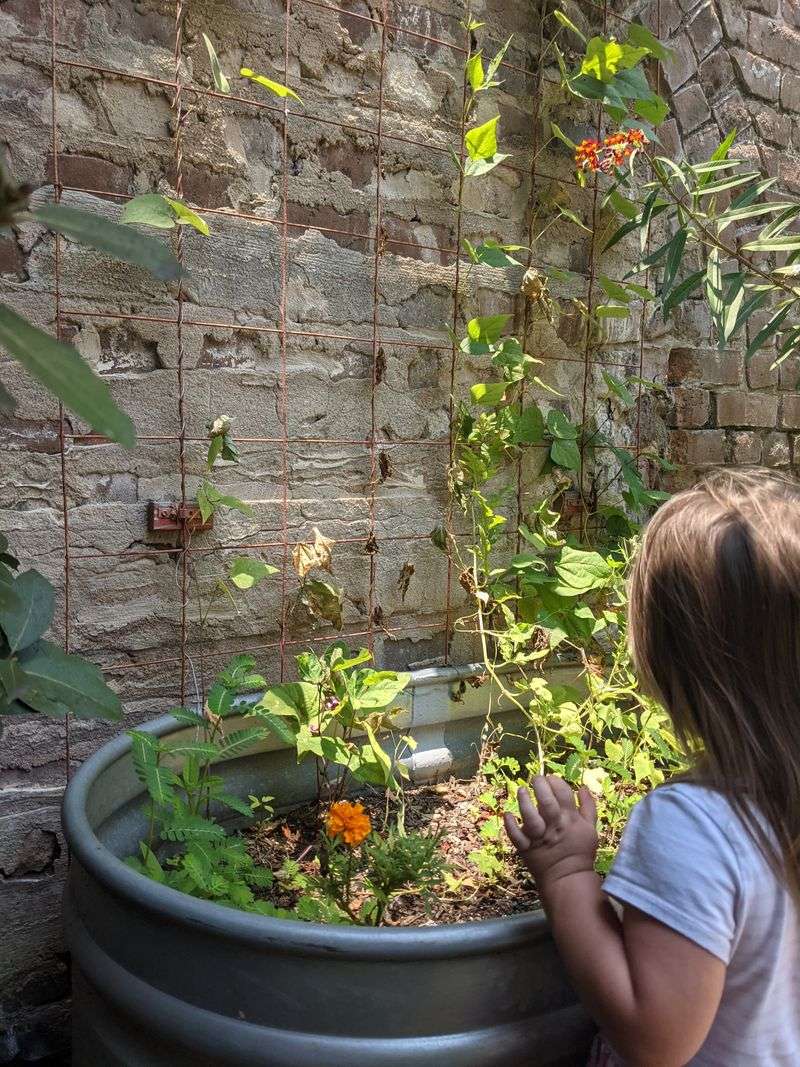
Environmental education blooms in this garden specifically designed to attract butterflies, bees, and other pollinators. Children observe these creatures visiting flowers and learn about ecological relationships. The garden demonstrates how plants and insects depend on each other.
Native Georgia plants provide nectar and habitat. Identification guides help children recognize different pollinator species.
Your kids discover that gardens serve purposes beyond beauty. They learn which plants attract specific pollinators. The garden teaches food chain basics and environmental stewardship.
I recommend visiting during spring and summer when pollinator activity peaks. Children can safely observe insects at work. The experience reduces fear of beneficial bugs.
The museum maintains the garden organically to protect pollinator health. Interpretive signs explain why pollinators matter for food production. This garden proves that even small spaces can support biodiversity while teaching children their role in protecting Georgia’s ecosystems.