This Is A California Seaside Town Where Life Slows Down And Nothing Feels Rushed
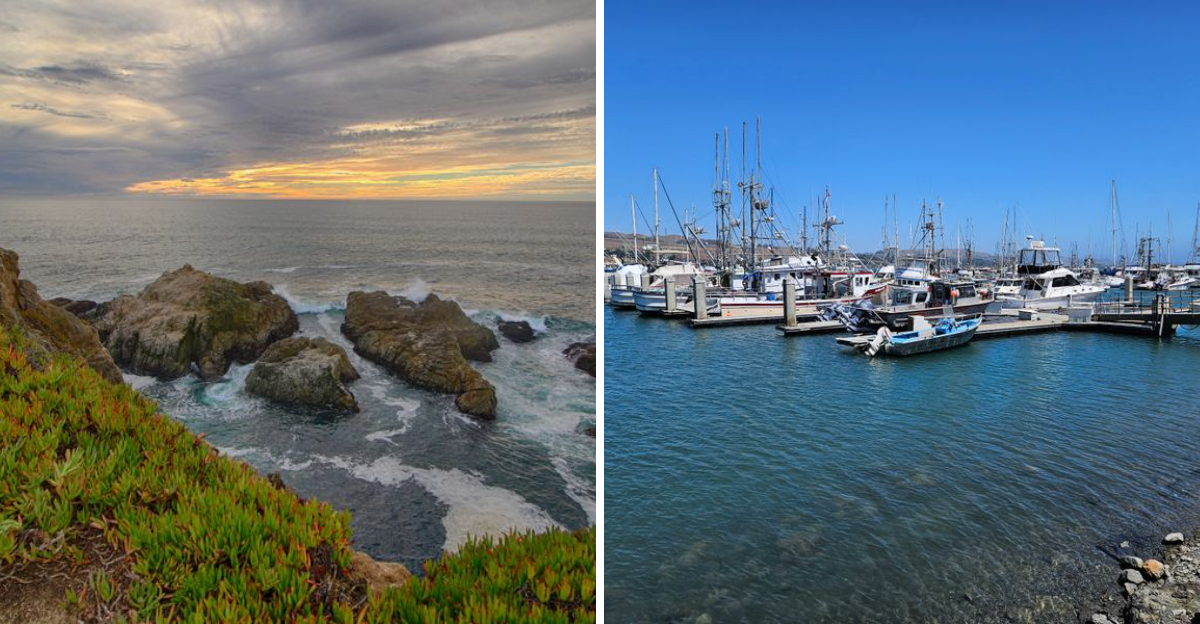
Silence carries weight along the edge of the ocean. Waves set their own tempo, fog drifts without urgency, and time seems less concerned with schedules.
Places like this encourage visitors to slow down without asking. The air feels different, heavier with salt, lighter with expectation, and shaped by a coastline that resists being hurried.
Along the Sonoma Coast in California, Bodega Bay offers that rare sense of pause. Fishing boats still define the harbor, seabirds circle above working docks, and daily life follows tides rather than traffic.
The town remains small by design and by circumstance, shaped more by weather and water than by development. That restraint gives it character that cannot be replicated elsewhere.
Walks stretch longer than planned, conversations linger, and meals feel earned rather than rushed. Coastal bluffs frame views that change by the hour, while wide beaches invite quiet reflection rather than crowds.
California has many coastal towns, but few hold onto simplicity with this much confidence. Bodega Bay does not compete for attention, and that may be its greatest strength.
Time here feels generous, offering space to notice details often lost elsewhere. For travelers craving calm, the town delivers something lasting long after the drive home begins.
1. Russian Settlement History Changed California’s Story
Back in 1809, Russian fur traders sailed into what they called Port Rumyantsev, establishing California’s first Russian structures right here in Bodega Bay.
The Russian-American Company built these outposts to support Fort Ross and the broader Colony Ross community further up the coast.
Their presence marked an unexpected chapter in California’s diverse settlement story, long before gold rush fever transformed the state.
These early settlers hunted sea otters and established trade networks that stretched from Alaska to Mexico.
Their wooden fortifications and supply stations dotted the coastline, creating a Russian foothold in Spanish-claimed territory.
The cultural exchange between Russian traders, Spanish missionaries, and indigenous Kashaya Pomo people created a unique blend rarely discussed in mainstream California history.
Today, visitors can trace this heritage through historical markers and nearby Fort Ross State Historic Park, where reconstructed buildings show how these settlers lived.
The Russian legacy reminds everyone that California’s past holds more complexity than most textbooks reveal, with Bodega Bay serving as an early crossroads of cultures and ambitions along the Pacific rim.
2. Hitchcock’s Birds Made This Town Famous
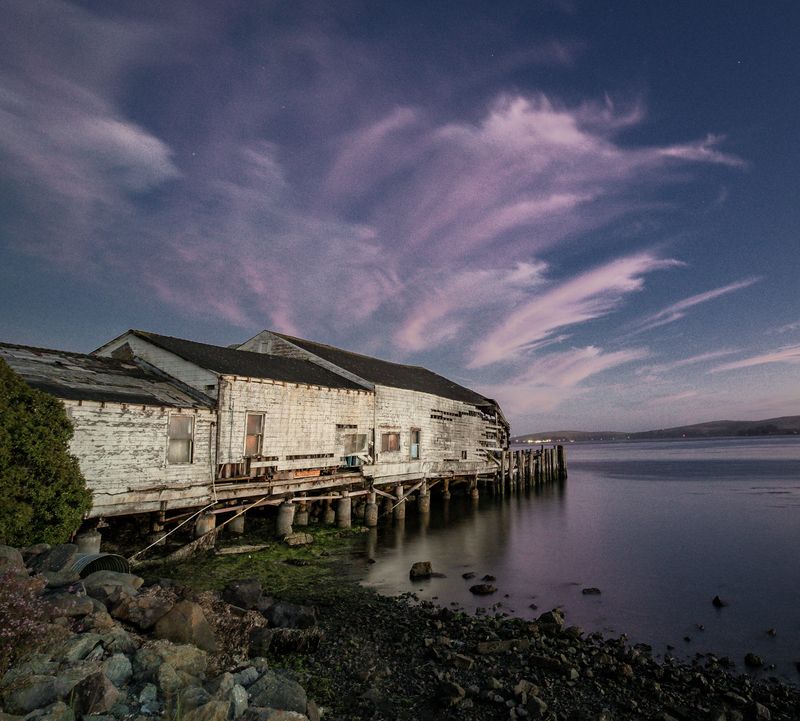
Alfred Hitchcock chose Bodega Bay as the primary setting for his 1963 thriller The Birds, forever linking this quiet town with cinematic suspense.
The Tides Wharf Restaurant appears prominently throughout the film, its waterfront location providing the perfect backdrop for unsettling avian encounters.
Located at 835 Bay Highway, Bodega Bay, CA 94923, the restaurant still serves guests today, many of whom arrive hoping to spot filming locations between bites of fresh seafood.
The Potter Schoolhouse, perched on a hill overlooking the bay, became one of the movie’s most memorable locations during the playground attack scene.
Though the interior scenes were filmed on soundstages, the distinctive white building remains a pilgrimage site for film enthusiasts.
Hitchcock’s decision to film here introduced millions of viewers to Bodega Bay’s dramatic coastline and moody atmosphere.
Decades later, the town embraces its thriller heritage without letting it define the entire experience.
Visitors discover that real-life Bodega Bay offers tranquility rather than terror, with seabirds gliding peacefully overhead instead of dive-bombing unsuspecting residents along the harbor walkways.
3. Doran Regional Park Stretches Along Two Miles Of Sand
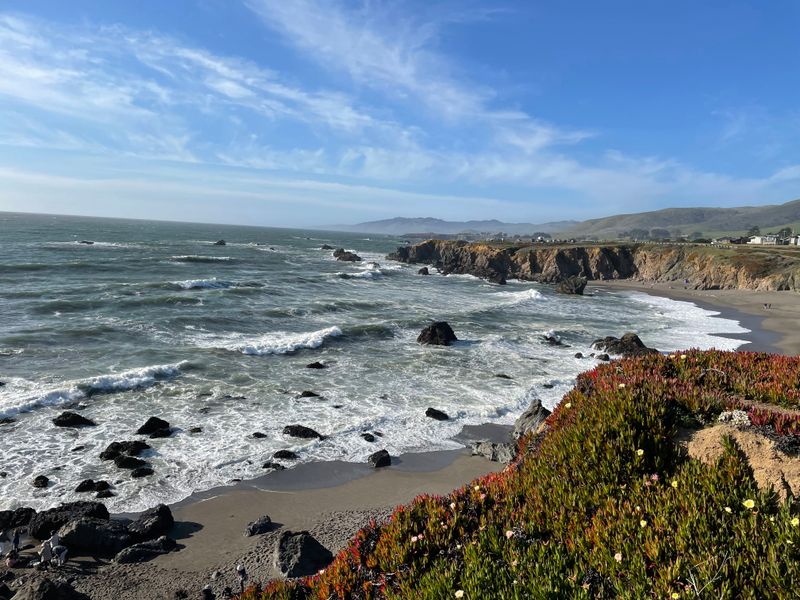
Doran Regional Park spreads across 127 acres of protected beachfront where families spread blankets and surfers paddle out into consistent swells.
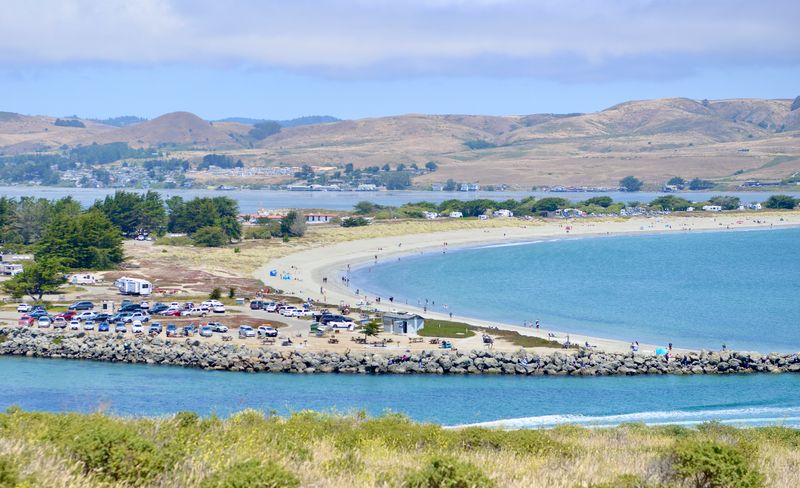
The park’s two-mile sandy beach curves gently along Bodega Harbor’s entrance, creating a natural barrier between the working harbor and open Pacific waters.
Unlike rockier sections of the Sonoma Coast, Doran’s sandy expanses allow barefoot wandering and castle-building without navigating treacherous tide pools.
Picnic areas with tables and grills dot the park’s interior, sheltered by low dunes and hardy coastal vegetation.
On weekends, the smell of grilled food mingles with salt air while children chase receding waves and collect smooth stones.
Surfing conditions vary with tides and swells, but the beach breaks attract both beginners and experienced riders seeking less crowded alternatives to famous surf towns further south.
Beachcombing yields treasures after winter storms push debris and shells onto the sand.
Early morning walks often reveal undisturbed stretches where shorebirds leave delicate tracks before human footprints appear.
The park’s accessibility and amenities make it popular with day visitors, yet its size ensures that finding a quiet spot remains possible even during summer months.
4. Greater Farallones Sanctuary Protects Marine Ecosystems
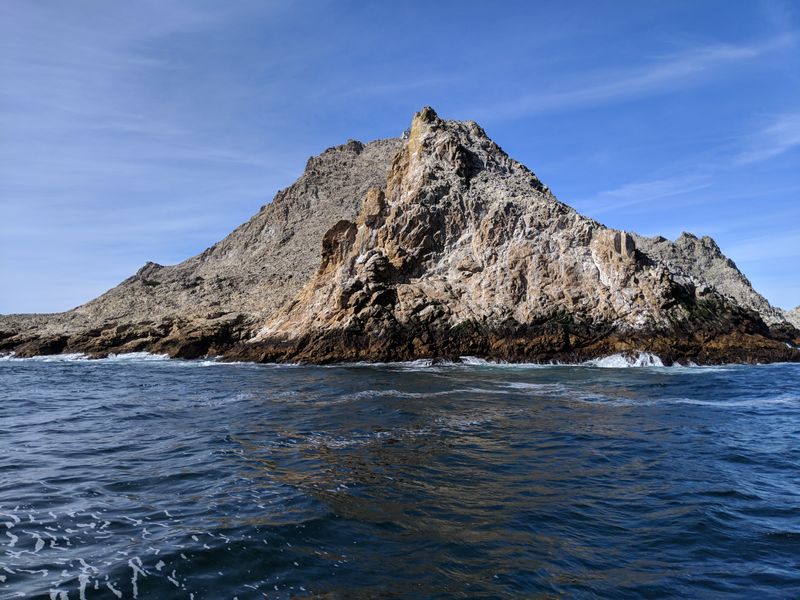
Bodega Bay sits within the Greater Farallones National Marine Sanctuary, a federally protected area encompassing nearly 3,295 square miles of ocean habitat.
This designation safeguards critical feeding grounds, breeding areas, and migration corridors for countless marine species.
Thirty-six different marine mammal species call these waters home at various times throughout the year, from harbor seals basking on nearshore rocks to enormous blue whales passing through deeper channels.
The sanctuary’s boundaries extend from Bodega Head north to Point Arena and west to the Farallon Islands, creating a vast conservation zone.
Cold, nutrient-rich waters upwelling along the continental shelf support abundant krill, anchovies, and other foundational species that feed larger predators.
This productivity makes the area one of North America’s most biologically diverse marine environments, comparable to tropical coral reefs in species density.
Visitors benefit from sanctuary protections through cleaner waters, healthier fish populations, and increased wildlife viewing opportunities.
Regulations limit certain fishing practices and vessel speeds, reducing disturbance to sensitive species.
Standing on Bodega Head’s bluffs, observers can watch this protected ecosystem in action as pelicans dive, dolphins surface, and the occasional whale spout appears on the horizon.
5. Whale Watching Happens Right From Shore
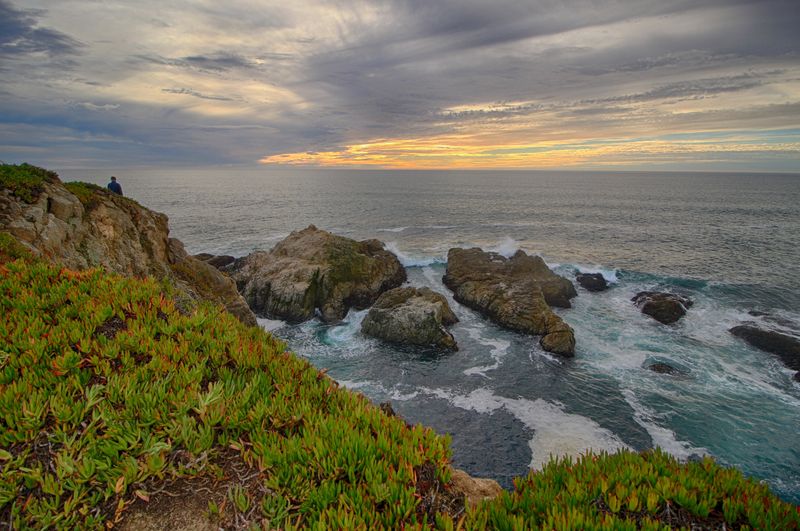
Gray whales migrate past Bodega Head twice annually, creating prime viewing opportunities without boarding a boat.
From October through February, these massive mammals travel southbound toward Mexican breeding lagoons, often passing close enough to shore that their spouts become visible to patient observers.
The return migration from February through April brings mothers with newborn calves northward, moving more slowly and sometimes approaching shallower waters to rest.
Bodega Head’s elevated bluffs provide natural observation platforms where spotting scopes aren’t strictly necessary, though binoculars enhance the experience.
On clear days, whale watchers scan the horizon for telltale blows, the misty exhalations that reveal a whale’s surfacing.
Once spotted, these 40-ton creatures often breach or tail-slap, creating dramatic displays against the endless blue backdrop.
The predictability of these migrations means timing a visit around whale season almost guarantees sightings for persistent viewers.
Local volunteers sometimes staff viewing areas during peak migration periods, helping visitors identify different species and behaviors.
Unlike boat-based tours, shore watching allows unlimited time and creates no disturbance to the animals, letting whales pass by on their ancient routes without human interference.
6. Spud Point Crab Company Serves Dungeness Straight from Boats
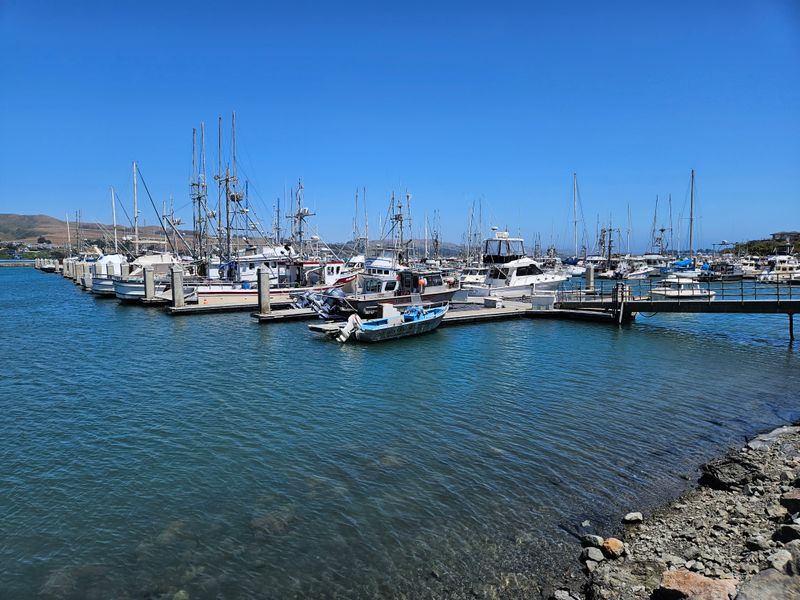
Spud Point Crab Company operates as a no-frills seafood counter where fishing boats unload their catch just yards away from the kitchen.
The building at 1910 Westshore Road, Bodega Bay, CA 94923, sits directly on the harbor, allowing customers to watch working boats come and go while waiting for orders.
Dungeness crab arrives fresh from local waters, steamed simply and served with lemon wedges and melted butter for dipping.
The menu stays focused on what the boats bring in, with clam chowder earning particular praise from regulars who return trip after trip.
Seating consists mainly of picnic tables scattered outside, where seagulls hover hopefully and the smell of salt water mixes with steaming seafood.
Lines form during peak lunch hours, especially on sunny weekends when visitors flood the coast, but the wait rarely stretches beyond reasonable limits.
This spot embodies Bodega Bay’s working waterfront character, where tourism and commercial fishing coexist without one overwhelming the other.
Prices reflect the fresh-catch premium, yet the quality justifies the expense for seafood enthusiasts seeking authenticity over atmosphere.
Eating here feels less like dining out and more like participating in the town’s daily rhythm of harvest and consumption.
7. Sonoma County Vineyards Surround The Coastal Village
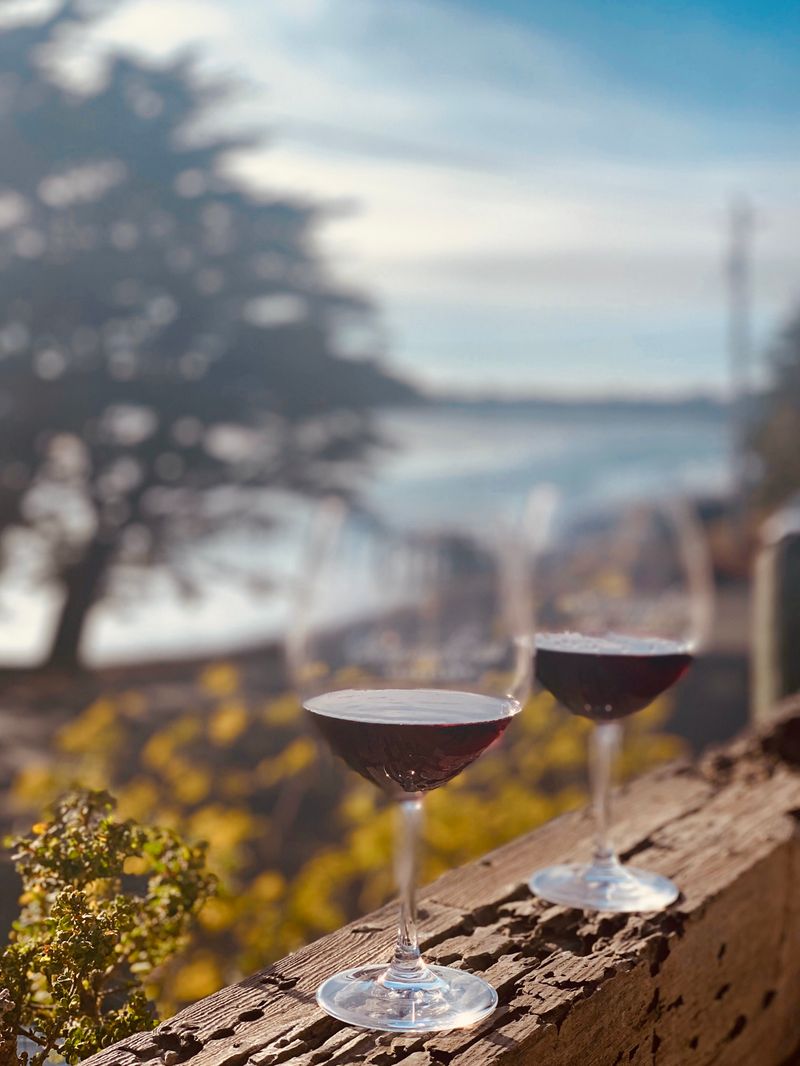
Bodega Bay’s location in Sonoma County places it within easy reach of world-renowned wine regions, where cool coastal influences shape distinctive varietals.
The nearby Sonoma Coast AVA specializes in Pinot Noir and Chardonnay grapes that thrive in foggy, moderate temperatures similar to Burgundy’s climate.
Vineyards cling to hillsides just inland from the coast, benefiting from maritime air that drifts through gaps in the coastal range.
Wine enthusiasts can plan tasting room visits within a short drive of Bodega Bay, exploring small producers who focus on limited-production wines.
The contrast between rugged coastline and manicured vineyards creates a unique day trip combining ocean views with wine country elegance.
Many wineries offer outdoor tasting areas where fog sometimes rolls in during afternoon hours, creating atmospheric conditions that showcase why these grapes develop such complex flavors.
The connection between coastal seafood and local wines creates natural pairing opportunities that restaurants throughout the area embrace.
Crisp Chardonnays complement Dungeness crab while earthy Pinot Noirs match grilled salmon, bringing together the region’s two signature products.
Visitors discover that Bodega Bay serves as a gateway to both ocean and vineyard experiences without requiring long drives between dramatically different landscapes.
8. Community Spirit Strengthens During Challenging Times
Bodega Bay’s small population fosters tight-knit relationships where neighbors know each other by name and look out for one another.
During natural disasters like wildfires or severe storms, this community cohesion becomes especially visible as residents coordinate evacuations, share resources, and check on vulnerable neighbors.
The town’s isolation from larger urban centers means self-reliance isn’t just a value but a practical necessity when emergencies arise.
Local businesses often serve as informal community centers where information spreads and assistance organizes.
The fishing fleet operates as an extended family, with boat crews helping each other with repairs, sharing knowledge about productive fishing grounds, and pulling together when someone faces hardship.
This cooperative spirit extends beyond the harbor to include shopkeepers, innkeepers, and year-round residents who weather quiet winters together.
Visitors sometimes witness this community strength firsthand when attending local events or striking up conversations at the harbor.
Stories emerge about neighbors rebuilding after losses, fundraisers supporting families in need, and collective efforts to preserve the town’s character against development pressures.
The sense that everyone contributes to something larger than themselves creates an atmosphere that feels increasingly rare in modern California, where anonymity often replaces connection.
9. Outdoor Activities Fill Days With Ocean Adventures
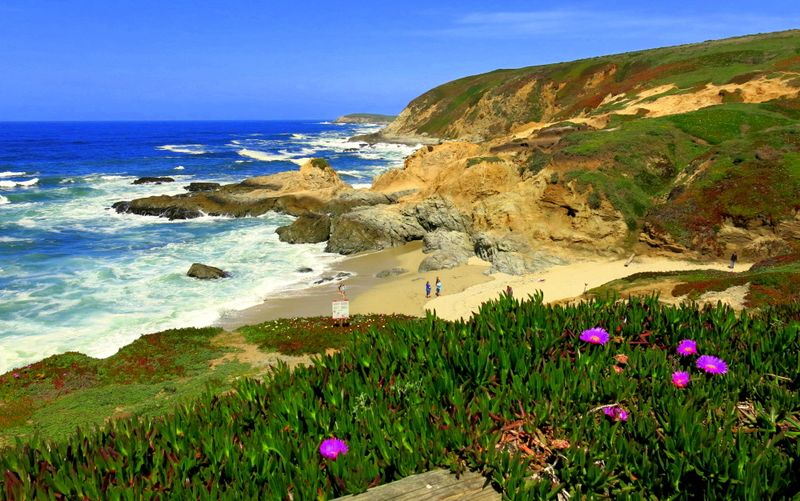
Bodega Harbor’s protected waters provide ideal conditions for kayaking and paddleboarding, especially during morning hours before afternoon winds pick up.
Rental shops supply equipment and basic instruction for beginners, while experienced paddlers explore the harbor’s quieter corners where seals haul out on mudflats and herons stalk the shallows.
The harbor’s relatively calm conditions contrast with the open ocean’s intensity, creating accessible water activities for varied skill levels.
Hiking trails along Bodega Head offer dramatic Pacific views with routes ranging from easy strolls to more challenging climbs.
The Bodega Head Trail loops through coastal scrub habitat where wildflowers bloom in spring and raptors ride updrafts along the cliffs.
Tide pool exploration becomes possible at several rocky points during low tides, revealing anemones, starfish, and small crabs trapped in temporary pools.
Birdwatching draws enthusiasts year-round as shorebirds, seabirds, and migrating species pass through or establish territories along the coast.
Brown pelicans plunge-dive just offshore while cormorants dry their wings on harbor pilings and gulls wheel overhead calling raucously.
These activities require no special permits or reservations, just appropriate clothing for changeable coastal weather and willingness to let natural rhythms determine the day’s pace.
10. Art Galleries Showcase Local Creative Talent
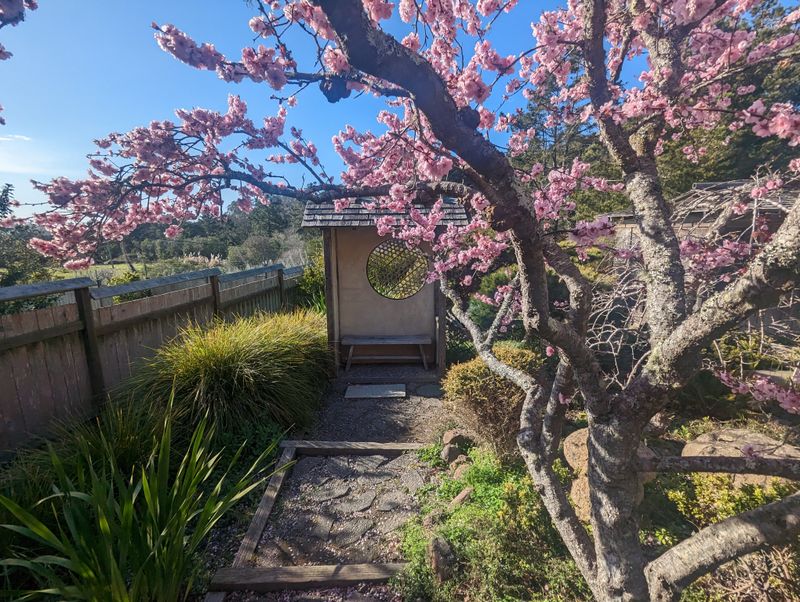
Several art galleries scattered throughout Bodega Bay display works inspired by the surrounding landscape, from seascapes capturing the Pacific’s moods to sculptures fashioned from driftwood and beach findings.
Local artists draw endless inspiration from changing light conditions, dramatic weather patterns, and the intersection of land and sea that defines this coastline.
Gallery spaces tend toward intimate rather than grand, reflecting the town’s modest scale and unpretentious character.
Many artists maintain studios in the area, occasionally opening their workspaces for visitors interested in seeing creative processes firsthand.
Mediums range from traditional oil paintings and watercolors to photography, ceramics, and mixed media incorporating natural materials.
The artistic community values authenticity over trend-chasing, producing works that capture genuine responses to coastal living rather than commercial calculations about what might sell.
Shops selling handcrafted items complement the galleries, offering jewelry made from beach glass, woven textiles using natural dyes, and woodwork showcasing local timber species.
These creative outlets provide alternatives to mass-produced souvenirs, giving visitors opportunities to take home pieces with actual connections to Bodega Bay’s environment and artistic heritage.
The art scene remains small enough that meeting artists and hearing their stories becomes part of the purchasing experience.
11. St. Teresa Of Avila Church Stands Since 1860
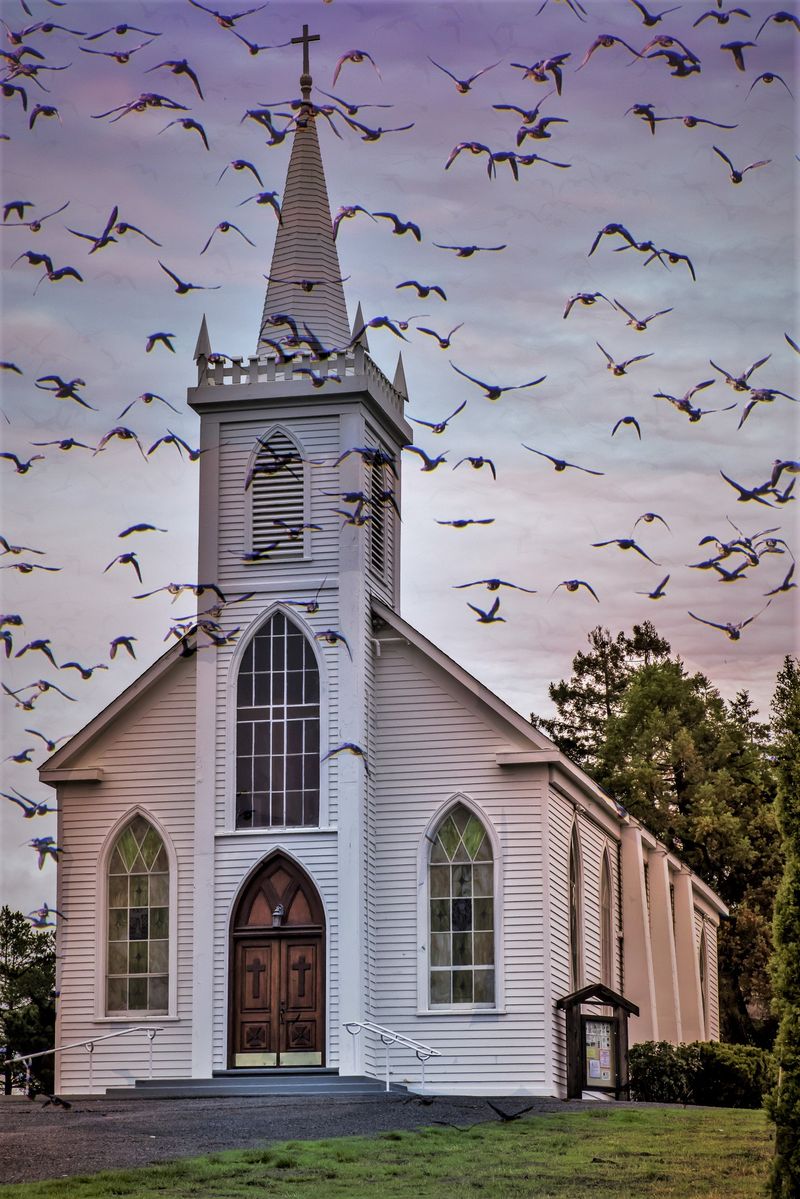
St. Teresa of Avila Church rises on a hill overlooking Bodega Bay, its white walls and simple architecture dating back to 1860.
As one of Sonoma County’s oldest churches, the building represents early Catholic missionary efforts along California’s remote northern coast.
The church at 17120 Bodega Hwy, Bodega, CA 94922, serves both historical and spiritual functions, welcoming visitors interested in its past while continuing to hold services for local parishioners.
The structure’s survival through 160-plus years of coastal weather, earthquakes, and changing times makes it a tangible connection to the region’s settlement era.
Inside, the sanctuary maintains period-appropriate simplicity with wooden pews, modest altar decorations, and windows that frame views of the surrounding landscape.
The building appeared briefly in Hitchcock’s The Birds, adding cinematic significance to its historical importance.
The church cemetery behind the building holds graves of early settlers, fishermen, and long-time residents whose names appear on local landmarks and street signs.
Reading weathered headstones provides glimpses into the community’s past, revealing the dangers of 19th-century coastal life and the families who persisted despite hardships.
The peaceful grounds invite quiet reflection while offering elevated views across the bay toward the Pacific horizon.
12. Mediterranean Climate Creates Year-Round Comfort
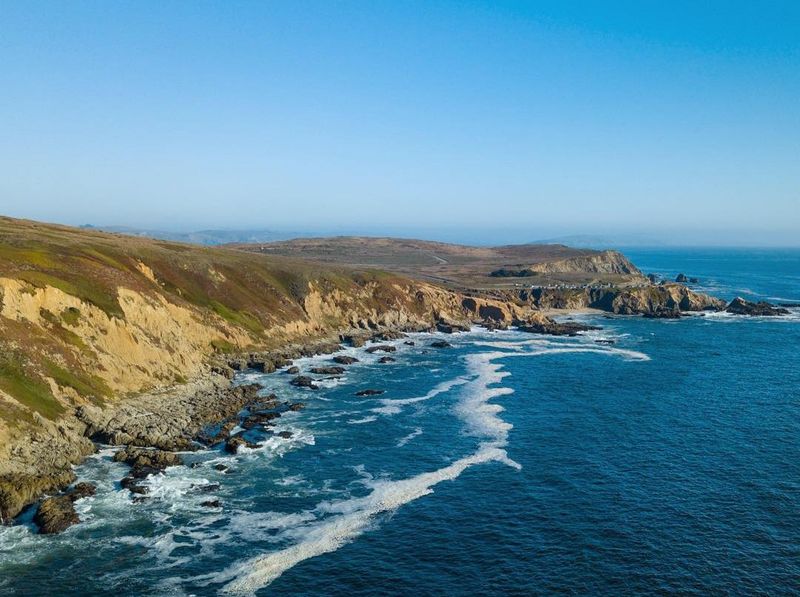
Bodega Bay enjoys a warm-summer Mediterranean climate characterized by cool, foggy afternoons and mild temperatures throughout the year.
Summer highs rarely exceed the low-70s Fahrenheit, while winter lows seldom drop below the mid-40s, creating moderate conditions that never feel extreme.
The famous California fog rolls in most summer afternoons, bringing moisture and cooling that locals welcome after morning sunshine.
This climate pattern eliminates the scorching heat found inland while avoiding the harsh winters that define northern latitudes at similar coastal positions.
Rainfall concentrates in winter months, leaving summers dry but not parched thanks to persistent fog drip from coastal vegetation.
The temperature stability means packing layers makes more sense than choosing between heavy coats or shorts, as conditions can shift within hours as fog advances or retreats.
Year-round visitation becomes feasible because no season brings truly unpleasant weather, though each offers different experiences.
Spring wildflowers carpet hillsides, summer fog creates moody atmospheres, autumn brings clearer skies and calmer seas, and winter storms provide dramatic wave-watching opportunities.
This climatic reliability supports the town’s unhurried pace, as residents and visitors alike adapt to fog delays and weather changes without urgency or complaint, accepting nature’s rhythms as part of coastal living.