The New $45 TSA Rule Has Started (Here’s What California Locals Need To Know Before Flying)
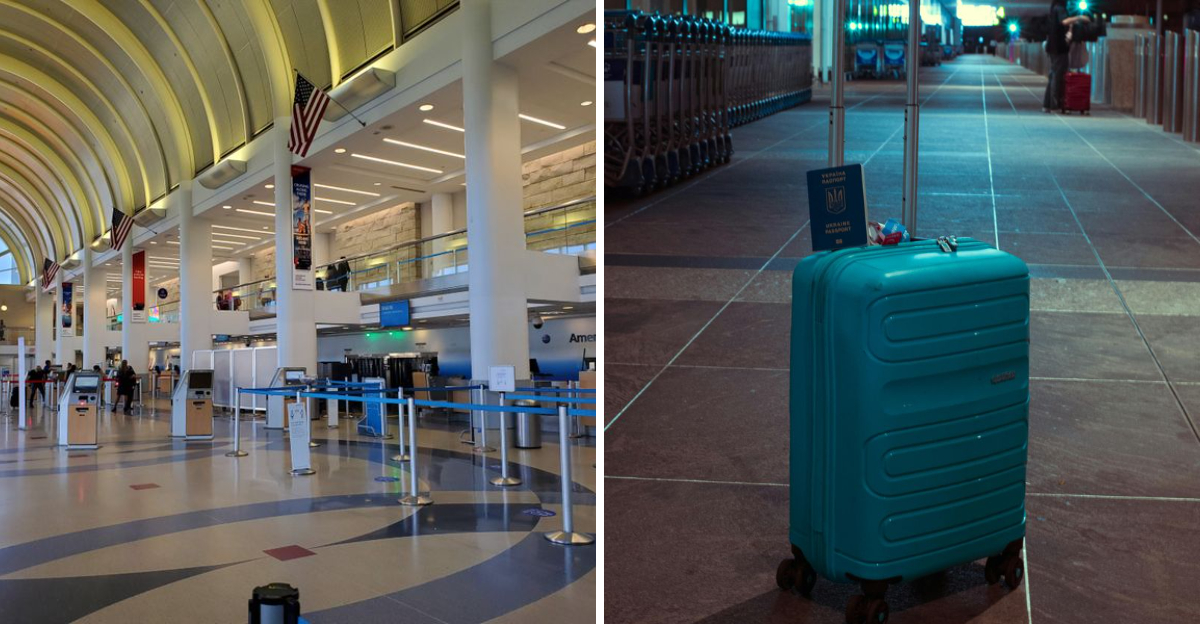
Air travel already comes with enough pressure, yet one small oversight can now change the entire experience at the checkpoint.
Identification, often treated as a given, has become a critical detail for anyone heading to the airport. A routine departure can quickly turn tense when paperwork does not match new expectations.
A Transportation Security Administration rule that took effect February 1 adds a $45 fee for passengers who arrive at security without a REAL ID-compliant license or another approved form of identification.
The fee comes with extra screening and delays, turning a simple mistake into an expensive one. Many travelers are learning about the change only when they reach the front of the line.
The situation hits especially hard in California, where REAL ID adoption remains incomplete. With only about 58 percent of driver’s license holders currently compliant, millions risk unexpected costs and stress before they even reach their gate.
Flying out of California without a REAL ID can now cost you $45 before your trip even begins. For travelers with upcoming flights, preparation has become non-negotiable.
A quick check of your ID today could mean the difference between a smooth departure and an unwelcome surprise at security.
1. New TSA Rule Began February 1, 2026
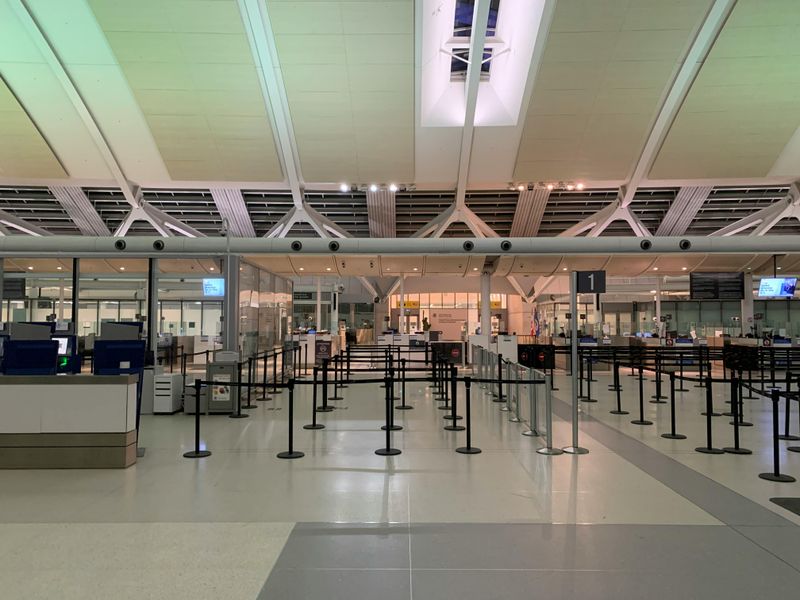
California travelers woke up to a significant shift in airport security procedures when February 1, 2026, rolled around.
The Transportation Security Administration officially launched its ConfirmID alternative verification system, accompanied by a mandatory $45 fee for anyone who shows up without proper identification.
Airport terminals across Los Angeles, San Francisco, San Diego, and Sacramento now display notices reminding passengers about the new requirement.
This rule change didn’t appear overnight. TSA had been warning travelers for years that REAL ID enforcement was coming, now in place since May 2025.
Airports throughout the Golden State have set up dedicated ConfirmID stations near security checkpoints.
These stations handle the biometric verification process for travelers who need the alternative screening.
The fee structure remains firm regardless of which California airport someone departs from, whether it’s a major hub like LAX or a smaller regional airport like Fresno Yosemite International.
Travelers should budget extra time for airport arrival, particularly during the initial months as both passengers and TSA staff adjust to the new procedures and technology requirements.
2. Who Is Affected By The Real ID Fee Change

Nearly 42% of California driver’s license holders face potential complications under this new rule. Anyone whose license doesn’t display a gold bear and star in the upper right corner lacks REAL ID compliance.
Senior citizens who renewed their licenses years ago and haven’t needed to update them represent a significant portion of affected travelers. College students using older state-issued identification cards also fall into this category.
Out-of-state residents flying from California airports may encounter similar issues if their home states lagged behind in REAL ID implementation.
Visitors from other countries using California as a departure point for domestic connections need valid passports or risk the fee.
Business travelers who frequently fly for work but postponed getting their REAL ID could rack up hundreds of dollars in fees over a year.
Families traveling together need every member over 18 to have compliant identification. Parents often overlook their adult children’s ID status when booking trips, leading to surprise fees at security.
Retirees who primarily use passports for international travel but keep expired driver’s licenses for domestic flights must now ensure at least one form of identification meets TSA standards or prepare to pay repeatedly throughout the year.
3. What Is The TSA ConfirmID System
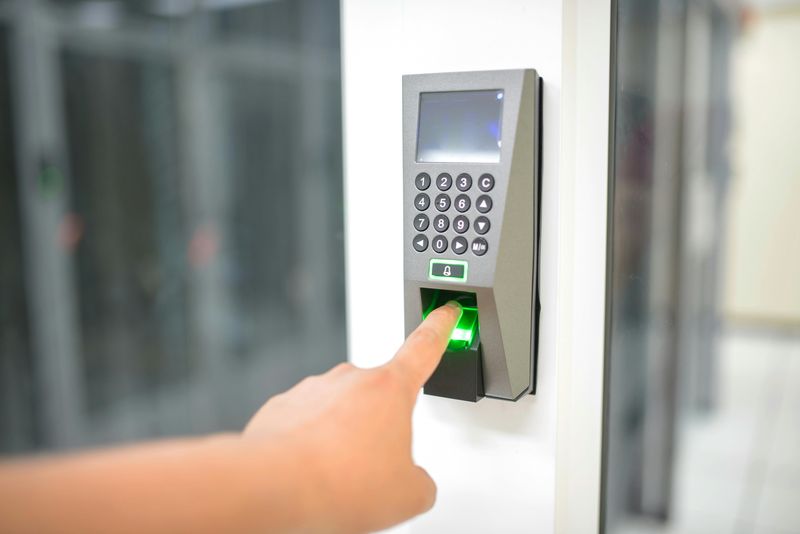
ConfirmID represents TSA’s answer to the identification gap created by REAL ID enforcement.
This technology-driven system uses multiple biometric markers to verify traveler identities without requiring traditional government-issued identification.
Facial recognition cameras capture high-resolution images that match against federal databases, while fingerprint scanners cross-reference prints with existing records.
Some stations even include retinal scanning capabilities for additional verification layers.
The system connects to various government databases including Social Security Administration records, Department of Motor Vehicles information, and previous TSA PreCheck enrollments.
Processing typically takes between 10 and 30 minutes depending on how quickly the system locates matching records.
California airports installed these stations in late 2025, giving TSA agents several months to train on the new equipment before the February launch.
Privacy advocates raised concerns about the extensive biometric data collection, but TSA maintains that information isn’t stored permanently and gets purged after verification completes. The technology aims to balance security needs with convenience for unprepared travelers.
However, the system isn’t foolproof – if ConfirmID cannot verify someone’s identity after exhausting all database searches, that person gets denied entry to the secure area and cannot board their flight, losing both the $45 fee and their ticket cost.
4. Why TSA Is Charging A $45 Fee
Transportation Security Administration officials justify the fee by pointing to substantial operational costs associated with ConfirmID implementation.
Installing biometric scanning equipment at hundreds of checkpoints nationwide required significant capital investment.
Each station costs approximately $75,000 to $100,000 when factoring in hardware, software licensing, and network infrastructure. California’s major airports needed multiple stations per terminal to handle passenger volume.
Staffing represents another major expense. TSA had to hire and train specialized personnel to operate ConfirmID stations and troubleshoot technical issues.
These employees require higher security clearances than standard screening agents because they access sensitive government databases.
The agency calculates that processing one traveler through ConfirmID costs roughly $38 in labor, technology usage, and database query fees.
The $45 fee includes a small administrative markup to cover program management and future technology upgrades.
TSA designed the pricing to discourage reliance on ConfirmID rather than obtaining proper identification.
Officials hope the fee motivates California residents to finally get their REAL ID-compliant licenses instead of repeatedly paying for alternative verification.
Critics argue the fee disproportionately impacts lower-income travelers who may struggle to take time off work to visit DMV offices for REAL ID upgrades, but TSA maintains the charge reflects actual costs rather than serving as a punitive measure.
5. How The ConfirmID Fee Works
Payment structure for ConfirmID offers some flexibility that softens the financial blow for frequent travelers. The $45 fee purchases a 10-day travel window rather than covering just a single flight.
Someone flying from San Francisco to New York on Monday and returning Friday pays once for both legs. Business travelers with multiple meetings across the country during one week benefit from this arrangement.
The 10-day period begins at midnight on the day of first use, not from the moment of payment.
California residents planning a week-long vacation can pay the fee before their departure flight and remain covered for their return trip plus any additional flights during that span.
However, the fee is strictly non-refundable – canceling travel plans means losing the entire $45 with no credit toward future verification.
TSA tracks ConfirmID usage through biometric data, so travelers don’t need to carry receipts or confirmation numbers.
The system automatically recognizes when someone has an active 10-day window upon arriving at security.
This convenience comes with limitations though; the fee covers only the traveler who paid it and cannot be shared among family members.
Each person over 18 without proper identification needs their own $45 ConfirmID payment, potentially adding hundreds of dollars to family vacation costs when multiple members lack REAL ID compliance.
6. How To Pay The Fee Before Your Flight

Smart California travelers handle ConfirmID payment before arriving at the airport to avoid unnecessary stress and delays.
TSA’s online portal at the official website accepts major credit cards, debit cards, PayPal, and Venmo for advance payment.
The digital process takes about 15 minutes to complete, requiring basic personal information including full legal name, date of birth, and Social Security number for identity verification purposes.
After submitting payment online, the system generates a confirmation email within a few hours once initial database checks complete.
This email doesn’t serve as a boarding pass or guarantee of verification success, but it confirms TSA received payment and initiated the ConfirmID process.
California residents should complete online payment at least 24 hours before their scheduled departure to allow sufficient processing time and avoid potential technical glitches on travel day.
Airport payment remains available for travelers who didn’t plan ahead or experienced last-minute identification issues. ConfirmID stations at California airports accept the same payment methods as the online portal.
However, airport payment adds 20 to 45 minutes to security wait times depending on station availability and passenger volume.
Weekend mornings and holiday travel periods see the longest delays.
Credit cards process fastest, while digital wallet payments sometimes experience connectivity issues in the airport environment, potentially causing additional frustration when travelers are already running late for flights.
7. Acceptable Forms Of ID To Avoid The Fee
California residents have several options to bypass the $45 ConfirmID fee entirely. A REAL ID-compliant driver’s license or state identification card remains the most convenient choice for most travelers.
These documents feature a gold bear with a star in the upper right corner, distinguishing them from standard California licenses.
Obtaining one requires visiting a DMV office in person with specific documentation proving identity, Social Security number, and California residency.
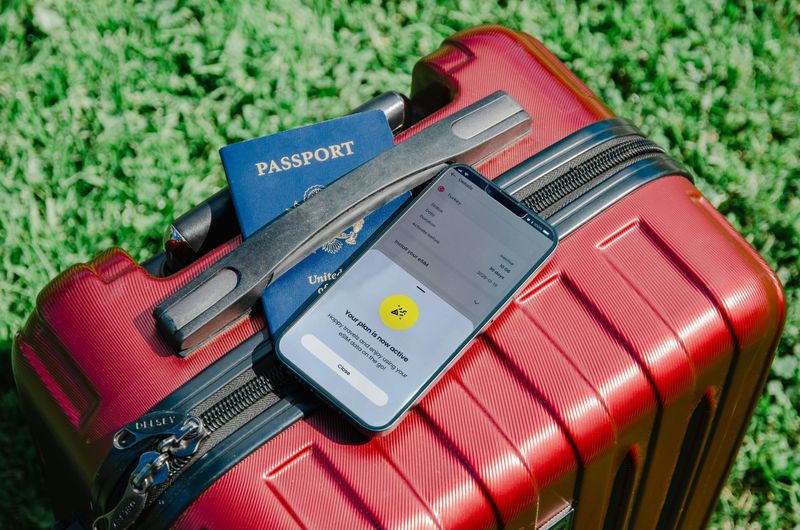
United States passports, whether in book or card format, satisfy TSA requirements without question.
Passport cards cost less than traditional passport books but work only for land and sea travel to Canada, Mexico, and the Caribbean, plus domestic flights.
Military personnel can present their Department of Defense identification cards, which remain valid throughout their service period and beyond.
Veterans with VA identification cards may find those insufficient since not all versions meet REAL ID standards. Permanent resident cards provide another alternative for non-citizens living in California.
These cards undergo regular renewal cycles, so travelers should verify their card hasn’t expired before heading to the airport.
Digital identification through Apple Wallet or Google Wallet gained TSA acceptance in recent years, though not all California airports have installed the necessary scanning equipment yet.
Travelers relying on digital IDs should carry backup physical identification just in case technical issues or equipment limitations prevent digital scanning at their departure airport.
8. List Of TSA-Approved Identification Options

Understanding the complete range of TSA-approved identification helps California travelers make informed decisions about their airport security preparation.
Driver’s licenses and identification cards from any U.S. state work if they display REAL ID compliance markings. Enhanced driver’s licenses from border states like Washington also meet requirements.
Trusted Traveler program cards including Global Entry, NEXUS, and SENTRI provide seamless passage through security checkpoints.
Federal government employees can use their Personal Identity Verification cards, while state and local government workers may present their official credentials if they meet federal security standards.
Merchant Mariner credentials serve maritime professionals, and Transportation Worker Identification Credentials work for port employees.
Native American tribal photo identification cards from federally recognized tribes gain acceptance when they include proper security features.
Certain foreign passports alone don’t suffice for domestic travel – international visitors need additional documentation like visa stamps or entry permits. Canadian citizens can use their NEXUS cards or enhanced provincial driver’s licenses.
Mexican citizens with Border Crossing Cards face limitations since those cards work only for entry into border regions.
Airline employees with company-issued identification still need government-issued documents meeting REAL ID standards.
Student identification cards, even from California universities, don’t meet TSA requirements regardless of how official they appear.
Voter registration cards, credit cards, and birth certificates similarly fail to satisfy security protocols despite containing personal information and photos in some cases.
9. Potential Delays And Screening Time With ConfirmID
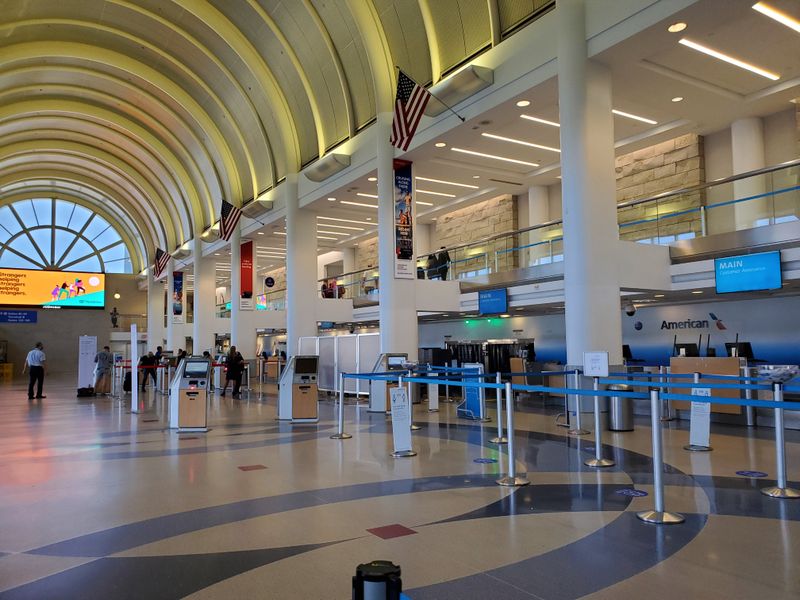
Time management becomes critical for California travelers relying on ConfirmID verification.
TSA estimates the process takes 10 to 30 minutes per person, but real-world experience shows significant variation.
Early morning flights departing between 5 AM and 8 AM typically experience faster processing since fewer passengers need alternative verification.
Afternoon and evening departures see higher ConfirmID usage, sometimes creating 45-minute waits just for the verification step before even reaching standard security screening.
Database connectivity issues occasionally extend processing time beyond the 30-minute estimate.
When systems run slowly or temporarily lose connection to federal databases, travelers may wait an hour or more while TSA agents troubleshoot technical problems.
California airports with older infrastructure face more frequent connectivity challenges than newly renovated terminals.
San Francisco International Airport invested heavily in network upgrades and generally processes ConfirmID requests faster than some regional airports.
Travelers should arrive at California airports a minimum of three hours before domestic departures when planning to use ConfirmID.
International flights require even more buffer time since customs and immigration add additional security layers.
Families with multiple members needing ConfirmID verification should budget 30 minutes per person, potentially adding two hours to airport arrival time for a family of four.
Missing a flight due to ConfirmID delays doesn’t entitle travelers to refunds or rebooking assistance from airlines, making early arrival essential for avoiding expensive last-minute ticket purchases.
10. Tips For Travelers Before Flying
Preparation separates smooth California travel experiences from stressful airport nightmares. Check identification documents at least two weeks before any scheduled flight.
Look for the gold bear and star on California driver’s licenses to confirm REAL ID compliance.
Expired identification won’t work even if it features REAL ID markings, so verify expiration dates carefully.
Passports require six months of validity remaining for some international destinations, though domestic travel accepts passports valid through their expiration date.
California DMV offices offer REAL ID upgrades, but appointment availability varies widely by location and season.
Coastal cities like Los Angeles and San Diego often have waits exceeding six weeks for appointments. Inland offices in Bakersfield, Fresno, or Sacramento sometimes offer same-week availability.
The DMV requires specific documentation including original birth certificates or passports, Social Security cards, and two proofs of California residency such as utility bills or lease agreements.
Gathering these documents ahead of time prevents multiple trips to DMV offices.
Travelers who absolutely cannot obtain REAL ID before their flight should pay the ConfirmID fee online at least 24 hours in advance.
Keep confirmation emails accessible on mobile devices in case TSA agents need to verify payment. Build extra time into airport arrival schedules, aiming for three hours before domestic departures.
Avoid checking bags if possible since ConfirmID delays might leave insufficient time for baggage processing.
Consider travel insurance that covers missed flights, though policies rarely reimburse ConfirmID fees themselves.