This Coastal California Town Feels Like It Was Pulled Straight From A Storybook
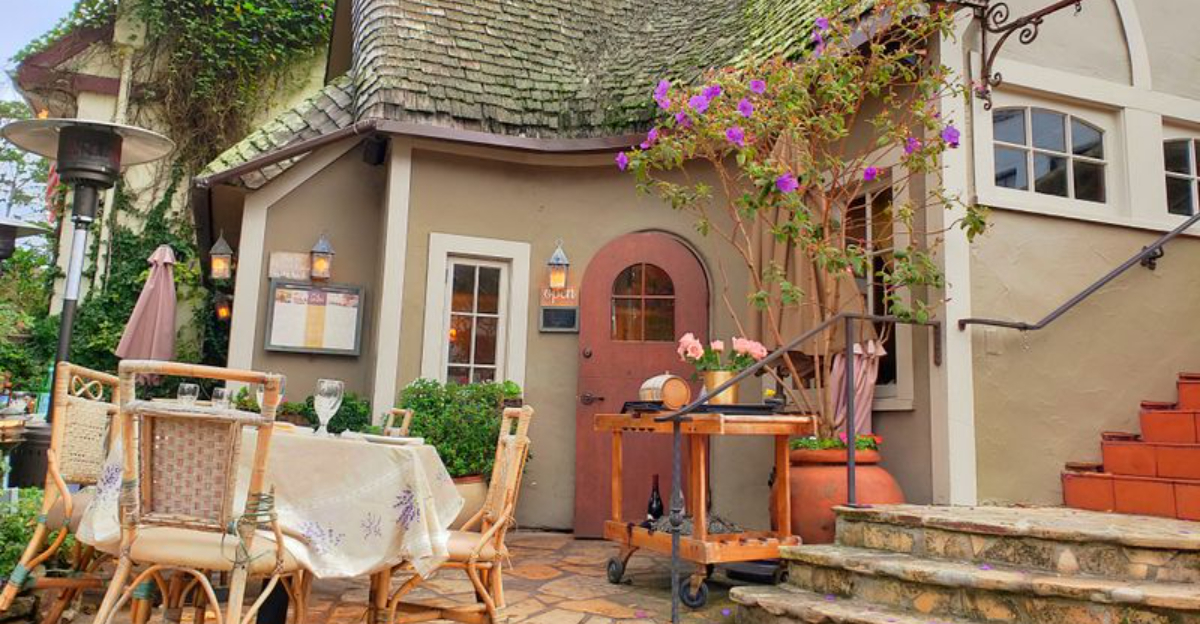
A village where cottages look like they belong in a fairytale and street addresses simply don’t exist sounds like something from a novel. Yet this enchanting place is entirely real and sits along the stunning coastline of Monterey County in California.
Carmel-by-the-Sea has preserved its whimsical character through decades of careful planning and community dedication. The town’s commitment to maintaining its storybook atmosphere shows in every crooked chimney and hand-carved door.
Visitors often feel transported to another era when walking through its pine-shaded lanes. Dogs roam freely on beaches while their owners browse art galleries and boutique shops.
No neon signs or chain restaurants interrupt the village aesthetic. Instead, locally owned businesses fill charming spaces that seem plucked from another time.
The town’s one-square-mile footprint packs in more character than cities ten times its size. From celebrity mayors to unusual ordinances about footwear, Carmel-by-the-Sea delights in being delightfully different from anywhere else.
1. No Street Numbers Appear On Buildings
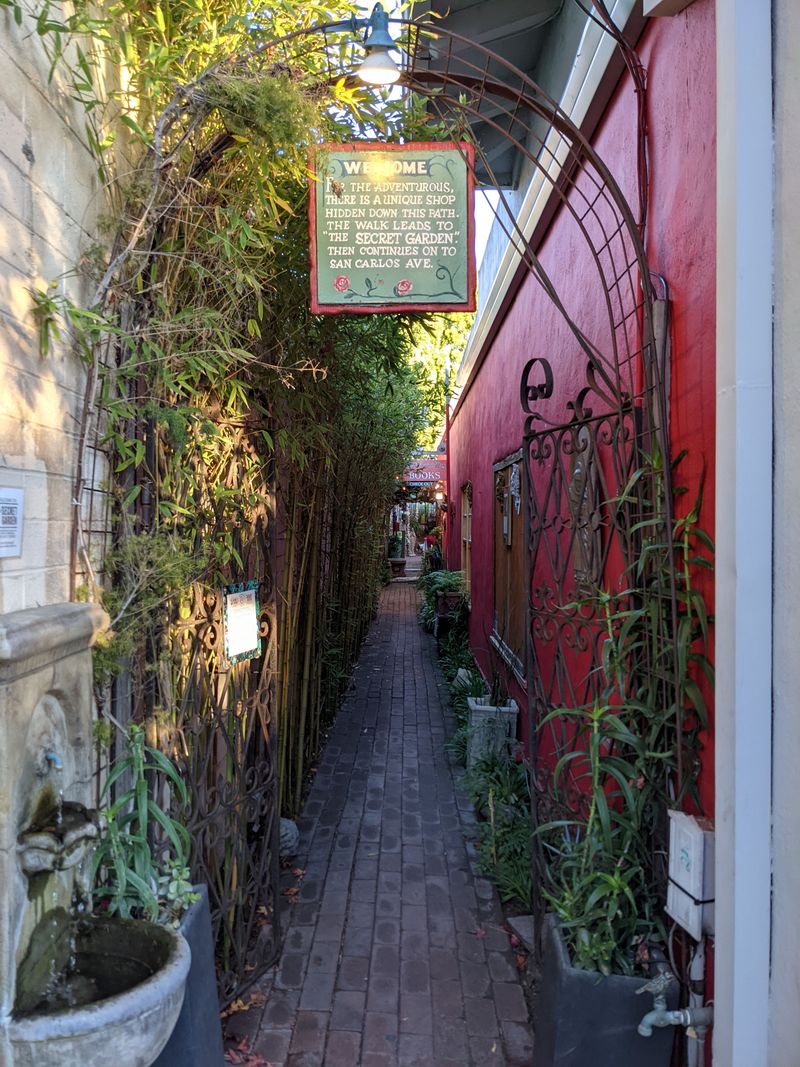
Most towns rely on numbered addresses to organize their streets and help people find destinations. Carmel rejected this practical system in favor of something more romantic and personal.
Homes and businesses identify themselves with names rather than numbers, creating a mailing system unlike anywhere else.
The post office maintains detailed knowledge of every location within the village boundaries. Mail carriers memorize which names correspond to which buildings along each lane.
Residents collect their mail from post office boxes rather than having it delivered to their doors.
This quirky system originated from the town’s early bohemian character when artists and writers preferred poetic identification.
A cottage might be called “Hansel” or “Toad Hall” instead of bearing a number like 2150. Business names serve as the primary way to direct visitors to their locations.
Newcomers sometimes struggle with giving directions or finding addresses using standard navigation tools. Locals learn to reference landmarks and provide detailed verbal instructions instead.
The system reinforces a slower pace of life where personal knowledge matters more than digital efficiency. However, the city is actively moving to implement numbered street addresses (the implementation is set for May 2026).
2. Locally Owned Shops Create Unique Retail Experience
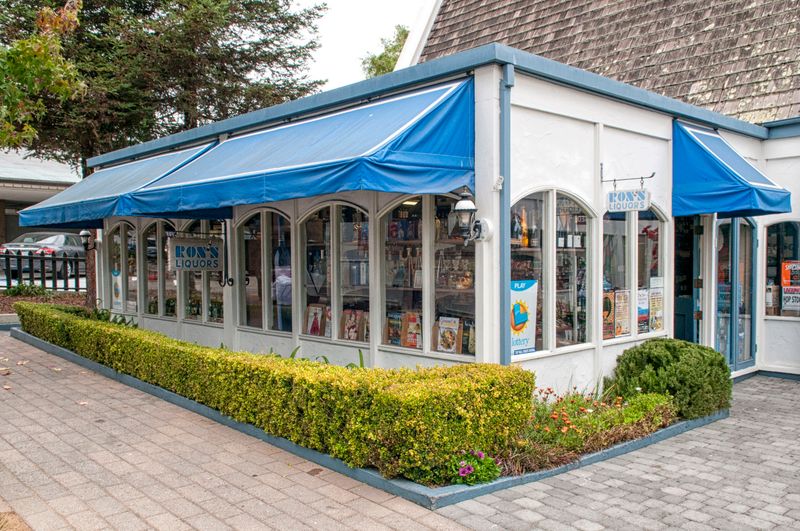
Shopping in Carmel means discovering items impossible to find in typical suburban malls. Boutiques carry carefully curated selections rather than mass-produced inventory.
Store owners often hand-select merchandise during buying trips or work directly with artisans and designers. Clothing shops feature European labels and California designers alongside vintage finds.
Home decor stores showcase handcrafted furniture, textiles, and art objects with stories behind their creation. Book stores maintain extensive collections of regional authors and rare editions.
Many retail spaces occupy converted cottages with multiple small rooms creating an intimate browsing experience. Wooden floors creak underfoot while natural light filters through small windows.
Some shops include garden courtyards where customers can rest between purchases.
Store hours may be more flexible than in chain retail environments, with owners sometimes closing for lunch or personal appointments. This unpredictability frustrates some visitors but reflects the town’s resistance to corporate efficiency standards.
Personal service often compensates for any inconvenience, with owners remembering regular customers and their preferences.
Specialty food shops offer local honey, artisanal chocolates, and gourmet provisions perfect for picnics. These establishments emphasize quality over quantity and education over hard selling.
The overall retail environment encourages slow browsing and discovery rather than rushed transactions focused solely on price.
3. Dogs Enjoy Remarkable Freedom Throughout Town
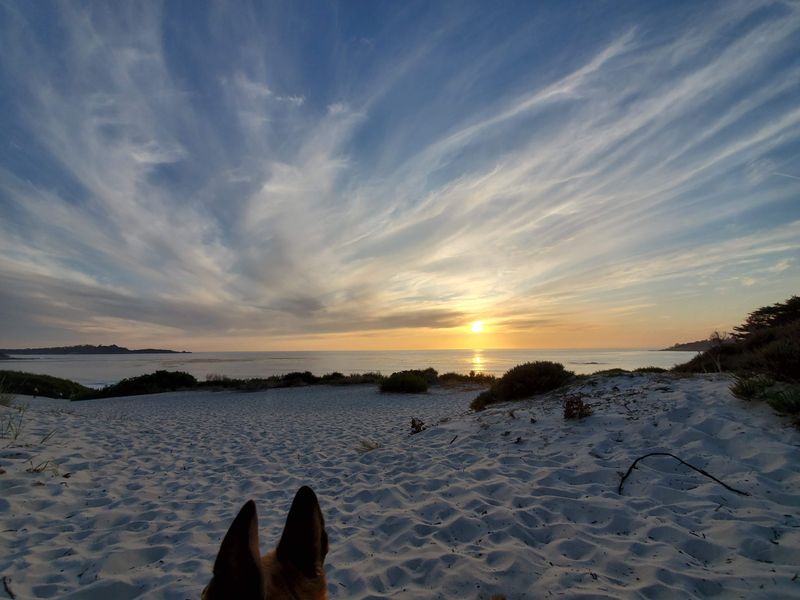
Four-legged residents receive treatment in Carmel that would shock visitors from more restrictive communities. Dogs accompany their owners into restaurants, shops, and even some galleries without raising eyebrows.
Many businesses keep water bowls near their entrances and offer treats to canine customers.
Carmel Beach allows dogs to run without leashes, creating a paradise for pets and their people. The wide sandy expanse fills with romping pups chasing balls and splashing in gentle waves.
Dog owners gather in informal groups while their companions socialize freely.
Several trails in the surrounding area also permit off-leash exploration under voice control. The Scenic Bluff Path accommodates both leashed and unleashed dogs depending on specific sections.
Local ordinances reflect a community belief that responsible pet ownership doesn’t require constant physical restraint.
This dog-friendly culture attracts visitors who want to vacation with their pets rather than leaving them behind. Hotels and rental properties often welcome dogs with minimal restrictions or fees.
The result is a town where dogs seem almost as numerous as people during peak tourist seasons. Pet supply stores and grooming services thrive in this environment where animals are genuinely valued community members.
4. Over One Hundred Art Galleries Fill The Village

Artists discovered Carmel in the early 1900s and never left, establishing a creative legacy that continues today. The compact village center contains an extraordinary concentration of galleries representing every style and medium imaginable.
Landscape paintings capture the dramatic coastline while abstract works push conceptual boundaries.
Many galleries occupy charming cottages or courtyards tucked between larger buildings. Some specialize in California plein air painting while others showcase contemporary sculpture or fine art photography.
Gallery owners often know their artists personally and can share stories about creative processes and inspiration.
Monthly art walks allow visitors to explore multiple venues during evening hours with refreshments and artist receptions. These events create a festive atmosphere where art appreciation mixes with social connection.
Serious collectors and casual browsers mingle in spaces designed to feel welcoming rather than intimidating.
The density of galleries means visitors can view an astonishing variety of work within a few walkable blocks. Some galleries have operated in the same location for decades, building loyal followings.
Others rotate their exhibitions frequently to showcase emerging talents. This artistic abundance reflects a community that values creative expression as essential to its identity rather than as mere decoration.
5. Strict Regulations Preserve Village Character
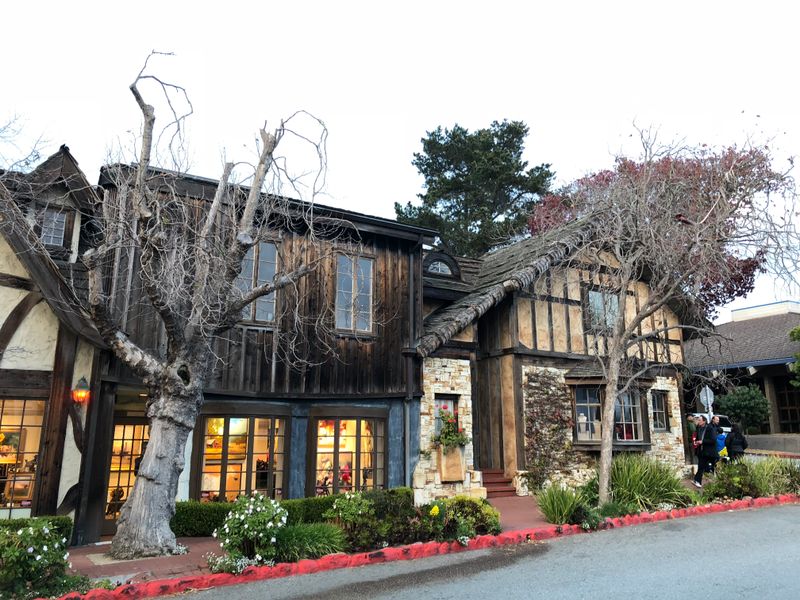
Zoning laws in Carmel read like a preservation manifesto designed to prevent creeping commercialization. Neon signs are completely prohibited, forcing businesses to use tasteful alternatives for identification.
Billboards cannot exist within village boundaries, keeping visual pollution away from streets and skylines.
Chain restaurants and fast-food franchises face effective exclusion through regulations that favor independent local businesses. This policy creates a shopping environment where every storefront offers something unique.
National brands that do establish presence must adapt their typical appearance to blend with village aesthetics.
An unusual ordinance technically requires permits for wearing high-heeled shoes over two inches tall on certain surfaces. While rarely enforced, this rule originated from concerns about damage to wooden walkways and uneven pavement.
The law symbolizes the town’s willingness to prioritize preservation over convenience.
Building height restrictions keep structures low and maintain sightlines toward natural features. New construction must receive approval from design review boards that scrutinize every detail.
These regulations occasionally frustrate property owners but have successfully prevented the kind of development that erodes character in other coastal communities. The result is a town that looks remarkably similar to photographs taken fifty years ago.
6. Notable Residents Include Hollywood Legends
Clint Eastwood’s tenure as mayor from 1986 to 1988 brought international attention to local politics in unexpected ways. The actor and director ran on a platform addressing business regulations and development issues.
His celebrity status turned city council meetings into media events covered by national news outlets.
Eastwood’s time in office led to practical changes including relaxed restrictions on businesses and improved infrastructure.
He attended meetings regularly and took the position seriously despite his Hollywood commitments. After his term ended, he remained a prominent community member and business owner.
Actress Doris Day made Carmel her home for decades and became deeply involved in animal welfare causes. She opened a pet-friendly hotel and supported local rescue organizations. Her presence reinforced the town’s reputation as a haven for dog lovers.
Other notable residents over the years included photographer Ansel Adams, poet Robinson Jeffers, and writer Sinclair Lewis. This concentration of creative talent wasn’t accidental but reflected the town’s deliberate cultivation of an artistic atmosphere.
The famous residents generally appreciated Carmel’s privacy and small-town feeling despite their public profiles. Their choices to live there validated the community’s unique character and added to its mystique.
7. Historic Mission Anchors Community Heritage
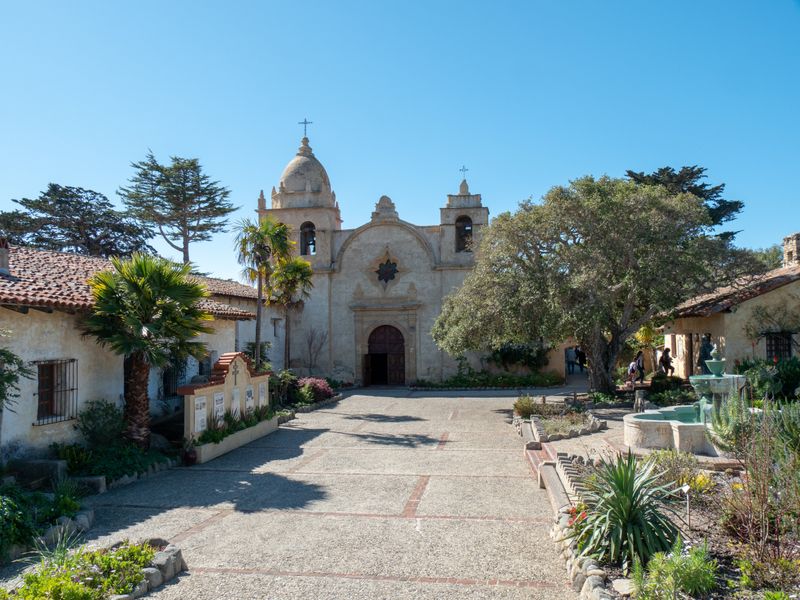
Father Junipero Serra founded the Carmel Mission in 1770 as the second in California’s chain of Spanish colonial outposts. The structure became his headquarters and eventual burial place.
Unlike many missions that fell into ruin, this one underwent careful restoration and remains an active parish.
The mission sits at 3080 Rio Road in Carmel, surrounded by gardens that bloom throughout the year. Stone walls and tile roofs showcase Spanish colonial architecture adapted to local conditions.
A distinctive Moorish bell tower rises above the complex, visible from surrounding streets.
Interior spaces feature original artwork including paintings and hand-carved wooden details. The sanctuary maintains an atmosphere of quiet contemplation despite regular visitor traffic.
Museum exhibits explain mission life and the complex history of Spanish colonization.
Gardens surrounding the main buildings include native plants and traditional mission crops. Stone fountains and shaded walkways invite peaceful reflection.
The mission grounds provide insight into California’s earliest European settlement period while acknowledging the profound impact on indigenous populations. Visitors can explore the complex during posted hours, with guided tours available for those wanting deeper historical context.
The mission represents a tangible connection to the region’s past and remains central to understanding Carmel’s development.
8. Fairy Tale Cottages Define The Streetscape
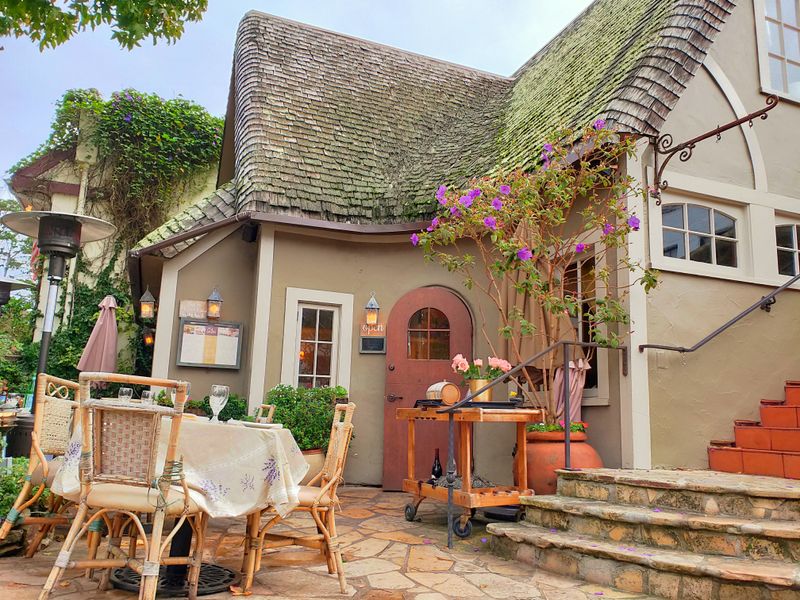
Architect Hugh Comstock transformed Carmel’s landscape in the 1920s when he designed a series of cottages that looked like illustrations from children’s books. His first creation was a dollhouse-inspired home for his wife’s handmade rag dolls.
The structure featured exaggerated proportions with a roof that swooped dramatically toward the ground.
Soon other residents requested similar designs, and Comstock obliged with variations on his whimsical theme. Each cottage incorporated steeply pitched roofs that seemed almost too heavy for their walls.
Stone chimneys tilted at impossible angles while small windows peeked out from unexpected places.
Rough-hewn wooden doors with hand-forged hardware completed the fairytale effect. Many featured rounded tops or Gothic arches that added to their storybook quality.
Local craftsmen used traditional techniques to age materials deliberately, creating instant patina.
Walking through residential neighborhoods today reveals dozens of these architectural gems still standing. Some have been meticulously maintained while others show their age in charming ways.
The cottages established an aesthetic standard that influenced construction throughout the village for generations. Modern builders still reference Comstock’s designs when creating new structures that need to blend with the established character.
9. Environmental Conservation Shapes Community Decisions
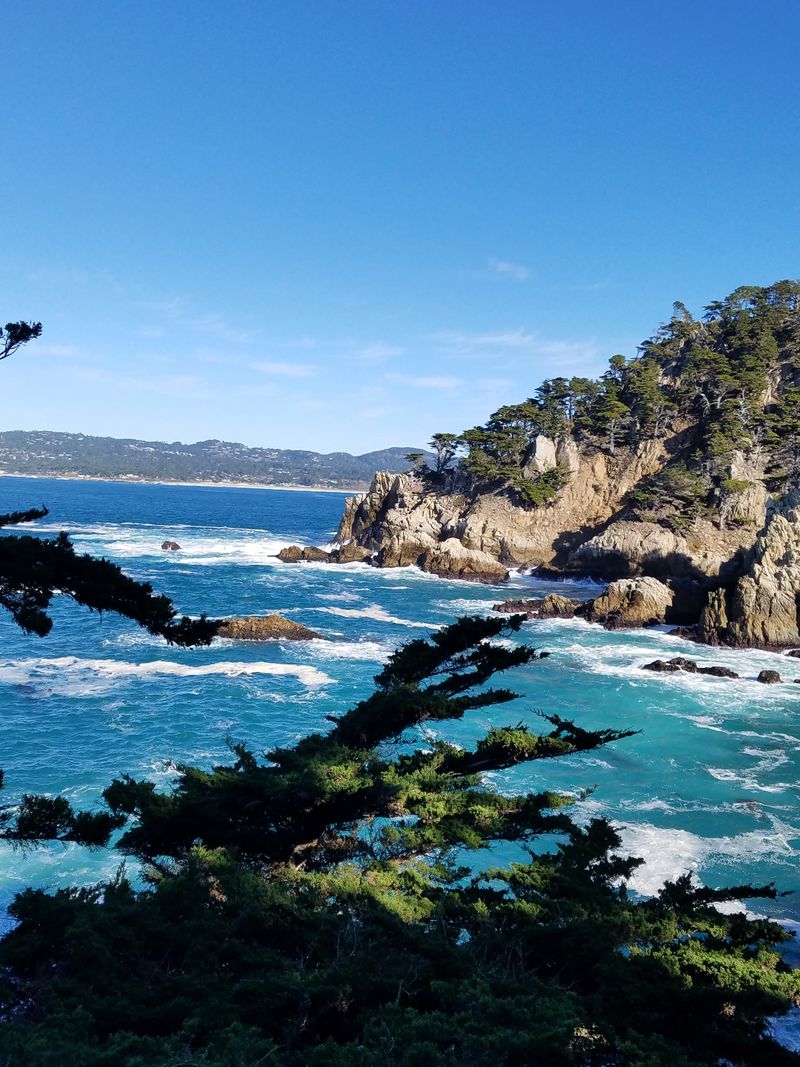
Forest and beach ecosystems around Carmel receive protection through local ordinances and community activism. Native Monterey cypress trees that define the landscape are carefully monitored and preserved.
Development proposals face scrutiny regarding their environmental impact before receiving approval.
The village limits outdoor lighting to reduce disruption to nocturnal wildlife and maintain dark skies. Residents accept less illuminated streets in exchange for seeing stars and protecting animal behavior patterns.
This commitment extends to beach management where nesting birds receive seasonal protections.
Water conservation measures have been in place for decades, predating recent California droughts. Landscaping regulations encourage drought-tolerant native plants over thirsty lawns.
Many properties feature gardens that require minimal irrigation while supporting local pollinators.
Community groups organize regular beach cleanups and habitat restoration projects. Volunteers remove invasive plant species and replant native vegetation in sensitive areas.
Educational programs teach residents and visitors about local ecosystems and their fragility.
These environmental efforts reflect values that prioritize long-term sustainability over short-term convenience. The town recognizes that its natural beauty drives tourism and quality of life for residents.
Protecting these assets through thoughtful management ensures future generations can enjoy the same coastal magic that attracted settlers over a century ago.
10. Literary Heritage Runs Deep Through Town History
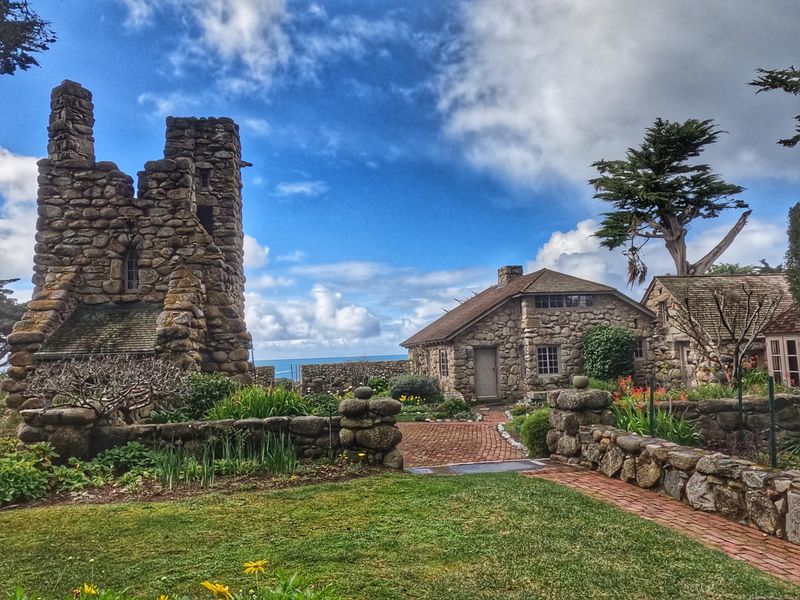
Robinson Jeffers arrived in Carmel in 1914 and spent years constructing Tor House from granite boulders he gathered from the beach below. The poet worked stone by hand, creating a dwelling and tower that reflected his philosophical connection to the rugged coastline.
His narrative poems drew inspiration from the dramatic landscape and human struggles against natural forces.
The stone tower still stands at 26304 Ocean View Avenue in Carmel, open for guided tours on limited schedules. Visitors can see the writing desk where Jeffers composed his most famous works.
The hand-built structure demonstrates his commitment to physical labor as complement to intellectual pursuits.
Other writers who found inspiration in Carmel included Sinclair Lewis, who wrote while living in the village during the 1940s. The town’s combination of natural beauty and artistic community attracted creative minds seeking both solitude and stimulation.
Local literary culture supported writers through informal gatherings and mutual encouragement.
Today several bookstores maintain extensive poetry sections honoring this heritage. Reading series and author events continue the tradition of valuing literary arts.
The town’s commitment to preserving quiet spaces and natural beauty creates conditions where contemplative writing can still flourish. This literary legacy adds intellectual depth to a community often recognized primarily for visual arts and scenic beauty.