This Spring, You Can Wake Up To Giraffes And Flamingos At A California Safari Park
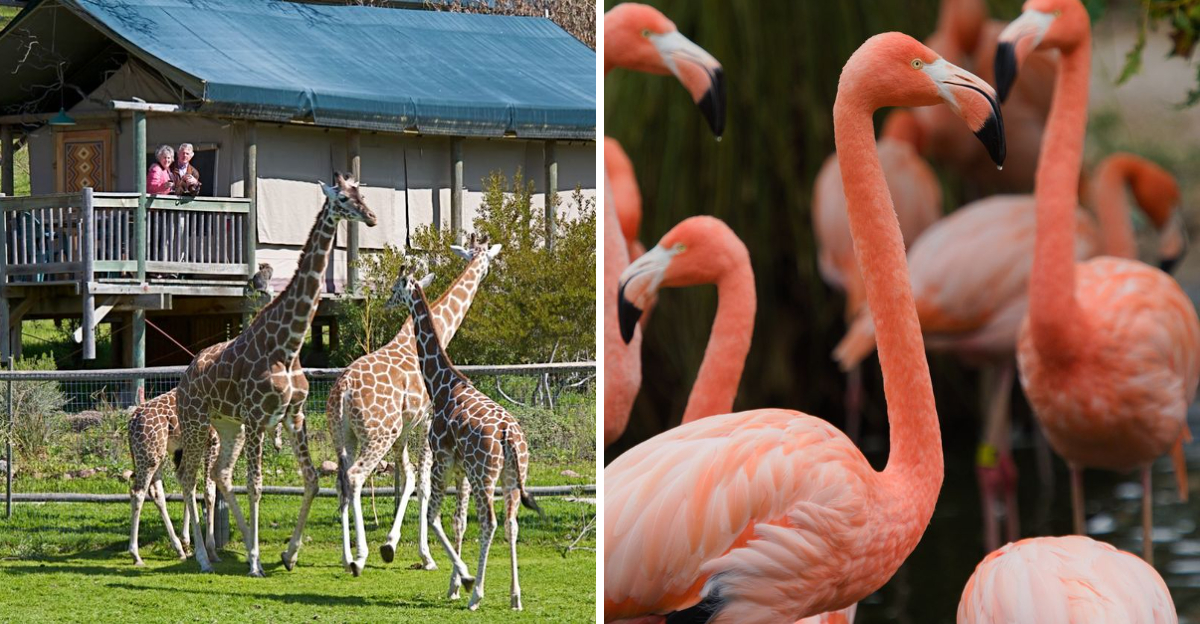
Imagine falling asleep to the distant calls of exotic animals and waking up to giraffes wandering just beyond your window.
It sounds like something pulled straight from an African safari – but this experience exists right in the hills of Northern California.
Hidden in Sonoma County, Safari West offers guests the rare chance to stay overnight inside a sprawling wildlife preserve where zebras graze, antelope roam, and birds call through the morning air.
The 400-acre sanctuary is home to hundreds of animals representing dozens of African species, creating an atmosphere that feels worlds away from everyday life.
Guests sleep in imported luxury safari tents outfitted with hardwood floors, plush beds, and private bathrooms, blending rugged adventure with upscale comfort.
Days bring open-air safari drives, up-close animal encounters, and behind-the-scenes access that most zoos never offer.
Located just north of Santa Rosa, this long-running preserve combines conservation, education, and unforgettable lodging into one immersive escape – making it one of California’s most surprising wildlife experiences for families, couples, and adventure seekers alike.
1. Luxury Safari Tents Offer Authentic African Accommodations
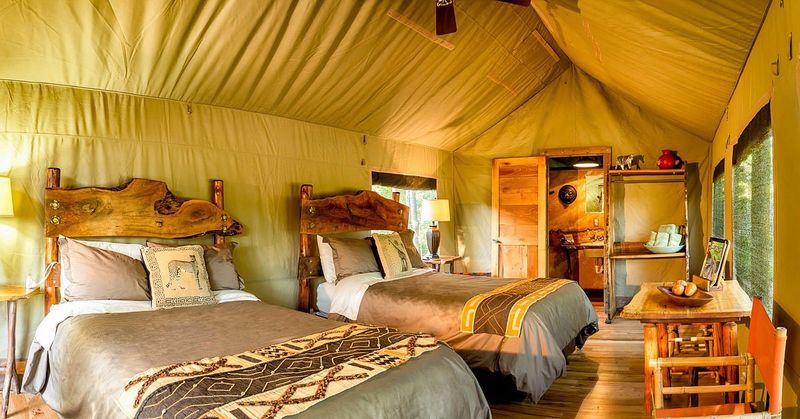
Staying overnight at Safari West at 3115 Porter Creek Rd, Santa Rosa, CA 95404 means sleeping in a canvas tent that was actually made in Africa and shipped to California for this exact purpose.
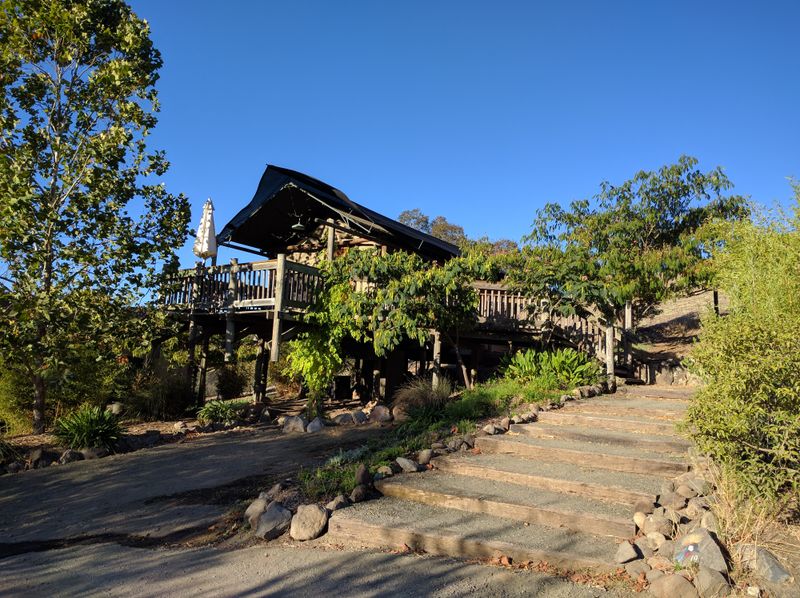
The tents sit elevated on wooden platforms and feature hardwood floors, real furniture, and private bathrooms with running water and flush toilets.
Each tent includes a viewing deck where guests can sit and watch animals moving through the preserve without leaving their accommodation.
The tents accommodate up to four adults and come equipped with comfortable beds, linens, and towels.
Large screened windows allow fresh air to flow through while keeping insects out, and the canvas walls provide a sense of being outdoors without sacrificing comfort.
Guests can hear the sounds of animals throughout the night, from the distant calls of exotic birds to the occasional movement of larger mammals nearby.
Rates vary depending on the season, with peak times typically costing more than off-season visits.
Every overnight stay includes a continental breakfast served in the morning, giving guests a chance to fuel up before heading out on a safari tour.
Reservations are required well in advance, as the tents fill up quickly, especially during warmer months when the weather is most pleasant for outdoor sleeping.
2. Guided Safari Tours Bring You Face-To-Face with Exotic Animals
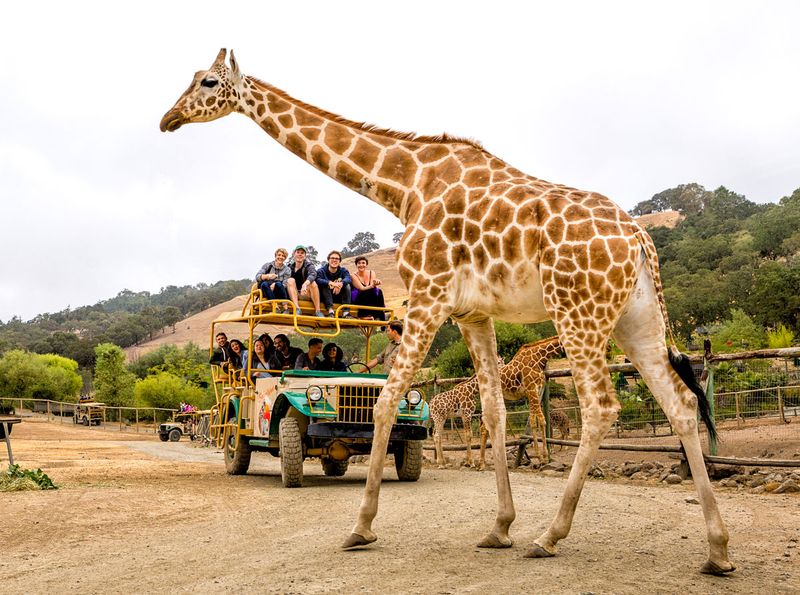
Safari West offers guided tours that take visitors through the preserve in open-air vehicles designed to maximize visibility and interaction with the animals.
These tours last about three hours and cover a significant portion of the 400-acre property.
Trained guides share information about each species, their natural behaviors, and the conservation efforts underway to protect them.
The vehicles stop frequently to allow guests to observe and photograph animals at close range.
Giraffes often approach the vehicles, and zebras graze peacefully nearby while the guide explains their social structures and habitat needs.
Rhinoceroses, cheetahs, and various antelope species also make appearances throughout the tour, depending on where the animals choose to roam that day.
Tours are conducted year-round, but the experience changes with the seasons.
Morning tours tend to be cooler and may offer better animal activity, while afternoon tours provide different lighting for photography.
The guides adjust the route based on animal locations and behavior, ensuring that each tour feels unique.
Guests are encouraged to ask questions and engage with the guide throughout the experience, making it both educational and interactive for all ages.
3. Continental Breakfast Included With Every Overnight Stay
Guests who spend the night at Safari West receive a complimentary continental breakfast the following morning.
The meal is served in a communal dining area where visitors can gather and share stories from their overnight experience.
The breakfast includes pastries, fresh fruit, yogurt, and other light options designed to provide energy without being too heavy before a morning safari tour.
The dining area overlooks parts of the preserve, allowing guests to continue observing animals even while eating.
The atmosphere is relaxed and casual, with seating arranged to encourage conversation among guests.
Staff members are available to answer questions about the park and provide recommendations for the rest of the visit.
Breakfast service typically begins early enough to accommodate guests who want to take a morning tour or explore the park before checking out.
The timing allows for a leisurely start to the day without feeling rushed.
For those who prefer a heartier meal, nearby restaurants in Sonoma County offer additional dining options, but the continental breakfast provides a convenient and included option that fits well into the safari experience.
The meal is designed to be simple yet satisfying, keeping the focus on the animals and the overall adventure.
4. Over 900 Animals Representing More Than 90 Species Call This Place Home
Safari West houses an impressive collection of wildlife, with over 900 individual animals living across the 400-acre property.
The preserve focuses primarily on species native to Africa, including giraffes, rhinoceroses, zebras, cheetahs, wildebeests, and numerous types of antelope.
The variety ensures that every visit offers something new to see, as different animals are active at different times of day.
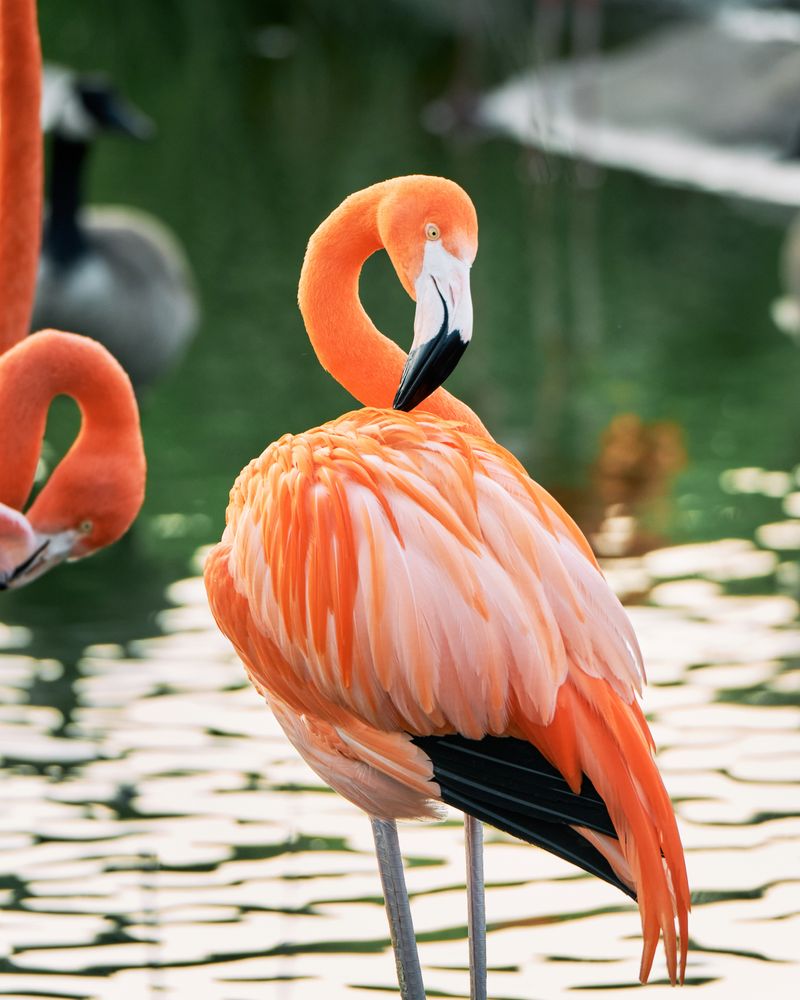
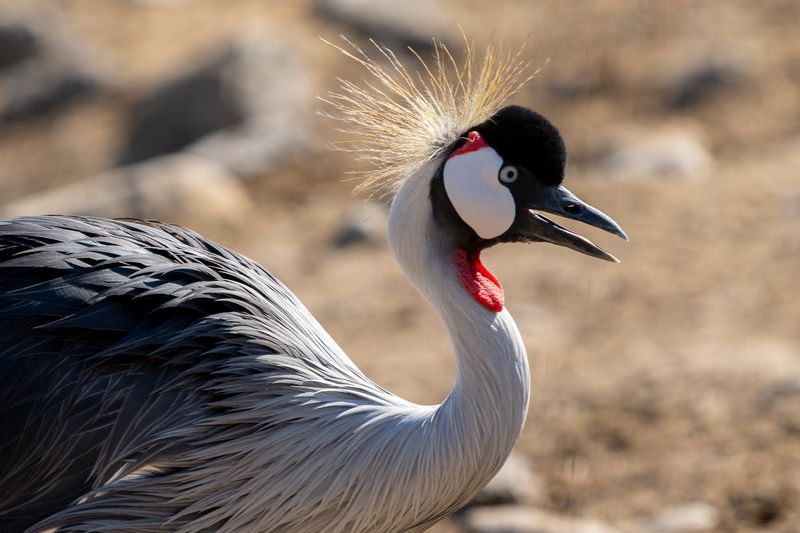
The park also maintains a significant bird population, with species ranging from flamingos to cranes and various waterfowl.
Many of these birds roam freely throughout the preserve, adding color and movement to the landscape.
Some of the animals at Safari West are part of breeding programs aimed at supporting species that are critically endangered or extinct in the wild.
The staff works carefully to maintain habitats that mimic the natural environments of each species.
This includes providing appropriate vegetation, water sources, and shelter areas that allow the animals to exhibit natural behaviors.
The size of the preserve allows animals to roam freely within designated areas, reducing stress and promoting healthier populations.
Visitors often comment on how active and healthy the animals appear, a testament to the care and attention provided by the Safari West team throughout the year.
5. Behind-The-Scenes Tours Offer Closer Animal Encounters
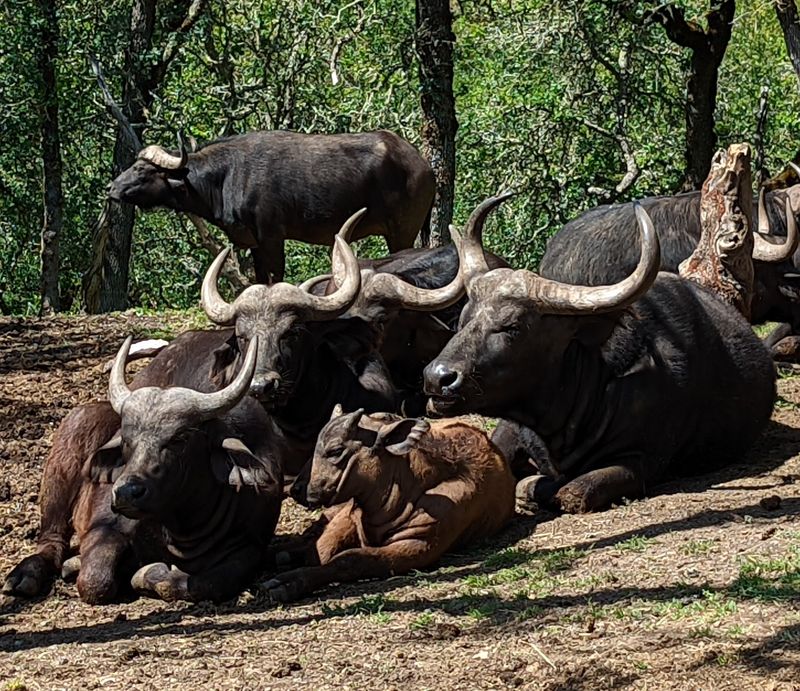
For visitors wanting a more intimate experience, Safari West offers behind-the-scenes tours that provide closer access to certain animals and areas of the preserve.
These tours are smaller in size compared to the standard safari tours, allowing for more personalized interaction with the guides and more time spent observing individual animals.
Participants may have opportunities to watch feeding sessions or learn about the daily care routines required to maintain the health of the animals.
Behind-the-scenes tours often include visits to areas not accessible during regular safari tours.
Guides share detailed information about animal behavior, dietary needs, and the challenges involved in caring for exotic species.
These tours are particularly popular with families who have children interested in animal science or conservation careers.
The experience is designed to be educational while still maintaining appropriate boundaries for animal welfare.
Guests are encouraged to ask questions and engage with the guides throughout the tour.
The smaller group size creates a more relaxed atmosphere and allows for deeper conversations about conservation efforts and the future of wildlife protection.
These tours require advance booking and may have age restrictions depending on the specific animals being visited, ensuring that all participants can safely and comfortably engage with the experience.
6. Enrichment Programs Support Animal Health And Natural Behaviors
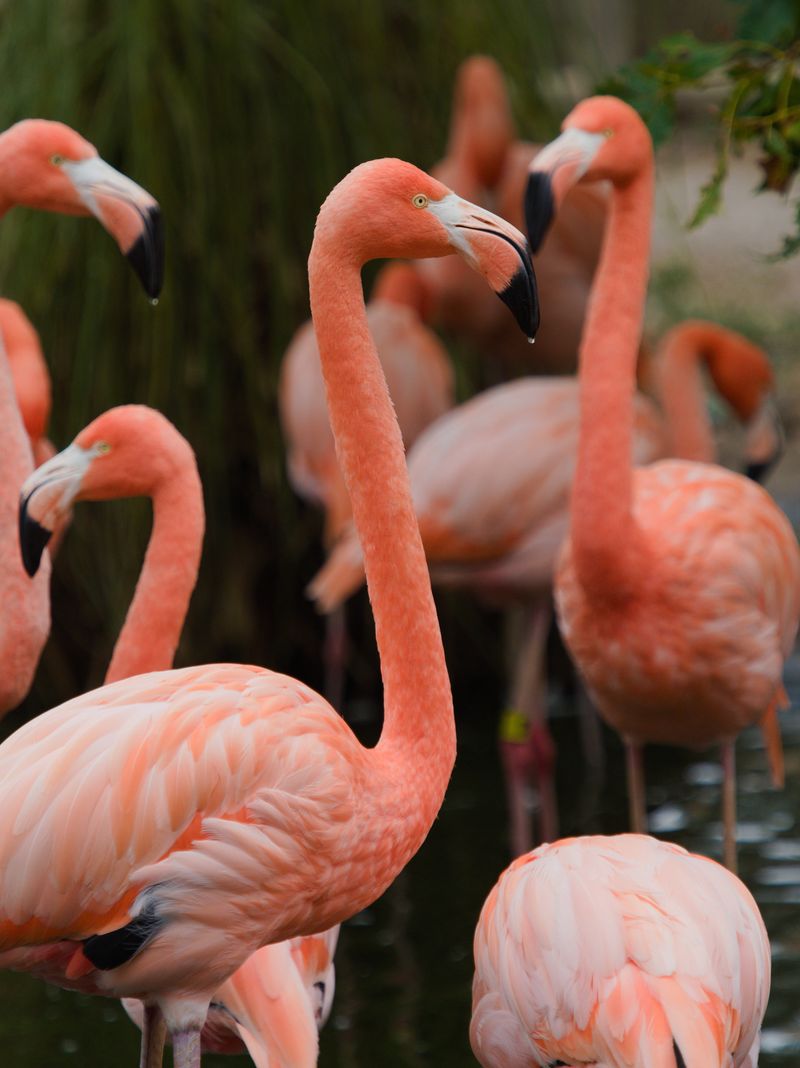
Safari West prioritizes animal welfare through enrichment programs designed to stimulate natural behaviors and keep the animals mentally and physically active.
Enrichment activities vary by species and may include puzzle feeders, scent trails, climbing structures, or objects that encourage exploration and problem-solving.
These programs are developed by experienced animal care staff who understand the specific needs of each species.
Visitors on behind-the-scenes tours may observe enrichment activities in action, providing insight into the daily care that goes into maintaining a healthy animal population.
For example, cheetahs may receive toys that encourage their natural hunting instincts, while giraffes might be given feeding stations placed at varying heights to promote natural stretching and foraging behaviors.
The enrichment is rotated regularly to prevent habituation and keep the animals engaged.
The staff also monitors animal behavior closely to assess the effectiveness of enrichment activities.
Changes in activity levels, social interactions, or feeding patterns can indicate whether an enrichment strategy is working or needs adjustment.
This ongoing evaluation ensures that the animals remain healthy and content in their environment.
The enrichment programs reflect Safari West’s commitment to providing more than just basic care, instead focusing on creating an environment where animals can thrive and exhibit behaviors similar to those seen in the wild.
7. Educational Programs For Children And Teens Foster Conservation Awareness
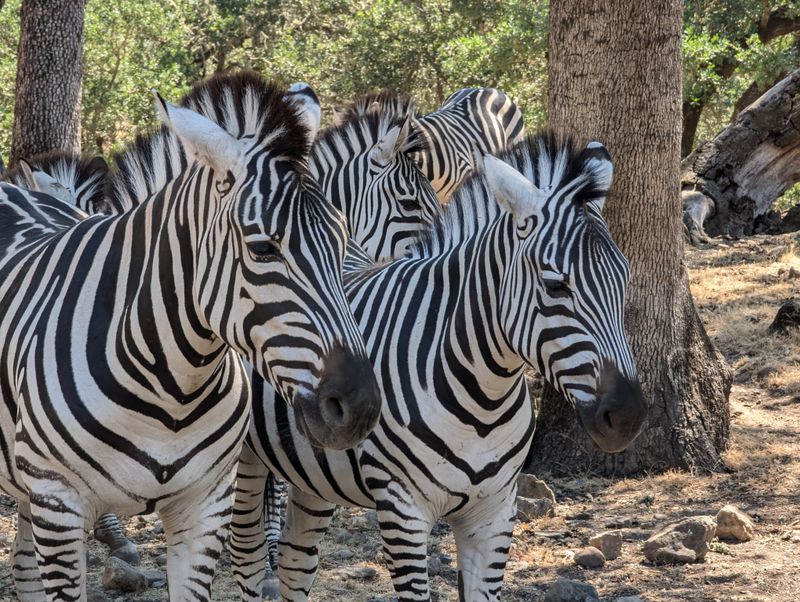
Safari West offers educational programs specifically designed for younger visitors, aiming to inspire the next generation of conservationists.
These programs include hands-on activities, guided tours tailored to age-appropriate learning levels, and interactive sessions where children can ask questions and learn about different species.
The curriculum covers topics such as habitat preservation, animal behavior, and the importance of biodiversity.
Teen programs often include more in-depth learning opportunities, such as shadowing animal care staff or participating in conservation projects on the property.
These experiences provide valuable insight into careers in wildlife management and zoology.
The programs are structured to be both educational and engaging, using real-world examples from the preserve to illustrate larger conservation challenges.
Teachers and parents appreciate the quality of the educational content, which aligns with science standards and encourages critical thinking about environmental issues.
The programs are offered throughout the year, with some special sessions available during school breaks or summer months.
Group rates may be available for school field trips, making it an accessible option for classroom learning outside the traditional school setting.
By focusing on education, Safari West aims to create lasting connections between young people and wildlife, fostering a sense of responsibility for protecting endangered species and their habitats.
8. Open-Air Safari Vehicles Provide Unobstructed Views And Photo Opportunities
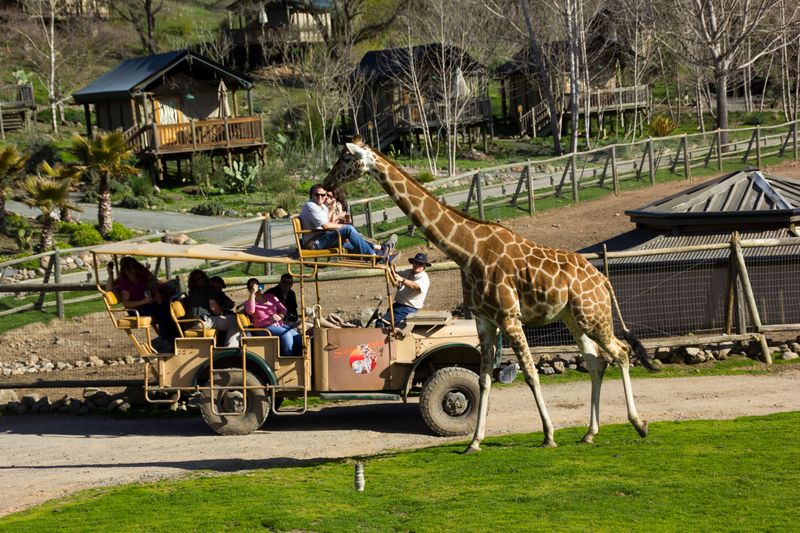
The safari vehicles used at Safari West are specifically designed to enhance the viewing experience.
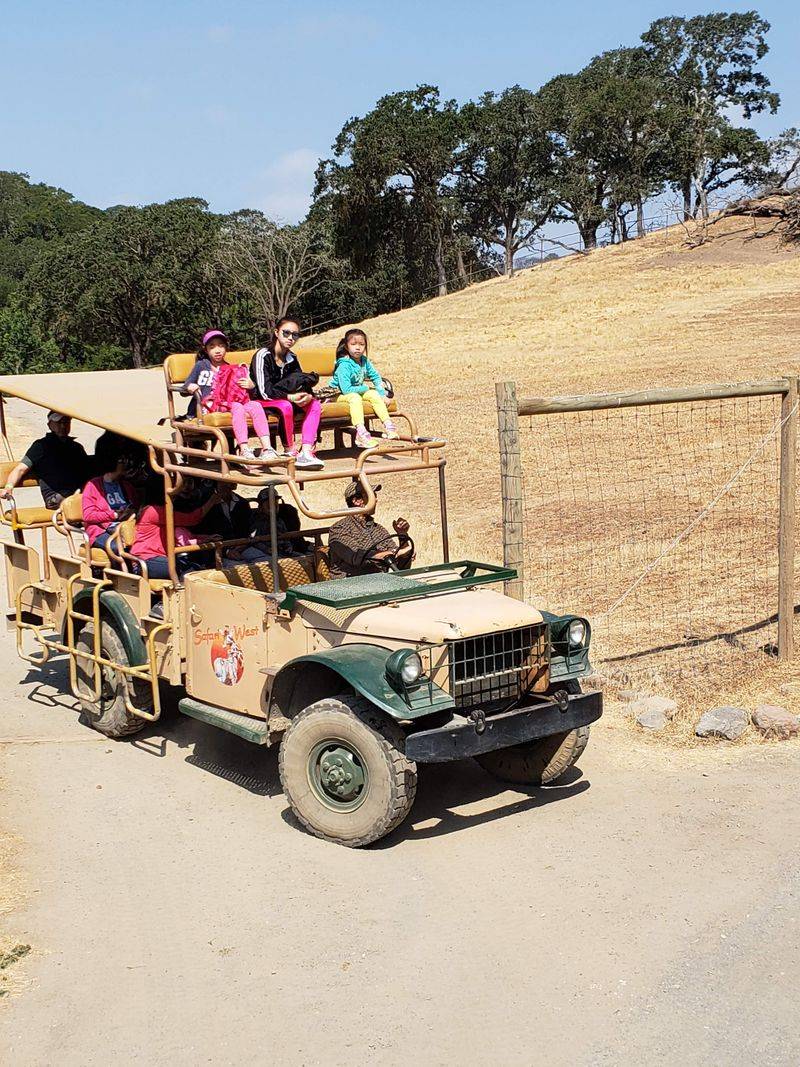
These open-air vehicles lack traditional windows, allowing for unobstructed views and easy photography from any seat.
The elevated seating provides a vantage point that makes it easier to spot animals across the landscape and observe their behaviors without obstruction.
Each vehicle is equipped with multiple rows of seating, ensuring that all passengers have a clear view regardless of where they sit.
The guides position the vehicles strategically during stops, taking advantage of natural light and animal positioning to create optimal viewing conditions.
Guests are encouraged to bring cameras and binoculars, and the guides often pause to allow time for photography when animals are particularly active or close to the vehicle.
The open design also allows for better airflow, making the tour more comfortable during warmer weather.
Guests can hear the sounds of the preserve more clearly without the barrier of glass or metal, adding to the immersive quality of the experience.
The vehicles are maintained regularly to ensure safety and reliability, and the drivers are trained to navigate the terrain smoothly while minimizing disruption to the animals.
The combination of design and skilled operation makes the safari vehicles a key component of the overall Safari West experience.
9. Breeding Programs Support Species Extinct In The Wild
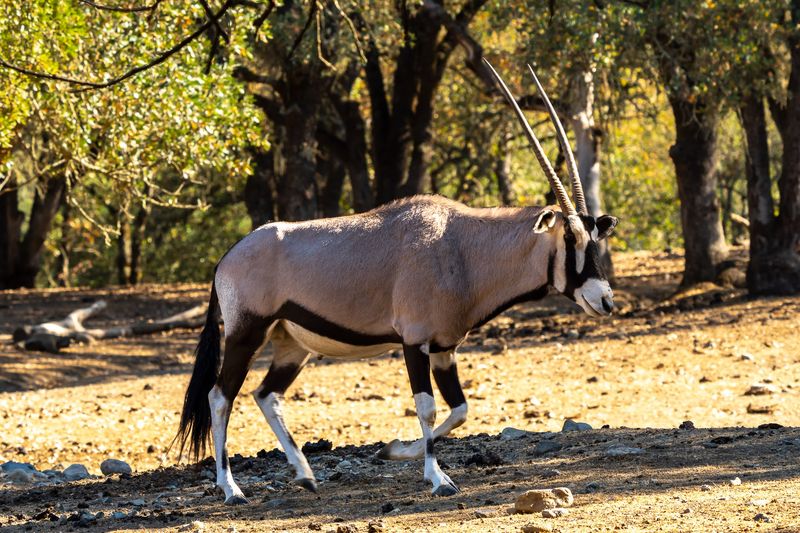
Safari West participates in breeding programs for several species that are extinct in the wild or critically endangered.
These programs are part of a larger network of zoos and wildlife preserves working together to maintain genetic diversity and prevent extinction.
The park has successfully bred species such as the scimitar-horned oryx and addax, both of which no longer exist in their natural habitats due to habitat loss and hunting.
The breeding programs are carefully managed to ensure healthy populations and avoid inbreeding.
Staff members track genetic lineages and coordinate with other facilities to arrange breeding pairs that maximize genetic diversity.
The goal is to maintain populations that could potentially be reintroduced to the wild if conditions improve and suitable habitats become available again.
Visitors interested in conservation can learn about these programs during tours and educational sessions.
The success of the breeding efforts at Safari West demonstrates the important role that private wildlife preserves play in global conservation strategies.
The park also contributes to research efforts by collecting data on animal behavior, reproduction, and health, which is shared with the broader scientific community.
These programs represent a long-term commitment to wildlife preservation and reflect the founders’ dedication to protecting endangered species for future generations to appreciate and study.
10. The Preserve Spans 400 Acres Of Rolling Sonoma County Hills
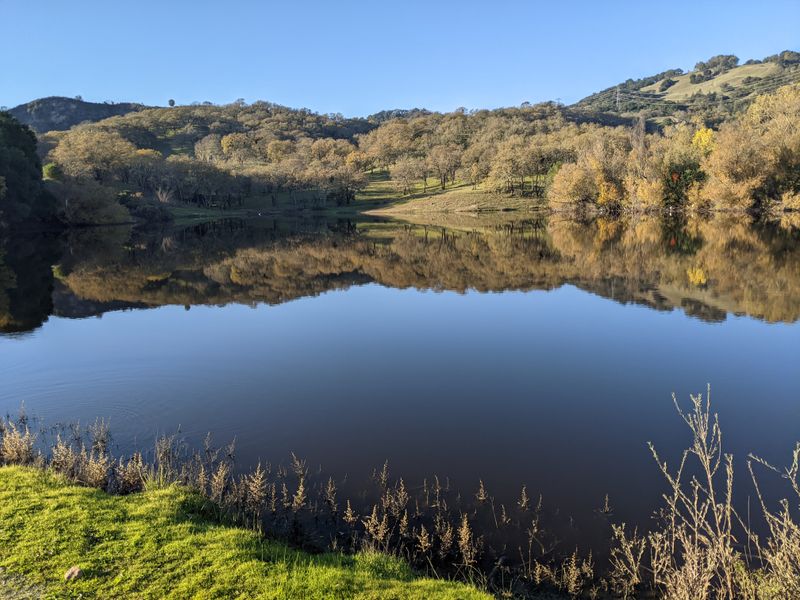
Safari West occupies 400 acres of land in Sonoma County, providing ample space for animals to roam and exhibit natural behaviors.
The terrain consists of rolling hills, open grasslands, and clusters of trees that create varied habitats suitable for different species.
This diversity of landscape allows the park to house a wide range of animals, each in environments that closely resemble their native habitats.
The property is located about 12 miles north of Santa Rosa, making it accessible from major Northern California cities while still maintaining a sense of remoteness and natural beauty.
The hills provide natural barriers and sight lines that enhance the safari experience, as animals appear and disappear over ridges much as they would in the wild.
The elevation changes also create microclimates across the preserve, with some areas warmer and drier while others remain cooler and more shaded.
The size of the preserve is a key factor in its success as a wildlife habitat. Animals have enough room to establish territories and social groups without being overcrowded.
The staff uses the space strategically, rotating grazing areas and managing vegetation to maintain healthy ecosystems.
The landscape also provides scenic backdrops for photography and creates a visually engaging experience for visitors throughout the tour, with new vistas appearing around each turn.
11. Founded In 1989 By Peter And Nancy Lang
Safari West was established in 1989 by Peter and Nancy Lang, who shared a passion for wildlife conservation and education.
Peter Lang had previously worked as an exotic animal breeder and saw an opportunity to create a preserve that combined conservation, education, and tourism in a way that benefited both animals and visitors.
The couple invested significant resources into acquiring land and importing animals, many of which were part of breeding programs for endangered species.
The Langs designed Safari West to function as both a private wildlife preserve and a public educational facility.
Their vision included providing overnight accommodations so that visitors could experience the preserve in a more immersive way, similar to safaris in Africa.
This approach was relatively novel at the time and has since become a defining feature of the park.
Over the years, Safari West has grown from a small collection of animals to a significant conservation facility housing over 900 animals.
The Langs remained actively involved in the operation of the park for many years, and their commitment to wildlife preservation continues to shape the mission and values of Safari West today.
The preserve has survived challenges, including the 2017 Tubbs Fire, which came dangerously close to the property but was ultimately kept at bay through the efforts of staff and firefighters who worked to protect the animals.
12. Reservations Required Year-Round For All Visits
Safari West operates by advance reservation only, regardless of the time of year or type of visit planned.
This policy allows the park to manage visitor numbers and ensure that each tour group remains small enough for a quality experience.
It also helps the staff plan for animal care and feeding schedules without unexpected disruptions from walk-in visitors.
Reservations can be made through the Safari West website, where visitors can choose from available tour times and overnight accommodations.
The booking system displays availability in real time, making it easy to find dates that work for individual schedules.
Peak seasons, such as summer and major holidays, tend to fill up quickly, so booking several weeks or even months in advance is recommended for those times.
The reservation requirement also ensures that the park can maintain a calm environment for the animals.
Large crowds or unexpected visitor surges can stress wildlife, so controlling the flow of guests helps maintain animal welfare.
Visitors who arrive without a reservation will not be admitted, so planning ahead is essential.
The policy may seem restrictive, but it serves the dual purpose of protecting the animals and providing a better experience for guests by avoiding overcrowding and long wait times for tours or other activities.
13. Private Bathrooms And Modern Amenities In Every Safari Tent
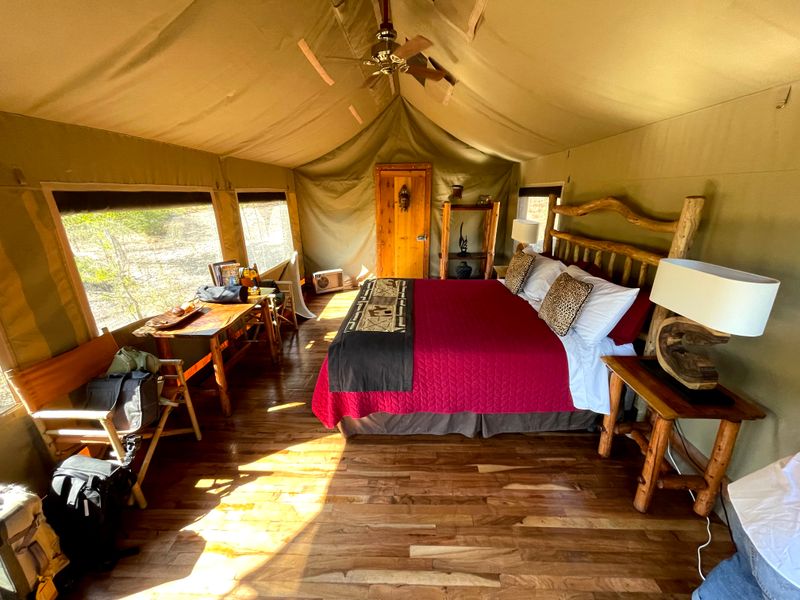
Each safari tent at Safari West includes a private bathroom with a flush toilet, sink, and shower, ensuring that guests have modern conveniences despite the rustic setting.
The bathrooms are fully enclosed and feature running water supplied through plumbing systems built into the tent platforms.
This setup allows visitors to enjoy the experience of camping without sacrificing basic comfort and hygiene.
The tents also include electrical outlets for charging devices, lighting, and climate control features such as fans or heaters depending on the season.
Beds are outfitted with quality linens and pillows, and each tent has storage space for luggage and personal items.
The combination of canvas walls and modern amenities creates a unique blend of adventure and comfort that appeals to a wide range of visitors.
Guests often express surprise at how comfortable the tents are, especially those who may have been hesitant about overnight stays in a wildlife preserve.
The private bathrooms eliminate concerns about shared facilities, making the experience more appealing for families and those who prefer more privacy.
The tents are cleaned and maintained regularly, with fresh linens provided for each new guest.
This attention to detail ensures that the accommodations remain inviting and comfortable throughout the year, regardless of weather conditions or visitor volume.
14. Viewing Decks Allow Animal Observation Directly from Your Tent
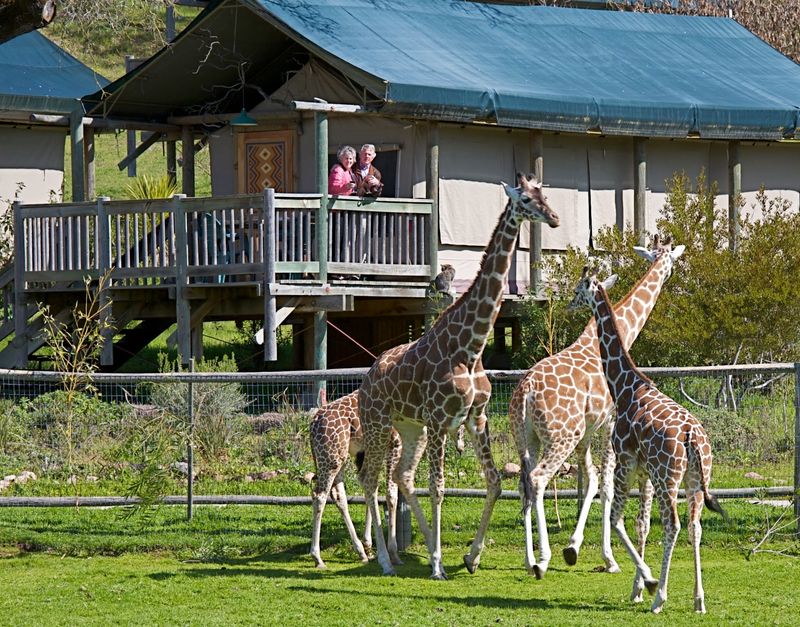
One of the most appealing features of the safari tents is the private viewing deck attached to each unit.
These decks extend from the front of the tent and provide a space where guests can sit and observe animals moving through the preserve without needing to leave their accommodation.
The decks are furnished with chairs or benches, making them comfortable spots for morning coffee or evening relaxation.
The viewing decks overlook different sections of the preserve, so the exact view varies depending on which tent is assigned.
Some decks provide views of open grasslands where zebras and antelope graze, while others may face wooded areas where giraffes browse on tree leaves.
The animals are accustomed to the presence of the tents and often come quite close, offering guests remarkable photo opportunities and close-up observations.
Early mornings and late afternoons tend to be the most active times for animal movement, making these ideal periods for spending time on the deck.
The sounds of the preserve, from bird calls to the occasional rumble of larger animals, create an immersive atmosphere that makes guests feel truly connected to the wildlife.
The decks are equipped with railings for safety and are constructed to blend into the natural environment, minimizing visual impact on the landscape while maximizing guest enjoyment.
15. Year-Round Operation Allows Visits In Every Season
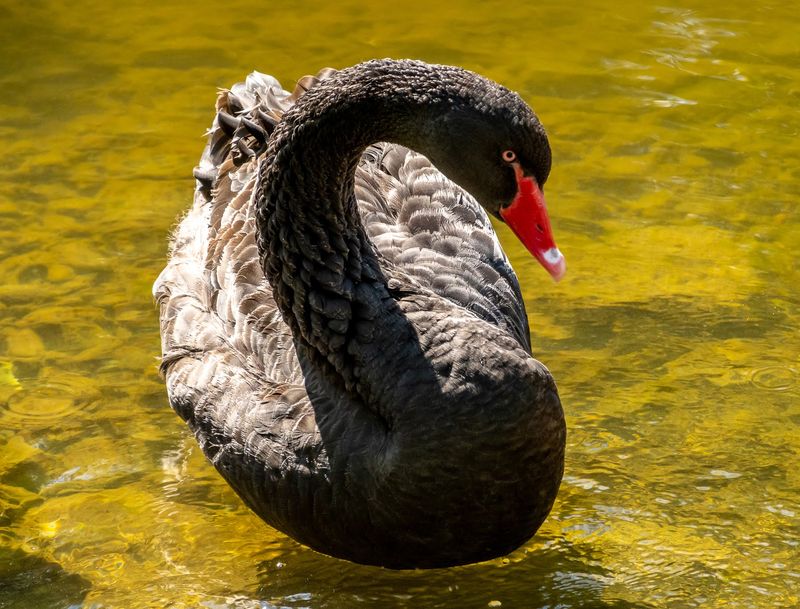
Safari West remains open throughout the entire year, allowing visitors to experience the preserve in different seasons and weather conditions.
Each season offers a unique perspective on the animals and landscape. Spring brings green hills and wildflowers, creating a lush backdrop for safari tours.
Summer offers warm weather and long daylight hours, ideal for extended visits and photography. Fall introduces cooler temperatures and changing vegetation, which can alter animal behavior and activity patterns.
Winter, while cooler and occasionally wet, provides a quieter atmosphere with fewer visitors and a different aesthetic to the landscape.
The animals remain active year-round, although their behavior may shift slightly with temperature changes and daylight variations.
The year-round operation also means that the staff is always present to care for the animals, ensuring consistent welfare regardless of season.
Visitors should dress appropriately for the weather, as safari tours take place in open-air vehicles and tents are naturally ventilated.
The park provides recommendations on what to bring based on the season, and heaters or fans are available in the tents to maintain comfort.
The ability to visit at any time of year makes Safari West a flexible destination that can fit into various travel schedules and preferences, whether seeking summer adventure or a peaceful winter retreat.