This North Carolina Stairway Trail Turns Into A Spring Wonderland
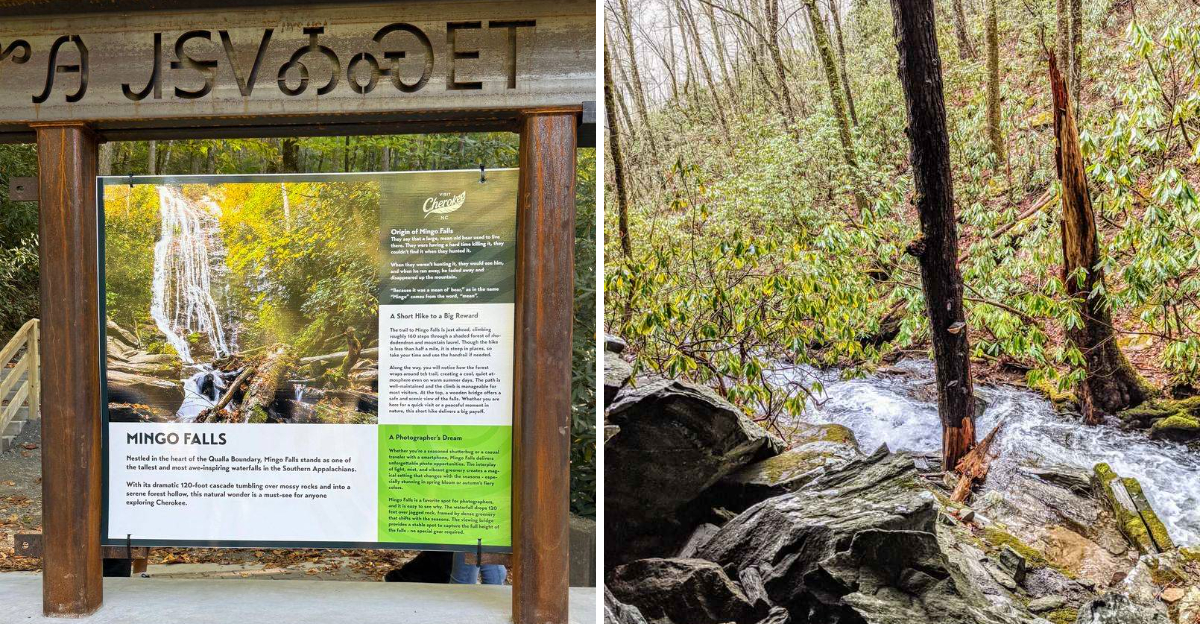
Imagine climbing 161 wooden steps through misty mountain air, each footfall bringing you closer to a thundering 120-foot cascade that crashes down moss-covered rocks like nature’s own symphony. That’s the magic waiting at Mingo Falls, where spring transforms the landscape into an emerald paradise bursting with wildflowers and rushing water.
Nestled within the Eastern Cherokee Reservation at Cherokee, this spectacular waterfall rewards every visitor who tackles its famous stairway with views that belong on postcards. North Carolina knows how to hide its most stunning secrets in plain sight, and this towering beauty is proof that the best adventures come with a little sweat equity.
The short but steep trail becomes a pilgrimage each spring when melting snow and seasonal rains turn the falls into a roaring spectacle, surrounded by budding rhododendrons and awakening forest life that makes the climb feel like stepping into a living storybook.
1. The Legendary 120-Foot Cascade
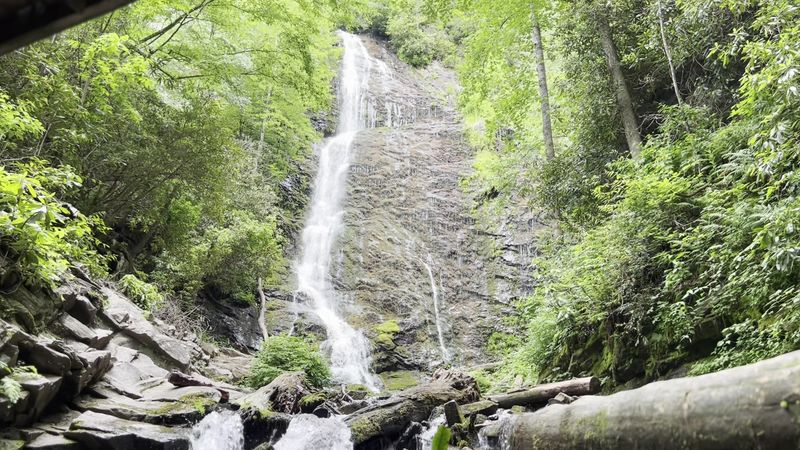
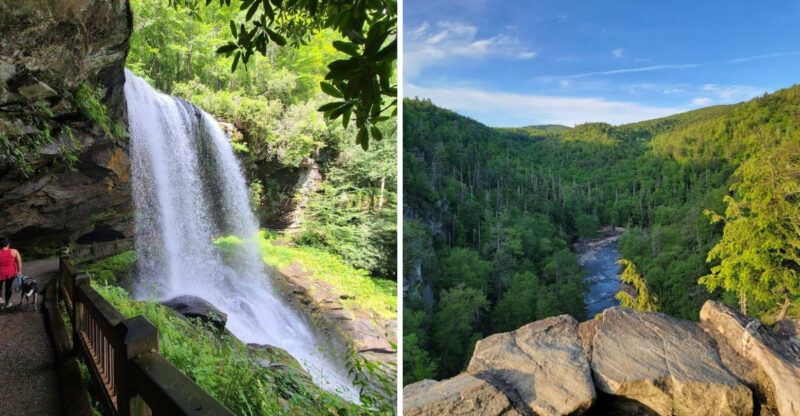
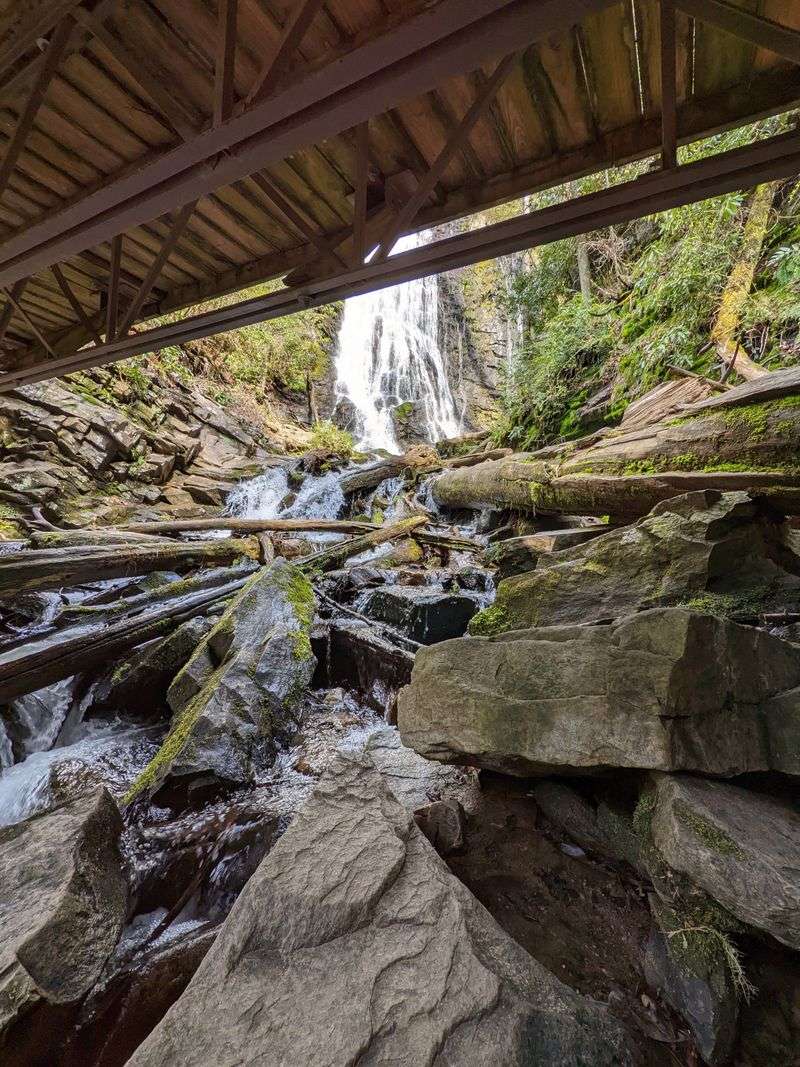
Standing before one of the tallest waterfalls in the southern Appalachians feels like meeting a celebrity you’ve only heard about. Mingo Falls stretches an impressive 120 feet skyward, its white torrents plunging down layered rock formations that have been carved by centuries of relentless water flow.
The sheer height becomes more dramatic as you approach the viewing platform, where the scale finally hits you.
Spring amplifies everything about this natural wonder. Snowmelt from higher elevations combines with April showers to create a thundering display that sends spray halfway across the observation bridge.
The sound alone is worth the climb, a constant roar that drowns out every worry you brought with you from the parking lot.
Local Cherokee elders speak of the falls with reverence, calling it a place where earth and sky meet through water’s eternal dance. That poetic description makes perfect sense when you’re standing there, feeling the cool mist on your face while watching thousands of gallons crash down every minute.
The falls never look the same twice, changing personality with seasons, weather, and even time of day.
2. The Stairway Challenge Everyone Talks About
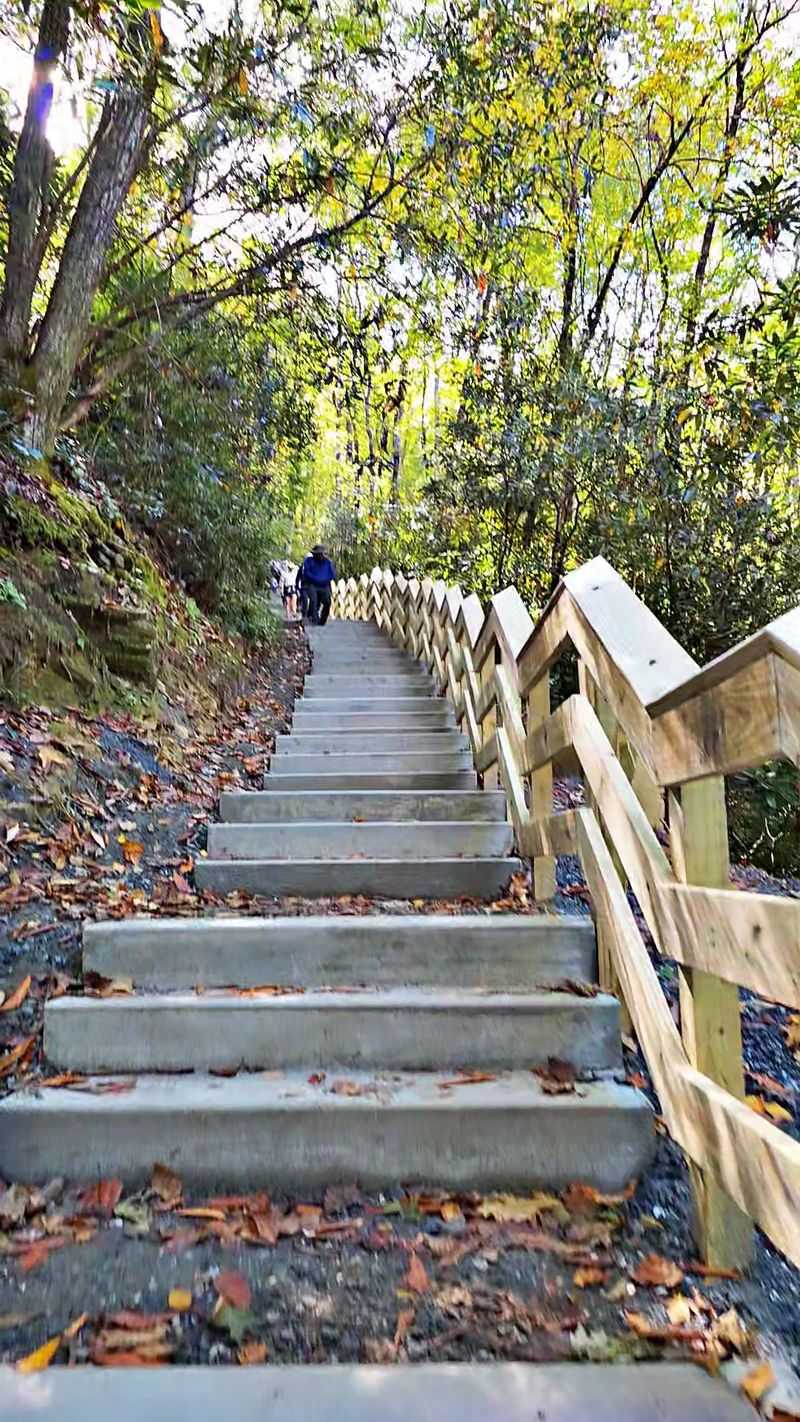
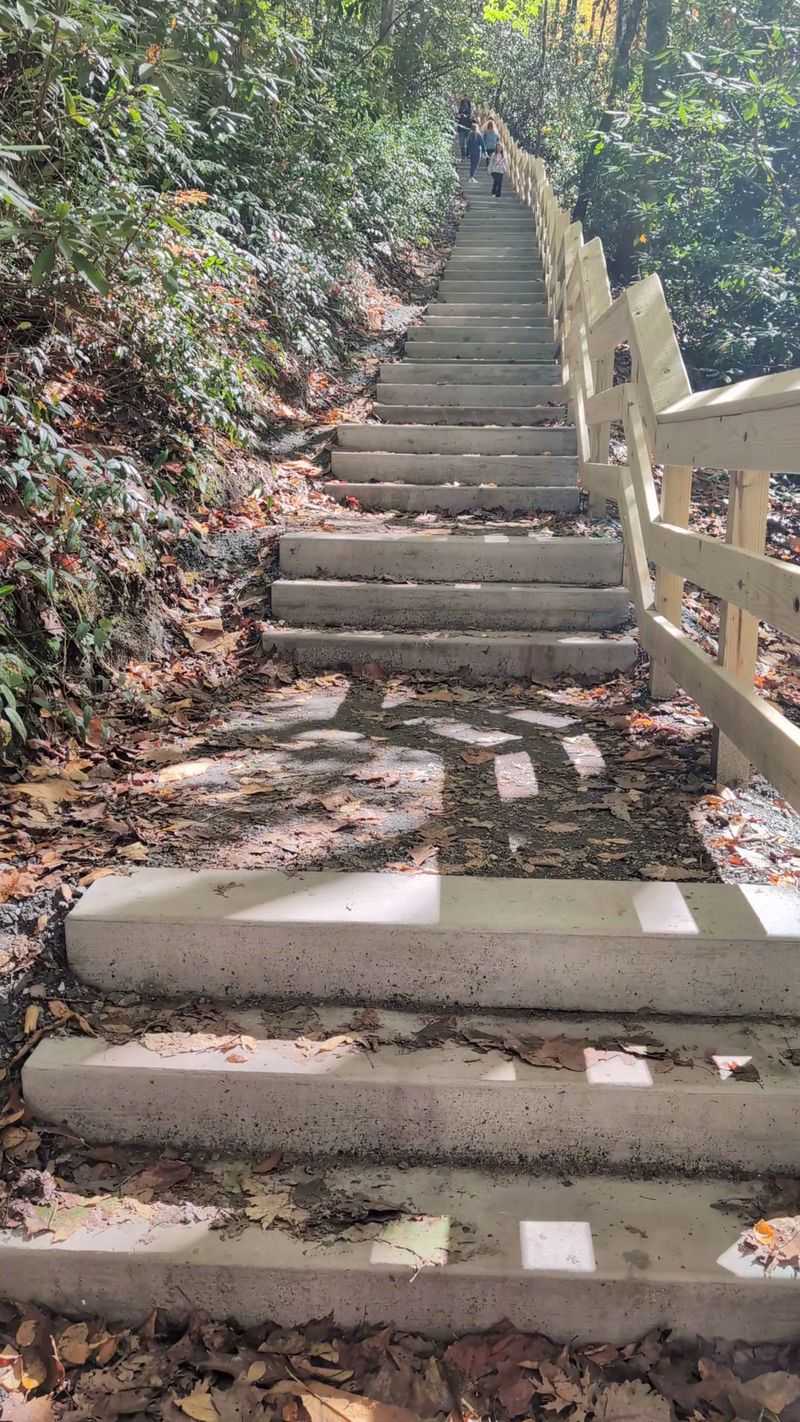
Your journey to waterfall glory begins with 161 steps that have become legendary among Smoky Mountain hikers. These aren’t your typical stairs though, they’re a newly renovated wooden staircase that winds upward through dense forest like something from a fairy tale.
Fresh construction means solid footing and reliable handrails, making the climb safer than it’s been in years.
Most people conquer the stairs in seven to ten minutes, depending on fitness level and how many photo breaks they take. The key is finding your rhythm and not racing the teenager who bounds past you like a mountain goat.
Rest benches appear strategically along the route, perfect spots to catch your breath while pretending to admire the surrounding rhododendrons.
Spring brings unique stair challenges that add character to your climb. Morning dew makes everything glisten, while afternoon sun creates dancing shadows through new leaves overhead.
Some steps pass so close to massive tree trunks you can touch bark older than your grandparents, connecting you to forest history with every upward stride. The burning sensation in your thighs becomes a badge of honor.
3. Big Cove Road: Your Gateway To Wonder
Finding paradise requires navigating Big Cove Road, a winding route that cuts through the heart of Cherokee territory like a ribbon through wrapping paper. From the Oconaluftee Visitor Center, you’ll head south on US-441 toward Cherokee before turning left onto this scenic byway that leads approximately 4.5 miles to your destination.
The road itself becomes part of the adventure, curving past traditional Cherokee homes and offering glimpses of mountain life rarely seen from tourist-packed highways.
Spring transforms Big Cove Road into a botanical showcase. Dogwood trees explode with white blooms that contrast beautifully against evergreen pines, while wild azaleas add splashes of pink and coral to roadside ditches.
Drive slowly enough to appreciate the scenery but not so slowly that locals get annoyed behind you, it’s a delicate balance.
The road ends at Mingo Falls Campground, where a small parking area marks your arrival. GPS coordinates 35.5320377, -83.2746107 will get you there without wrong turns, though cell service can be spotty in these mountains.
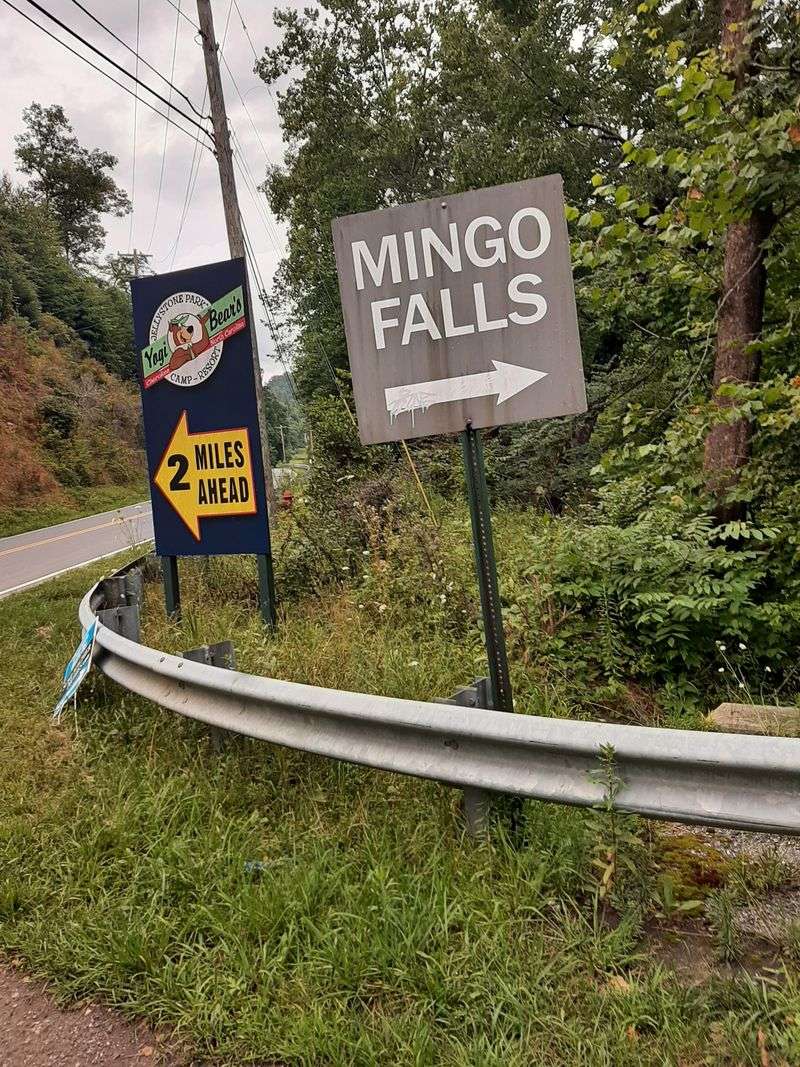
Keep your eyes open for the trailhead signs near the campground entrance.
4. The Name Behind The Beauty
Every great waterfall deserves an origin story, and Mingo Falls delivers with Cherokee authenticity. The name comes from the Cherokee word meaning “Big Bear,” reflecting the deep connection between the Eastern Band and the wildlife that once roamed these mountains in greater numbers.
Some older maps and locals still refer to it as Big Bear Falls, keeping the original translation alive.
Cherokee naming traditions often honor animals that hold spiritual significance or demonstrate qualities worth emulating. Bears represent strength, protection, and the wild heart of the mountains, fitting attributes for a waterfall that commands respect from everyone who visits.
The name carries weight beyond simple translation, embodying cultural values passed through generations.
Standing before the falls knowing its Cherokee heritage adds layers of meaning to your experience. This isn’t just a tourist attraction carved out of wilderness; it’s a sacred place within the Qualla Boundary, the land trust belonging to the Eastern Band of Cherokee Indians.
That cultural context transforms your visit from sightseeing into something more profound, a brief connection to stories older than the American experiment itself.
5. Spring’s Explosive Water Show
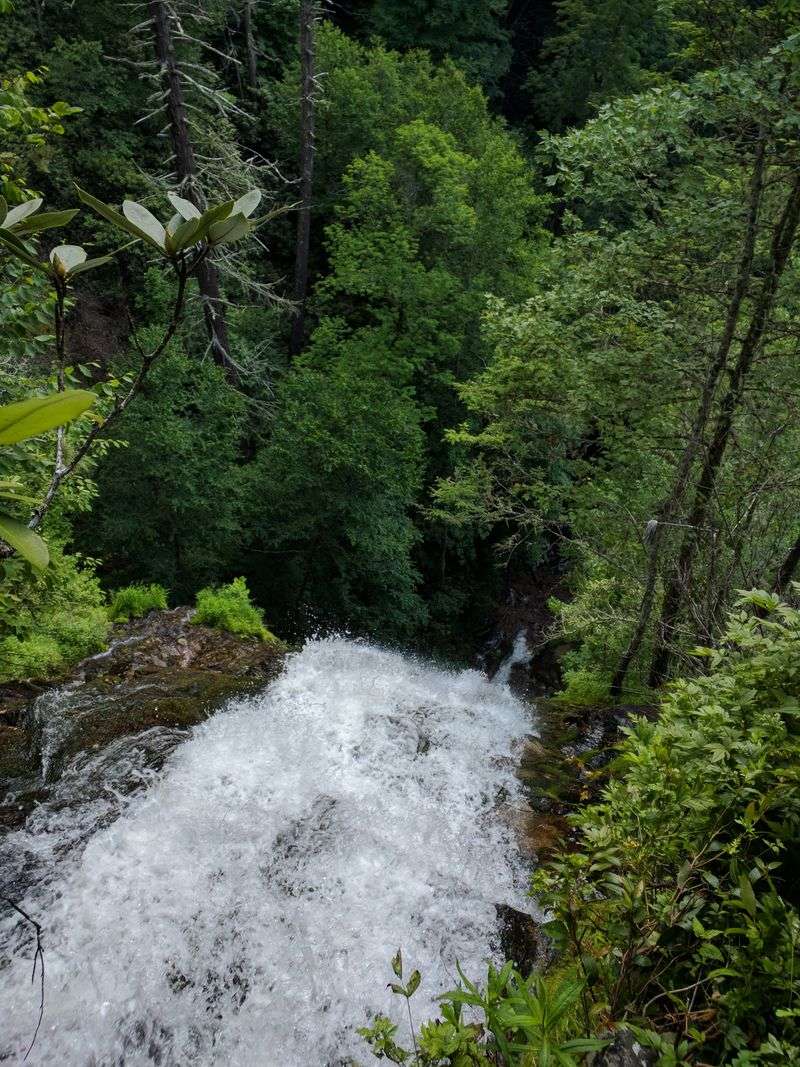
Winter’s snow becomes spring’s spectacle at Mingo Falls, where seasonal runoff transforms the cascade into a thundering beast. March through May brings the heaviest water flow, turning the falls from beautiful to absolutely breathtaking as melting snow from higher elevations rushes downward.
The volume increases so dramatically that the roar can be heard from the parking lot on peak flow days.
Photographers consider spring the golden season for capturing Mingo’s power. The combination of high water volume and emerging greenery creates contrast that makes images pop with life and energy.
Morning visits offer the best light, with sun angles that turn spray into floating diamonds while illuminating the falls’ full height.
Weather patterns make each spring visit unique. A rainy week will pump up the falls to maximum drama, while drier periods still showcase impressive flow thanks to natural springs feeding Mingo Creek year-round.
The surrounding forest explodes with new growth during these months, framing the waterfall in every shade of green imaginable. Wildflowers dot the landscape, adding purple, yellow, and white accents to nature’s canvas.
6. The Wooden Bridge Viewing Platform
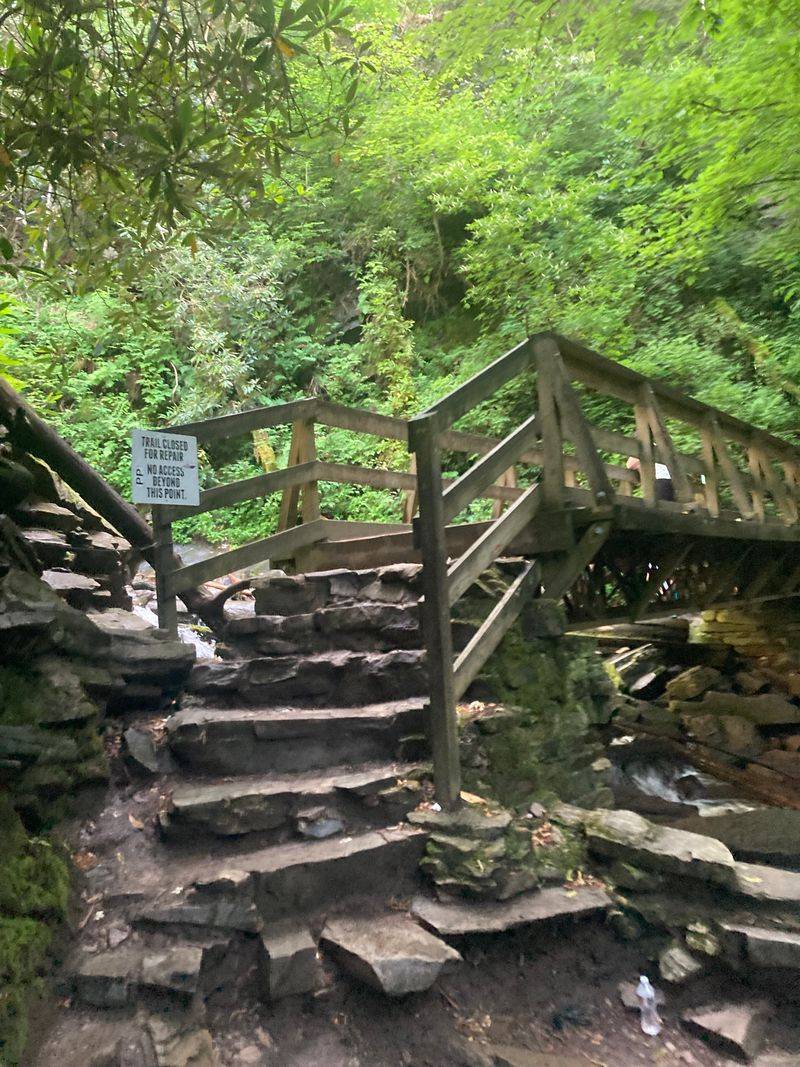
Your reward for conquering those 161 steps arrives in the form of a solid wooden bridge that spans Mingo Creek directly facing the falls. This viewing platform positions you at the perfect vantage point, close enough to feel the spray but far enough back to appreciate the cascade’s full majesty.
Recent renovations ensure the structure is level, safe, and spacious enough for multiple visitors to share the view comfortably.
The bridge creates an immersive experience that photographs can’t quite capture. Water rushes beneath your feet while the falls thunder ahead, surrounding you with the sights and sounds of raw nature at work.
Cool mist drifts across the platform on breezy days, providing natural air conditioning that feels amazing after your upward climb.
Two benches at the bridge’s edges offer seating for those who want to linger and soak in the atmosphere. Most visitors spend ten to fifteen minutes here, snapping photos and videos before heading back down.
Smart hikers arrive early morning to avoid crowds and experience the falls in peaceful solitude, when morning fog adds ethereal beauty to an already magical scene.
7. Free Access To Natural Splendor
Budget-conscious adventurers rejoice because Mingo Falls charges absolutely nothing for admission. Unlike many waterfall destinations that require parking fees or entrance tickets, this Cherokee treasure remains free and open to the public daily.
That accessibility reflects the Eastern Band’s commitment to sharing their land’s natural beauty with visitors who treat it respectfully.
The free access extends to basic amenities that make your visit more comfortable. A small parking lot accommodates about fifteen to twenty vehicles on a first-come basis, with portable toilets available near the trailhead.
A trash receptacle and information board complete the simple but functional setup that keeps the focus on nature rather than commercialization.
No permits or advance reservations are required, making spontaneous visits perfectly possible. Just show up, park if space allows, and start your hike whenever you’re ready.
This straightforward approach appeals to road-trippers who prefer flexibility over rigid schedules. The lack of fees doesn’t mean lack of rules though, visitors must still respect the land, stay on designated trails, and practice Leave No Trace principles to preserve this gift for future generations.
8. The Quick Half-Mile Adventure
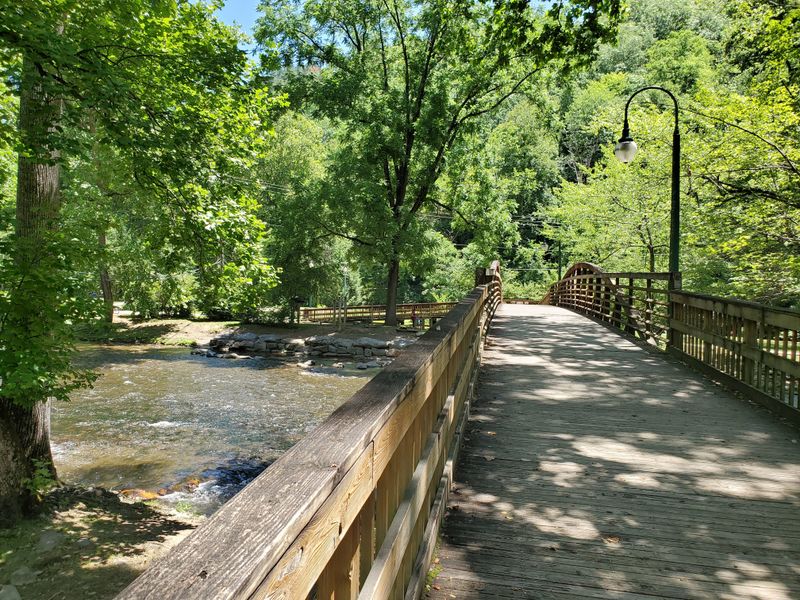
Distance-wise, Mingo Falls ranks among the most rewarding short hikes in the Smokies at just 0.4 miles round trip. That brevity makes it accessible to families with young children, older adults with reasonable mobility, and anyone who wants waterfall payoff without committing to an all-day trek.
The official rating of “moderately difficult” comes entirely from those 161 stairs rather than trail length.
Time investment is minimal, with most people completing the entire out-and-back journey in thirty to forty-five minutes including viewing time. That efficiency makes Mingo Falls an excellent addition to a Cherokee itinerary that includes other attractions like the Museum of the Cherokee Indian or Oconaluftee Islands Park.
You can experience this natural wonder and still have plenty of day left for exploration.
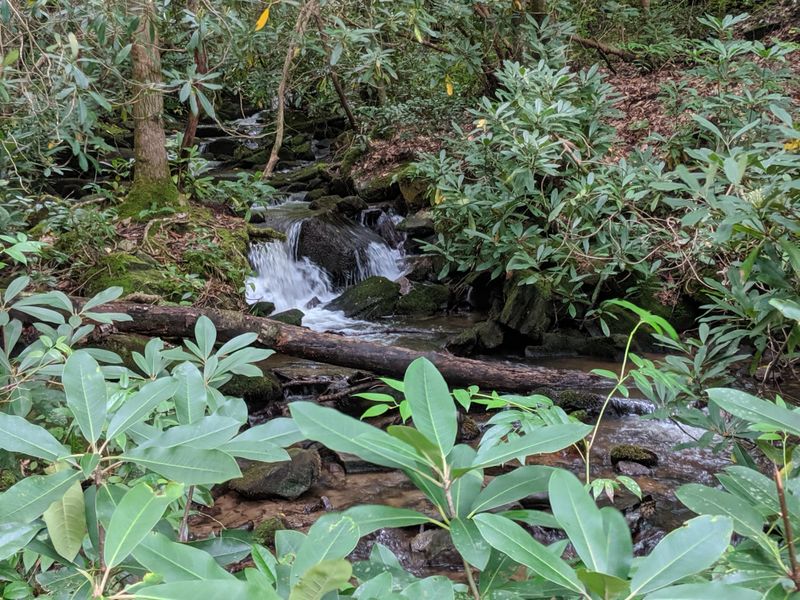
The trail’s brevity doesn’t diminish its impact. Every step along Mingo Creek offers something worth noticing, moss-covered rocks, towering hemlocks, the gradually building sound of falling water that pulls you forward.
Spring amplifies these details with birdsong, blooming trillium, and that distinctive smell of wet earth warming under stronger sunshine. Short hikes can pack big memories when nature cooperates this beautifully.
9. Morning Magic And Crowd Avoidance
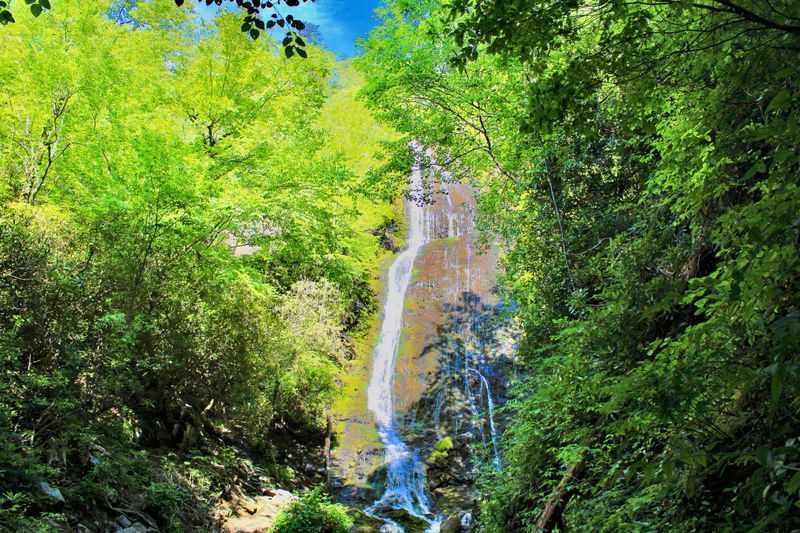
Seasoned hikers whisper about the magic of arriving at Mingo Falls before 9 AM, when morning fog still clings to the creek and you might have the entire place to yourself. Early visits transform the experience from popular attraction to personal sanctuary, where the only sounds are falling water and waking birds.
Spring mornings bring particularly enchanting conditions as cool overnight temperatures create mist that glows when touched by rising sun.
Crowd patterns at Mingo Falls follow predictable rhythms. Mid-morning through early afternoon sees peak traffic as tour groups and day-trippers make their way from Cherokee’s main strip.
By arriving early, you avoid the stair-climbing traffic jams that can make the narrow trail feel congested during busy times.
Photographers especially benefit from dawn visits when light angles create dramatic shadows and highlights across the waterfall’s textured surface. The soft morning glow differs completely from harsh midday sun that washes out details and creates unflattering contrasts.
Plus, there’s something deeply satisfying about being the first person to leave footprints on dew-covered stairs, like you’re discovering the falls fresh each day.
10. Qualla Boundary Cultural Context
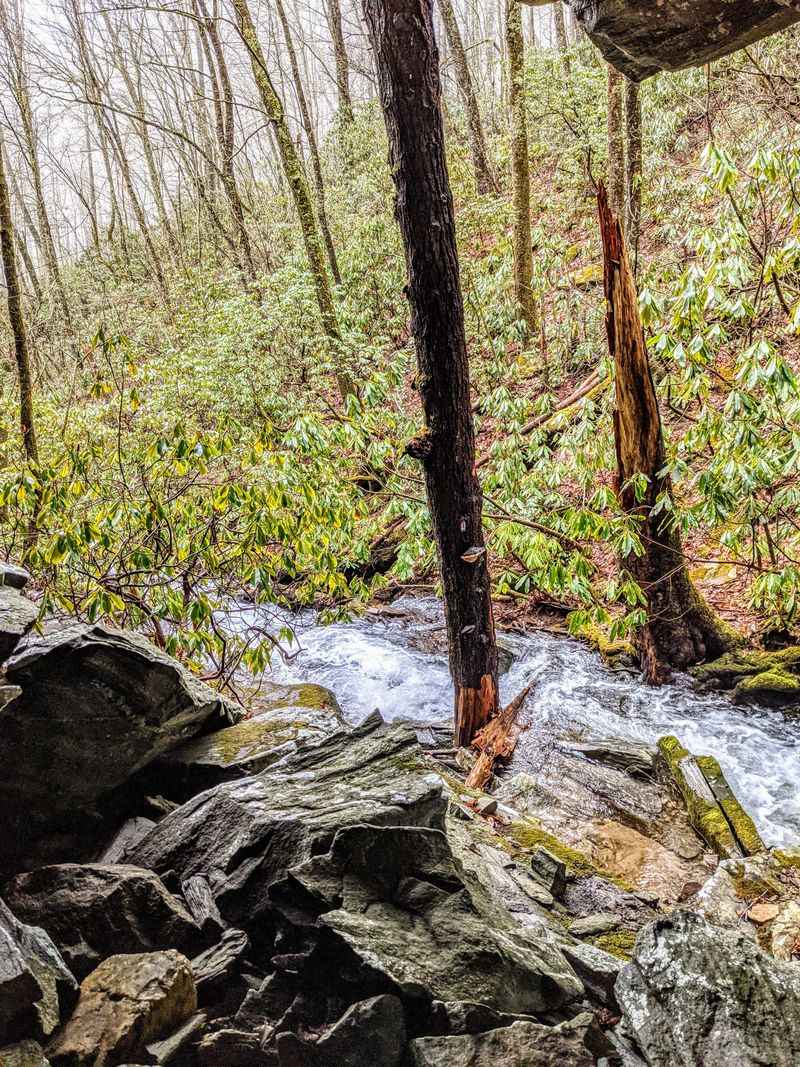
Understanding Mingo Falls means understanding the Qualla Boundary, the 56,000-acre land trust that serves as the home of the Eastern Band of Cherokee Indians. This isn’t a typical reservation in the federal sense, it’s a land trust that the Cherokee have inhabited for centuries, long before European settlers arrived.
Visiting Mingo Falls places you within this living cultural landscape where tradition and natural beauty intertwine.
The Eastern Band’s relationship with waterfalls goes beyond tourism and recreation. These natural features hold spiritual significance in Cherokee cosmology, representing places where the physical and spiritual worlds connect through the constant motion of water.
That reverence explains why the Cherokee have maintained public access to Mingo Falls while still protecting it from overdevelopment and commercialization.
Respecting this cultural context means following posted rules, staying on designated trails, and treating the area with the reverence it deserves. The waterfall exists within someone’s ancestral homeland, not a generic public park.
That perspective shift changes how you experience the visit, adding depth and meaning beyond pretty scenery. Your admission fee might be zero, but your cultural responsibility remains significant.
11. Seasonal Transformations Beyond Spring
While spring claims the crown for dramatic waterfall displays, Mingo Falls delivers distinct beauty across all seasons that reward repeat visits. Summer brings lush green canopy that shades the trail and platform, making the hike more comfortable during hot months even as water flow decreases.
Autumn transforms the surrounding forest into a tapestry of orange, red, and gold that frames the white water in spectacular contrast.
Winter visits reveal a completely different waterfall personality. Freezing temperatures create ice formations along the cliff face, with icicles hanging like crystal chandeliers beside the flowing water.
Some years see partial freezing that turns sections of the cascade into frozen sculptures while other parts continue flowing, creating stunning juxtaposition between solid and liquid water.
Each season attracts different types of visitors. Spring draws waterfall enthusiasts chasing peak flow, summer brings families on vacation, autumn lures leaf-peepers and photographers, while winter attracts hardy souls seeking solitude and unique ice formations.
The trail remains open year-round, though winter conditions require extra caution on potentially icy stairs. Experiencing Mingo across multiple seasons reveals nature’s endless creativity.
12. Dog-Friendly With Practical Considerations
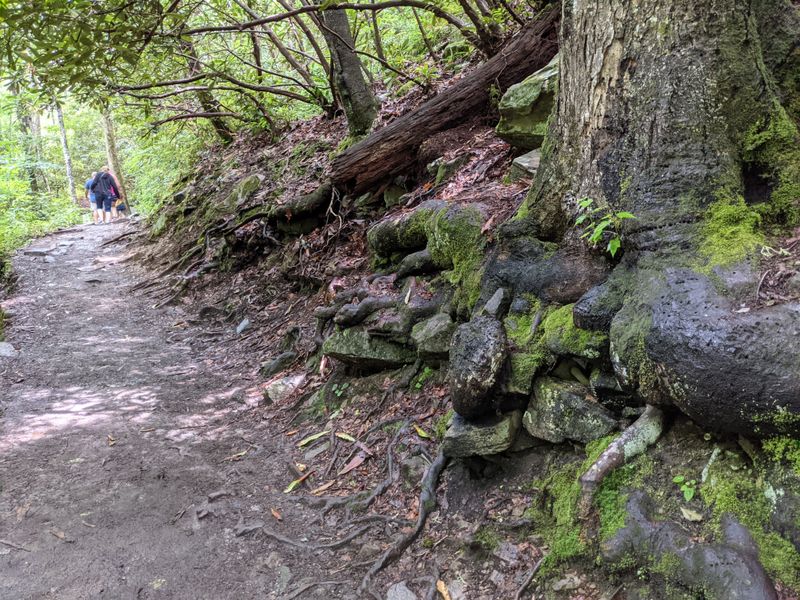
Canine companions are technically allowed on the Mingo Falls trail, though the steep stairs make this adventure more suitable for fit, agile dogs than elderly pups or tiny breeds. Those 161 steps challenge four legs just as much as two legs, and carrying a tired dog back down isn’t most people’s idea of fun.
Consider your pet’s fitness level honestly before bringing them along.
The wooden stairs present specific challenges for dogs. Spacing between boards can catch paws, and the continuous climb tests endurance even for athletic breeds.
Spring conditions add complications—wet stairs become slippery, and muddy sections near the top can make footing treacherous for animals lacking proper hiking boots. Many experienced hikers recommend leaving dogs home for this particular trail despite the pet-friendly policy.
If you do bring your dog, keep them leashed at all times, pack extra water for hydration, and be prepared to lift them over tricky sections. The viewing platform gets crowded, and not everyone appreciates dogs in tight spaces.
Your well-behaved golden retriever might be delightful, but the family next to you could include someone with allergies or fears. Trail etiquette extends to pet ownership.
13. Preservation And Responsible Visiting
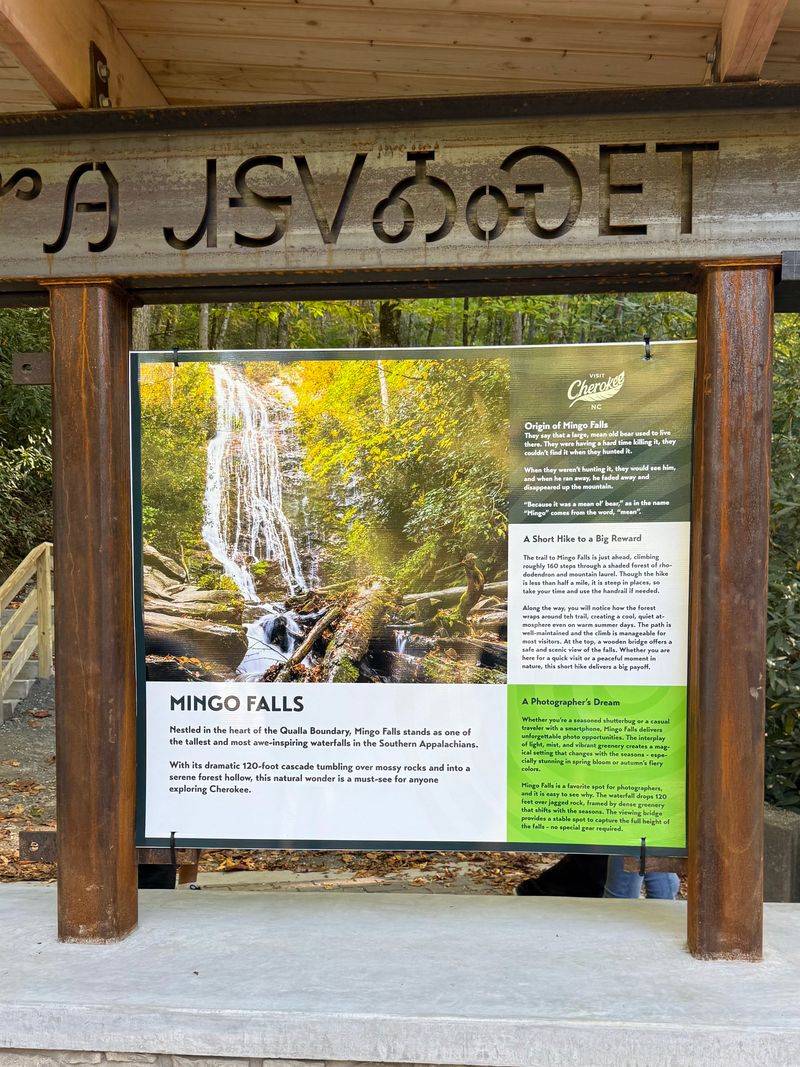
Recent visitor reviews highlight a growing concern about tourists leaving designated viewing areas to climb on rocks and wade into the creek around Mingo Falls. These actions aren’t just rule-breaking, they threaten endangered species habitat and accelerate erosion that damages the very beauty people come to see.
Staying on the platform and trail isn’t optional; it’s essential for preserving this natural treasure.
The area surrounding the falls provides critical habitat for species struggling to survive in increasingly developed mountains. When visitors trample vegetation and disturb rocks, they destroy homes for salamanders, insects, and plants that exist nowhere else on earth.
That Instagram photo standing in the waterfall’s base isn’t worth contributing to species extinction.
Leave No Trace principles should guide every Mingo Falls visit. Pack out everything you pack in, including orange peels and apple cores that seem biodegradable but actually take months to decompose.
Don’t pick wildflowers or collect rocks as souvenirs. Stay behind railings even when they seem overly cautious.
Your cooperation ensures that decades from now, other visitors can experience the same wonder that brought you here. Cherokee land stewards work hard to balance public access with conservation; meeting them halfway is the least visitors can do.