This Lost Georgia Town Whispers Stories Of Long Ago
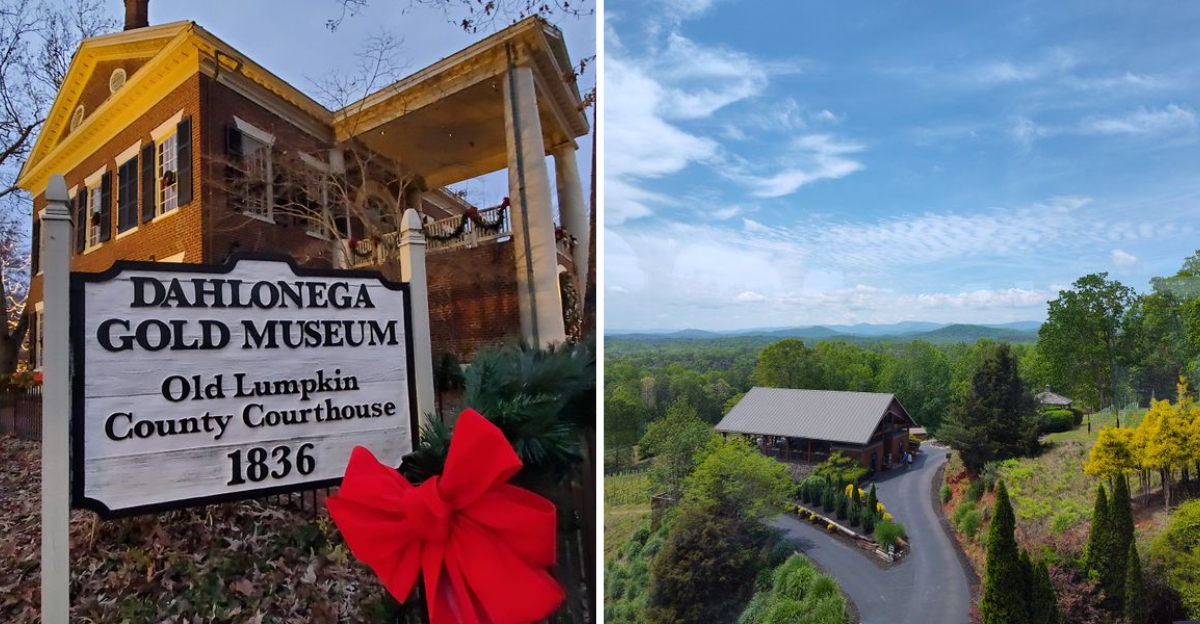
Dahlonega holds a remarkable place in Georgia’s story as the birthplace of America’s first major gold rush. Decades before prospectors headed west to California, fortune seekers flooded these North Georgia mountains in 1828 after gold was discovered in the area. What had once been quiet Cherokee land quickly transformed into a bustling frontier town filled with miners, merchants, and dreamers chasing opportunity.
That spirit of discovery still lingers today. Visitors will find a charming mountain community where history feels present at every turn. Preserved buildings line the historic square, museums share tales of boomtown days, and underground mine tours let you experience the gold rush world firsthand.
The surrounding mountains add scenic beauty to the historical intrigue, creating a destination that feels both educational and inviting. Dahlonega offers more than a glimpse into the past. It delivers a living connection to one of Georgia’s most fascinating and formative chapters.
1. America’s First Gold Rush Site
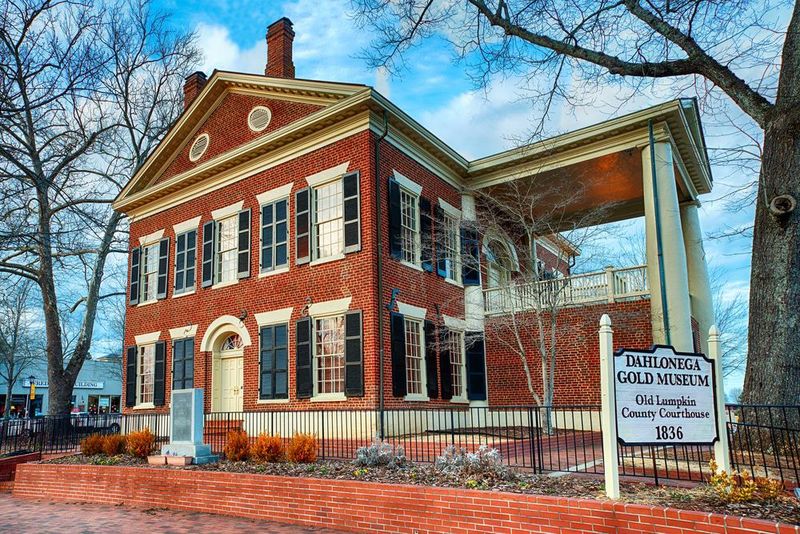
Gold fever struck these mountains nearly two decades before California caught the bug. Prospectors discovered precious metal in 1828, sparking a rush that brought thousands of fortune-seekers to what was then Cherokee land. You can still see evidence of this era scattered throughout town.
The Dahlonega Gold Museum sits right on the town square at 1 Public Square, Dahlonega, GA 30533. I walked through exhibits showcasing original coins minted here and mining tools used by early prospectors. The building itself served as the Lumpkin County Courthouse starting in 1836.
Old mining tunnels snake beneath the surrounding hills. Some operations pulled millions of dollars worth of gold from these mountains. Tour guides share tales of overnight millionaires and those who lost everything chasing the glittering dream that built this remarkable town.
2. Consolidated Gold Mine Underground Tours
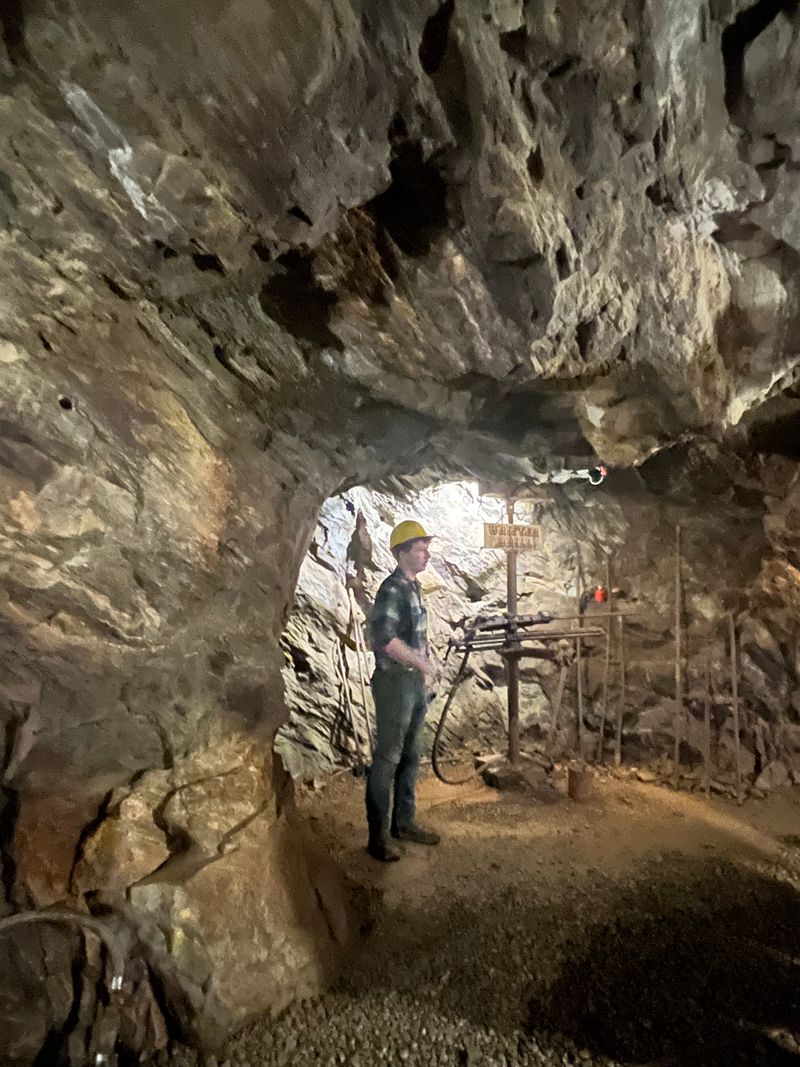
Going 200 feet underground changes your perspective on history fast. The Consolidated Gold Mine at 185 Consolidated Gold Mine Road, Dahlonega, GA 30533 operated from the 1890s through World War II. I descended into the cool darkness where miners once worked by candlelight, chipping away at quartz veins.
Your guide explains how workers extracted ore using hand tools and dynamite. The temperature stays a constant 60 degrees year-round, providing relief on hot summer days. You’ll see original mining equipment still positioned where it was last used decades ago.
Above ground, you can pan for real gold in the sluice. Kids love this hands-on experience, and you keep whatever you find. The tour lasts about 45 minutes underground, followed by panning time.
Wear comfortable shoes since the tunnels have uneven surfaces and occasional puddles.
3. Historic Downtown Square Shopping
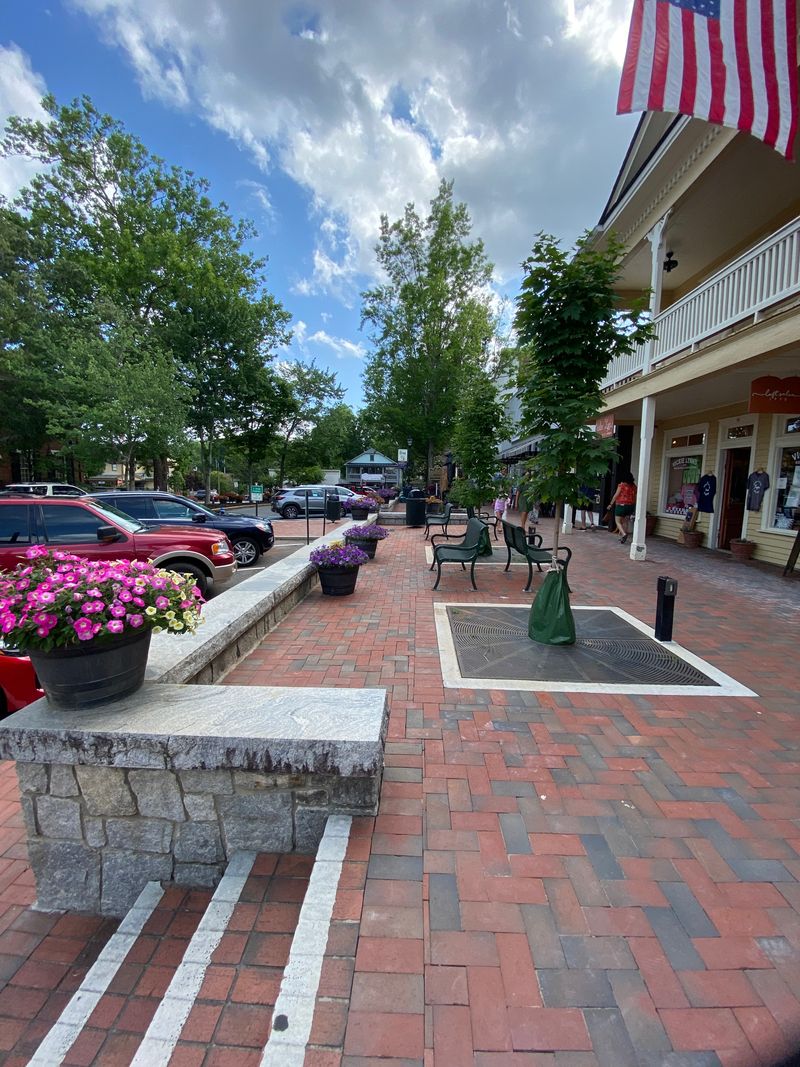
Brick buildings from the 1800s line streets where gold miners once celebrated their finds. The square centers around the old courthouse, now a museum, with shops radiating outward in every direction. I spent hours browsing galleries, boutiques, and specialty stores housed in structures that witnessed the gold rush firsthand.
Local artisans sell handcrafted jewelry, mountain-made pottery, and regional artwork. You’ll find antique shops packed with treasures from bygone eras. Several stores specialize in gold jewelry crafted from locally mined metal, continuing a tradition that started nearly two centuries ago.
Restaurants occupy restored storefronts offering everything from Southern comfort food to upscale dining. Outdoor seating lets you people-watch while enjoying your meal. The pedestrian-friendly layout makes strolling easy, and you’ll discover something new around every corner in this perfectly preserved mountain town center.
4. Dahlonega Gold Museum
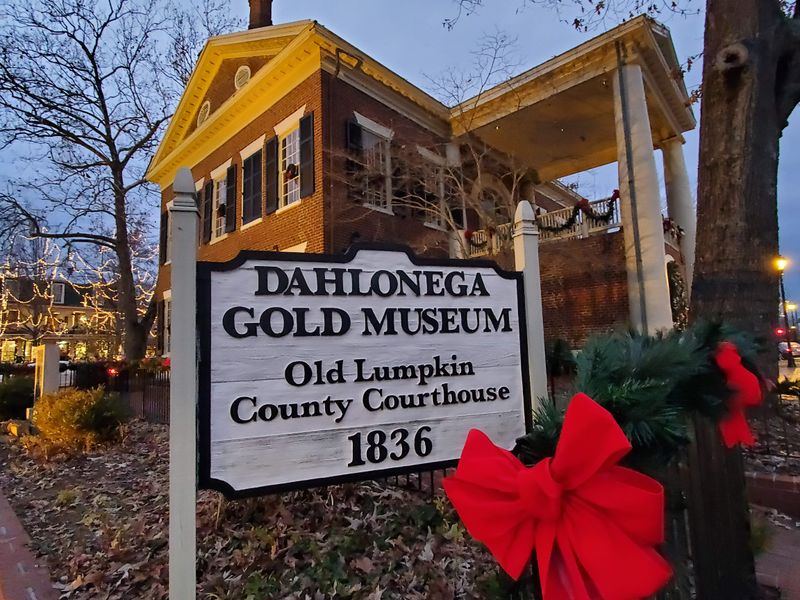
Standing inside Georgia’s oldest courthouse building feels like stepping back to 1836. The Dahlonega Gold Museum occupies the historic structure at 1 Public Square, Dahlonega, GA 30533, right in the town’s heart. I examined coins minted at the Dahlonega Mint, which operated from 1838 to 1861.
Interactive exhibits explain how prospectors located gold deposits and extracted metal from rock. You’ll see nuggets found in local streams, some weighing several ounces. The museum houses an impressive collection of mining tools, assay equipment, and personal items belonging to early settlers.
A short film documents the gold rush’s impact on Cherokee inhabitants and the miners who displaced them. Staff members answer questions and share stories not found in textbooks. The building’s architecture alone makes the visit worthwhile, with its Greek Revival design and prominent bell tower visible throughout downtown.
5. Crisson Gold Mine Gem Panning
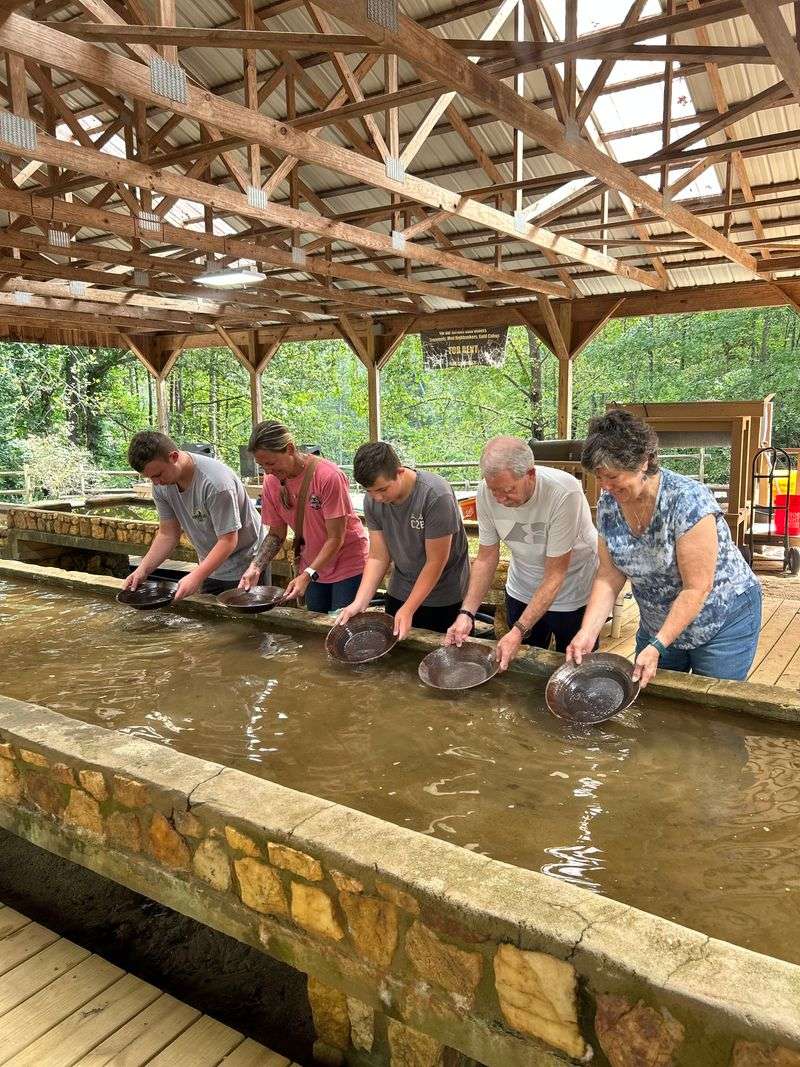
Getting your hands dirty searching for treasure beats reading about it any day. Crisson Gold Mine at 2736 Morrison Moore Parkway East, Dahlonega, GA 30533 lets you experience prospecting firsthand. I grabbed a pan and learned techniques miners used for generations to separate gold from gravel.
The staff demonstrates proper panning methods before you start. You’ll work at covered sluices, swirling water and sediment to reveal heavier materials that sink to the bottom. Gold flakes glint in the sunlight as lighter material washes away, creating an exciting moment when you spot your first piece.
Gem mining offers another option where you sort through ore bags containing real gemstones. Kids find rubies, sapphires, and other colorful stones they can take home. The mine also offers underground tours through historic tunnels.
You keep everything you find, making this an adventure with tangible rewards.
6. University of North Georgia Campus
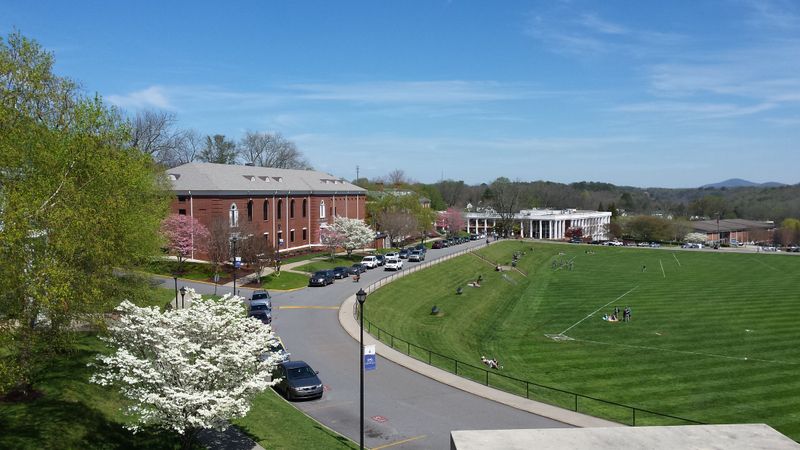
A gleaming gold dome catches your eye from miles away. Price Memorial Hall’s distinctive roof uses real gold leaf from local mines, symbolizing the area’s heritage. The University of North Georgia campus at 82 College Circle, Dahlonega, GA 30597 blends military tradition with mountain beauty.
This military college trains future Army officers alongside regular students. You’ll see cadets in uniform walking between classes held in buildings dating back to the 1870s. The campus occupies land once covered by gold mines, and some old tunnels reportedly still exist beneath academic buildings.
Public areas welcome visitors who want to stroll the grounds. The campus museum displays military memorabilia and regional history artifacts. Football games and other events bring the community together throughout the year.
Walking these historic grounds where education replaced gold mining shows how the town evolved beyond its prospecting origins.
7. Mountain Winery Tours
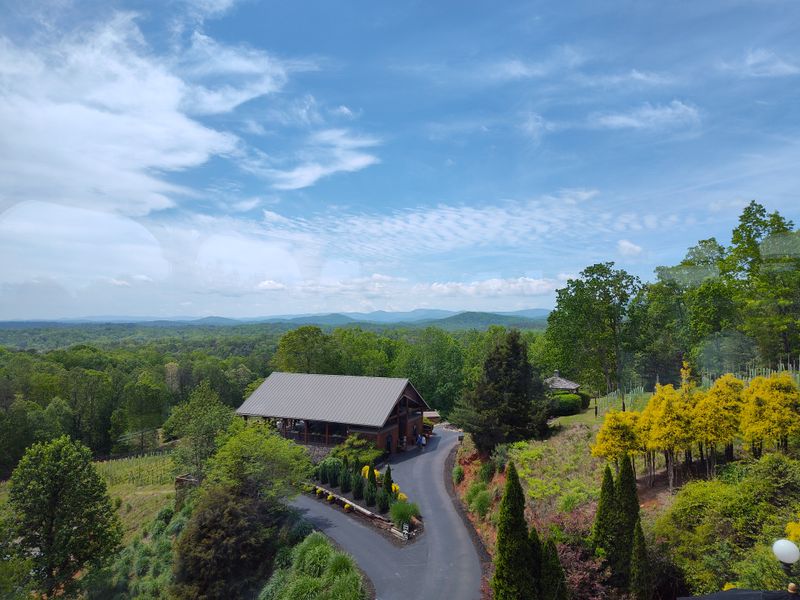
Grapevines replaced gold mines as the region’s treasure. Dahlonega’s elevation and climate create perfect conditions for growing wine grapes, leading to a thriving vineyard scene. I visited several wineries surrounding town, each offering tastings and tours through their production facilities.
Three Sisters Vineyards, Wolf Mountain Vineyards, and Montaluce Winery rank among the most popular. You’ll sample award-winning wines while learning how mountain terroir influences flavor profiles. Many wineries feature restaurants serving farm-to-table cuisine paired with their wines.
The scenic drives between vineyards wind through mountain forests and past old mining sites. Some wineries occupy land where prospectors once searched for gold, trading one treasure for another. Live music events and festivals happen throughout the year, especially during harvest season.
Most facilities welcome visitors daily, though reservations help during busy weekends when tourists flock to wine country.
8. Appalachian Trail Access
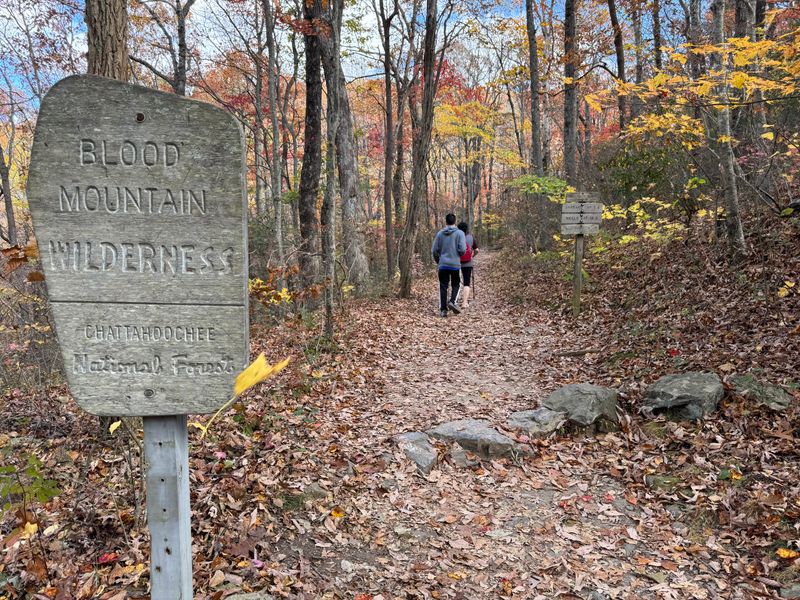
The famous footpath passes just minutes from downtown. Springer Mountain, the Appalachian Trail’s southern terminus, sits about 20 miles away. I drove to several access points where you can hike portions of this legendary 2,190-mile trail without committing to a through-hike.
Amicalola Falls State Park at 418 Amicalola Falls State Park Road, Dawsonville, GA 30534 provides the most popular approach. An eight-mile approach trail leads from the park to Springer Mountain. Day hikers enjoy shorter sections offering mountain views and waterfall scenery.
Local outfitters supply gear and advice for those planning longer treks. You’ll encounter through-hikers resupplying in Dahlonega before continuing their journey to Maine. The trail culture adds unique energy to the area, with stories of adventure shared in local restaurants.
Spring brings crowds of northbound hikers beginning their multi-month journeys through the mountains.
9. Amicalola Falls State Park
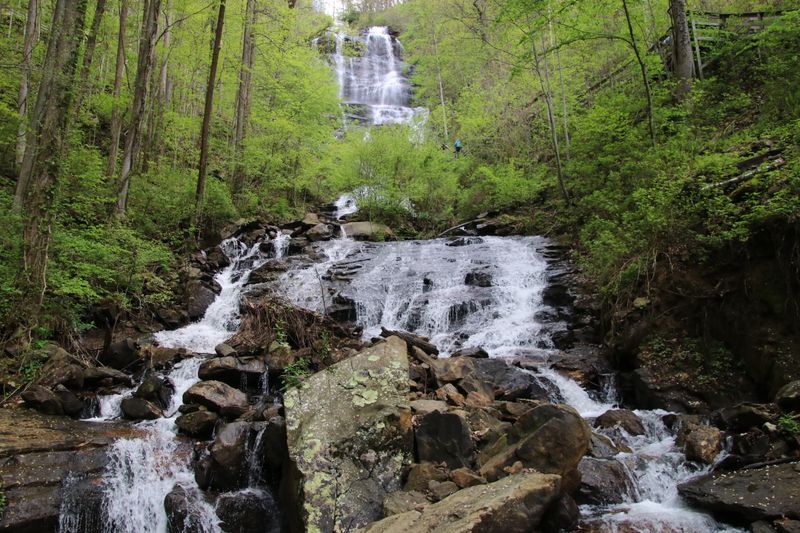
Water plunges 729 feet down a mountain face in Georgia’s tallest waterfall. Amicalola Falls State Park protects this natural wonder at 418 Amicalola Falls State Park Road, Dawsonville, GA 30534, about 30 minutes from Dahlonega. I climbed the 600-step staircase paralleling the falls, stopping at viewing platforms to catch my breath and take photos.
Several trails offer different perspectives and difficulty levels. The easier paved path leads to a bridge at the falls’ base. More challenging routes wind through mountain forests to panoramic overlooks.
Spring runoff creates the most impressive water flow, though the falls remain beautiful year-round.
The park includes a lodge, campground, and visitor center. You can spend a full day hiking various trails or make it a quick stop to see the falls. Wildlife sightings happen frequently, including deer, wild turkeys, and numerous bird species.
The connection to the Appalachian Trail makes this a pilgrimage site for serious hikers.
10. Historic Gold Mining Exhibits
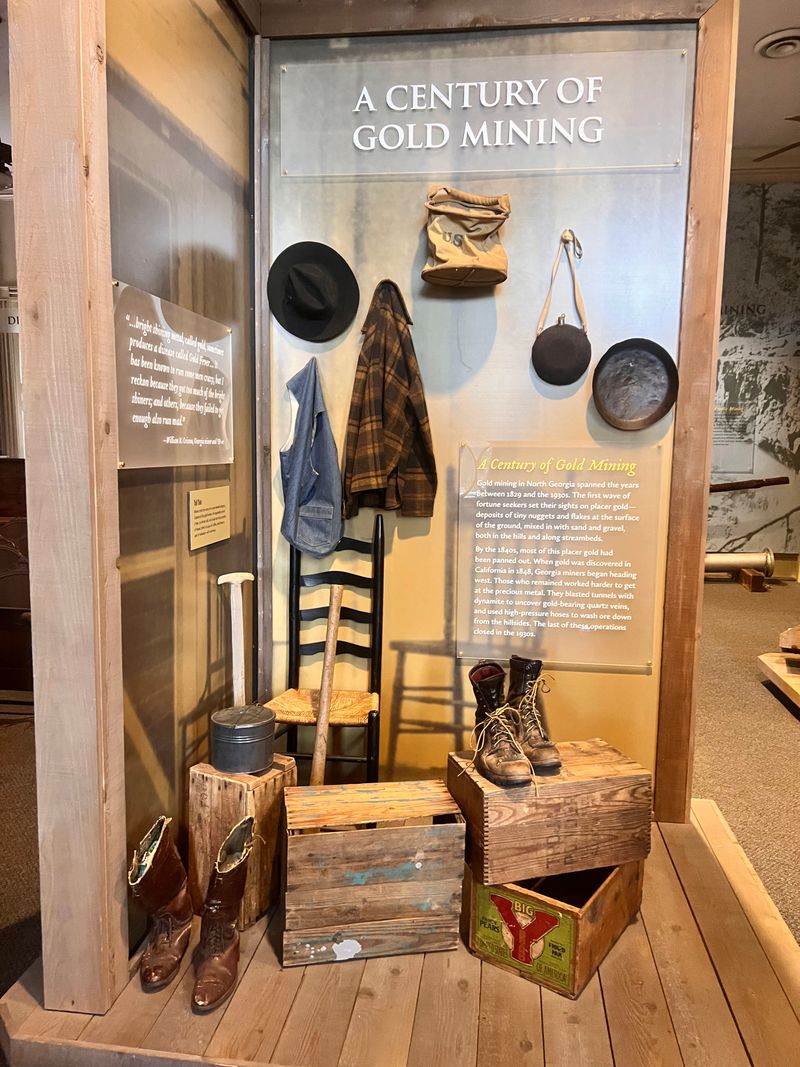
Rusted machinery tells stories words cannot capture. Several locations around Dahlonega preserve equipment used during the gold rush era. I examined stamp mills that crushed ore, sluice boxes that separated gold from sediment, and hand tools miners carried into tunnels daily.
The outdoor exhibits at various mining sites show the evolution of extraction technology. Early prospectors used simple pans and rockers. Later operations employed hydraulic mining and steam-powered equipment.
You’ll understand the backbreaking labor required to extract wealth from these mountains.
Interpretive signs explain each machine’s function and the dangers miners faced. Many workers suffered injuries or death in tunnel collapses and equipment accidents. The displays honor those who built the town through dangerous, difficult work.
Photography opportunities abound as weathered metal contrasts with green mountain landscapes. These tangible connections to the past make history feel immediate and real.
11. Local Ghost Tours
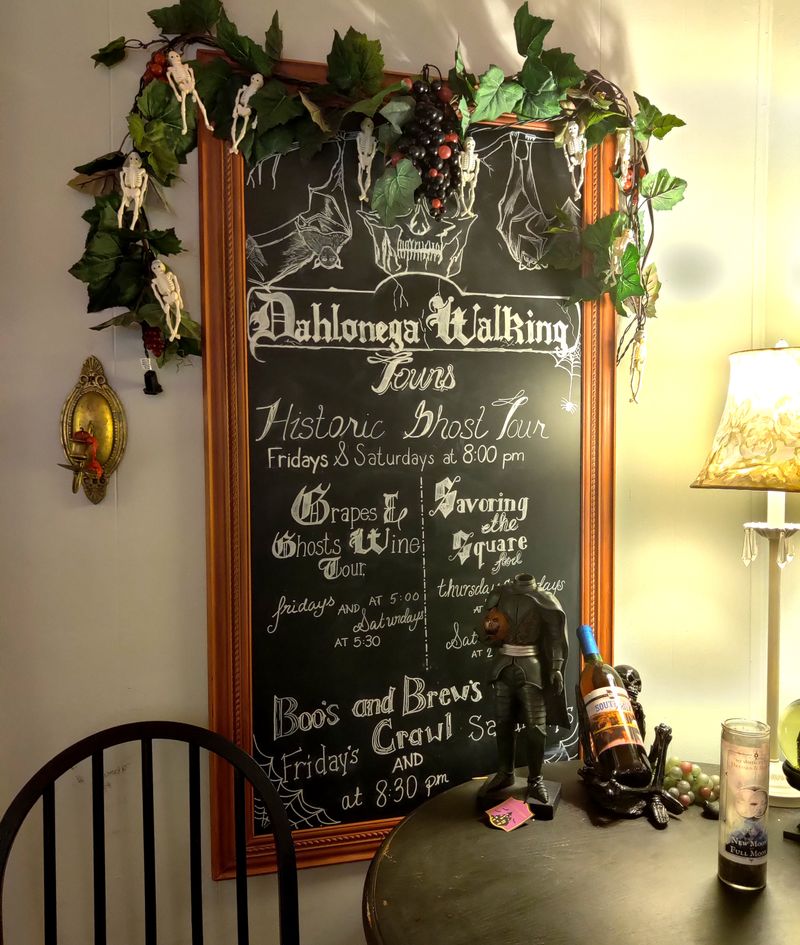
Spirits supposedly linger where fortunes were won and lost. After dark, ghost tour guides lead groups through downtown streets, sharing tales of paranormal activity in historic buildings. I joined an evening walk that stopped at locations where strange occurrences have been reported for decades.
The old jail, former saloons, and mining sites feature prominently in local legends. Tour guides recount stories of miners who died in tunnel collapses, gamblers shot over disputed claims, and residents who never left their earthly homes. Several buildings report unexplained footsteps, moving objects, and apparitions seen by multiple witnesses.
Whether you believe in ghosts or not, the tours provide entertaining historical information. You’ll learn about Dahlonega’s rougher past when gold attracted both honest prospectors and dangerous criminals. Tours typically last 90 minutes and cover about a mile of walking.
The atmospheric setting makes even skeptics feel a chill when passing darkened alleyways where violent events occurred.
12. Seasonal Mountain Festivals
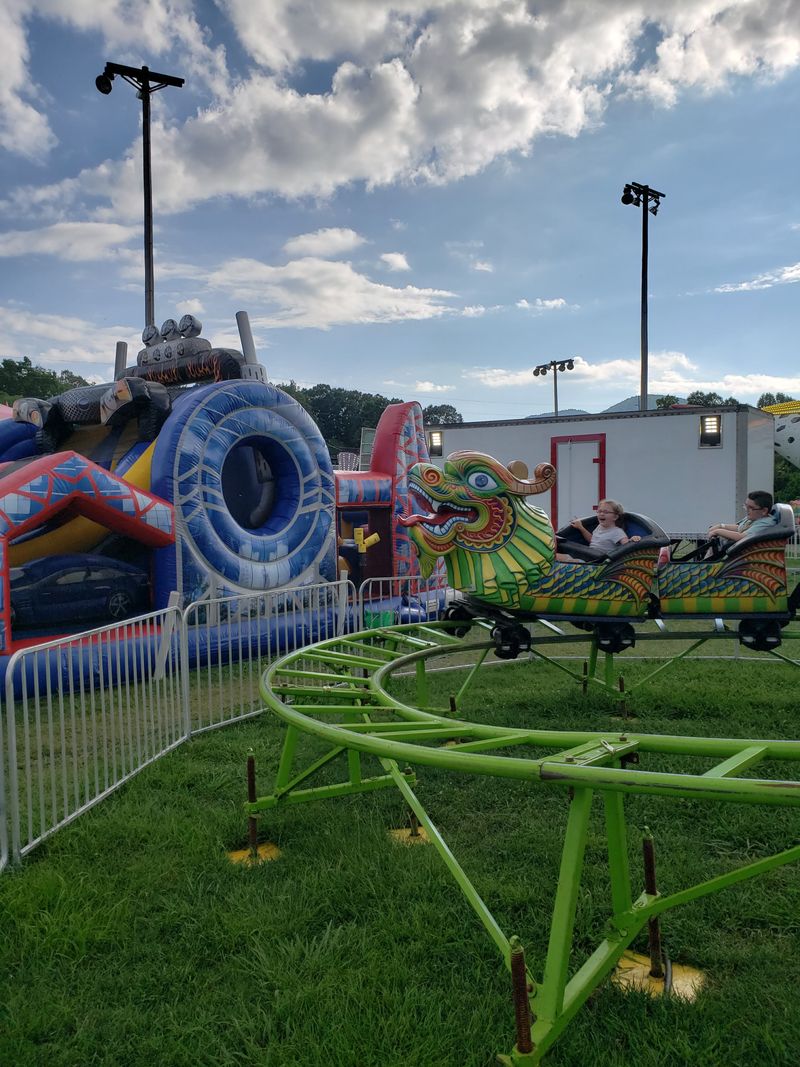
Something’s always happening in this mountain town. Dahlonega hosts festivals celebrating gold rush heritage, wine harvests, and mountain culture throughout the year. I attended the Gold Rush Days festival where reenactors demonstrate 1800s mining techniques and period crafts.
The Bear on the Square Mountain Festival brings Appalachian music, regional food vendors, and artisan crafts to the town square each April. Fall brings wine festivals at local vineyards and the popular Autumn Leaf Festival. Holiday events transform downtown into a winter wonderland with lights and seasonal markets.
These gatherings showcase local talent and traditions passed down through generations. You’ll taste regional foods, hear mountain music, and meet residents proud of their heritage. Craft vendors sell handmade items you won’t find elsewhere.
The festivals attract visitors from across the Southeast, creating a lively atmosphere while maintaining small-town charm that makes Dahlonega special.
13. Scenic Mountain Drives
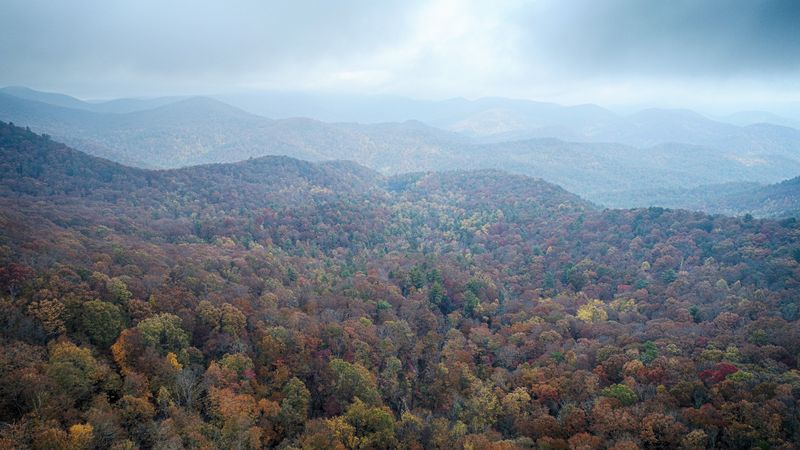
Twisting roads reveal new vistas around every curve. The mountains surrounding Dahlonega offer some of Georgia’s most beautiful driving routes. I spent an afternoon following backroads that climbed ridges and descended into valleys, stopping frequently to admire views stretching for miles.
Highway 60 north toward Suches passes through the Chattahoochee National Forest with numerous pulloffs for photos. The Richard Russell Scenic Highway provides another stunning route with overlooks at high elevations. Fall transforms these drives into spectacular color displays when leaves change.
Small communities dot the landscape, some barely more than a crossroads with a country store. You’ll pass old homesteads, mountain farms, and occasional mining remnants. The roads connect various wineries, waterfalls, and hiking trailheads.
Motorcyclists particularly love these routes for their curves and scenery. Pack a picnic and make a day exploring mountain roads that show why people fell in love with this region generations ago.
14. Historic Mining Town Architecture
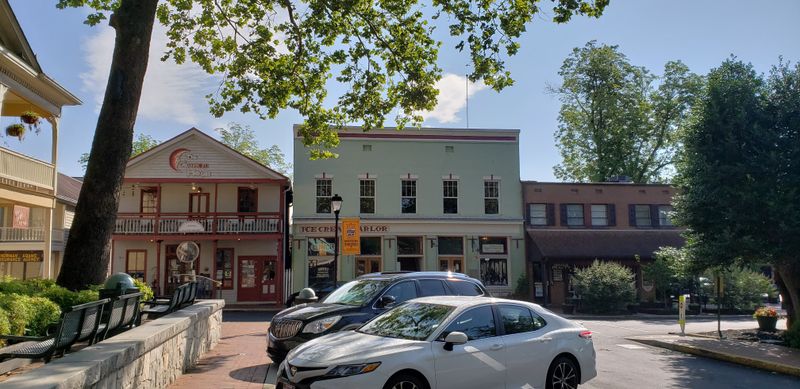
Buildings constructed during boom times still stand strong. Dahlonega’s downtown preserves architectural styles from the mid-1800s through early 1900s. I walked streets admiring Victorian details, Greek Revival columns, and practical commercial designs that housed businesses serving miners and their families.
Many structures feature original pressed tin ceilings, wooden floors worn smooth by generations of footsteps, and brick walls built to last centuries. Restoration efforts have maintained historical accuracy while updating buildings for modern use. You’ll notice architectural elements like transom windows, corbelled brickwork, and decorative cornices.
The transition from mining town to tourist destination shows in how buildings adapted. Former assay offices now house galleries. Old mercantile stores became restaurants.
The bones remain authentic even as purposes changed. Walking tours identify significant structures and explain their original functions. This preserved streetscape transports you to an era when gold drove everything, and these buildings witnessed the drama of fortunes made and lost.
15. Local Artisan Galleries
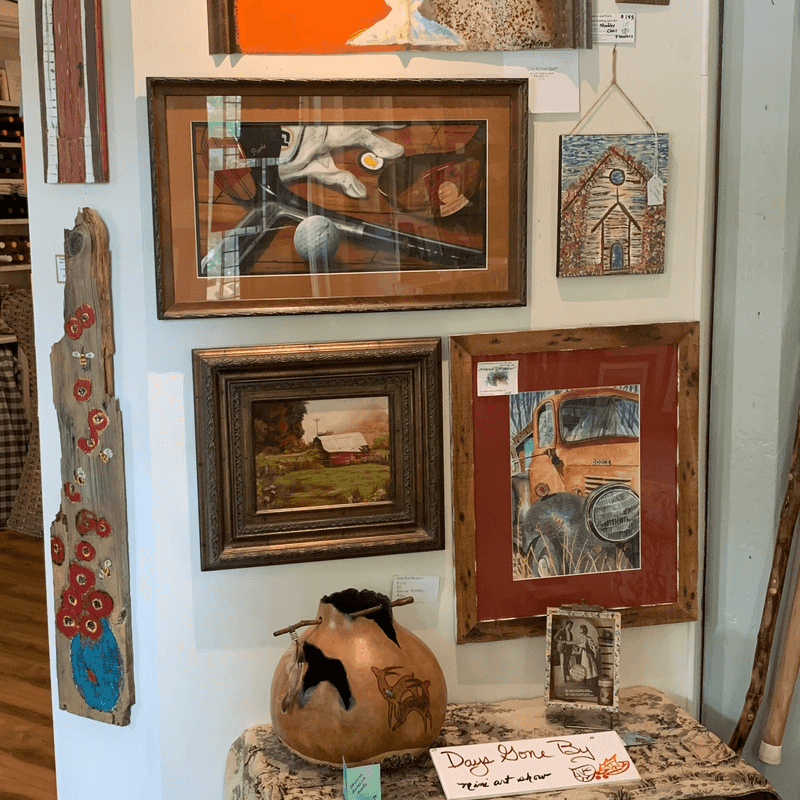
Creative spirits thrive in these mountains. Dahlonega’s artistic community produces pottery, paintings, jewelry, and crafts reflecting mountain heritage. I browsed several galleries featuring work by local and regional artists.
Many pieces incorporate gold or mining themes, connecting art to the area’s history.
The Holly Theater at 84 North Park Street, Dahlonega, GA 30533 hosts rotating exhibits alongside performing arts events. Individual galleries cluster around the town square, making gallery hopping easy. You’ll find everything from traditional landscape paintings to contemporary sculpture and functional art like hand-thrown pottery.
Many artists maintain studios where you can watch them work. Blacksmiths demonstrate forging techniques, potters shape clay on wheels, and jewelers craft pieces using traditional methods. The personal connection between artist and buyer adds meaning to purchases.
Prices range from affordable small items to investment-quality pieces. Supporting local artists helps preserve the creative culture that makes Dahlonega more than just a historic curiosity.
16. Mountain Dining Experiences
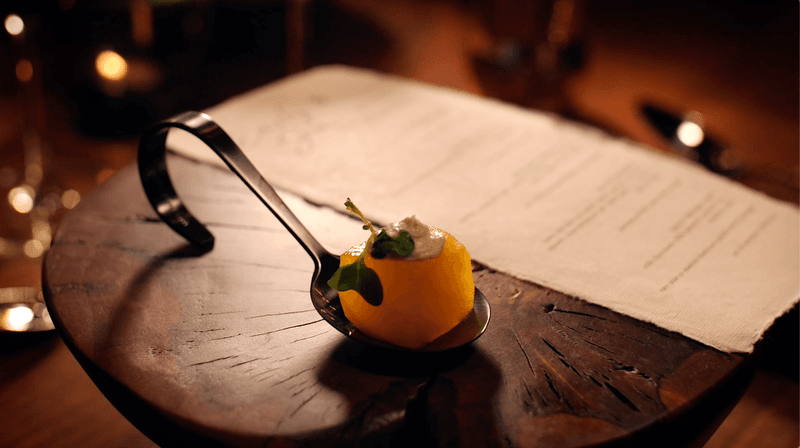
Food tastes better in the mountains, especially when chefs source ingredients locally. Dahlonega’s restaurant scene ranges from casual cafes to upscale dining rooms. I sampled Southern comfort food, farm-to-table cuisine, and international flavors all prepared with mountain hospitality.
Several restaurants occupy historic buildings downtown, adding atmosphere to excellent meals. You’ll find trout from local streams, vegetables from nearby farms, and wines from surrounding vineyards. Some establishments feature outdoor seating with mountain views.
The Crimson Moon Cafe combines live music with quality food in an intimate setting.
Wineries operate restaurants pairing their wines with seasonal menus. These elevated dining experiences showcase regional ingredients prepared with culinary skill. Barbecue joints serve traditional smoked meats perfected over generations.
Bakeries offer fresh pastries and breads made daily. The variety ensures you’ll eat well whether grabbing a quick lunch or celebrating a special occasion with a memorable dinner in this mountain town.