This California Lavender Farm Smells Like Heaven On Earth
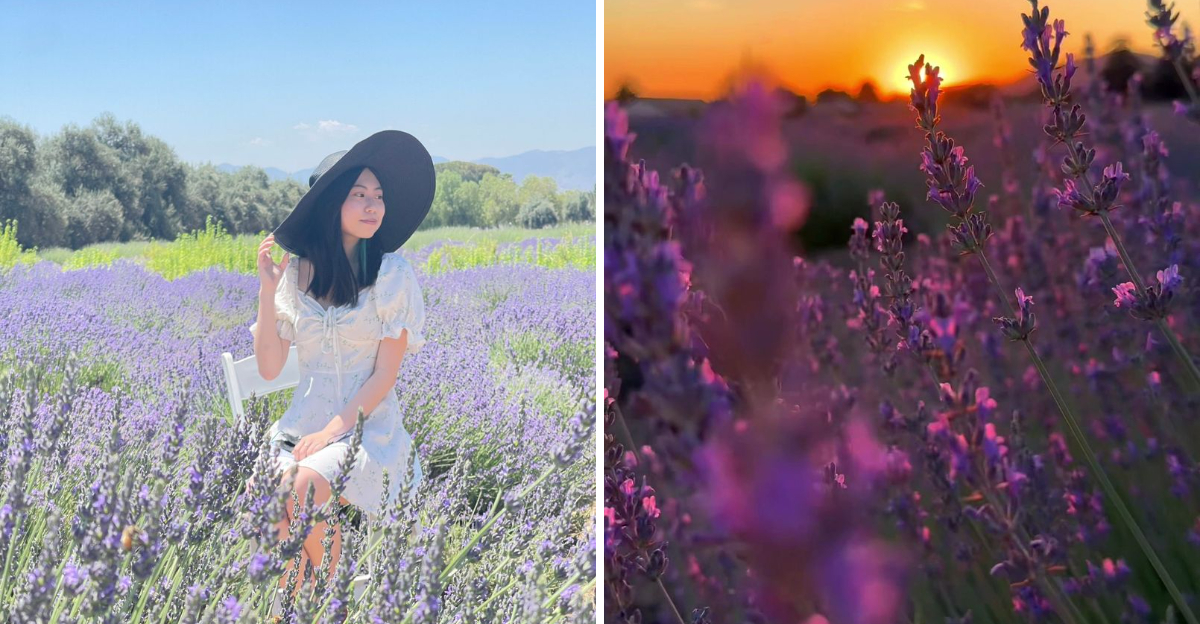
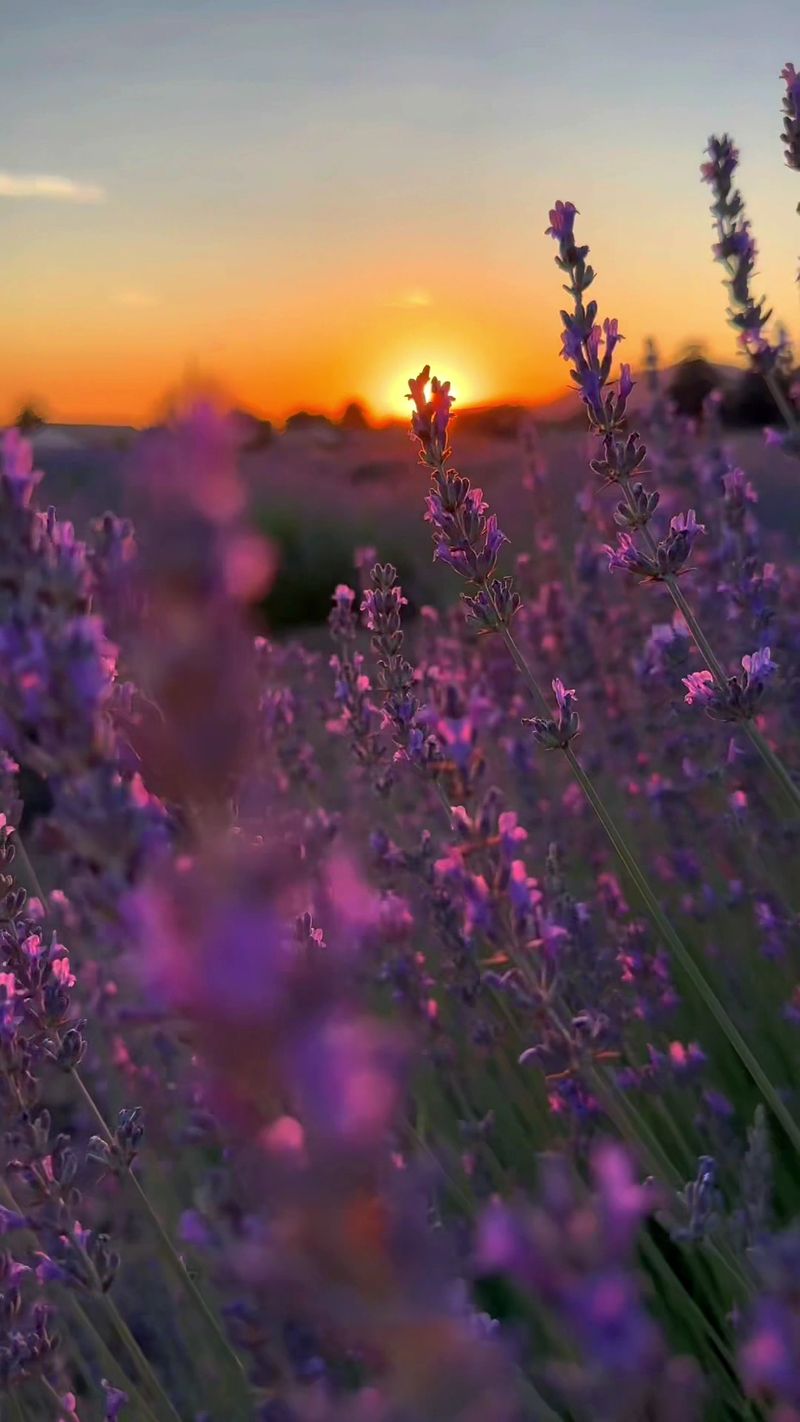
Rolling hills covered in purple blooms create one of the most peaceful scenes you can find in Southern California.
Cherry Valley sits tucked away in Riverside County, where a historic property has transformed into something truly special for visitors seeking natural beauty and calm.
The 123 Farm at Highland Springs Ranch & Inn offers an experience that goes beyond typical farm visits, bringing together certified organic farming practices with rich local history.
Guests who make the trip discover not just lavender fields but a destination where the past meets present-day wellness culture.
The property spans thousands of acres, yet the 20 acres dedicated to organic herbs become the star attraction when lavender season arrives.
Families, photographers, and nature lovers all find reasons to return year after year.
The scent alone draws people from across the region, but the festivals, products, and peaceful atmosphere keep them coming back.
Understanding what makes this farm different helps explain why it has become such a beloved spot for those who appreciate authentic agricultural experiences.
1. Southern California’s Largest Certified Organic Lavender Operation
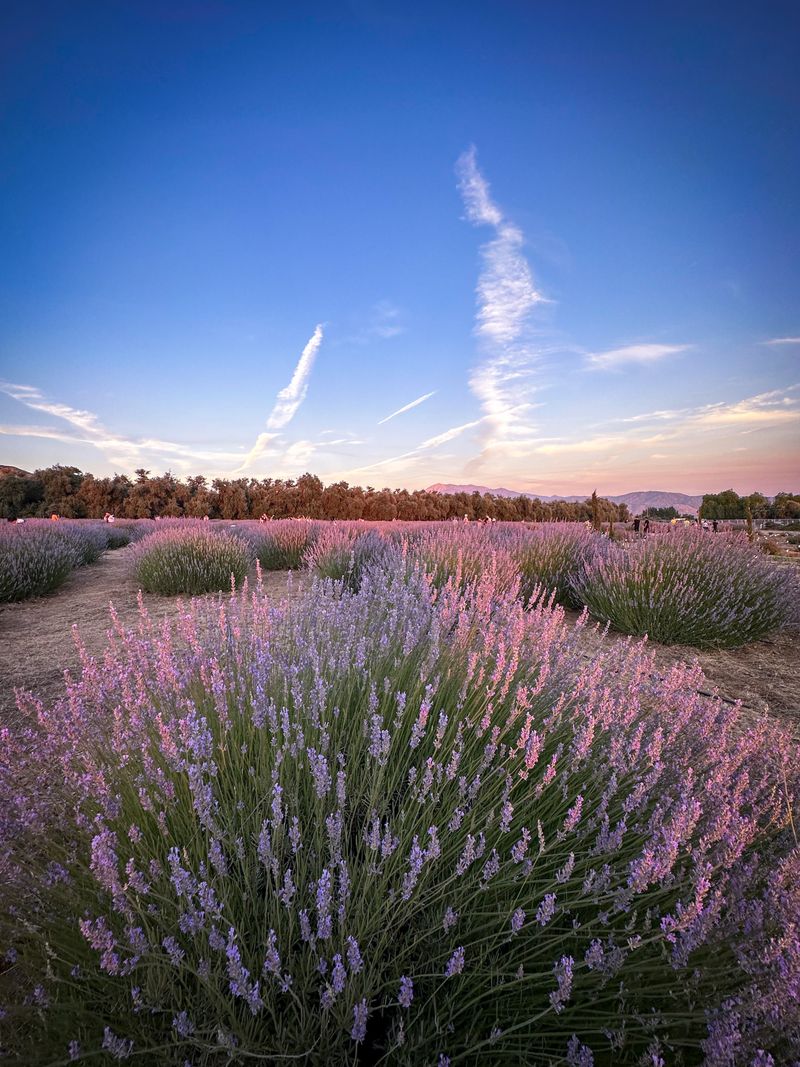
Spanning 20 full acres of carefully tended land, the lavender fields at 123 Farm hold the distinction of being the largest certified organic lavender operation in Southern California.
The California Certified Organic Farmers organization has verified the farm’s practices, meaning every plant grows without synthetic pesticides or chemical fertilizers.
Strict state and federal standards govern this certification, requiring detailed record-keeping and regular inspections.
The scale of the operation at 10600 Highland Springs Ave, Beaumont, CA 92223 becomes apparent when you see the rows of lavender stretching across the hillside.
Each plant receives individual attention during the growing season, with workers monitoring soil health and plant development.
The organic certification process takes years to complete, as the land must be free of prohibited substances for a specific period before crops can earn the designation.
Visitors often ask about the difference between organic and conventional lavender farming. The answer lies in soil management, pest control methods, and the time required to nurture healthy plants naturally.
The farm’s commitment to organic practices means the essential oils and products derived from these plants contain no chemical residues, appealing to consumers who prioritize natural wellness products.
2. Historic Property Dating Back To 1884
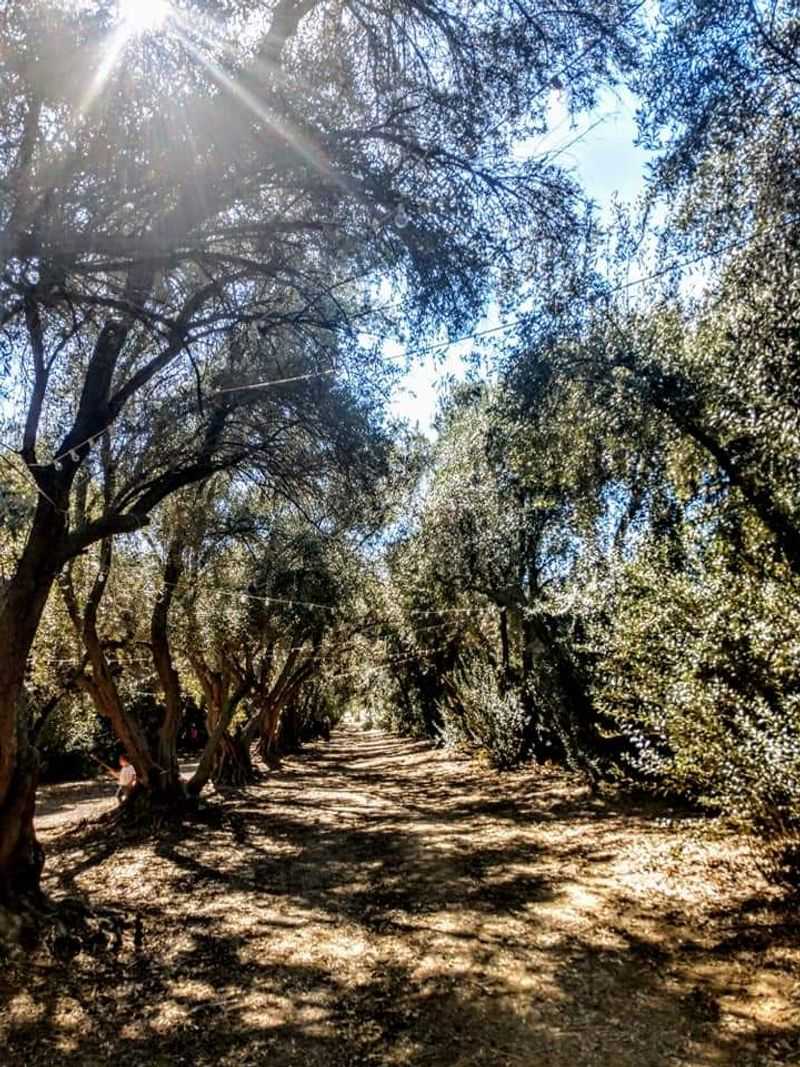
Long before lavender perfumed the air, this property served travelers along the Bradshaw Trail as a stagecoach stop beginning in 1884.
The original structures witnessed countless journeys across the desert, providing rest and supplies to those making the difficult trek through Southern California.
The land’s history runs deep, connecting modern visitors to the region’s frontier past. The 2,400-acre property transformed dramatically in 1927 when Fred and William Hirsch purchased it and established a health resort.
Their vision centered on wellness and natural healing, themes that continue today through the organic farming operations.
The resort attracted guests seeking respite from city life, drawn by the clean air and peaceful surroundings.
Walking the grounds today, you can sense the layers of history beneath your feet. The transition from stagecoach stop to health resort to lavender farm represents changing California priorities across nearly 140 years.
The property’s commitment to health and wellness has remained constant even as the methods have evolved.
Old photographs displayed at the site show how the landscape looked in different eras, helping visitors appreciate the property’s remarkable longevity and adaptation through generations.
3. Annual Lavender Festival Celebration
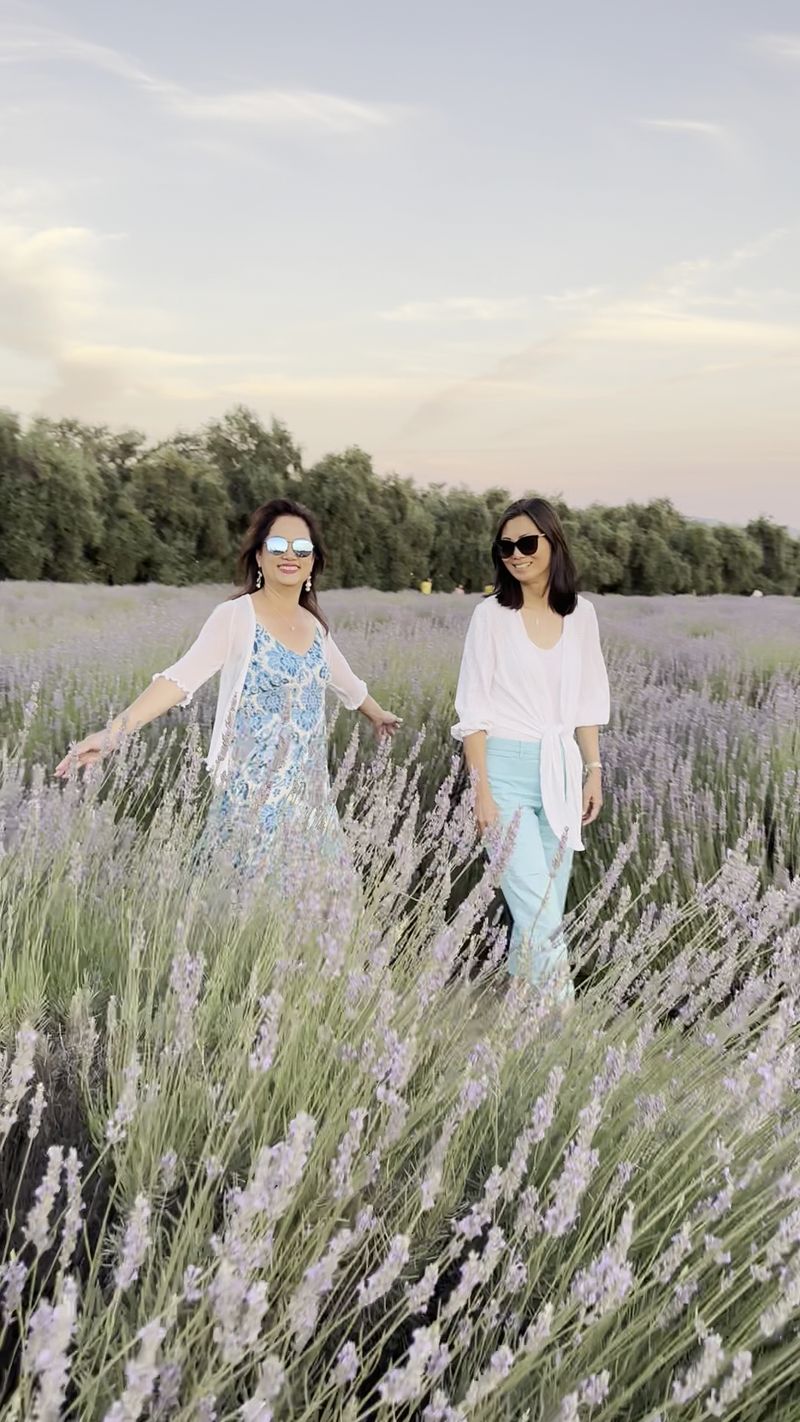
Each year when the lavender reaches peak bloom, the farm hosts its signature Lavender Festival, drawing thousands of visitors who want to experience the fields at their most spectacular.
The event features far more than just flower viewing, with lavender-inspired foods, desserts, and beverages available throughout the grounds.
Live music fills the air, creating a festive atmosphere that complements the natural beauty surrounding attendees.
Guided tractor tours take guests through the fields, offering perspectives impossible to achieve on foot.
The guides share information about lavender cultivation, harvest techniques, and the farm’s organic practices.
Children particularly enjoy the tractor rides, which provide adventure along with education about where plants and products come from.
Vendors set up booths selling lavender products ranging from soaps to sachets, giving visitors chances to take home reminders of their experience.
The festival typically runs for several weekends during peak season, with specific dates announced on the farm’s website each year.
Arriving early helps avoid the largest crowds, though the festive energy increases as more people gather.
The combination of sensory experiences makes the festival memorable for first-time visitors and regulars alike.
4. Lavender Nights Light Display
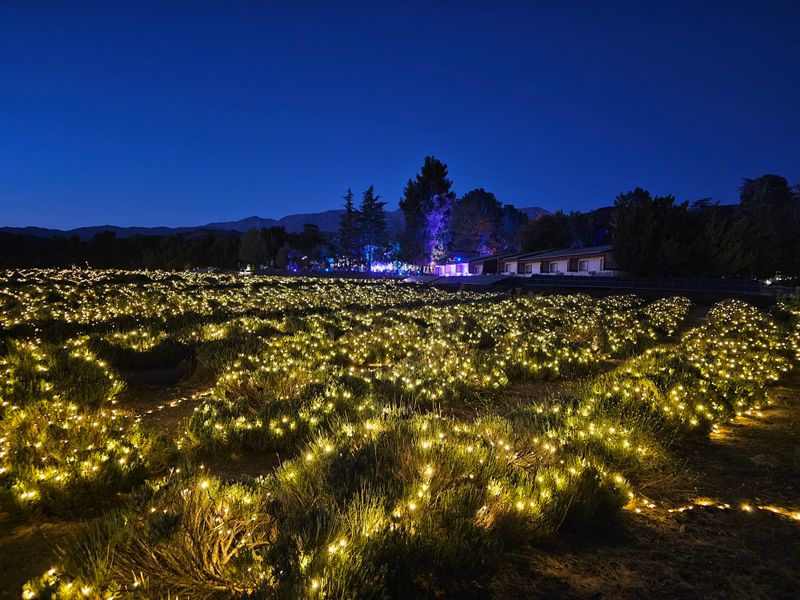
After sunset during special event periods, the lavender fields transform into something resembling a fairytale landscape when over 500,000 lights illuminate the plants and pathways.
Lavender Nights represents the farm’s creative approach to extending the visitor experience beyond daylight hours.
The lights wind through the fields, highlighting the natural contours of the landscape while creating magical walking paths.
Families arrive as dusk settles, watching the sky darken while the lights gradually become more prominent.
The illumination doesn’t overwhelm the natural setting but rather enhances it, allowing the lavender to remain the focal point.
Photographers find endless opportunities to capture the interplay between artificial light and natural plant forms.
The event runs during specific periods announced on the farm’s calendar, typically requiring advance ticket purchases due to limited capacity.
The cooler evening temperatures make walking the fields more comfortable than midday summer visits.
Children often express wonder at seeing the familiar daytime landscape transformed into something entirely different after dark.
The experience combines the farm’s agricultural mission with entertainment, creating memories that differ significantly from typical daytime visits while maintaining connection to the lavender that defines the property.
5. Christmas Nights Million-Light Spectacular
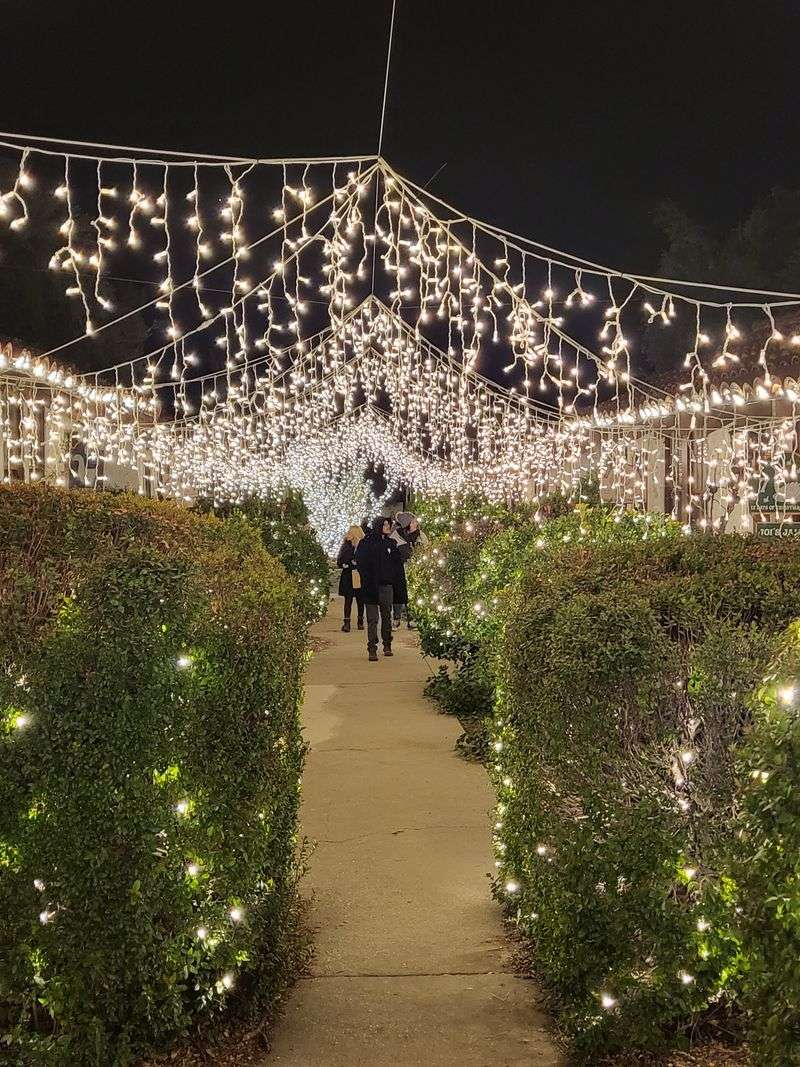
When December arrives, the farm undergoes its most dramatic transformation as more than one million lights turn the property into a holiday wonderland.
Christmas Nights builds on the Lavender Nights concept but expands the scale considerably, covering far more of the 2,400-acre property.
The display includes traditional holiday themes alongside unique installations that reflect the farm’s agricultural character.
The sheer number of lights creates an immersive experience that takes considerable time to explore fully.
Families often spend entire evenings walking the illuminated paths, discovering new displays around each turn.
The farm’s natural topography adds dimension to the light arrangements, with hills and valleys creating layers of illumination visible from various vantage points.
Seasonal treats and warm beverages add to the festive atmosphere, giving visitors reasons to pause and enjoy the surroundings.
The event has become a regional holiday tradition for many families, who return annually to see new installations and revisit favorite displays.
Advance planning proves essential, as popular dates sell out quickly.
The experience differs markedly from urban holiday light displays, with the rural setting and expansive space creating a less crowded, more contemplative atmosphere despite the spectacular visual impact.
6. Lavender-Inspired Culinary Offerings
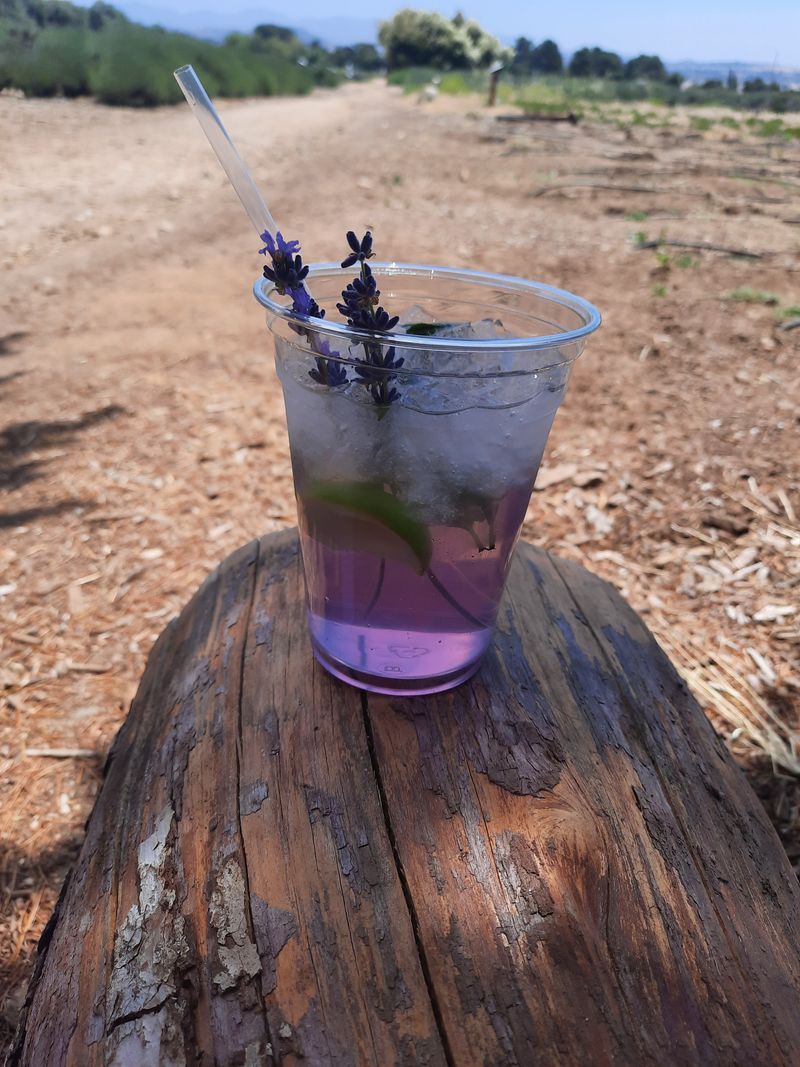
The farm’s kitchen transforms the organic lavender harvest into unexpected culinary creations that surprise visitors unfamiliar with the herb’s versatility beyond sachets and soaps.
Lavender lemonade provides refreshing relief on warm days, with the floral notes complementing the citrus tartness perfectly.
The balance requires careful measurement, as too much lavender can overwhelm other flavors, but the farm’s recipes have been refined through years of festival service.
Lavender ice cream represents another popular offering, with the purple-hued treat appealing to adventurous eaters and children curious about unusual flavors.
The cream base carries the subtle lavender essence without becoming soapy, a common problem when the herb is used improperly in desserts.
Various lavender-infused baked goods round out the menu, from cookies to cakes, each showcasing different aspects of the plant’s flavor profile.
The culinary program serves dual purposes, providing festival refreshments while educating visitors about lavender’s historical use in cooking.
European cuisines have incorporated the herb for centuries, though American palates are only recently discovering its potential.
Sampling these items during festival visits often inspires guests to experiment with lavender in their own kitchens, with dried culinary lavender available for purchase at the farm shop.
7. Organic Lavender Products And Essential Oils

The farm shop stocks an impressive range of products derived entirely from the organic lavender grown on the property, giving visitors tangible ways to bring the experience home.
Essential oils represent the most concentrated form, requiring significant plant material to produce small quantities of the pure extract.
The distillation process happens on-site, maintaining quality control from field to bottle.
Hydrosols, the water-based byproduct of essential oil distillation, offer gentler alternatives for those seeking lavender benefits without the intensity of pure oils.
These floral waters work well in linen sprays, facial toners, and room fresheners.
Dried lavender bundles provide decorative options while maintaining the scent for months when properly stored.
The organic certification extends to all products, assuring customers that no synthetic chemicals touched the plants at any growth stage.
This matters particularly for items applied to skin or used in aromatherapy, where purity directly impacts effectiveness and safety.
The farm’s vertical integration means they control every production step, from planting to packaging.
Staff members can explain product differences and suggest appropriate uses, helping first-time buyers navigate the options.
The products serve as revenue sources supporting the farm’s continued organic operations while allowing customers to support sustainable agriculture practices through their purchases.
8. Twenty-Acre Organic Herb Garden Beyond Lavender
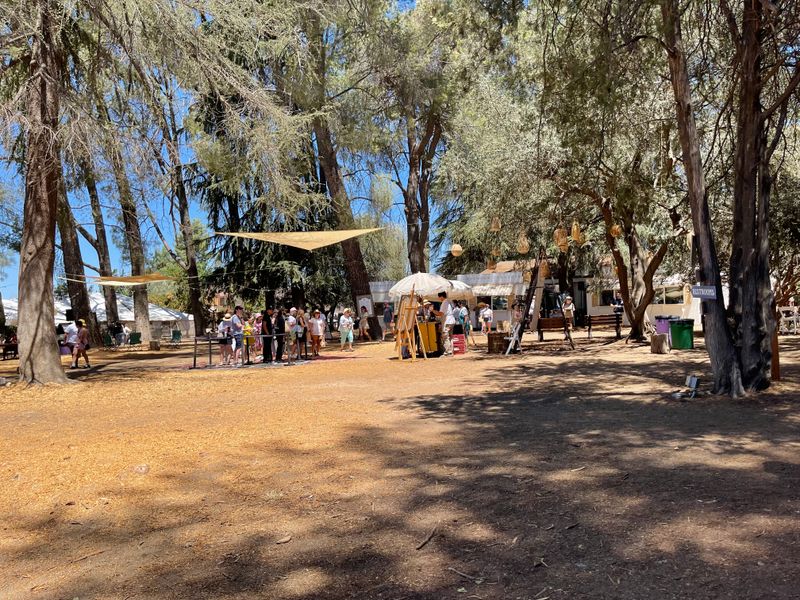
While lavender dominates the landscape and conversation, the 20 certified organic acres actually contain numerous herb varieties that support the farm’s wellness mission.
The diversified planting approach reflects both agricultural wisdom and market demand, with different herbs thriving in the microclimate conditions across the property.
Some herbs prefer slightly different soil compositions or sun exposure, allowing the farm to maximize production across varied terrain.
The herb garden produces raw materials for various products sold in the farm shop, from teas to tinctures.
Growing multiple species also supports beneficial insect populations, creating a more balanced ecosystem that reduces pest pressure naturally.
This polyculture approach aligns with organic farming principles, which emphasize working with natural systems rather than against them.
Visitors interested in herbal medicine or cooking find the diversity fascinating, often discovering plants they’ve only encountered dried in stores.
Seeing herbs growing in their natural state provides context that enhances appreciation for plant-based products.
The farm occasionally offers educational programs about herb cultivation and uses, though these vary by season and should be confirmed through their website.
The commitment to organic herb production positions the farm as more than just a lavender destination, though the purple fields understandably receive the most attention and photographic focus from casual visitors.
9. Accessibility And Visitor Considerations
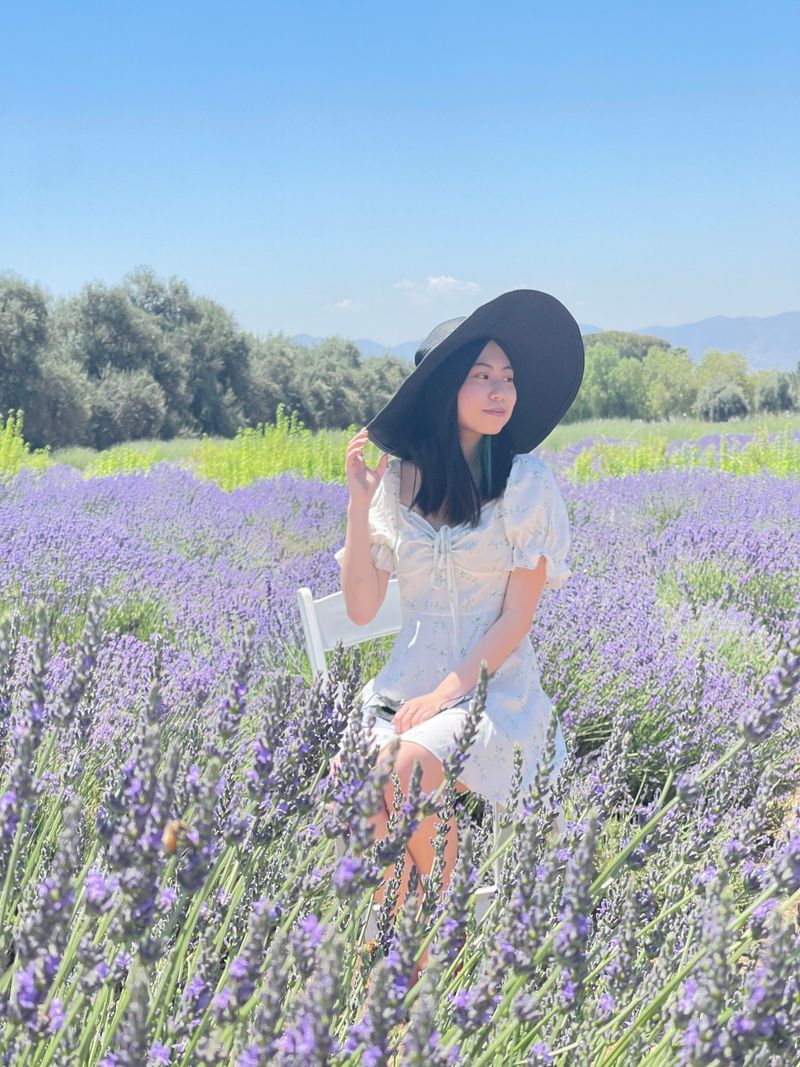
Planning a visit requires understanding certain property characteristics that affect mobility and comfort for all guests.
The farm maintains its natural, rustic character, which means pathways through the fields consist of packed earth rather than paved surfaces.
Uneven terrain poses challenges for guests using wheelchairs or walkers, with some areas essentially inaccessible to those with mobility limitations.
The farm’s policy prohibits pets on the property, a rule protecting both animals and visitors during crowded festival periods.
The restriction also prevents disturbances to the working agricultural environment and reduces potential conflicts between animals.
Service animals receive different consideration, though visitors should confirm current policies when planning trips.
Weather conditions significantly impact visit comfort, with summer temperatures in Cherry Valley reaching levels that challenge unprepared guests.
Shade remains limited in the open fields, making sun protection essential through hats, appropriate clothing, and timing visits for cooler morning or evening hours.
The farm’s website provides specific information about current conditions and accessibility features.
Understanding these limitations before arriving prevents disappointment and allows visitors to plan appropriately.
The natural, working farm environment creates the authentic experience many seek, though it means accommodations differ from highly developed tourist attractions with extensive accessibility infrastructure.
10. Location In Cherry Valley And Regional Context
Cherry Valley occupies the northwestern edge of San Gorgonio Pass in Riverside County, positioned where desert and mountain environments meet.
The census-designated place recorded 6,509 residents in 2020, maintaining its small-town character despite growth in surrounding areas.
The location provides relatively easy access from major population centers while preserving the rural atmosphere essential to the farm experience.
The elevation and climate create ideal conditions for lavender cultivation, with hot, dry summers and mild winters mimicking the Mediterranean environments where lavender originates.
The San Gorgonio Pass creates wind patterns that help prevent moisture-related plant diseases while keeping summer evenings more comfortable than lower desert elevations.
The surrounding landscape offers dramatic backdrops for farm photography, with mountains visible in multiple directions.
Reaching the farm requires driving through Cherry Valley’s quiet roads, past orchards and rural properties that represent the area’s agricultural heritage.
The journey itself prepares visitors for the slower pace they’ll encounter at the farm.
The location’s relative remoteness compared to urban centers means less ambient light pollution, enhancing the impact of the Lavender Nights and Christmas Nights displays.
The regional context matters because it shapes both the farm’s operations and the visitor experience in ways that would be impossible in more developed areas.