These 14 California Beach Towns Are The Most Beautiful Escapes To Visit In 2026
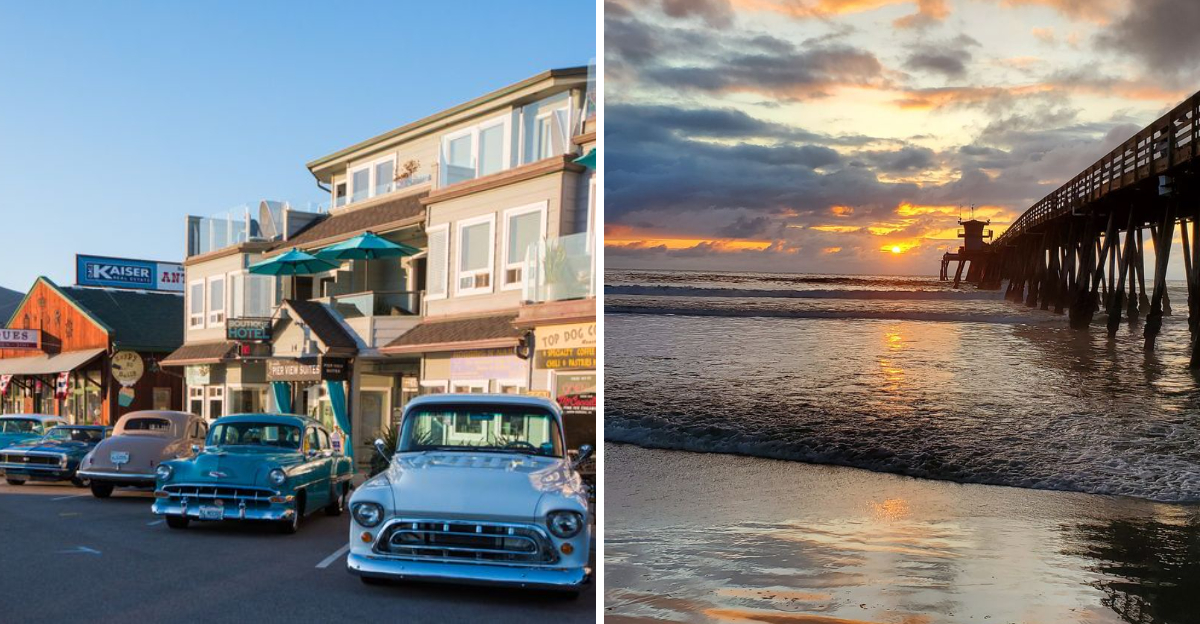
California’s coastline doesn’t just stretch for miles – it shifts moods with every curve of the highway. There are misty beach towns where redwoods lean toward the ocean and waves crash beneath rugged cliffs.
There are sun-soaked stretches where palm trees sway over golden sand and the air smells faintly of salt and sunscreen.
Some towns feel windswept and cinematic. Others feel like summer never quite ended. But the real pull isn’t just the scenery. It’s the harbor where fishing boats rock at dusk.
The café with ocean views that makes you linger longer than planned. The quiet side streets where charming cottages sit just steps from the shore.
These are the kinds of places that feel discovered rather than visited – where a simple weekend trip turns into something you start daydreaming about long after you leave.
A California coastal escape isn’t about checking off beaches. It’s about finding the town that feels like it’s been waiting for you. And along this stretch of Pacific shoreline, there are more of those towns than most people realize.
1. Trinidad
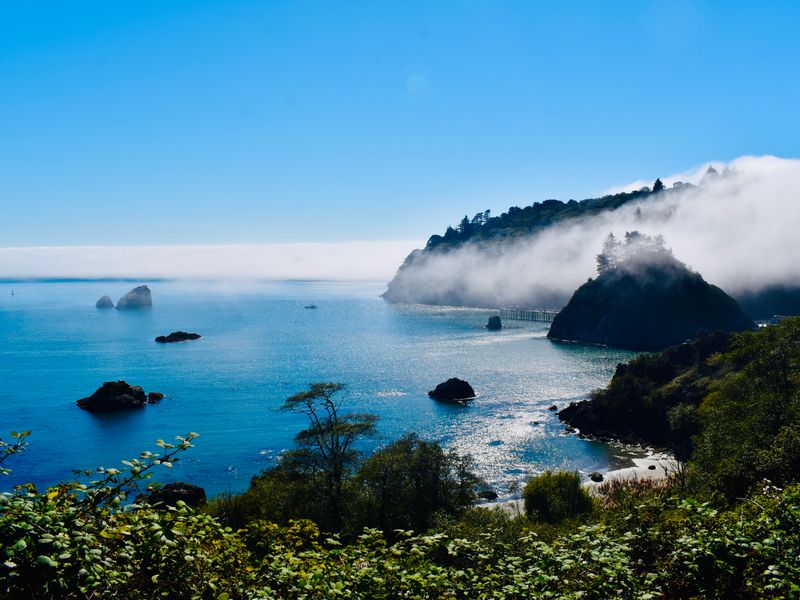
Perched on coastal bluffs in northern California, Trinidad offers dramatic ocean views and a pace that feels worlds away from busy city life.
The town sits where redwood forests descend toward rocky shores, creating a landscape that shifts between towering trees and windswept beaches within minutes.
Morning fog often wraps around the harbor before giving way to clear afternoon skies. Trinidad State Beach provides access to tide pools teeming with sea stars, anemones, and small crabs during low tide.
The beach stretches below steep cliffs, and the walk down involves uneven terrain that rewards visitors with relative solitude compared to more accessible coastal spots.
Sound carries differently here, with waves echoing against rock formations and seabirds calling overhead.
Trinidad Head Trail loops around the peninsula, offering elevated views of the coastline and occasional whale sightings during migration seasons.
The path includes some steep sections but remains manageable for most fitness levels. Parking near the trailhead fills quickly on summer weekends, making weekday visits more practical for those seeking quieter exploration.
The small downtown area clusters around Trinidad Bay, where a working harbor still supports local fishing operations.
A handful of shops and eateries serve visitors without overwhelming the town’s residential character, maintaining the quiet atmosphere that defines this northern coastal community.
2. Point Reyes Station
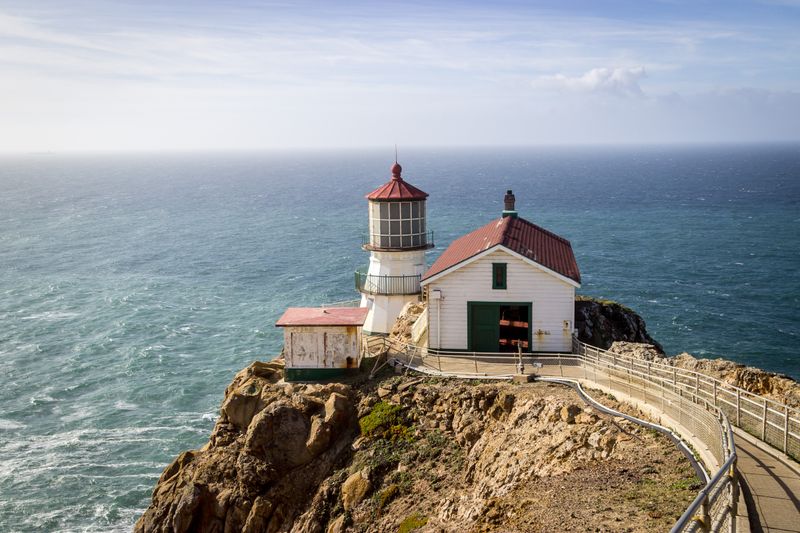
Point Reyes Station serves as the gateway community to Point Reyes National Seashore, sitting inland just far enough to catch morning sunshine while coastal areas remain fog-covered.
The town stretches along Highway 1, with historic buildings housing galleries, bookshops, and farm-to-table restaurants that reflect the area’s agricultural heritage.
Weekends bring steady visitor traffic, but the town never feels crowded due to its spread-out layout. Local businesses emphasize regional products, from Marin County cheeses to oysters harvested from nearby Tomales Bay.
Several spots offer outdoor seating where conversation flows easily and the pace encourages lingering over meals. Service tends toward friendly without being rushed, matching the overall rhythm of the community.
The surrounding landscape consists of rolling hills dotted with dairy farms and ranches, creating pastoral views that contrast with the wild coastline just miles away.
Driving toward the shore reveals dramatic changes in scenery, from golden grasslands to windswept beaches and rocky headlands.
Point Reyes Lighthouse sits at the peninsula’s tip, requiring a steep staircase descent that proves challenging but worthwhile for those able to manage it.
Visiting during weekdays reduces competition for parking at popular trailheads within the National Seashore.
The town itself maintains consistent hours year-round, though some businesses reduce their schedules during winter months when tourism naturally decreases.
3. Bodega Bay
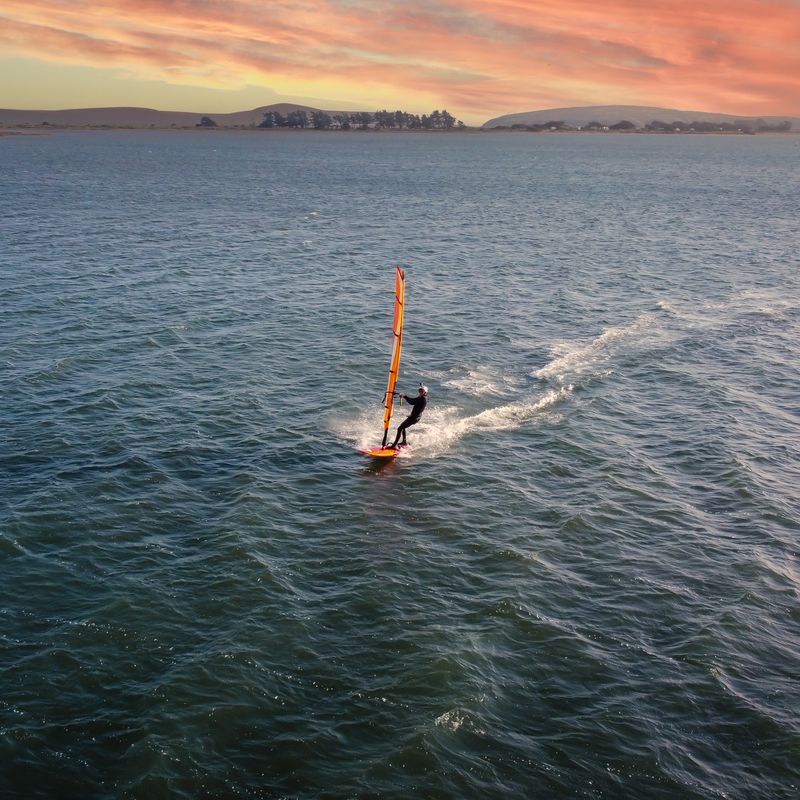
Bodega Bay curves along protected waters where fishing boats bob at their moorings and harbor seals sometimes surface near the docks.
The bay opens to the Pacific through a narrow channel, creating calmer conditions than the exposed beaches just beyond the headlands.
Commercial fishing remains active here, lending authenticity to the maritime atmosphere that defines the town.
Doran Regional Park extends along a sandy spit separating the bay from open ocean, offering beach access on both sides depending on wind conditions and wave activity.
Families often prefer the bay side for its gentler waters, while the ocean side attracts those seeking a more dramatic coastal experience.
Picnic areas throughout the park provide tables and basic facilities, though wind can make outdoor dining challenging on blustery days.
Bodega Head rises at the bay’s northern edge, with trails winding across grassy bluffs that drop steeply to rocky shores below.
Spring wildflowers blanket the headland, and whale watching proves excellent from various viewpoints along the trail network.
The exposed location means layers become essential, as temperatures can shift noticeably within hours.
Downtown Bodega Bay clusters around the harbor, where restaurants serve fresh seafood and shops cater to both locals and visitors.
The town expands during summer months when vacation rentals fill, but retains a working-community feel year-round due to its ongoing fishing industry.
4. Bolinas
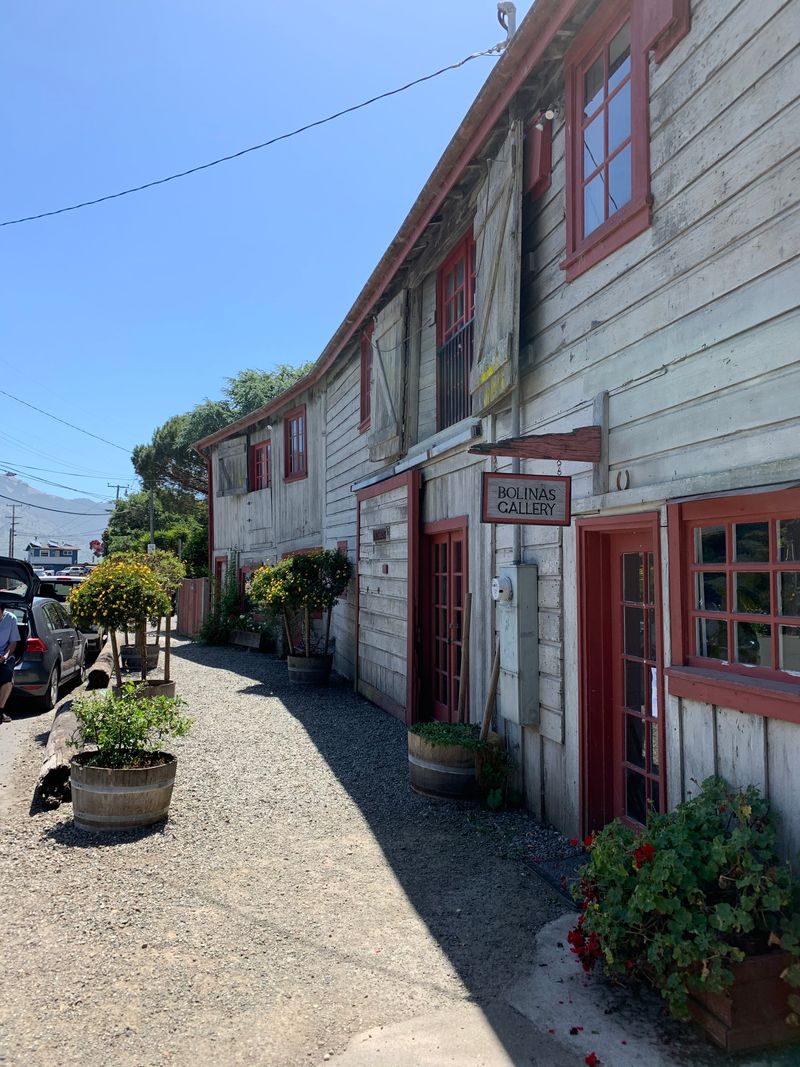
Bolinas maintains a deliberately low profile, with residents famously removing highway signs pointing toward their town to discourage excessive tourism.
The community sits on a narrow strip of land between Bolinas Lagoon and the Pacific Ocean, creating a geography that naturally limits development and preserves the area’s quiet character.
Reaching Bolinas requires attention to directions, as the lack of signage makes finding the turnoff from Highway 1 genuinely challenging for first-time visitors.
Agate Beach stretches along the ocean side, where driftwood logs scatter across dark sand and tide pools appear during low water.
The beach sees consistent surf that attracts local surfers but creates conditions less suitable for casual swimming.
Walking the shoreline provides plenty of space for beachcombing, with sea glass and interesting stones washing up regularly.
The lagoon side offers completely different scenery, with calm waters that attract shorebirds and provide habitat for various marine species.
Kayaking proves popular here when conditions allow, though launching requires coordination with tides and awareness of private property boundaries along the shore.
Bolinas town center consists of a small collection of businesses serving primarily local needs rather than tourist traffic.
The general store stocks basics, and a community museum documents the area’s history, but visitors should not expect extensive shopping or dining options.
This limitation reflects the town’s intentional approach to maintaining its character rather than expanding for tourism purposes.
5. Pacifica
Pacifica spreads along several miles of coastline just south of San Francisco, making it one of the most accessible beach towns for day trips from the city.
The town encompasses multiple beach areas, each with distinct characteristics ranging from the protected cove at Rockaway Beach to the more exposed conditions at Linda Mar.
Highway 1 runs directly through town, with ocean views visible from many stretches of the road. Linda Mar Beach attracts surfers year-round, with gentle waves that suit beginners learning the sport.
Surf schools operate here regularly, and the beach parking lot fills quickly on sunny weekends when both locals and visitors arrive for lessons or practice sessions.
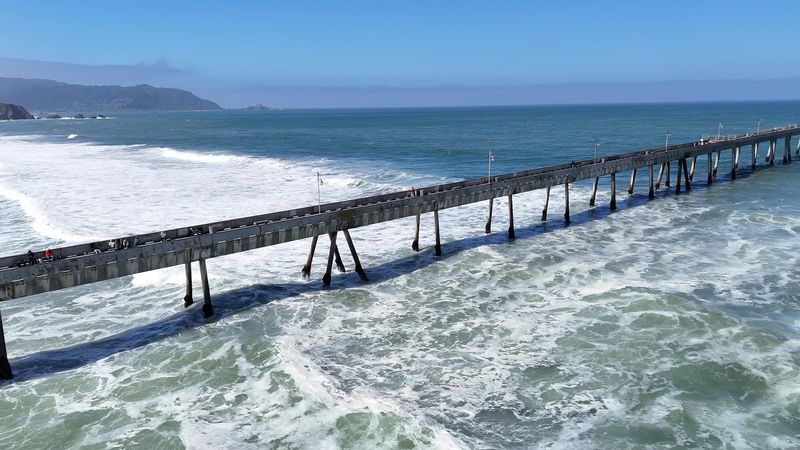
The beach itself extends wide at low tide, providing ample space even when crowds gather. Pacifica Pier extends into the ocean at Sharp Park Beach, popular for fishing and evening strolls when sunset colors reflect across the water.
The pier includes basic facilities and lighting for those who fish after dark, though winter storms occasionally force temporary closures for repairs.
Walking to the pier’s end provides perspective on the coastline stretching both north and south. The town’s commercial areas cluster along Highway 1 and Palmetto Avenue, offering practical services alongside restaurants and shops.
Fog often lingers here even when inland areas see sunshine, creating cooler temperatures that require appropriate layering regardless of the season.
6. Moss Beach
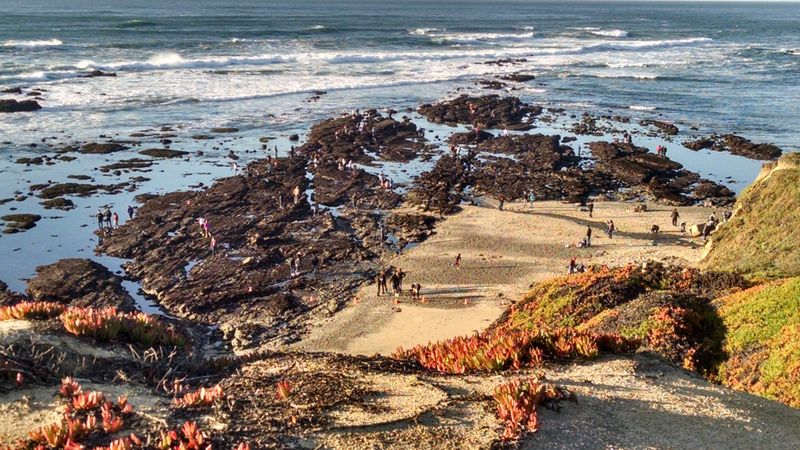
Moss Beach occupies a quiet stretch of San Mateo County coastline between Pacifica and Half Moon Bay, known primarily for the Fitzgerald Marine Reserve that protects its extensive tide pool ecosystems.
The reserve attracts marine biology enthusiasts and families exploring intertidal zones during minus tides, when normally submerged areas become temporarily accessible.
Ranger-led walks occur regularly, providing educational context for the diverse species living among the rocks.
The reserve enforces strict rules protecting marine life, including prohibitions on removing any creatures or disturbing habitat.
These regulations maintain the area’s ecological health while allowing respectful observation and photography.
Visiting during designated low tides proves essential, as higher water levels cover the tide pools completely and eliminate the opportunity to explore them safely.
Moss Beach itself remains primarily residential, with limited commercial development beyond a few restaurants and small businesses.
The Distillery restaurant sits perched above the ocean, housed in a building with local historical significance and rumors of ghostly activity that add character to the dining experience.
The restaurant offers ocean views and a menu emphasizing seafood, though service quality can vary.
Parking for the marine reserve requires attention to posted regulations, as the small lot fills quickly during popular low-tide windows.
Street parking provides alternatives but involves longer walks to reach the beach access points. The coastal trail system connects various access points, allowing for extended walks along the bluffs above the shoreline.
7. Capitola
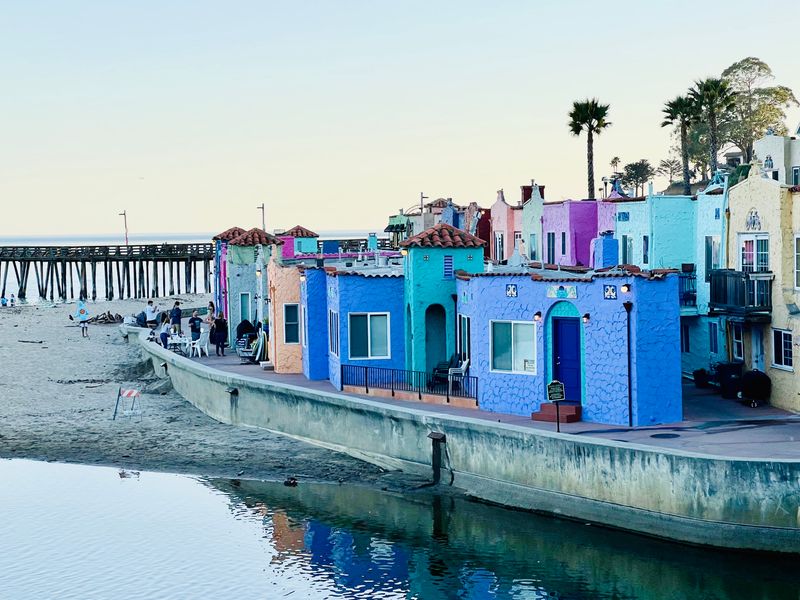
Capitola Village clusters around a small beach cove where the Soquel Creek meets Monterey Bay, creating a protected swimming area that attracts families throughout summer months.
Brightly painted cottages line the beachfront, their vibrant colors reflecting a Mediterranean-inspired aesthetic that has defined the village’s appearance for decades.
The compact downtown area extends just a few blocks, making the entire village easily walkable. Capitola Beach itself remains relatively small, with sand that disappears during high tides and winter storms.
Summer brings calmer conditions and warmer water temperatures compared to more exposed beaches along the coast.
The esplanade running behind the beach provides a pleasant walking path, with benches facing the water and shops opening directly onto the pedestrian area.
The Capitola Wharf extends into the bay, offering fishing opportunities and elevated views back toward the colorful village. The wharf includes a restaurant at its end, providing dining with water views on three sides.
Sunset timing varies throughout the year, but the wharf orientation makes it a consistent spot for watching the changing light across the bay.
Parking challenges define the Capitola experience during peak season, with the limited spaces filling early on sunny days.
The village operates a small parking lot, and street parking requires careful attention to time limits and permit zones.
Visiting during weekday mornings or off-season months significantly improves parking availability and reduces overall crowding throughout the village.
8. Cambria
Cambria sits along the Central Coast between Big Sur and San Luis Obispo, divided into distinct East and West Village areas that each maintain unique character.
The West Village clusters nearer the ocean, with art galleries, antique shops, and restaurants occupying historic buildings along Main Street.
Pine trees throughout the area create a forested feel unusual for California beach towns, contributing to the community’s distinctive atmosphere.
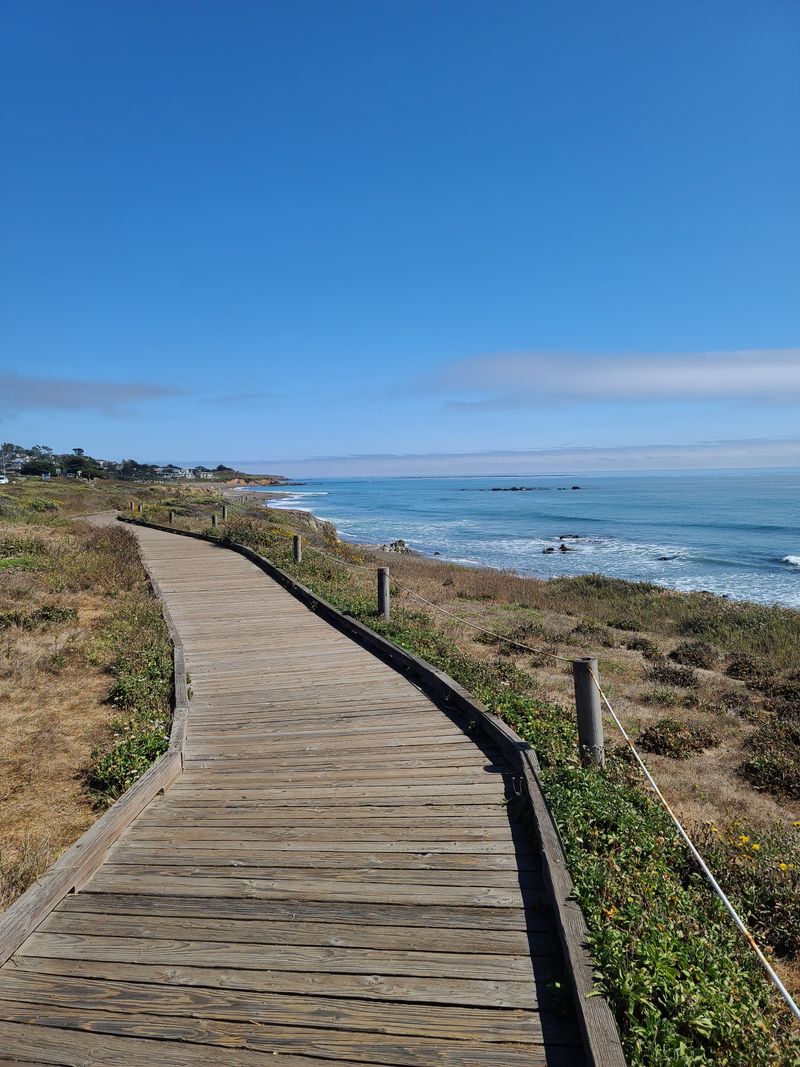
Moonstone Beach draws visitors with its boardwalk trail running along coastal bluffs above a rocky shoreline. The path extends for about a mile, relatively flat and accessible for various mobility levels.
Benches placed at intervals provide rest spots with ocean views, and the beach below becomes accessible via wooden staircases at several points.
Smooth stones polished by wave action give the beach its name, and searching for them remains a popular activity.
The East Village offers a more residential feel with additional shops and services spread along a different section of Main Street.
Nitt Witt Ridge, an unusual house constructed from found materials over several decades, sits in the East Village and offers tours that reveal the builder’s eccentric vision.
The structure’s quirky nature provides a contrast to Cambria’s otherwise refined aesthetic.
Lodging options range from historic inns to modern hotels, with many properties offering ocean views from elevated positions above the shoreline.
Cambria serves as a convenient base for visiting Hearst Castle, located just north of town, though the beach community itself provides enough interest for a dedicated visit.
9. Gualala
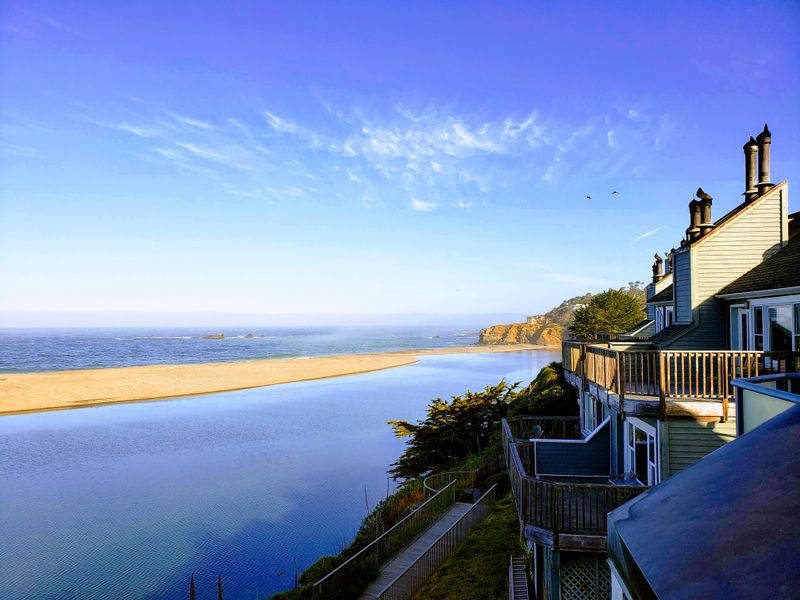
Gualala marks the boundary between Sonoma and Mendocino Counties, positioned where the Gualala River flows into the Pacific Ocean.
The town serves as a service center for the surrounding rural area, with a small commercial district providing necessities for both residents and travelers along Highway 1.
Redwood forests approach close to the coast here, creating a landscape where tall trees and ocean views exist in close proximity.
Gualala Point Regional Park protects the area around the river mouth, offering camping, beach access, and trail systems through varied terrain.
The river creates a protected area for kayaking when ocean conditions prove too rough for launching, and the beach extends both north and south from the river entrance.
Driftwood accumulates in impressive quantities, and the combination of river and ocean creates dynamic conditions that change with tides and seasons.
The bluff trail within the park provides elevated ocean views and connects to the beach via a steep path requiring careful footing.
Wildlife sightings occur regularly, with harbor seals often visible near the river mouth and various seabirds working the shoreline.
The park campground offers sites in forested areas, providing shelter from coastal winds while maintaining proximity to beach access.
Gualala’s commercial center includes a grocery store, several restaurants, and shops selling local art and crafts.
The town functions primarily as a practical stop rather than a tourist destination, though its location makes it a logical base for exploring the southern Mendocino coast.
10. Shelter Cove
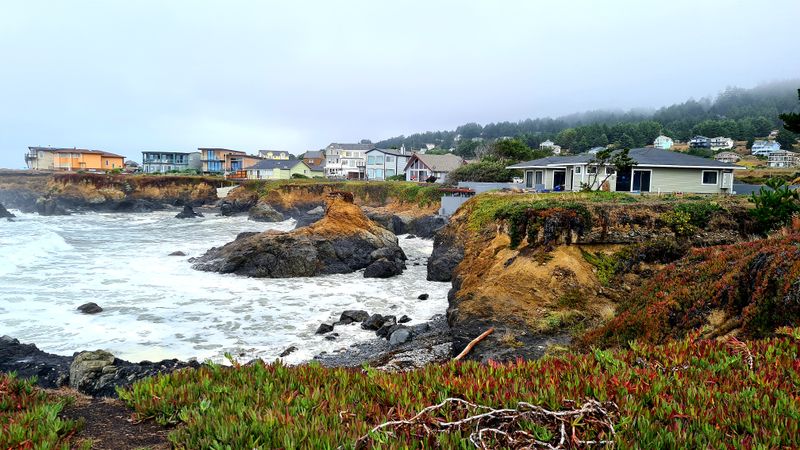
Shelter Cove occupies an isolated position along the Lost Coast, accessible only via a winding mountain road that climbs over the King Range before descending to the ocean.
The remote location means the community remains small and services stay limited, with no chain businesses and only essential amenities available.
Black sand beaches stretch along the cove, created by the erosion of local rock formations and providing a stark contrast to the typical golden sand found elsewhere in California.
The Lost Coast Trail begins near Shelter Cove, offering one of California’s most challenging coastal backpacking experiences.
The trail traverses roadless wilderness where steep mountains drop directly into the Pacific, creating scenery that remains largely unchanged from its natural state.
Day hiking options exist for those not attempting the full trail, though even short sections involve significant elevation changes and uneven terrain.
Shelter Cove’s airstrip serves as a notable feature, providing access for small aircraft and creating an unusual sight with planes landing near the beach.
The airport remains operational year-round, though weather conditions can affect its usability. A small marina accommodates boats, and fishing remains a primary activity for both locals and visitors.
Accommodations consist primarily of vacation rentals and a small inn, with advance booking essential during summer months when the limited options fill quickly.
Groceries and supplies require planning, as the general store stocks basics but not extensive selections.
The isolation defines much of Shelter Cove’s appeal, attracting those specifically seeking distance from urban areas and typical tourist infrastructure.
11. Cayucos
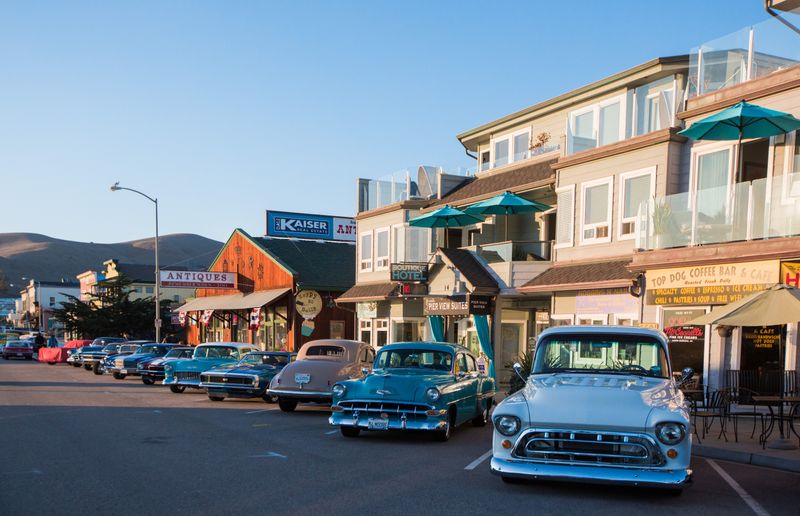
Cayucos maintains a relaxed beach town atmosphere along the Central Coast, with a historic downtown stretching just a few blocks from Highway 1 to the beach.
The town’s wooden pier extends into the ocean, popular for fishing and providing a focal point for the beachfront area.
Buildings along Ocean Avenue retain their historic character, housing antique shops, casual restaurants, and businesses serving both locals and visitors without excessive tourist orientation.
Cayucos State Beach provides wide stretches of sand suitable for various activities, from surfing to beach walks and simple relaxation.
The beach faces northwest, creating conditions that vary significantly based on swell direction and wind patterns.
Summer typically brings calmer conditions, while winter storms generate larger waves that attract experienced surfers.
The beach extends far enough that finding personal space rarely proves difficult, even during busier periods.
The Sea Glass Museum occupies a small storefront downtown, displaying collections of beach-found glass organized by color and origin.
The museum operates on limited hours and charges a modest admission, offering a brief but interesting diversion for those curious about the art and science of sea glass.
The collection includes pieces from various locations worldwide alongside local finds. Cayucos lacks the extensive dining and shopping options found in larger coastal towns, but this limitation contributes to its unhurried character.
The town attracts visitors seeking a quieter beach experience without sacrificing basic conveniences, and its position between San Luis Obispo and Cambria makes it a practical stopping point for coastal drives.
12. Summerland
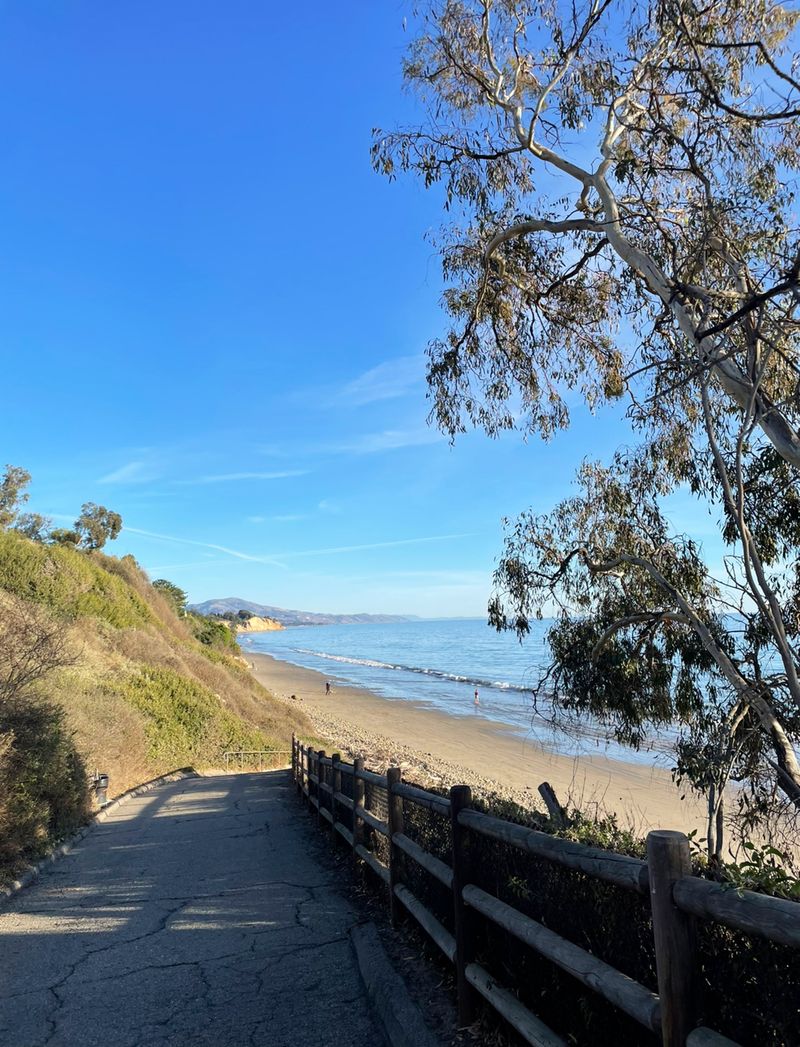
Summerland occupies a narrow strip between Highway 101 and the ocean, creating a compact community where the beach remains just steps from the main commercial area.
The town stretches along Lillie Avenue, which runs parallel to the highway and contains the majority of Summerland’s shops and restaurants.
Antique stores and boutiques dominate the commercial mix, giving the area a browsing-oriented character rather than focusing on beach activities.
Lookout Park provides the primary beach access point, with stairs descending the bluff to a narrow beach below.
The beach itself remains relatively small and often disappears during high tides, making timing important for those planning to spend time on the sand.
The park includes picnic tables and open grass areas above the beach, offering ocean views without requiring the descent to sea level.
Summerland Beach sits adjacent to an area that historically supported offshore oil platforms, with some structures still visible from shore.
This industrial history contrasts with the town’s current quiet residential character, though it provides context for understanding the region’s development.
The beach attracts locals more than tourists, maintaining a neighborhood feel even during summer months.
Parking along Lillie Avenue operates on a first-come basis, with spaces filling during weekend afternoons when visitors combine shopping with beach time.
The town’s small size means exploring on foot makes sense once parked, and the flat terrain keeps walking easy.
Summerland functions well as a brief stop rather than an all-day destination, offering a pleasant interlude between Santa Barbara and Carpinteria.
13. Carpinteria
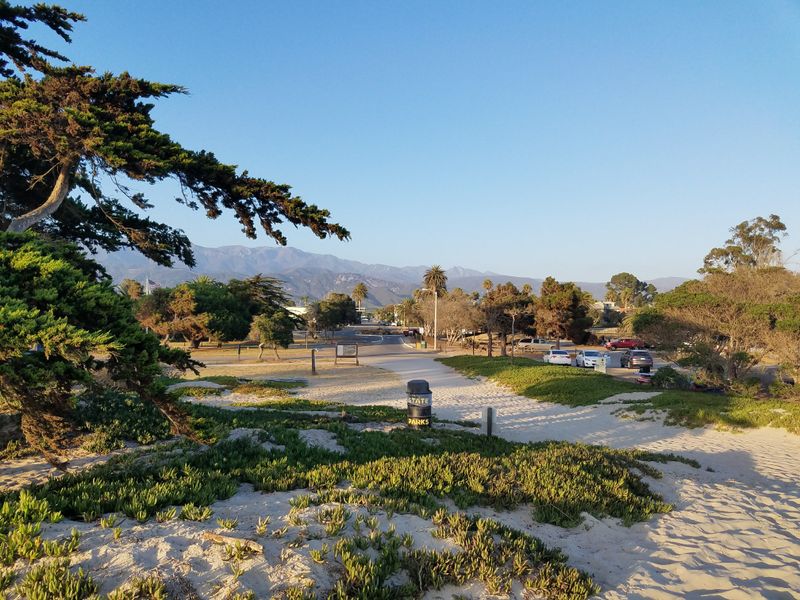
Carpinteria bills itself as the world’s safest beach, referencing the gentle wave conditions and gradual slope that create swimming conditions suitable for families with young children.
The wide sandy beach extends for about a mile, backed by Carpinteria State Beach campground and fronting relatively calm waters protected by offshore reefs.
Summer brings consistently mild conditions, while winter can generate moderate surf that still remains manageable compared to more exposed beaches.
The state beach includes full facilities with showers, restrooms, and picnic areas distributed throughout the park.
The campground offers sites within walking distance of the beach, popular with families returning year after year to the same preferred spots.
Reservations become essential for summer camping, as the desirable location keeps demand high throughout the season.
Downtown Carpinteria centers on Linden Avenue, running perpendicular to the beach and lined with local businesses including restaurants, shops, and services.
The downtown maintains an authentic small-town character, serving local needs while welcoming visitors without catering exclusively to tourism.
Thursday evening farmers markets during warmer months bring community members together and offer local produce and prepared foods.
The Carpinteria Bluffs Nature Preserve provides an alternative to beach activities, with trails running along coastal bluffs offering elevated ocean views and opportunities for spotting seals at the rookery below.
The preserve remains relatively undeveloped, emphasizing natural habitat over facilities, and connects to the beach via access points at either end of the trail system.
14. Imperial Beach
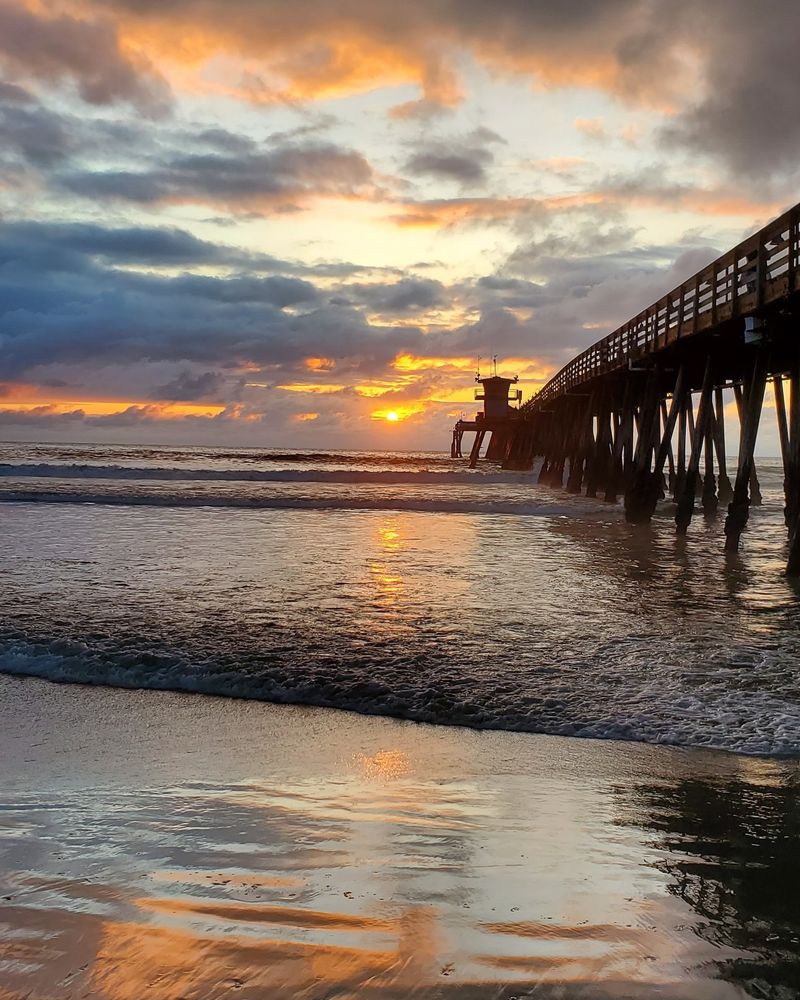
Imperial Beach occupies California’s most southwestern position, sitting just north of the Mexican border and serving as San Diego County’s southernmost beach community.
The town maintains a decidedly local character despite its proximity to San Diego, with a downtown area along Palm Avenue that reflects a working-class community rather than a tourist resort.
The beach itself extends wide and flat, popular with surfers and families seeking less crowded conditions than found at better-known San Diego beaches.
The Imperial Beach Pier stretches nearly a quarter mile into the Pacific, providing fishing access and views back toward the distinctive Coronado Islands visible offshore.
The pier underwent reconstruction in recent years, improving its condition while maintaining its historic role as a community gathering place.
Sunset views from the pier can be striking, with the western horizon unobstructed and often displaying dramatic color.
The summer event draws significant crowds and transforms the typically quiet beach into a festive scene for several days.
Outside of special events, the beach sees steady local use without overwhelming visitor numbers.
Border Field State Park sits at the beach’s southern end, where the international border meets the ocean and a fence extends into the surf.
The park provides a stark reminder of the geopolitical boundary while offering natural areas for walking and bird watching.
Access requires driving through the Tijuana River Valley, and visitors should check current conditions as flooding occasionally affects the area.