10 North Carolina Country Recipes Straight From Grandma’s Cookbook
Grandma’s kitchen was where magic happened, where every dish told a story of tradition and love. Her hands moved with practiced ease, creating flavors that could transport you straight to simpler times.
North Carolina’s country cooking carries that same warmth, blending smoky meats, fresh vegetables, and sweet treats into unforgettable meals. From slow-cooked collards to golden cornbread fresh from a cast-iron skillet, these recipes represent generations of Sunday suppers and family gatherings.
The Tar Heel State’s culinary heritage runs deep through every bite of tender pulled pork and flaky biscuit. These recipes capture the essence of what made Grandma’s cooking so special, bringing that same comfort to your table.
Each dish reflects the pride and patience that defines true Southern cooking at its finest. Taste the heart of North Carolina in every bite, where comfort meets tradition, straight from Grandma’s kitchen to yours.
1. Eastern North Carolina Pulled Pork BBQ
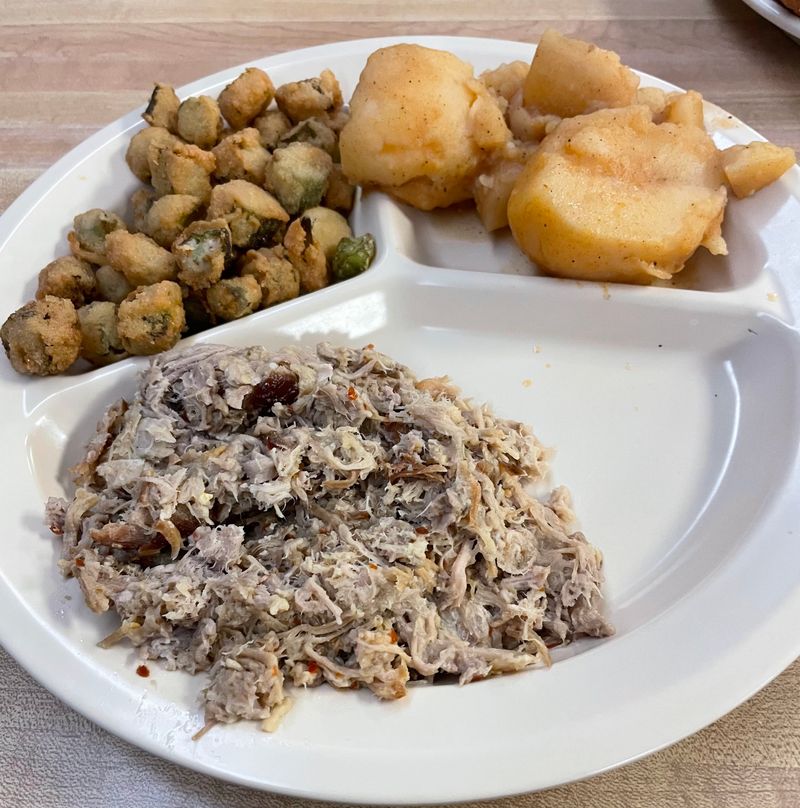
Smoke curls slowly from the pit, carrying the promise of something extraordinary taking shape over hickory coals. Eastern North Carolina pulled pork represents a culinary tradition that dates back centuries, where patience matters more than fancy ingredients.
The whole hog gets seasoned simply with salt, pepper, and time, lots of time.
What sets this version apart is the vinegar-based sauce that packs a tangy punch without overwhelming the meat. Red pepper flakes add just enough heat to wake up your taste buds while letting the pork shine through.
Grandma knew that good barbecue couldn’t be rushed, and she’d tend that fire for twelve hours or more.
The meat pulls apart with barely a touch when it’s done right, falling into tender shreds that glisten with flavor. Folks around Raleigh and beyond have been perfecting this style for generations, creating a signature taste you won’t find anywhere else.
Serve it on a soft bun with creamy coleslaw for the perfect balance of textures.
This isn’t just food; it’s edible history that connects families across time and brings communities together at every gathering.
2. Classic North Carolina Chicken And Pastry
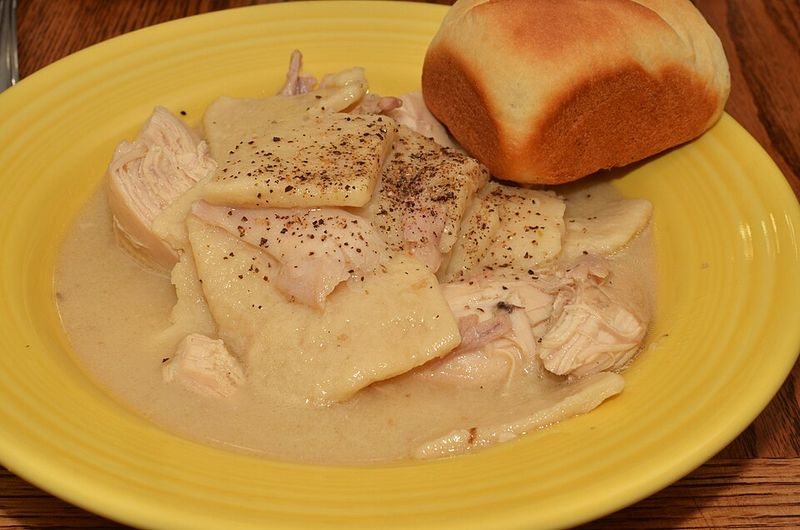
Cold winter evenings called for something that could warm you from the inside out, and chicken and pastry answered that call perfectly. Unlike its dumpling cousins, this dish features thin, hand-rolled strips of dough that swim gracefully through rich chicken broth.
The pastry absorbs all those savory flavors while maintaining a silky, tender texture that melts on your tongue.
Grandma would simmer a whole chicken until the meat practically fell from the bones, creating a broth so flavorful it needed little else. She’d roll out her dough paper-thin, cut it into strips, and drop them into that bubbling pot.
The kitchen would fill with steam and the most comforting aroma you could imagine.
This Eastern Carolina specialty represents home cooking at its finest, requiring nothing more than simple ingredients and genuine care. The key lies in achieving that perfect balance where the pastry stays tender without turning mushy or falling apart.
Each spoonful delivers chicken, silky noodles, and golden broth in harmonious combination.
Families have been gathering around bowls of this dish for Sunday suppers since before anyone can remember.
3. Sweet Potato Biscuits With Honey Butter
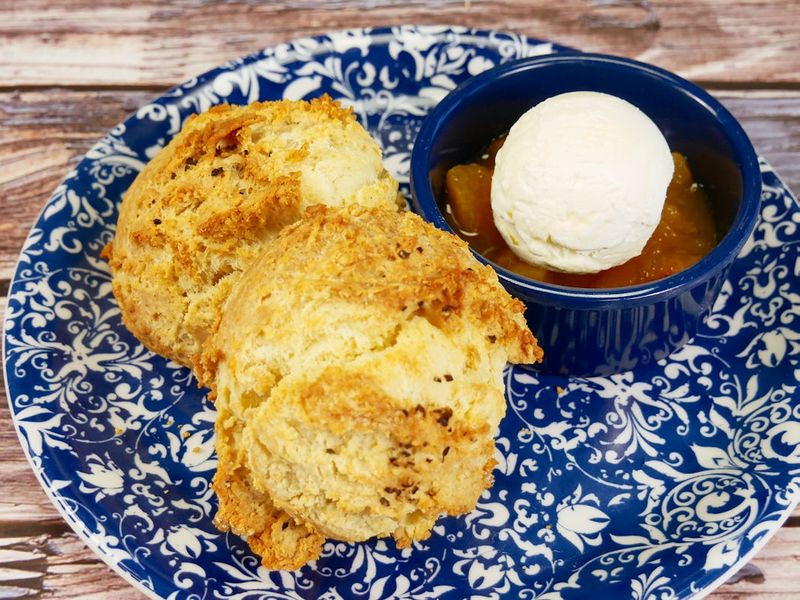
Orange-hued beauties emerge from the oven with tops that glisten like autumn sunshine, promising something special inside. Sweet potato biscuits take the traditional Southern staple and elevate it with natural sweetness and gorgeous color.
Mashed sweet potatoes blend into the dough, creating biscuits that stay incredibly moist while developing a tender, flaky crumb.
The subtle sweetness works perfectly with savory dishes but also shines when paired with whipped honey butter. Grandma would bake these for special occasions, though everyone wished she’d make them more often.
The sweet potatoes add nutrition without anyone even noticing they’re eating their vegetables.
Getting the right texture requires a gentle touch when mixing; overworking the dough results in tough biscuits that disappoint. These biscuits rise beautifully in a hot oven, developing golden tops that crack open to reveal soft, pillowy interiors.
Spread them with honey butter while they’re still warm and watch the mixture melt into every crevice.
North Carolina’s sweet potato heritage shines through in every bite, connecting modern tables to agricultural traditions that built the state. They’re equally at home alongside fried chicken or standing alone as a sweet breakfast treat.
4. Old-Fashioned Collard Greens With Ham Hock
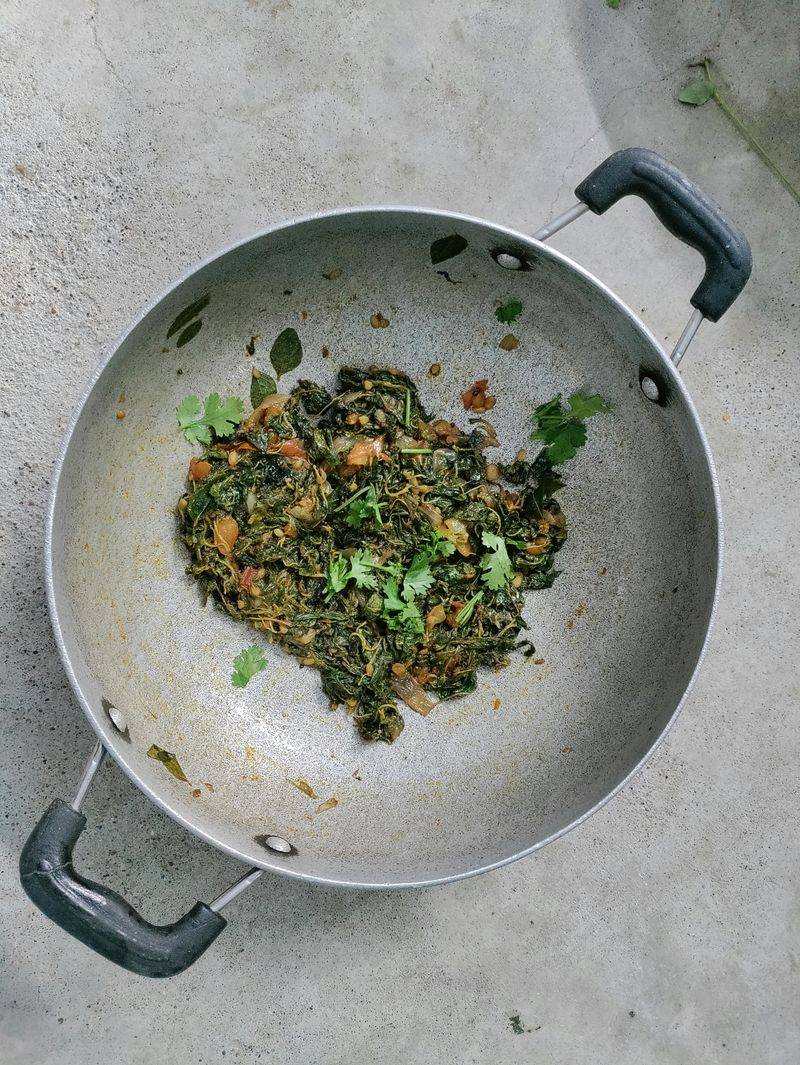
Few things say Southern cooking quite like a pot of collards simmering low and slow on the back burner. The leaves start out tough and bitter but transform into silky, savory perfection after hours of gentle cooking.
A meaty ham hock provides all the seasoning needed, infusing the greens with smoky, salty goodness that penetrates every leaf.
Grandma would trim those greens with practiced efficiency, removing tough stems and chopping the leaves into manageable ribbons. She’d add a splash of apple cider vinegar and a pinch of red pepper flakes to brighten the flavors.
The kitchen would smell amazing as those greens cooked down, reducing to a fraction of their original volume.
Patience proves essential here; rushing the process results in greens that taste harsh and feel chewy instead of tender. After three or four hours, the collards develop a deep, complex flavor that perfectly balances bitter, salty, and tangy notes.
The pot liquor left behind is pure gold, perfect for soaking up with cornbread.
This dish carries nutritional power alongside its incredible taste, providing vitamins and minerals that sustained generations of hardworking families throughout North Carolina.
5. Country Fried Pork Chops With Gravy
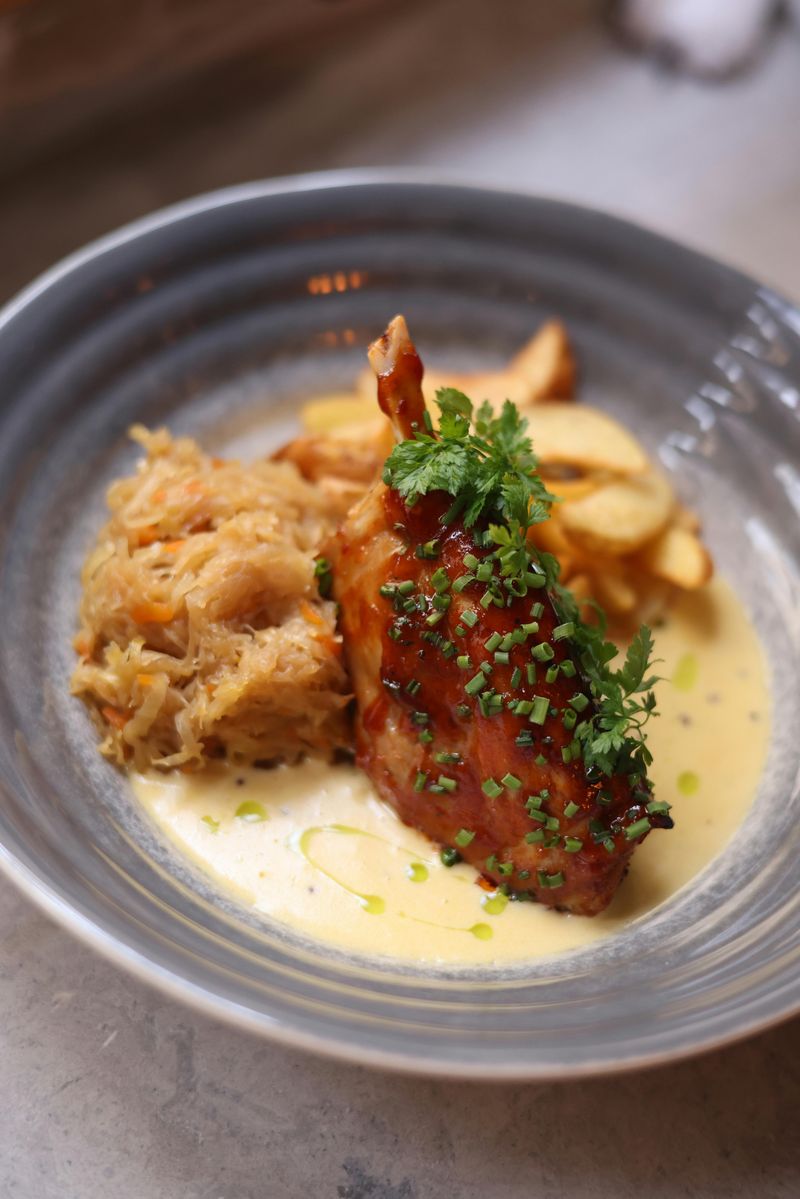
Golden breading cracks beneath your fork, revealing juicy pork that’s been transformed into pure comfort food magic. Country fried pork chops take humble cuts of meat and dress them up with a crispy coating that rivals the best fried chicken.
The secret lies in pounding the chops thin so they cook quickly and evenly while staying incredibly tender inside.
A buttermilk soak ensures the meat stays moist while helping the seasoned flour coating stick like glue. Grandma would fry these in a cast-iron skillet until they achieved that perfect deep golden color that promised maximum crunch.
The real genius comes after cooking, when she’d use those flavorful drippings to create silky cream gravy.
That gravy blankets the chops in rich, peppery goodness that begs to be sopped up with biscuits or mashed potatoes. Each bite delivers satisfying contrast between crispy exterior and tender meat, all unified by that luscious sauce.
Getting the oil temperature right makes all the difference between greasy disappointment and crispy perfection.
This dish represents Sunday dinner at its finest, bringing families together around plates piled high with flavor and love.
6. Carolina-Style Hush Puppies
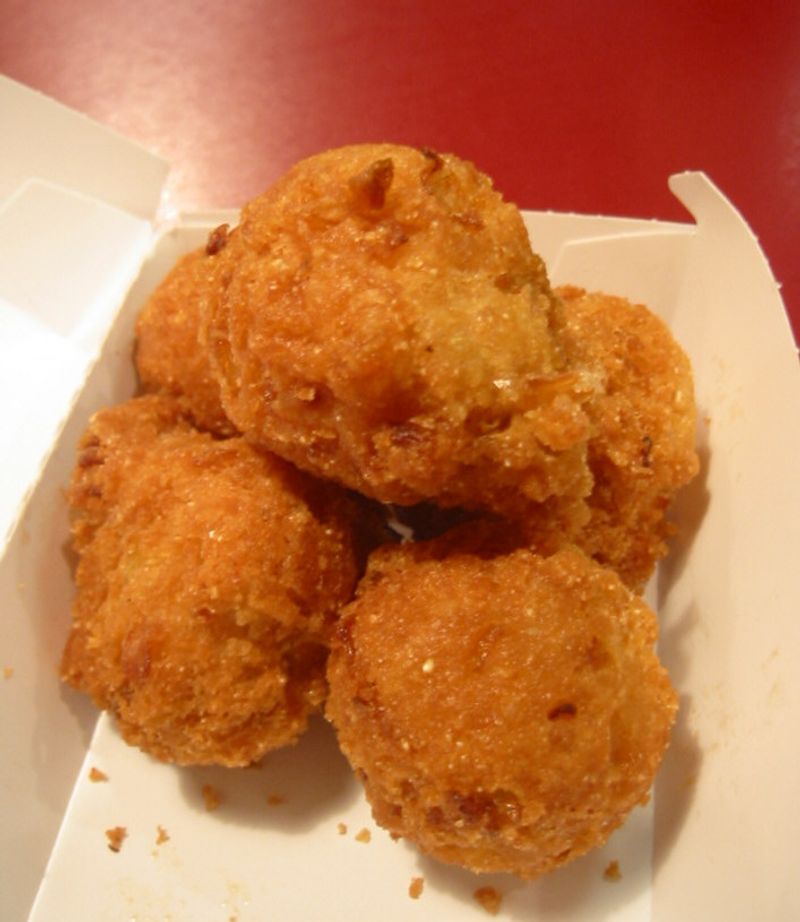
Crispy golden orbs emerge from bubbling oil, their irregular shapes hinting at the hand-rolled love that created them. Hush puppies are North Carolina’s answer to bread, perfect for soaking up barbecue sauce or eating straight from the fryer.
The batter combines cornmeal, flour, and just enough buttermilk to create a texture that’s crispy outside and tender within.
Finely diced onions add savory depth while a touch of sugar balances the corn’s natural earthiness beautifully. Grandma insisted on dropping them by hand rather than using a scoop, claiming it gave each one unique character.
The name supposedly comes from cooks tossing these treats to quiet barking dogs, though the truth likely involves less drama.
Getting the oil temperature perfect ensures they cook through without burning, developing that gorgeous mahogany color everyone loves. The best hush puppies have a slightly irregular shape with crunchy bits that stick out, providing extra texture in every bite.
They’re mandatory alongside any fish fry or barbecue spread worth its salt.
These little cornmeal gems represent the kind of simple food that becomes extraordinary through technique and tradition passed down through generations.
7. Creamy Pimento Cheese Spread
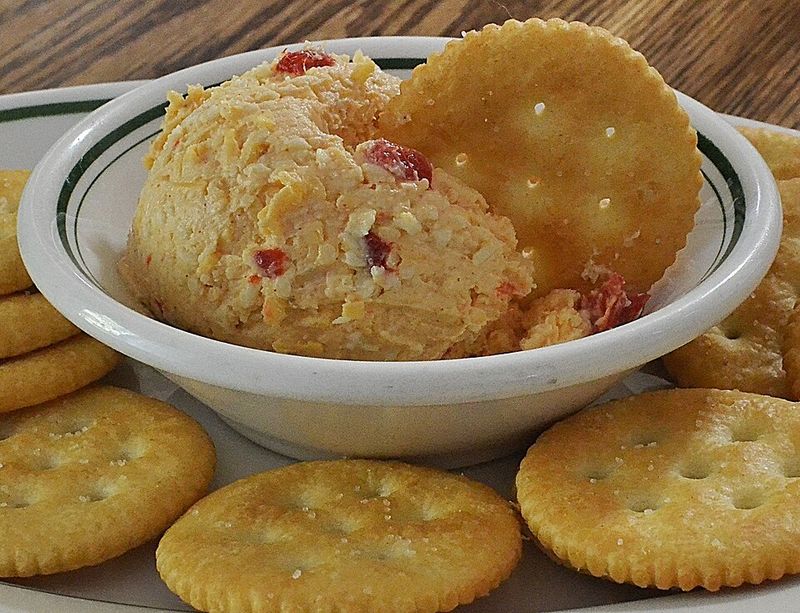
Bright red pepper pieces peek through creamy orange spread that Southerners rightfully call the pâté of the region. Pimento cheese combines sharp cheddar, mayonnaise, and those signature sweet peppers into something far greater than its simple parts.
Grandma grated her own cheese because pre-shredded versions contain additives that prevent proper melting and creaminess.
The ratio matters tremendously; too much mayo makes it soupy while too little leaves it dry and crumbly. A touch of onion powder and cayenne pepper adds depth without overwhelming the cheese’s natural sharpness.
Some families guard their pimento cheese recipes like state secrets, passing them down only to trusted relatives.
This spread works equally well slathered on crackers, stuffed into celery sticks, or melted between slices of white bread for sandwiches. The flavors improve after sitting overnight, allowing everything to meld into perfect harmony.
You’ll find it at every church potluck, family reunion, and casual gathering throughout the Carolinas.
Making it from scratch takes minutes but delivers flavor that store-bought versions can’t match, proving that simple ingredients handled properly create the best results every single time.
8. Southern Butter Beans With Bacon
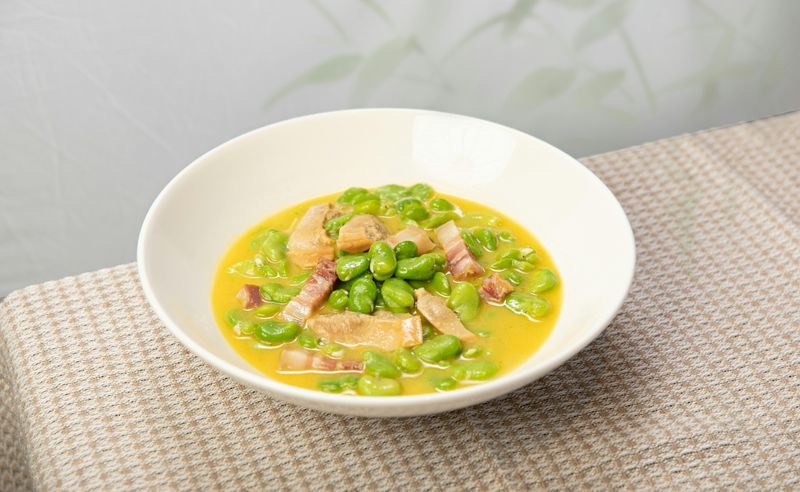
Pale green beans swim in their own creamy sauce, studded with crispy bacon that adds smoky richness to every spoonful. Butter beans earn their name honestly, developing a texture so smooth and velvety they practically melt on your tongue.
Fresh or frozen both work wonderfully, though Grandma preferred shelling fresh ones on the back porch while catching up on neighborhood news.
Bacon provides the foundation, rendering fat that becomes the cooking medium while the crispy pieces get stirred back in later. The beans simmer gently until tender, creating their own sauce from the starches they release during cooking.
A pinch of salt and pepper is all the seasoning needed when you start with quality ingredients.
These beans represent summer eating at its finest, though frozen versions extend the season year-round without sacrificing much flavor. They pair beautifully with cornbread for soaking up that delicious pot liquor that collects at the bottom.
The key is cooking them low and slow, never rushing the process that transforms firm beans into creamy perfection.
This humble side dish has graced Southern tables for generations, providing protein and comfort in equal measure to hardworking families throughout North Carolina.
9. Skillet Cornbread With Buttermilk
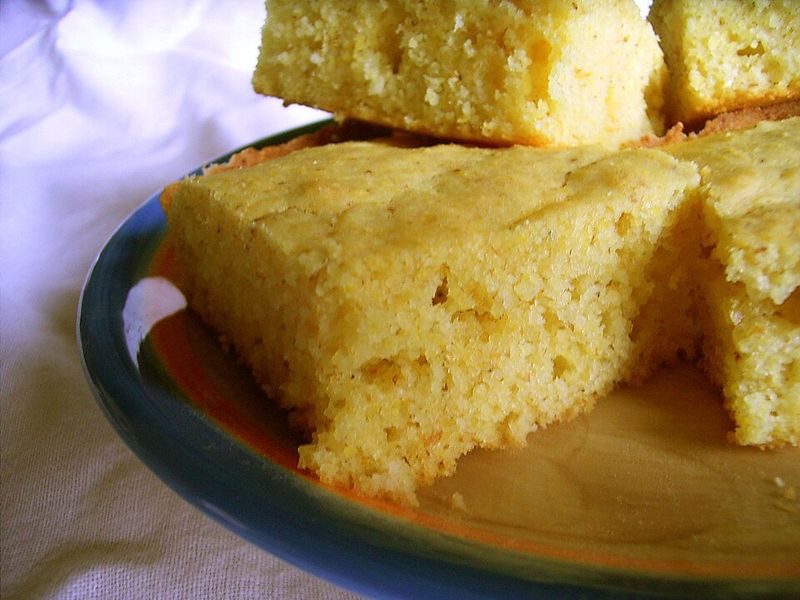
A sizzling cast-iron skillet creates the foundation for cornbread with edges so crispy they shatter at first bite. The batter hits hot oil and immediately begins forming that coveted golden crust that separates great cornbread from merely good versions.
Buttermilk provides tangy flavor while keeping the interior incredibly moist and tender despite the high heat.
Grandma preheated her skillet in the oven until smoking hot, then added bacon grease before pouring in the batter. The dramatic sizzle signaled the beginning of something special, as heat worked its magic from all directions simultaneously.
Real cornbread contains no sugar, letting the corn’s natural sweetness shine through without interference.
The ratio of cornmeal to flour determines texture; more cornmeal creates coarser, more authentic results that true Southerners prefer. Baking at high temperature ensures the cornbread cooks quickly, developing that characteristic dome top and crispy bottom.
It emerges from the oven golden and fragrant, begging to be eaten while still warm.
Perfect for soaking up pot liquor, spreading with butter, or crumbling into buttermilk for a simple supper, this cornbread represents Southern baking at its most essential and satisfying.
10. Moravian Sugar Cake
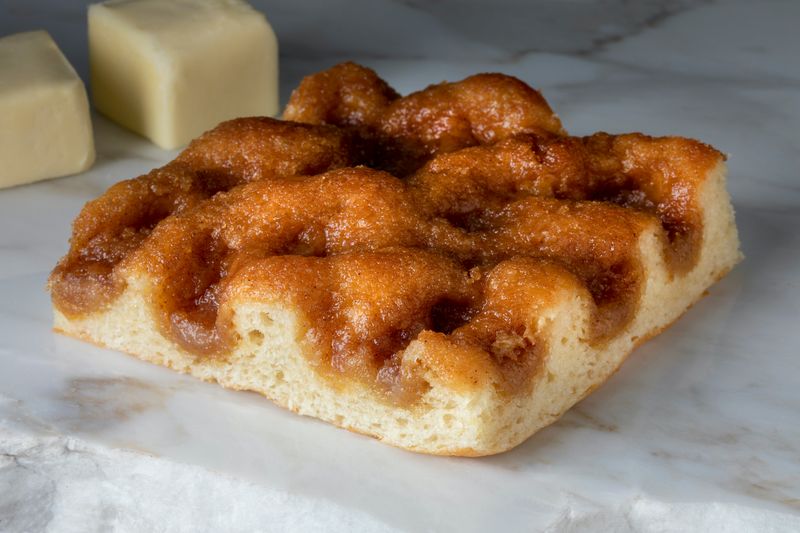
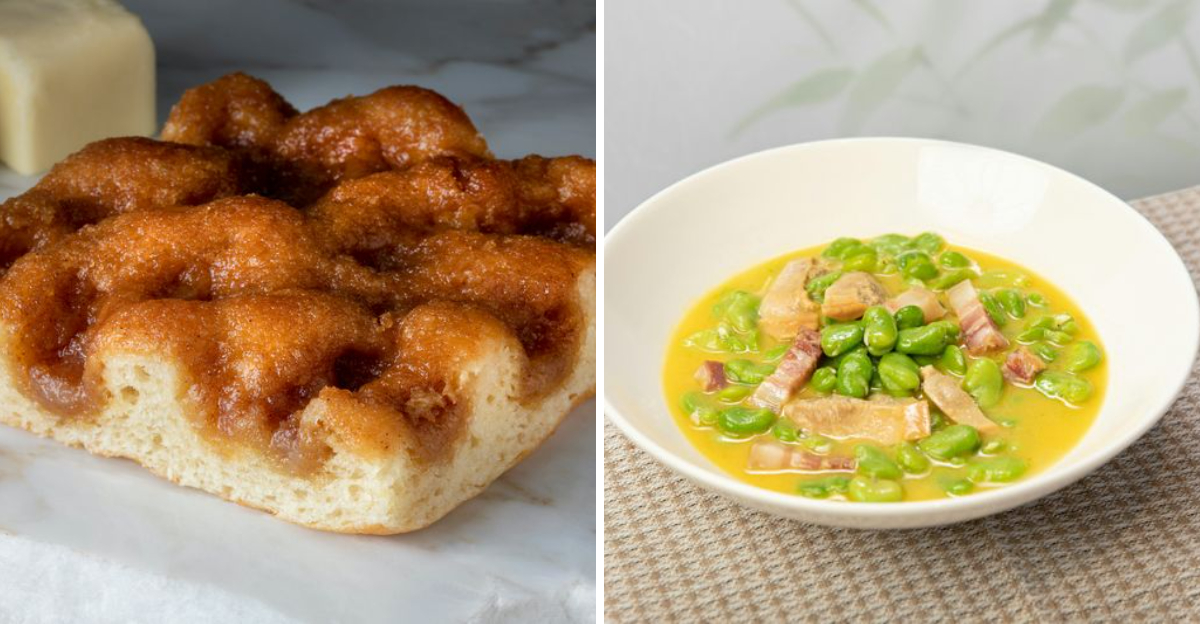
Dimples filled with brown sugar and butter dot the surface of this unique yeast cake that tastes like edible history. Moravian settlers brought this recipe to North Carolina centuries ago, creating a tradition that continues in Winston-Salem and beyond.
The dough rises slowly, developing complex flavors while achieving a texture somewhere between bread and cake.
Before baking, you press your thumb into the dough repeatedly, creating wells that get filled with cinnamon-sugar-butter mixture. As it bakes, those pockets caramelize into sweet spots that contrast beautifully with the tender cake surrounding them.
The aroma fills your kitchen with notes of cinnamon, butter, and yeast that smell like pure comfort.
This isn’t overly sweet like modern desserts; instead it offers subtle flavors that let the quality ingredients speak clearly. Traditionally served at Christmas and Easter, though no law says you can’t enjoy it year-round whenever cravings strike.
The cake tastes best slightly warm, when the sugar topping still has a bit of gooey texture.
Making Moravian sugar cake connects you to generations of bakers who carefully preserved this recipe, ensuring it survived to sweeten modern tables throughout the Carolinas.