See A Real Apollo Spacecraft And A 10K Planetarium For Free At This Hidden Atlanta Georgia Gem
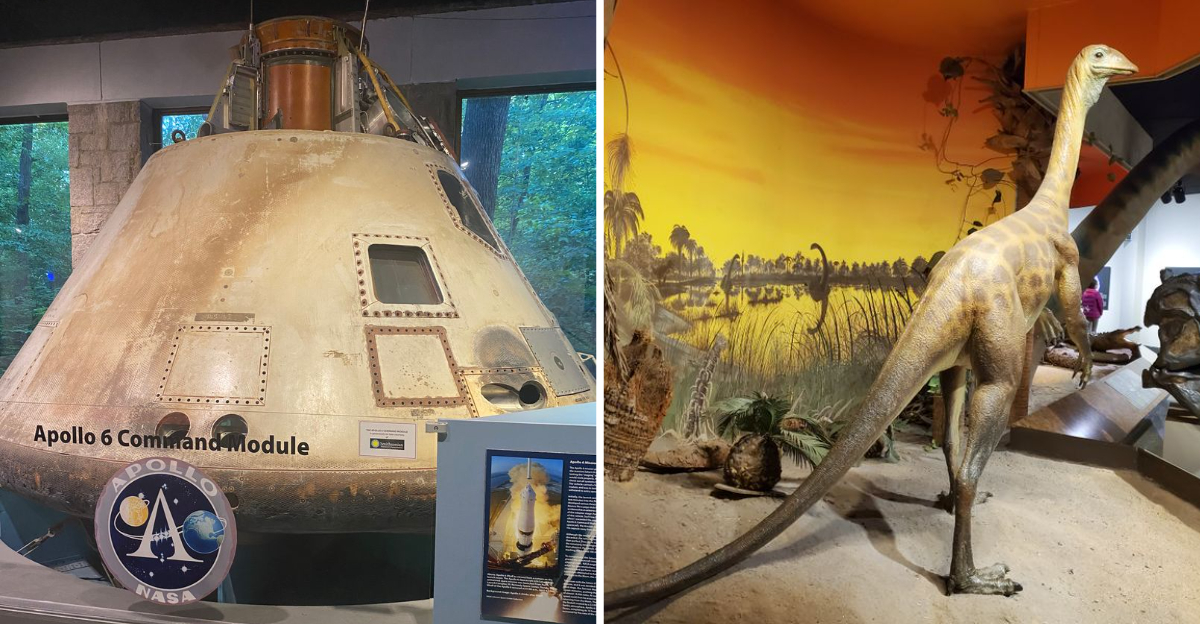
Free admission to world class science exhibits might sound too good to be true, but Fernbank Science Center in Atlanta makes it a reality. Located at 156 Heaton Park Drive NE, this educational treasure opens the door to discovery without costing visitors a dime. From the moment you step inside, curiosity takes over as interactive displays and historic artifacts invite exploration.
Space enthusiasts can dive into the story of the Apollo missions, viewing authentic equipment and learning about the breakthroughs that shaped modern space travel. The center’s planetarium and observatory add another layer of wonder, giving guests the chance to gaze at stars, planets, and distant galaxies through powerful telescopes. Natural science exhibits round out the experience, making it engaging for learners of all ages.
Whether you are a student, a family, or simply someone who loves to explore, Fernbank Science Center offers inspiration, education, and unforgettable moments completely free of charge.
1. Real Apollo Spacecraft Display
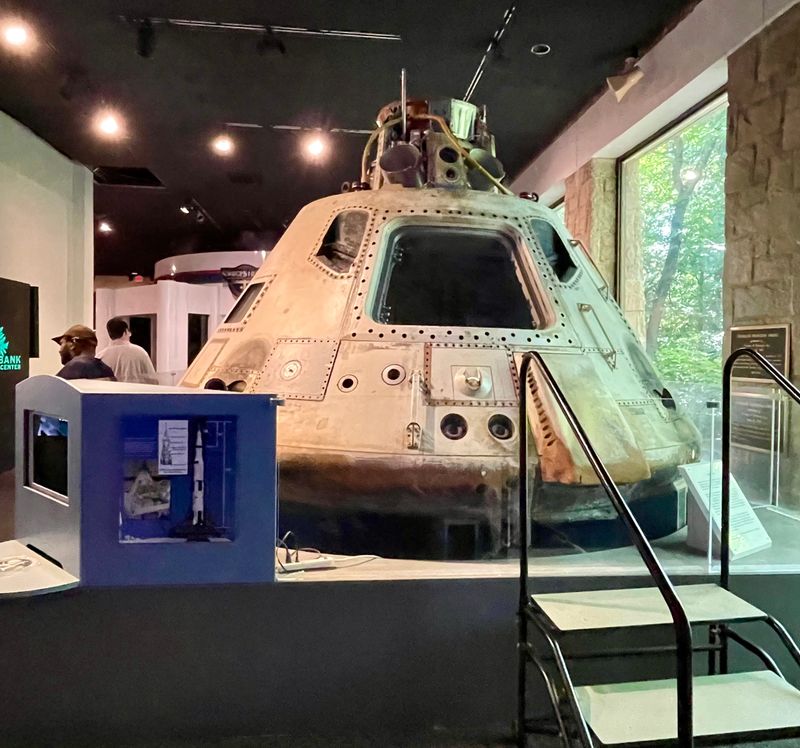
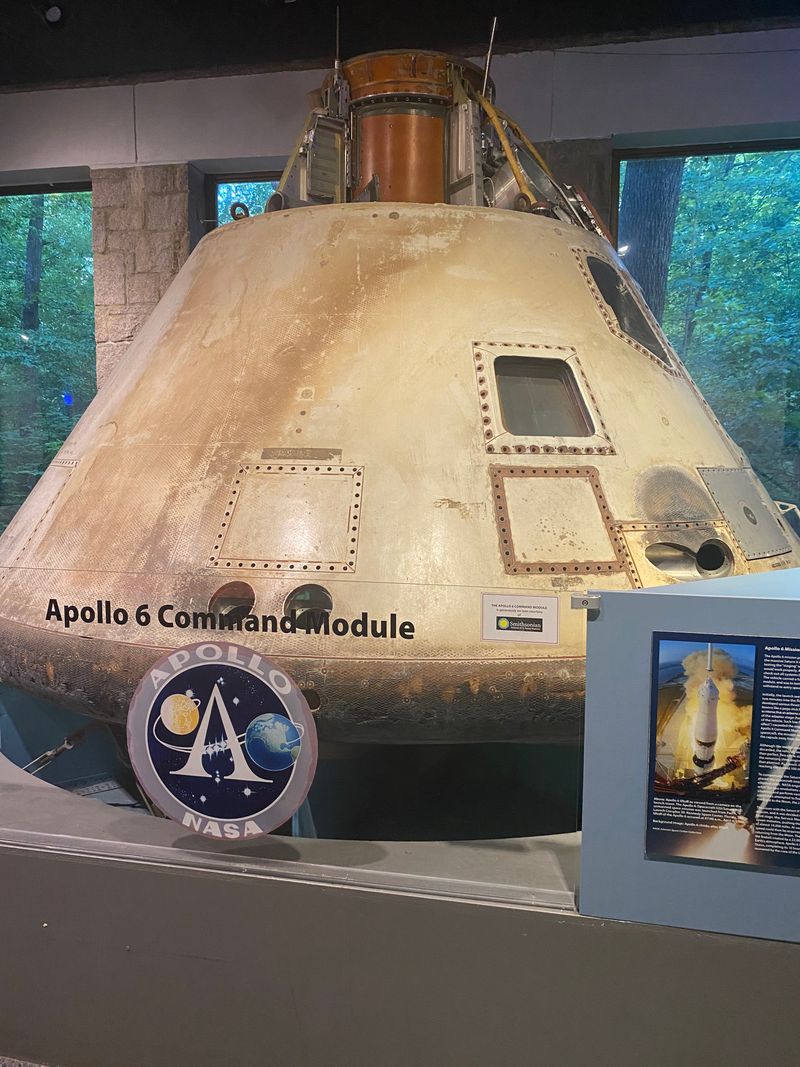
Walking up to an actual spacecraft that traveled to the moon creates an indescribable feeling. The Apollo capsule at Fernbank Science Center sits right there where you can examine every detail of its heat-scarred exterior. You’ll notice the scorch marks from re-entry and imagine the astronauts who relied on this metal shell for survival.
The exhibit includes detailed information panels explaining how the Apollo program worked. You can learn about the materials used to protect astronauts from extreme temperatures. Kids especially love comparing the capsule’s size to their own height, realizing how cramped conditions were for those brave space explorers.
Photography is encouraged, so bring your camera to capture this remarkable piece of space exploration heritage that most people only see in textbooks.
2. Free Planetarium Shows
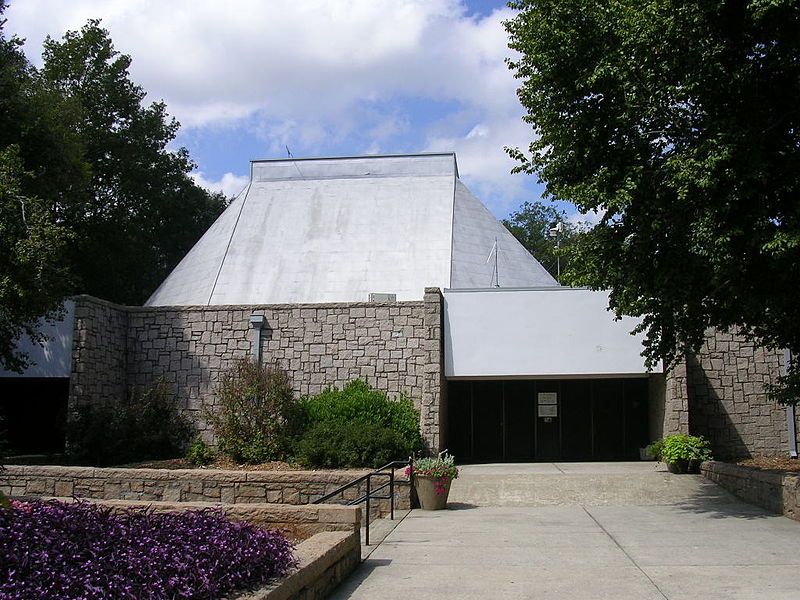
Reclining in comfortable seats while stars appear overhead transforms learning into entertainment. The planetarium at Fernbank features a sophisticated projection system that recreates the night sky with stunning accuracy. Shows run throughout the week, covering topics from constellation mythology to current astronomical discoveries.
Each presentation lasts about 45 minutes and guides you through different celestial phenomena. The narrator explains complex concepts using simple language that makes sense to everyone. You’ll discover how to find planets in the night sky and understand why stars appear to move across the heavens.
Reservations fill up quickly for weekend shows, so arriving early ensures you get seats. The dome’s immersive environment makes you feel like you’re floating through space. This experience beats any science textbook explanation because you’re seeing astronomical concepts demonstrated right above your head in three-dimensional glory.
3. Observatory with Powerful Telescopes
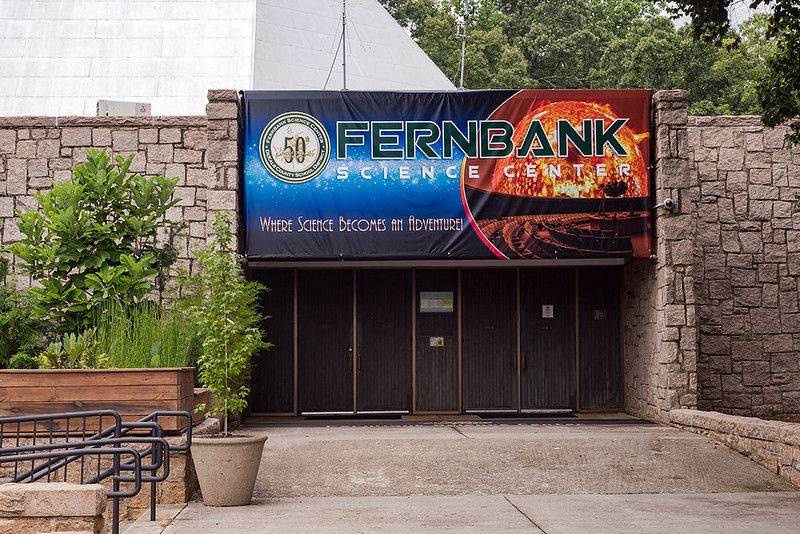
Peering through a professional-grade telescope reveals celestial objects your naked eye could never detect. Fernbank’s observatory houses equipment that brings distant planets, star clusters, and galaxies into sharp focus. Trained staff members help position the telescope and explain what you’re observing.
Thursday and Friday evenings offer public viewing sessions when weather permits. You might see Saturn’s rings, Jupiter’s moons, or craters on our own moon’s surface. The experience of seeing these objects directly rather than in photographs creates lasting memories.
Dress warmly during cooler months since observation happens outdoors. Staff astronomers answer questions and share fascinating facts about each object you observe, making complex astronomy accessible to beginners.
4. Hands-On Science Exhibits
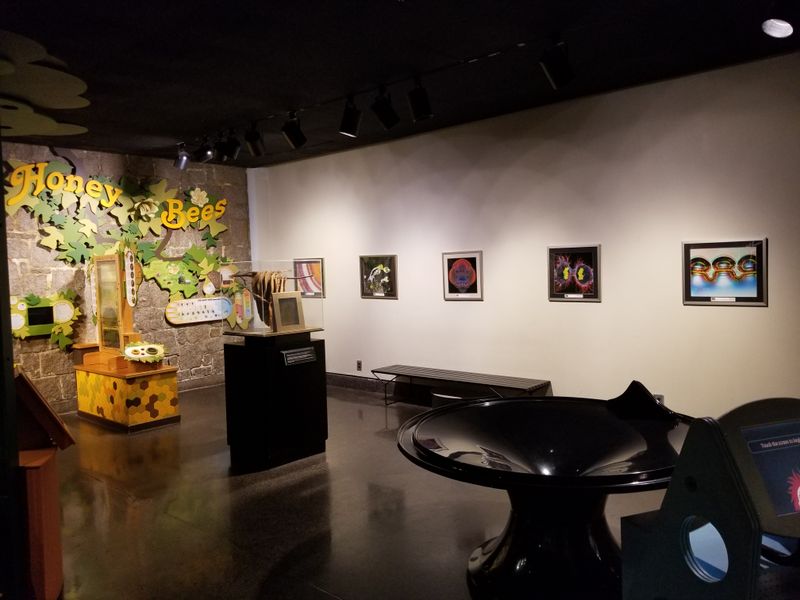
Touching, experimenting, and discovering beats passive learning every time. The exhibit halls feature interactive stations where you can test scientific principles yourself. From understanding electricity to exploring weather patterns, each display invites participation rather than just observation.
Kids gravitate toward exhibits that respond to their actions, creating immediate cause-and-effect learning. You’ll find demonstrations about physics, chemistry, and earth sciences spread throughout multiple rooms. The hands-on approach helps concepts stick in your memory because you’re actively engaging with the material.
Many exhibits change periodically, giving repeat visitors fresh experiences. Staff members circulate through the halls ready to explain how each demonstration works. The combination of visual appeal and interactive elements keeps visitors of all ages entertained while learning.
These aren’t dusty displays behind glass but living laboratories where curiosity leads to understanding through direct experimentation and exploration.
5. Forest Trail Behind the Center
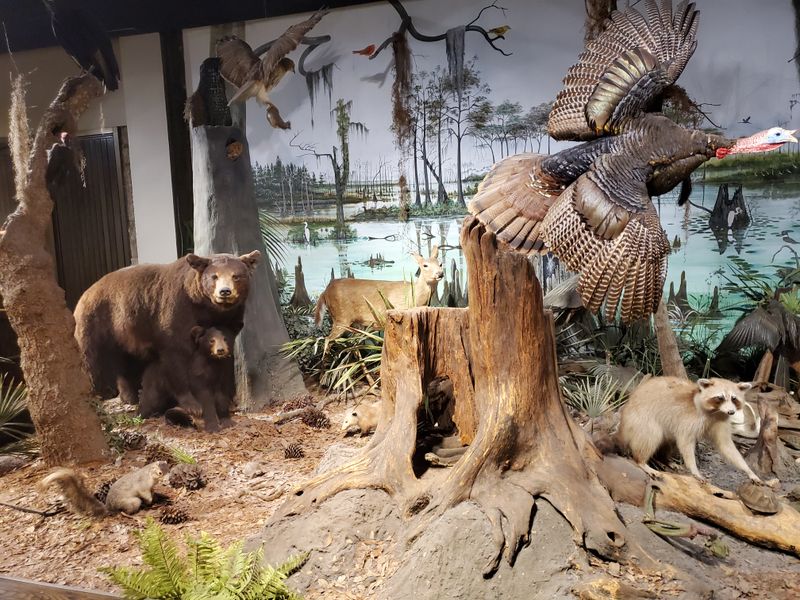
Stepping from indoor exhibits into living ecosystems extends your learning experience naturally. Behind the building winds a trail through preserved woodland that demonstrates local plant communities. Interpretive signs identify tree species, explain forest ecology, and point out wildlife habitats.
The path offers a peaceful break from indoor activities while continuing the educational mission. You’ll notice how different plants thrive in various light conditions and soil types. Birds and small mammals inhabit this protected space, giving you chances to observe animals in their natural environment.
The trail remains accessible year-round, with each season offering different perspectives on forest life. Spring brings wildflowers, summer provides full canopy shade, autumn displays colorful foliage, and winter reveals forest structure clearly. This outdoor classroom complements indoor exhibits by showing ecology in action rather than just explaining it through displays and diagrams.
6. Educational Programs for All Ages
Structured learning programs take science education beyond self-guided exploration. Fernbank offers workshops, lectures, and special presentations designed for different age groups and interest levels. Topics range from basic astronomy to advanced environmental science.
School groups frequently schedule field trips that align with curriculum standards. Homeschool families find valuable resources and social learning opportunities through special programs. Adults can attend evening lectures featuring experts discussing current scientific research and discoveries.
Registration requirements vary by program, with some accepting walk-ins while others need advance booking. The teaching staff brings enthusiasm and expertise that makes complex subjects understandable. Many programs include hands-on components where participants conduct experiments or make observations.
These structured experiences provide deeper dives into specific topics than general exhibits allow.
7. Science Library Resources
Access to quality reference materials supports continued learning beyond your visit. The library maintains collections covering astronomy, biology, earth sciences, and physics. Students working on projects find reliable sources without subscription fees or access restrictions.
Comfortable reading areas encourage browsing through materials at your own pace. The collection includes both technical publications and accessible introductions to scientific topics. Librarians assist with research questions and help locate specific information.
Unlike internet searches that return overwhelming results, these curated collections offer vetted, accurate information. You’ll find field guides for identifying local plants and animals, star charts for backyard astronomy, and books explaining scientific principles clearly. Many visitors appreciate having this resource available during their visits, especially when exhibits spark questions requiring deeper investigation through dedicated reading time.
8. Meteorite and Mineral Displays
Holding space rocks that traveled millions of miles before landing on Earth creates powerful connections to the cosmos. The meteorite collection includes specimens from various types of space debris that survived atmospheric entry. Each piece tells a story about solar system formation and planetary processes.
Mineral displays showcase crystals in stunning colors and geometric patterns. You’ll learn how different elements combine under specific conditions to create these natural artworks. The collection demonstrates that chemistry creates beauty as well as function.
Lighting enhances each specimen’s unique characteristics, revealing details invisible under normal conditions. Information cards explain where each meteorite was found and what its composition reveals about space. The mineral section connects to geology lessons by showing how Earth’s crust contains remarkable diversity.
These displays prove that science specimens can be as visually impressive as any art collection while teaching fundamental lessons about matter and energy.
9. Climate and Weather Exhibits
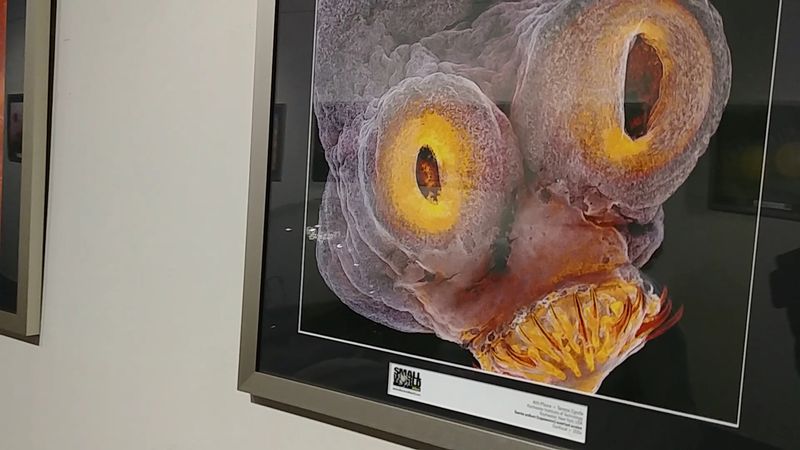
Understanding weather patterns becomes easier when you can manipulate variables and observe results. The climate exhibits feature interactive displays demonstrating how atmospheric conditions create different weather phenomena. You’ll experiment with temperature, pressure, and humidity to see how they interact.
Models show how global climate systems work and why weather patterns develop as they do. The exhibits connect local weather to larger atmospheric circulation patterns. You can track how air masses move across continents and oceans, creating the conditions you experience daily.
Current weather data feeds into some displays, showing real-time conditions and forecasts. This connection between exhibit and actual weather makes the learning immediately relevant. The presentations explain climate change science using straightforward data visualization.
10. Solar System Scale Models
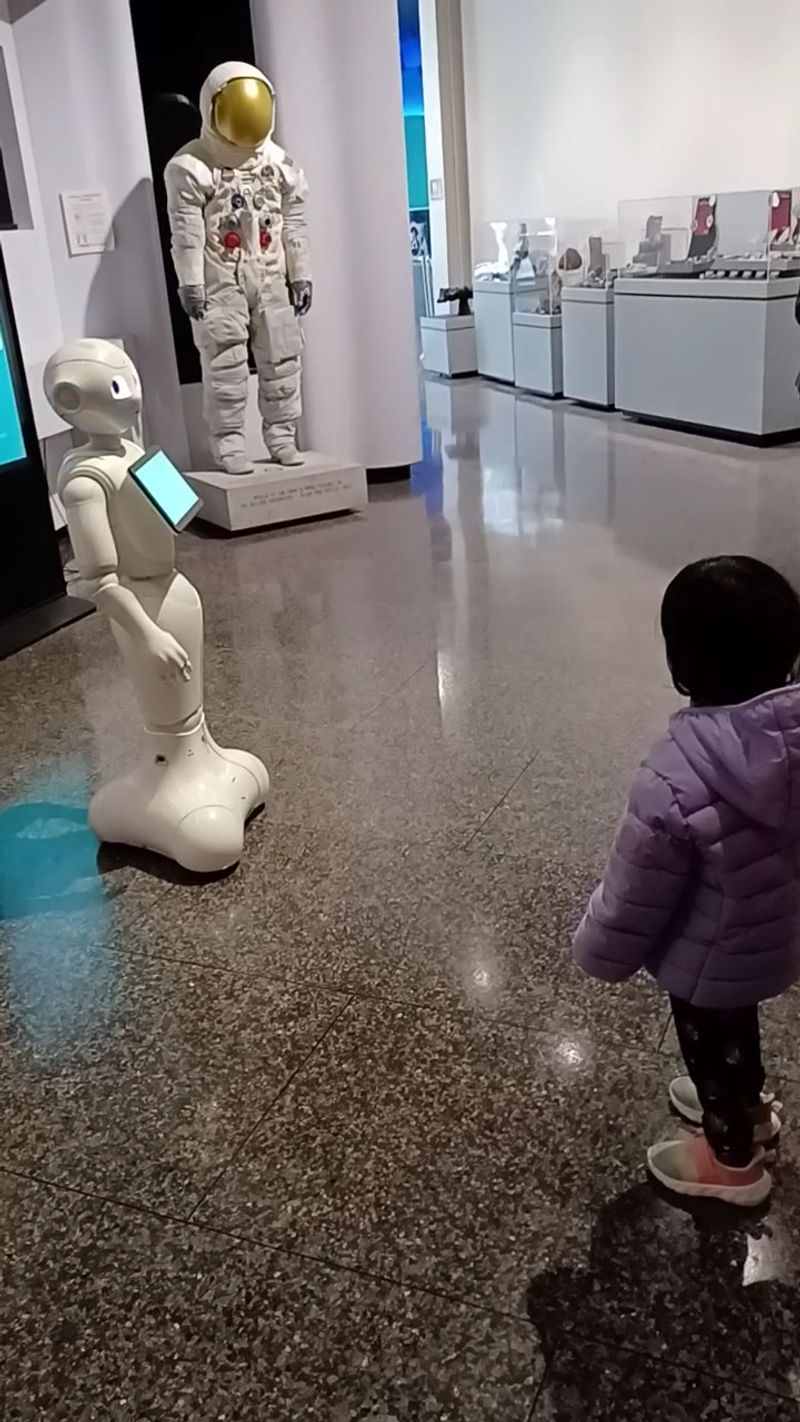
Grasping the true scale of our solar system challenges most people’s imagination. The scale models demonstrate just how vast space really is and how tiny Earth appears in cosmic terms. Walking past each planet’s position helps you understand the enormous distances between worlds.
The models show relative sizes accurately, revealing that Jupiter could contain over 1,000 Earths. You’ll notice how the inner rocky planets cluster close to the sun while gas giants orbit much farther out. This spatial arrangement explains why space exploration requires such advanced technology.
Information at each planetary position describes that world’s characteristics and exploration history. You’ll learn about surface temperatures, atmospheric compositions, and notable features like Jupiter’s Great Red Spot or Saturn’s rings. The exhibit makes abstract astronomical units concrete by translating them into walkable distances.
This physical representation helps visitors grasp concepts that numbers alone can’t convey effectively.
11. Fossil Preparation Laboratory
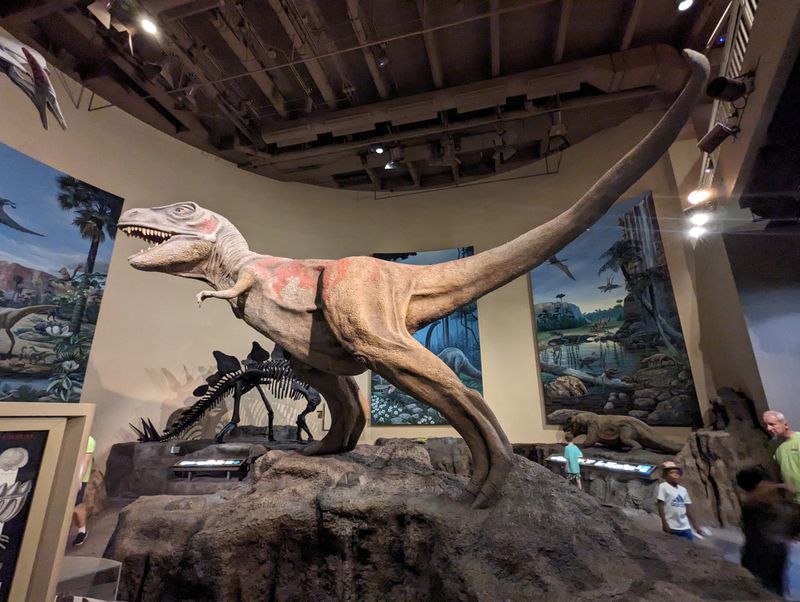
Watching scientists carefully extract fossils from rock matrix reveals the painstaking work behind museum displays. The preparation laboratory features windows where visitors can observe paleontologists using precise tools to expose ancient specimens. This behind-the-scenes view shows that science involves careful, methodical work rather than dramatic discoveries.
The process requires patience as technicians remove surrounding material grain by grain. You’ll see specialized equipment like microscopes, fine picks, and brushes used to reveal delicate fossil structures. Interpretive signs explain each step and why preservation matters for scientific study.
Sometimes staff members discuss their current projects with visitors, explaining what they’re uncovering and why it matters. The laboratory demonstrates that museum collections result from countless hours of detailed preparation work. This transparency helps visitors appreciate the effort behind educational displays.
Seeing science in progress rather than just finished results provides valuable insight into how knowledge develops through careful observation and documentation.
12. Astronomy Resource Center
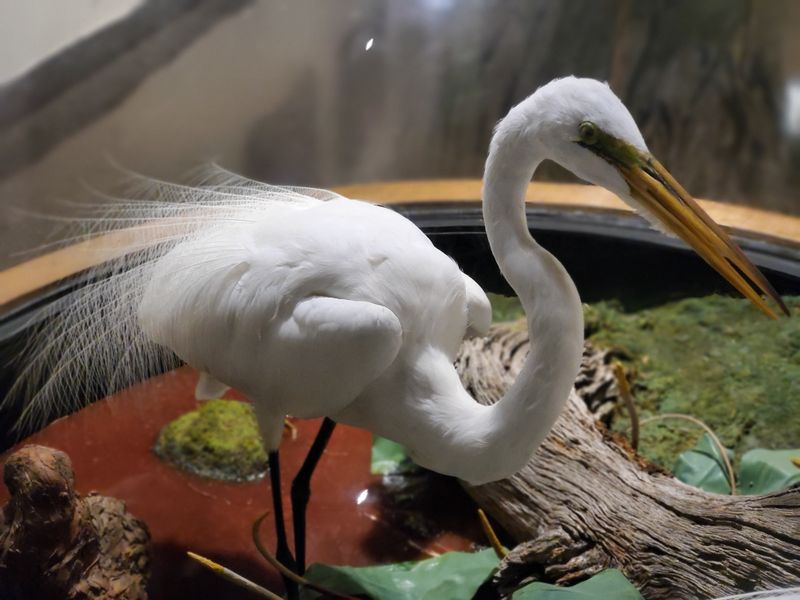
Planning your own stargazing adventures becomes much easier with expert guidance and proper resources. The astronomy resource center provides star charts, observing guides, and information about celestial events visible from Atlanta. Staff members help beginners understand what equipment they need and how to use it effectively.
You’ll find recommendations for binoculars and telescopes suitable for amateur astronomers at various budget levels. The center explains what you can realistically expect to see with different equipment types. Charts show which planets and constellations appear in current night skies.
Information about local astronomy clubs and observing events helps you connect with other enthusiasts. Many visitors leave with practical knowledge they can apply immediately in their own backyards. This support transforms astronomy from an intimidating subject into an accessible pastime that rewards curiosity with beautiful discoveries.
13. Environmental Science Demonstrations
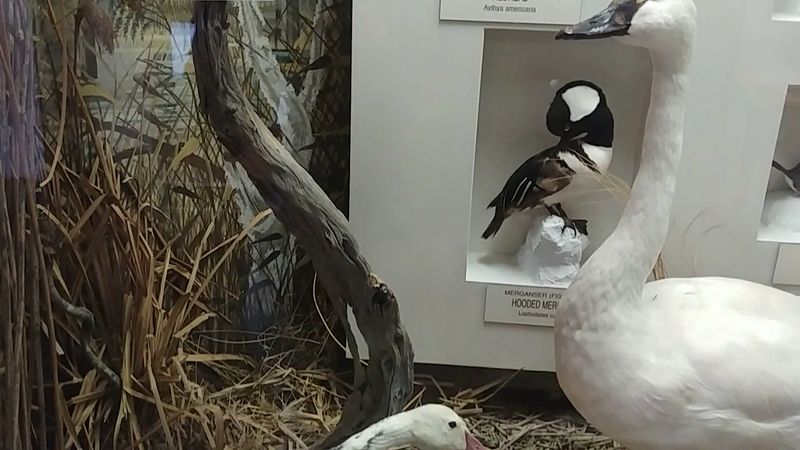
Seeing how ecosystems function helps you understand environmental challenges facing our planet. The environmental science area features working models of watersheds, food chains, and nutrient cycles. Interactive elements let you adjust variables and observe how changes ripple through connected systems.
Demonstrations show how pollution affects water quality and what happens when invasive species enter established ecosystems. You’ll learn about conservation strategies and why biodiversity matters for ecosystem health. The exhibits connect local environmental issues to global patterns.
Practical information about reducing your environmental impact appears throughout the displays. You’ll discover how individual choices accumulate into significant effects when multiplied across populations. The presentations avoid preachy tones while providing factual information about human impacts on natural systems.
These exhibits encourage informed decision-making by explaining environmental science clearly. Understanding cause and effect relationships helps visitors think critically about sustainability challenges and potential solutions for protecting Earth’s ecological systems for future generations.
14. Special Temporary Exhibitions
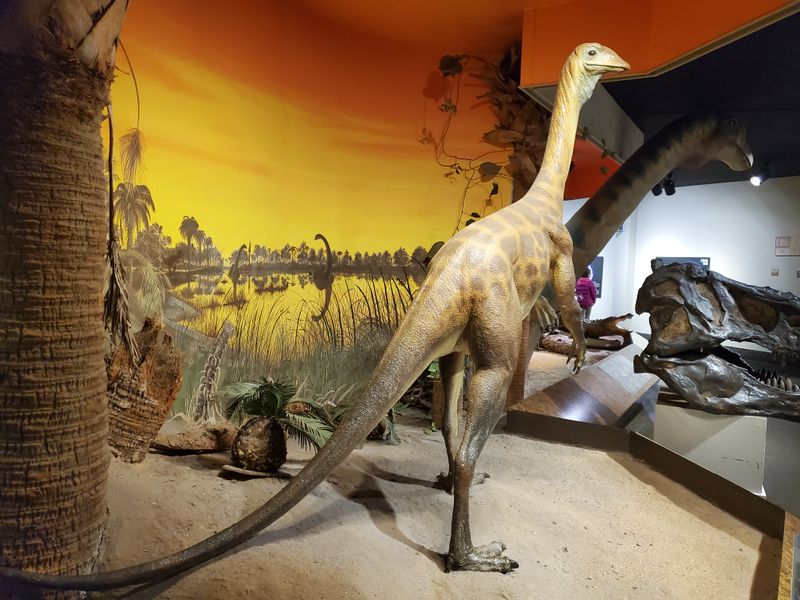
Fresh content keeps repeat visitors engaged and introduces new topics regularly. Temporary exhibitions rotate several times yearly, featuring subjects ranging from cutting-edge research to historical scientific achievements. These special displays often include artifacts and materials not part of the permanent collection.
Past exhibitions have covered topics like Mars exploration, ocean ecosystems, and the science of sound. Each temporary show receives dedicated space with focused presentations that go deeper than permanent exhibits can. The rotating nature means there’s always something new to discover.
Check the website or call ahead to learn what’s currently featured when planning your visit. Some temporary exhibitions include special programs like guest lectures or hands-on workshops related to the theme. The variety ensures that science enthusiasts find fresh perspectives even if they’ve visited before.
These changing displays demonstrate that science constantly evolves with new discoveries and developing technologies.