This California Trail Network Feels Nothing Like California, With Caves, Rock Walls, And A Sinkhole
California usually brings to mind palm trees, surfboards, and sunburned beach days. That’s what makes this place feel so unreal.
Near the Oregon border, the landscape flips completely. Black lava fields replace sand. Jagged rock walls stretch across the horizon. Cave openings cut into the earth like hidden doorways.
It feels less like California and more like stepping onto another planet.
Visitors climb down into volcanic tunnels carved by ancient eruptions, navigating dark passageways, collapsed ceilings, and echoing chambers that twist beneath the surface.
The contrast hits instantly. One moment you’re in wide-open high desert. The next you’re deep underground, surrounded by cooled magma walls shaped thousands of years ago.
Even longtime California explorers get caught off guard here. It’s rugged. Remote. And wildly unexpected. The kind of adventure that proves the state still hides landscapes most people never see coming.
1. A Volcanic Landscape That Rewrites California’s Image
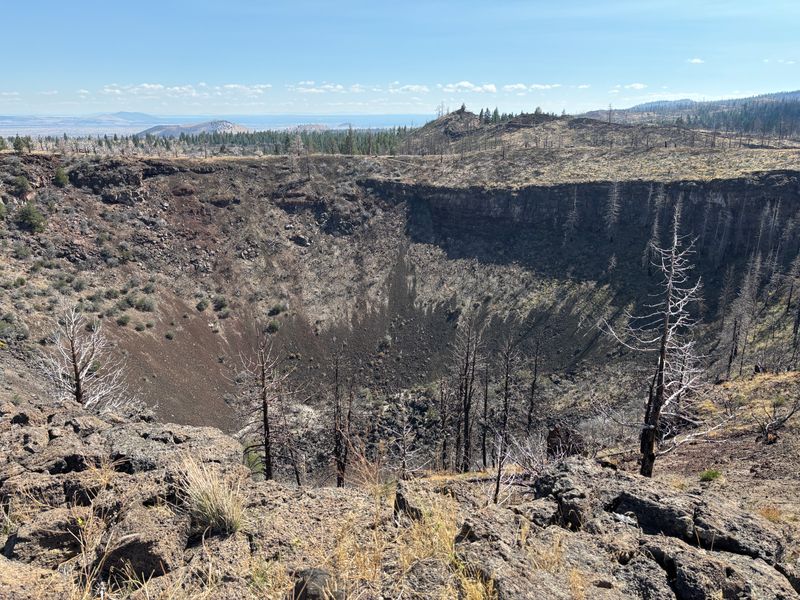
Forget everything you think you know about California scenery because Lava Beds National Monument sits in the northeast corner of the state looking nothing like postcards from Los Angeles or San Francisco.
The park covers more than 46,000 acres of hardened lava flows that erupted from the Medicine Lake shield volcano over the past half-million years.
Dark basalt rock stretches across the landscape in twisted formations that cooled into shapes no artist could imagine.
The monument protects over 800 caves formed when the outside of lava rivers hardened while molten rock continued flowing inside, eventually draining away to leave hollow tubes behind.
These underground passages range from tiny crawl spaces to massive chambers tall enough to hide a two-story building.
Summer temperatures above ground can reach the 90s, but inside the caves, you’ll find year-round coolness that hovers around 40 degrees.
Getting there requires driving through wide-open rangeland and high desert that feels remote even by California standards.
The nearest significant town, Tulelake, sits about 30 miles away. This isolation means fewer crowds and a genuine sense of discovery that’s increasingly rare in popular California destinations.
2. Mushpot Cave Offers The Perfect Introduction
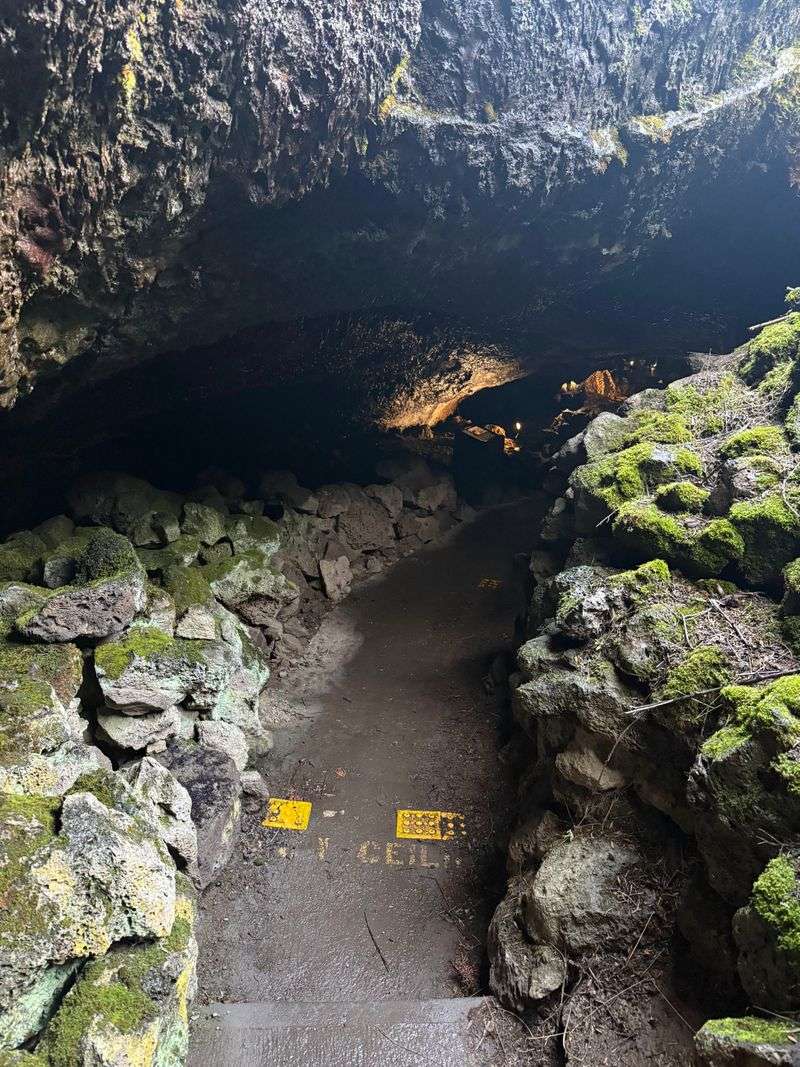
Starting your underground adventure at Mushpot Cave makes perfect sense because this is the only illuminated cave in the entire monument with lights installed along the pathway.
Located right near the visitor center, the 770-foot tube gives newcomers a comfortable first taste of what lava tube exploration feels like.
Interpretive signs mounted along the walls explain how these geological features formed and what to look for in the rock patterns surrounding you.
The cave floor stays relatively flat and even, making it accessible for most fitness levels without requiring advanced caving skills or extreme flexibility.
Families with older children often choose this as their starting point before deciding whether to tackle more challenging caves.
The lighting system removes the need for flashlights, though rangers still recommend bringing one as backup.
Walking through the tube takes about 15 minutes at a leisurely pace, giving you enough time to notice the different textures in the walls where lava cooled at varying speeds.
Some sections show smooth, ropy patterns called pahoehoe, while others display rougher, chunkier surfaces.
The temperature inside stays consistently cool, so bringing a light jacket makes the experience more comfortable even on hot summer days.
3. Skull Cave Hides Year-Round Ice In Its Depths
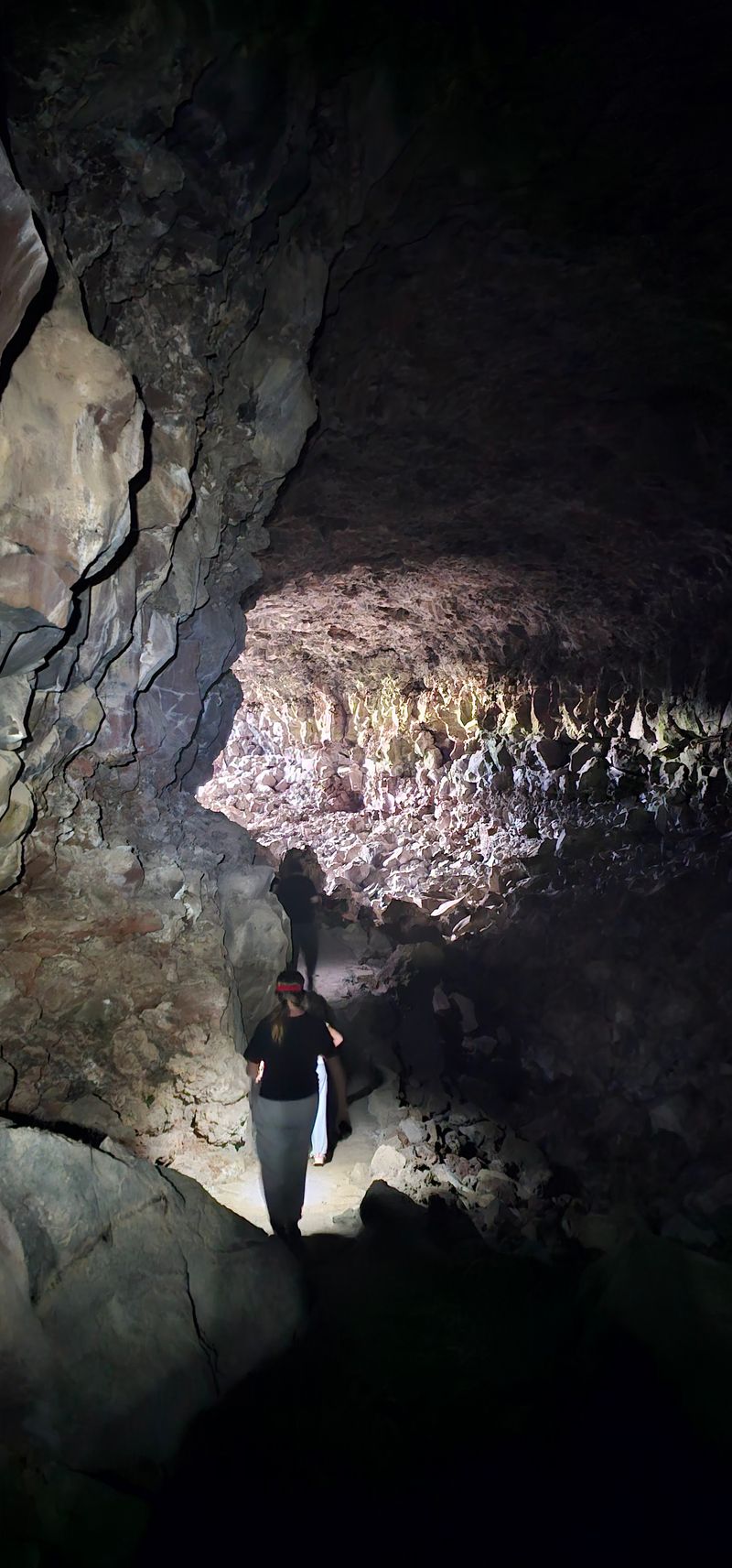
Three ancient lava tubes collapsed and stacked on top of each other to create Skull Cave, one of the most dramatic formations in the monument.
The name comes from the animal bones early explorers found scattered across the cave floor, though those remains have since been removed for preservation.
What makes this cave truly remarkable is the permanent ice floor that exists in the lower chamber regardless of the season outside.
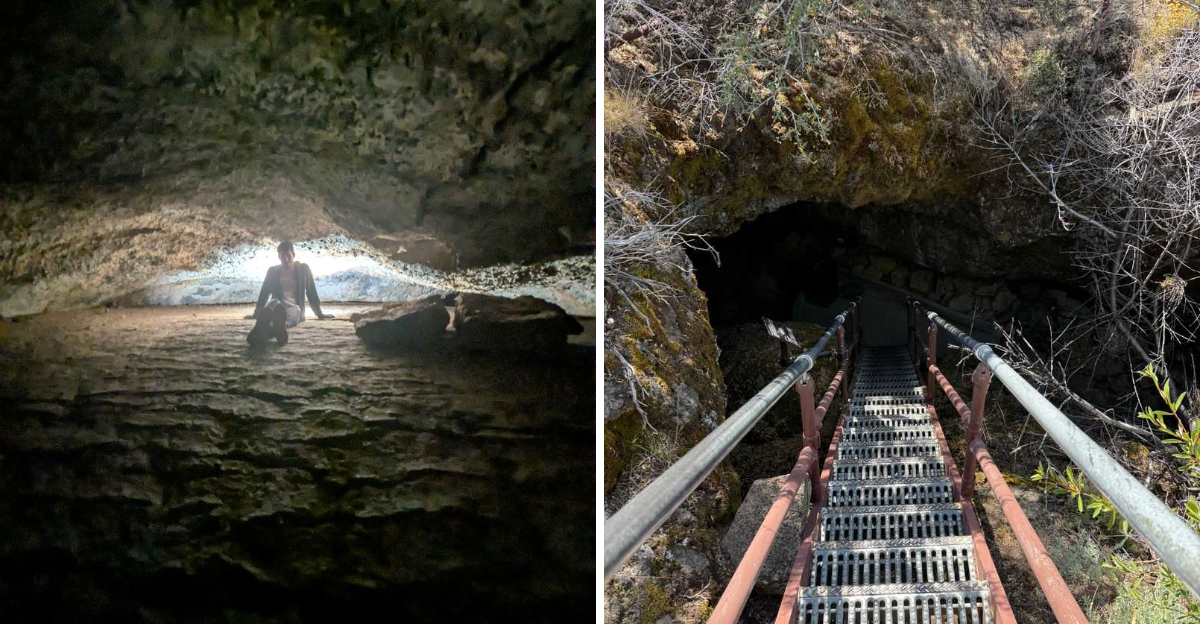
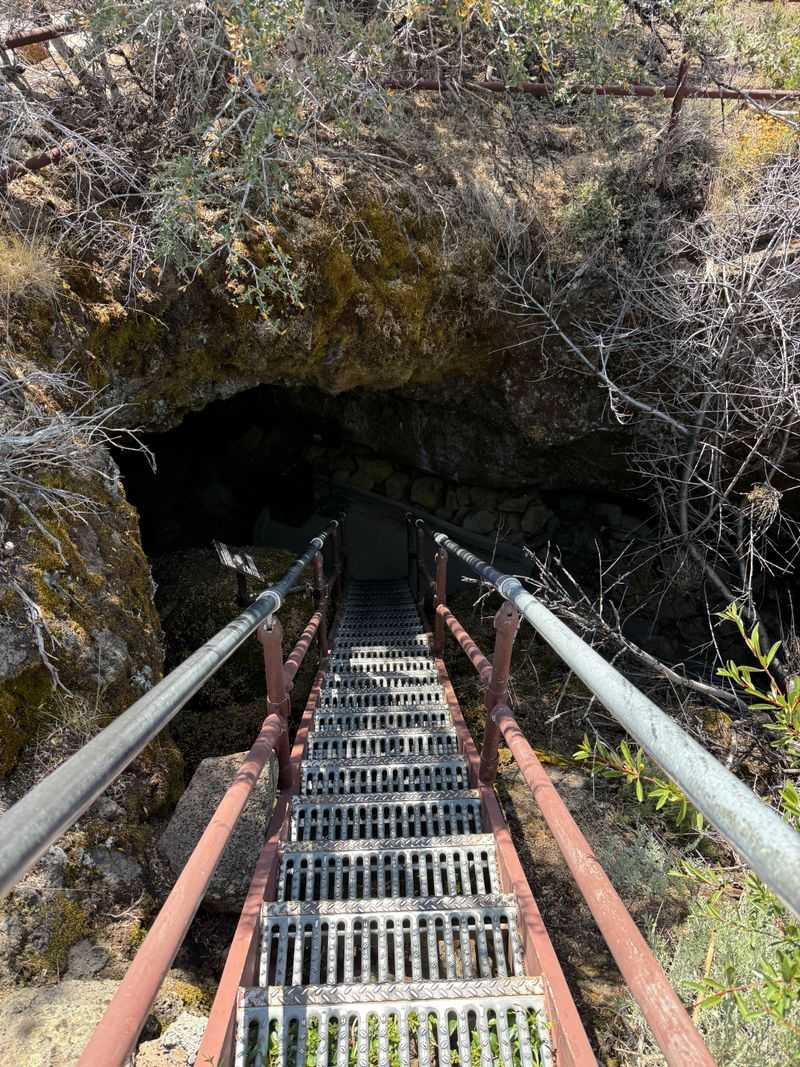
Reaching the ice requires descending a metal stairway that rangers installed to make access safer and protect the delicate formations.
The upper entrance sits large enough to drive a truck through, but the passage narrows as you descend deeper into the earth.
Cold air sinks and gets trapped in the lower chamber, keeping temperatures below freezing even when summer heat bakes the surface above.
The ice itself formed over many years as moisture seeped into the cave and froze in layers, creating a floor that stays solid through decades.
Standing on that frozen surface while knowing the California sun blazes overhead creates a surreal disconnect that perfectly captures why this place feels so unlike the rest of the state. The cave stays open year-round, though winter visits require extra caution on potentially icy stairs.
4. Sentinel Cave Loop Provides Multiple Entry Points
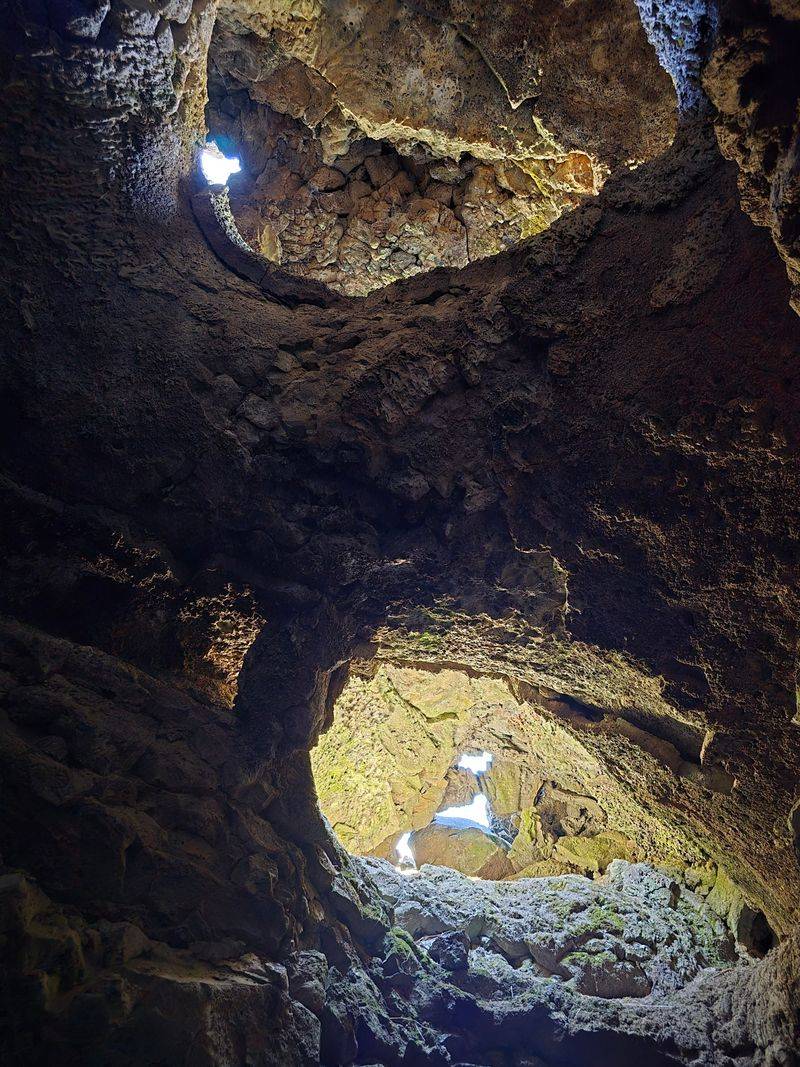
Hikers appreciate Sentinel Cave because the 0.8-mile loop trail above ground connects to a cave system with several entrances below, giving you options for how to explore.
The cave itself stretches approximately 3,280 feet through underground passages that vary in height and width as you move through different sections.
Some chambers open wide enough to walk upright comfortably, while others require ducking or even crawling for short distances.
The multiple entrances mean you can enter at one point and exit at another, creating a through-hike experience underground that feels more like an adventure than simply retracing your steps.
Rangers rate this cave as relatively easy compared to some of the monument’s more challenging tubes, making it a good second or third cave to explore after Mushpot.
The varied terrain inside keeps things interesting without becoming genuinely difficult for people with moderate fitness levels.
Bringing three sources of light is mandatory for all caves at Lava Beds, and Sentinel demonstrates why that rule exists.
The darkness inside becomes absolute when you turn off your flashlight, creating a blackness so complete that your eyes never adjust.
The cave floor shows some loose rock in places, so watching your footing matters more than rushing through.
5. Catacombs Cave Challenges Experienced Explorers
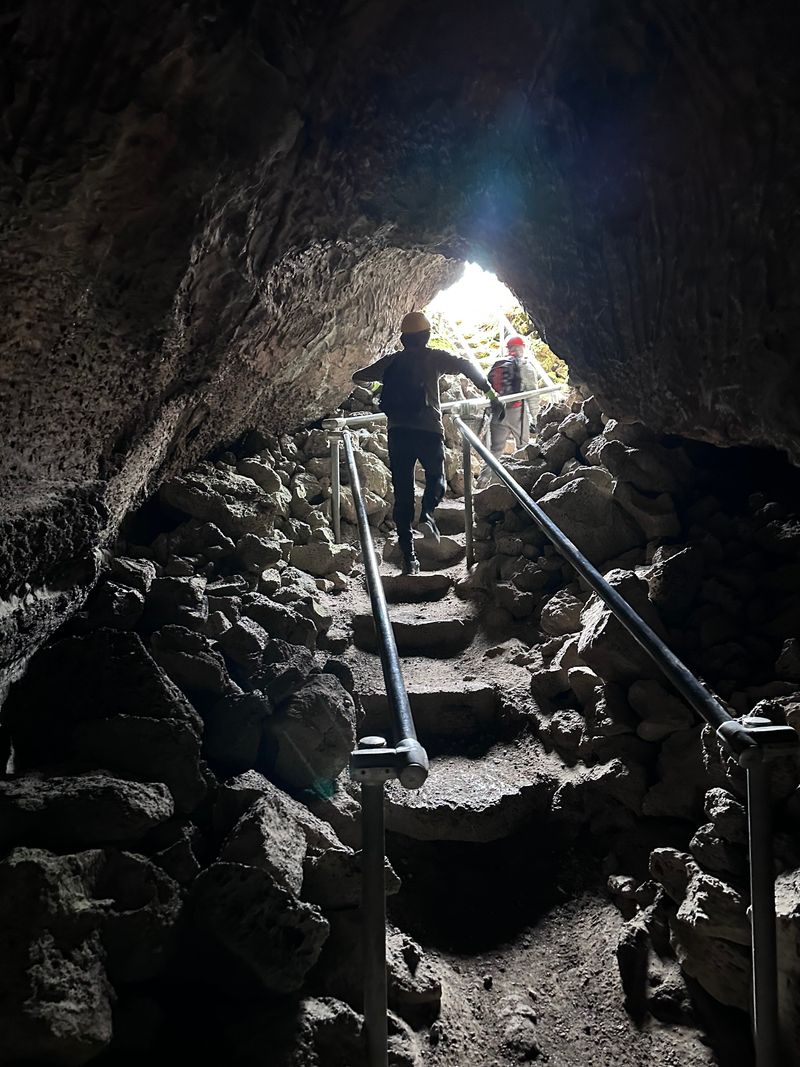
Stretching 6,903 feet through the earth, Catacombs Cave ranks among the longest in the entire monument and definitely claims the title of most physically demanding.
Rangers classify this tube as challenging because the passages include numerous low ceilings that force you to crawl, tight squeezes that require removing your backpack, and sections where finding the correct route takes careful attention.
This is not a cave for first-time explorers or anyone with claustrophobia concerns.
The name fits perfectly because the interconnected passages and side tubes create a maze-like environment where taking a wrong turn could add significant time and difficulty to your journey.
Experienced cavers who have explored multiple tubes at Lava Beds often save Catacombs for later visits after building confidence in easier caves.
The reward for the extra effort comes in seeing formations and passages that fewer people experience, giving you bragging rights and genuine accomplishment.
Planning extra time for this cave makes sense because rushing through narrow passages increases the chance of injury or getting stuck.
Some sections require crawling on your belly for stretches long enough to make you question your life choices, though the passages always open up again eventually.
Wearing knee pads and gloves transforms the experience from painful to merely uncomfortable, and many regular visitors consider them essential gear.
6. The Sinkhole Creates A Natural Skylight Underground
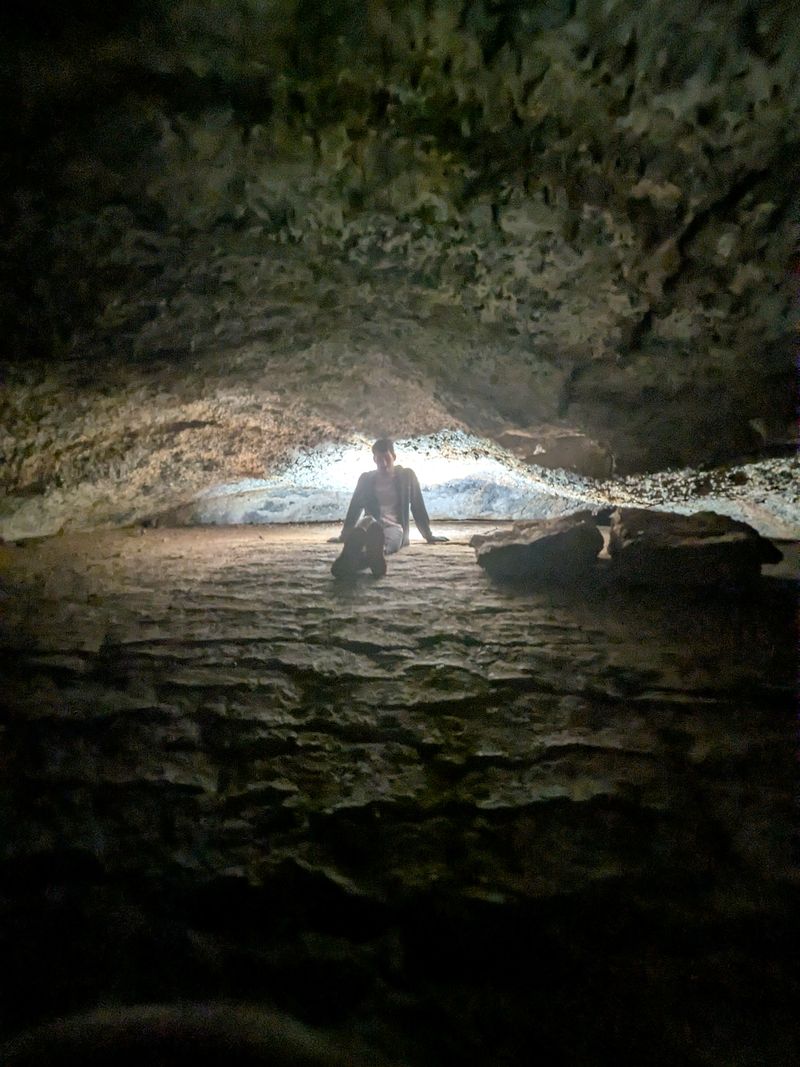
When the roof of a lava tube collapses, it creates an opening called a sinkhole that allows sunlight to pour into chambers that otherwise exist in perpetual darkness.
Several caves at Lava Beds feature these natural skylights, and standing beneath one creates a magical moment where you watch the sun beam cutting through the blackness to illuminate rock formations.
Plants sometimes take advantage of these light sources, growing in patches near the openings where they can photosynthesize despite being technically underground.
The sinkholes also provide emergency exits in some caves, giving explorers an alternative route to the surface if they encounter problems or simply want to experience popping up from underground in an unexpected location.
Birds occasionally nest near these openings, and you might hear their calls echoing through the chambers in ways that sound eerie and beautiful simultaneously.
The temperature shifts noticeably near sinkholes as warm surface air mixes with the cool cave environment.
Photographers love these features because the contrast between the bright circle of sky and the dark surrounding rock creates dramatic images that capture the unique nature of this landscape.
The best lighting typically occurs during midday when the sun sits high enough to shine directly through the opening rather than casting shadows.
Some sinkholes are large enough to walk through easily, while others appear as small holes in the ceiling.
7. Rock Walls Display Volcanic Artistry
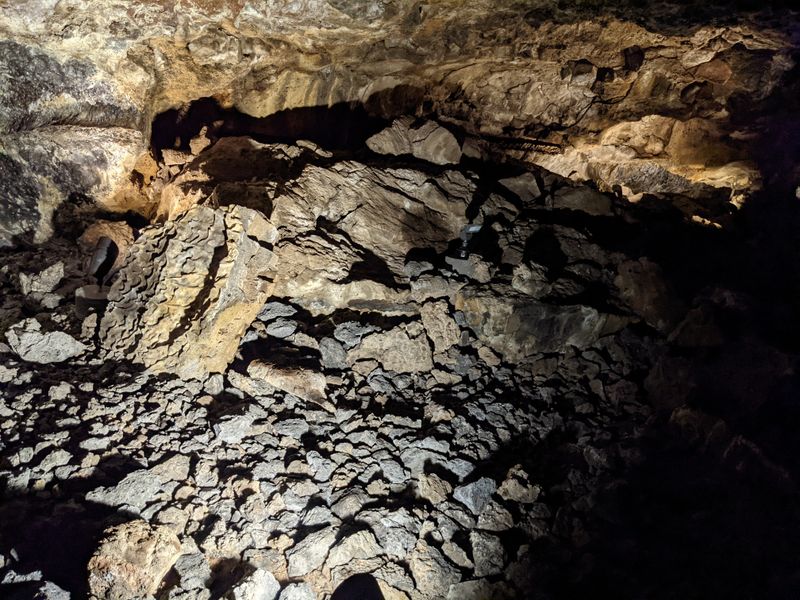
Every cave wall at Lava Beds tells a story written in stone about how molten rock moved, cooled, and solidified thousands of years ago.
The textures vary dramatically depending on the temperature of the lava, how fast it flowed, and how quickly the outside cooled compared to the interior.
Smooth, ropy patterns called pahoehoe formed when relatively fluid lava flowed slowly and cooled gradually, creating surfaces that look almost like frozen taffy.
Rougher sections called aa lava broke apart as it moved, creating jagged, chunky surfaces that can be sharp enough to cut through fabric or skin if you brush against them carelessly.
Some walls show layers where multiple lava flows passed through the same tube at different times, stacking like geological pancakes.
Colors range from deep black to reddish-brown to even hints of blue or green where different minerals oxidized during cooling.
Looking closely reveals tiny details like lava drips that froze in place, gas bubbles that got trapped in the rock, and thin shelves where lava briefly pooled before draining away.
The walls also show high-water marks where you can see exactly how deep the molten river ran when it filled the tube.
Running your hands along these surfaces connects you directly to volcanic forces that shaped this landscape.
8. Required Permits Protect Bat Populations
Before entering any cave at Lava Beds, you must stop at the visitor center to obtain a free permit and complete a decontamination process that protects local bat populations from white-nose syndrome.
This deadly fungal disease has devastated bat colonies across North America, and the monument takes prevention seriously by requiring all visitors to clean their clothing and gear.
The process involves inspecting your clothes for any visible dirt or debris and sometimes using specialized cleaning solutions on equipment that has been in other caves.
Rangers provide detailed information about why these steps matter and how the disease spreads between caves on contaminated gear.
The permit system also helps the monument track which caves receive the most visitors and monitor for any signs of environmental damage or excessive wear on popular formations.
Completing the process typically takes 10 to 15 minutes, so factoring that time into your visit schedule prevents feeling rushed.
Some visitors initially feel annoyed by the extra requirements, but understanding the stakes usually shifts that perspective quickly.
Bats play crucial roles in the ecosystem by eating enormous quantities of insects, and losing them would create cascading problems far beyond the monument boundaries.
The decontamination station also serves as an educational opportunity where you can ask rangers questions about the caves, get recommendations based on your experience level, and learn about current conditions.
9. The Trail Network Connects Multiple Caves
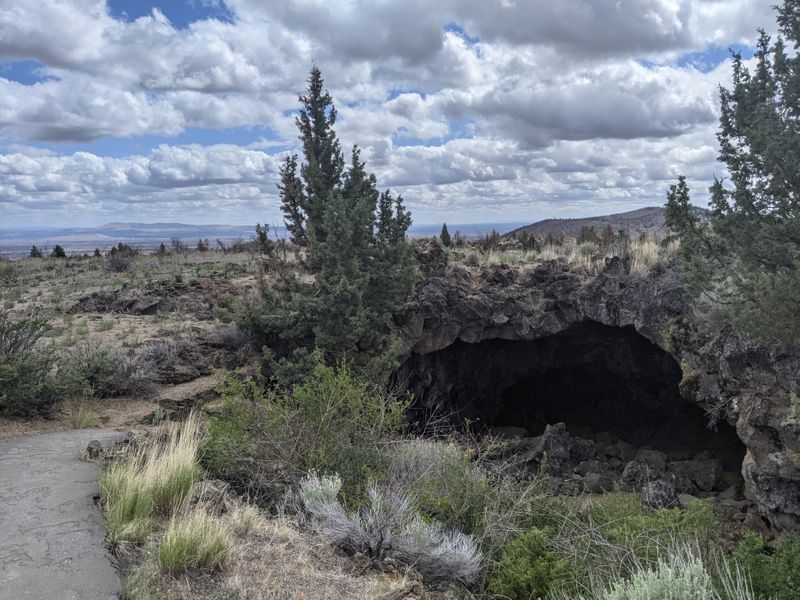
While individual caves offer underground adventures, the surface trails connecting them provide their own rewards through high desert landscape that showcases volcanic features from a different perspective.
Network of trails links various cave entrances, allowing you to create custom routes that match your energy level and interests.
Walking between caves gives your eyes time to readjust to sunlight and your body a chance to warm up after the constant coolness underground.
The trails wind through sage brush, juniper, and other vegetation adapted to survive in rocky soil with limited water.
Spring brings wildflowers that add unexpected color to the dark volcanic backdrop, while summer heat makes early morning or late afternoon the most comfortable times for surface hiking.
The paths themselves range from smooth and well-maintained to rocky and uneven, so wearing sturdy hiking boots makes sense even if you plan to spend most of your time underground.
Trail markers and signs help navigate between caves, though bringing a map or downloading the monument’s trail information before your visit adds an extra layer of security.
Cell phone service is spotty to nonexistent throughout the monument, so relying on your device for navigation creates unnecessary risk.
The relatively flat terrain means you can cover the full network without extreme elevation changes, though the high altitude of around 4,000 to 5,000 feet may affect visitors coming from sea level.
10. Essential Gear Makes Cave Exploration Safer
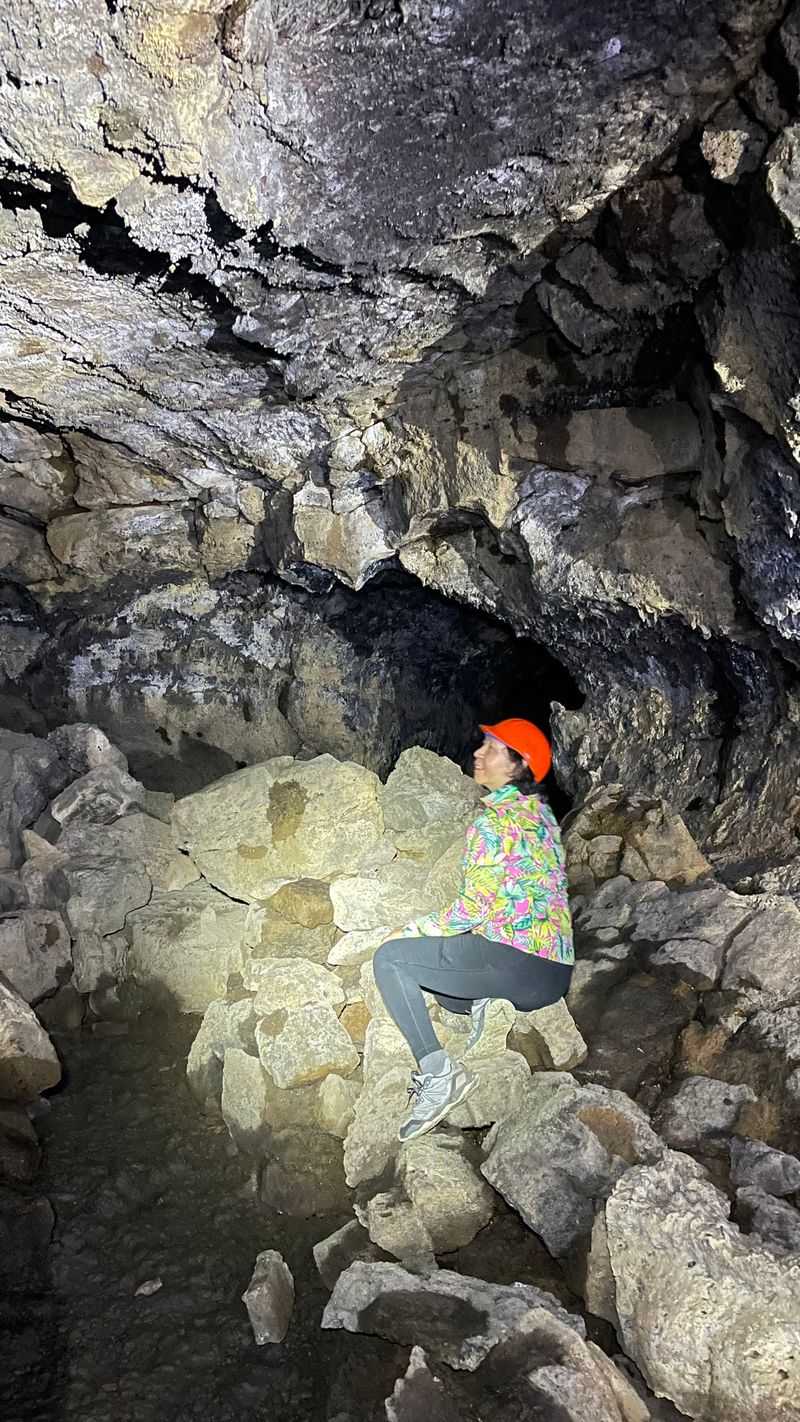
Monument regulations require three independent light sources for every person entering caves, and that rule exists because losing your light underground creates genuine danger.
A primary flashlight or headlamp, backup flashlight, and third source like a small LED light or even a phone flashlight fulfill the requirement.
Headlamps leave your hands free for climbing over obstacles or catching yourself if you stumble, making them the preferred primary light for most experienced cavers.
Wearing a helmet protects your head from the inevitable moments when you misjudge ceiling height or stand up too quickly in low passages.
The monument loans helmets for free at the visitor center, or you can bring your own if you have one from other outdoor activities.
Layered clothing allows you to adjust for the temperature difference between the hot surface and cool caves, and having a jacket or fleece in your backpack prevents shivering during longer underground explorations.
Gloves and knee pads might seem excessive until you crawl through your first rough passage and wish you had brought them.
The volcanic rock can be sharp and abrasive, and protecting your hands and knees transforms painful experiences into merely uncomfortable ones.
Bringing water and snacks makes sense for longer visits, though be prepared to pack out everything you bring in since the monument has strict leave-no-trace policies.