This County In Northern California Truly Is A Magical Place
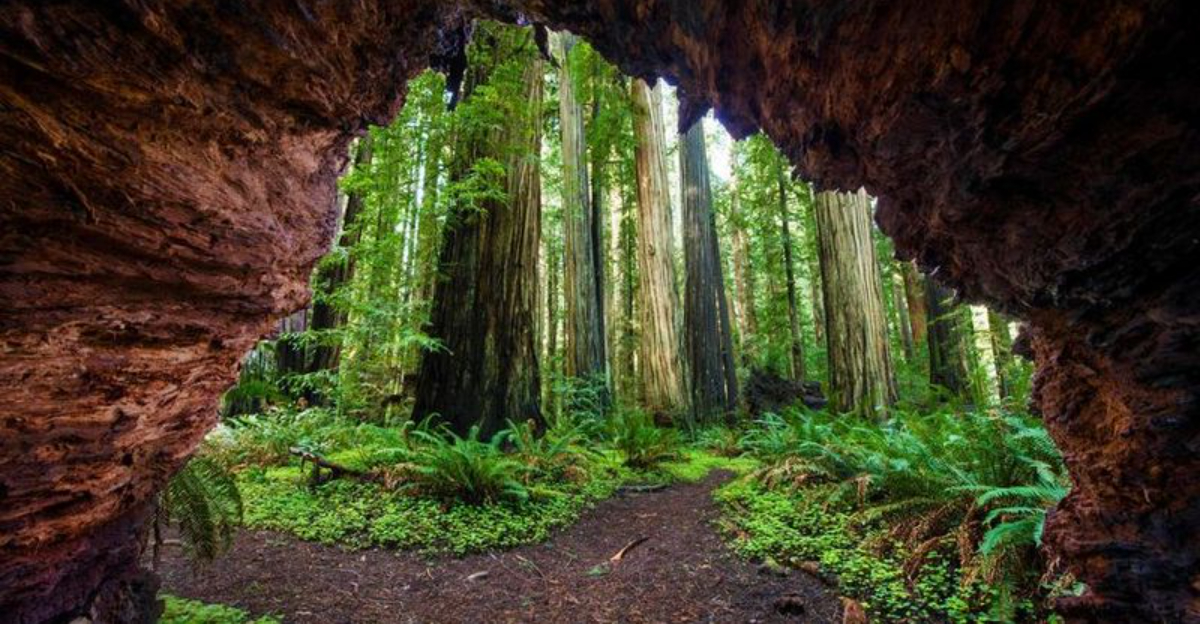
Towering ancient trees rise so high they blur into the fog, creating a landscape that barely feels real. It holds some of the tallest and oldest living organisms on Earth, forming forests that feel closer to a fantasy world than modern California.
Walking beneath these redwood giants shifts perspective instantly. Sunlight filters through canopies hundreds of feet overhead.
The forest floor quiets. Time seems to slow. These groves aren’t just scenic. They stand as living monuments to resilience, conservation, and the deep cultural ties between land and community.
Drives like the legendary Avenue of the Giants wind straight through cathedral-like corridors of trees, while protected backcountry groves shelter rare wildlife and undisturbed ecosystems.
Every turn reveals something larger, older, and more humbling than expected. Some visitors come for adventure. Others arrive chasing stillness and reflection. Most leave with both.
Humboldt County’s redwood forests don’t just impress visually. They reshape how visitors see nature itself, reminding everyone who steps inside just how small we are compared to the quiet power of Earth’s oldest living giants.
1. Largest Old-Growth Redwood Forest In The World
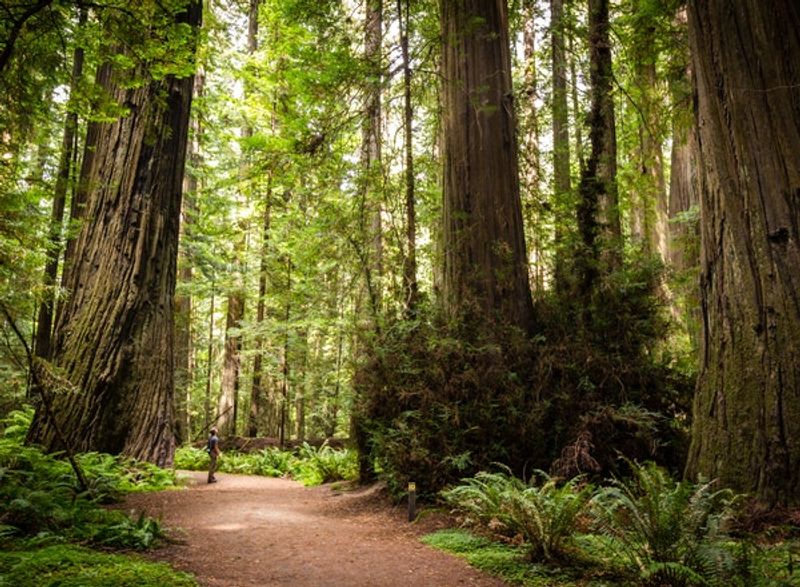
Humboldt Redwoods State Park protects more than 53,000 acres of forestland, with 17,000 of those acres dedicated to ancient old-growth coast redwoods. This makes it the largest remaining contiguous old-growth redwood forest anywhere on Earth.
The sheer size of this protected area allows visitors to experience what California looked like centuries ago, before widespread logging changed the landscape forever.
Walking through these groves feels like stepping back in time, surrounded by trees that were already ancient when European explorers first arrived on the West Coast.
The park’s creation in 1921 by the Save the Redwoods League marked a turning point in conservation history.
Logging threatened to wipe out these irreplaceable forests, but dedicated efforts ensured their survival for future generations.
Today, the park offers more than just preservation—it provides a living classroom where visitors can learn about forest ecology, climate history, and the importance of protecting natural habitats.
The old-growth sections remain largely undisturbed, allowing natural processes to continue shaping the forest as they have for millennia.
Standing among these ancient giants, visitors often report feeling a sense of peace and perspective that’s hard to find elsewhere in modern life.
2. Avenue Of The Giants Scenic Drive
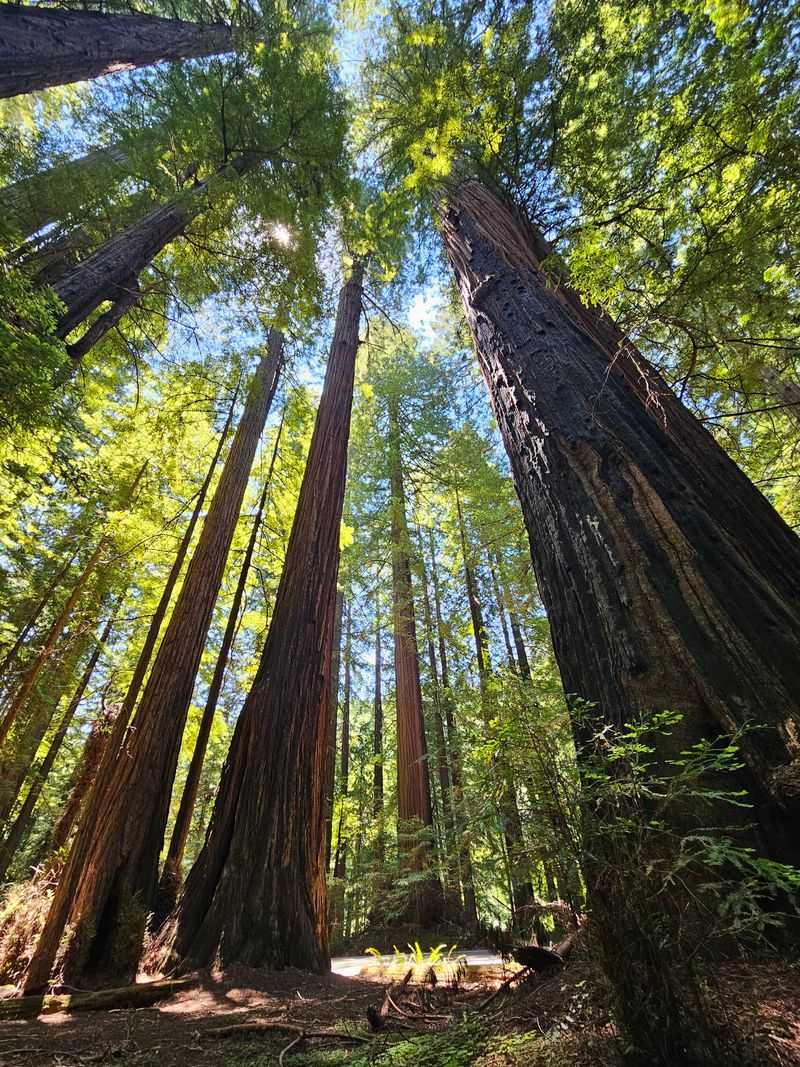
Stretching for 32 miles through the heart of Humboldt Redwoods State Park, the Avenue of the Giants offers one of the most memorable drives in California.
This historic route runs parallel to Highway 101 and provides intimate access to some of the tallest trees on the planet.
The road itself dates back to the early 20th century and was intentionally designed to showcase the majesty of the redwood forest.
Numerous pullouts, trailheads, and picnic areas dot the route, making it easy to stop and explore at your own pace.
Driving slowly becomes the natural choice here, not just because of the winding road but because the scenery demands attention.
Sunlight filters through the canopy in golden shafts, creating an almost magical atmosphere that changes throughout the day.
Many visitors plan to spend several hours along this route, combining short walks with longer hikes to fully appreciate the forest.
The drive works well for all ages and mobility levels, since even viewing the trees from the car provides an unforgettable experience.
Spring and fall offer particularly pleasant conditions, with mild temperatures and fewer crowds than the busy summer season brings.
3. Home To Some Of The Tallest Trees On Earth
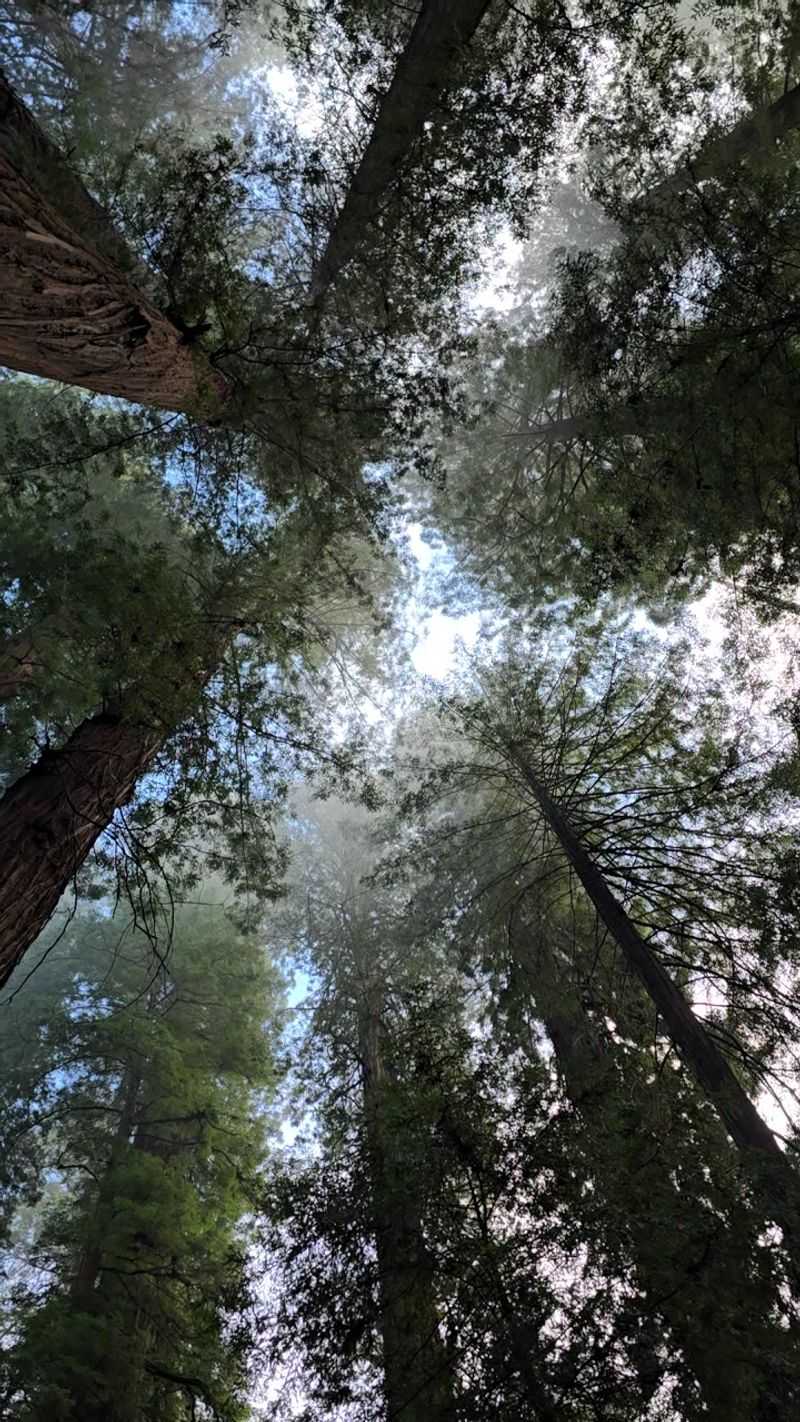
Hidden within Humboldt Redwoods State Park stands the Stratosphere Giant, one of the tallest known living redwoods at 370.8 feet.
This single tree towers higher than a 35-story building, and it’s just one of many record-breaking giants in the area.
Coast redwoods grow taller than any other tree species on Earth, thanks to the unique climate conditions found along the Northern California coast.
Fog provides essential moisture during dry summer months, while mild temperatures and rich soil support their incredible growth.
The exact locations of the tallest trees remain protected secrets, known only to researchers and park staff.
This protection prevents damage from excessive foot traffic, which can compact soil around the shallow root systems these giants depend on. Visitors don’t need to find specific champion trees to experience the awe these forests inspire.
Countless redwoods throughout the park reach heights that challenge human comprehension, creating cathedral-like spaces beneath their canopies.
Looking up at these trees often causes a moment of disorientation, as the brain struggles to process their actual size. The experience reminds visitors that nature still holds wonders that dwarf human achievements.
4. Rich Biodiversity Beyond The Trees
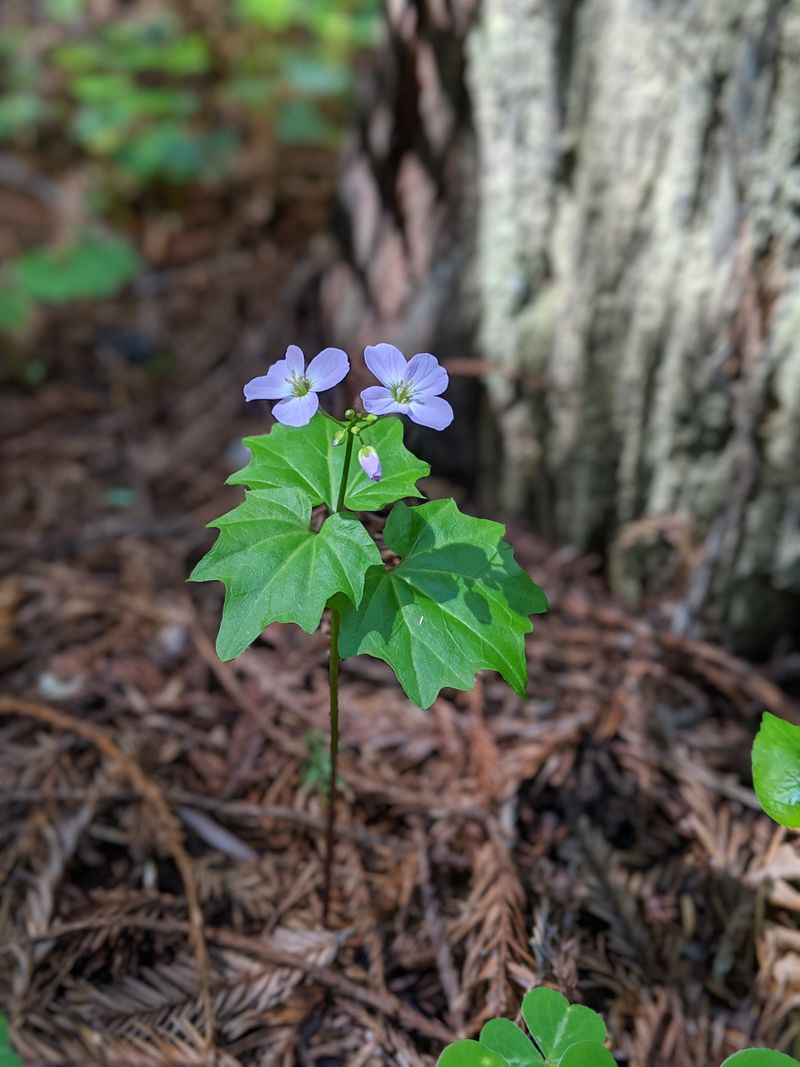
While the redwoods steal the spotlight, the forests of Humboldt County support an entire ecosystem of plants and animals that depend on these ancient groves.
Black-tailed deer browse through the understory, while gray foxes patrol the forest floor in search of small prey.
Bird enthusiasts find plenty to appreciate here, with species ranging from tiny wrens to majestic raptors calling the forest home.
The varied canopy layers create different habitats, supporting everything from ground-dwelling birds to those that rarely descend from the treetops.
The forest floor itself teems with life, from banana slugs that help decompose fallen material to salamanders that thrive in the damp conditions.
This biodiversity reflects the health of the ecosystem and the success of conservation efforts over the past century.
Seasonal changes bring different wildlife viewing opportunities, with spring offering the best chances to see young animals and fall bringing increased activity as creatures prepare for winter.
Patient observers who move quietly through the forest often spot wildlife that others miss. The interconnected nature of this ecosystem demonstrates why protecting the redwoods means protecting far more than just trees.
5. A Century Of Conservation History
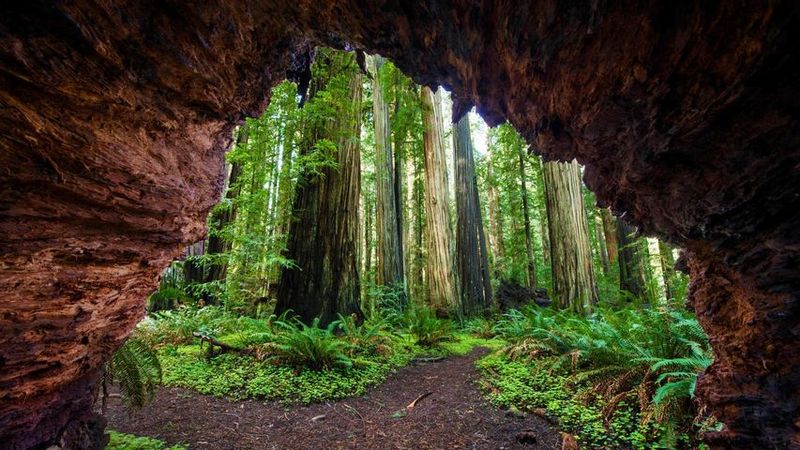
The story of Humboldt’s redwood forests is inseparable from the conservation movement that saved them.
In 1921, the Save the Redwoods League established what would become Humboldt Redwoods State Park, marking one of the earliest major conservation victories in American history.
Before this protection, logging operations threatened to eliminate the old-growth forests entirely. The economic value of redwood lumber was immense, and few legal protections existed for ancient forests in the early 20th century.
The Save the Redwoods League worked tirelessly to purchase land and establish protected areas, often racing against logging operations to secure the most valuable groves.
Their efforts laid the groundwork for modern environmental conservation, demonstrating that public support could preserve natural wonders for future generations.
Today, the organization has protected over 189,000 acres of California’s redwood forests, expanding far beyond their initial efforts in Humboldt County.
Their work continues, focusing on connecting fragmented forest parcels and restoring areas damaged by past logging.
Visiting these forests means walking through a landscape that exists only because people chose preservation over profit, a reminder that conservation requires constant dedication and vigilance.
6. Yurok Tribe’s Cultural Connection And Gateway
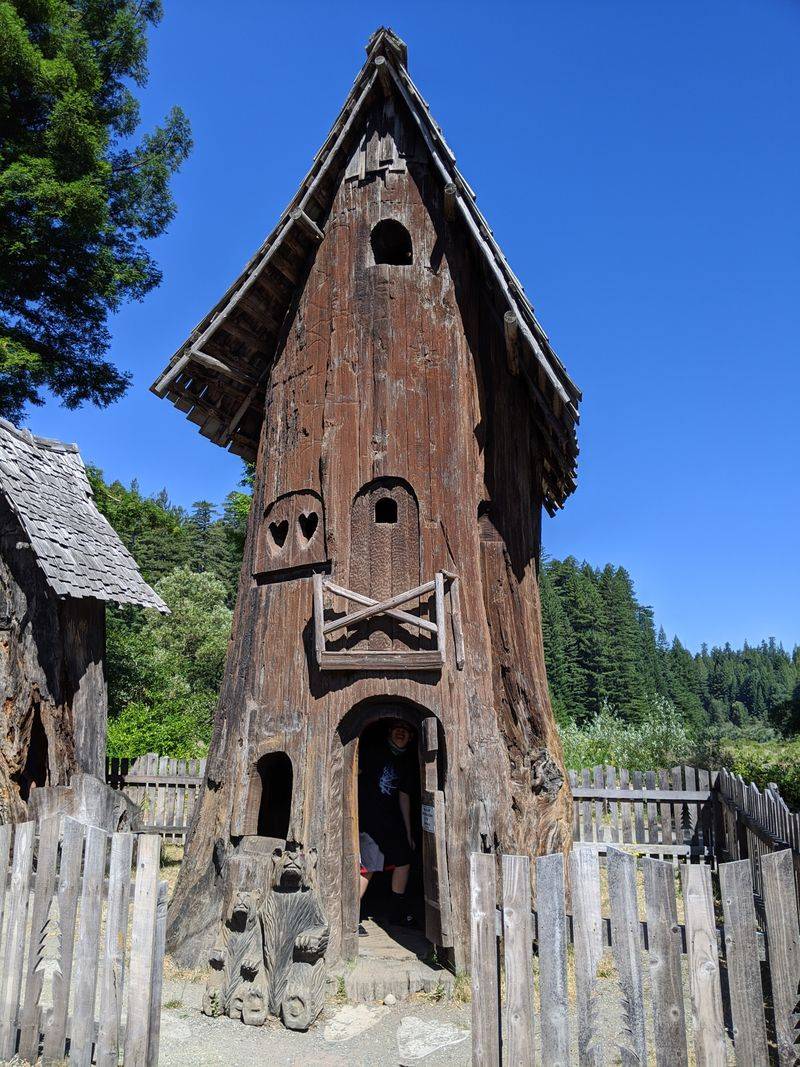
The Yurok Tribe has lived among these redwood forests for thousands of years, maintaining a cultural and spiritual connection to the land that predates modern conservation by millennia.
Recent efforts have recognized this deep relationship, with the tribe now co-managing a 125-acre site near Orick that serves as a cultural gateway to the redwoods.
This partnership represents a significant step in acknowledging indigenous stewardship and incorporating traditional ecological knowledge into forest management.
The Yurok people lost approximately 90 percent of their ancestral lands during the Gold Rush era, making land returns particularly meaningful for the community.
The cultural gateway site provides opportunities for visitors to learn about Yurok history, traditions, and the tribe’s ongoing relationship with the forest.
This education helps contextualize the redwoods within a broader story of human connection to the land.
Traditional management practices developed over thousands of years offer valuable insights for modern conservation efforts.
The Yurok approach to forest stewardship emphasizes balance, sustainability, and respect for all living things within the ecosystem.
Visitors who take time to understand this cultural dimension gain a richer appreciation for the forests and the people who have protected them for countless generations.
7. Headwaters Forest Reserve Protection
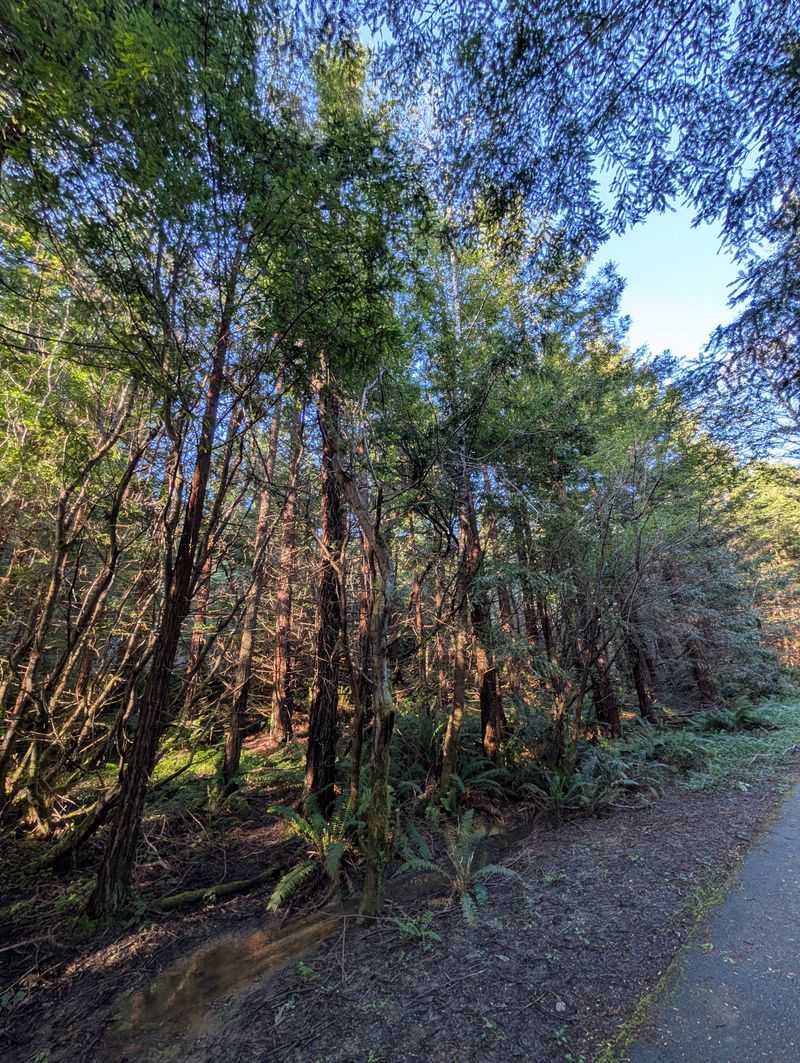
Established in 1999, the Headwaters Forest Reserve protects 7,472 acres of coastal redwood forest, including some of the last undisturbed old-growth stands remaining anywhere in the world.
This relatively recent addition to protected lands demonstrates that conservation efforts continue to evolve and expand.
The reserve came about after decades of environmental activism and negotiation, as the ancient groves it protects were under private ownership and slated for logging.
The federal government ultimately purchased the land, ensuring permanent protection for these irreplaceable trees.
Unlike some more accessible parks, Headwaters maintains a more wilderness character, with limited development and fewer visitor facilities.
This approach prioritizes ecological integrity over visitor convenience, allowing natural processes to continue with minimal human interference.
Hiking in Headwaters requires more preparation and self-sufficiency than in some other protected areas, but the reward is experiencing a truly wild forest.
The trails here see less traffic, offering solitude that’s increasingly rare in popular natural areas.
The reserve also serves as an important research site, where scientists study old-growth forest dynamics and the effects of climate change on these ancient ecosystems.
8. Diverse Recreation For All Abilities
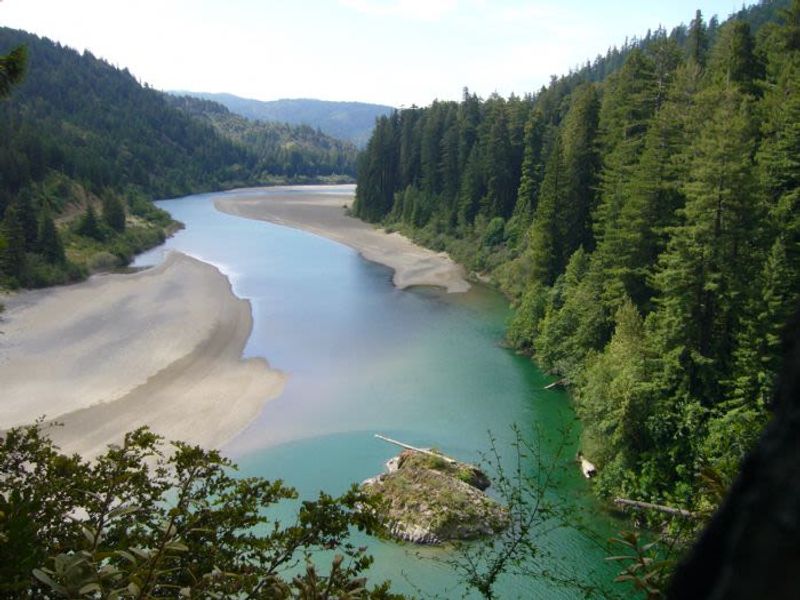
Humboldt’s redwood forests welcome visitors with varying abilities and interests, offering more than 100 miles of trails alongside numerous campsites and picnic areas.
This extensive recreation infrastructure makes the forest accessible without compromising the wild character that makes it special.
Trail options range from short, flat walks suitable for young children and those with limited mobility to challenging backcountry routes that reward experienced hikers with solitude and pristine wilderness.
Several wheelchair-accessible trails allow everyone to experience the majesty of the old-growth forest.
Camping opportunities include developed campgrounds with amenities as well as more primitive backcountry sites for those seeking deeper immersion in nature.
The sound of wind through the redwood canopy and the absence of artificial light make for memorable nights under the stars.
Fishing opportunities exist along the Eel River and its tributaries, where steelhead and salmon runs provide seasonal angling opportunities.
Biking is permitted on designated roads and trails, offering another way to cover ground and explore different areas of the park.
The variety of activities means families can tailor their visit to match their interests and abilities, ensuring everyone finds their own way to connect with these remarkable forests.
9. Unique And Rare Redwood Specimens
Among the countless impressive trees in Humboldt County, a few stand out for their unique characteristics.
The park is home to a rare albino redwood, sometimes called the “Christmas Tree,” which lacks chlorophyll and survives by drawing nutrients from nearby normal redwoods through shared root connections.
These ghostly white trees are extremely rare, with only a few dozen known specimens in the entire world.
Their existence demonstrates the interconnected nature of redwood groves, where trees share resources through underground networks that link the entire forest.
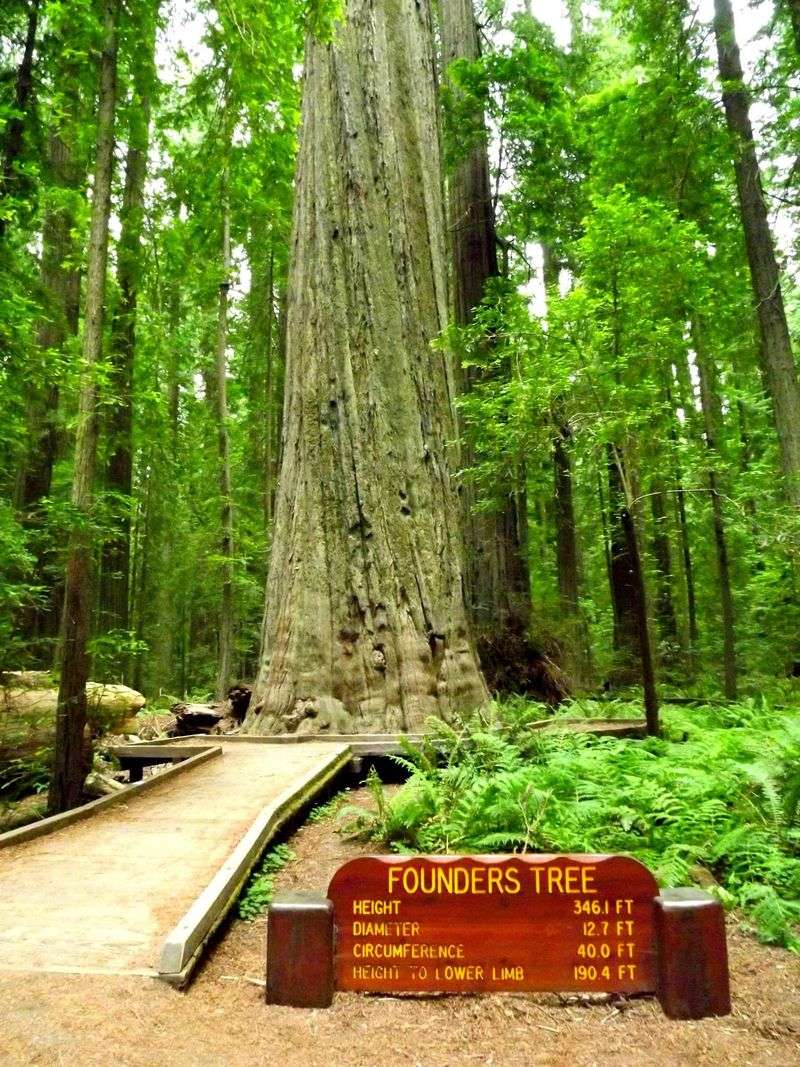
The Founders Tree, named in honor of the founders of the Save the Redwoods League, reaches 346 feet tall with a circumference of 40 feet.
This particular tree has become an iconic symbol of conservation success and the importance of protecting these ancient forests.
Other notable trees throughout the park bear names commemorating conservationists, donors, and significant moments in the park’s history.
These living monuments serve as reminders of the individuals who made protection of these forests possible.
Seeking out these special trees adds an element of discovery to forest visits, though the journey matters more than the destination when surrounded by such overwhelming natural beauty.
10. Ongoing Conservation For Future Generations
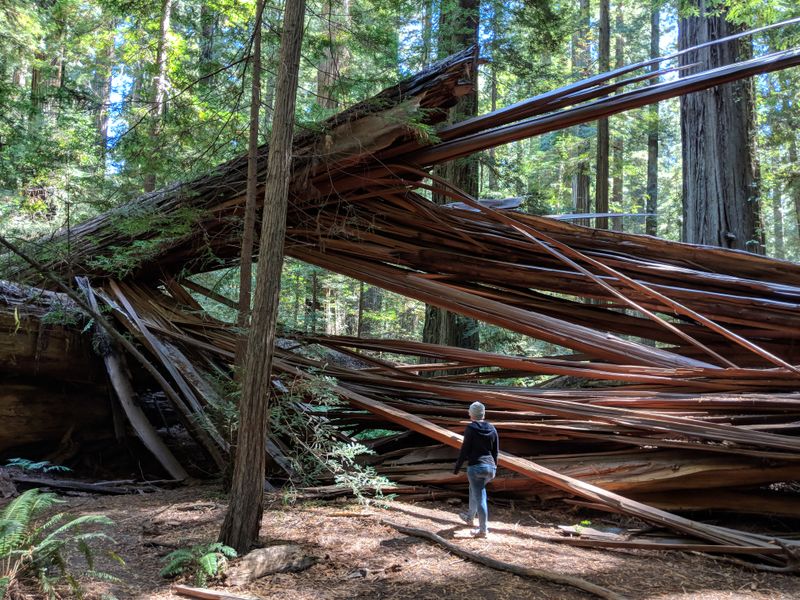
Conservation work in Humboldt County never stops, as organizations continue efforts to protect, restore, and connect forest habitats.
The Save the Redwoods League alone has protected over 189,000 acres of California’s redwood forest lands, with work ongoing to expand protected areas and restore damaged ecosystems.
Modern conservation efforts focus not just on preserving what remains but on restoring areas impacted by past logging and connecting fragmented forest patches.
These connections allow wildlife to move freely and help ensure genetic diversity in both plant and animal populations.
Climate change presents new challenges for these ancient forests, as shifting weather patterns and increased fire risk threaten even protected groves.
Researchers study how redwoods respond to changing conditions, informing management strategies that help these forests adapt.
Visitor support plays a crucial role in ongoing conservation, as entrance fees, donations, and volunteer efforts provide resources for protection and restoration work.
Every person who visits and appreciates these forests becomes part of the conservation story. The work that began a century ago continues today, driven by the same recognition that some places are too precious to lose and must be protected for those who will come after us.